Top 21 Animals With Sharp Claws (Images Included)
This article will take you on a journey through the lives of animals with sharp claws, revealing their extraordinary adaptations and hunting techniques. By learning about these formidable creatures, you’ll gain insight into the survival strategies that have made them exceptional predators. Join us as we uncover the sharp truths behind these powerful paws!
List of Animals With Sharp Claws
Here is the list of animals with sharp claws:
- Wolverine
- Alligators
- American Black Bear
- Star-nosed Mole
- Harpy Eagle
- Tiger
- Sloth
- Komodo Dragon
- Great Horned Owl
- Red Kangaroo
- House Cat
- Polar Bear
- Jaguar
- Giant Anteater
- Lion
- Mountain Lion
- American Badger
- Armadillo
- Bald Eagle
- Grizzly Bear
- Secretary Bird
Wolverine
Scientific Name: Gulo gulo
Class: Mammalia
Diet: Carnivore
The wolverine, a remarkable carnivorous mammal, boasts claws that are not only sharp but also extraordinarily powerful. These adaptations allow it to tackle prey much larger than itself, showcasing its tenacity and strength. With claws that can grip and tear, the wolverine is often seen feasting on carrion or invading the dens of other animals to claim their hard-earned meals. Its claws, combined with strong forelimbs, enable it to dig through ice and snow, searching for prey during harsh winters.
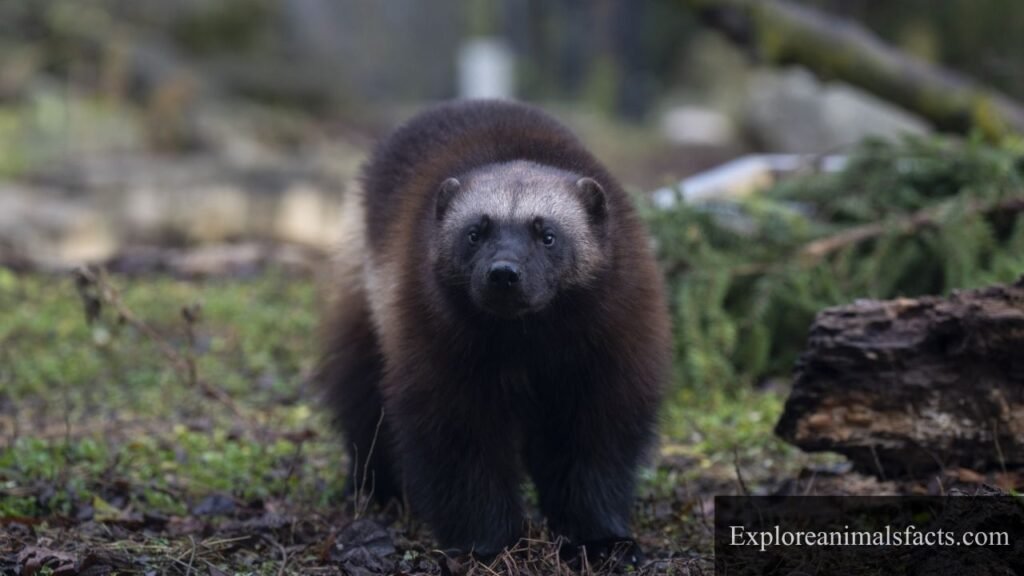
Beyond their physical attributes, wolverines embody a fierce spirit, often described as the “skunk bear” due to their stout body and dense fur. Surprisingly agile, they can traverse rugged terrains and ascend steep slopes, emphasizing their role as resilient survivors in harsh environments. This fierce adaptability illustrates not just an animal with sharp claws, but a symbol of endurance and resourcefulness in the wilderness. Observing these creatures in their natural habitat reveals an endearing mix of isolation and courage, offering deeper appreciation for their role in the ecosystem.
Alligators
Scientific Name: Alligator mississippiensis
Class: Reptilia
Diet: Carnivore
Alligators are remarkable predators, and their sharp claws play a vital role in their hunting and survival strategies. As apex reptiles, they boast powerful limbs equipped with formidable claws that can slice through flesh and grip prey with an iron-like hold. While many may focus on their iconic teeth, these claws contribute significantly to their dexterity, allowing them to navigate both land and water with ease.
The design of alligator claws reflects their dual lifestyle; they are short and strong, perfect for climbing rocky outcrops or tearing into the soft mud of riverbanks. This adaptability is essential, especially during mating season when males may need to display their strength not just in the water but on land as well. Alligators can often be seen using their claws to dig out nests or reposition themselves on sun-drenched banks, showcasing a versatility that belies their fearsome reputation.
American Black Bear
Scientific Name: Ursus americanus
Class: Mammalia
Diet: Omnivore
The American black bear, with its formidable claws measuring up to two inches in length, is a prime example of nature’s design for both survival and adaptability. These sharp talons are not just tools for climbing trees and foraging for food; they also play a crucial role in marking territory and establishing dominance among peers. The dexterity provided by these claws allows black bears to efficiently peel bark from trees, accessing delicious insects underneath, effectively showcasing their remarkable problem-solving skills and adaptability in finding sustenance.
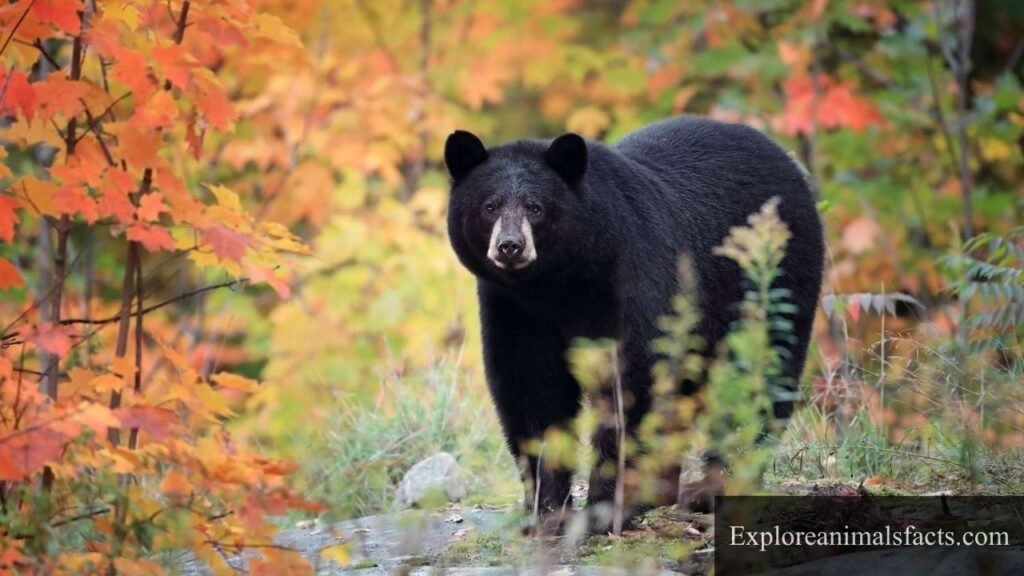
Interestingly, their claws also serve a social purpose, as they leave behind distinctive markings that communicate important information to other bears. Each scratch on a tree trunk tells a story — about the bear’s presence, its health, and perhaps even its mood. This silent yet eloquent language of claw marks reveals layers of social interaction within their ecosystem, enhancing our appreciation for the intricate lives of these magnificent creatures. Observing these fascinating behaviors offers a deeper understanding of their role in maintaining forest health and biodiversity, encouraging us to reflect on the interconnectedness of wildlife and their habitats.
Readmore: Explore Top 15 Animals That Whistle.
Star-nosed Mole
Scientific Name: Condylura cristata
Class: Mammalia
Diet: Carnivore
The star-nosed mole is truly an extraordinary creature, not just for its distinctive, star-shaped snout but also for its formidable claws. These specialized appendages are perfectly adapted for its subterranean lifestyle, allowing it to excavate tunnels with astonishing speed. The sharp claws serve as powerful tools for digging through moist, loamy soil, where the mole forages for worms, insects, and other delicacies.
What sets the star-nosed mole apart is not just its claws but the unique combination of adaptations that work in tandem. Their incredible sense of touch, enhanced by the sensory receptors on their snouts, compensates for their impaired vision. This allows them to swiftly navigate the dark, intricate networks they create. By using their claws to dig and their star-shaped nose to identify prey, they have honed an efficient survival strategy that exemplifies nature’s ingenuity. Observing the star-nosed mole can offer insights into how specialized adaptations can lead to success in specific environmental niches.
Harpy Eagle
Scientific Name: Harpia harpyja
Class: Aves
Diet: Carnivore
The Harpy Eagle, one of the largest and most powerful raptors, boasts talons that rival the claws of big cats in both size and strength. Measuring up to five inches, these formidable appendages are not just tools; they are lethal weapons designed for the hunt. With each sharp curve, they enable the eagle to grip its prey with unyielding force, often targeting sloths and monkeys in the dense canopies of tropical forests.
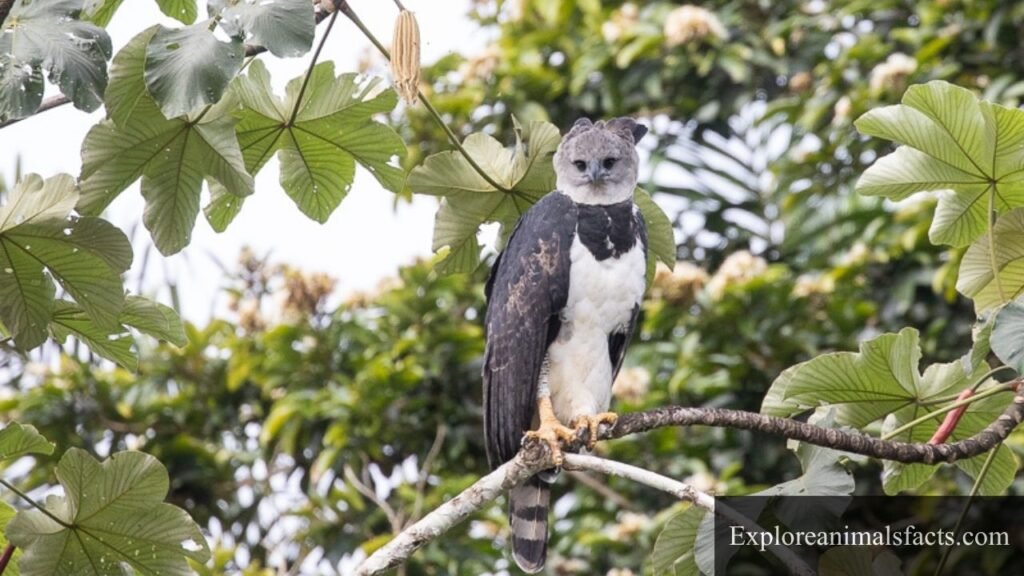
What sets the Harpy Eagle apart is not only its incredible strength but also its unique hunting strategy, which showcases the intelligence behind those razor-sharp claws. Unlike many birds of prey that swoop down from great heights, the Harpy Eagle employs stealth, maneuvering through the trees to ambush its unsuspecting victims. This hunting method highlights the intricate relationship between its claws and its environment, illustrating how evolution has finely tuned its anatomy for survival in a challenging habitat. Each successful hunt reinforces the Harpy Eagle’s stature as one of nature’s fiercest aerial predators.
Tiger
Scientific Name: Panthera tigris
Class: Mammalia
Diet: Carnivore
The tiger wields a formidable set of claws that are key to its survival in the wild. These retractable claws, which can grow up to three inches long, are more than just a striking feature; they are essential tools for hunting and climbing. When a tiger stalks its prey, it moves with remarkable stealth, using its sharp claws to grip the terrain, ensuring quiet approaches. Each powerful swipe can inflict devastating wounds, making these claws a crucial element in the tiger’s predatory success.
The strength of a tiger’s claws is complemented by its unique hunting strategy. Unlike other big cats that may aim for a swift kill, tigers often utilize their claws to pin down larger prey, demonstrating a blend of power and tactical precision. This remarkable adaptation goes beyond hunting; the claws also help in climbing trees, granting tigers a vantage point to survey their territory and spot potential threats or mates. In their world, sharp claws signify not just the menace of a predator but the grace of a creature perfectly adapted to thrive in diverse environments.
Sloth
Scientific Name: Bradypus variegatus
Class: Mammalia
Diet: Herbivore
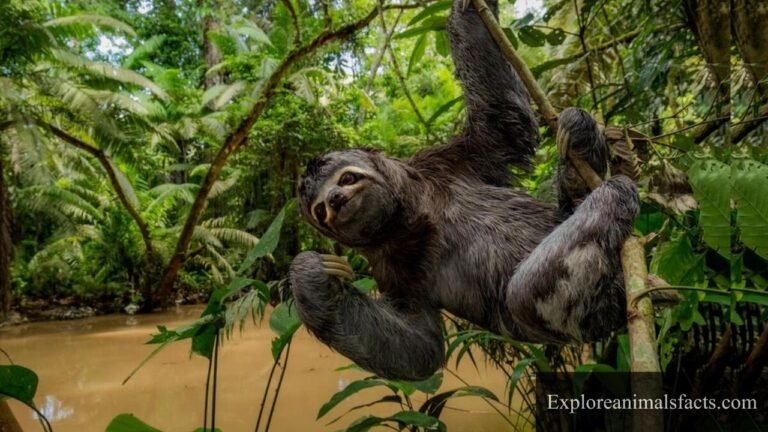
Sloths, often celebrated for their notoriously slow movements, wield an unexpected advantage in their sharp claws. Each claw, which can grow up to four inches long, is perfectly adapted for their arboreal lifestyle, allowing them to anchor themselves securely to tree branches while they navigate the canopies in search of leaves. This unique structure not only helps them maintain stability but also aids in their foraging habits, emphasizing their niche in the ecosystem as browsers of high, leafy greens.
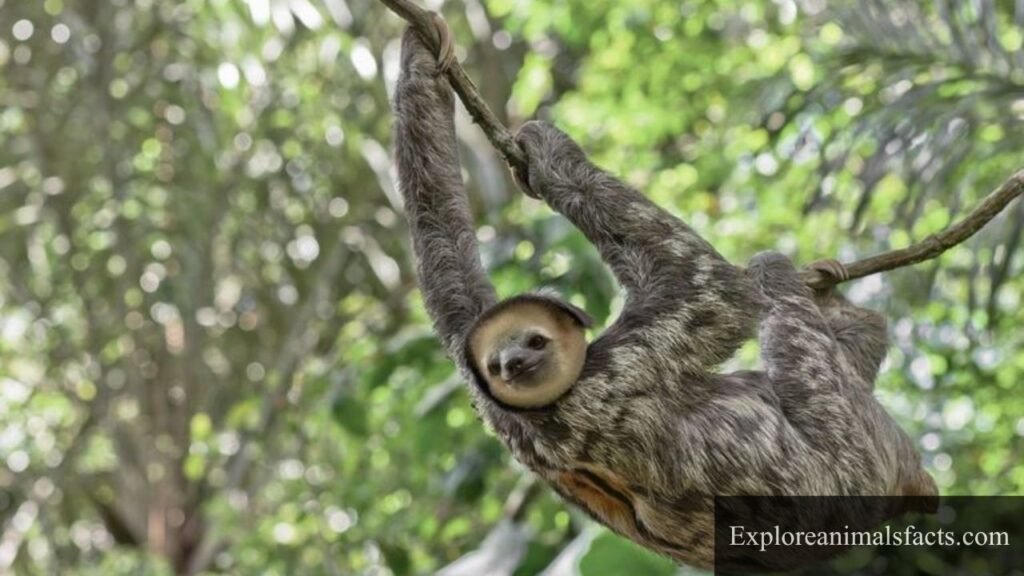
These claws serve more than just a practical purpose; they also embody the sloth’s evolutionary strategy. By climbing high into the forest, sloths avoid many ground-based predators and competitors for food. Their impeccable grip means they can easily hang upside down, blending seamlessly among the foliage. This slower approach to life is not just a behavior; it’s a masterclass in energy conservation, empowering them to thrive where faster creatures might falter, showcasing nature’s brilliance in form and function.
Komodo Dragon
Scientific Name: Varanus komodoensis
Class: Reptilia
Diet: Carnivore
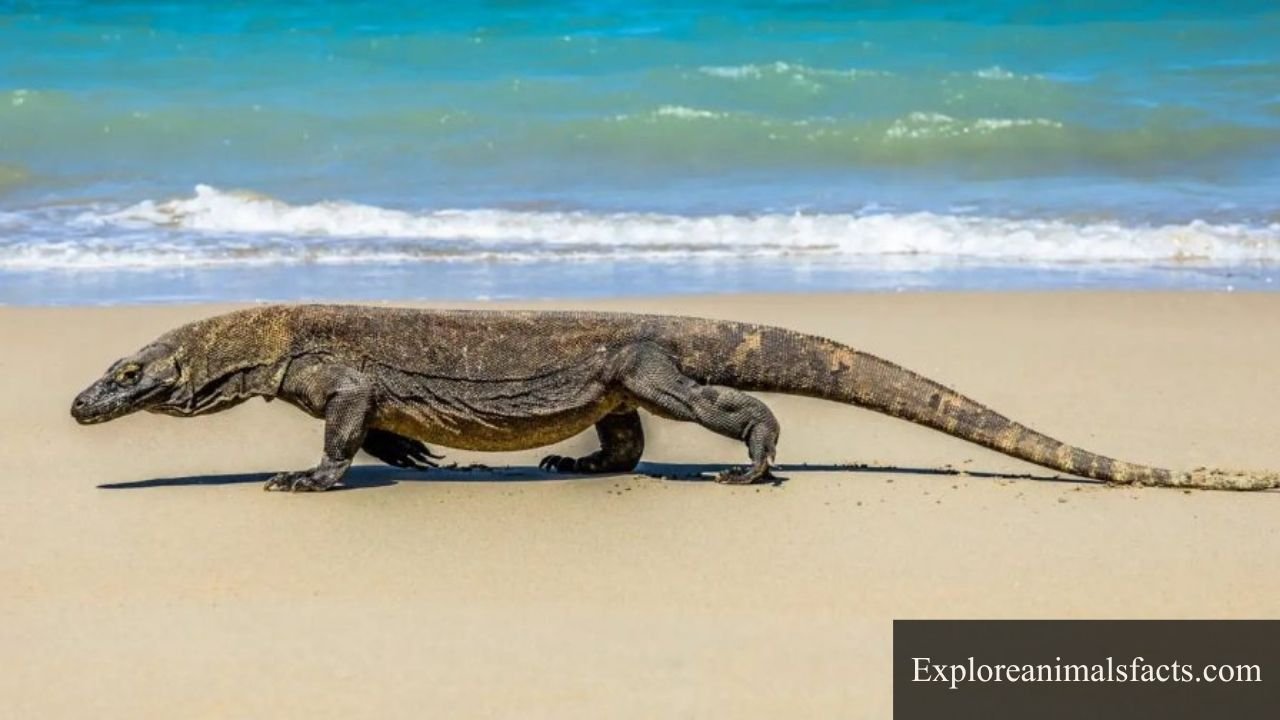
The Komodo dragon, the world’s largest living lizard, wields its sharp claws as both weapons and tools of survival. These formidable claws are not just for intimidation; they skillfully aid in climbing, digging, and subduing prey. Each claw can help it grip slippery surfaces as it navigates its rugged island habitat, while also digging into the earth to unearth hidden carcasses. This adaptability not only showcases the dragon’s physical prowess but also highlights an evolutionary marvel that suits its predatory lifestyle.
The Komodo dragon’s claws are also integral to its ambush tactics. When stalking prey, these claws allow it to keep a low profile as it glides through various terrains, from dense forests to rocky outcrops. The claws work in tandem with the dragon’s keen sense of smell and powerful jaws, ensuring that once it strikes, the chance of escape for its victim is slim to none. The claws play a critical role in the dragon’s unique hunting strategy — inflicting deep wounds that become infected thanks to the bacteria in its saliva, leading to the slow demise of its prey.
Great Horned Owl
Scientific Name: Bubo virginianus
Class: Aves
Diet: Carnivore
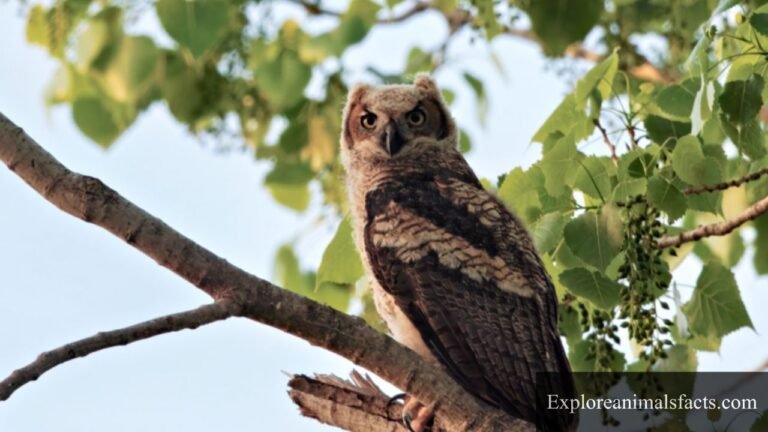
The Great Horned Owl, a master of the night, showcases a stunning combination of power and precision with its formidable claws. These sharp talons, which can exert a grip force of up to 500 pounds per square inch, are essential tools in the owl’s hunting arsenal. When diving silently through the dark, the owl’s sharp claws not only ensure a secure catch but also highlight its role as an apex predator in various ecosystems.
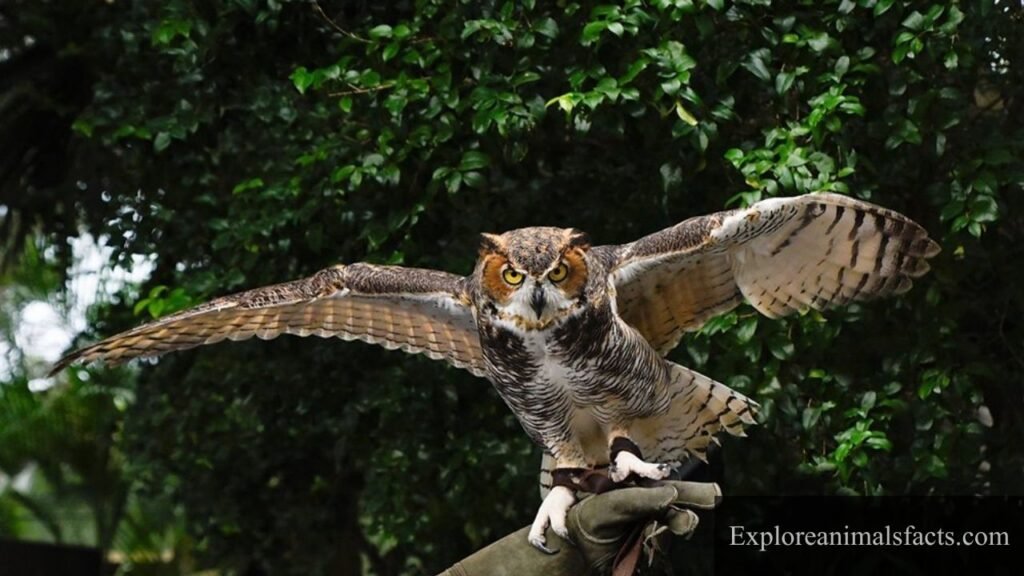
What’s particularly fascinating about the Great Horned Owl is its ability to adapt its hunting techniques based on the terrain and prey. Whether perched silently on a branch or gliding through open fields, it can swiftly transition from stealthy observation to explosive action, capturing everything from rabbits to skunks. This adaptability illustrates a level of intelligence that further enriches our understanding of these majestic birds. As they navigate diverse habitats across the Americas, their claws symbolize not just strength but also the intricate balance of nature, where every adaptation plays a role in survival.
Red Kangaroo
Scientific Name: Osphranter rufus
Class: Mammalia
Diet: Herbivore
The red kangaroo wields sharp claws that serve multiple purposes beyond mere locomotion. While these iconic marsupials are celebrated for their powerful hind legs, their forelimbs, equipped with formidable claws, play a crucial role in their survival. These claws are not just tools for gripping the land; they’re essential for digging and foraging, enabling the red kangaroo to unearth roots and tubers hidden beneath the surface. This adaptability is vital in the harsh Australian environment, where food sources can be scarce.
These sharp claws also serve as a defensive mechanism. In encounters with predators or rivals, a swift kick can harness not only the kangaroo’s strength but also the precision of their claws, offering an unexpected defense. Observing red kangaroos in their natural habitat reveals the balance they maintain between grace and power, illustrating how an animal so perceived as gentle carries an arsenal when challenged. This duality of their claws highlights the intricate relationship between form and function in nature, emphasizing how even the most iconic species adapt to their environments in ways that continue to surprise and engage us.
House Cat
Scientific Name: Felis catus
Class: Mammalia
Diet: Carnivore
House cats, often seen as gentle companions, are equipped with a formidable set of sharp claws that tell a different story. These retractable weapons serve multiple purposes beyond mere self-defense; they are essential tools for climbing and hunting. When cats prowl through their territory, their claws enable them to scale fences and trees with remarkable agility, allowing them to escape predators or stalk unsuspecting prey.
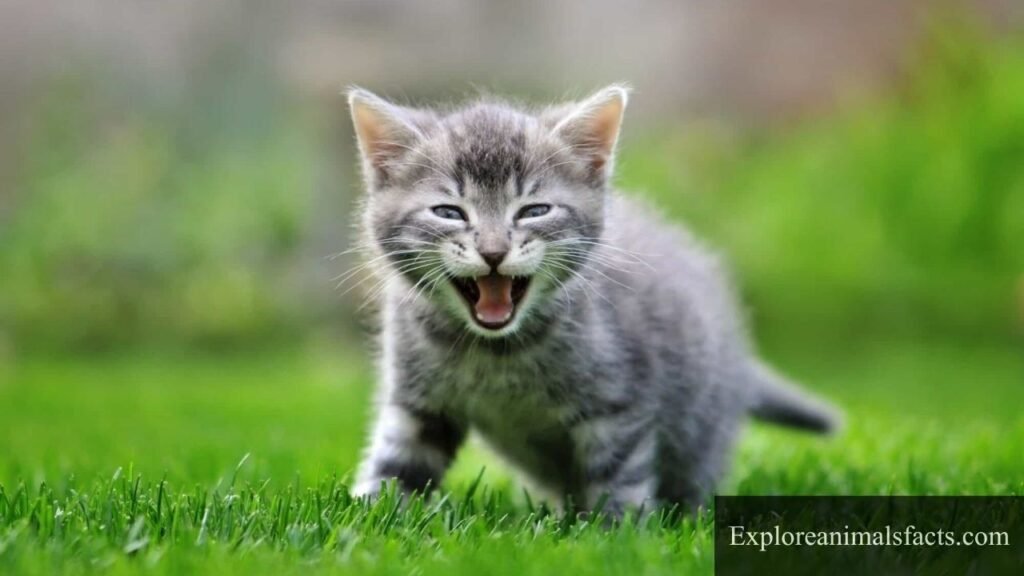
A cat’s claws also play a crucial role in their social interactions and play behavior. The act of scratching isn’t just about sharpening those claws; it’s a form of communication, leaving scent marks and visual signals that define their territory. Moreover, kittens learn to navigate their world and refine their hunting instincts through playful wrestling with their siblings, showcasing the significance of these sharp tools in their development. This multi-faceted use of claws highlights not just a cat’s survival instincts but also its complex lifestyle, where the combination of play and precision becomes a masterpiece of nature’s design.
Polar Bear
Scientific Name: Ursus maritimus
Class: Mammalia
Diet: Carnivore
The polar bear, with its formidable claws, embodies the raw power and adaptability of Arctic life. Each foot features five sharp claws that can measure over two inches long, designed not only for gripping slippery ice but also for tearing through the tough hides of seals — their primary prey. These claws enable the polar bear to navigate its frigid habitat with grace and precision, allowing it to maintain its hunting prowess in an environment where survival is never guaranteed.
The polar bear’s claws serve more than just a hunting purpose. They act as tools for mobility, helping the bear to maintain traction on the smooth, icy surfaces it often traverses. In warmer months, when the ice begins to melt, their claws can also assist in digging into the earth to create den-like shelters for cubs. This dual functionality highlights the evolution of the polar bear as it balances the challenges of climate and prey availability, showcasing the intricate relationship between anatomy and environment in the wild.
Jaguar
Scientific Name: Panthera onca
Class: Mammalia
Diet: Carnivore
The jaguar, with its powerful physique and striking coat, wields some of the sharpest claws in the animal kingdom, a crucial adaptation for its predatory lifestyle. These retractable claws not only enhance its ability to grip and climb, but they also deliver deadly precision during hunts. Unlike other big cats, jaguars exhibit an unparalleled biting power, allowing them to pierce through the tough shells of tortoises and the thick hides of caimans, showcasing their claws as multifunctional tools for both defense and feeding.
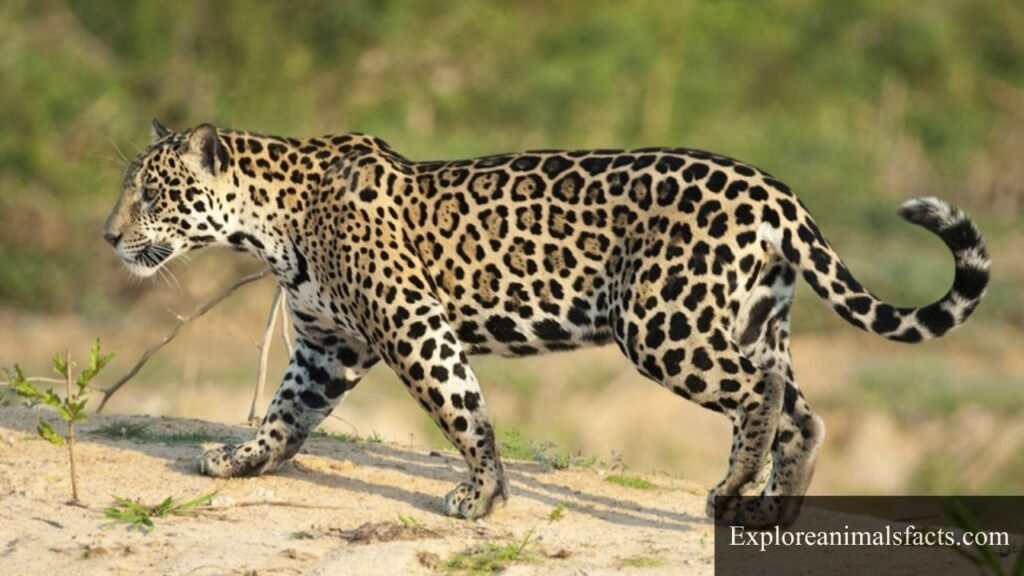
What sets jaguars apart is their unique hunting technique, often described as a “bite-and-hold” method. When they stalk their prey, their keen sense of hearing and sight blend seamlessly with the silent stealth of their padded paws, giving them the element of surprise. Once close enough, their claws dig into the unsuspecting victim, providing the leverage they need to deliver a powerful bite, often targeting the skull or spine for a quick kill. This mastery of ambush is a testament to evolutionary design, illustrating how jaguars have adapted to thrive in diverse habitats, from the dense rainforests to arid landscapes.
Giant Anteater
Scientific Name: Myrmecophaga tridactyla
Class: Mammalia
Diet: Insectivore
The giant anteater, a unique creature found in Central and South America, possesses a set of formidable claws that serve as both tools and weapons. These impressive claws, which can grow up to four inches long, are perfectly adapted for tearing into termite mounds and ant colonies, allowing the anteater to access its favorite meal. However, they are not just for foraging; when threatened, these powerful appendages transform into a defense mechanism, capable of inflicting serious damage to potential predators.
What makes the giant anteater particularly fascinating is the specialized way it uses its claws. While other animals might rely on raw strength, the anteater’s claws are employed with precision and finesse. They dig with a graceful yet forceful technique, softening the mounds just enough to allow the anteater’s long tongue to dart in and extract its prey. This duality of purpose, combining foraging and self-defense, highlights a remarkable adaptation that balances necessity with survival in the wild. In a world where every advantage counts, the giant anteater’s claws exemplify how evolution shapes not just survival strategies, but also behavior and interactions within its ecosystem.
Lion
Scientific Name: Panthera leo
Class: Mammalia
Diet: Carnivore
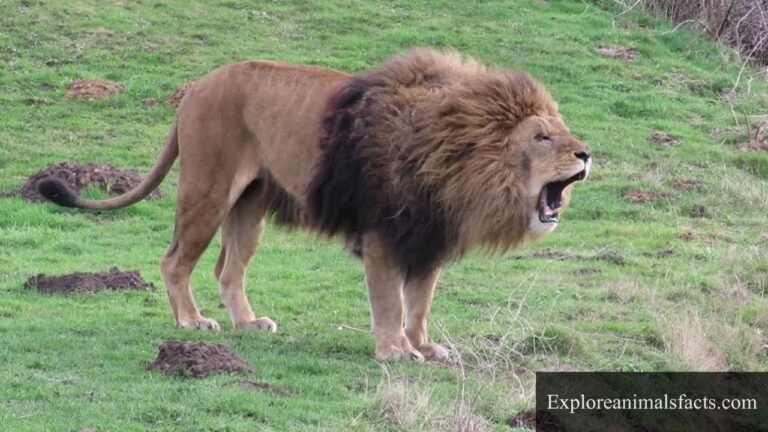
Lions, often referred to as the “kings of the jungle,” possess claws that are not just tools for hunting — they’re essential for establishing their dominance in the wild. With retractable claws that can extend up to 1.5 inches, a lion’s grip is both formidable and efficient. When these great cats swipe at prey, their claws dig in with remarkable precision, ensuring a swift capture. This prowess is complemented by their powerful forelimbs, which allow them to tackle and immobilize animals much larger than themselves.
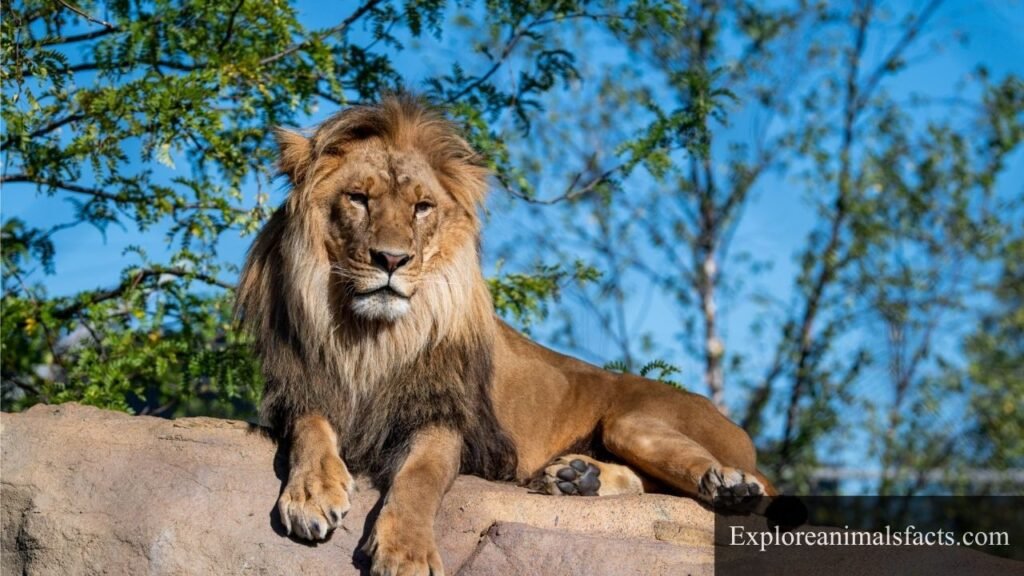
Lion claws play a vital role in social interactions within prides. Scent marking is a common behavior; lions often scrape their claws against trees to leave their scent, asserting territory and reinforcing their social structure. Interestingly, these sharp tools are also a means of play; young cubs engage in mock battles and clawing at each other, which sharpens their skills in a safe environment. Thus, the claws of a lion are not just instruments of survival but also crucial components of their social life, blending aggression with playfulness in their majestic existence.
Mountain Lion
Scientific Name: Puma concolor
Class: Mammalia
Diet: Carnivore
Mountain lions, also known as cougars or pumas, are fascinating predators equipped with powerful, retractable claws that serve multiple purposes. These claws are not only lethal weapons for hunting but also serve as essential tools for climbing rugged terrain, allowing these majestic cats to navigate their mountainous habitats with ease. Their ability to retract these formidable claws keeps them sharp and pristine, ready for a quick strike when necessary.
The biomechanics of a mountain lion’s claws reveal a remarkable adaptation. When they hunt, mountain lions employ a stealthy approach, using their strong forelimbs to grip and bring down substantial prey, such as deer. This precision highlights their evolutionary edge, enabling them to capitalize on their environment. Moreover, their claws play a crucial role in communication; the marks left on trees, created during territorial displays, can convey vital messages to other mountain lions about presence and dominance. In the grander scheme of nature, the claws of a mountain lion are not just tools of survival but symbols of their adaptability and resilience in the wild.
American Badger
Scientific Name: Taxidea taxus
Class: Mammalia
Diet: Carnivore
The American badger, with its formidable claws, is a master of excavation. These sharp, robust appendages are perfectly adapted for digging through tough soil, allowing badgers to create extensive burrows for shelter and foraging. This burrowing behavior isn’t just a testament to their physical abilities; it also plays a crucial role in soil aeration and ecosystem health, benefiting a myriad of other organisms in their environment.
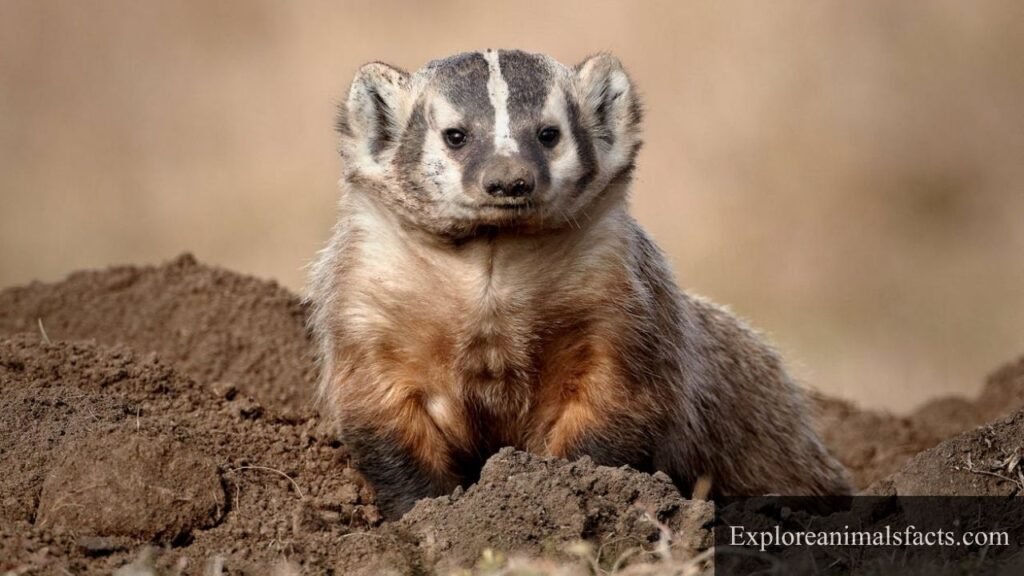
These claws are instrumental in their diet. Badgers primarily feast on small mammals, insects, and even roots, but it’s their digging prowess that enables them to unearth hidden treasures beneath the ground. Their strong forelimbs and sharp claws can swiftly break through the hard clay and rocky terrains, showcasing an impressive combination of strength and dexterity. Observing a badger in its natural habitat, one can appreciate not merely their physical adaptations but also their role as a natural engineer, shaping the landscape and maintaining the delicate balance of their ecosystem.
Armadillo
Scientific Name: Dasypodidae
Class: Mammalia
Diet: Omnivore
Armadillos possess an intriguing set of features that make them captivating. Their sharp claws are not just tools for digging; they are integral to their survival strategy. With powerful and elongated front claws, armadillos can burrow efficiently, creating extensive tunnel systems that serve as both hideouts and foraging grounds. This ability to dig also allows them to access food sources, like insects and grubs, hidden beneath the ground.
The armadillo’s claws have evolved uniquely to support its armor-like shell. While their protective exterior wards off many predators, the sharp claws enable these creatures to quickly excavate their escape routes when threatened. This interplay between defensive and offensive adaptations showcases the armadillo’s resourcefulness in a world fraught with danger. Moreover, in certain regions, their burrowing habits contribute to soil aeration, subtly benefiting ecosystems — an often overlooked role that highlights their importance in biodiversity.
Bald Eagle
Scientific Name: Haliaeetus leucocephalus
Class: Aves
Diet: Carnivore
The Bald Eagle wields some of nature’s most formidable claws. Measuring up to three inches in length, these powerful talons are not just tools for grasping; they are finely tuned instruments of survival. Each claw is perfectly designed to snatch slippery fish from water’s surface or secure a perch high in a tree, showcasing a balance of power and precision.
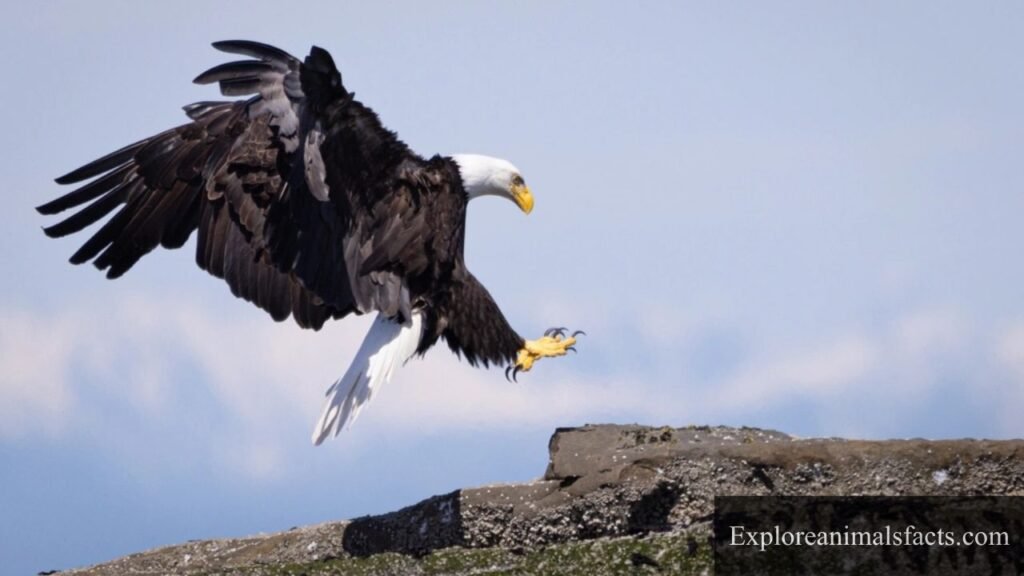
What’s particularly fascinating is how these birds employ their claws beyond mere hunting. In mating rituals, the grip strength of their talons can denote fitness, with the strongest birds often winning mate contests. This aspect of their behavior highlights an intriguing intersection of evolution and social dynamics, where physical capabilities translate into reproductive success. Plus, their sharp claws serve as a reminder of the delicate balance in nature — while they dominate the skies, they also underscore the vulnerability of their ecosystems. In the dance of life and death, the Bald Eagle’s talons tell a compelling story of resilience and adaptation, embodying the essence of the wild American landscape.
Grizzly Bear
Scientific Name: Ursus arctos horribilis
Class: Mammalia
Diet: Omnivore
Grizzly bears are not only iconic for their massive size and formidable presence but also for their remarkably sharp claws, which can grow up to four inches long. These powerful tools are crucial for their survival, allowing them to dig for roots, tear apart fallen trees, and skillfully catch fish. Observing a grizzly clawing at the bank of a river, deftly extracting salmon, reveals not just raw strength but a nuanced adaptability honed over centuries.
What’s particularly fascinating is how these claws serve as a symbol of their diverse diet. Unlike many carnivores that rely solely on hunting, grizzlies are omnivorous, using their claws to exploit a wide range of food sources. They dig through logs in search of insects, rip open beehives for honey, and even unearth buried acorns during the autumn months. This adaptability underscores how evolution has equipped the grizzly bear not merely for survival but for thriving in a variety of habitats, making their claws an essential element of their ecological versatility.
Secretary Bird
Scientific Name: Sagittarius serpentarius
Class: Aves
Diet: Carnivore
The Secretary Bird possesses claws that are both formidable and fascinating. Unlike the talons of typical birds of prey, the Secretary Bird uses its sharp claws to hunt down snakes and other small prey, displaying an extraordinary level of agility as it stalks through grasslands. Its hunting technique is not just a display of power — it’s a masterclass in precision. The bird strikes its quarry with a swift kick, utilizing its claws to ensure a lethal grip, showcasing a unique adaptation that highlights its evolutionary prowess.
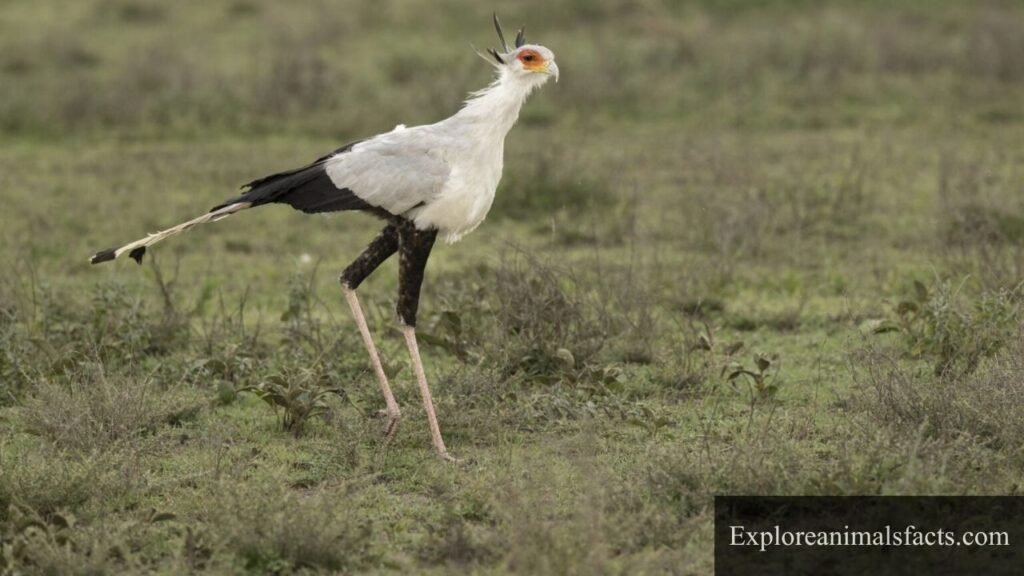
The Secretary Bird’s elongated limbs and clawed toes have evolved not just for hunting but also for navigating its often challenging terrain. These adaptations allow it to traverse diverse habitats, from savannahs to open woodlands, with remarkable ease. Not only does this avian predator dominate its environment, but it also plays a crucial role in controlling snake populations, contributing to the ecological balance. Total mastery in using those sharp claws elevates the Secretary Bird to a level of elegance and efficiency rarely seen in the animal kingdom, making it a remarkable symbol of nature’s innovative design.
Readmore: Explore Top 9 Mammals That Cannot Jump.
Final Thoughts
The world of animals with sharp claws is as diverse as it is fascinating. From the stealthy movements of cats to the powerful grip of bears, these creatures demonstrate a range of adaptations that enhance their survival. Sharp claws are not just tools for hunting; they also serve critical roles in climbing, digging, and self-defense. As we learn more about these incredible animals, it’s essential to recognize the delicate balance of their ecosystems and the challenges they face. Let’s commit to protecting their habitats and fostering a greater appreciation for the wildlife around us.
FAQs
What animals have sharp claws?
Many animals have sharp claws that serve different purposes. For instance, big cats like lions and tigers use their retractable claws for hunting and climbing. These claws help them grip prey and provide agility in their environment. Birds of prey, such as eagles and hawks, also have sharp talons that allow them to catch and hold onto their food securely. Additionally, reptiles like iguanas and certain types of lizards have sharp claws for climbing and digging.
What animal has the sharpest claws in the world?
The Harpy Eagle boasts some of the sharpest claws in the animal kingdom. With talons that can measure over five inches, they are designed for gripping and tearing through prey with incredible force. These powerful birds primarily hunt arboreal mammals like monkeys and sloths, using their impressive claws to deliver swift, lethal strikes. The Harpy Eagle’s claws are not just sharp; they are also extraordinarily strong. This allows them to carry off heavy prey and navigate through the dense canopy of their rainforest habitats.