Top 15 Grumpy Animals in The World (Pictures Included)
This article explores the fascinating world of grumpy animals, shedding light on their behaviors and emotions. Understanding these creatures not only deepens our appreciation for them but also helps us navigate our interactions — whether they’re our pets or wildlife. Get ready to uncover the reasons behind their moods and learn how to keep the peace!
List of Grumpy Animals in The World
Below is the list of grumpy animals in the world:
- Kangaroo
- Blobfish
- Honey badger
- Pallas’s Cat
- Jaguar
- Wolverine
- Gorilla
- Wild boar
- African honey bee
- Bison
- Slow loris
- Raccoon
- Tasmanian devil
- Moose
- Cape Buffalo
Kangaroo
Scientific Name: Macropus
Class: Mammalia
Diet: Herbivore
Kangaroos, with their iconic hopping and adorable joeys, might seem like the embodiment of Australian wildlife. Yet, delve a bit deeper, and you’ll find that these marsupials can also sport a rather grumpy demeanor, particularly when threatened or cornered. In the wild, a rutting male or a mother protecting her young will put on a formidable display, clenching their powerful tails and using their muscular hind legs as weapons. This behavior juxtaposes their typically unique charm, revealing a tenacious spirit that demands respect from anyone who encounters them.
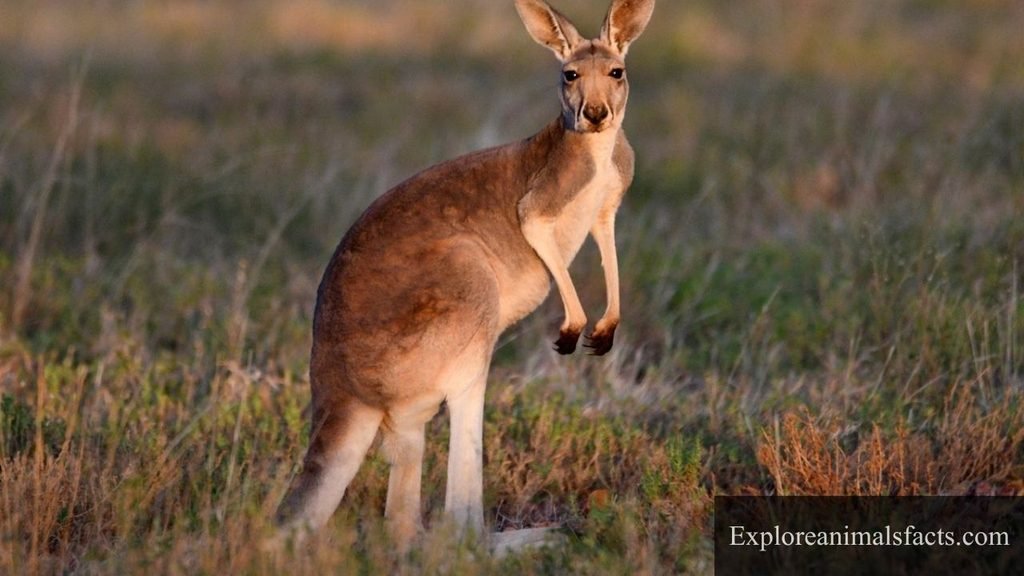
In captivity, the “grumpy kangaroo” persona often emerges with the pressures of human interaction. Unlike their free-roaming counterparts, these kangaroos might exhibit signs of stress or irritation when faced with flash cameras and intrusive visitors. It offers a poignant reminder: while kangaroos may evoke images of playful nature, they are wild animals deserving of space and understanding. Observing their grumpy side can spark reflections on how we perceive wildlife; it challenges us to recognize that even the cutest creatures have boundaries that should never be crossed.
Blobfish
Scientific Name: Psychrolutes marcidus
Class: Actinopterygii
Diet: Carnivore
The blobfish presents a fascinating blend of biology and perception. With its gelatinous, droopy appearance, this deep-sea dweller has often been mischaracterized due to its looks, evoking laughter rather than curiosity. Yet, it’s this very morphology that illustrates the remarkable adaptations of life in extreme environments. Living at depths of over 1,200 meters, the blobfish possesses a body that is mostly water, allowing it to withstand ocean pressures that would crush other creatures.
beyond its caricature-like visage lies a story of environmental challenges. Blobfish populations are vulnerable to deep-sea trawling, a practice that can devastate their habitats and threaten their survival. In the public eye, the blobfish may represent a quirky oddity, but it also serves as a poignant reminder of the fragility of marine ecosystems. By shifting our focus from its grouchy looks to its role in the ocean’s complex tapestry, we can appreciate the blobfish not just as a humorous spectacle, but as a symbol of resilience amidst the changing dynamics of our oceans.
Honey Badger
Scientific Name: Mellivora capensis
Class: Mammalia
Diet: Omnivore
The honey badger, often touted as one of the most fearless creatures in the animal kingdom, is a prime example of grumpiness turned survival strategy. Known for its audacious behavior, it doesn’t shy away from challenging animals much larger than itself, from lions to snakes. This tenacity stems from an almost comically outrageous approach to life; the honey badger is marvelously equipped with thick skin, allowing it to shrug off attacks that would deter lesser animals.
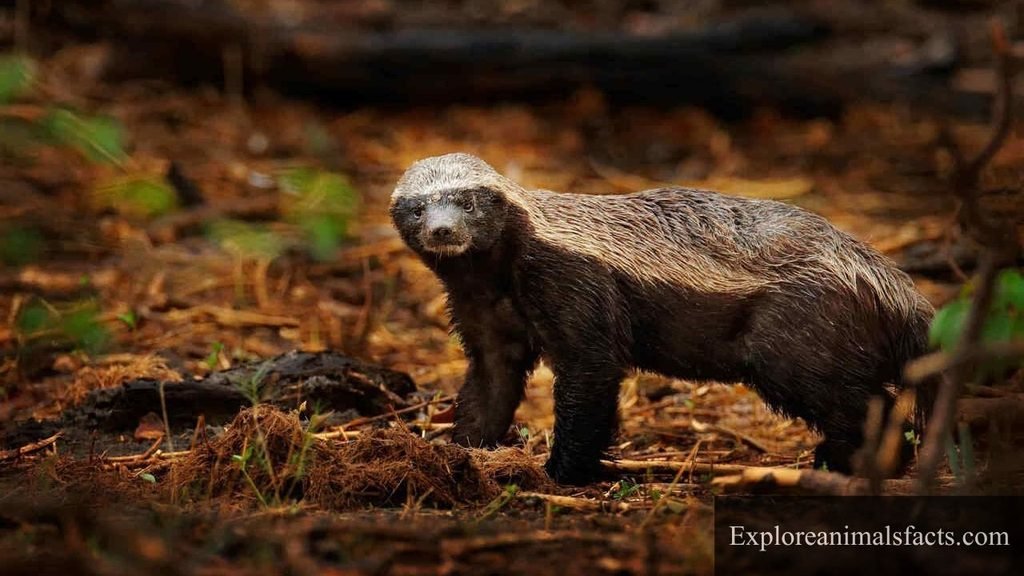
Their grumpiness isn’t merely an attitude — it’s a bold declaration of their adaptability. By fiercely defending their territory and food sources, honey badgers have cemented their reputation as relentless scavengers. They also exhibit a remarkable level of intelligence, using tools and strategic thinking to outsmart predators and forage for food. Observing these creatures in action reveals a fascinating blend of resourcefulness and grit, making them not just adorable but a testament to the marvels of evolution in the wild.
Readmore: Explore Top 13 Smartest Birds in The World.
Pallas’s Cat
Scientific Name: Otocolobus manul
Class: Mammalia
Diet: Carnivore
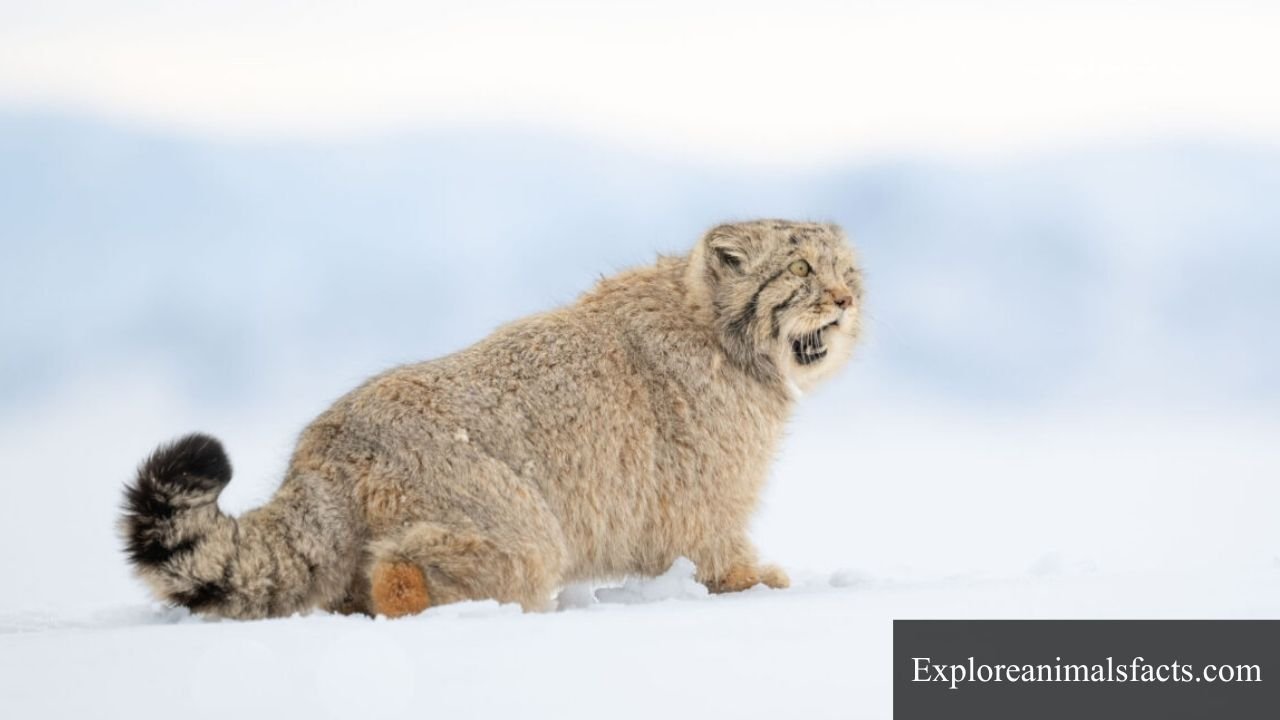
Pallas’s cat, with its stocky build and unamused expression, offers a unique glimpse into the world of grumpy animals. Often referred to as the “manul,” these small wildcats exhibit an endearing yet perpetually displeased demeanor, likely owing to their tufted ears and wide, flat faces. Their grumpiness isn’t just a charming quirk; it’s a survival strategy. Living in the harsh steppe regions of Central Asia, these cats have adapted to a life of solitary hunting, relying on their blend of stealth and camouflaged fur to ambush prey like rodents and birds amid rocky terrains.
Their flat appearance and minimal body temperature regulation allow them to thrive in extreme climates, where warmth is at a premium. This adaptation can lend their expressions a certain air of annoyance, as if they are perpetually discontent with the conditions around them. Despite their grumpy facade, Pallas’s cats are fiercely territorial and intelligent, showcasing a quirky charm that makes them both fascinating and compelling. This duality teaches us that even the most seemingly irritable creatures have stories of resilience and adaptation to tell, inviting us to appreciate the complexities behind their grumpy exteriors.
Jaguar
Scientific Name: Panthera onca
Class: Mammalia
Diet: Carnivore
Jaguar embodies a captivating blend of power and mystery. With its striking rosettes and muscular physique, this apex predator commands the rainforests and savannas. Yet, it’s the jaguar’s elusive nature that truly sparks intrigue; they are solitary creatures that prefer the shadows. When spotted, they can appear almost grumpy, lounging with an air of indifference that belies their ferocity.
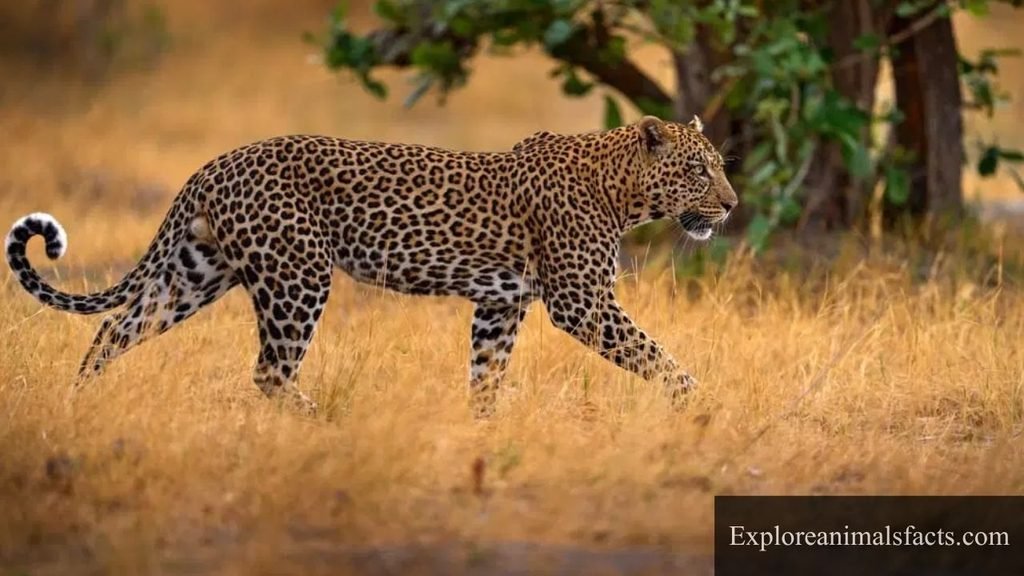
What’s fascinating is their behavior in the wild. Unlike many big cats that roar to assert dominance, jaguars often rely on stealth and a subtle presence. Their growls resonate with a deep, throaty rumble, reminiscent of a grumbling stomach, which reinforces their enigmatic persona. There’s an aura of nonchalance in the way they navigate their environment, showcasing a unique blend of laid-back attitude and lethal intent. This balance makes them not just symbols of strength but also representations of an age-old wisdom in the wild. Their grumpiness, in essence, might simply be a reminder to respect the quiet confidence this magnificent creature embodies.
Wolverine
Scientific Name: Gulo gulo
Class: Mammalia
Diet: Carnivore
Wolverines may look like small bears, but they embody a fierce spirit that belies their size. Known for their robust build and a thick coat, these creatures are often dubbed the “badgers of the north.” Their reputation as grumpy animals isn’t just folklore; wolverines are notorious for their feisty behavior when defending territory or scavenging for food. Despite their solitary lifestyle, they have been observed taking on prey much larger than themselves, showcasing an audacity that leaves many other animals quaking in their boots.
Wolverines also possess fascinating survival adaptations. Their strong jaws can crack open frozen carcasses, allowing them to feast on meals that would be inaccessible to most predators during the harsh winter months. Yet, it’s their exceptional sense of smell that truly sets them apart — capable of detecting food buried beneath several feet of snow. This combination of brute strength and clever resourcefulness makes them emblematic of resilience in the animal kingdom, further enhancing their grumpy yet captivating reputation. In a world increasingly focused on the soft and cuddly, the wolverine reminds us that tenacity and audacity have their own kind of charm.
Gorilla
Scientific Name: Gorilla gorilla / Gorilla beringei
Class: Mammalia
Diet: Herbivore
Gorillas often embody a gentle giant persona, but those moments when they appear grumpy reveal a fascinating layer of their emotional complexity. Imagine a silverback, massive and imposing, flaring his nostrils as he scowls at his surroundings. This grumpiness often stems from a deep-rooted need for solitude and peace, especially in a zoo setting filled with curious onlookers. Behind that furrowed brow lies a creature that fiercely values its personal space, and each expression is a communication, a plea for respect.
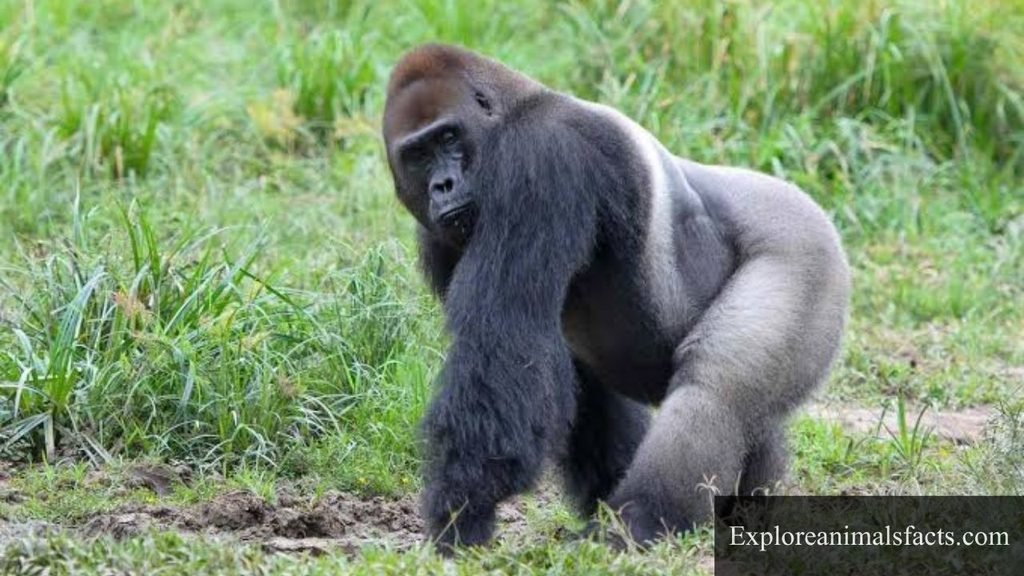
Researchers have observed that gorillas are capable of nuanced emotional responses that mirror those found in humans. When a gorilla expresses displeasure, it can be a sign of intelligence and social awareness. These moments often provide a glimpse into their rich social structures, where hierarchy and relationships are crucial elements of their daily lives. The grumpy demeanor can signify more than irritation; it can indicate stress or a longing for the complex, serene environments of their natural habitat, underscoring the importance of conservation efforts to protect these incredible beings and their ecosystems.
Wild Boar
Scientific Name: Sus scrofa
Class: Mammalia
Diet: Omnivore
Wild boars, with their bristly fur and formidable tusks, might seem like the epitome of grumpiness in the animal kingdom. Known for their surly demeanor, these creatures embody a rugged resilience that can be both intimidating and fascinating. Their huffing snorts and fierce glares often signal that they’re not in the mood for company, yet beneath this tough exterior lies a remarkable adaptability, enabling them to thrive in diverse habitats — from dense forests to urban fringes.
What’s particularly interesting about wild boars is their strong sense of family. Despite their grumpy reputation, these animals exhibit complex social behaviors, often forming tight-knit groups called sounders, typically led by a matriarch. In these familial units, they demonstrate nurturing behaviors toward their young, which starkly contrasts their often abrasive public persona. This duality raises questions about the perceptions we hold of “grumpy” animals — could it be that their apparent hostility is merely a protective mechanism in the wild, shrouded in layers of instinctual wisdom? Understanding wild boars not only deepens our appreciation for their adaptability but also invites us to look beyond surface appearances in the animal world.
African Honey Bee
Scientific Name: Apis mellifera scutellata
Class: Insecta
Diet: Herbivore
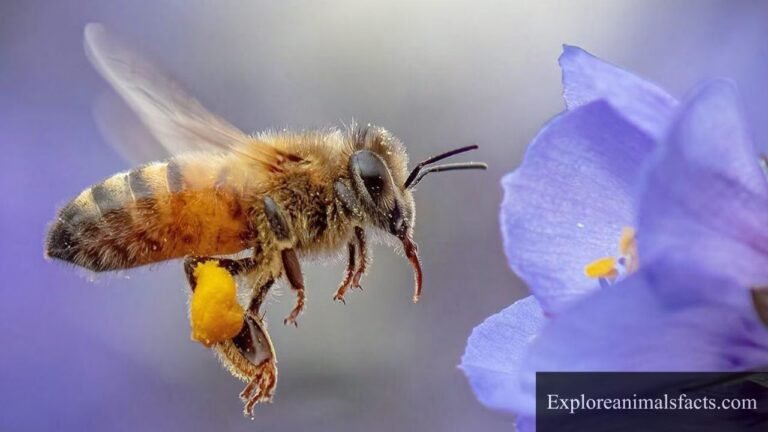
The African honey bee has earned its notorious reputation not just for its aggressive defense mechanisms but also for its remarkable adaptability. Unlike their more docile counterparts, these bees are known to react swiftly when their hive is threatened, swarming in large numbers to fend off intruders. This defensive behavior might seem grumpy, but it’s a testament to their survival instincts in a landscape where threats abound, from predators to environmental changes.
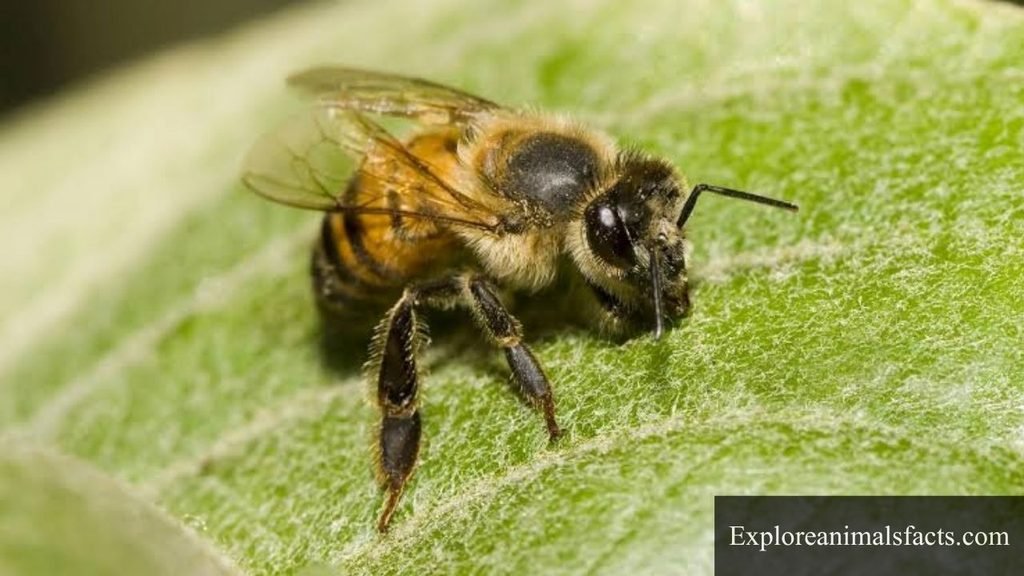
What’s fascinating about the African honey bee is its ability to thrive in varied climates across Africa and beyond, showcasing resilience and versatility. They play a critical role in local ecosystems, pollinating countless plants that support both agriculture and wildlife. Their intense work ethic and communal living habits reflect a structure that balances aggression with cooperation — a duality that can be perceived as grumpiness on the outside but is crucial for hive survival. In a world often quick to judge these surprising creatures, understanding their defensive tactics as a form of strong community protection enriches our appreciation for their role in biodiversity.
Bison
Scientific Name: Bison bison / Bison bonasus
Class: Mammalia
Diet: Herbivore
The bison, often characterized by its formidable stature and shaggy mane, has a reputation for being less than hospitable. With their massive bodies towering at 6 feet high and weighing up to 2,000 pounds, bison embody a kind of natural grumpiness that’s hard to ignore. Their piercing gaze, often seen as a glare, can send a clear message: “Stay back!” This apparent grumpiness, however, is not just a personality trait; it’s a crucial survival mechanism in the wild.
What’s fascinating is how these animals use their grumpy demeanor to maintain order within their herds. A bison that appears cantankerous can often be the protector, asserting dominance and keeping younger, more boisterous individuals in line. This gruffness is vital during the harsh winters of the plains when resources are scarce, and conflicts over food can arise. Observing a bison’s interactions reveals a complex social hierarchy, where grumpiness serves not just as a deterrent but as a form of leadership, ensuring the survival of the fittest within their tightly-knit groups.
Slow Loris
Scientific Name: Nycticebus
Class: Mammalia
Diet: Omnivore
The slow loris, with its large, soulful eyes and enchanting demeanor, may appear endearing, but beneath that adorable exterior lies an unmistakable air of grumpiness. Known for their slow, deliberate movements, these nocturnal primates embody a zen-like quality that belies their often irritable disposition. In the wild, their lethargy serves a purpose; it helps them avoid the notice of predators and conserves energy, but it also contributes to their unique personality traits — much like the curmudgeonly elderly neighbor who just wants peace and quiet.
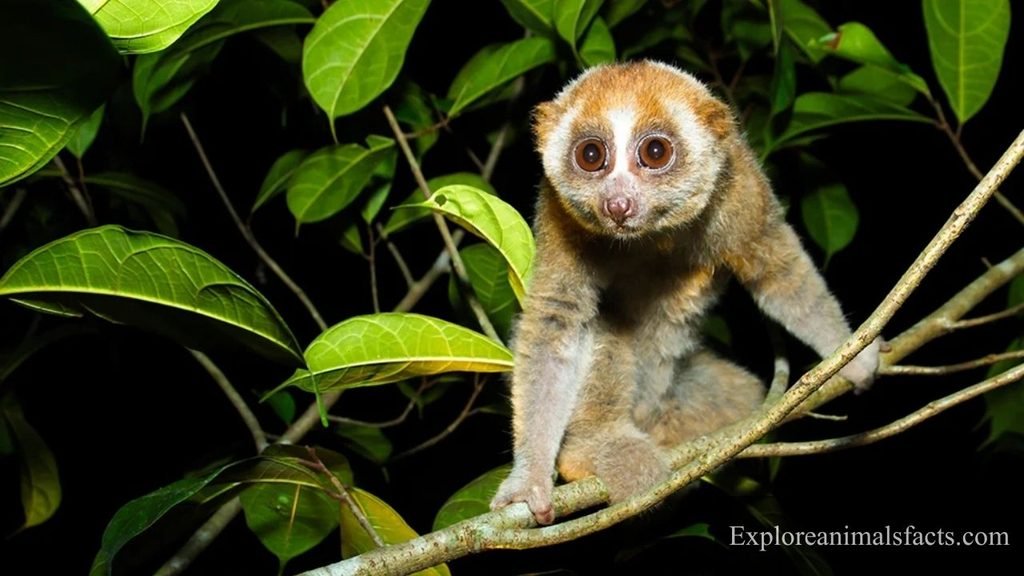
Researchers have observed that the slow loris’s grumpiness is more than just a mood; it’s a survival tactic. When threatened, they have a peculiar defensive mechanism: they secrete a toxic substance from their elbows and mix it with their saliva, resulting in a potent bite. This duality of being both charming and dangerous makes for an intriguing study of contrasts. Animal lovers often mistake their apparent unhappiness for something more playful, yet it serves as a reminder of the slow loris’s complex existence, navigating a whimsical world fraught with challenges.
Raccoon
Scientific Name: Procyon lotor
Class: Mammalia
Diet: Omnivore
Raccoons, often dubbed the “masked bandits” of the animal kingdom, encapsulate a blend of mischief and curiosity that can easily be mistaken for grumpiness. These nocturnal creatures display an astonishing level of intelligence, showcasing problem-solving skills that rival those of many pets. With dexterous front paws capable of manipulating objects, a raccoon can turn an innocuous garbage can into a treasure trove of late-night snacks, all while maintaining a facial expression that suggests they believe they are in on a cosmic joke.
Contrary to their seemingly grumpy demeanor, raccoons are creatures of great resilience and adaptability. Their strikingly human-like hands and expressive faces allow them to navigate urban landscapes, making them masters of survival in an ever-changing environment. Observing a raccoon rummaging through a picnic setup, you might spot a hint of satisfaction in its eyes — perhaps a fleeting gratification that belies its otherwise disgruntled facade. This juxtaposition invites us to appreciate the complexities of their personality, encouraging us to consider that beneath their grumpy exteriors lies a world rich with emotional nuance and playful determination.
Tasmanian Devil
Scientific Name: Sarcophilus harrisii
Class: Mammalia
Diet: Carnivore
The Tasmanian devil, often characterized by its fierce growls and intense behavior, possesses a mystique that goes beyond its grumpy facade. When threatened, this small marsupial showcases an impressive array of vocalizations, ranging from blood-curdling screams to a series of snarls, revealing a complex communication system that often reflects their highly social nature. Contrary to their fierce reputation, these creatures thrive on community dynamics, often gathering in groups to share food, showcasing a fascinating blend of camaraderie and competition.
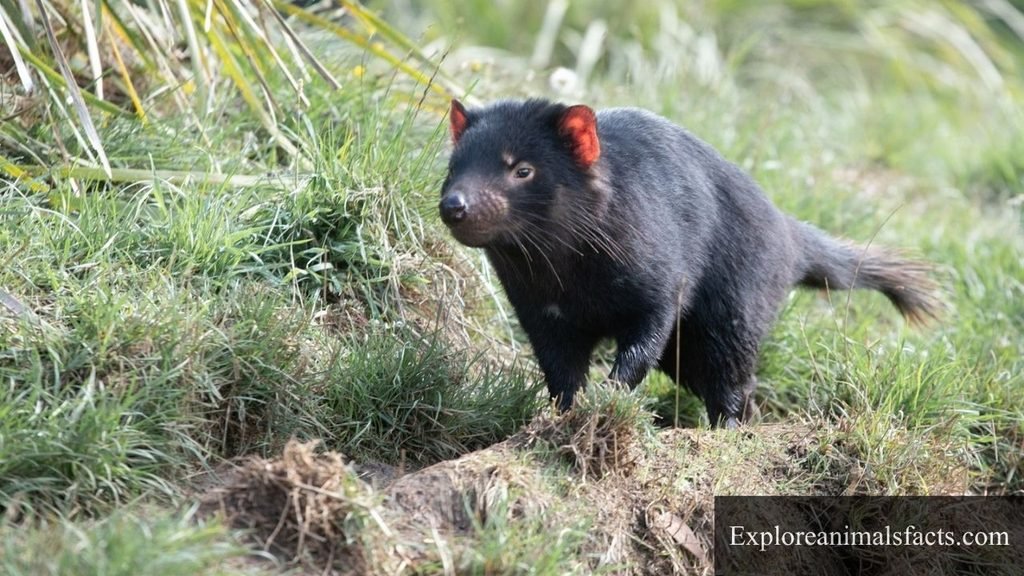
Beyond their notorious temperament, Tasmanian devils play a crucial role in their ecosystem as scavengers. Their strong jaws and teeth are perfectly adapted to crunch through bones, helping to recycle nutrients back into the environment. Unfortunately, habitat loss and disease have pushed these grumpy yet vital animals closer to the brink of extinction, stirring a growing conservation movement. By understanding their unique behaviors and ecological importance, we can appreciate the Tasmanian devil not merely as a grumpy creature, but as a pivotal player in the intricate web of biodiversity.
Moose
Scientific Name: Alces alces
Class: Mammalia
Diet: Herbivore
Moose are fascinating creatures that often embody a unique blend of majesty and crankiness. Picture a massive bull moose standing tall, antlers framing its face like nature’s crown, and yet, its expression seems decidedly grumpy. This attitude isn’t just for show; these solitary giants have a reason for their somewhat irritable demeanor. Males, especially during rutting season, become noticeably more aggressive, defending their territory against any perceived threats, including unwelcome tourists with cameras.
But beyond their surly appearance, moose reveal a curious side when engaging with their environment. They are expert foragers, often rummaging through dense foliage for the tastiest leaves and aquatic plants, which can lead to fascinating encounters with unsuspecting hikers. Observers may find their focus on eating amusingly intense, almost like a toddler determinedly ignoring a parent’s call for dinner. This intensity hints at the underlying drama of survival in the wild, where every meal matters and where even a grumpy moose has its role in the delicate balance of nature.
Cape Buffalo
Scientific Name: Syncerus caffer
Class: Mammalia
Diet: Herbivore
The Cape buffalo is often considered the ultimate embodiment of animal grumpiness, radiating a fierce demeanor that commands respect from all who encounter it. With their massive horns that form a formidable shield, these creatures exude an aura of indifference, often appearing unimpressed and unyielding. Yet, their irritability is more than just a facial expression; it’s a survival tactic. In the wild, showing vulnerability can invite trouble, and for the Cape buffalo, maintaining a tough exterior is key to warding off predators like lions and hyenas.
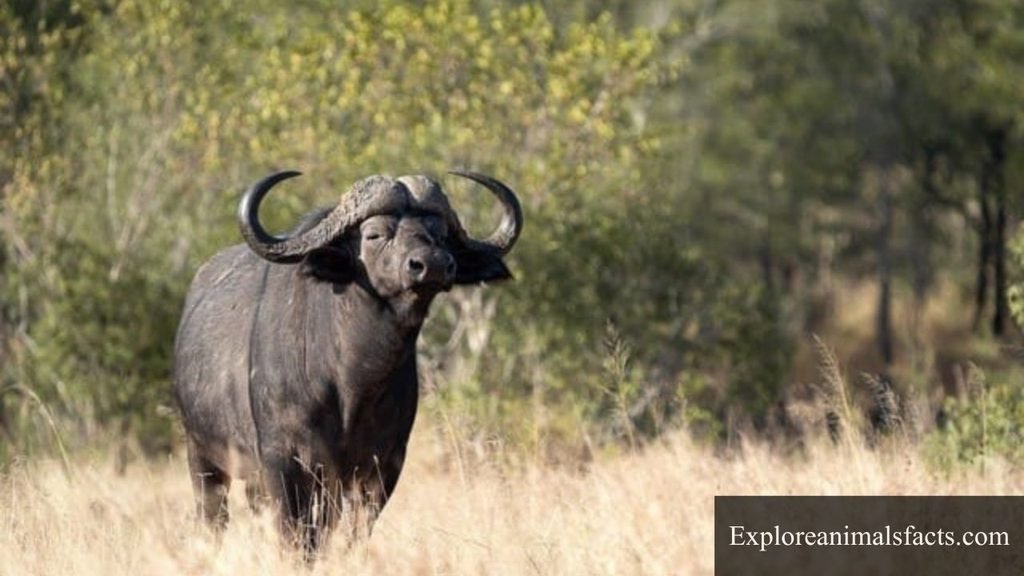
What’s truly fascinating is the complexity behind their brutish reputation. Cape buffalo live in tight-knit herds where social structure plays a critical role; they exhibit signs of deep empathy and collective strength. It’s not unusual to witness them form protective circles around injured members, showcasing a level of community that rivals many primates. This juxtaposition of grumpiness and communal care invites us to re-evaluate our perceptions of aggression in the animal kingdom — what might seem like grumpiness could merely be a guise for the wisdom of experience and a commitment to family.
Readmore: Explore Top 25 Animals With Lowest IQ.
Final Thoughts
Grumpy animals remind us that even the most adorable creatures can exhibit less-than-charming behaviors at times. Their unique personalities not only add depth to our understanding of animal behavior but also bring joy and laughter into our lives. By appreciating their quirky moods, we can foster a deeper connection with the animal kingdom. These grumpy critters teach us the importance of patience and acceptance, as every living being has its own mood swings.
FAQs
What animals are known to be grumpy?
The honey badger is notorious for its fearless and grumpy demeanor, often taking on animals much larger than itself without hesitation. Its tenacity and aggressive attitude make it a true tough guy of the animal kingdom. Similarly, the hippopotamus is surprisingly aggressive despite its size and seemingly lazy nature. Known for defending its territory fiercely, it can be quite grumpy, especially when provoked. The Tasmanian devil and wolverine both have a reputation for being feisty and irritable, often snarling and growling when threatened. Geese might not seem fierce, but they can be incredibly aggressive, especially during nesting season, showcasing their own brand of grumpiness.
Which is the most moody animal?
The most moody animal is often considered to be the cat. Cats can switch from affectionate to aloof in seconds. One moment they want to be petted, and the next, they might swat your hand away. This unpredictability adds to their charm, but it also means you never quite know what mood they’ll be in.