Top 15 Hardworking Animals in The World (Images Included)
In our exploration of Hardworking Animals in The World, we delve into the incredible capabilities of these creatures that tirelessly contribute to their ecosystems and even assist us in various tasks. Understanding their roles not only highlights the wonders of nature but also inspires us to appreciate hard work in all its forms. Join us as we uncover the most dedicated animals on the planet and the lessons they offer us about perseverance and teamwork.
List of Hardworking Animals in The World
Below is the list of hardworking animals in the world:
- Cleaner Wrasse
- Bowerbirds
- Female Lions
- Honey Bees
- Earthworms
- African Wild Dogs
- Camel
- Beavers
- Dog
- Termite
- Emperor Penguins
- African Elephant
- Ox
- Ants
- Horse
Cleaner Wrasse
Scientific Name: Labroides dimidiatus
Class: Actinopterygii
Diet: Carnivore
The Cleaner Wrasse, a small, vibrant fish found in coral reefs across the world, plays a significant role in maintaining the health of marine ecosystems. Often seen perched on the lips and gills of larger fish, these dedicated little workers offer a unique service: they remove parasites and dead skin. This symbiotic relationship not only benefits the larger fish by keeping them free from harmful pests but also provides the Cleaner Wrasse with a reliable food source, demonstrating the intricate balance of marine life.
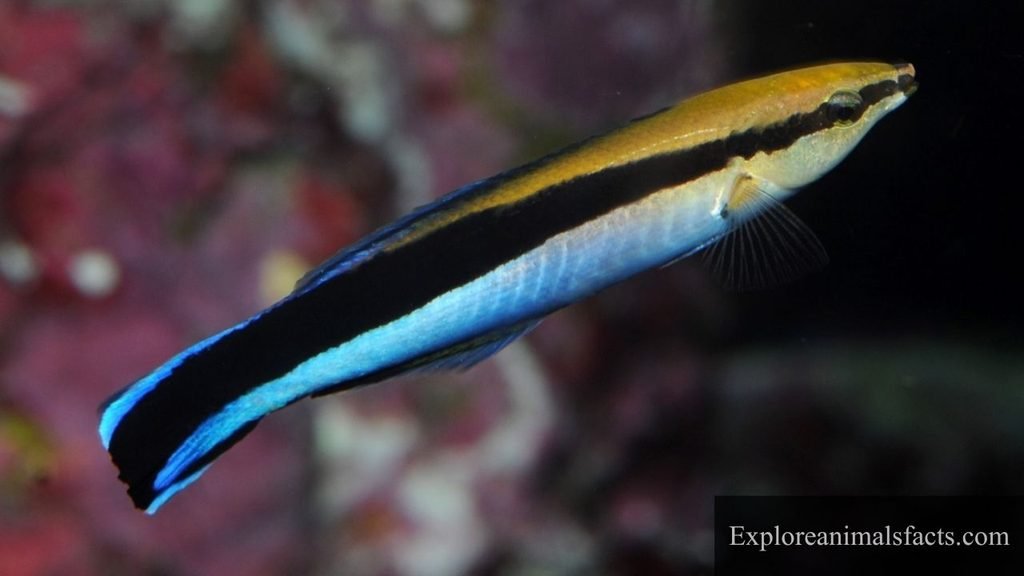
Their commitment doesn’t end with just cleaning. Studies suggest that Cleaner Wrasses can recognize individual clients and even remember their interactions. This behavior highlights their cognitive abilities and social intelligence within the underwater world, revealing a level of sophistication often underestimated in smaller species. As marine environments face increasing threats from pollution and climate change, the role of cleaner species like the Cleaner Wrasse becomes paramount, showcasing how even the tiniest creatures contribute to the larger narrative of ecological preservation.
Bowerbirds
Scientific Name: Ptilonorhynchidae
Class: Aves
Diet: Omnivore
Bowerbirds are nature’s master architects. These industrious birds create elaborate structures known as bowers, designed not for nesting but to attract mates. Building a bower is no small feat; it involves collecting an array of materials ranging from twigs to brightly colored objects like bottle caps or pieces of glass. Each male meticulously arranges these items, often incorporating personal flair to stand out in the crowd.
Beyond mere construction, bowerbirds exhibit remarkable ingenuity in their choice of decorations, favoring items that catch the eye and dazzle potential mates. Some species, like the Satin Bowerbird, even display an artistic sense by preferentially selecting blue-colored items, dedicating hours to perfecting their displays. This ritual emphasizes that beauty can be a powerful tool in the natural world, showcasing the lengths to which animals will go to ensure their lineage. Through their labor and creativity, bowerbirds remind us that hard work can be an art form, weaving together the rudiments of survival with the enchanting quest for love.
Female Lions
Scientific Name: Panthera leo
Class: Mammalia
Diet: Carnivore
In the sprawling savannas of Africa, female lions emerge as the unsung heroines of their prides, demonstrating an extraordinary blend of teamwork and resilience. Unlike many other species where males often take the lead, lionesses shoulder the bulk of the hunting responsibility, often working in tightly coordinated groups. Their innate ability to strategize and communicate during hunts allows them to bring down prey much larger than themselves, showcasing not just strength but also keen intelligence.
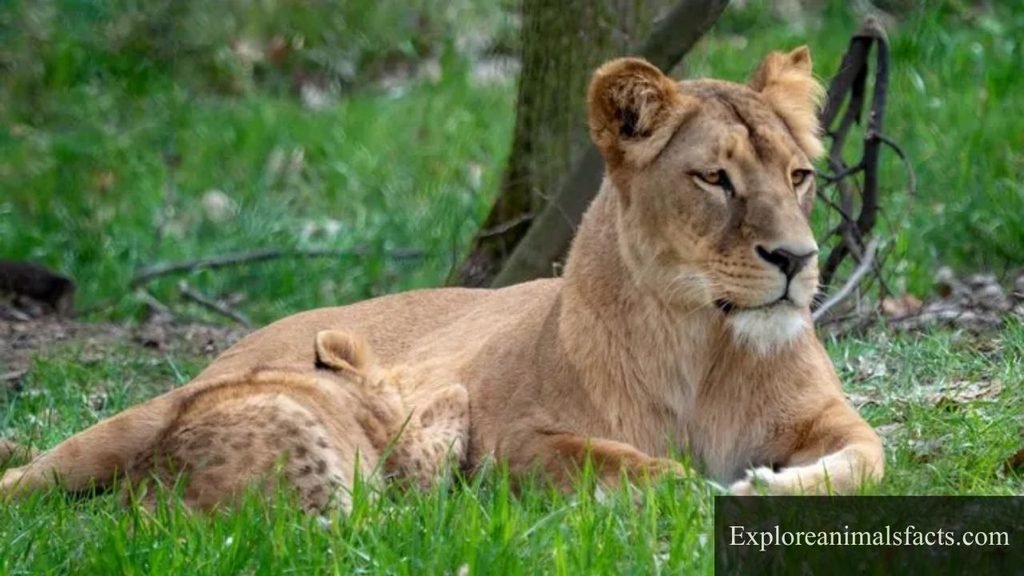
Lionesses exemplify maternal dedication, often working together to nurture the next generation. They collectively care for the young, providing a protective, social environment that is vital for the cubs’ survival. This cooperative rearing not only enhances survival rates, but also fosters a unique social structure within the pride that strengthens bonds and ensures cohesion. By shifting the traditional narrative around strength and dominance, female lions offer a powerful reminder of the significance of collaboration and community in the animal kingdom, challenging our perceptions of leadership and success.
Readmore: Explore Top 13 Animals That Look Like Otters.
Honey Bees
Scientific Name: Apis mellifera
Class: Insecta
Diet: Herbivore
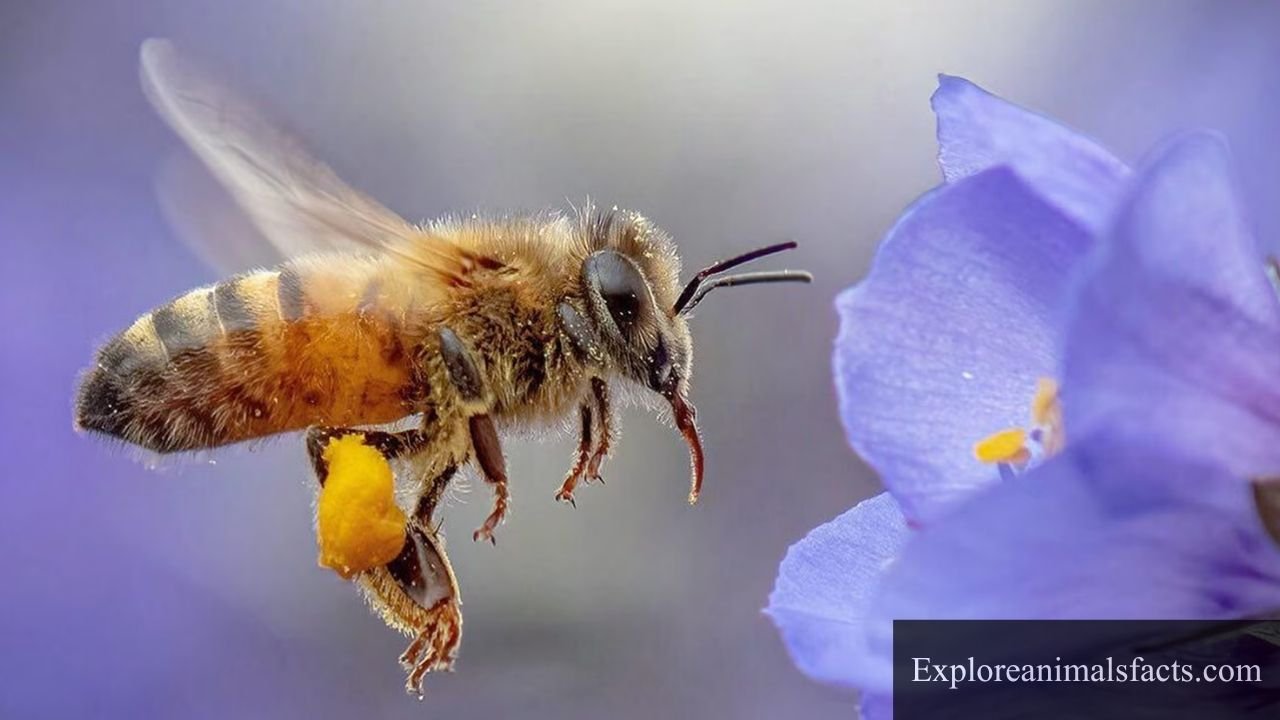
Honey bees are astonishingly diligent creatures, working in perfect harmony to sustain their colonies and, ultimately, our ecosystems. A single hive can house anywhere from 20,000 to 80,000 bees, each with its own specific role, from foraging for nectar to nurturing larvae. Their collective efforts not only produce honey but also contribute to pollinating approximately one-third of the food we consume, including fruits, nuts, and vegetables. This makes them vital not just for their hives but for global agriculture.
Perhaps the most fascinating aspect of honey bees is their communication system. Through intricate dances, known as the waggle dance, they convey information about the distance and direction of food sources to fellow workers. This complex language underscores the importance of collaboration and efficiency — qualities we can learn from these tiny yet mighty insects. As threats to their populations, such as pesticides and habitat loss, continue to escalate, advocating for their protection becomes essential. Supporting local beekeepers and planting bee-friendly flowers can make a meaningful difference in the survival of these extraordinary pollinators.
Earthworms
Scientific Name: Lumbricus terrestris
Class: Clitellata
Diet: Detritivore
Earthworms are environmental superheroes that play a crucial role in maintaining the health of our ecosystems. These unassuming creatures are pivotal in aerating the soil, allowing air and water to penetrate more deeply. As they burrow, they create channels that help roots thrive, fostering the growth of plants above. Remarkably, just one earthworm can consume its weight in organic matter daily, transforming decaying leaves and other materials into nutrient-rich compost vital for plant growth.
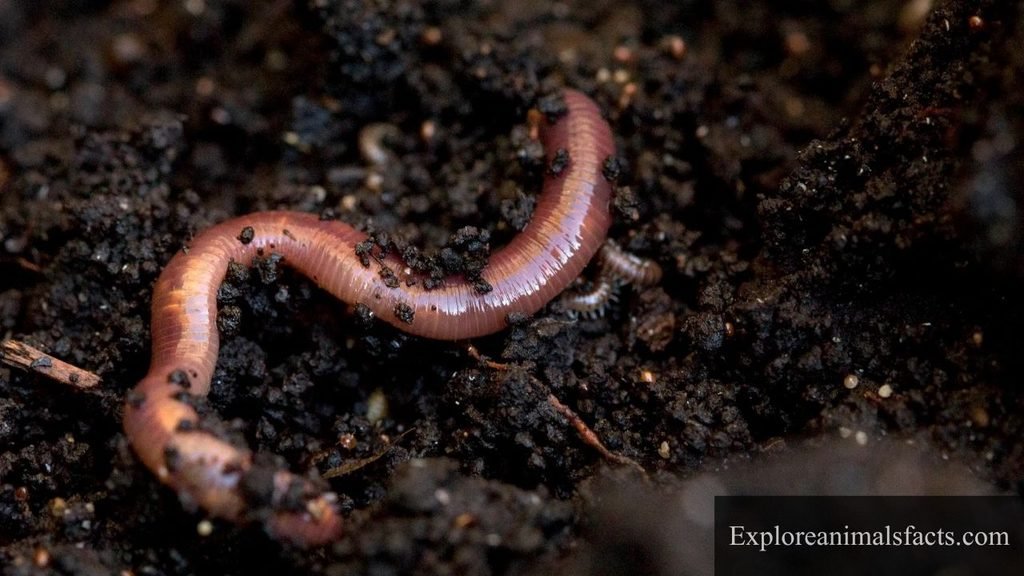
Beyond mere nutrient cycling, earthworms are nature’s recyclers, breaking down complex organic materials into simpler compounds. This process not only enriches the soil but also sequesters carbon, helping mitigate climate change. Imagine a world without these diligent workers; soil fertility would decline, impacting food production and biodiversity. Their silent yet significant presence underscores the interconnectedness of life on Earth, reminding us that even the smallest creatures can have an outsized impact on our world.
African Wild Dogs
Scientific Name: Lycaon pictus
Class: Mammalia
Diet: Carnivore
African wild dogs are remarkable examples of teamwork and resilience in the animal kingdom. What sets them apart is their extraordinary social structure, which resembles that of a tight-knit family unit. They operate as a cohesive pack, with coordinated hunting strategies that showcase their intelligence and precision. Unlike many predators that rely solely on brute strength, these dogs demonstrate an unparalleled ability to communicate and collaborate, which significantly enhances their success rate during hunts.
A lesser-known aspect of their hard work is the extensive care they provide for their young. Not only do adults participate in nursing and protecting pups, but they also engage in a unique practice of regurgitating food to feed their young ones. This dedication strengthens the bond within the pack and ensures that the next generation is nurtured and prepared for survival in an often harsh environment. By prioritizing communal effort and solidarity, African wild dogs reveal a nuanced understanding of resilience that goes beyond mere survival; it embodies a commitment to familial ties and collective welfare in the wild.
Camel
Scientific Name: Camelus
Class: Mammalia
Diet: Herbivore
The camel is a testament to nature’s ingenuity. With the ability to travel vast distances without water — up to two weeks in extreme heat — these remarkable creatures have adapted to thrive in harsh environments where most others would perish. Their unique physiology allows them to withstand dehydration, with a specialized ability to raise body temperatures to avoid perspiration until it’s absolutely necessary. This trait not only conserves water but also bolsters their resilience against intense desert conditions.
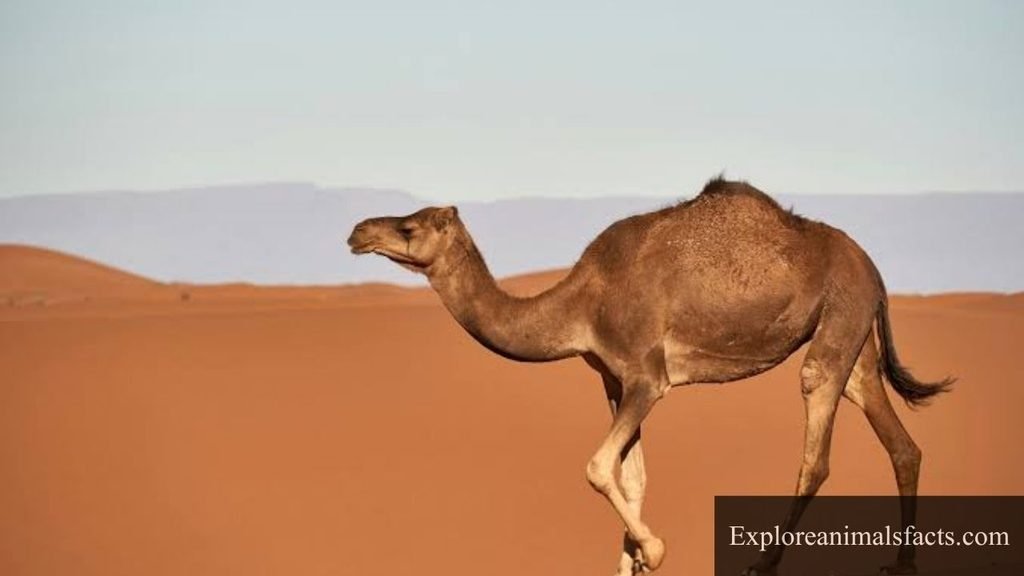
Beyond their impressive survival skills, camels play an integral role in the livelihoods of many desert-dwelling communities. They serve not just as beasts of burden, carrying heavy loads across treacherous terrain, but also as vital sources of milk and meat. Interestingly, camel milk is considered a superfood in various cultures, rich in nutrients and known for its health benefits, including boosting immunity and aiding in the management of diabetes. Moreover, their social behavior — forming strong bonds within their herds — shows us that even in the unforgiving deserts, camaraderie and cooperation thrive.
Beavers
Scientific Name: Castor canadensis
Class: Mammalia
Diet: Herbivore
Beavers are often celebrated not just for their iconic flat tails and large front teeth, but for their remarkable engineering prowess. These industrious creatures reshape entire ecosystems, transforming tranquil streams into flourishing wetlands. By meticulously building dams from branches, mud, and stones, beavers create habitat sanctuaries that support a myriad of wildlife. Their work not only fosters biodiversity but also plays a crucial role in water management, mitigating floods and maintaining water supply during dry spells.
What’s particularly fascinating is the beaver’s innate ability to adapt and respond to environmental changes. When faced with a drought, these resilient animals may invest extra effort in fortifying their dams to retain water more effectively. This instinctual behavior exemplifies their role as nature’s architects, promoting ecological balance. Furthermore, recent studies have shown that the wetlands created by beaver activity can sequester carbon, providing an unexpected ally in the fight against climate change. Observing these hardworking animals gives us a deeper understanding of the interconnectedness of life and the vital roles that even the smallest creatures play in preserving our planet.
Dog
Scientific Name: Canis lupus familiaris
Class: Mammalia
Diet: Omnivore
Dogs have long been celebrated not just as beloved companions but also as some of the most hardworking animals on the planet. Their remarkable versatility shines through in roles ranging from herding livestock to aiding in search and rescue operations. For instance, Border Collies are renowned for their herding instinct and unparalleled agility, often managing flocks with an astute precision that many humans admire. These dogs exemplify how instinct and training can combine, showcasing not just intelligence but also a strong work ethic that has evolved alongside human needs.

The service roles dogs fulfill are equally impressive. From guiding visually impaired individuals to detecting ailments such as diabetes or anxiety, their ability to bond with humans enhances their effectiveness in these tasks. Recent studies have even shown that therapy dogs can lower stress levels and promote healing in hospitals and nursing homes, highlighting their emotional intelligence as a critical component of their work. The dedication displayed by dogs in these roles reinforces the idea that their contributions go beyond mere functionality — it’s a testament to their heart and loyalty, making them indispensable partners in our daily lives.
Termite
Scientific Name: Isoptera
Class: Insecta
Diet: Herbivore
Termites may be small, but their impact on ecosystems and human constructions is profound. Often dubbed “nature’s recyclers,” they play a crucial role in breaking down tough plant fibers, returning vital nutrients to the soil. This not only promotes healthy vegetation but also supports entire ecosystems that thrive in nutrient-rich environments. It’s fascinating to consider how a colony of termites, with its complex social structure, can consume a single tree in a matter of weeks while simultaneously enriching the ground around it.
Beyond their ecological contributions, termites exhibit remarkable intelligence in their engineering. Their intricate mounds, some rising over three meters high, regulate temperature and humidity, showcasing their ability to manipulate their environment effectively. These structures have inspired architects and engineers, who study termite mounds for insights into sustainable building practices. The fact that such small creatures can create such grand and functional edifices challenges our understanding of intelligence and teamwork. By observing termites, we gain not only a greater appreciation for their hard work but also valuable lessons in collaboration and the power of community.
Emperor Penguins
Scientific Name: Aptenodytes forsteri
Class: Aves
Diet: Carnivore
Emperor penguins are remarkable for their resilience and teamwork, particularly during the harsh Antarctic winters. Unlike many animals, these flightless birds endure frigid temperatures and fierce winds, huddling together for warmth in a seemingly never-ending cycle of survival. What’s fascinating is their unique reproductive strategy; the male penguin is solely responsible for incubating the egg for about two months, standing on it amidst subzero temperatures while the female hunts for food. This intricate role reversal highlights not just the dedication of the males but also the evolutionary adaptations that ensure their species thrives in one of Earth’s most extreme environments.
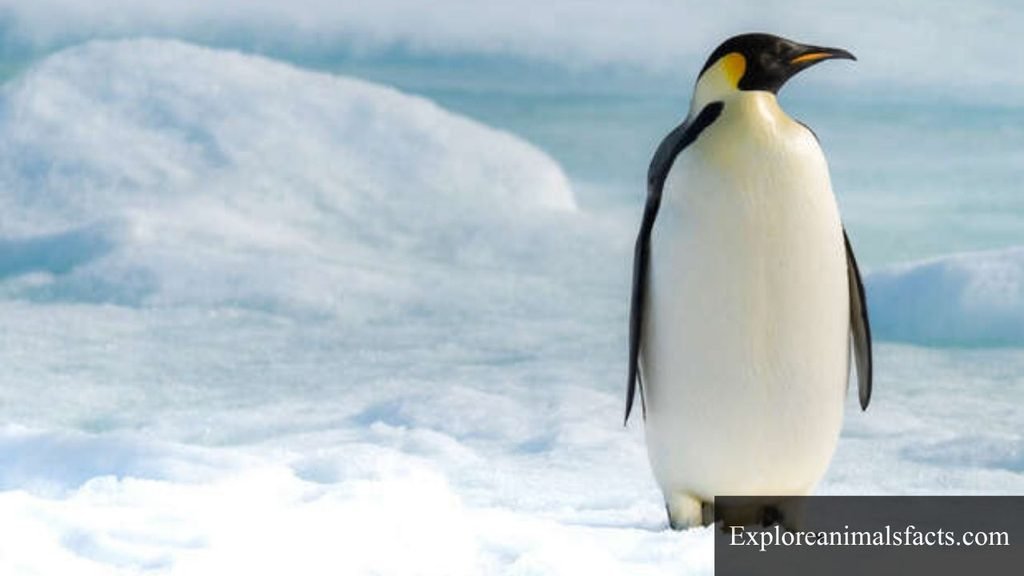
The cooperative behavior exhibited during the breeding season reveals a deep social structure within their colonies. As they tightly form circles, shifting positions to prevent any single individual from succumbing to the cold, they exemplify an extraordinary model of community and support. Their ability to communicate through vocalizations allows them to maintain strong bonds, essential for locating their mates in vast flocks. Ultimately, emperor penguins are not just symbols of endurance; they remind us of the power of collaboration and the strength found in unity, even in the harshest conditions.
African Elephant
Scientific Name: Loxodonta africana
Class: Mammalia
Diet: Herbivore
African elephants, the largest land mammals, are more than just awe-inspiring creatures; they are exemplars of hard work in the wild. These gentle giants play a crucial role in their ecosystem by forging pathways through dense forests, which facilitates the movement of other species and helps maintain vital plant diversity. Their foraging habits also contribute significantly to seed dispersal, ensuring that many plant species thrive, thus supporting the overall health of their habitats.
In addition to their ecological contributions, African elephants possess an extraordinary level of intelligence and social organization. They work collaboratively to care for their young, protect the herd, and find food and water sources, showcasing their incredible social structures. By communicating through low-frequency sounds that can travel miles, they exhibit a level of teamwork that is both fascinating and essential for their survival in the harsh landscapes of Africa. Their hard work, both in their social circles and within their ecosystems, underscores the crucial interdependencies that make these majestic animals a vital part of our planet’s biodiversity.
Ox
Scientific Name: Bos taurus
Class: Mammalia
Diet: Herbivore
The ox is perhaps one of the most diligent workers in agriculture. These ungulates are the backbone of many rural communities, primarily in Asia and Africa, where they perform the heavy lifting necessary for tilling fields, pulling carts, and transporting goods. Their strength and endurance are remarkable; a pair of oxen can plow several acres in a single day, showcasing an innate ability to work collaboratively as a team.
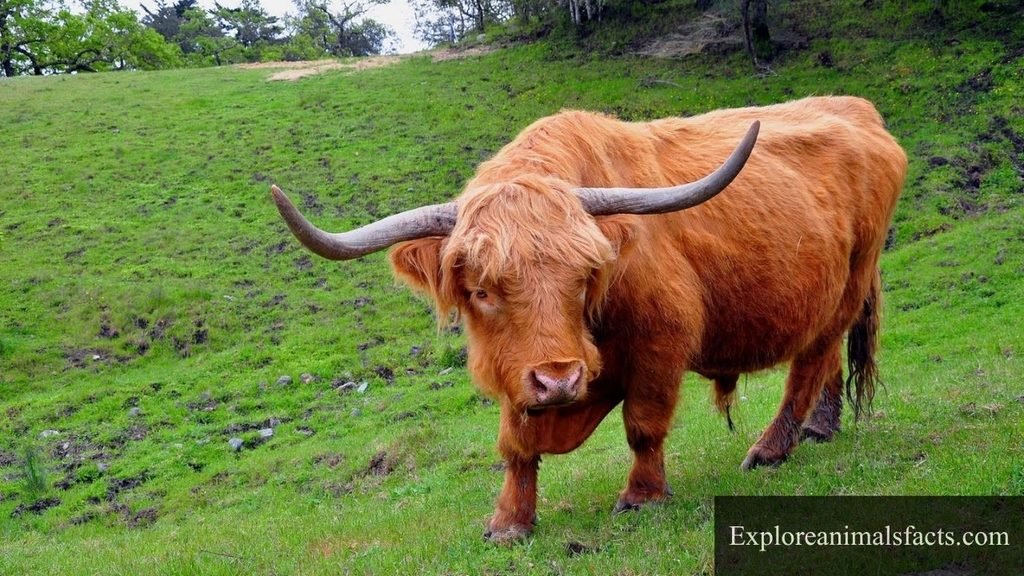
Beyond their physical prowess, oxen foster a deep bond with their handlers. This relationship relies heavily on trust and communication, resulting in a partnership that transcends simple labor. In many cultures, the ox symbolizes hard work and perseverance, playing a significant role in festivals and traditions that celebrate agricultural cycles. Interestingly, advancements in farming technology could render these magnificent creatures obsolete, yet they continue to demonstrate adaptability, often finding new roles in sustainable practices and organic farming, effectively bridging traditional methods and modern agricultural demands.
Ants
Scientific Name: Formicidae
Class: Insecta
Diet: Omnivore
Ants are often overlooked in discussions about hardworking animals, yet their industriousness is nothing short of fascinating. These tiny architects and engineers exemplify teamwork in its purest form. Within each colony, ants communicate through pheromones, allowing them to coordinate complex foraging strategies and efficiently transport food back to their nests. Their ability to lift objects many times their own weight is a testament to their incredible strength relative to size, and it raises questions about the limits of physical capability in the animal kingdom.
Beyond their physical prowess, ants are remarkable for their diverse roles within their societies. Each member — from the diligent worker to the strategic queen — plays a crucial part in the survival and success of the colony. Some species even engage in farming, tending to aphids in a symbiotic relationship that enhances food availability. This level of cooperation and specialization not only shapes their communities but also highlights the intricate balance of ecosystems. Observing ants in their natural habitat encourages a deeper appreciation for the myriad forms of diligence found in the animal world, reminding us that hard work takes on many shapes, often hidden beneath the surface.
Horse
Scientific Name: Equus caballus
Class: Mammalia
Diet: Herbivore
Horses, often emblematic of strength and grace, are not just majestic creatures but also some of the most hardworking animals across various cultures. With a history intertwined with human civilization, these animals have served as companions, laborers, and even symbols of freedom. From plowing fields to transporting goods, their versatility is astounding. In many developing regions, horses remain vital for agricultural tasks, showcasing their unparalleled ability to navigate challenging terrains where machinery cannot thrive.
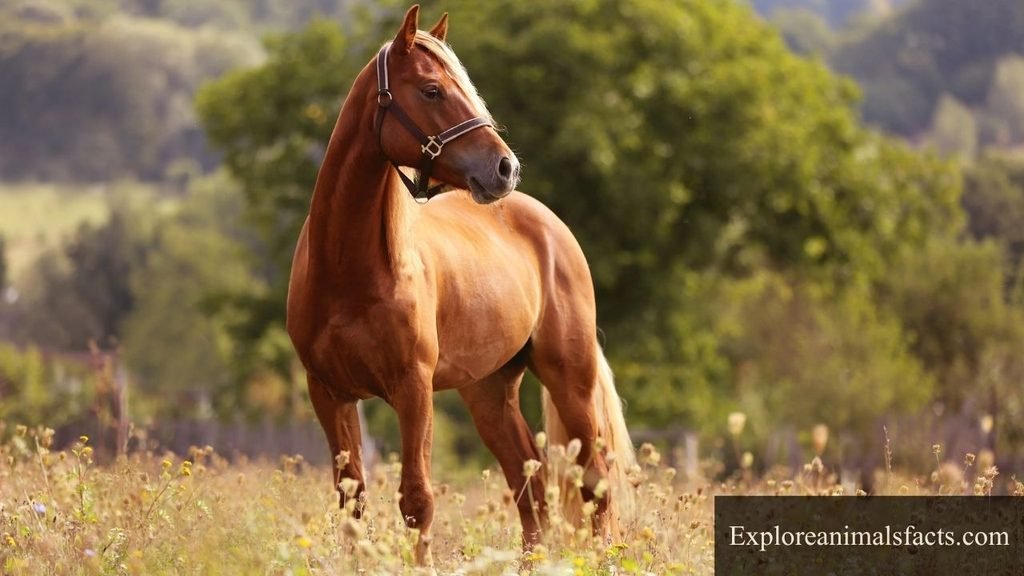
What’s particularly fascinating is the deep bond forged between horses and their handlers, often resulting in a synergistic relationship that enhances productivity. Throughout history, this partnership has led to advancements in riding techniques and training, allowing horses to perform specific tasks with remarkable efficiency. Even today, horseback therapy and equine-assisted activities have emerged, illustrating their adaptability in contributing to human well-being, far beyond traditional labor.
Readmore: Explore Top 13 Animals That Swallow Their Food Whole.
Final Thoughts
The various hardworking animals across the globe highlight the extraordinary efforts required for survival in the wild. Whether it’s the relentless foraging of beavers working to build dams or the impressive teamwork of honeybees in maintaining their hives, each animal plays a crucial role in its environment. Their dedication not only sustains their communities, but also showcases the importance of collaboration and resilience in nature. As we reflect on these magnificent creatures, let us commit to fostering a greater appreciation for wildlife and the vital roles they play. Together, we can create a world where both hardworking animals and their habitats thrive.
FAQs
Which animal is the most hardworking?
The ant is often considered the most hardworking animal. These tiny insects operate in organized colonies where they dedicate their lives to foraging, building, and protecting their home. Ants can carry objects many times their body weight and work tirelessly to ensure the survival of their colony.
Which animal is always busy?
The ant is often considered the busiest animal. These tiny insects are constantly on the move, working together in organized colonies to gather food, care for their young, and build complex nests. Their relentless pursuit of tasks makes them a symbol of hard work and teamwork. Another contender is the bee. Bees are essential pollinators and spend their days collecting nectar and pollen from flowers. They communicate well with each other, ensuring that the entire hive is constantly active and productive. Both ants and bees exemplify industriousness in the animal kingdom.