Top 19 Animals That Have Spots (Pictures Included)
Animals that have spots often possess traits that enhance their survival and adaptation in the wild. This article will uncover the reasons behind these intriguing patterns, providing insights into their evolutionary advantages and the ecological niches they inhabit. Get ready to be amazed by the vibrant diversity our world has to offer!
List of Animals That Have Spots
Below is the list of animals that have spots:
- Serval
- Dalmatian
- Whale shark
- Ocelot
- Spotted deer
- Snow leopard
- Giraffe
- Appaloosa Horse
- Spotted moray
- Hyena
- Burmese python
- Spotted eagle ray
- Fallow Deer
- Cheetah
- Holstein Friesian Cow
- Spotted turtle
- Jaguar
- African Wild Dog
- Spotted salamander
Serval
Scientific Name: Leptailurus serval
Class: Mammalia
Diet: Carnivore
The serval, a striking feline native to Africa, showcases a stunning coat adorned with distinct black spots and stripes that serve both an aesthetic and practical purpose. These markings offer the perfect camouflage in the tall grasses of savannas and wetlands, allowing them to stealthily stalk their primary prey — small mammals, birds, and rodents. This adaptation not only highlights nature’s artistry but underscores the importance of evolution in predator-prey dynamics.
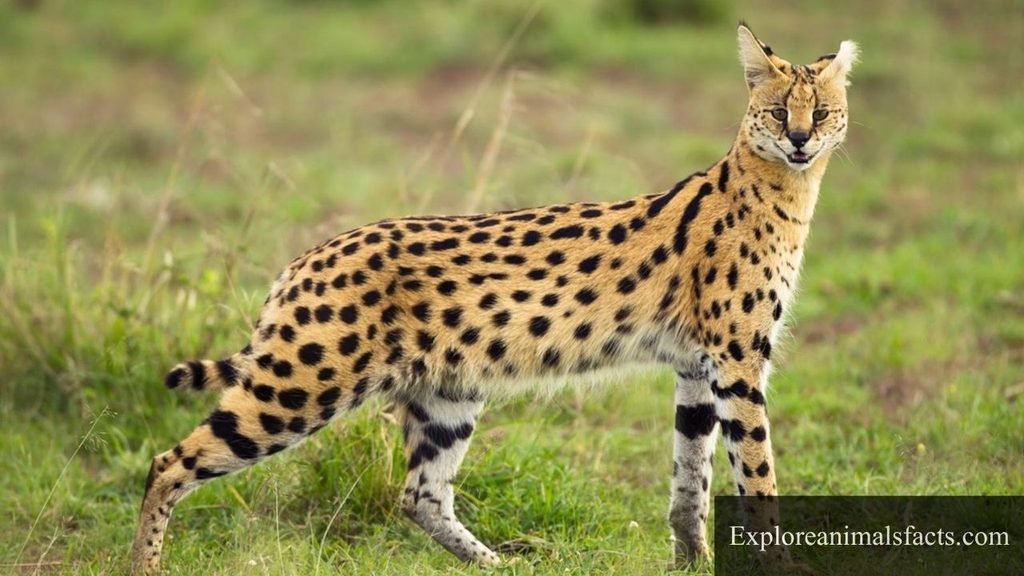
Beyond their beautiful coats, servals possess an intriguing combination of physical traits. Their long legs and large ears enhance their hunting capabilities, enabling them to leap impressively high to catch birds in mid-flight. This agility is complemented by their acute hearing, which helps them locate prey buried beneath grass or foliage. As they navigate their habitats, servals also play a crucial ecological role, maintaining the balance by controlling rodent populations. Each spotted serval thus becomes a symbol of resilience and adaptability in the wild, showcasing how beauty and functionality are intertwined in the animal kingdom.
Dalmatian
Scientific Name: Canis lupus familiaris
Class: Mammalia
Diet: Omnivore
The Dalmatian, renowned for its striking black or liver-spotted coat, is more than just a visual spectacle; it embodies a rich tapestry of history and culture. Originating from the region of Dalmatia in Croatia, these dogs were once used as carriage dogs, running alongside horse-drawn carriages and protecting valuable cargo. Their unique pattern likely served as a practical feature, camouflaging them in the shadows while enhancing their agility and speed during those swift pursuits.
Beyond their aesthetic charm, Dalmatians boast an intriguing physiology that contributes to their iconic spots. Each dog’s pattern is entirely unique, akin to a fingerprint, arising from a complex interplay of genetics and development. As puppies, they start out with a pure white coat, gradually revealing their spots as they mature — a transformation that symbolizes individuality and the beauty of growth. Furthermore, Dalmatians have captured public imagination, appearing in popular culture as symbols of loyalty and courage, especially in children’s literature and films, where their spirited, often mischievous nature is celebrated.
Whale Shark
Scientific Name: Rhincodon typus
Class: Chondrichthyes
Diet: Carnivore
The whale shark, the largest fish in the ocean, is a marvel not just for its size but also for its unique pattern of spots. Each whale shark is adorned with a distinct constellation of white spots and stripes on a dark gray background, akin to a personalized star map. This unique pattern not only serves as visual art but plays a crucial role in their identification and study, allowing researchers to track individual sharks throughout their vast migratory routes.
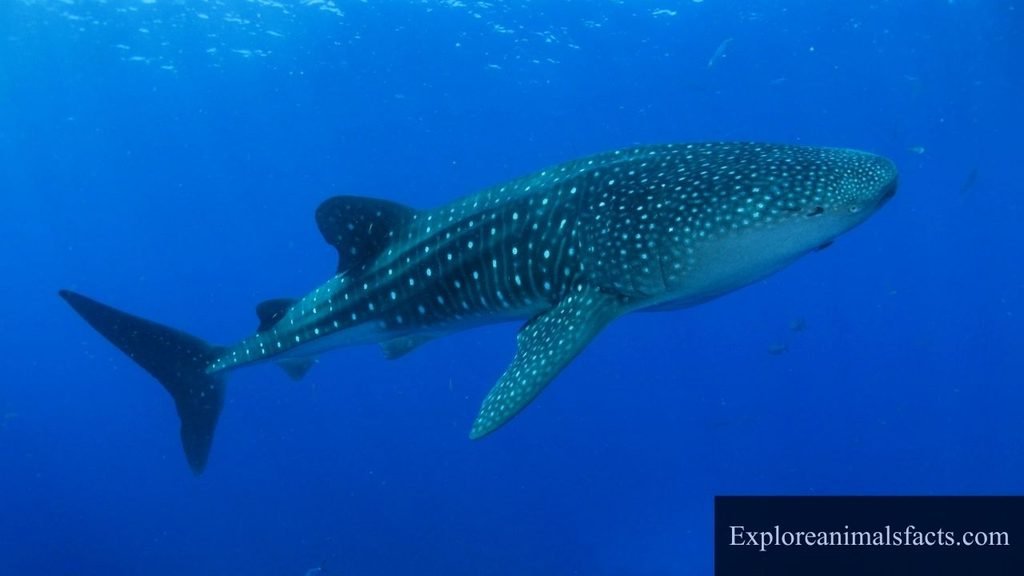
Beneath the surface, the spots also tell a story about the whale shark’s lifestyle. As filter feeders, they consume tiny plankton and small fish, gracefully gliding through the waters with mouths agape. Their spotted skin, despite its rough texture, attracts certain marine organisms, turning these gentle giants into a vibrant ecosystem of symbiotic relationships. As a keystone species, whale sharks are essential for maintaining the balance of marine life, showcasing how beauty can coincide with ecological significance. This intricate interplay of form and function highlights the intricate tapestry of ocean life and our responsibility to protect it.
Ocelot
Scientific Name: Leopardus pardalis
Class: Mammalia
Diet: Carnivore
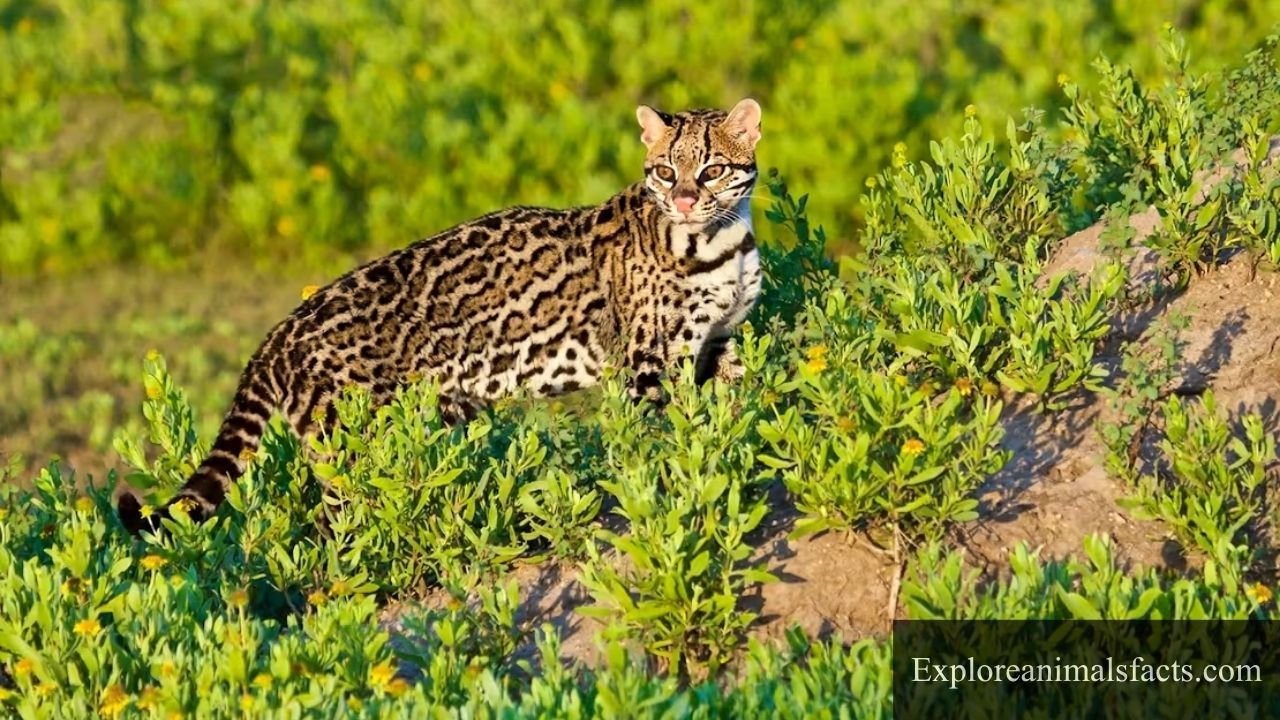
The ocelot, with its striking coat of spots and stripes, is an epitome of elegance and camouflage in the wild. These medium-sized felines boast a unique pattern that not only enhances their beauty but also serves as a critical adaptation. Their spots, reminiscent of the night sky scattered with stars, break up their silhouette against the lush foliage of their rainforest habitat, making them adept hunters. Unlike many predators, ocelots rely on stealth rather than sheer size, stalking their prey with a grace that belies their strength.
The ocelot’s spots also illustrate an evolutionary narrative; they demonstrate the balance between predators and prey in diverse ecosystems. Their alluring appearance has made them targets for poaching, contributing to their declining population in some regions. Yet, these animals have sparked conservation efforts, bringing attention to the importance of their habitats. Protecting the ocelot is about more than just saving a visually stunning creature; it’s about preserving the intricate web of life where each spot tells a story of survival and adaptation. The allure of the ocelot continues to captivate wildlife enthusiasts and scientists alike, urging us to appreciate and safeguard the beauty of biodiversity.
Readmore: Explore Top 21 Animals That Growl.
Spotted Deer
Scientific Name: Axis axis
Class: Mammalia
Diet: Herbivore
The spotted deer, often referred to as chital or axis deer, captivates nature enthusiasts with its striking coat patterns. Each deer boasts a unique arrangement of white spots against a rich chestnut background, which serves a purpose beyond mere aesthetics. These spots are evolutionary adaptations, offering effective camouflage among the dappled sunlight of their forest habitats. By breaking up the outline of the deer, the spots help them blend seamlessly into their surroundings, making it harder for predators to single them out.
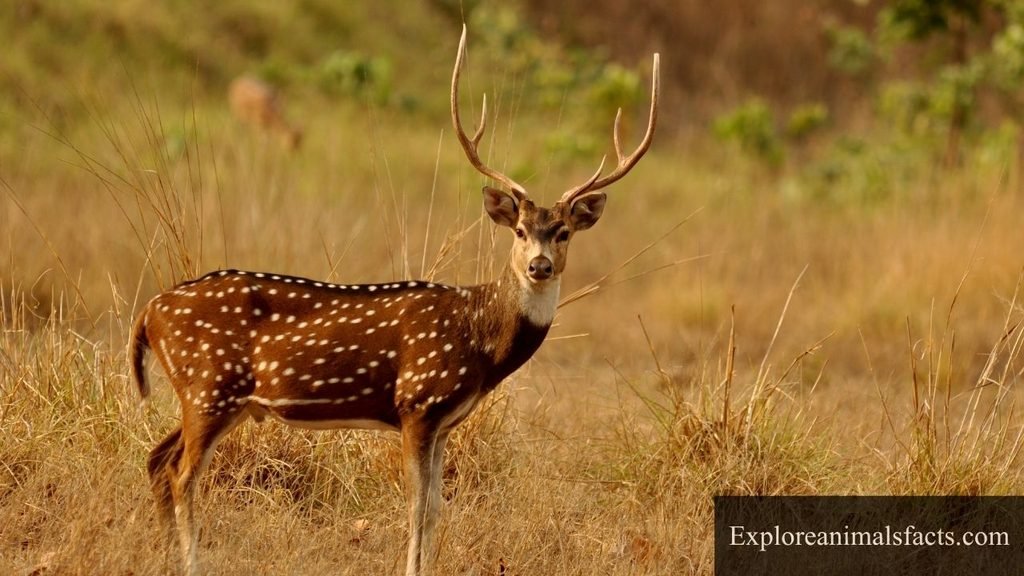
Moreover, these deer are known for their sociable behavior. Living in herds, they exhibit a complex social structure where communication plays a crucial role. Their vocalizations and body language convey everything from warning calls to flirtation during mating seasons. This intricate social life not only enhances their chances of survival but also showcases the intelligent interactions among wildlife in managing their environment. Observing a herd of spotted deer can be a mesmerizing experience, revealing the subtleties of nature’s designs and the intricate balance of their ecosystems.
Snow Leopard
Scientific Name: Panthera uncia
Class: Mammalia
Diet: Carnivore
The snow leopard is an enigmatic creature that roams the rugged terrains of Central and South Asia. Its stunning spotted coat serves not only as a form of camouflage but also as a fascinating example of nature’s artistry. Each leopard’s pattern is unique, much like a human fingerprint, allowing researchers to identify individuals in the wild. This intricate design, comprised of dark rosettes against a pale, smoky background, helps these elusive predators blend seamlessly into their rocky surroundings, making them one of the most skilled hunters in their high-altitude habitats.
Beyond their beauty, snow leopards embody a critical role in their ecosystem as apex predators. By regulating prey populations such as ibex and blue sheep, they help maintain the ecological balance of mountainous regions. However, the increasing threats of climate change and poaching have placed these majestic cats in a precarious position. Conservation efforts are crucial not only for their survival but also for preserving the biodiversity of the habitats they inhabit. Witnessing a snow leopard in the wild is a rare privilege, and protecting this iconic species ensures that future generations will also have the chance to marvel at their grace and power.
Giraffe
Scientific Name: Giraffa camelopardalis
Class: Mammalia
Diet: Herbivore
Giraffes are not just the tallest land animals; their unique spotted coats provide a fascinating window into their survival strategies. Each giraffe’s pattern is as individual as a human fingerprint, a mesmerizing mosaic that serves multiple purposes. These distinct patches help in camouflage, allowing them to blend into the mottled light and shadows of the savanna, making it harder for predators to spot them. This adaptive coloration is particularly effective in their natural habitat, where sunlight filters through trees, creating a patchwork of light and dark.
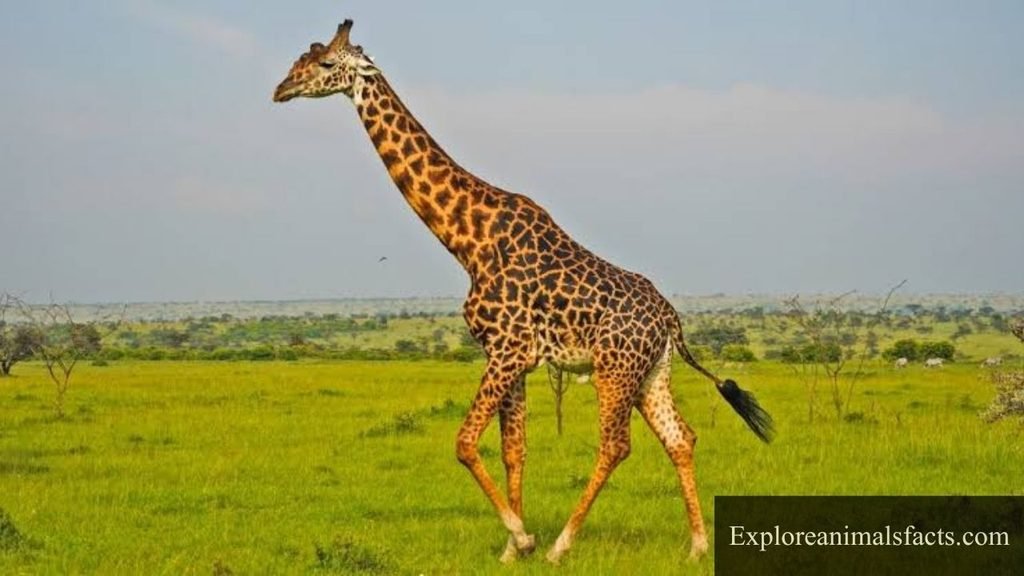
The spots play a crucial role in thermoregulation. The varying shades of brown in their coats absorb and reflect sunlight differently, which helps giraffes manage their body temperature in the sweltering African climate. Researchers are even exploring the potential of these patterns as inspiration for fabric and design, showcasing how nature’s artistry can influence human creativity. Beyond their striking appearances, giraffes embody the intricate interplay between evolution and environment, reminding us that beauty often serves a purpose in the wild.
Appaloosa Horse
Scientific Name: Equus caballus
Class: Mammalia
Diet: Herbivore
The Appaloosa horse is a stunning example of nature’s artistry, renowned for its distinctive spotted coat that can range from a few small specks to a mesmerizing blanket of spots covering its entire body. This striking breed not only captures the eye but also carries a rich history, originating with the Nez Perce tribe in the Pacific Northwest. The Appaloosa was bred not just for its beauty, but for its strength and endurance, making it a reliable partner for hunting and travel across diverse terrains.
The genetics behind the Appaloosa’s spots are as complex as its heritage. The breed exhibits a range of coat patterns, influenced by various genes that interact in unique ways to produce the iconic blotches and mottled patterns. This genetic variability not only adds to their charm but also makes each individual horse a one-of-a-kind masterpiece. Beyond their aesthetic appeal, Appaloosas are known for their intelligence and gentle temperament, making them excellent companions for riders of all skill levels. With their colorful coats and engaging personalities, these horses embody a connection to the past while captivating enthusiasts in the present.
Spotted Moray
Scientific Name: Gymnothorax moringa
Class: Actinopterygii
Diet: Carnivore
The Spotted Moray, an enchanting inhabitant of coral reefs, showcases a remarkable camouflage strategy with its intricate pattern of spots. This unique design not only serves as a protective mechanism against predators, blending seamlessly into its colorful surroundings, but also highlights the animal’s adaptability in an ever-changing aquatic environment. Observing a Spotted Moray gliding through the crevices, its spots can create mesmerizing optical illusions, making it appear as if the reef itself is alive and moving.
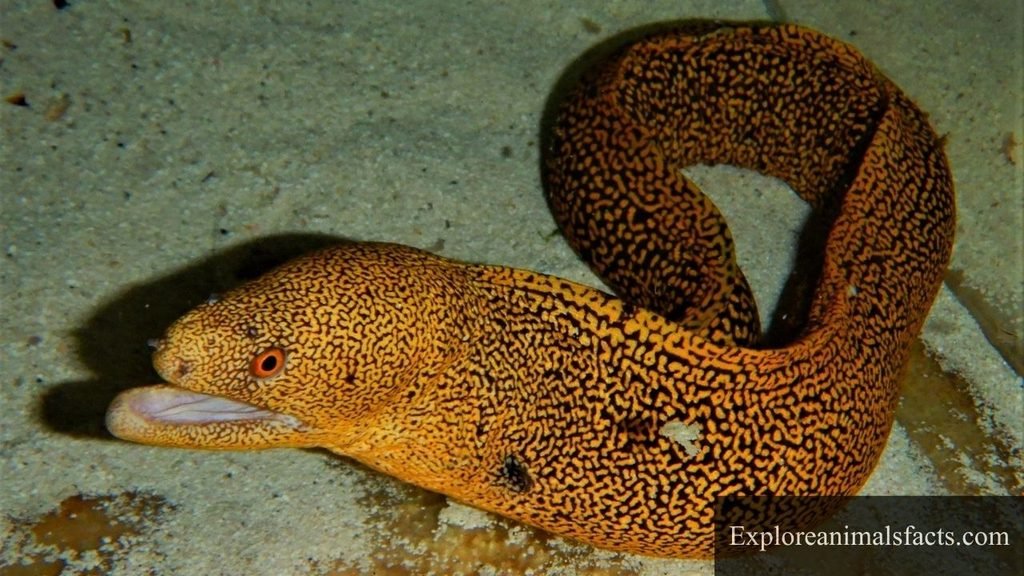
Beyond their mesmerizing appearance, these eels play a crucial role in maintaining the ecological balance of their habitats. With their keen hunting skills, Spotted Morays prey on various small fish and invertebrates, helping control populations and ensuring a robust marine ecosystem. They are also fascinating social creatures, often seen protruding from their sheltered dens, seemingly curious about their surroundings. Their spotted skin acts like a natural spectacle, inviting divers and underwater enthusiasts to marvel at their beauty while simultaneously reminding us of the intricate tapestry of life beneath the ocean’s surface.
Hyena
Scientific Name: Crocuta crocuta
Class: Mammalia
Diet: Carnivore
Hyenas, often misunderstood as mere scavengers, are fascinating creatures with a complex social structure and remarkable adaptability. Their unique spotted coats, which vary in color from light tan to dark brown, serve not just for camouflage but also play a role in social signaling. Each hyena has a distinct pattern of spots, akin to a fingerprint, that can communicate individual identity and social status within their clans. This intricate system allows hyenas to navigate their hierarchical society, where matriarchs lead with authority and intelligence.
Hyenas also showcase remarkable intelligence, often rivaling that of primates. Research has shown that they can solve problems and exhibit sophisticated hunting strategies. Their group hunts are not just about strength; they necessitate teamwork and strategic planning, highlighting their cooperative nature. Furthermore, hyenas have a keen sense of social awareness, often displaying empathy by sharing food and caring for one another’s young. This social dynamic presents a stark contrast to their reputation as solitary scavengers, revealing a world of complexity beneath their spotted coats.
Burmese Python
Scientific Name: Python bivittatus
Class: Reptilia
Diet: Carnivore
The Burmese Python is a striking example of nature’s artistry, showcasing a mesmerizing pattern of spots that serve both aesthetic and practical purposes. These large constrictors, native to the Southeast Asian jungles, often feature intricate patterns of yellows, browns, and greens. The spots not only enhance their beauty but also provide excellent camouflage among the dappled sunlight filtering through lush foliage, allowing them to stealthily approach prey.
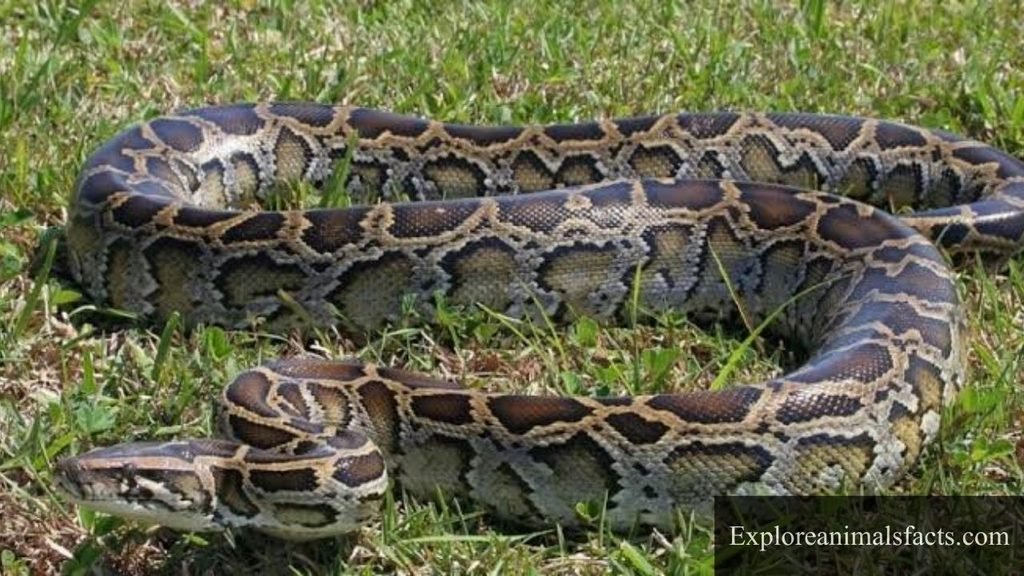
In addition to their visual allure, the spot patterns on Burmese Pythons play a crucial role in their adaptations to diverse habitats. As ambush hunters, these snakes utilize their remarkable patterns to blend seamlessly into their surroundings, minimizing detection by both predators and potential prey. Interestingly, the specific arrangements of spots can also vary between individuals, almost like a fingerprint, revealing insights into their genetic diversity and evolution. Understanding these unique markings opens a window into the complex interplay of survival, adaptation, and the mesmerizing beauty of the natural world.
Spotted Eagle Ray
Scientific Name: Aetobatus narinari
Class: Chondrichthyes
Diet: Carnivore
The Spotted Eagle Ray, a mesmerizing creature of the ocean, captivates divers with its elegant grace and striking appearance. Each ray features a unique pattern of white spots against a dark background, turning their bodies into mesmerizing canvases that resemble constellations in the night sky. This beautiful pattern not only serves as a form of camouflage against predators but also plays a role in social interactions among these intelligent creatures, with each spot forming a part of their identity.
Beyond their stunning visuals, Spotted Eagle Rays are fascinating in their behavior. They glide through tropical waters with surprising agility, often seen performing acrobatic leaps out of the water. Researchers have observed that these rays seem to communicate with each other through various movements and behaviors, suggesting a complex social structure that has yet to be fully understood. Their diet primarily consists of mollusks and crustaceans, showcasing their role in maintaining the health of marine ecosystems as they forage along sandy ocean floors.
Fallow Deer
Scientific Name: Dama dama
Class: Mammalia
Diet: Herbivore
The fallow deer, with its distinctive spotted coat, presents a captivating study in contrast and adaptation. These gentle creatures display a striking array of color variations, ranging from rich chestnut to a silvery grey, all adorned with white spots that serve a crucial role in their survival. The spots not only help camouflage the deer against the dappled sunlight filtering through dense woodlands but also enable better recognition among herd members. This unique marking provides a fascinating glimpse into how visual patterns can influence social dynamics within animal groups.
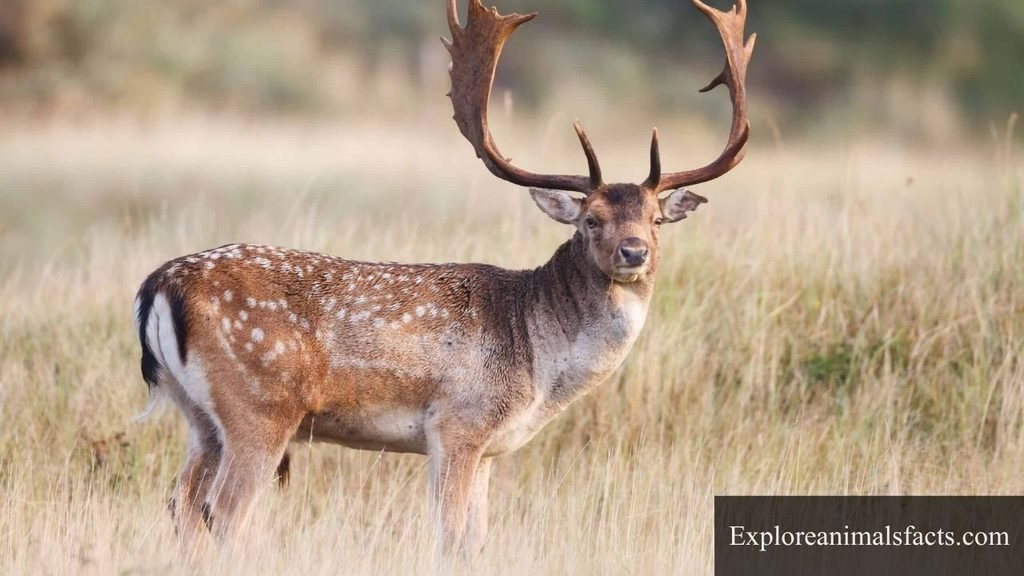
Beyond their aesthetic appeal, fallow deer exemplify the intricate relationships between habitat and behavior. Their preference for mixed deciduous woodlands highlights their adaptability; these environments offer both the safety of cover and accessibility to diverse food sources. Observing these deer during the twilight hours reveals how their spots blend seamlessly into the shadows, echoing the dance of light and dark that characterizes their surroundings. In a world of constant change, the fallow deer’s spots remind us of nature’s artistry and the delicate balance that sustains wildlife.
Cheetah
Scientific Name: Acinonyx jubatus
Class: Mammalia
Diet: Carnivore
Cheetahs, with their sleek bodies and remarkable speed, are often recognized by the unique black spots that adorn their golden coats. These spots not only serve as a striking aesthetic but also play a crucial role in their survival. Camouflage is essential for these agile predators, allowing them to blend seamlessly into the grasses of the African savannah. The varying size and distribution of their spots can confuse prey, breaking up their outline and making them harder to spot as they stalk through the tall grass.
A cheetah’s spots aren’t just useful for hunting; they also contribute to their social dynamics. Each cheetah’s spot pattern is unique, similar to a human fingerprint. This uniqueness aids in individual recognition among their peers, which can be vital for navigating complex social structures within their groups. The spacing of these spots helps regulate body temperature, allowing cheetahs to maintain their impressive athleticism even in the heat of the day. The intricate interplay of form, function, and social significance makes the cheetah’s spots a captivating study in the evolutionary adaptations of this extraordinary species.
Holstein Friesian Cow
Scientific Name: Bos taurus
Class: Mammalia
Diet: Herbivore
Holstein Friesian cows are perhaps the most iconic spotted animals found on farms worldwide. Their striking black and white patches aren’t just an aesthetic choice; these patterns can play a surprising role in their social behavior. Researchers have found that cows recognize each other by their unique markings, functioning almost like facial recognition in humans. This ability helps them maintain complex social structures, as they often form tight-knit groups within herds.
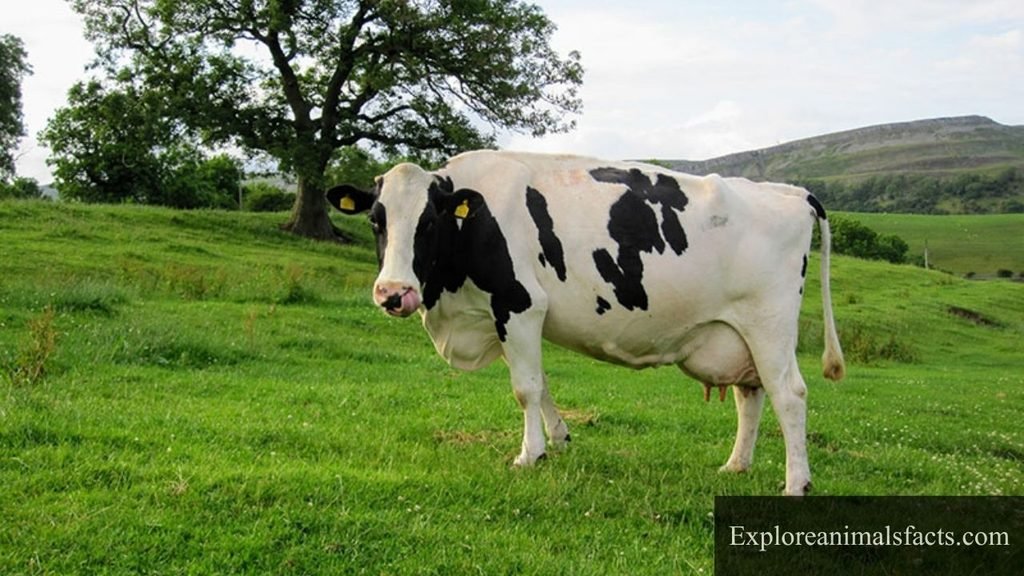
Beyond their visual appeal, Holsteins also carry a robust nutritional legacy. Their milk, known for its high butterfat and protein content, is prized by dairy farmers and chefs alike, making it a cornerstone in the production of everything from creamy cheeses to artisanal butter. The breed’s adaptability to various climates, combined with high productivity, makes them a favorite among dairy producers globally, ensuring that their distinctive spotted coats continue to grace pastures for generations to come. Their efficiency in conversion of feed to milk also makes them stand out in terms of sustainability, highlighting the ecological advantages of choosing wisely in livestock farming.
Spotted Turtle
Scientific Name: Clemmys guttata
Class: Reptilia
Diet: Omnivore
The Spotted Turtle, with its distinctive yellow or white spots against a dark, mottled shell, is a marvel of nature that blends beauty with ecological significance. This small aquatic turtle not only dazzles onlookers but also plays a critical role in its ecosystem. Found predominantly in the wetlands of eastern North America, these turtles thrive in environments that provide abundant aquatic vegetation, where they hunt for insects and small invertebrates, thus contributing to the delicate balance of their habitats.
One fascinating aspect of the Spotted Turtle is its adaptability. Preferring shallow waters, they can often be spotted basking on logs or rocks, demonstrating their need for both terrestrial and aquatic habitats. However, their populations are declining due to habitat loss and wetland destruction. Conservation efforts are crucial not only to preserve this unique species but also to protect the intricate ecosystems they inhabit. By raising awareness about the importance of preserving wetlands, we can ensure that future generations continue to marvel at these charming creatures and their vital role within the ecological web.
Jaguar
Scientific Name: Panthera onca
Class: Mammalia
Diet: Carnivore
The jaguar, a majestic big cat native to the Americas, showcases a striking coat dappled with rosettes and spots that do more than just enhance its beauty. These unique markings serve a crucial role in camouflage, allowing the jaguar to stealthily navigate its lush rainforest habitat. As sunlight filters through dense foliage, the jaguar’s pattern helps it blend seamlessly into its surroundings, making it a formidable predator.
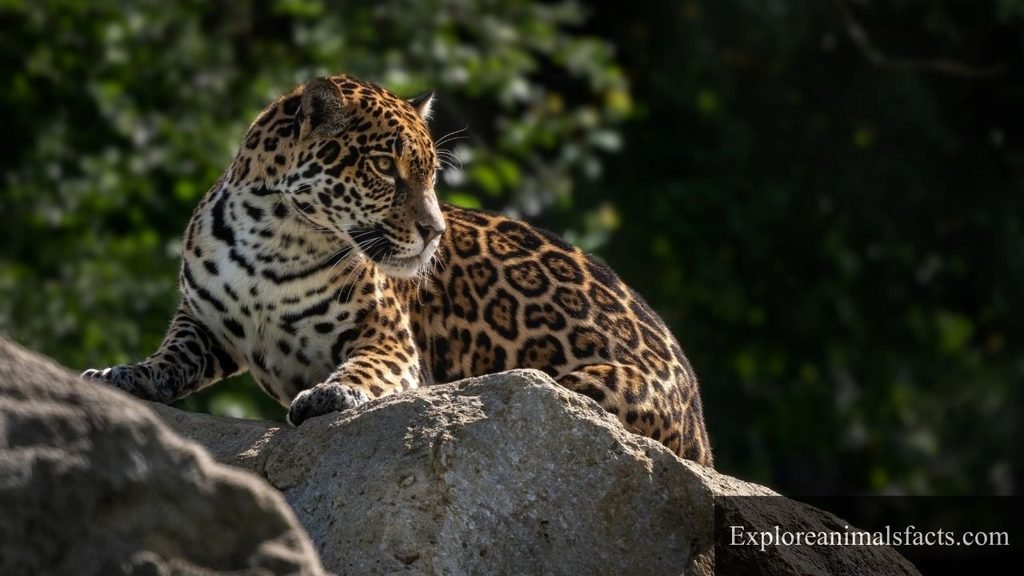
Each jaguar’s spot pattern is as unique as a human fingerprint, allowing researchers to identify individual cats in the wild. This aspect of their biology not only helps in studying their behaviors and habitats but also plays a vital role in conservation efforts, providing vital data for population monitoring. The allure of the jaguar transcends its physical appearance, symbolizing strength, cunning, and the delicate balance of biodiversity. As this magnificent creature faces increasing threats from habitat destruction and poaching, understanding its ecological importance and the role of these distinct spots can inspire dedicated conservation initiatives.
African Wild Dog
Scientific Name: Lycaon pictus
Class: Mammalia
Diet: Carnivore
The African wild dog, or Lycaon pictus, stands out as a fascinating example of nature’s artistry. Unlike the predictable patterns of most canids, these dogs sport a unique mosaic of spots, resembling a living canvas. Each individual’s coat is a blend of tan, black, and white patches, which serves not only as camouflage within their savanna habitats but also plays a critical role in pack dynamics and identification. Studies suggest that these distinctive patterns may help reinforce social bonds among group members, enhancing their cooperation during hunts.
These skilled hunters rely on their remarkable communication skills, often expressed through body language and vocalizations that reflect their vibrant social structure. Their coordinated pack behavior is a breathtaking sight, especially when they chase down prey with endurance and precision. As they weave through the tall grasses, their spotted coats blend into the landscape, embodying the very essence of their ecology. This visual symbiosis underscores a profound relationship between form and function, reminding us of the intricate balance that sustains ecosystems.
Spotted Salamander
Scientific Name: Ambystoma maculatum
Class: Amphibia
Diet: Carnivore
The spotted salamander, with its striking yellow or white spots against a charcoal body, is a remarkable example of nature’s artistry. Found primarily in the eastern United States, these amphibians thrive in moist forested areas, showcasing a fascinating behavioral trait: they are often nocturnal, emerging after rain to mate and feed. This nocturnal lifestyle adds an air of mystery to their existence, as their vibrant spots stand out against the dark backdrop of their habitat, making them both visible and beautifully camouflaged against predators.
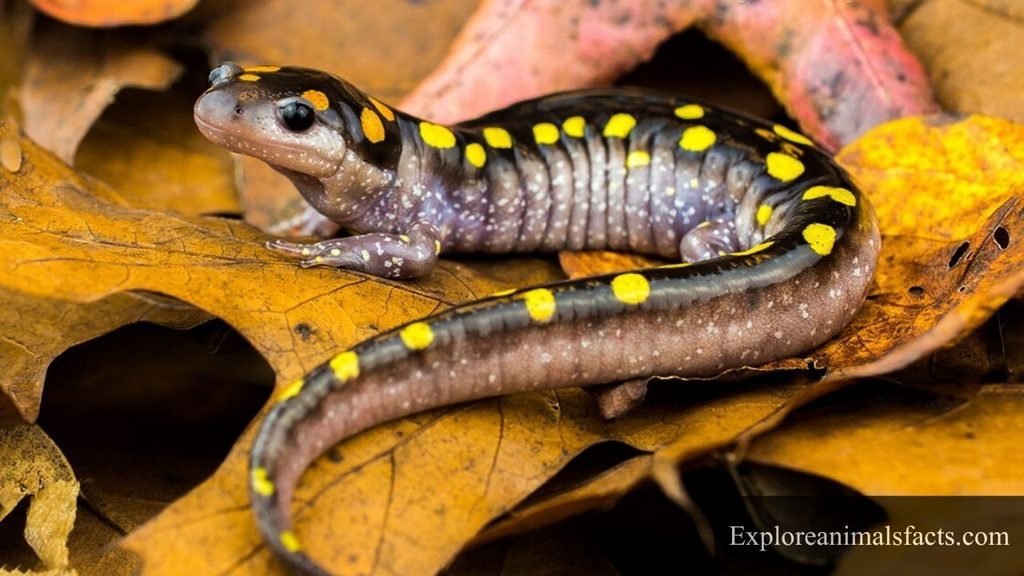
The striking coloration serves more than just an aesthetic purpose; it acts as a warning signal to potential threats. The bright spots indicate the presence of toxins in their skin, a clever defense mechanism that discourages predators from making a meal of these slimy creatures. In times of stress, the spotted salamander can even secrete a noxious substance, an enchanting blend of form and function that showcases nature’s evolutionary ingenuity. Their unique reproductive behavior, where females lay eggs in clusters in vernal pools, allows these creatures to thrive in specific ecological niches, underlining the intricate connections within their forest ecosystems.
Readmore: Explore Top 9 Animals That Have Trunks.
Final Thoughts
Spotted animals are a testament to the wonders of evolution and diversity in our ecosystems. Whether they use their spots for survival or social interaction, these unique patterns contribute significantly to their success in the wild. Observing how these traits function in different environments not only enriches our knowledge but also fosters a deeper connection with the animal kingdom. As we learn more about these remarkable creatures, it becomes increasingly crucial to prioritize their protection and habitats. Join the movement to safeguard our spotted friends and help preserve the vibrant tapestry of wildlife for generations to come.
FAQs
Why do animals have spots?
Animals have spots for a variety of reasons, primarily for camouflage and communication. Spots can help them blend into their environments, making it harder for predators or prey to detect them. For example, a spotted deer can easily hide among the dappled light of a forest, while a leopard’s rosettes help break up its outline in the grass.
Which animals have spots on their body?
Many animals have distinctive spots on their bodies, serving various purposes like camouflage or communication. For example, leopards and jaguars are known for their beautiful rosette patterns, which help them blend into their forested habitats. Cheetahs also have spots, but they are more evenly distributed and serve a different function, allowing them to hide in grasslands while hunting.