Explore Top 27 Most Energetic Animals (With Pictures)
In this exploration of the Most Energetic Animals, we delve into the astonishing world of creatures that redefine vitality and endurance. Understanding these vibrant animals not only amplifies our appreciation for nature but also inspires us to consider the boundless energy within ourselves. By the end of this article, you’ll meet extraordinary species that exemplify stamina and agility, leaving you awestruck.
List of Most Energetic Animals
Below is the list of energetic animals in the world:
- Cheetahs
- Dragonfly
- Siberian Husky
- Hummingbirds
- Meerkat
- Jack Russell Terrier
- Chimpanzee
- Swallow
- Kangaroos
- Honeybees
- Red Fox
- Adélie Penguin
- Arabian Horse
- Pronghorn
- Squirrel Monkeys
- Ants
- Capuchin Monkey
- Sea Otters
- African Wild Dogs
- Mustang Horse
- Dolphins
- Border Collies
- Shrews
- Arctic Tern
- Squirrel
- Tasmanian Devil
- Wolf
Cheetah
Scientific Name: Acinonyx jubatus
Class: Mammalia
Diet: Carnivore
The cheetah, known as the fastest land animal, epitomizes agility and grace in the wild. Its ability to reach speeds of up to 75 miles per hour in short bursts is not just a marvel of nature; it’s a finely tuned evolutionary adaptation. Unlike many predators, which rely on endurance and stealth, the cheetah’s hunting strategy is a thrilling sprint, using its unique body structure — lightweight frame, long legs, and large nasal passages that facilitate high oxygen intake. Each chase is a pulse-pounding spectacle, showcasing the raw energy that can be harnessed in mere seconds, illustrating the delicate balance of survival in the animal kingdom.
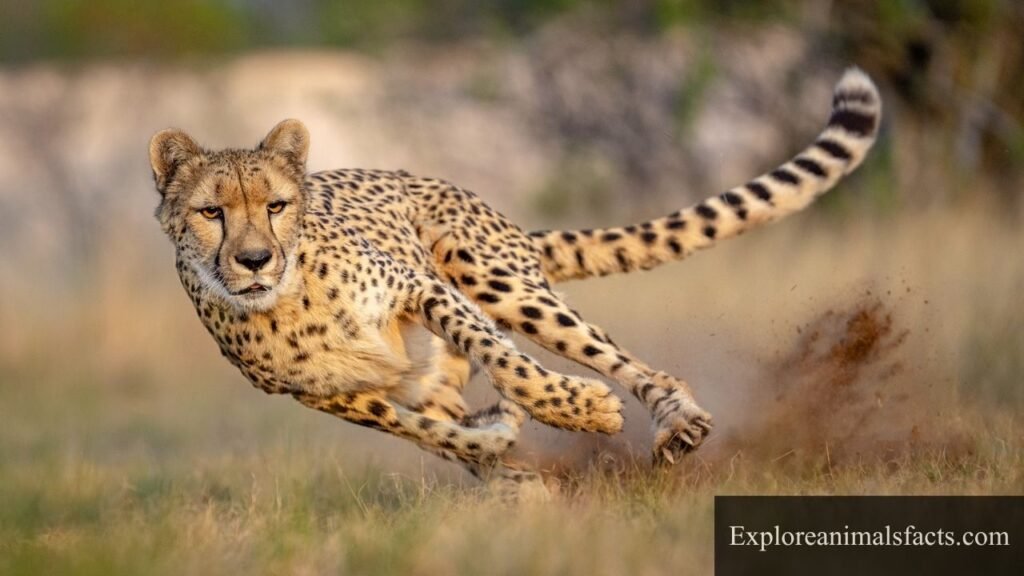
But there’s more to the cheetah than just speed. Their social structure, particularly in female solitary living versus male coalition dynamics, reveals fascinating aspects of their energetic lives. Males often band together in groups, facilitating strategic hunting and territorial defense — an unexpected twist in the narrative of solitary predators. With their black tear stripes providing sun glare protection, every feature of the cheetah is designed to enhance its lively pursuits. In a world where energy is life, the cheetah remains a captivating example of how speed, strategy, and social behavior converge, reminding us of the intricate web of energy flowing through the animal kingdom.
Dragonfly
Scientific Name: Anisoptera
Class: Insecta
Diet: Carnivore
The dragonfly is a symbol of transformation and adaptability in nature. This captivating creature, often seen flitting over still waters, is not merely a beautiful presence; it represents the spiritual journey of personal growth. As a master of aerial maneuvers — hovering, darting, and even flying backward — the dragonfly embodies the essence of living in the moment while navigating life’s complexities with grace and agility.
On a deeper level, the dragonfly serves as a reminder of the importance of perspective. With oversized multifaceted eyes capable of seeing in nearly every direction, these insects encourage us to broaden our views and embrace new experiences. They thrive in various environments, underscoring adaptability as a strength rather than a limitation. By embracing change like the dragonfly, we can find beauty in transition and uncover hidden facets of ourselves that contribute to our overall vibrancy and energy.
Siberian Husky
Scientific Name: Canis lupus familiaris
Class: Mammalia
Diet: Omnivore
The Siberian Husky is a true embodiment of vigor and vitality, known for its remarkable endurance and striking appearance. Originating from the frigid landscapes of Siberia, these dogs were bred as sled pullers, which explains their boundless energy and playful spirit. When released from the confines of their home, they transform into joyful whirlwinds, bounding through snow or racing across fields with a contagious enthusiasm. This innate desire for exploration not only encourages physical activity but also unveils their curious, adventurous nature.
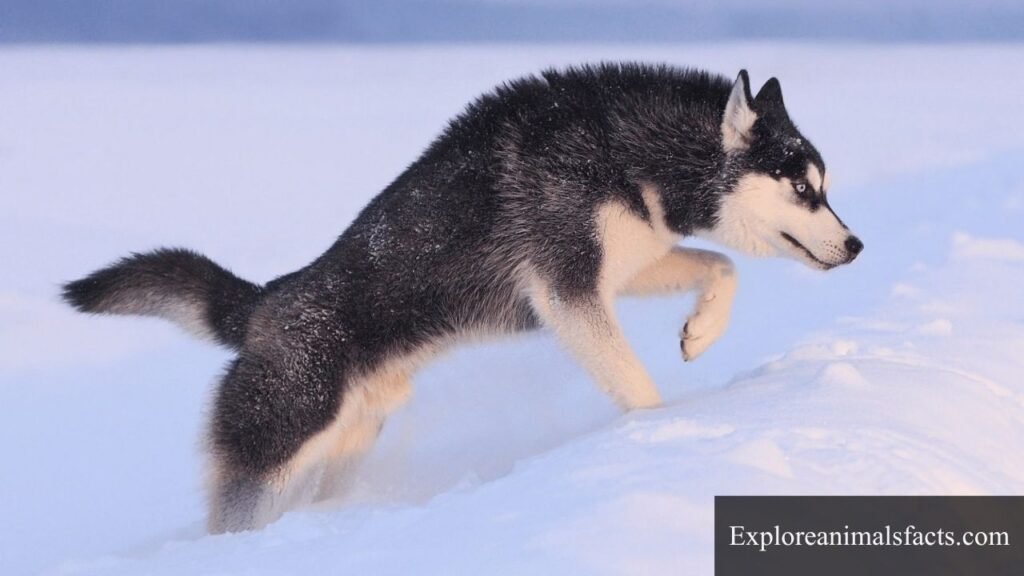
Their intelligence matches their energy; Huskies are problem-solvers by nature. This intelligence often leads them to find creative ways to escape yards, prompting owners to devise innovative solutions to keep them contained. Engaging them with stimulating activities, like agility courses or scent work, taps into their ambitious spirit while fortifying the bond between dog and owner. Plus, these activities provide mental exercise that complements their physical needs, ensuring a well-rounded, happy pet. With their striking blue or multi-colored eyes and playful demeanor, Siberian Huskies are not just pets; they are dynamic companions that ignite an unparalleled zest for life in everyone around them.
Readmore: Explore Top 29 Shy Animals in The World.
Hummingbird
Scientific Name: Trochilidae
Class: Aves
Diet: Omnivore
Hummingbirds, often celebrated for their breathtaking agility, embody energy in its purest form. These tiny aviators can flap their wings up to 80 times per second, creating a mesmerizing blur of color as they dart from flower to flower. This remarkable speed is not merely for show; it serves a critical role in their survival, aiding in the pollination of countless plants. In this dynamic dance with nature, hummingbirds not only fuel themselves but also sustain ecosystems, highlighting the interconnectedness of life.
Beyond their physical prowess, these creatures symbolize resilience and adaptability. Hummingbirds must consume nearly twice their body weight in nectar daily to maintain their vigorous activity. This relentless pursuit of energy reflects a broader life lesson: the importance of fueling our passions and dreams. Their fleeting presence in gardens and wild habitats encourages a deeper appreciation for the small wonders around us, reminding us that sometimes, the most energetic spirits come in the tiniest forms. In a world that often overlooks the minute, the hummingbird invites us to pause, reflect, and revel in the vibrant moments that punctuate our lives.
Meerkat
Scientific Name: Suricata suricatta
Class: Mammalia
Diet: Omnivore
Meerkats offer a unique glimpse into the power of teamwork and communication in the animal kingdom. Living in groups called clans, these small mammals showcase an elaborate system of roles, where each member contributes to the safety and well-being of the group. While one or two individuals serve as vigilant sentries, standing tall on their hind legs to survey the landscape for predators, others engage in foraging or caring for the young. This vigilant cooperation not only enhances survival rates but also deepens their social bonds, demonstrating a remarkable blend of instinct and intelligence.
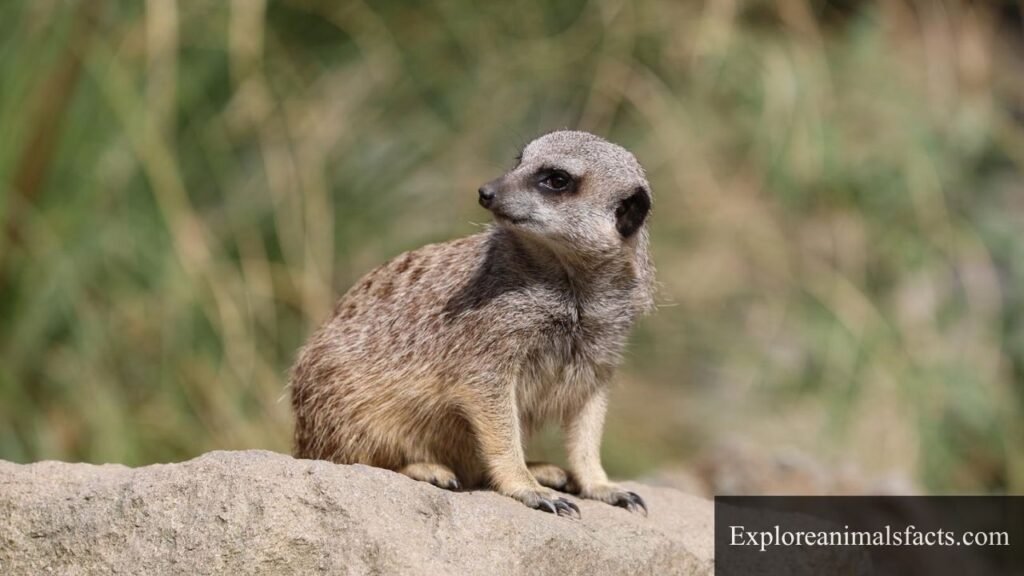
Beyond their social dynamics, meerkats are masterful communicators. They utilize a sophisticated array of vocalizations to relay information about potential threats, food sources, and more. Researchers have discovered that these intricate sounds can differ based on the predator type, indicating a level of awareness that challenges traditional notions of animal intelligence. Furthermore, the meerkat’s energetic antics — ranging from playful wrestling to synchronized dirt-digging — serve not only as entertainment but also as crucial training for young meerkats, instilling survival skills in a lively and engaging environment. In a world increasingly focused on human-centric views of intelligence, meerkats remind us that enchantingly complex life thrives in the most unexpected forms.
Jack Russell Terrier
Scientific Name: Canis lupus familiaris
Class: Mammalia
Diet: Omnivore
The Jack Russell Terrier is popular for its boundless energy and enthusiasm. These small dogs, with their agile bodies and keen intelligence, thrive on activity and engagement. If left without a proper outlet, their restlessness can lead to mischief — making them both a challenge and a joy for their owners. From chasing after balls to navigating complex agility courses, they excel in activities that stimulate both their physical and mental faculties.
What sets the Jack Russell apart is not just their energy but their remarkable adaptability. They can switch from an exciting game of fetch in the park to a cozy snuggle session at home, showcasing a unique blend of zest and companionship. This adaptability makes them ideal for active families as well as individuals seeking a lively partner in outdoor adventures. Engaging in training and socialization, combined with their spirited nature, often reveals a personality that’s both charming and incredibly rewarding. With the right care, Jack Russells can turn even the most mundane day into a whirlwind of joy and laughter.
Chimpanzee
Scientific Name: Pan troglodytes
Class: Mammalia
Diet: Omnivore
Chimpanzees are not only our closest living relatives on the evolutionary tree, but they are also some of the most dynamic and intelligent creatures in the animal kingdom. These energetic primates exhibit a remarkable range of emotions and social interactions that highlight their complex social structures. Whether they’re using tools to extract termites from mounds or engaging in playful antics with their peers, chimpanzees demonstrate a level of curiosity and creativity that draws observers into their fascinating world.
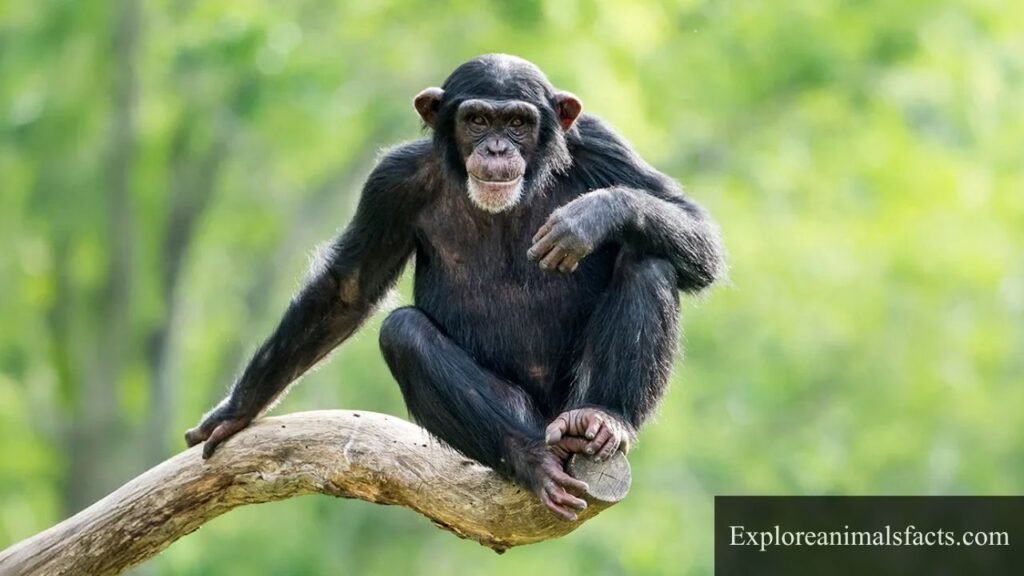
Observing chimpanzees in the wild reveals their profound capacity for empathy. They engage in what can be likened to emotional support, comforting each other with grooming or gentle touches during moments of distress. This ability to connect emotionally not only enhances their social bonds but also paints a picture of a society built on cooperation and understanding, further elevating our appreciation of their existence. As they swing gracefully from branch to branch or engage in enthusiastic displays of laughter and play, it becomes evident that their spirited nature is enriched by a depth of sentiment that resonates on a fundamental level.
Swallow
Scientific Name: Hirundinidae
Class: Aves
Diet: Insectivore
Swallows are remarkable creatures, embodying both grace and agility in their flight. With their streamlined bodies and long, pointed wings, these birds can navigate through the air with extraordinary precision. Their acrobatic maneuvers are not just a spectacle; they serve a functional purpose, allowing swallows to catch insects mid-flight. This feeding strategy highlights their adaptability and efficiency, showcasing a unique blend of beauty and survival instinct.
Beyond their aerial prowess, swallows have profound cultural significance across various societies. In many cultures, they symbolize hope and renewal, often heralding the arrival of spring with their graceful returns. Their migratory patterns inspire awe and wonder, as they travel thousands of miles to find favorable climates. This journey not only captivates the human imagination but also highlights the ecological interconnections in our world, reminding us of the delicate balance between nature and habitat preservation.
Kangaroo
Scientific Name: Macropus
Class: Mammalia
Diet: Herbivore
Kangaroos showcase a unique locomotion that’s as mesmerizing as it is efficient, exemplifying the sheer energy of the Australian outback. Their powerful hind legs allow them to bound gracefully across the Australian landscape, reaching speeds of up to 40 miles per hour and covering over 25 feet in a single leap. This remarkable form of movement not only epitomizes their evolutionary adaptation to traverse vast terrains, but it also reveals a social dynamic; these creatures often travel in groups, or mobs, enhancing their energy through collective playfulness.
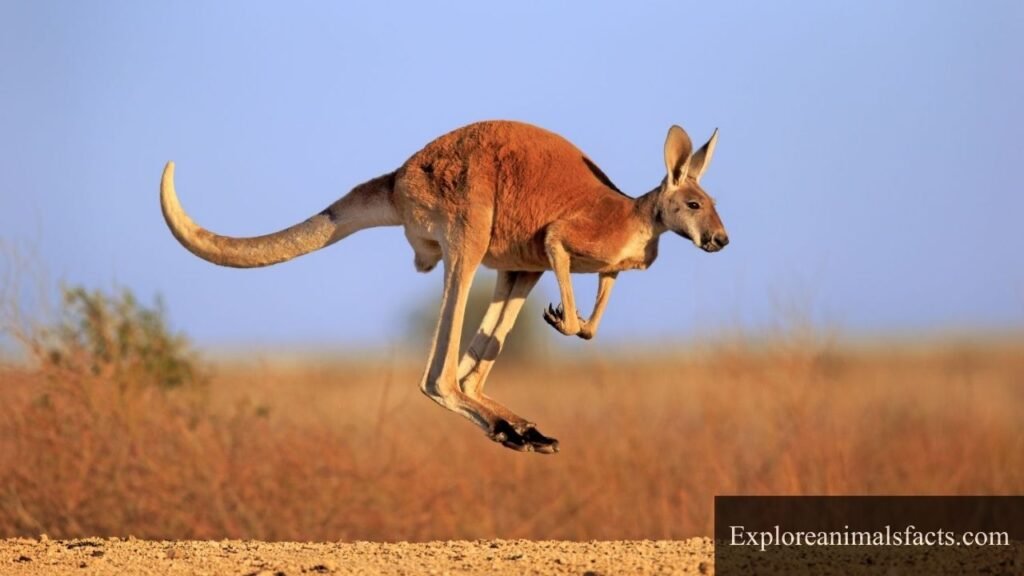
Kangaroos also offer a striking example of how energy can be harnessed sustainably. Their unique digestive systems allow them to process tough vegetation efficiently, reducing methane emissions compared to traditional livestock. This insight has sparked conversations in ecological circles about embracing such remarkable creatures as symbols of sustainability in the age of climate change. Kangaroos, with their vibrant energy and ecological significance, challenge us to rethink our relationship with nature, inspiring a shift towards more harmonious living.
Honeybee
Scientific Name: Apis
Class: Insecta
Diet: Herbivore
The honeybee has long fascinated humanity not just for its honey but for its intricate social structure and remarkable efficiency. Each bee plays a vital role in a highly organized colony, showcasing a level of cooperation that rivals any human society. The worker bees, the backbone of the hive, exhibit tireless energy as they flutter from flower to flower, pollinating up to 1,600 blooms a day. This symbiotic dance is not only crucial for plant life but also for global food systems, affecting the production of a stunning array of fruits and vegetables.
But what truly captivates is the honeybee’s communication skills. Using a sophisticated “waggle dance,” they convey the distance and direction of resources to fellow hive members. This remarkable form of non-verbal communication demonstrates not just their intelligence but also their deep connection to one another. As environmental stewards, honeybees are indicators of ecological health, and their decline signals broader challenges for our planet. By understanding their energetic nature and pivotal role in our ecosystem, we can better appreciate the delicate balance of life that hinges on these tiny, tireless workers.
Red Fox
Scientific Name: Vulpes vulpes
Class: Mammalia
Diet: Omnivore
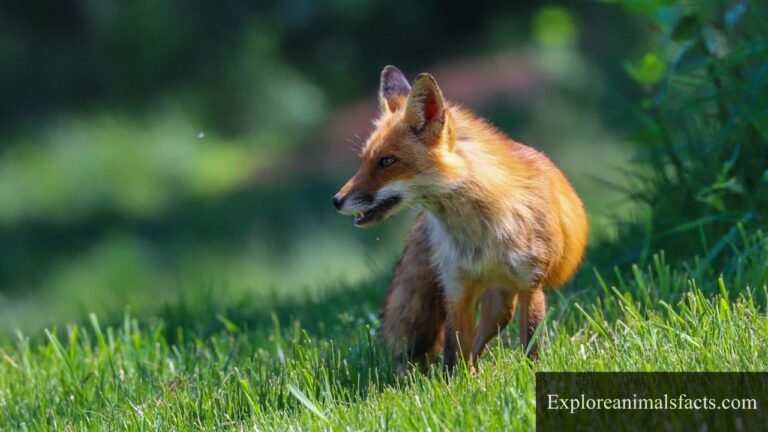
The red fox, a master of adaptability, showcases a blend of intelligence and charisma in every leap and bound. With its stunning russet fur and bushy tail, it’s not just a creature of beauty but also a brilliant strategist in hunting and survival. Unlike many predators, red foxes employ a fascinating technique often referred to as “mousing.” By listening intently and pouncing into the snow, they can locate hidden prey beneath the surface, demonstrating not only their acute sense of hearing but also their impressive agility.
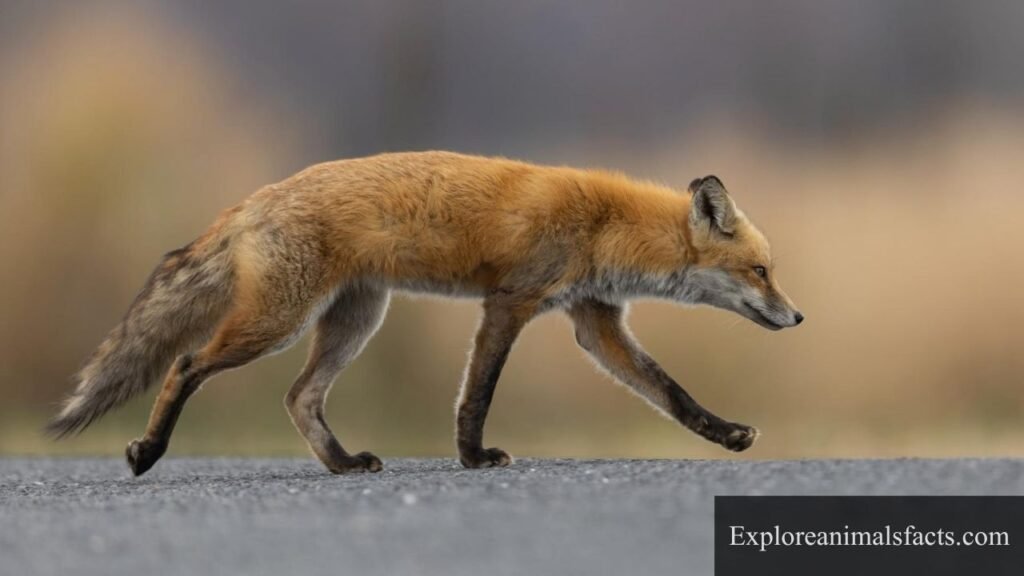
Beyond their hunting prowess, red foxes are incredibly social animals. They communicate through a series of vocalizations and body language, forming intricate social hierarchies that can shift depending on their environment. This social adaptability allows them to thrive in diverse habitats, from urban landscapes to dense forests. The red fox reminds us that energy comes not only from their quick movements but also from their unique ability to navigate complexities within their ecosystems, making them one of nature’s most intriguing problem solvers. Their playful antics, whether darting through tall grass or engaging in mock fights with family members, captivate observers and reinforce the idea that life, with all its challenges, is also meant to be enjoyed.
Adélie Penguin
Scientific Name: Pygoscelis adeliae
Class: Aves
Diet: Carnivore
Adélie penguins are not just adorable waddlers; they showcase resilience in one of the harshest climates on Earth. Their unwavering spirit is evident as these small birds tackle the relentless Antarctic conditions. With their striking tuxedo-like plumage and playful demeanor, they’ve mastered the art of survival, often darting through icy waters in pursuit of krill and fish. This energetic foraging not only fuels their bodies but also emphasizes their role in the delicate marine ecosystem, where they act as indicators of environmental health.
Interestingly, the social dynamics within Adélie colonies reflect their vibrancy. These birds exhibit complex behaviors, from elaborate courtship displays to cooperative parenting, all of which highlight their intelligence and adaptability. The bustling colonies resonate with the sounds of their calls, showcasing a rich tapestry of communication that captivates researchers and casual observers alike. As climate change poses challenges to their icy habitat, the Adélie penguin stands as both a symbol of ecological resilience and a poignant reminder of the interconnectedness of life on our planet.
Arabian Horse
Scientific Name: Equus caballus
Class: Mammalia
Diet: Herbivore
The Arabian horse stands out not only for its striking beauty but also for its extraordinary vitality and endurance. These noble equines originated in the deserts of the Arabian Peninsula, where their ability to thrive in harsh conditions has become legendary. Known for their strong bond with humans, Arabians often display an unmatched spirit and intelligence that make them exceptional companions and athletes. They embody a unique blend of grace and power, capable of sprinting at high speeds over long distances without losing their characteristic fluidity.
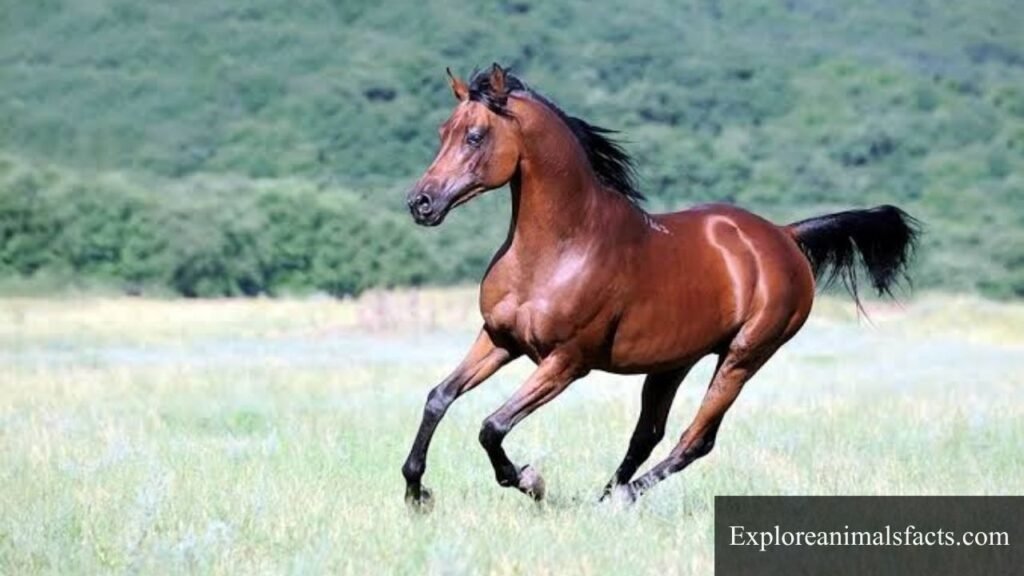
What sets the Arabian apart is its remarkable adaptability; these horses can excel in various disciplines, from endurance riding to dressage. Their high energy levels are complemented by an innate curiosity, making them quick learners. As trendsetters in equestrian sports, Arabians inspire countless riders to explore new horizons alongside them, fueling an energizing connection that is both exhilarating and profound. This dynamic interplay between horse and rider transforms every ride into an adventure, revealing the potential for bonding that transcends typical partnerships in the equine world.
Pronghorn
Scientific Name: Antilocapra americana
Class: Mammalia
Diet: Herbivore
The pronghorn, often mistaken for an antelope, is a marvel of adaptation. With its remarkable speed — capable of reaching up to 60 miles per hour — this agile creature holds the title of the second-fastest land mammal in the world. Unlike cheetahs, which rely solely on short bursts of speed, pronghorns can sustain their incredible pace over longer distances, showcasing not just speed but endurance. This adaptation is a response to the open plains of North America, allowing them to evade predators and navigate vast landscapes with grace.
But the pronghorn’s uniqueness goes beyond speed; it’s a testament to resilience and evolution. These animals have evolved to retain a keen sense of awareness, aided by their acute eyesight that can spot movement from miles away, making them exceptional at detecting threats. Their curious, almost playful demeanor also draws attention, especially during the mating season when males engage in elaborate displays of dominance, showcasing their pronged horns with pride. Observing pronghorns in their natural habitat provides a glimpse into a delicate balance of survival, agility, and the intricate web of life that showcases how one species can adapt brilliantly to its environment.
Squirrel Monkey
Scientific Name: Saimiri
Class: Mammalia
Diet: Omnivore
Squirrel monkeys embody an infectious energy that captivates anyone lucky enough to observe them. Found primarily in the lush canopies of Central and South America, these small primates are equipped with remarkable agility, allowing them to leap deftly between branches. Their social structures are equally engaging, as they thrive in dynamic troops that can number up to 50 individuals. Each troop member plays a specific role, from sentinel duties to foraging, showcasing a fascinating complexity in their interactions.
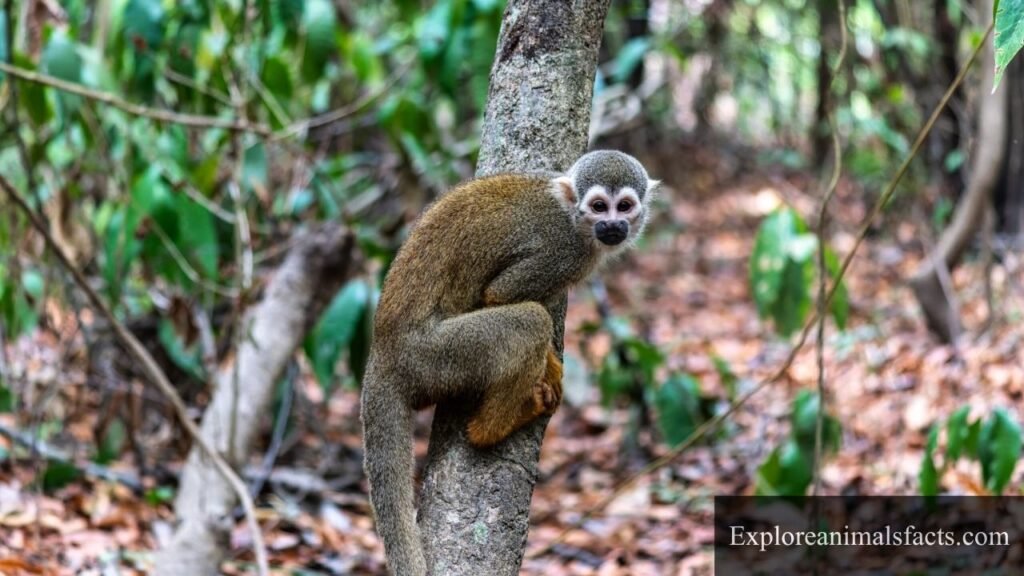
What truly sets squirrel monkeys apart is their remarkable intelligence coupled with a spirited curiosity. They are known to use tools, such as picking up sticks to extract insects from crevices, demonstrating their ability to innovate in their search for food. Moreover, their vocalizations range from high-pitched chirps to melodious whistles, painting the rainforest with a symphony of sounds that echo their energetic behavior. Observing them in their natural habitat offers a unique lens into the vibrant life of the tropics, where every leap and call tells a story of survival and camaraderie. Their lively antics remind us of the intricate web of life and the importance of preserving such energetic species within their ecosystems.
Ant
Scientific Name: Formicidae
Class: Insecta
Diet: Omnivore
Ants are remarkable energy ambassadors in the animal kingdom, exhibiting a hyper-efficient collective lifestyle. These tiny architects and laborers thrive in structured colonies, often working tirelessly to support their communities. It’s fascinating how their individual energy contributes to the broader success of the hive; an ant is never just an ant but a vital cog in a massive, interconnected machine. Scientists have even noted that some ant species can navigate using the Earth’s magnetic field, showcasing not just their energy but also an incredible adaptability to their surroundings.
The sheer power of cooperation among ants is most striking during foraging missions. Individual ants scout for food and leave pheromone trails for others, demonstrating a form of communication that maximizes their collective energy. This teamwork isn’t limited to food gathering; some species also engage in mutualistic relationships with plants and other insects, amplifying their impact on the ecosystem. Whether transporting hefty leaves or defending their queen, each ant embodies an unwavering commitment to the collective, providing a powerful reminder of how collaboration can exponentially enhance energy and productivity.
Capuchin Monkey
Scientific Name: Cebinae
Class: Mammalia
Diet: Omnivore
The Capuchin monkey, known for its quick agility and playful demeanor, embodies the spirit of energy in the animal kingdom. These small primates, famous for their expressive faces and dexterous hands, showcase remarkable intelligence often seen in their use of tools — a rare trait in the animal world that parallels human innovation. Their vibrant social structure also plays a crucial role in their energetic lifestyle, as they engage in complex interactions, promoting not just personal well-being but also strengthening community bonds within their groups.
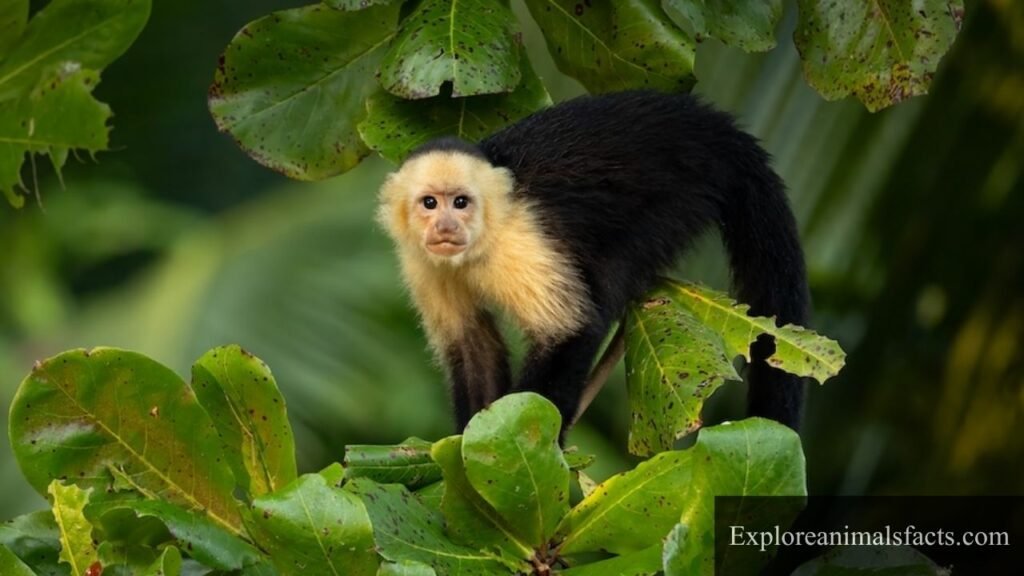
What sets Capuchins apart is their ability to adapt their energy levels to their environment. While they can display exuberance during social grooming or playful chases through the treetops, they are equally adept at conserving energy during hotter parts of the day, showcasing a fascinating balance between exuberance and self-preservation. This nuanced behavior sheds light on the evolutionary strategies that allow these monkeys to thrive in the wild, revealing the intricate connection between energy management and survival. The Capuchin monkey invites us to reflect on our own energy use, emphasizing the importance of balance and adaptability in our everyday lives.
Sea Otter
Scientific Name: Enhydra lutris
Class: Mammalia
Diet: Carnivore
Sea otters are not just adorable; they are vital players in maintaining the health of coastal ecosystems. These furry creatures, known for their playful antics, possess a remarkable ability to dive up to 300 feet in search of food, primarily sea urchins and other shellfish. This foraging habit plays an essential role in kelp forest ecosystems, where they keep sea urchin populations in check. Without them, urchins can overgraze kelp, leading to a decline in habitat that supports countless marine species.
Yet, the sea otter’s charm extends beyond their ecological importance. Their social structures are equally fascinating; they are known to hold hands while sleeping, forming “rafts” to stay together in a sea of currents. This bonding behavior not only reinforces their relationships but also highlights the emotional intelligence and strong social dynamics within their groups. As climate change and pollution threaten their habitat, sea otters remind us of the interconnectedness of marine life and the delicate balance necessary for thriving ecosystems.
African Wild Dog
Scientific Name: Lycaon pictus
Class: Mammalia
Diet: Carnivore
The African wild dog is a marvel of endurance and social structure. These remarkable creatures are known for their boundless energy and strikingly cooperative hunting techniques, which set them apart in the animal kingdom. With a success rate of up to 80% in hunts — a staggering achievement — these canines exemplify the power of teamwork; their strategies involve intricate communication and synchronized running that allows them to outmaneuver prey.
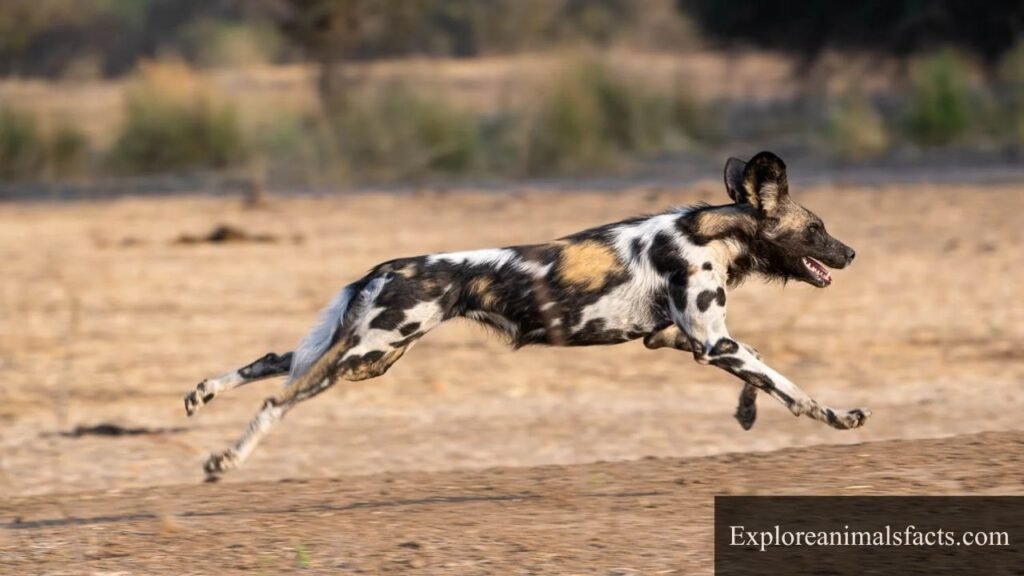
What’s truly fascinating is their intricate social bonds, which are as dynamic as their hunting style. African wild dogs live in packs that can range from 2 to 27 individuals, with strong familial ties that ensure collaboration and support for sick or injured members. This strong communal structure transcends mere survival; their playful antics and affectionate interactions showcase a depth of emotional intelligence that enriches their interactions. Observing these vibrant, energetic animals reveals a world woven with loyalty and playfulness, challenging us to reconsider our perceptions of pack dynamics and social networks in the wild.
Mustang Horse
Scientific Name: Equus caballus
Class: Mammalia
Diet: Herbivore
The Mustang horse embodies not just raw power but also an unyielding spirit. Often seen galloping across the plains, these magnificent creatures are more than just symbols of wild beauty; they reflect the tenacity of the American frontier. Mustangs, descendants of domesticated horses that escaped or were released into the wild, thrive in diverse environments, showcasing incredible adaptability and endurance. Their vibrant energy is matched by an innate intelligence — traits that have allowed them to survive and flourish despite numerous challenges over the centuries.
What’s truly remarkable about Mustangs is their social structure and strong herd dynamics. They communicate through intricate body language and vocalizations, fostering bonds that are crucial for their survival. Observing a herd, one can witness the playful antics of young foals and the protective instincts of the lead mare, emphasizing the rich emotional lives of these energetic animals. Their existence serves as a potent reminder of the wild spirit that once roamed freely across North America, inviting all of us to consider the deeper connections between nature and humanity, and the need to preserve the beautiful wildness that defines our landscape.
Dolphin
Scientific Name: Delphinidae
Class: Mammalia
Diet: Carnivore
Dolphins are known for their acrobatic displays and playful demeanor. These intelligent marine mammals utilize their agility not only to hunt but also to communicate within social structures, often engaging in intricate displays of echolocation. Their ability to navigate the vast ocean with seemingly effortless speed — leaping, spinning, and riding the waves — captures the imagination and highlights their profound relationship with the fluid environment they inhabit.
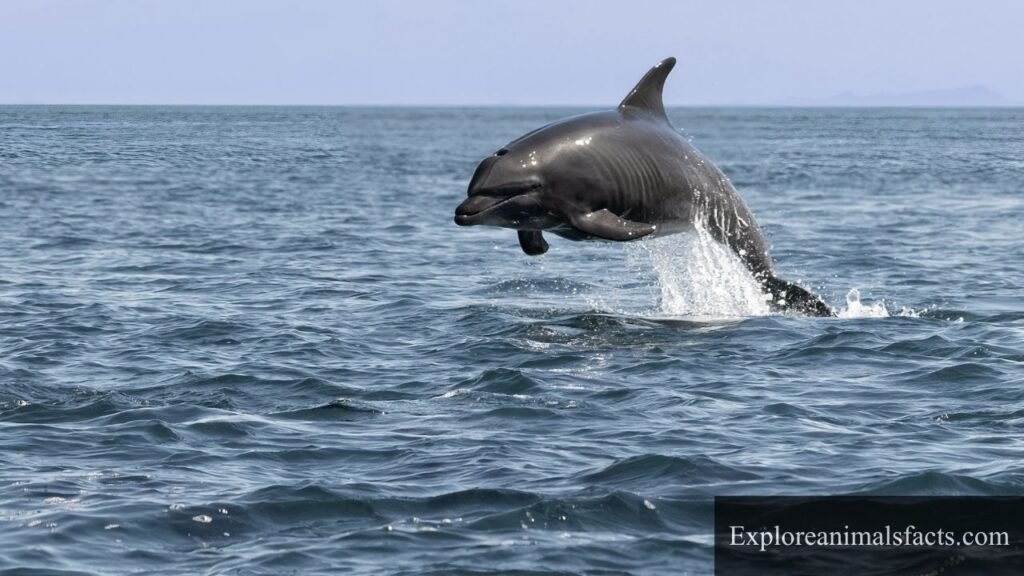
Recent studies reveal that dolphins possess a unique form of social bonding that enhances their energy levels. They often engage in cooperative behaviors, such as teaming up for herding fish or taking turns riding the bow waves of boats, which fosters a sense of community and further stimulates their dynamic lifestyles. Watching a pod of dolphins interact can be a mesmerizing reminder of the joy and vitality found in nature, provoking awe and inspiring a deeper understanding of marine ecosystems. As they dance through the water, dolphins embody not just energy but also the intricate balance of social structure and survival in the wild.
Border Collie
Scientific Name: Canis lupus familiaris
Class: Mammalia
Diet: Omnivore
The Border Collie is a powerhouse of energy and intelligence. Originally bred for herding sheep in the hilly terrains of Scotland, these dogs possess an unparalleled drive and agility that extends beyond simple physical prowess. Their innate ability to problem-solve and adapt to various tasks keeps them perpetually engaged, making them one of the most trainable breeds in the canine world. With a working mentality and a lust for life, a Border Collie thrives not just on exercise but on mental stimulation that challenges their sharp minds.
What truly sets the Border Collie apart is their deep emotional connection to their human companions. They form bonds that inspire loyalty and dedication, showcasing an innate understanding of human emotions. Engaging them in interactive activities, from agility courses to scent work, fosters this bond while channeling their abundant energy in positive ways. Their boundless enthusiasm, coupled with a natural instinct to herd and guide, can transform mundane outings into exhilarating adventures, making the world feel like an endless playground tailored for exploration and fun. Whether trotting through fields or solving complex puzzles, every moment spent with a Border Collie is a reminder of the joyful partnership between humans and their canine counterparts.
Shrew
Scientific Name: Soricidae
Class: Mammalia
Diet: Insectivore
The shrew boasts an impressive array of energetic traits that make it a fascinating subject of study. These tiny mammals partake in an astonishingly high metabolic rate, which necessitates constant foraging, consuming nearly their body weight in food daily. This relentless pursuit of sustenance is not just about survival; it reveals a complex relationship with their environment, as they aerate soil and control insect populations, playing crucial roles in their ecosystems.
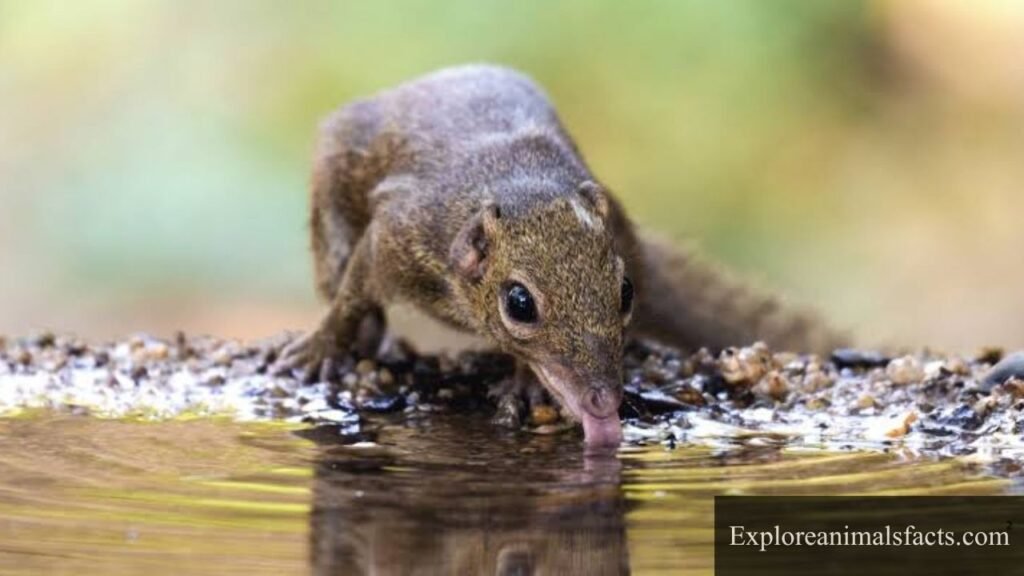
Beyond their insatiable appetites, shrews possess a unique marvel: the ability to emit a venomous bite. While this may sound counterintuitive for such diminutive creatures, it enables them to subdue larger prey, such as frogs and even small birds. The venom not only immobilizes their catch but also allows for storage — shrews can keep their victims alive in a semi-paralyzed state for later meals. This energetic adaptation showcases the innovative strategies shrews employ in the wild, transforming them from mere scavengers to skilled hunters in their own right.
Arctic Tern
Scientific Name: Sterna paradisaea
Class: Aves
Diet: Carnivore
The Arctic Tern, a small seabird revered for its astonishing migratory journey, showcases a level of energy and determination that is nothing short of remarkable. This tiny avian marvel travels up to 71,000 kilometers each year, navigating from its breeding grounds in the Arctic to wintering sites in the Antarctic. It’s not just the distance that’s impressive; it’s the Tern’s undeniable knack for navigating diverse climates and shifting weather patterns, demonstrating an innate intelligence that captivates ornithologists.
What makes the Arctic Tern even more fascinating is its dual life, thriving in some of the harshest and most beautiful environments on Earth. During breeding season, these birds engage in complex social behaviors and intricate mating rituals that reflect their high energy levels and adaptability. Their migratory route often leaves them basking in the perpetual sun of polar regions in summer and the golden glow of warmer climates in winter, showcasing a vibrant tapestry of the planet’s ecosystems. Observing these energetic navigators not only inspires awe but also highlights the delicate balance of nature, reminding us of the interconnectedness of wildlife and the profound journeys that occur beyond our day-to-day lives.
Squirrel
Scientific Name: Sciuridae
Class: Mammalia
Diet: Omnivore
Squirrels, often seen darting through city parks and backyards, are a delightful testament to nature’s boundless energy. Their acrobatic prowess stands out, with agile leaps and swift climbs that make them seem almost choreographed in their movements. These lively creatures are not just entertainers; they play a critical role in their ecosystems by nurturing tree growth. As they forage for nuts, they inadvertently plant seeds, aiding biodiversity and reforestation.
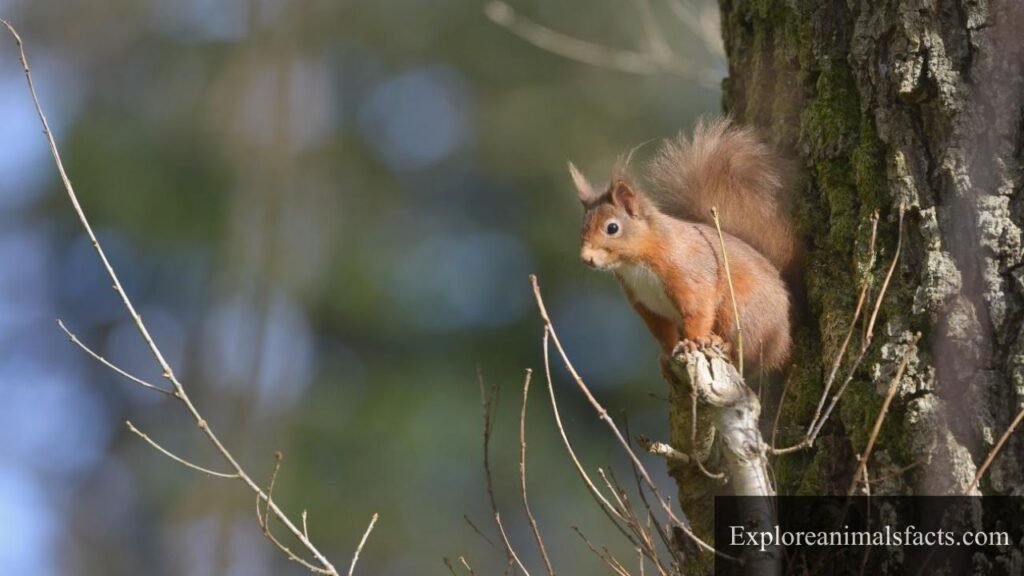
Beyond their physical agility lies a complex social structure. Squirrels showcase a fascinating mix of solitary and communal behaviors, often relying on a combination of alarm calls and body language to communicate threats to their fellow foragers. This social intelligence reflects a nuanced understanding of their environment, as they adapt to urbanization with astonishing resourcefulness.
Tasmanian Devil
Scientific Name: Sarcophilus harrisii
Class: Mammalia
Diet: Carnivore
The Tasmanian devil is a fascinating creature that encapsulates the raw energy of wildlife in Tasmania. Known for its feisty demeanor and powerful jaw, this nocturnal marsupial showcases survival instincts and a fierce tenacity that make it a compelling subject of study. Observing a Tasmanian devil in its natural habitat reveals an animal that encompasses both chaos and charm, darting around with surprising agility despite its sturdy build.
Their signature screeches and growls might give the impression of a fearsome predator, but these sounds serve a vital role in communication and social interactions within their tight-knit groups. The devil’s often misunderstood reputation is further complicated by its unfortunate status as an endangered species, primarily due to a contagious cancer known as Devil Facial Tumor Disease (DFTD). As these distinctive animals navigate the challenges of their environment, they remind us of the delicate balance of ecosystems and the importance of wildlife conservation. Engaging with the story of the Tasmanian devil encourages us to delve deeper into the world of energetic animals and appreciate the myriad ways they contribute to biodiversity.
Wolf
Scientific Name: Canis lupus
Class: Mammalia
Diet: Carnivore
Wolves embody a unique blend of energy and social structure, making them one of the most fascinating animals in the wild. Their pack dynamic is a masterclass in teamwork and communication, where every member has a role that contributes to the group’s success. This makes their energetic nature not just about strength, but about collaboration and strategic hunting. Watching a pack coordinate during a chase reveals an intricate dance of instinct and intellect, showcasing how rhythm and energy can merge into a powerful force.
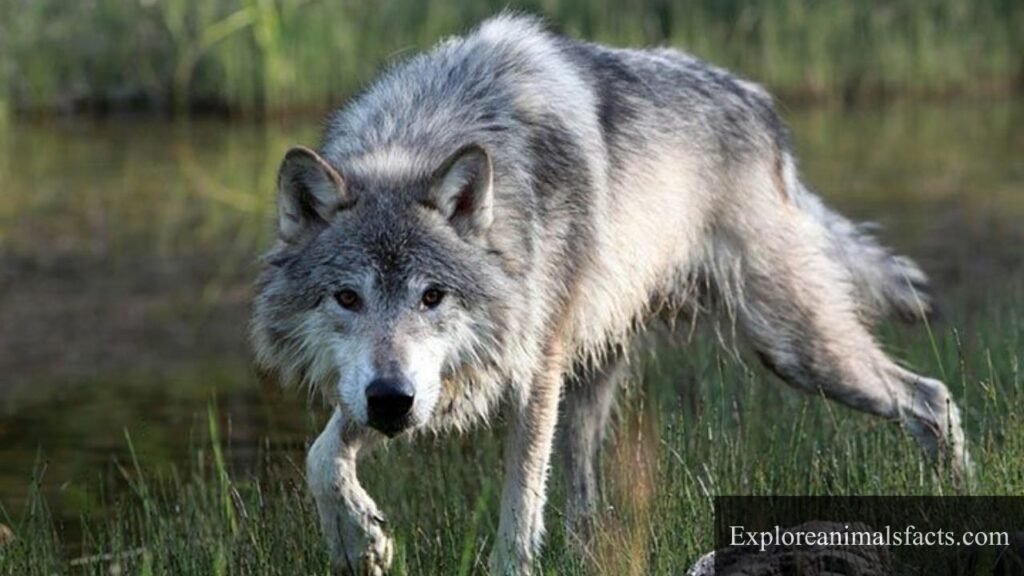
What’s particularly captivating is the way wolves use their energy not only for survival but also for social bonding. Playfulness can often be seen among young wolves, reinforcing relationships and building skills through spirited interaction. This behavior transforms their energy into an essential tool for social cohesion, illustrating that vitality isn’t just about agility, but also about creating connections. In fact, their howls resonate across vast distances, intertwining their energetic expressions with a soulful communication that reflects both territory and harmony within the pack. Engaging with wolves in their natural habitat offers a profound reminder of the importance of energy in community, reminding us that vitality is most impactful when shared.
Readmore: Explore Top 17 Independent Animals in The World.
Final Thoughts
The world is home to a remarkable array of energetic animals that exemplify the wonders of adaptability and survival. From the acrobatic leaps of kangaroos to the relentless sprinting of cheetahs, these creatures showcase a dynamic energy that keeps ecosystems thriving. Their physical prowess not only captivates our imagination but also highlights the importance of habitat conservation to ensure these species continue to thrive.
Observing these animals in their natural environments serves as a reminder of the interconnectedness of life on Earth. Let us prioritize the protection of their habitats and support conservation efforts to ensure that future generations can marvel at the energetic wonders of our planet.
FAQs
What is the most energetic animal in the world?
The most energetic animal in the world is often considered to be the hummingbird. These tiny birds are known for their incredible metabolism and relentless flapping of their wings, which can beat up to 80 times per second. They require a constant intake of nectar, and to meet their energy needs, they spend a significant portion of their day feeding.
What animal is energetic and happy?
Dolphins are often seen as the epitome of energy and happiness in the animal kingdom. Known for their playful behavior, they leap out of the water and surf waves, showcasing a zest for life that captivates many. Their social nature allows them to engage in group activities, often seen playing together or even riding alongside boats. Dolphins are incredibly intelligent creatures. They communicate with each other through a complex system of sounds and gestures, expressing emotions that reflect their joyful demeanor.
What are some energetic small animals?
Some energetic small animals include ferrets, hamsters, and guinea pigs. Ferrets are known for their playful nature, often zipping around and exploring their environment. They love to dig, climb, and engage in playful wrestling, making them a bundle of energy. Hamsters, particularly Syrians and Dwarf varieties, are notorious for their nighttime antics. They run on wheels, burrow, and dart around their cages, providing endless entertainment. Guinea pigs, while a bit more laid-back, also enjoy interacting and can be quite active when exploring their surroundings.
Which pet animal is most energetic?
When it comes to energetic pets, dogs typically top the list. Breeds like Border Collies and Jack Russell Terriers are known for their high energy levels and need for regular exercise. They thrive on activities like running, hiking, and playing fetch, making them ideal companions for active individuals or families.