Top 11 Animals Without Eyes (With Images)
Animals Without Eyes exist in various ecosystems, showcasing extraordinary adaptations that challenge our understanding of sight and survival. These fascinating creatures remind us of the remarkable ways life can evolve under extreme conditions. As you read on, you’ll discover examples of these unique animals and the vital roles they play in their environments.
List of Animals Without Eyes
Here is the list of animals without eyes:
- Olm
- Sea Sponge
- Texas Blind Salamander
- Widemouth Blindcat
- Freshwater Hydra
- Mexican Tetra
- Sea Lily
- Star-Nosed Mole
- Blind Cave Crayfish
- Caecilian
- Kaua’i Cave Wolf Spider
Olm
Scientific Name: Proteus anguinus
Class: Amphibia
Diet: Carnivore
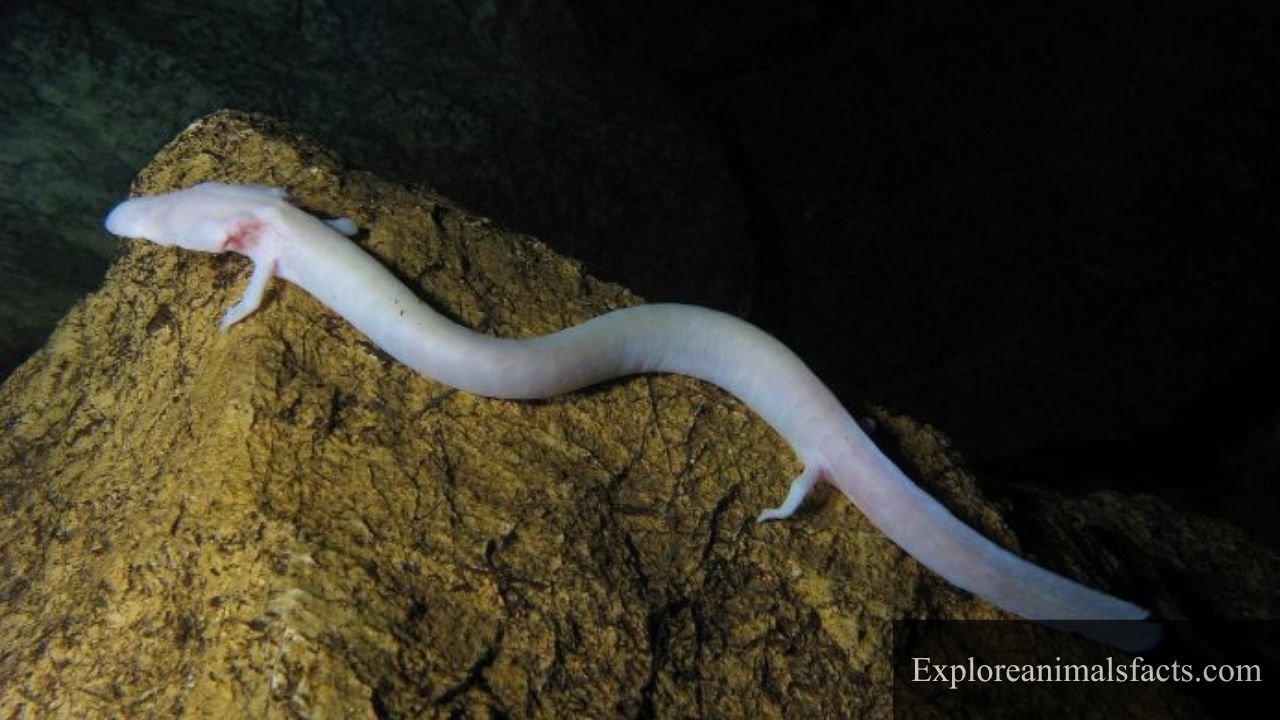
The olm, a captivating amphibian native to the underground waters of central and southeastern Europe, thrives in total darkness, rendering its vestigial eyes nearly useless. These fascinating creatures have evolved to rely on their other senses, demonstrating an extraordinary adaptation to their subterranean habitat. Their skin, covered in delicate sensory structures, allows them to detect minute vibrations and chemical cues in the water, showcasing an incredible sensitivity that compensates for the lack of sight.
The olm’s unique physiology also reflects its environment; it has a pale, almost ghostly appearance that helps it blend into the limestone caves it inhabits. Researchers have found that this lack of pigmentation is not just a fashion statement of the dark, but crucial for camouflage against predators. Moreover, the olm’s ability to live up to 100 years and survive for extended periods without food highlights its remarkable resilience. This astonishing creature challenges our perceptions of sensory limitations, suggesting that life can flourish even in the absence of conventional features like sight, a testament to the incredible diversity and adaptability of life on Earth.
Sea Sponge
Scientific Name: Porifera
Class: Demospongiae
Diet: Filter Feeder
The sea sponge, a remarkable marine organism, thrives in the depths of the oceans without a single eye. Although they lack the ability to perceive light or movement, these fascinating creatures showcase a unique form of life. Instead of eyes, sponges rely on an intricate system of pores and channels to filter water and obtain nutrients. This simple yet effective biological design allows them to adapt to various aquatic environments, from coral reefs to deep-sea habitats.
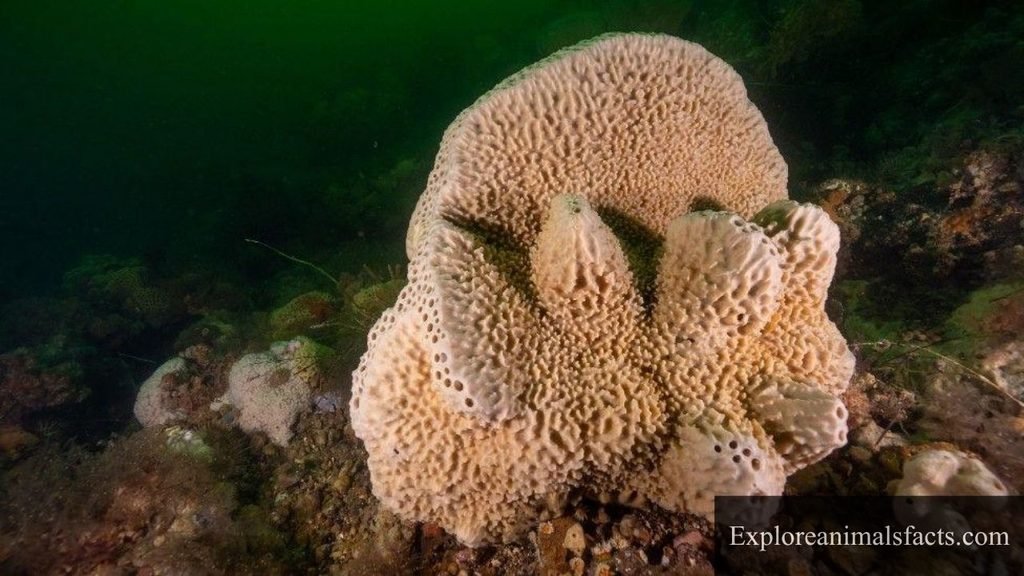
The absence of eyes doesn’t hinder their survival; rather, it enables them to excel in their niche. Sponges play a crucial role in marine ecosystems by acting as natural water filters, contributing to overall water quality and clarity. Their porous bodies host a diverse community of microbes, creating a symbiotic environment that supports various life forms. Examining the sea sponge’s evolutionary strategy reveals how life can flourish even without the conventional senses we often take for granted, challenging our understanding of perception and adaptation in the animal kingdom.
Readmore: Explore Top 10 Animals Without Tails.
Texas Blind Salamander
Scientific Name: Eurycea rathbuni
Class: Amphibia
Diet: Carnivore
The Texas blind salamander, an endemic species of the San Marcos springs, captivates with its unique adaptation to a life devoid of light. Unlike most creatures, this amphibian thrives in total darkness, relying on evolved sensory mechanisms rather than sight. Its external gills, frilled like delicate feather dusters, not only aid in respiration but also heighten its sensitivity to water vibrations, making it an adept hunter in its subterranean realm.
What’s truly fascinating is the salamander’s reliance on its environment for survival, feeding primarily on tiny invertebrates that are abundant in the aquifer’s nutrient-rich waters. This species highlights the delicate balance of underground ecosystems, where organisms have evolved to become almost completely dependent on each other. In a world obsessed with vision, the Texas blind salamander invites us to reconsider how life can flourish in the absence of one of our most relied-upon senses — reminding us that adaptability and resilience define existence in even the darkest corners of our planet.
Widemouth Blindcat
Scientific Name: Satan eurystomus
Class: Actinopterygii
Diet: Carnivore
The Widemouth Blindcat is a fascinating example of evolution’s ingenuity, perfectly adapted to its unique environment. Found in the dark, subterranean waters of southern Texas, this quirky species has traded traditional vision for enhanced sensory capabilities. In the pitch-blackness of its habitat, the blindcat employs an advanced sense of touch and vibrations to navigate and hunt, showcasing an impressive adaptation often overlooked in discussions about survival strategies.
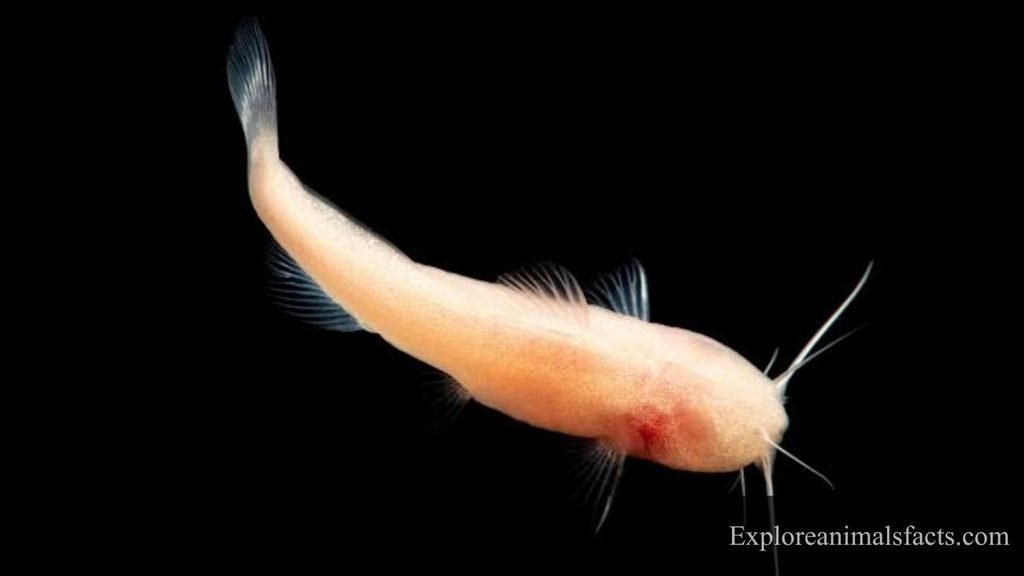
These fish not only highlight the marvels of nature’s evolutionary paths but also offer insights into the interconnectedness of ecosystems. The loss of sight isn’t a disadvantage here; instead, it presents a remarkable trade-off, enabling the Widemouth Blindcat to thrive where others cannot. As we explore their world, we discover a whole realm of life that pushes us to rethink the very definition of perception and adaptation. In this dark underwater ballet, existence isn’t merely about surviving; it’s about flourishing in the shadows.
Freshwater Hydra
Scientific Name: Hydra vulgaris
Class: Hydrozoa
Diet: Carnivore
The freshwater hydra, a small, elongated creature found in ponds and streams, presents a fascinating study in adaptation and survival. Lacking conventional eyes, these cnidarians navigate their aquatic environment using a highly developed array of sensory cells that detect changes in light and chemical gradients. This unique sensory mechanism allows them to hunt for food and respond to predators, showcasing that vision is not the only pathway to awareness in nature.
What’s particularly intriguing about hydra is their regenerative abilities. When injured — or even when simply fragmented — these organisms can regenerate their entire bodies, a process that goes far beyond mere survival. This capability suggests a complex interplay between their sensory perception and regenerative biology, offering insights into the fundamental nature of organismal resilience. In a world where many species are visually dependent, the hydra’s evolutionary path prompts us to reconsider the roles of sight and sensory adaptation in ecological niches.
Mexican Tetra
Scientific Name: Astyanax mexicanus
Class: Actinopterygii
Diet: Omnivore
The Mexican Tetra, a fascinating species of fish, thrives in the dark depths of underwater caves in northeastern Mexico, where sunlight never penetrates. Remarkably, these creatures have evolved without eyes, adapting to their lightless environment in ways that challenge our understanding of sensory perception. Instead of vision, they rely on heightened tactile and lateral line systems, using vibrations in the water to navigate their surroundings and detect prey.
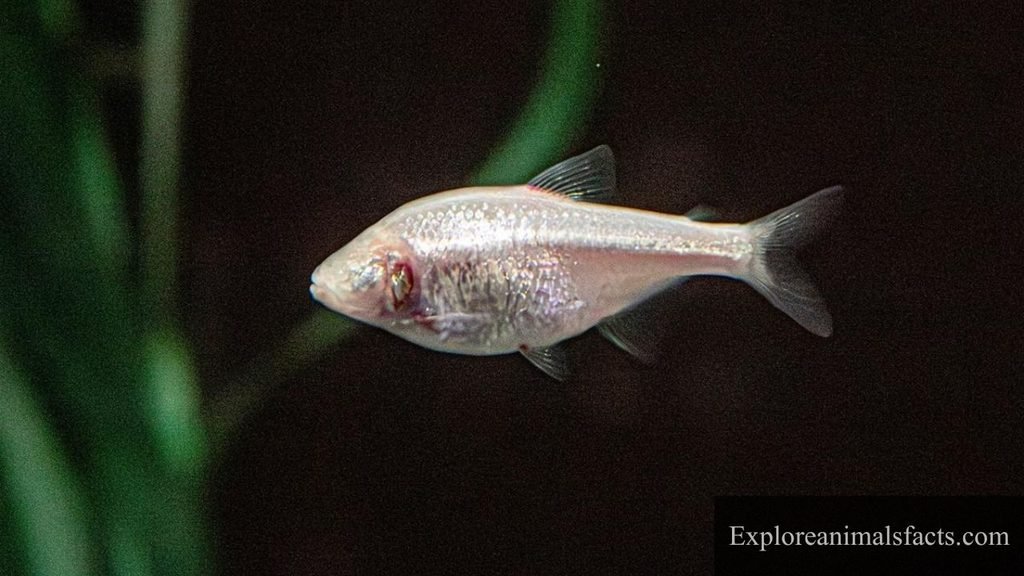
This evolutionary journey invites deeper reflection on adaptability and survival. The Mexican Tetra not only finds ways to thrive in total darkness but also showcases the incredible flexibility of life — how organisms can flourish in conditions we often think of as inhospitable. As scientists study these blind fish, they uncover insights into genetic adaptations and the potential for regeneration, adding layers to our understanding of evolution and resilience in the animal kingdom. The absence of eyes in the Mexican Tetra isn’t a limitation; instead, it’s a unique blueprint for life’s myriad possibilities.
Sea Lily
Scientific Name: Crinoidea
Class: Crinoidea
Diet: Filter Feeder
The sea lily, an enigmatic inhabitant of the ocean floor, possesses a unique charm that transcends its lack of eyes. Belonging to the crinoid family, these ancient creatures have thrived in the depths of the sea for hundreds of millions of years. Their graceful, feathery arms extend outward, resembling a flower swaying in the gentle currents, allowing them to capture nutritious particles from the water while they remain anchored to their substrate. This seemingly passive existence belies their complex interaction with the marine ecosystem, where they play a pivotal role in nutrient cycling.
Despite their absence of traditional vision, sea lilies exhibit a remarkable adaptation: sensory structures that detect changes in their environment. These sensitive touch receptors help them respond to the presence of predators or shifts in water conditions. Their survival strategy has evolved not only to weather the challenges of deep-sea life but to thrive in a world where light is a rare commodity. In a fascinating way, the sea lily invites us to reconsider our assumptions about perception and adaptation, illustrating that a lack of conventional senses doesn’t equate to a lack of awareness or engagement with the world.
Star-Nosed Mole
Scientific Name: Condylura cristata
Class: Mammalia
Diet: Carnivore
The star-nosed mole, a master of subterranean navigation, showcases the intriguing adaptations of life without traditional eyesight. This remarkable critter, native to North America, boasts a unique star-shaped appendage on its snout that consists of over 25,000 sensory receptors. These highly sensitive tentacles allow it to “see” its dark, underground environment through tactile exploration, transforming touch into a powerful means of understanding the world around it. Imagine relying solely on the sensitivity of your fingertips to recognize your surroundings — this is the stark reality for the star-nosed mole.
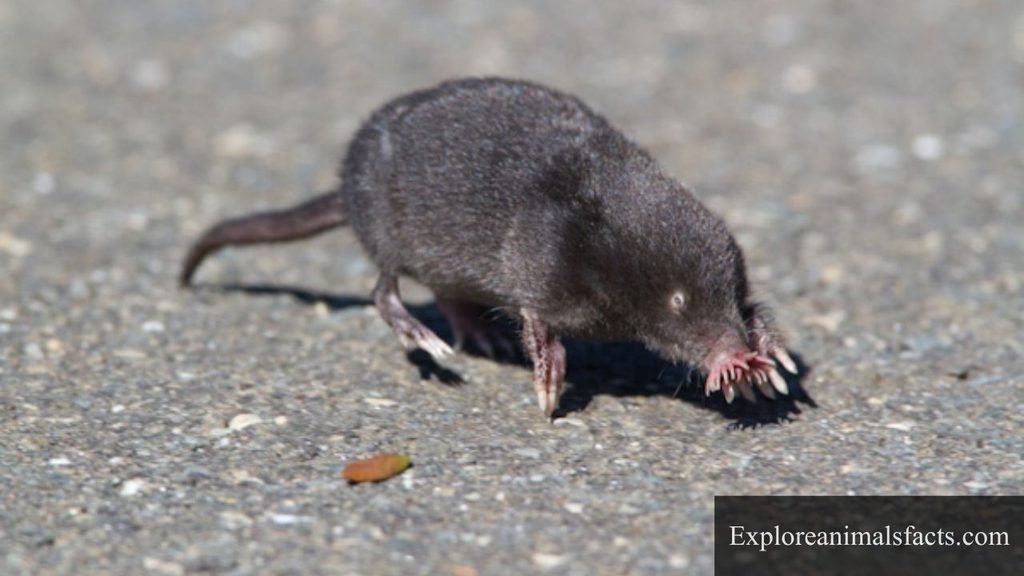
By leveraging its extraordinary sense of touch, the star-nosed mole can locate food with astonishing speed, often unearthing insects and small invertebrates in mere milliseconds. This efficiency reflects an evolutionary marvel, demonstrating how life can adapt in unexpected ways amidst challenging environments. As if that weren’t enough, the star-nosed mole is also notable for its impressive swimming abilities, allowing it to hunt in shallow water. In a world driven by vision, this mole invites us to rethink how we perceive sensory perception and navigate our own lives, reminding us that adaptability transcends conventional forms of exploration.
Blind Cave Crayfish
Scientific Name: Orconectes australis
Class: Malacostraca
Diet: Omnivore
Blind cave crayfish are intriguing marvels of evolution, perfectly adapted to their pitch-black subterranean environments. Living in total darkness, these unique crustaceans have lost their eyesight, but this loss has not hindered their survival. Instead, they have developed heightened senses of touch and taste, enabling them to navigate their murky underwater realms with remarkable precision. Their long, delicate antennae act as sensory whip-like extensions, picking up even the slightest vibrations and chemical cues in the water.
What’s fascinating is the crayfish’s pale, almost ghostly appearance, an adaptation to life without sunlight. Their lack of pigmentation serves as a reminder of the beautiful yet brutal reality of cave systems, where life thrives in isolation and darkness. Researchers believe studying these organisms could provide insights into evolutionary processes, such as how species can adapt to extreme environments. Their unique biology raises intriguing questions about the limits of sensory perception and the potential for life to thrive in conditions previously thought inhospitable. In essence, blind cave crayfish are not merely survivors; they are emblematic of the wonders that evolution can manifest when faced with the extraordinary.
Caecilian
Scientific Name: Gymnophiona
Class: Amphibia
Diet: Carnivore
Caecilians offer a fascinating glimpse into the world of evolution and adaptation. These legless, serpentine creatures inhabit tropical forests and burrow underground, where their lack of sight becomes a strategic advantage. With their skin sensitivity and acute sense of smell, caecilians navigate the dark, damp environments of their subterranean realms, revealing that vision isn’t always the key to survival.
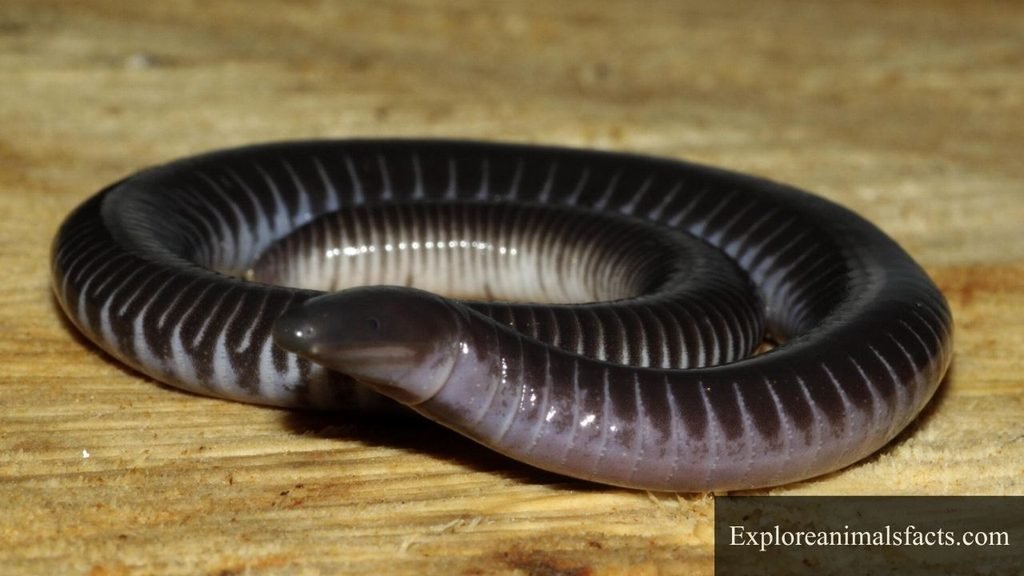
Some species of caecilians are completely eyeless, relying entirely on tactile and chemical cues to forage and interact within their ecosystem. This adaptation not only highlights the versatility of sensory evolution but also challenges our assumptions about the primacy of vision. These creatures possess a unique skull structure that protects their delicate bodies as they move through soil and leaf litter — an evolutionary marvel that showcases the intricate relationship between form and function. Embracing these adaptations allows us to appreciate the diversity of life forms on our planet and the myriad ways organisms meet the challenges of their environments.
Kaua’i Cave Wolf Spider
Scientific Name: Adelocosa anops
Class: Arachnida
Diet: Carnivore
The Kaua’i cave wolf spider, native to the secluded dark caverns of Kaua’i, embodies a fascinating evolution in the absence of sight. Unlike many arachnids, these creatures thrive without eyes, relying on their heightened sensory adaptations to navigate the intricate labyrinth of their subterranean habitat. In complete darkness, they have developed an extraordinary ability to perceive vibrations and chemical cues, turning the absence of eyesight into an advantage for survival.
What’s truly captivating about these spiders is the stark contrast between their life in darkness and the vibrant ecosystems just above ground. While their relatives bask in sunlight, filled with color and motion, Kaua’i cave wolf spiders are masters of a shadowy realm where every sound carries significance. Their pale bodies and elongated limbs adapt them to this unique lifestyle, sparking intrigue about how life can flourish even in the most unexpected conditions.
Readmore: Explore Top 12 Animals With Big Feet.
Final Thoughts:
The fascinating world of eyeless animals highlights the diversity of life on our planet and the myriad ways evolution has allowed various species to adapt to their surroundings. These remarkable organisms reveal that vision is not the only path to survival; alternative sensory mechanisms can be equally effective in navigating the challenges of life. Understanding these adaptations not only enriches our knowledge of biology but also encourages us to value the intricate web of ecosystems in which these animals reside.
As we face environmental changes and habitat loss, it’s crucial to continue our exploration and support for the unique niches that these and other lesser-known species occupy. By doing so, we contribute to the preservation of our planet’s incredible biodiversity, fostering a deeper appreciation for all forms of life.
FAQs
What animals have no eyes?
Several animals live their entire lives without eyes, primarily those adapted to dark environments. One notable example is the cave-dwelling species, like certain types of blind cave fish and the eyeless salamander. They’ve evolved in complete darkness, losing their eyesight over generations as it no longer serves a purpose. Another group includes some mollusks, such as a few species of slugs and certain marine worms. These creatures navigate their surroundings through other means, relying on touch or chemical cues instead of sight.
Does Ant have eyes?
Yes, ants do have eyes, but their vision is quite different from ours. They typically possess compound eyes made up of thousands of tiny lenses, which help them detect movement and light rather than focus on fine details.