Explore Top 16 Sneaky Animals in The World (With Pictures)
Welcome to the captivating realm of sneaky animals in the world! These masters of camouflage and deception use their skills not only for survival but also to teach us about adaptation and resilience. As you read on, you’ll discover the crafty behaviors that allow these animals to thrive against the odds, enriching your awareness of the hidden wonders of wildlife.
List of Sneaky Animals in The World
Here is the list of most sneaky animals in the world:
- Raven
- Bolas Spider
- Leopard
- Cuttlefish
- Fox
- Octopus
- Chimpanzee
- Cleaner-Fish Mimics
- Opossum
- Archerfish
- Anglerfish
- Praying Mantis
- Owls
- Leaf-Tailed Geckos
- Raccoon
- Firefly
Raven
Scientific Name: Corvus
Class: Aves
Diet: Omnivore
Ravens are often labeled as the masterminds of the avian world, exhibiting a remarkable intelligence that rivals some primates. These black-feathered birds demonstrate problem-solving skills that defy expectations; they can use tools to obtain food or even manipulate their environment to outsmart predators. This cunning behavior is not merely instinctual — ravens possess a form of social reasoning, allowing them to collaborate and share information about food sources, warning others of danger, or even playing tricks on their fellow birds.
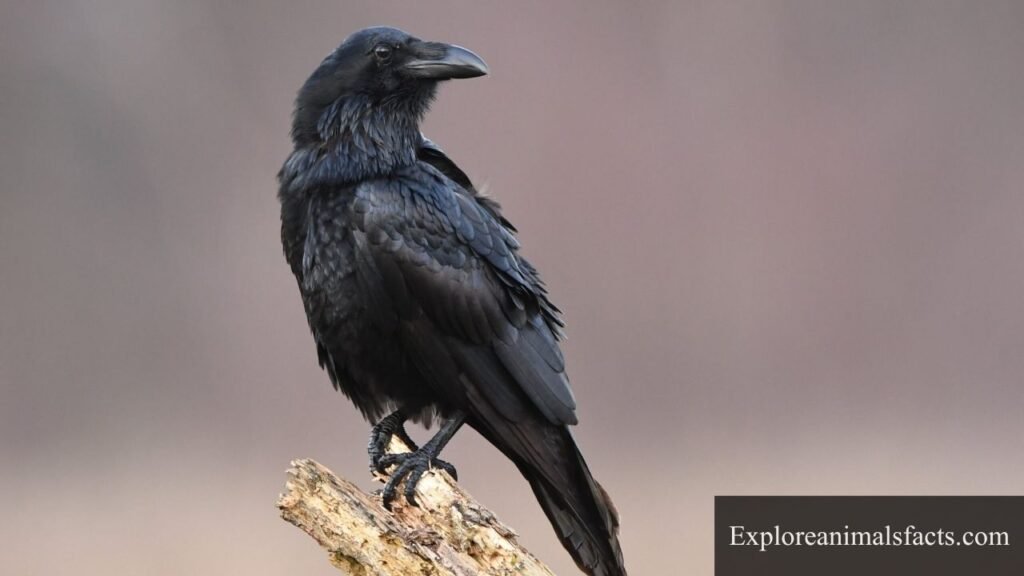
What’s particularly fascinating is their playful nature, akin to that of young children. Ravens engage in aerial acrobatics, playful chases, and even games of catch with each other. This not only enhances their cognitive abilities but also fosters strong social bonds within their flocks. Furthermore, their vocalizations are complex, showcasing an ability to mimic sounds and communicate nuanced messages, an aspect that often leads to anthropocentric interpretations of their behavior, lending them a layer of mystique and intelligence. In a world where we often overlook the intelligence of wildlife, the raven stands as a testament to nature’s cunning and creativity, reminding us that there’s much more beneath the surface of animal behavior than we might assume.
Bolas Spider
Scientific Name: Mastophora
Class: Arachnida
Diet: Carnivore
The bolas spider is a master of deception in the animal kingdom. This astonishing arachnid crafts a single, sticky silk thread tipped with a sticky globule, resembling a tiny ball. Unlike most spiders that spin elaborate webs to ensnare their prey, bolas spiders take a stealthy approach. They emit chemical signals that mimic the pheromones of moths, drawing unsuspecting male moths right into their trap. It’s a clever ruse that showcases nature’s brilliance in evolutionary adaptation.
Bolas spider’s also possess remarkable ability to adjust its chemical signals to match the specific moth species it’s targeting. This tailored approach increases its chances of a successful catch, demonstrating a nuanced understanding of its prey’s behavior. Imagine the patience and precision involved as it waits, elegantly poised, for a moth to come closer, perfectly illustrating the art of predation. In a world where survival often hinges on speed and strength, the bolas spider reminds us that cunning and strategy can be just as lethal.
Leopard
Scientific Name: Panthera pardus
Class: Mammalia
Diet: Carnivore
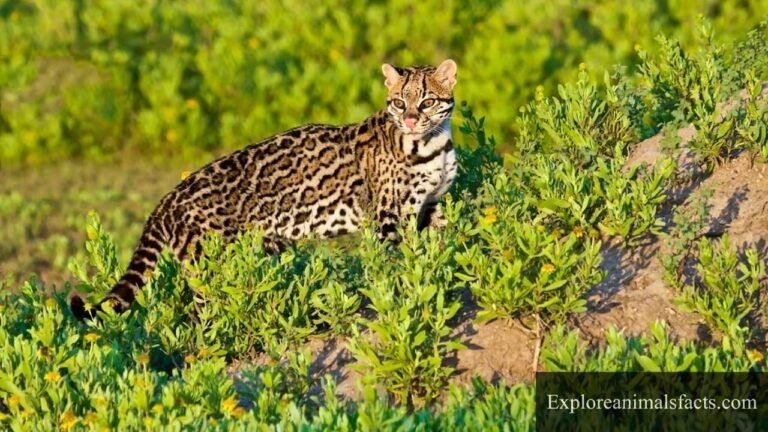
The leopard, one of nature’s most enigmatic predators, possesses an extraordinary ability to adapt and thrive in diverse habitats, from the dense jungles of the Congo Basin to the arid savannas of Africa. This flexibility not only showcases their physical prowess but also their keen intelligence. Often seen lounging on a branch, the leopard maintains a low profile, an essential strategy for stalking prey while remaining elusive to competitors and threats alike. Their signature rosettes serve as both camouflage and a testament to their evolutionary mastery, allowing them to blend seamlessly into their surroundings.
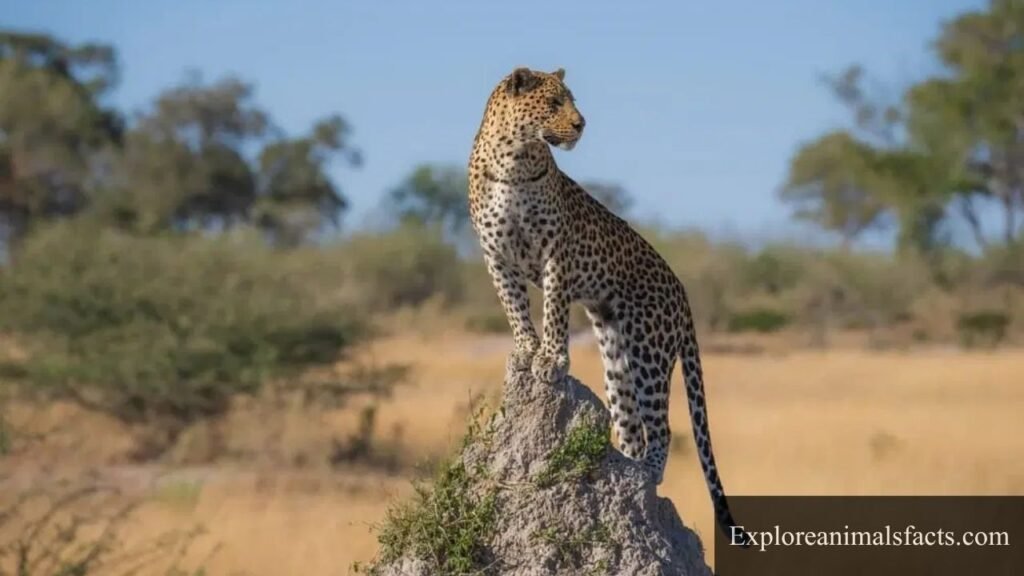
Leopards are also remarkable opportunists. Unlike many of their big cat counterparts, leopards can often be spotted at dusk or dawn, taking advantage of the shifting light to hunt with greater stealth. Known for their incredible climbing skills, they drag their kills up into trees to protect them from scavengers, showcasing a level of foresight that speaks volumes about their survival instincts. Observing a leopard — poised and focused — offers a rare glimpse into the art of ambush, a dance of patience and precision that leaves stunning memories etched in the minds of those fortunate enough to witness it.
Readmore: Explore Top 15 Animals That Whistle.
Cuttlefish
Scientific Name: Sepiida
Class: Cephalopoda
Diet: Carnivore
Cuttlefish are masters of disguise, possessing an astonishing ability to blend seamlessly into their surroundings. Their skin contains specialized cells called chromatophores, which can rapidly change color and texture, allowing these cephalopods to mimic everything from coral to sandy sea floors. But their talent extends beyond mere camouflage; cuttlefish also utilize body language, altering their posture and movement to communicate with each other, especially during courtship rituals.
What truly sets cuttlefish apart is their impressive intelligence. These creatures possess an almost chameleon-like versatility, using problem-solving skills that rival those of some mammals. In the wild, they exhibit behavior reminiscent of tactical strategists, often outsmarting potential predators and prey alike. Their capacity for short-term memory and their unique hunting tactics, such as luring in unsuspecting fish with deliberate displays and rapid strikes, showcase a keen understanding of their environment that is both fascinating and awe-inspiring. With such cunning abilities and complex behaviors, cuttlefish remind us just how intricate and surprising life underwater can be.
Fox
Scientific Name: Vulpes vulpes
Class: Mammalia
Diet: Omnivore
Foxes are nature’s ultimate masters of disguise, blending seamlessly into their environments with their cunning behavior and stunning adaptability. With a keen sense of hearing, they can detect the soft rustle of prey beneath layers of snow or foliage, showcasing their stealthy approach to hunting. Unlike other predators, foxes often utilize a playful approach, engaging in a dance of pounces — an endearing tactic that demonstrates both agility and instinct.
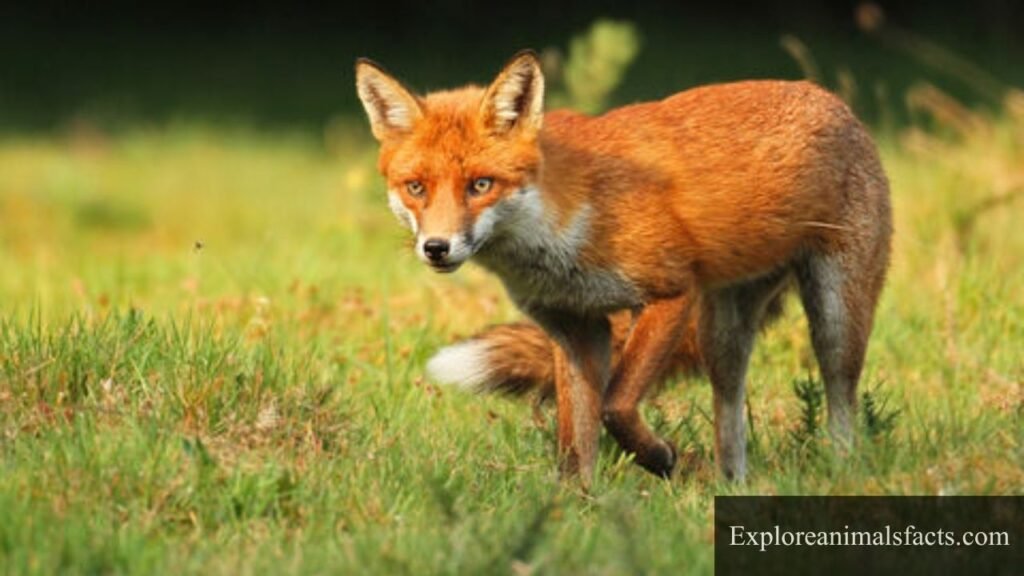
Foxes employ social intelligence far beyond mere survival instincts. In urban settings, they’ve been observed adapting human behaviors, using their cleverness to scavenge food and evade danger. Their ability to thrive in both wild and urban landscapes poses fascinating questions about adaptation and resilience. As they navigate cityscapes with the same ease they do forests, these resourceful animals remind us of nature’s intricate balance between wilderness and human encroachment. Their quick wit and charm often lead to a deeper understanding and appreciation for the delicate ties that bind all creatures to their habitats.
Octopus
Scientific Name: Octopoda
Class: Cephalopoda
Diet: Carnivore
The octopus wields a unique blend of intelligence and adaptability that sets it apart in the animal kingdom. With the ability to change color and texture in an instant, these cephalopods can seamlessly blend into their surroundings, evoking both wonder and admiration. This remarkable camouflage is not just for avoiding predators; it’s also a sophisticated hunting strategy. By perfectly mimicking the textures and colors of coral reefs or rocky seabeds, octopuses can ambush unsuspecting prey, showcasing their stealthy prowess.
Equally fascinating is the octopus’s use of its ink. In moments of danger, this clever creature releases a cloud of ink that not only obscures its escape route but also confuses potential threats. Recent studies suggest that octopus ink contains chemicals that might even disrupt the predator’s sense of smell, providing a further advantage in evasion. As we continue to unravel the complexities of these enigmatic beings, we realize that their so-called ‘sneaky’ behaviors are rooted in highly evolved survival strategies, challenging our traditional notions of intelligence in the animal world.
You can also read: Explore Top 23 Animals That Gallop.
Chimpanzee
Scientific Name: Pan troglodytes
Class: Mammalia
Diet: Omnivore
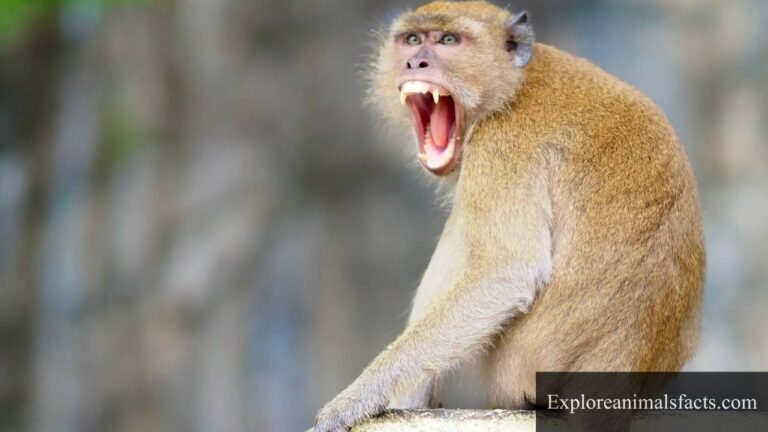
Chimpanzees, often celebrated for their intelligence, exhibit a remarkable array of sneaky behaviors that rival those of crafty humans. In the wild, these primates have been observed using strategic planning to outsmart their peers when foraging for food. For instance, they might feign disinterest in a food source, only to wait patiently until rivals are distracted before swooping in to claim the bounty. This tactical deception reveals not just survival skills but also a nuanced understanding of social dynamics within their communities.
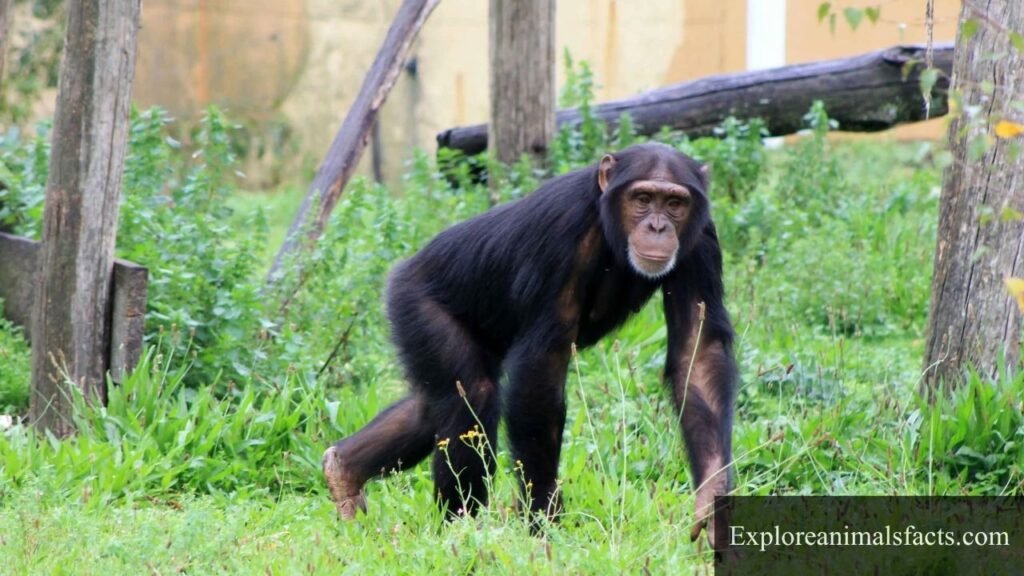
Scientists have documented chimpanzees employing tools with a dash of creativity. In one striking study, researchers observed them using sticks to fish for termites while simultaneously employing distracting tactics — creating fake holes to mislead others. Such cunning behavior hints at advanced cognitive abilities, demonstrating that chimpanzees not only adapt to their environments but also innovate solutions to thrive within their complex social structures. The intelligence they display can be both awe-inspiring and somewhat enigmatic, reminding us that the line between humans and our closest relatives may be thinner than we often believe.
Cleaner-Fish Mimics
Scientific Name: Aspidontus taeniatus
Class: Actinopterygii
Diet: Carnivore
Cleaner-fish mimics, often found in coral reef ecosystems, showcase a fascinating blend of deception and survival. These clever creatures imitate the appearance and behaviors of genuine cleaner fish, which are celebrated for their role in grooming larger fish by removing parasites and dead skin. By adopting this guise, mimics can slip into the bustling underwater markets of marine life, capitalizing on the trust established by their legitimate counterparts.
This mimicry isn’t merely superficial; it demonstrates a complex understanding of social cues and behavioral patterns of the species they emulate. For instance, a typically non-grooming fish like the wrasse may rely on its clever mimic to evade predation, enjoying the same privileges that come with hygienic grooming. As researchers dive deeper into the dynamics of these relationships, it’s becoming increasingly clear that the success of cleaner-fish mimics lies not only in their appearance but also in their ability to navigate the intricate social structures of the reef, challenging our understanding of adaptation and survival in the marine realm.
Opossum
Scientific Name: Didelphidae
Class: Mammalia
Diet: Omnivore
The opossum stands out as the ultimate master of disguise in the animal kingdom. Often misunderstood, these nocturnal creatures use an arsenal of fascinating survival tactics that go beyond the notorious “playing dead.” When threatened, an opossum can emit a foul-smelling odor that mimics that of rotting meat, effectively warding off predators who’d rather not munch on dinner with a side of stench. This unique adaptation is not just a mere trick; it’s a vital tactic for survival in a world teeming with larger, predatory animals.
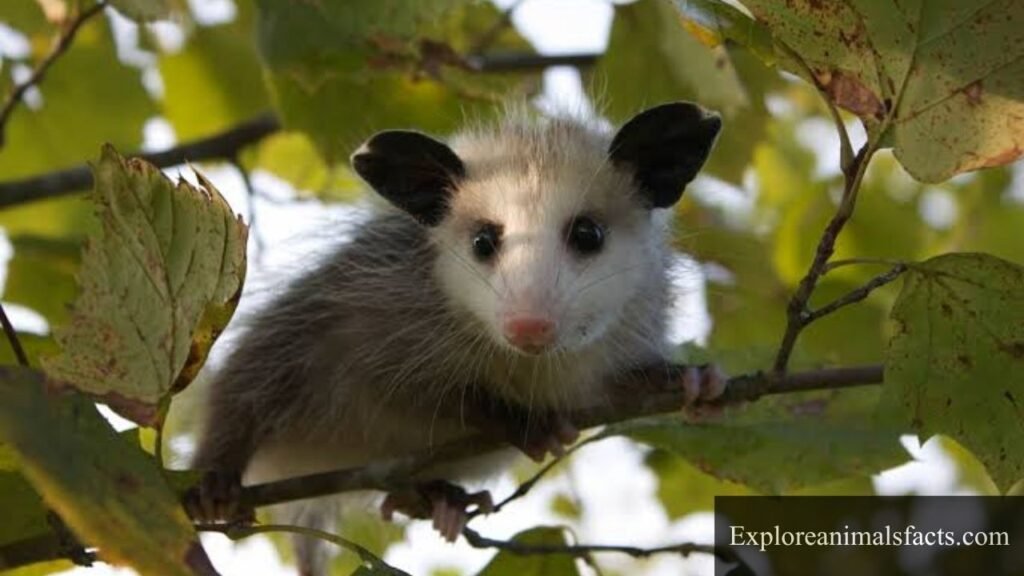
But the opossum’s talents don’t stop there. They are surprisingly effective pest controllers, as they feast on ticks, insects, and even small rodents — helping to maintain a delicate ecological balance. In fact, studies show that a single opossum can consume thousands of ticks in a week, reducing the risk of Lyme disease for surrounding wildlife and humans. As these marsupials roam the night, they remind us that sometimes being sneaky isn’t merely about evasion, but also about playing an essential role in the intricate web of life. Perhaps it’s time we shift our perspective on these often-overlooked critters and appreciate their ecological contributions.
Also read: Explore Top 15 Dirtiest Animals in The World.
Archerfish
Scientific Name: Toxotidae
Class: Actinopterygii
Diet: Carnivore
Archerfish are nature’s sharpshooters, renowned for their remarkable ability to shoot jets of water to knock insects and prey from overhanging branches. This unique hunting technique involves a mix of precision and physics; they adjust the angle of their shots to account for the refraction of light in water, ensuring their aim remains true. Watching an archerfish in action is nothing short of mesmerizing, as it showcases a blend of instinct and learned behavior, perfectly adapted to its environment.
Beyond their impressive marksmanship, archerfish also exhibit a fascinating social structure. Often found in groups, these fish engage in cooperative hunting, where they take turns shooting at prey, increasing their success rate. This collaborative behavior reflects an advanced level of social interaction, challenging the perception that intelligence in fish is rudimentary. Furthermore, their habitat choice reveals an adaptability that allows them to thrive in both freshwater and brackish environments, reinforcing the intricate balance of ecosystems they inhabit. Exploring the world of archerfish not only highlights their unique physical abilities but also invites us to reconsider the complexities of animal intelligence and social dynamics in aquatic life.
Anglerfish
Scientific Name: Lophiiformes
Class: Actinopterygii
Diet: Carnivore
Anglerfish are nature’s ultimate expert in deception, utilizing a bioluminescent lure that dangles from their heads to attract unsuspecting prey in the dark depths of the ocean. This unique adaptation is not just visually striking; it highlights the intricacies of survival in an environment where light is scarce. The lure emits a mesmerizing glow, drawing curious fish closer, unaware of the predator lying in wait. Once within striking distance, the anglerfish uses its rapidly opening jaws to engulf prey whole, showcasing a startling feeding strategy that balances both patience and precision.
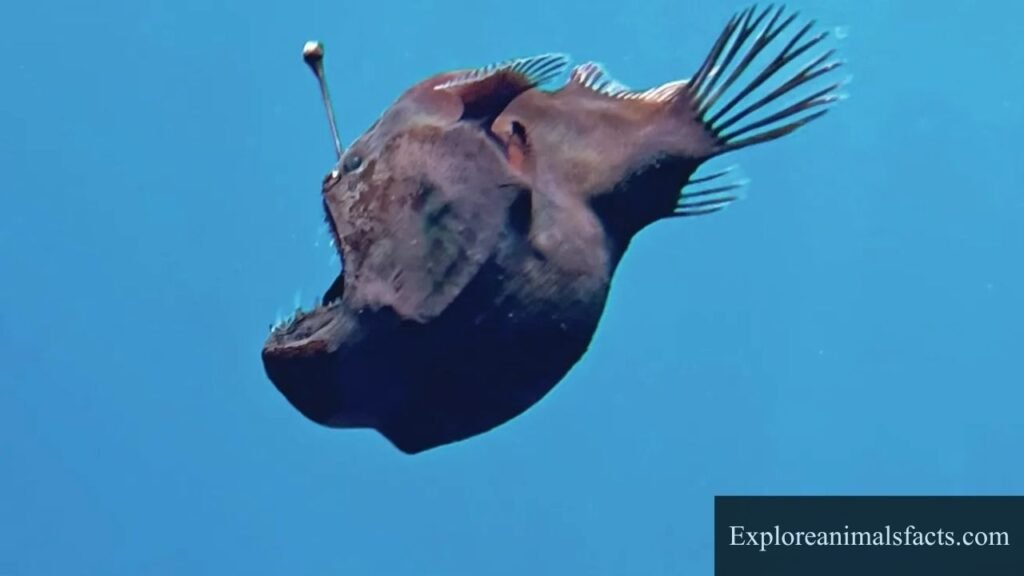
Anglerfish also engage in an intriguing form of reproductive strategy, with males resorting to extreme measures for survival. Upon finding a female, a male anglerfish will latch onto her body and essentially fuse with her, losing his autonomy and becoming a permanent, parasitic mate. This bizarre relationship ensures the male’s survival while increasing the female’s reproductive efficiency, emphasizing the lengths to which creatures in the deep sea will go to adapt and thrive in the face of adversity. Such remarkable behaviors reveal not just the cleverness of anglerfish, but also the complex interplay of existence in the mysterious ocean depths.
Praying Mantis
Scientific Name: Mantodea
Class: Insecta
Diet: Carnivore
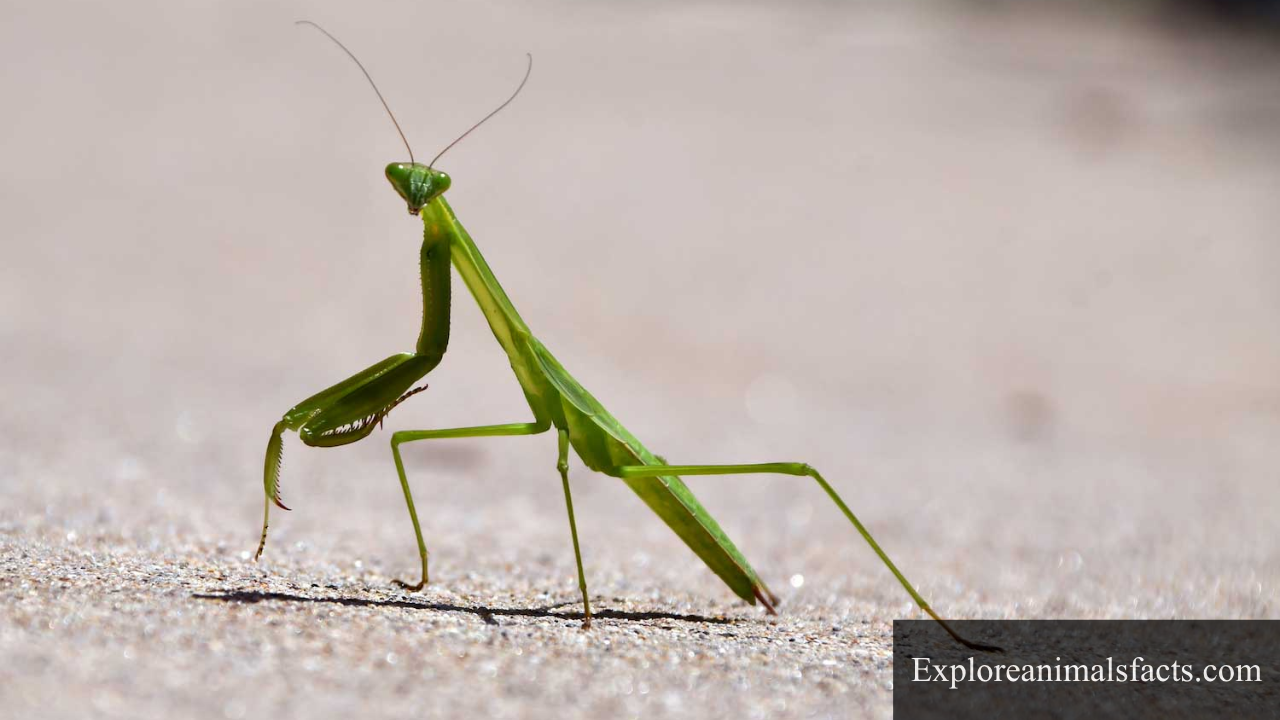
The praying mantis possesses an array of stealthy traits that elevate its hunting prowess. Its triangular head, capable of rotating 180 degrees, allows for a panoramic view of its surroundings, making it a formidable predator. This seemingly innocuous creature employs a cunning strategy known as “ambush predation.” By blending into its environment — whether among leaves or flowers — the mantis lies in wait, often motionless, for unsuspecting prey to venture too close.
Beyond its camouflage and ambush tactics, the mantis showcases remarkable agility. When it strikes, it does so with lightning speed, snatching its meal with spiked forelegs that resemble a pair of deadly raptors. This swift capture has earned it the reputation of being one of the most efficient hunters in the insect realm. Interestingly, the mantis is not just a solitary assassin; it sometimes feigns weakness, playing dead to lure in predators or rivals, a testament to its adaptability and cunning nature in the endless dance of survival.
You can also read: Explore Top 27 Most Energetic Animals.
Owls
Scientific Name: Strigiformes
Class: Aves
Diet: Carnivore
Owls are nocturnal predators that possess unique adaptations, making them stand out in the animal kingdom. With specialized feathers that allow for silent flight, owls can glide through the night undetected, honing in on their prey’s every movement using exceptional auditory capabilities. Their ear placement is asymmetrical, enabling them to gauge the direction and distance of sounds — an acoustic superpower in a world shrouded in darkness.
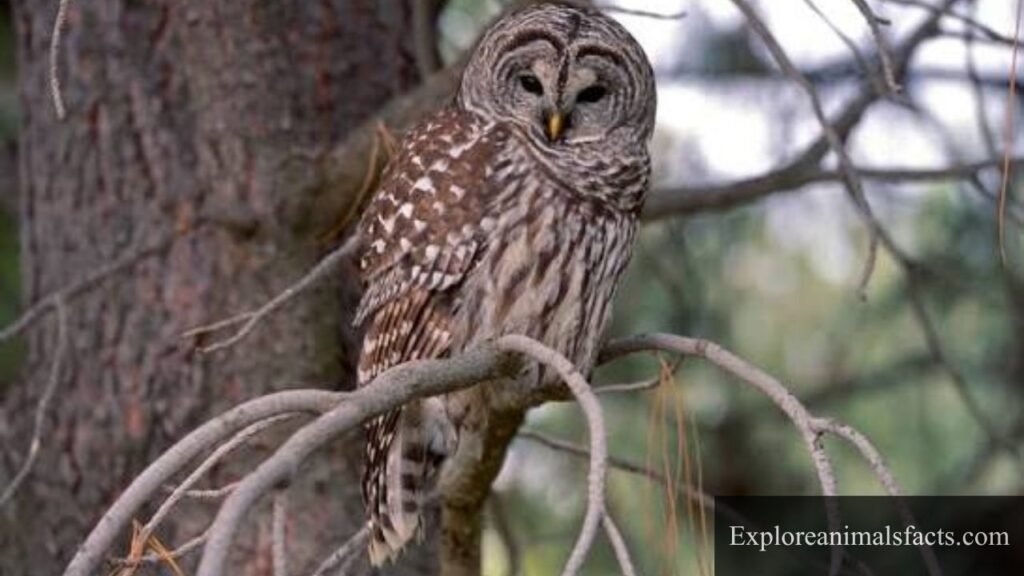
Owls often exhibit a masterclass in camouflage. Their mottled plumage blends seamlessly with tree bark and foliage, allowing them to remain hidden while they stealthily observe their surroundings. This advanced adaptation isn’t just for defense; it also plays a crucial role during the hunt. Many owls, like the great horned owl, can pivot their heads almost entirely around to survey their territory without revealing their position, blending the art of stealth and strategy in one fluid motion. This combination of silent movement and natural disguise positions owls as the ultimate stealthy hunters of the night.
Leaf-Tailed Geckos
Scientific Name: Uroplatus
Class: Reptilia
Diet: Carnivore
Leaf-tailed geckos master the art of camouflage like few others in the animal kingdom. Found primarily in Madagascar, these remarkable reptiles boast body shapes and colors that mimic the dead leaves of their forest habitat. This remarkable adaptation goes beyond mere aesthetics; it’s a survival strategy that allows them to evade predators and ambush unsuspecting prey. The intricate patterns on their skin can even change with the seasons, ensuring they remain concealed year-round.
What truly sets leaf-tailed geckos apart is their unique behavior during the day. While many reptiles bask in the sun or hide away, these geckos adopt an almost statue-like stance, perfectly blending into their surroundings. When threatened, they remain immobile, relying on their extraordinary camouflage to go unnoticed. This level of stealth not only enhances their survival but also highlights the intricate relationship between animals and their environments, showcasing evolution’s incredible ingenuity in the quest for survival.
Also read: Explore Top 25 Animals With Lowest IQ.
Raccoon
Scientific Name: Procyon lotor
Class: Mammalia
Diet: Omnivore
Raccoons, with their masked faces and dexterous paws, are often seen as the cheeky bandits of the animal kingdom. These nocturnal creatures are masters of problem-solving. Research has shown that raccoons have the cognitive abilities on par with primates, allowing them to manipulate latches and open containers with impressive ease. This level of intelligence might explain their urban popularity, as they thrive in cities, cleverly scavenging and adapting to human environments.
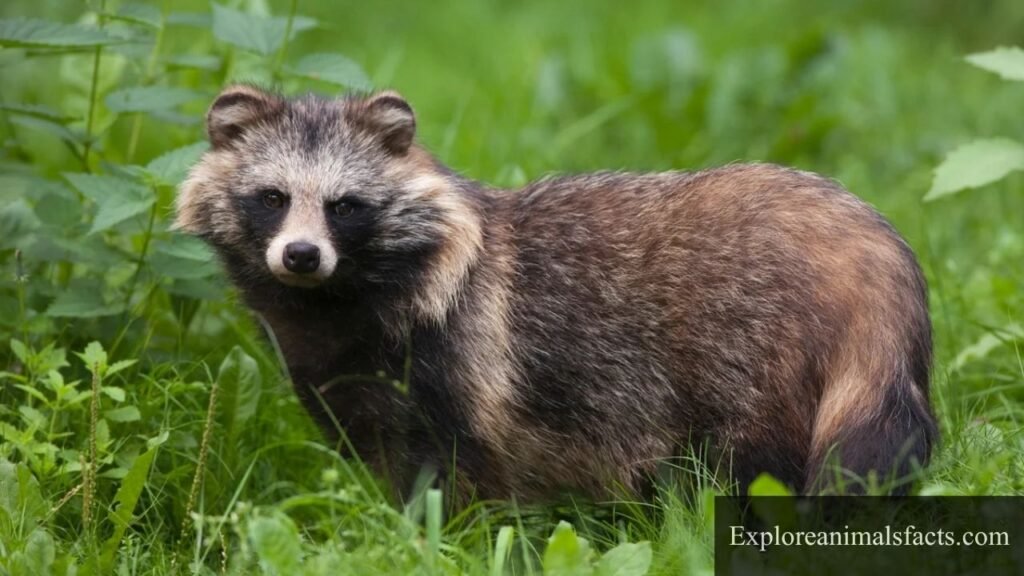
Their ability to tap into various habitats distinguishes raccoons from many other wildlife species. They are omnivorous, relishing anything from fruits and vegetables to scraps of human food. Observing their behaviors can be fascinating; they often wash their food before eating, a behavior that may be rooted in instinct or simply a means of enhancing sensory experiences. Moreover, these little bandits play a crucial role in their ecosystems by dispersing seeds and controlling insect populations, showcasing that their sneaky nature extends beyond mere mischief.
Firefly
Scientific Name: Lampyridae
Class: Insecta
Diet: Carnivore
The firefly are bioluminescent creatures that utilize their light not just for attraction but also as a cunning form of communication. During mating rituals, males emit specific light patterns to woo females, while female fireflies often engage in a cheeky act of deception, mimicking the signals of other species to attract and then consume unsuspecting males. This clever ruse highlights the firefly’s dual role as both an alluring beacon and a stealthy predator, showcasing the fine line between attraction and manipulation in the wild.
Fireflies also possess a fascinating defense mechanism. The light they emit can serve as a warning signal to potential predators, indicating that they may be toxic or unpalatable. In this way, fireflies cleverly turn their talent for illumination into a shield against those who might seek to feast on them. This form of survival strategy illustrates a broader theme in nature: how beauty can be used as both a tool for attraction and a means of protection, making these tiny creatures as complex as they are captivating. Through their shimmering displays, fireflies remind us that not everything is as it seems in the natural world; sometimes, behind the glow lies a story of cunning and survival.
Readmore: Explore Top 9 Mammals That Cannot Jump.
Final Thoughts
The world of sneaky animals is both fascinating and intricate, showcasing the diversity of survival strategies in the animal kingdom. From the clever octopus to the elusive fox, these creatures have developed unique adaptations that highlight the wonders of nature. Their ability to outsmart predators and prey alike not only keeps the ecosystem balanced but also captivates our imagination. As we deepen our understanding of these creatures, let us commit to safeguarding their environments for future generations. Join us in raising awareness and taking action to protect these elusive animals and their habitats.
FAQs
What is the sneakiest animal in the world?
One of the sneakiest animals in the world is the octopus. Known for their remarkable ability to blend into their surroundings, octopuses can change color and texture to avoid predators or sneak up on prey. Their intelligence also plays a role; they can solve puzzles and escape from enclosures, showcasing their cunning nature.
What animals are known for trickery?
One of the most well-known is the red fox. Renowned for its intelligence, the red fox uses stealth and deception to hunt. It often employs techniques like playing dead or feigning a limp to distract potential prey. Another notable trickster is the octopus. These intelligent cephalopods can change color and texture, using camouflage to evade predators and surprise their prey.