Top 15 Animals That Eat Ants (Pictures Included)
The exploration of “Animals That Eat Ants” invites readers to unravel the mysteries behind these fascinating feeders and their unique adaptations. By understanding their behaviors, we gain insights into the delicate interplay of nature and the importance of these relationships in our ecosystems. Dive into this article to uncover the intriguing world of ant-eating animals and their impact on our planet.
List of Animals That Eat Ants
Below is the list of Animals That Eat Ants:
- Pangolins
- Horned Lizards
- Echidnas
- House Gecko
- Giant Anteater
- Antlions
- Orangutan
- Aardvark
- Wrens
- Jumping Spider
- Numbats
Pangolins
Scientific Name: Manis
Class: Mammalia
Diet: Insectivore
Pangolins, often dubbed “scaly anteaters,” are fascinating creatures that command attention with their unique adaptations for eating ants. With their long, sticky tongues extending up to 16 inches, these nocturnal foragers can delve deep into ant mounds and termitaria, efficiently extracting their insect prey. What sets them apart isn’t just their diet but their extraordinary armor of keratin scales, which serve as both protection and a tool for burrowing into ground nests to find these nutritious morsels.
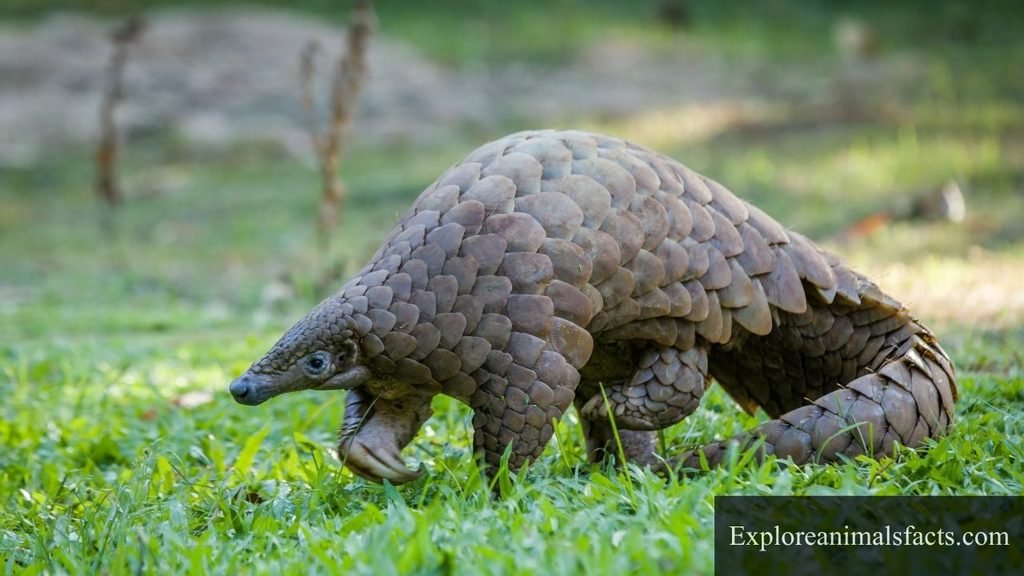
Despite their significant role in controlling ant populations, pangolins face staggering threats from poaching and habitat loss. They are the most trafficked mammal in the world, highlighting a challenging paradox: while they play a crucial ecological role, they are perilously close to extinction. Understanding their plight can reshape how we perceive the interconnectedness of species and the ecological balance in their habitats. Each pangolin that disappears leaves a ripple effect, underscoring the vital importance of these remarkable insectivores in maintaining the health of their ecosystems.
Horned Lizards
Scientific Name: Phrynosoma
Class: Reptilia
Diet: Insectivore
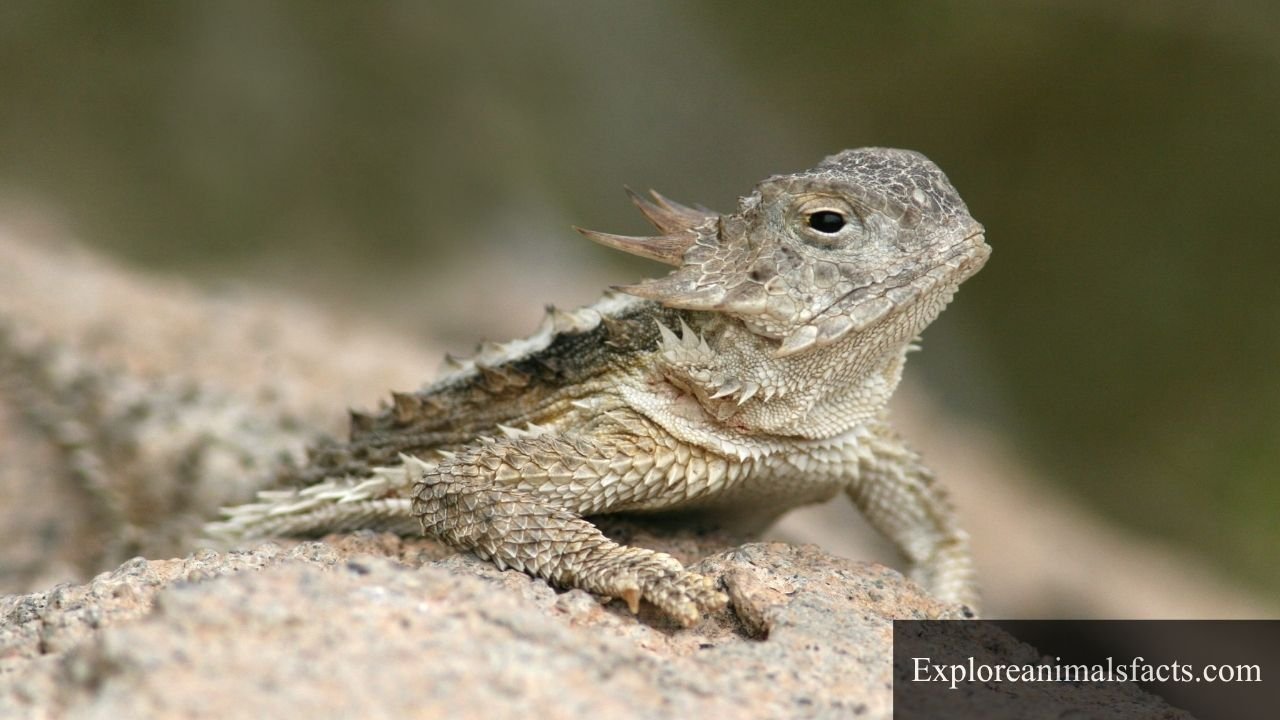
Horned lizards, often called “horned toads,” have developed extraordinary adaptations to thrive on a diet that primarily consists of ants. These fascinating reptiles possess specialized tongues that can swiftly flick out to capture their insect prey with remarkable precision. Unlike many predators, horned lizards often eat almost exclusively ants, making them a perfect example of an ant-eating specialist in the wild. This diet not only highlights their unique feeding behaviors but also underscores the intricate balance within their ecosystems — where the abundance of ants directly influences horned lizard populations.
The striking physical features of horned lizards, such as their spiky bodies and flattened form, serve dual purposes: not only do they provide camouflage against predators, but they also help them blend into their arid environments. Their ability to survive in harsh conditions showcases resilience, yet it is their relationship with ants that truly captivates researchers. These lizards often exhibit fascinating behaviors, like altering their foraging strategies based on the availability of different ant species, revealing a level of ecological awareness that challenges conventional views of animal intelligence. By studying these remarkable lizards, scientists gain valuable insights into the complexities of food webs and the fascinating interdependencies found in nature.
Echidnas
Scientific Name: Tachyglossidae
Class: Mammalia
Diet: Insectivore
Echidnas are fascinating creatures that play a crucial role in their ecosystems as specialized ant-eaters. Armed with long, sticky tongues and spiky coats, these unique mammals expertly probe into ant mounds and termite nests. This diet not only sustains them but also helps regulate ant populations, preventing overpopulation that can destabilize local habitats.
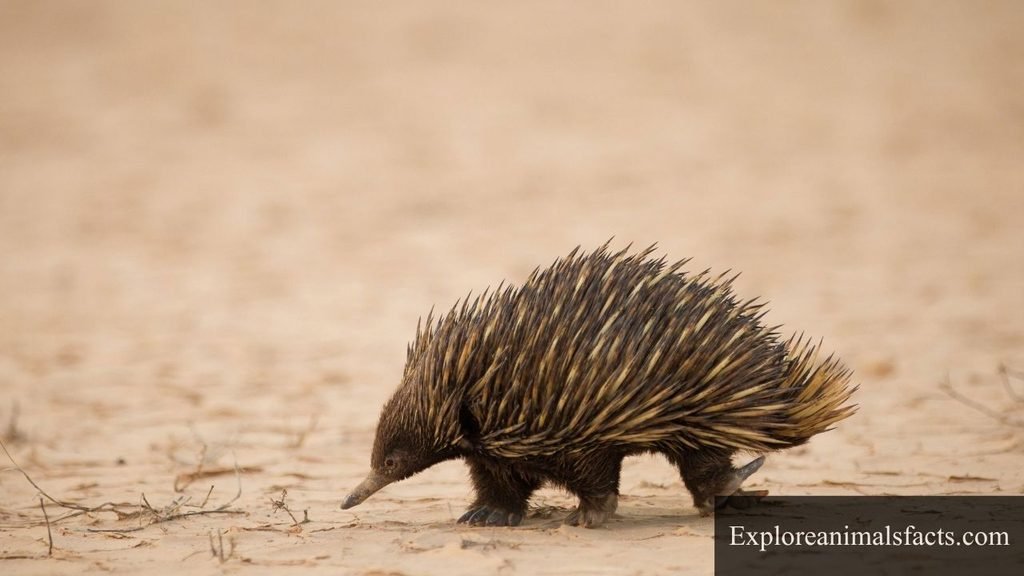
What’s particularly captivating is the echidna’s foraging technique. They can dig into the ground using their powerful claws, effectively turning over a small patch of the ecosystem to reveal hidden treasures. Moreover, their ability to consume thousands of ants in a single day showcases their critical role in maintaining ecological balance. This unassuming creature embodies nature’s intricate design, illustrating how even the smallest animals can have a profound impact on their environment. The echidna’s quiet determination to feast on ants makes it a true unsung hero of the wild.
Readmore: Explore Top 16 Animals That Eat Seeds.
House Gecko
Scientific Name: Hemidactylus frenatus
Class: Reptilia
Diet: Insectivore
The house gecko, an agile and adaptable creature, plays an intriguing role in controlling ant populations. These small reptiles, easily recognized by their soft skin and remarkable climbing abilities, thrive in environments ranging from tropical to temperate regions. During the warm evenings, they become active hunters, often found darting across walls and ceilings in search of their next meal. Their diet predominantly consists of insects, and ants make up a significant portion, showcasing nature’s clever checks and balances.
Equipped with keen eyesight and a rapid flick of the tongue, house geckos can seize ants with incredible precision. What sets them apart is their unique hunting strategy; they exhibit a great deal of cunning when approaching an ant colony, often waiting patiently for the right moment to pounce. This behavior not only highlights their predatory skills but also contributes to a healthier ecosystem, as they keep ant populations in check. The presence of house geckos can serve as a natural pest control measure, allowing gardens and homes to flourish with less reliance on chemical insecticides. In this way, the humble house gecko exemplifies the interconnectedness of wildlife and the importance of biological diversity.
Giant Anteater
Scientific Name: Myrmecophaga tridactyla
Class: Mammalia
Diet: Insectivore
The giant anteater, with its elongated snout and powerful tongue, is a master of foraging, uniquely adapted to its diet of ants and termites. With a tongue that can measure up to 16 inches long, it deftly probes deep into nests, extracting its meal with a flick of its tongue that can consume thousands of insects in a single day. This specialized feeding strategy not only highlights its role in the ecosystem as a pest control agent but also showcases an impressive evolutionary adaptation that sets it apart from other mammals.
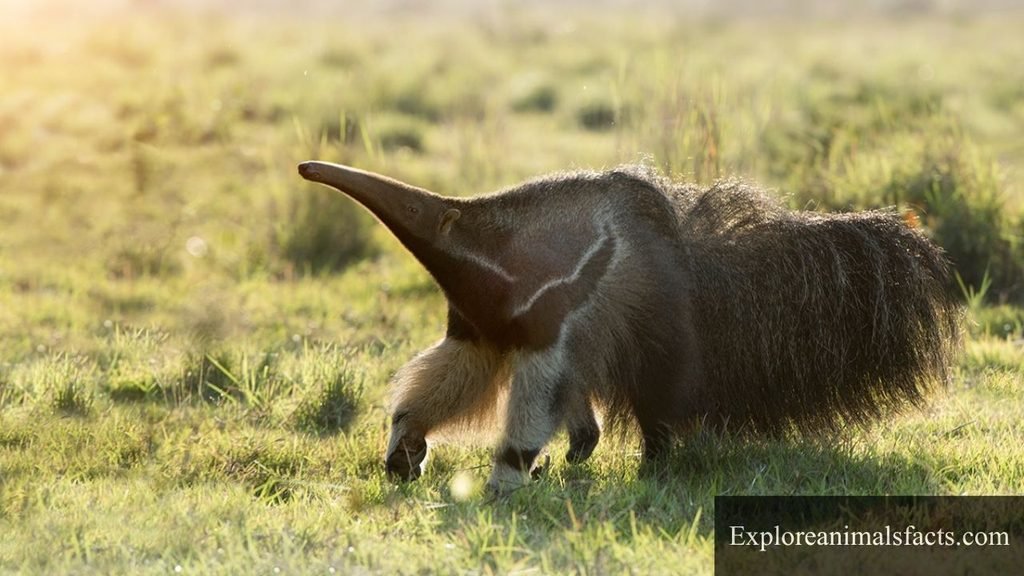
Despite their size — often exceeding six feet in length — including the tail, giant anteaters are surprisingly vulnerable due to their slow movements and solitary habits. Their dependence on specific habitats, such as grasslands and forests, makes them sensitive to habitat loss and climate change. Moreover, their unique dietary focus means that any disruption to ant populations could spell trouble not just for the anteater itself but for the larger ecological balance. The giant anteater serves as a reminder of how interconnected the animal kingdom can be, where the plight of one species can ripple through an entire ecosystem.
Antlions
Scientific Name: Myrmeleontidae
Class: Insecta
Diet: Carnivore
Antlions exhibit a fascinating predatory behavior that revolves around ants. Despite their delicate, lacey wings, these insects are cunning hunters. The larvae, commonly found in sandy or loose soil, construct funnel-shaped pits that serve as highly effective traps for unsuspecting ants and other small insects. When an ant slips into this sandy abyss, it triggers a chain reaction of chaos as the antlion swiftly buries its prey under a shower of grains, leaving it with no escape.
What’s especially intriguing is the transformation of the antlion through its life stages. The adult, with its striking resemblance to a dragonfly, emerges from this meticulous underworld only to mate and lay eggs, often in places with abundant ant populations. This cycle highlights a remarkable ecological balance; antlions not only control ant populations but also serve as a food source for larger predators once they metamorphose into their winged forms. Observing these creatures provides a stark reminder of nature’s intricate interplay, where even the most unassuming insects hold significant roles in their ecosystems.
Orangutan
Scientific Name: Pongo
Class: Mammalia
Diet: Omnivore
Orangutans, primarily known for their fruit-based diet, exhibit an unexpected appetite for ants, showcasing their remarkable adaptability in resource-scarce environments. These intelligent primates have been observed skillfully extracting ants from their nests, using tools like sticks or twigs, highlighting their problem-solving abilities. This foraging behavior not only supplements their diet but also underscores the complexity of their ecological interactions, revealing how even the seemingly simple act of eating ants plays a role in nutrient cycling within their tropical rainforest habitats.
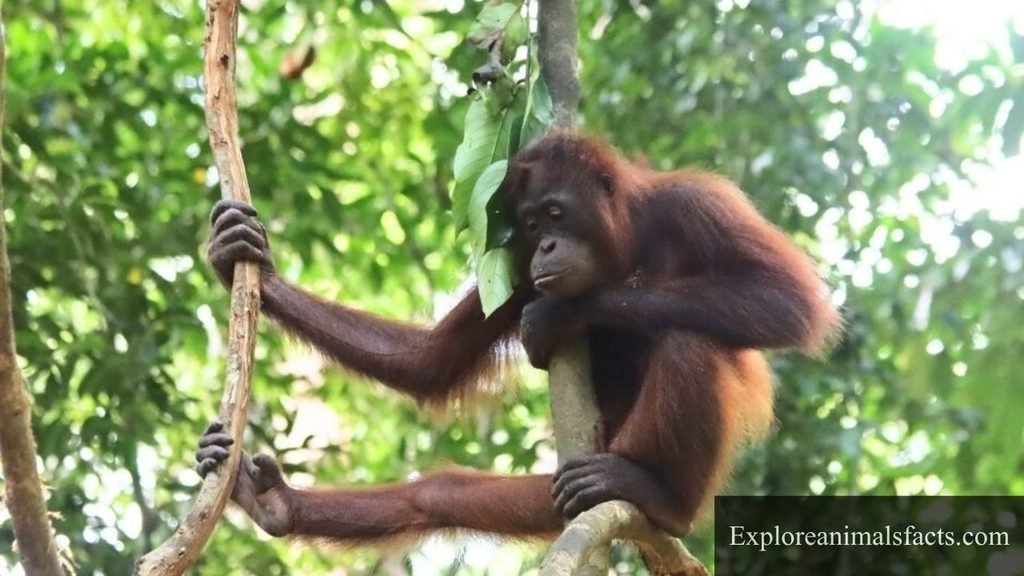
Moreover, the consumption of ants reflects a deeper connection to their environment; it reinforces the importance of biodiversity. By keeping ant populations in check, orangutans contribute to the balance of their ecosystem. This lesser-known facet of their behavior invites a reevaluation of the typical tropical food web, reminding us that every creature, no matter how small, holds significance in the grand scheme of life, revealing just how interwoven our planet’s species truly are.
Aardvark
Scientific Name: Orycteropus afer
Class: Mammalia
Diet: Insectivore
The aardvark, with its elongated snout and unique appearance, is nature’s quintessential ant-eater. These nocturnal mammals wield a specialized tongue that can extend up to 30 centimeters, allowing them to reach deep into ant hills and termite mounds. It’s not just their tongue that sets them apart; their keen sense of smell enables them to detect underground colonies, often leading them to feast on thousands of ants in a single night. This foraging behavior deeply intertwines them with their ecosystem, helping control ant populations and ensuring balance.
Aardvarks also play a critical role in promoting biodiversity. By digging for ants and termites, they aerate the soil, which improves water infiltration and creates microhabitats for other species. This process encourages the growth of vegetation, illuminating the interconnectedness of life in their natural habitat. Their solitary nature adds a layer of mystery to their existence, prompting scientists to explore how these elusive creatures continue to thrive in a world where many others face extinction. Each night, as they scurry through the African savannah, aardvarks remind us of the untold stories hidden within the lives of those that dine on ants.
Wrens
Scientific Name: Troglodytidae
Class: Aves
Diet: Insectivore
Wrens are fascinating critters that play a unique role in the ecosystem, especially when it comes to their dietary preferences. These small birds, primarily known for their energetic foraging behavior, often turn to ants as a primary source of sustenance. What makes this dietary choice intriguing is the wrens’ remarkable foraging strategies; they not only hunt for insects on the ground but also masterfully navigate under leaves and within crevices where ants may be hiding.
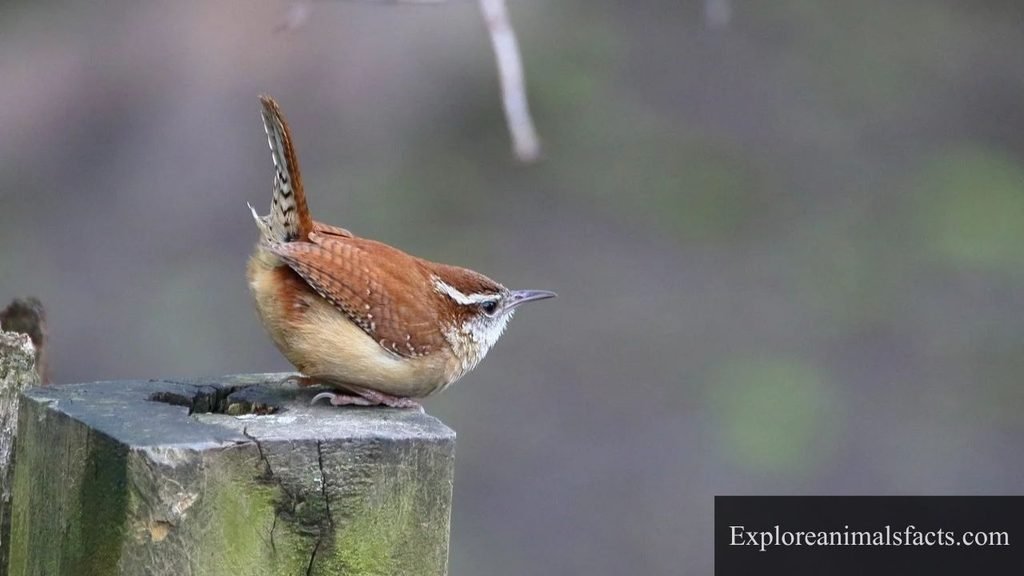
Their acute sense of hearing allows them to detect the faintest rustling of ant colonies, and their strong, agile bodies enable them to dart and maneuver through dense foliage. This adaptability showcases not just their resourcefulness, but also their vital role in pest control within their habitats. By preying on ants, wrens contribute to maintaining the ecological balance, proving that even the smallest among us can have significant impacts on their environment. Each wren sighting is a reminder of nature’s intricate web, where every creature, no matter its size, plays a pivotal role in shaping the ecosystem.
Jumping Spider
Scientific Name: Salticidae
Class: Arachnida
Diet: Carnivore
The jumping spider is a fascinating predator that thrives on a diet rich in ants. These tiny arachnids, often no larger than a pea, use their exceptional vision and acrobatic prowess to hunt down their prey with unmatched agility. What sets jumping spiders apart is their ability to pounce precisely on unsuspecting ants, leveraging both speed and strategy — an opera of predation that is choreographed to perfection. Their keen eyesight allows them to detect even the slightest movements from a distance, enabling them to stalk and ambush their targets with remarkable stealth.
The complex dynamic between jumping spiders and ants is a marvel of evolutionary adaptation. In environments rich with both species, jumping spiders have developed specialized hunting techniques that exploit the ants’ weaknesses. For instance, some species of jumping spiders have evolved to mimic the appearance and movements of small ants, providing them with a deceptive edge while infiltrating ant colonies. This intricate dance of predator and prey not only underscores the agility of the jumping spider but also highlights the nuanced relationships found in ecosystems where each creature plays a vital role in maintaining balance.
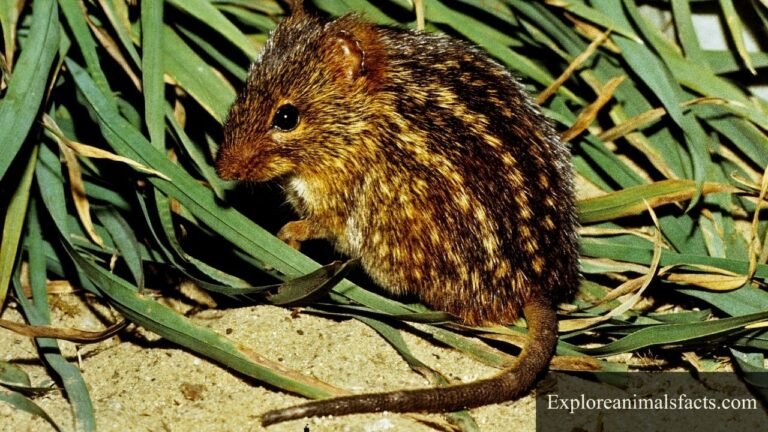
Numbats
Scientific Name: Myrmecobius fasciatus
Class: Mammalia
Diet: Insectivore
Numbats, with their striking striped backs and keen predatory instincts, showcase nature’s remarkable adaptations. These Australian marsupials are uniquely specialized for one thing: consuming ants. With a tongue that can extend up to 10 centimeters, numbats can deftly extract unsuspecting ants from their burrows, ensuring they have the upper hand in their foraging efforts. This long, sticky tongue acts like a natural tool, reflecting a profound evolutionary harmony between habitat and hunting technique.
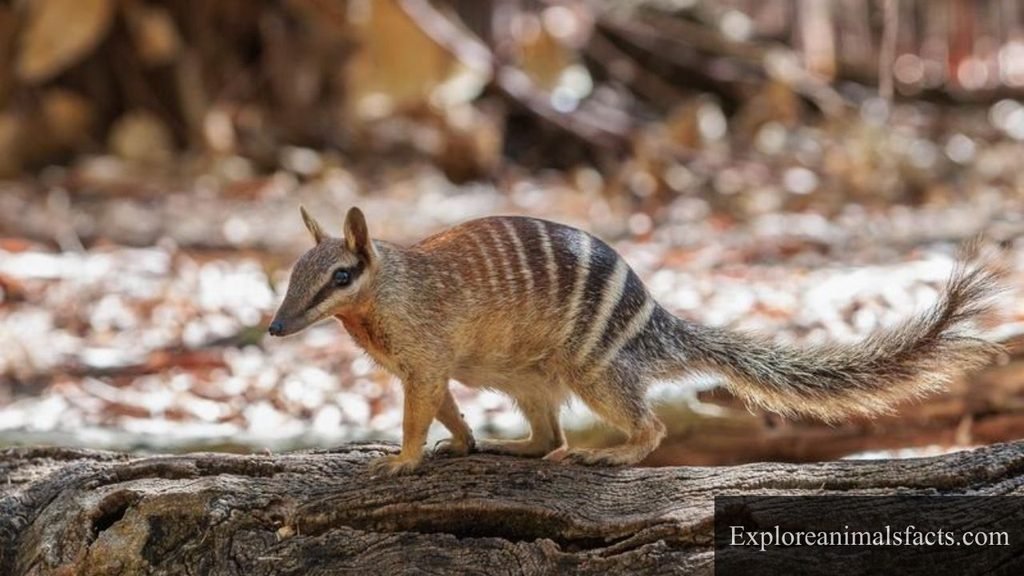
What surprises many is the numbats’ approach to their diet. Unlike other ant-eaters that may rely on sheer size or brute strength, numbats display a delicate finesse. Their ability to locate ant nests relies heavily on their acute sense of smell, allowing them to pinpoint food sources in the vast Australian bush. Furthermore, the numbats’ foraging habits emphasize the fragility of their ecosystem; as they voraciously consume up to 20,000 ants daily, they also play a critical role in regulating ant populations, demonstrating the interconnected nature of their environment. Ultimately, numbats serve as a compelling reminder of nature’s intricate web, where specialized feeders contribute to the balance of their ecosystems.
Readmore: Explore Top 21 Mischievous Animals.
Final Thoughts
The fascinating world of ant-eating animals showcases the intricate balance of ecosystems and the diverse adaptations that allow these creatures to thrive. From the sharp-clawed anteater to the agile pangolin, each species has evolved unique strategies to hunt and consume their preferred protein source. Their existence highlights the importance of biodiversity and the crucial roles these animals play in their habitats.
As we continue to study and appreciate these remarkable creatures, we must also prioritize conservation efforts to protect their environments. Let’s all take a moment to learn more about these unique species and advocate for their preservation.
FAQs
What Animals Eat Ants?
Many animals include ants in their diets. Birds, like sparrows and woodpeckers, often feast on ants as a quick snack. They can easily catch them on the ground or from trees. Reptiles such as lizards and some species of snakes also consume ants. Mammals like anteaters and aardvarks are specialized for eating ants and will gobble them up by the hundreds.
What Eats Ants in North America
In North America, ants have several natural predators. Birds are among the most common, with species like chickadees and sparrows often snatching them up. Many reptiles, such as lizards, will munch on ants when they’re available. Insects can also pose a threat to ant populations. Certain spiders and predatory insects, like fireflies and some wasps, will prey on ants.
What Eats Ants in Canada?
In Canada, several animals feast on ants. One of the most notable is the southern red-backed vole, which includes ants as a part of its diet. Many birds, such as woodpeckers and jays, also enjoy snacking on ants when available. Insects like certain species of ants, like fire ants, can even prey on other ant species. Mammals such as bears may dig up ant mounds for a quick protein boost during the summer months.
What Insects Eat Ants?
Several insects are known to prey on ants, showcasing the complexities of nature’s food web. One notable example is the pharaoh ant, which can compete with or prey upon other ant species. Certain species of beetles, like rove beetles, are effective predators, often found lurking around ant colonies. Other insect predators include wasps, particularly the spider wasp, which can paralyze ants and use them as live food for their larvae.