Top 16 Animals That Eat Seeds (With Images)
In the intricate web of nature, animals that eat seeds play a vital role in plant propagation and ecosystem health. Understanding these seed-eating creatures not only reveals their fascinating feeding habits but also sheds light on their critical role in maintaining biodiversity. In this article, you’ll discover the various species that rely on seeds for sustenance and the ecological impacts of their feeding behaviors.
List of Animals That Eat Seeds
Here is the list of animals that eat seeds:
- Wild Turkey
- Hamster
- Mourning Dove
- Blackbird
- Chipmunk
- Bean Weevil
- Woodpecker
- Rabbit
- Ant
- Cardinal
- Red Squirrel
- Cricket
- Parrot
- Goldfinch
- Mouse
- Deer
Wild Turkey
Scientific Name: Meleagris gallopavo
Class: Aves
Diet: Omnivore
The wild turkey, a staple of North American landscapes, plays a crucial role in seed dispersal. These birds have evolved to thrive on a diet rich in seeds, consuming everything from acorns to various grasses. Their foraging habits not only benefit them nutritionally but also enhance the health of their ecosystems. By ingesting and later excreting seeds, wild turkeys contribute to plant propagation across diverse habitats.
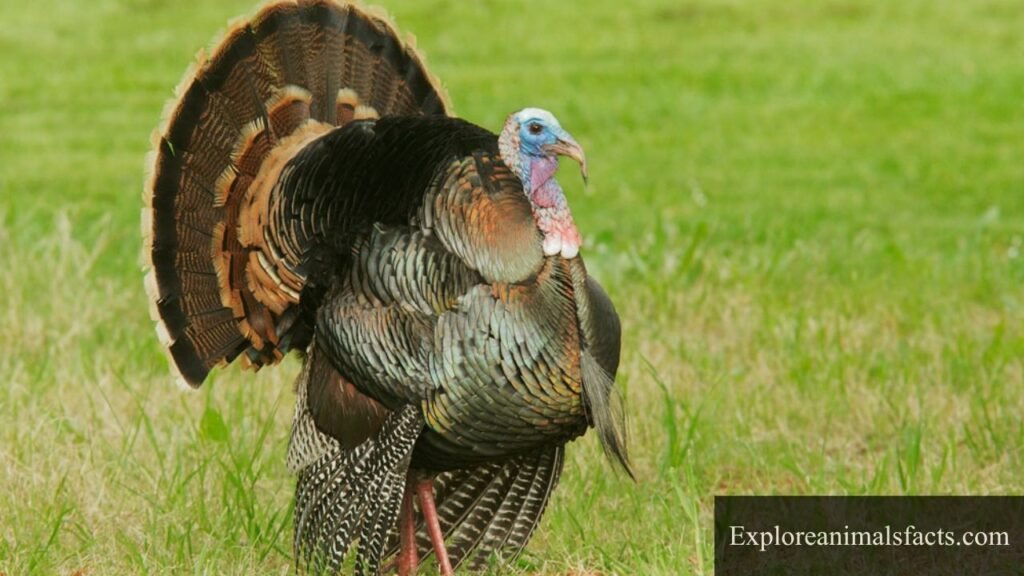
The way turkeys interact with seeds can reveal a lot about their behavioral adaptations. They often opt for seeds that are high in energy, enabling them to sustain their active lifestyles. In areas with fluctuating food availability, their selective feeding can create microhabitats, allowing certain plant species to flourish while others recede. This leads to a dynamic balance in the local flora, highlighting the intricate relationships between animals and plants in their environment. The wild turkey’s role as a seed eater is not just vital to their survival; it’s a pivotal process that reverberates through the entire ecosystem.
Hamster
Scientific Name: Cricetinae
Class: Mammalia
Diet: Omnivore
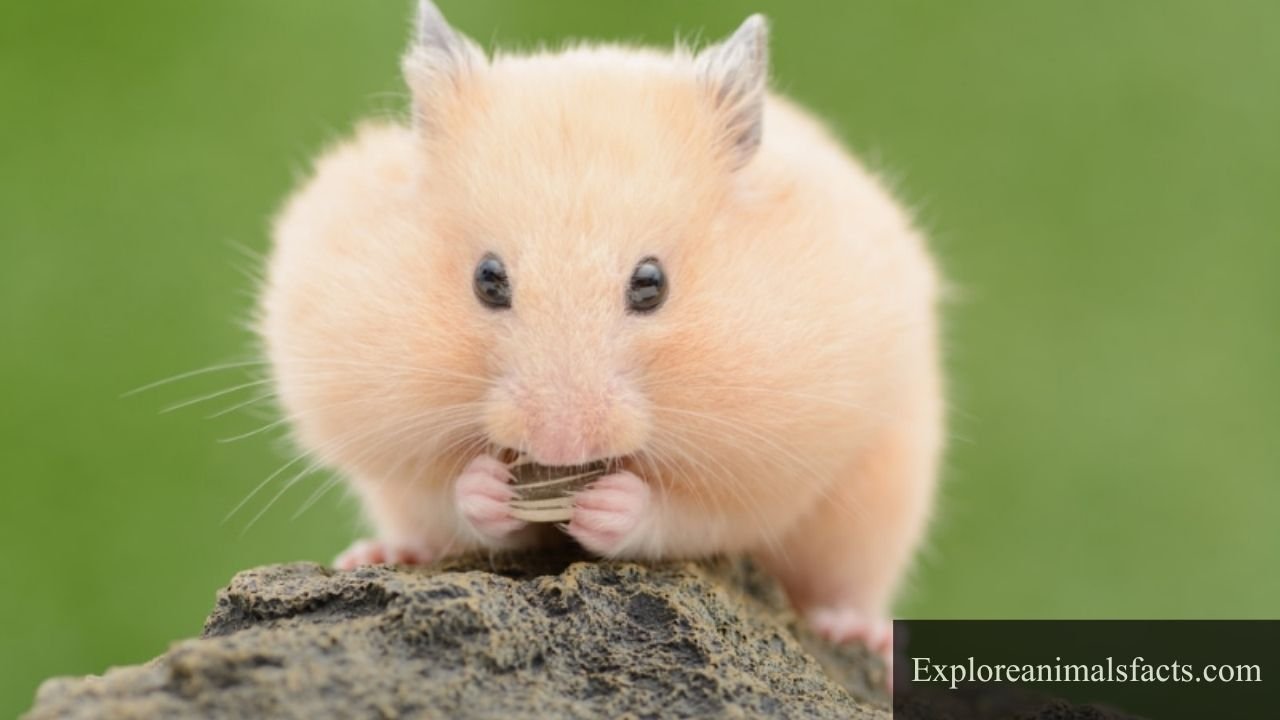
Hamsters are adorable little creatures that have a surprisingly complex relationship with seeds. As natural foragers, they have evolved to thrive on a diet rich in seeds, which are not just a primary food source but also a means of enriching their environment. In the wild, these tiny rodents meticulously gather seeds, storing them in their cheek pouches and creating a stash to sustain themselves during leaner times. This instinctual behavior is not merely for survival; it showcases their adaptability and intelligence.
What’s fascinating is how a hamster’s diet influences its physical health. Seeds are packed with essential fatty acids, vitamins, and minerals, fueling their energy levels and promoting a shiny coat. But not all seeds are created equal. Some can be overdosed on or may lack the nutritional balance needed for optimal health. As pet owners, it’s vital to provide a variety of seeds, supplemented with fresh fruits and veggies, to ensure these little furballs lead healthy, happy lives. Watching a hamster nibble on a sunflower seed can be a delightful celebration of nature’s design — this simple act is a perfect blend of instinct, nutrition, and joy.
Mourning Dove
Scientific Name: Zenaida macroura
Class: Aves
Diet: Herbivore
The Mourning Dove, with its gentle cooing and graceful flight, is a true connoisseur of seeds. These slender birds favor a diet rich in seeds, particularly those from grasses and weeds, making gardens and fields their preferred dining spots. Watching them forage is a reminder of their adaptability; they can thrive in urban settings and rural landscapes alike, swiftly transitioning from one to the other as the seasons change.
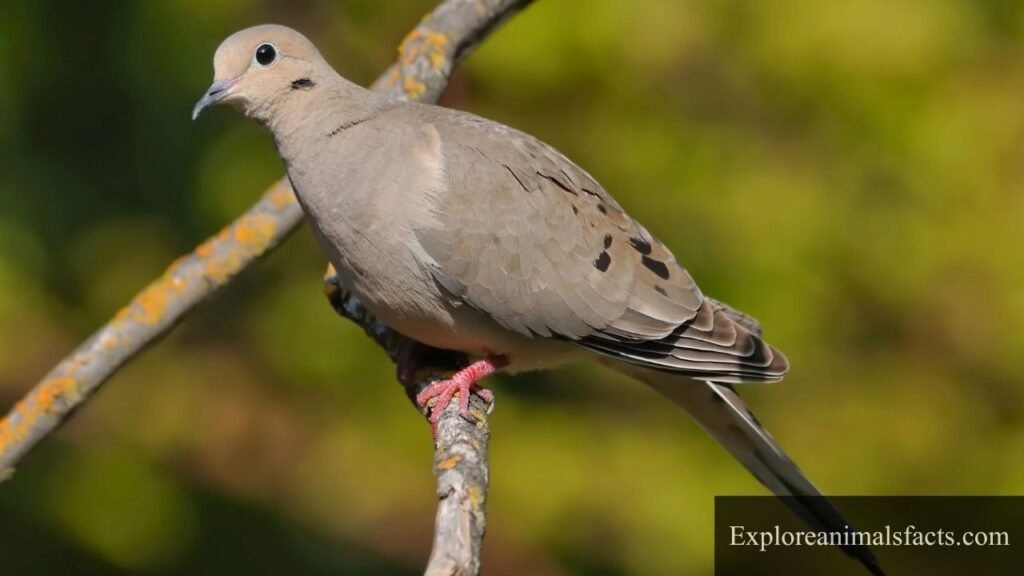
Their unique feeding behavior is fascinating. Mourning Doves possess a particular skill for picking up seeds with their soft, delicate beaks, often seen scratching the ground and using their feet to uncover hidden treasures. This not only aids their survival but also plays a crucial role in the ecosystem, as they help disperse seeds throughout their habitat, contributing to plant diversity. Engaging with these birds reveals a profound connection between wildlife and the natural world, emphasizing the importance of preserving their environments. In a world filled with noise, the soft cooing of Mourning Doves serves as a soothing reminder of nature’s delicate balance.
Readmore: Explore Top 16 Sneaky Animals In The World
Blackbird
Scientific Name: Turdus merula
Class: Aves
Diet: Omnivore
Blackbirds are fascinating seed eaters, playing a crucial role in ecosystem dynamics. Their sleek, black plumage and bright yellow eye-crescents make them stand out, but it’s their foraging habits that captivate nature enthusiasts. These resourceful birds have adapted to a diverse range of habitats, from urban gardens to rural fields, allowing them to exploit various seed sources.
When blackbirds feast on seeds, they are not only sustaining themselves but also contributing to plant propagation. As they travel between feeding sites, the seeds they consume are distributed — in many cases, leading to the growth of new plants in different areas. This natural process of seed dispersal is essential for maintaining the balance in their environments, showcasing their integral role in the ecosystem. Observing blackbirds rummaging through leaf litter or hopping around feeders reminds us of the interconnectedness of life, where even the simplest act of feeding has far-reaching implications.
Chipmunk
Scientific Name: Tamias
Class: Mammalia
Diet: Omnivore
Chipmunks, those adorable, striped little critters, play a surprisingly crucial role in their ecosystems as seed eaters. With their cheek pouches bulging, they scurry through forests and gardens, collecting a variety of seeds, from acorns to sunflower seeds. This behavior not only sustains their own energy needs but also aids in forest regeneration. By burying seeds in the ground, chipmunks unwittingly plant future trees and flowers, fostering biodiversity that benefits countless other organisms.
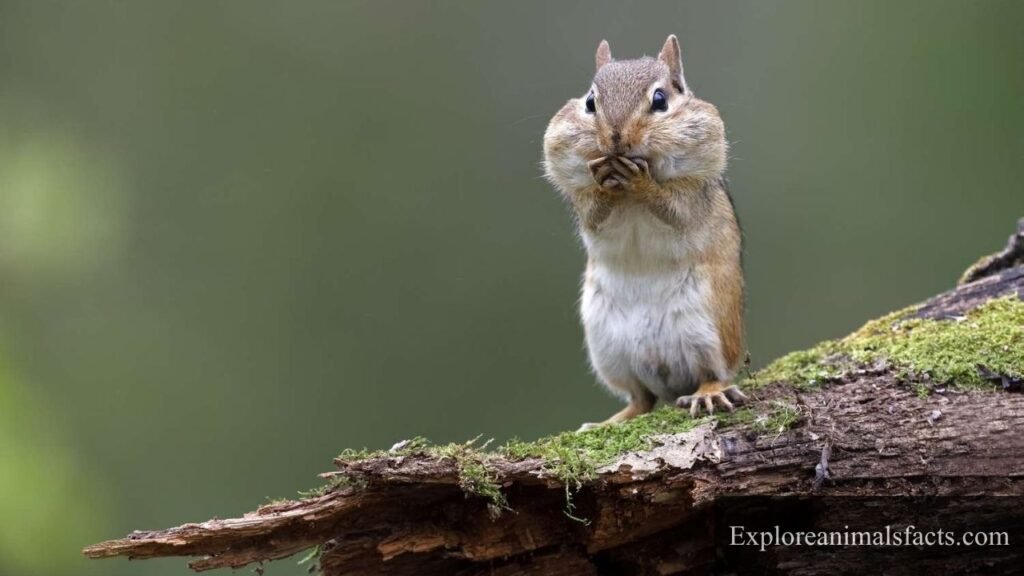
Chipmunk’s seed diet is a fascinating strategy for coping with seasonal changes. During late summer and autumn, these tiny foragers go into overdrive, hoarding food to ensure they have enough resources to withstand winter’s chill. Their keen sense of location enables them to remember where they stash their finds, further showcasing their incredible memory and adaptability. This natural instinct to gather and store also highlights their role in seed dispersal — an act that can shape the very landscape they inhabit. So, while it may seem like a simple act of eating seeds, chipmunks are intricately woven into the fabric of their environment, demonstrating the interconnectedness of nature.
Bean Weevil
Scientific Name: Bruchinae
Class: Insecta
Diet: Herbivore
The bean weevil, a tiny yet significant pest, plays an intriguing role in the ecology of seed consumption. These diminutive creatures, measuring just a few millimeters, have an impressive capability to puncture and consume various types of seeds, particularly legumes. But what might seem like a nuisance to farmers and food storage facilities opens a window into a larger narrative about nature’s balance. The bean weevil’s life cycle, which includes laying eggs inside beans, showcases a fascinating adaptation; their larvae hatch and feed on the seeds from within, ensuring not just survival but a hidden life steeped in stealth and resourcefulness.
The bean weevil illustrates the complexities of agricultural ecosystems. While they may be a challenge for those storing grains, their presence can also signal a need for biodiversity in agricultural practices. Encouraging natural predators can mitigate their populations, highlighting the interconnectedness of various species in managing pest control. This interplay emphasizes that even the smallest of creatures can have ripple effects on larger agricultural systems, provoking a reassessment of how we perceive pests and their roles in the environments they inhabit. Understanding these dynamics can inspire more sustainable practices that honor the intricate web of life in our fields.
Woodpecker
Scientific Name: Picidae
Class: Aves
Diet: Omnivore
Woodpeckers are fascinating avian creatures that play a pivotal role in the ecosystem, particularly through their seed-eating habits. While often celebrated for their distinct drumming sounds and burrowing behaviors, what many may overlook is their keen adaptation for extracting seeds from trees and the ground. Their specialized beaks, which can chip away at tough bark, allow them to access not only the seeds of coniferous trees but also the insects that lurk beneath the surface, creating a dynamic interaction that benefits both their diet and the health of their habitats.
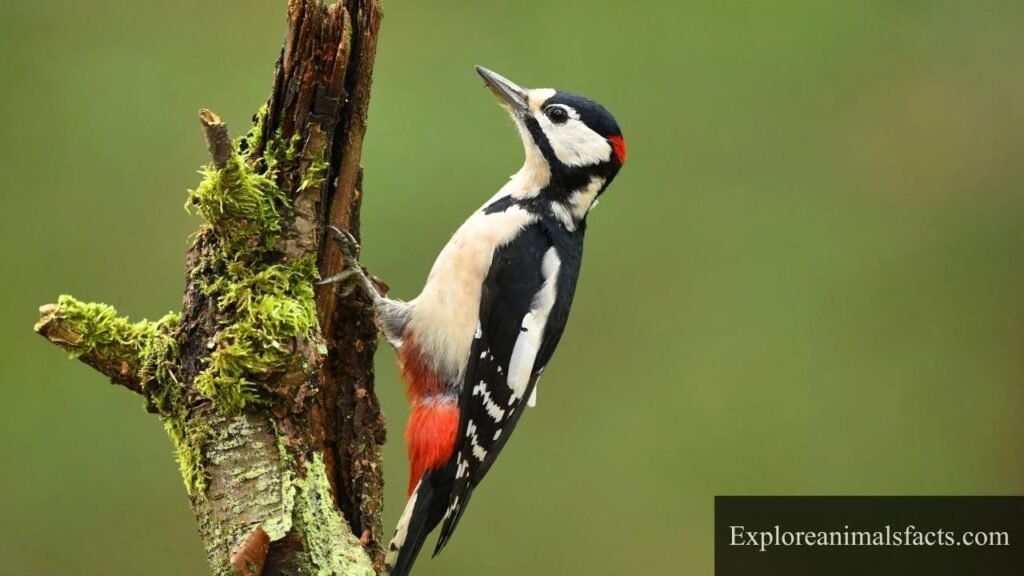
Woodpeckers demonstrate remarkable foraging techniques, often using their tongues, which can extend far beyond the length of their beaks, to reach seeds nestled deep within crevices. This remarkable adaptation showcases not just physical prowess but also a strategic mindset that enhances their survival. By favoring seeds from a variety of trees, woodpeckers contribute to the dispersal of plant species, aiding forest regeneration and biodiversity. Their seed-eating behaviors underscore their role as ecological engineers, highlighting the interconnectedness of species within their environments.
Rabbit
Scientific Name: Oryctolagus cuniculus
Class: Mammalia
Diet: Herbivore
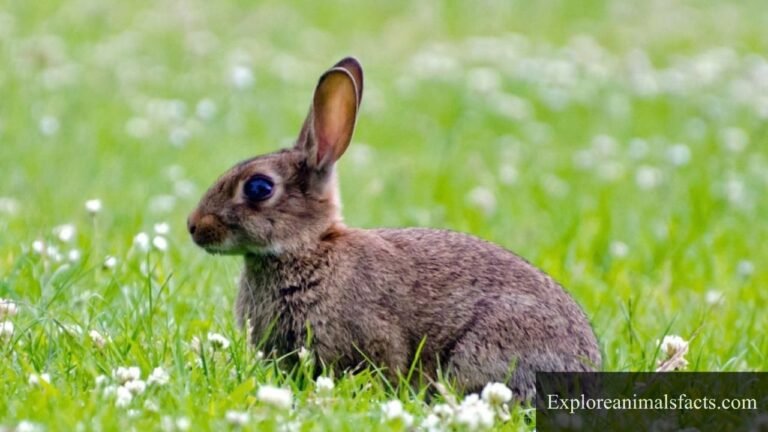
Rabbits are proficient seed foragers. With their keen sense of smell and powerful incisors, these small mammals play an intriguing role in seed predation. By munching on seeds, rabbits inadvertently influence plant diversity and ecosystems, allowing certain species to thrive while controlling others. This natural balance demonstrates the interconnectedness of life in our gardens and fields.
Rabbits also serve as unwitting gardeners. Their consumption of seeds can help with seed dispersal, given that some seeds pass through their digestive systems unharmed. This process aids in spreading plant species over a wider area, particularly in environments where competition for resources is fierce. Observing this dynamic highlights how a simple act of feeding can transform landscapes, making rabbits essential players in maintaining ecological health.
Ant
Scientific Name: Formicidae
Class: Insecta
Diet: Omnivore
Ants, Through seed dispersal, play a vital role in our ecosystems. These tiny titans are meticulous foragers, scouring the ground for seeds, particularly those with an appealing fat-rich coating known as elaiosome. This unique adaptation not only entices ants to gather the seeds but also ensures the seeds are transported to nutrient-rich environments where they can flourish. In their colonies, ants act as guardians and gardeners of these seeds, providing them with a protective home against competitors and herbivores alike.
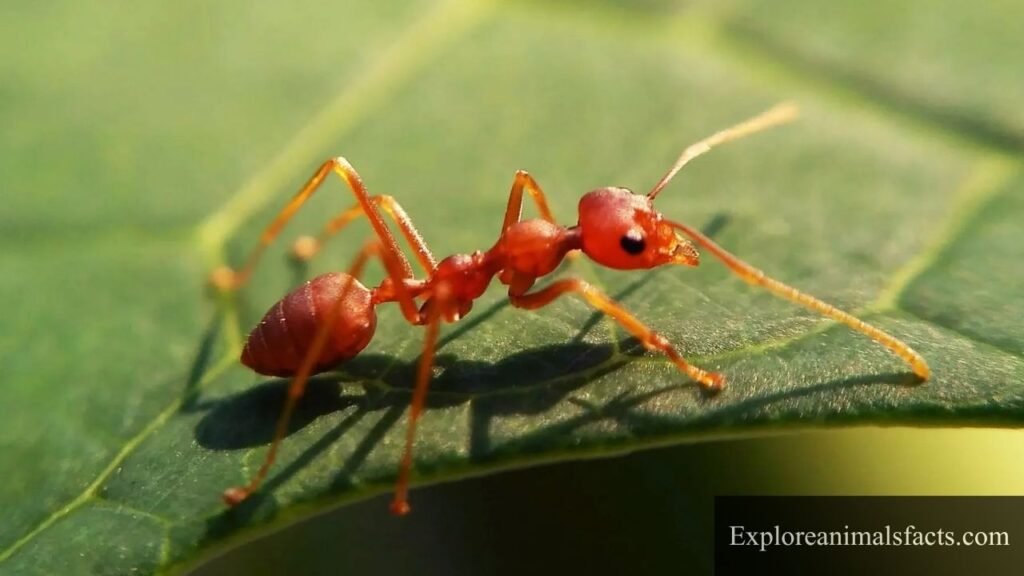
Furthermore, the relationship between ants and seeds extends beyond mere consumption; it is a partnership steeped in mutual benefit. As ants consume the elaiosome and discard the seed, they inadvertently facilitate its germination in ideal conditions, contributing to plant diversity and forest regeneration. This intricate interaction highlights the often-unseen connections within nature, reminding us that every small creature, even the humble ant, plays a significant role in sustaining the balance of life. By nurturing seeds, ants demonstrate their essential place in the web of biodiversity, showcasing the beauty of cooperation within ecosystems.
Cardinal
Scientific Name: Cardinalis cardinalis
Class: Aves
Diet: Omnivore
Cardinals, with their vibrant plumage and striking presence, play a crucial role in their ecosystems as seed eaters. These birds primarily feast on various seeds, particularly those from sunflowers, dandelions, and other wildflowers. By consuming seeds, they not only nourish themselves but also participate in a delicate dance of nature, aiding in seed dispersion. This process allows plants to germinate in new areas, fostering biodiversity and ensuring the survival of various plant species.
Observing cardinals during feeding provides a glimpse into their social structure and behavior. These birds often feed in pairs or small groups, using their lively chirps to communicate and alert each other to potential threats. While their bright red feathers make them easy to spot amidst green foliage, their feeding habits promote a quieter, hidden wonder — the essential cycle of life, where each seed consumed contributes to a larger web of ecological balance. Each cardinal thus embodies a connection to the land, a silent guardian of the seeds that sustain their environment.
Red Squirrel
Scientific Name: Sciurus vulgaris
Class: Mammalia
Diet: Omnivore
The red squirrel, with its tufted ears and lush, russet fur, may be a common sight in many forests, but its role as a seed consumer adds a fascinating layer to them. These agile little creatures are not merely foragers; they are vital players in their ecosystems, acting as natural gardeners. By burying seeds and nuts for later consumption, red squirrels inadvertently contribute to forest regeneration. This behavior helps redistribute tree species, allowing forests to thrive and evolve over time.
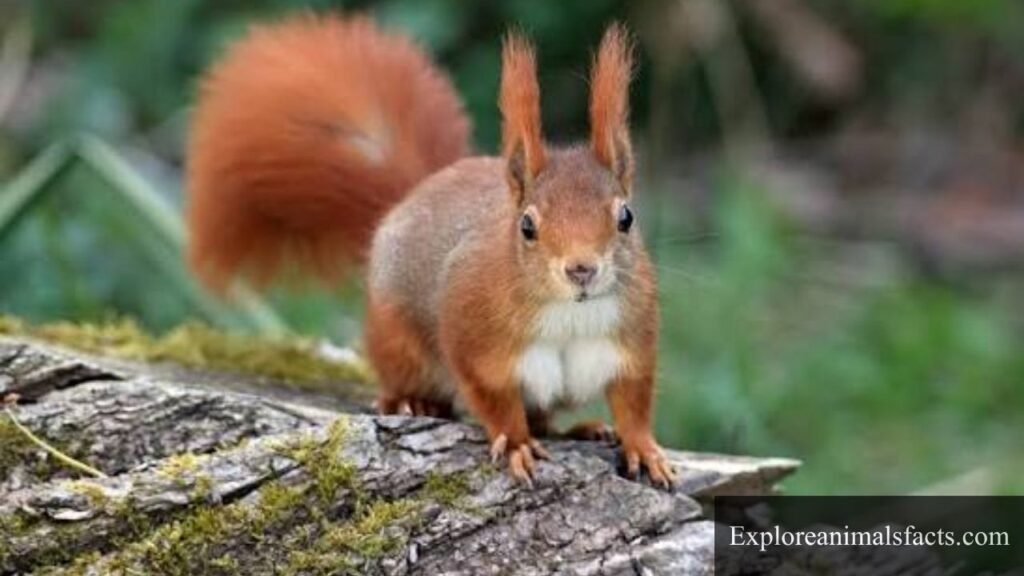
Red squirrels have developed a diverse diet that goes beyond mere dependence on conifer seeds. While they favor the cones of spruce, fir, and pine, they also relish acorns, hazelnuts, and even fungi. This adaptability not only showcases their foraging skills but reflects a deep understanding of seasonal availability, allowing them to cache food effectively. As they deftly navigate their arboreal habitats, these squirrels exemplify the intricate relationships between species, highlighting how their seed-eating habits foster biodiversity. Every seed they bury holds the potential to sprout into a mighty tree, reminding us that even the smallest creatures contribute significantly to the vast tapestry of life.
Cricket
Scientific Name: Gryllidae
Class: Insecta
Diet: Omnivore
Crickets are not just melodious insects; they also play a significant role in their ecosystem as seed consumers. Primarily herbivorous, crickets feast on various seeds, which serve as an energy-rich food source. Their voracious appetite for seeds, including those of grasses and wildflowers, aids in controlling plant populations and promotes biodiversity. By dispersing seeds through their droppings, crickets also contribute to plant propagation, facilitating new growth in their habitats.
Crickets exhibit a fascinating behavior known as “seed predation,” where they selectively choose seeds based on factors like size and nutritional value. This behavior not only impacts vegetation dynamics but also influences the survival rates of specific plant species. In regions where crickets thrive, their consumption can limit certain plants from becoming overly dominant, allowing for a more balanced ecosystem. Furthermore, as climate conditions shift, understanding the foraging patterns of crickets can provide insights into the resilience of plant communities that depend on seed dispersal and predation, highlighting their vital role in maintaining ecological harmony.
Parrot
Scientific Name: Psittaciformes
Class: Aves
Diet: Herbivore
Parrots are not just vibrant, feathered companions; they are also skilled foragers, with a remarkable adaptation for consuming seeds. Their strong, curved beaks are specifically evolved to crack open tough seed shells, enabling them to access the nutrient-rich morsels inside. This specialization not only serves their dietary needs but also plays a vital role in their ecosystems, as they inadvertently assist in seed dispersal. By eating seeds and later excreting them in different locations, parrots contribute to the growth of new plants, enhancing biodiversity.
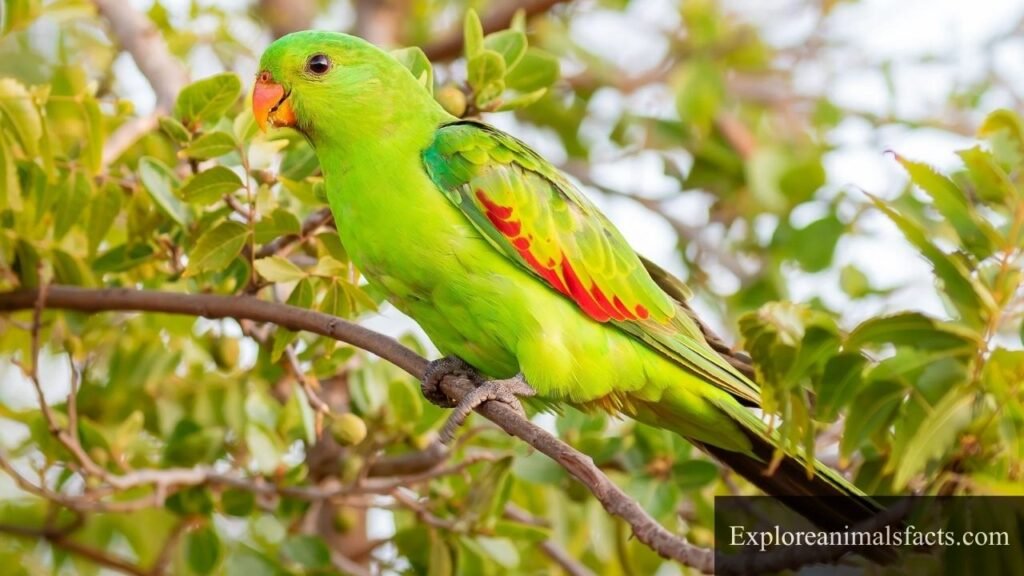
The social dynamics of parrots also influence their feeding behaviors. In flocks, they exhibit a fascinating technique called “social foraging,” where they observe one another to locate the best food sources. This behavior not only boosts their chances of finding nutrient-rich seeds but also reinforces social bonds within the group. Furthermore, parrots showcase a remarkable variety in their diet, often complementing seeds with fruits and nuts, allowing them to thrive in diverse habitats. Their ability to adapt their feeding strategies to different environments underscores their intelligence and further emphasizes their critical ecological role.
Goldfinch
Scientific Name: Carduelis carduelis
Class: Aves
Diet: Herbivore
The American Goldfinch is a remarkable acrobat, known for its vibrant yellow plumage and cheerful song. These small birds are not just visually stunning; they play a crucial role in seed dispersal. Goldfinches primarily feast on a variety of seeds, especially those from thistles and dandelions, which they expertly extract with their specialized beaks. This feeding behavior not only sustains them but also contributes to the ecological balance by helping plants propagate in new areas.
What’s fascinating is their seasonal adaptation. Unlike many birds that breed in spring, goldfinches typically delay their nesting until late summer. This strategy ensures an ample supply of seeds during their peak breeding season, highlighting their keen awareness of the availability of food sources. Furthermore, as they are primarily vegetarian, they embody a unique relationship with their ecosystem, serving as both seed consumers and crucial pollinators through their movements between plants. It’s this interaction with their environment that enhances biodiversity, making the goldfinch a delightful emblem of nature’s interconnected web.
Mouse
Scientific Name: Mus musculus
Class: Mammalia
Diet: Omnivore
Mice are often overlooked when we consider seed-eating animals, yet they play a crucial role in seed dispersal and ecosystem health. Their small size allows them to access areas many larger animals cannot, making them adept foragers. By nibbling on seeds from grasses, grains, and various plants, mice inadvertently contribute to the propagation of these species, promoting biodiversity in their habitats.
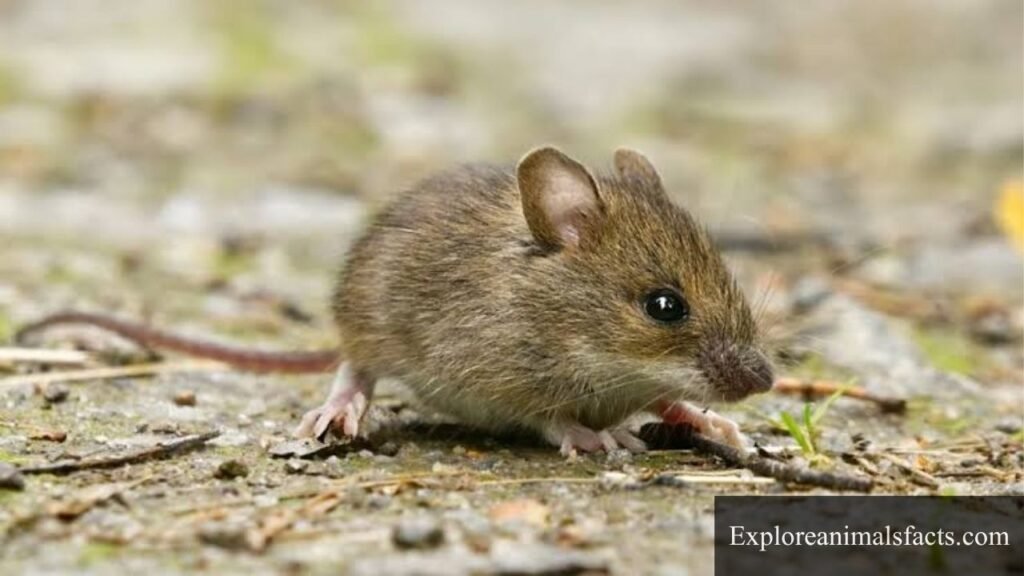
The relationship between mice and the seeds they consume is a fascinating dance of survival. Not only do they rely on seeds as a primary food source, but their foraging behavior helps control plant populations, preventing any one species from dominating an ecosystem. This balance allows various plants to thrive, showcasing nature’s intricate web of interdependence. As such, mice exemplify how even the smallest creatures can have a significant impact on their environment, cultivating a rich tapestry of life.
Deer
Scientific Name: Cervidae
Class: Mammalia
Diet: Herbivore
Deer are known for their graceful presence in the wild, but their dietary habits reveal a fascinating connection to the ecosystems they inhabit. While many might picture them nibbling on tender leaves or succulent fruits, seeds form an essential part of their diet, especially during colder months when other food sources dwindle. Their preference for acorns, hickory nuts, and seeds from grasses showcases their adaptability and resourcefulness in foraging.
What’s particularly intriguing is how deer play a role in seed dispersal, a process crucial for plant propagation. As they consume seeds, they inadvertently contribute to forest regeneration by excreting undigested seeds far from the parent plant. This natural process promotes biodiversity, allowing new plants to take root in various locations and thrive. In essence, the humble deer becomes an unwitting gardener, fostering the growth of the very landscapes they depend on for sustenance. By understanding their feeding habits, we see how interconnected ecosystems are, reminding us that even the most ordinary creatures play vital roles in maintaining the balance of nature.
Readmore: Explore Top 17 Striped Animals in The World
Final Thoughts
Animals that eat seeds play a vital role in their ecosystems, serving as both consumers and distributors of these vital reproductive structures. From birds that expertly crack open tough seed shells to rodents that hoard and bury seeds for later, these creatures contribute to the growth and propagation of various plant species. Their feeding habits not only influence plant diversity but also help maintain balanced ecosystems. Recognizing the importance of these animals highlights the need to protect their habitats from destruction. Let’s commit to preserving biodiversity by supporting conservation efforts that safeguard these essential seed-eating animals.
FAQs
What kind of animals eat seeds?
Many animals have a seed-based diet. Birds are the most notable seed eaters, with species like finches, sparrows, and parrots having adapted beaks specifically for cracking open seeds. Rodents, such as squirrels and mice, are also significant seed eaters. They gather and store seeds to survive through tougher seasons. Some insects, like ants, collect seeds to feed their colonies, contributing to the ecosystem in their own way.
What is an animal that eats seeds called?
An animal that eats seeds is commonly referred to as a granivore. These creatures primarily consume seeds as a major part of their diet, which can include grains and nuts. Granivores play an essential role in ecosystems by helping with seed dispersal and maintaining plant diversity.