Top 17 Animals With Bushy Tails (Pictures Included)
In this article, we’ll explore the fascinating world of animals with bushy tails, from the agile squirrel to the majestic red fox. These remarkable adaptations not only aid in balance and communication but also offer insights into their habitats and behaviors. Join us as we uncover the significance of bushy tails in the animal kingdom and what they reveal about the creatures we share our world with.
List of Animals With Bushy Tails
Here is the list of animals with bushy tails:
- Red Panda
- Chinchilla
- Maned Wolf
- Coyote
- Tayra
- Ringtail
- Fox
- Kinkajou
- Binturong
- Sugar Glider
- Ring-Tailed Lemur
- Squirrel
- Giant Anteater
- Striped Skunk
- North American Porcupine
- Raccoon
- Bushy-Tailed Mongoose
Red Panda
Scientific Name: Ailurus fulgens
Class: Mammalia
Diet: Herbivore
The red panda, with its striking rust-colored fur and bushy tail, is a marvel of the animal kingdom. These charming creatures, primarily residing in the cool, temperate forests of the Eastern Himalayas and southwestern China, are more closely related to raccoons than to giant pandas, despite their name. Their bushy tails serve not only as a balancer in the trees, where they adeptly navigate branches, but they also act as a blanket to keep them warm during chilly nights.
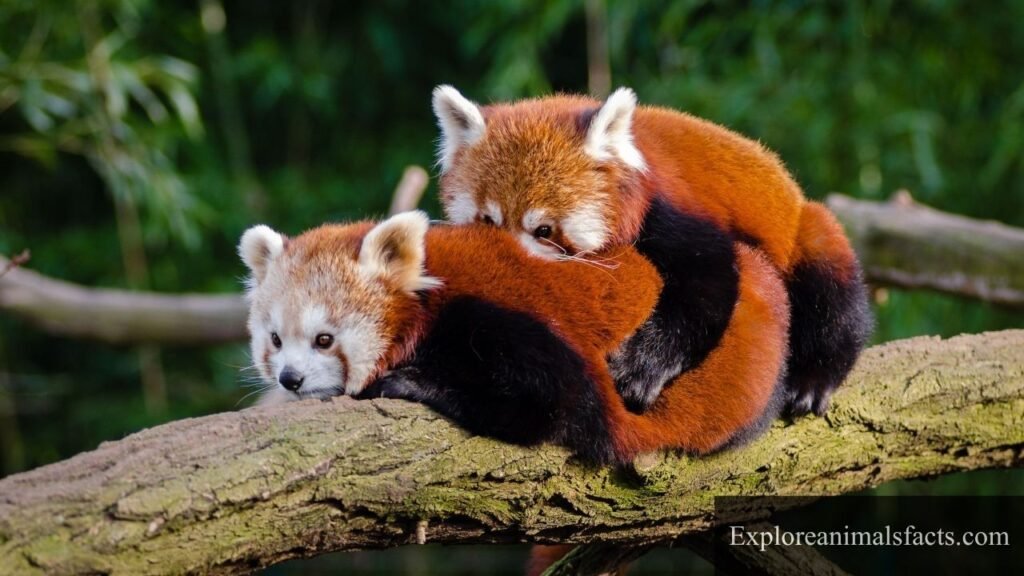
What truly sets the red panda apart is its unique lifestyle and diet. These largely herbivorous animals have developed a taste for bamboo, similar to their larger relatives, but they supplement their diet with fruits, acorns, and even small insects. This dietary flexibility showcases their adaptability, allowing them to thrive in environments where food sources can be sporadic. Their bushy tails play a role in communication; during social interactions, these tails can be raised to signify mood and alertness, adding another layer to their engaging behavior in the wild.
Chinchilla
Scientific Name: Chinchilla lanigera
Class: Mammalia
Diet: Herbivore
The chinchilla, with its luxuriously bushy tail, is a marvel of evolution adapted to the rocky high-altitude habitats of the Andes Mountains. This delightful rodent not only boasts a tail that can be as long as its body, but it also serves a practical purpose: providing balance as these creatures navigate their rocky, slippery environments. The tail acts almost like an additional limb, aiding in agile leaps and twists as it evades predators in the wild.
Beyond its physical attributes, the chinchilla’s tail plays a role in social signaling among individuals. When excited or communicating with others in their colony, they can flick their tails in a manner reminiscent of a playful dance, showcasing their mood and fostering social bonds. Their plush fur, often described as the softest in the animal kingdom, provides insulation against harsh temperatures, making the bushy tail a vital asset for both survival and comfort.
Maned Wolf
Scientific Name: Chrysocyon brachyurus
Class: Mammalia
Diet: Omnivore
The Maned Wolf, often mistaken for a fox due to its slender frame and strikingly long legs, boasts a bushy tail that serves more than just aesthetic appeal. This bushy appendage plays a crucial role in communication and balance, waving as a signal to other wolves or as a counterbalance while navigating its grassy habitat. Its long, reddish-brown fur not only helps camouflage it in the tall savanna grasses of South America but also aids in regulating its body heat during the varied climates it inhabits.
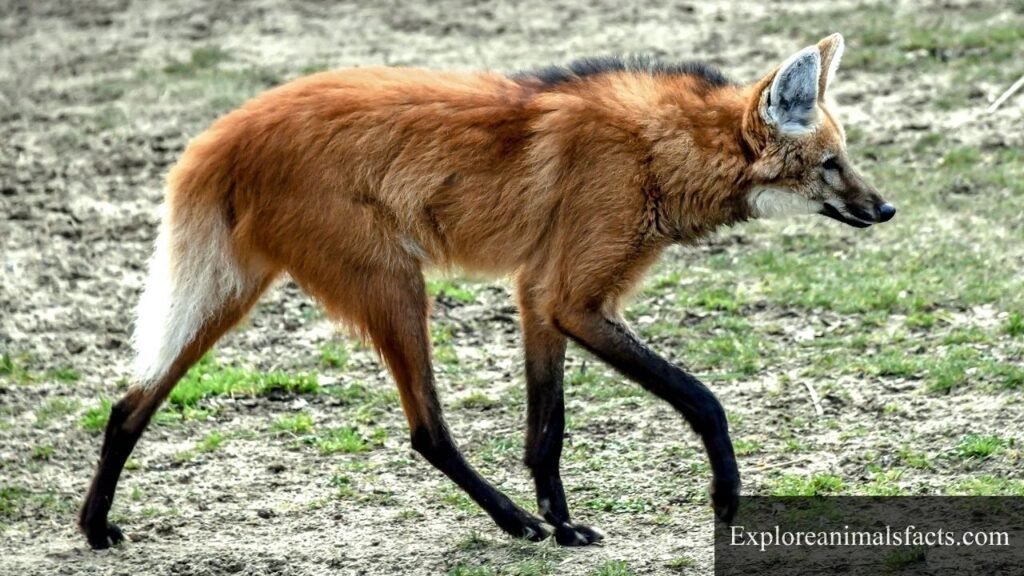
The diet of the Maned Wolf diverges from that of typical canids, as it predominantly feeds on fruit, particularly the delicately fragrant lobeira, or “wolf apple.” This unique dietary preference reflects an ecological niche where it helps disperse seeds, underscoring the interconnectedness of species within its habitat. Observing these majestic creatures in the wild offers a glimpse into their solitary behaviors and unique vocalizations, which echo like the sounds of a haunting melody across the landscape. The Maned Wolf stands as a reminder of the beauty and complexity of ecosystems, highlighting how even the quirkiest traits, like its bushy tail, play a vital role in survival.
Readmore: Explore Top 15 Weakest Animals in The World.
Coyote
Scientific Name: Canis latrans
Class: Mammalia
Diet: Omnivore
The coyote, often overlooked in discussions of charismatic wildlife, boasts one of nature’s most expressive bushy tails. This adaptation not only amplifies its agility but also plays a crucial role in communication. When in social groups, the coyote uses its tail position to convey emotions — from a high alert stance signaling caution to a relaxed hang that indicates comfort among pack members. Observing these subtle cues can deepen our appreciation of their intricate social structures.
In addition to their communicative functions, the bushy tail serves a practical purpose, acting as a counterbalance during the chase. As coyotes traverse diverse terrains, their tails help stabilize tight turns, allowing for swift maneuvers that are essential when pursuing elusive prey. This blend of functionality and artistry is fascinating, reminding us that every aspect of an animal’s form can enhance its survival and social cohesion. Witnessing a coyote flick its tail while trotting through the wilderness offers a glimpse into the delicate interplay of evolution and behavior that defines these adaptable canines.
Tayra
Scientific Name: Eira barbara
Class: Mammalia
Diet: Omnivore
The tayra, a slender yet captivating member of the weasel family, flaunts a bushy tail that serves more purposes than mere aesthetics. This tail is not just for show; it acts as a balancing tool as the tayra deftly navigates the treetops of Central and South America. With a keen sense of curiosity and a knack for agility, these animals often engage in playful antics, using their tails to communicate with other tayras in their social circles.
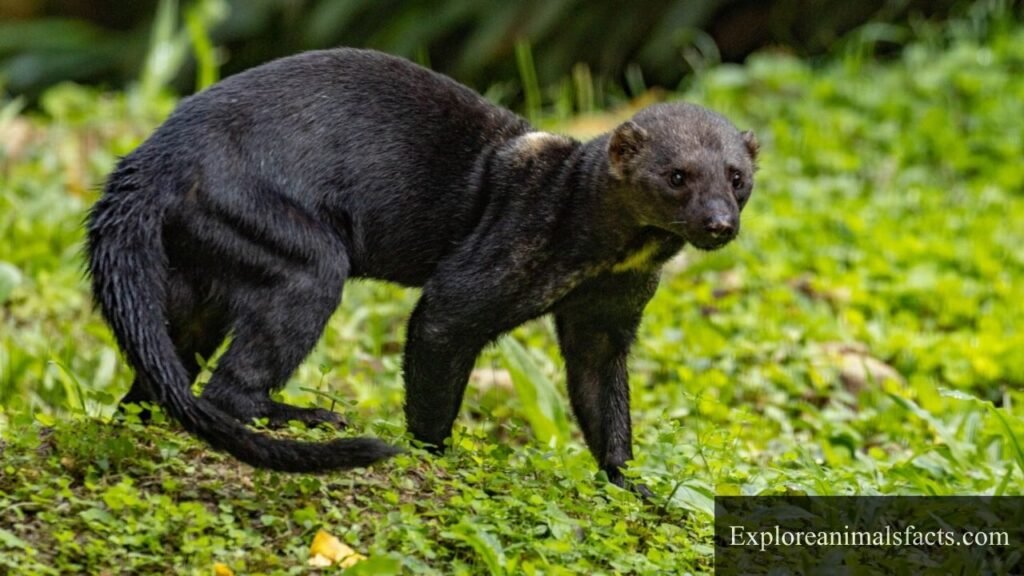
Unlike many other bushy-tailed creatures whose tails are primarily for display or warmth, the tayra employs its tail for both balance and maneuverability in its dense forest habitat. This adaptability makes the tayra an exceptional forager – it uses its long limbs and powerful body to access hard-to-reach fruits and nuts, showcasing an impressive blend of dexterity and intelligence. The combination of its thick fur and bushy tail creates a unique silhouette, reinforcing its place as an often-overlooked gem in the animal kingdom. Their vibrant, expressive tails are a reminder that evolution crafts not just for survival, but for the joy of movement and interaction in the wild.
Ringtail
Scientific Name: Bassariscus astutus
Class: Mammalia
Diet: Omnivore
The ringtail, often dubbed the “ringtail cat,” is a small mammal that defies traditional categorization. With its striking, bushy tail adorned with distinct dark and light rings, this nocturnal creature presents a fascinating blend of traits resembling both raccoons and cats. Despite its cat-like moniker, the ringtail is more closely related to the raccoon family, showcasing a unique adaptation to desert habitats, where its nimbleness and agility allow it to navigate rocky terrain with ease.
One of the most captivating aspects of the ringtail is its adaptability. Equipped with a prehensile tail that can function almost like an extra limb, it skillfully maneuvers through branches and can even aid in climbing. This functional bushiness isn’t just for show; it provides balance and enhances its ability to seize prey, such as insects or small mammals. The contrast between its warm fur and the cool desert nights highlights how nature cleverly equips creatures to thrive in their environments. Observing a ringtail in its element reveals a world of survival strategies and a deeper appreciation for the intricate web of life that sustains such unique animals.
Fox
Scientific Name: Vulpes vulpes
Class: Mammalia
Diet: Omnivore
The fox, often seen as a symbol of cunning and adaptability, captivates us not just with its intelligence but with its strikingly bushy tail. This impressive appendage, variously described as a brush or plume, serves multiple purposes beyond mere aesthetics. In colder climates, the bushy tail functions as a splendid wrap, helping these agile creatures conserve body heat during frigid nights. Moreover, it plays a crucial role in communication, with gestures and movements that convey emotions and intentions to other foxes — an eloquent language written in fur.
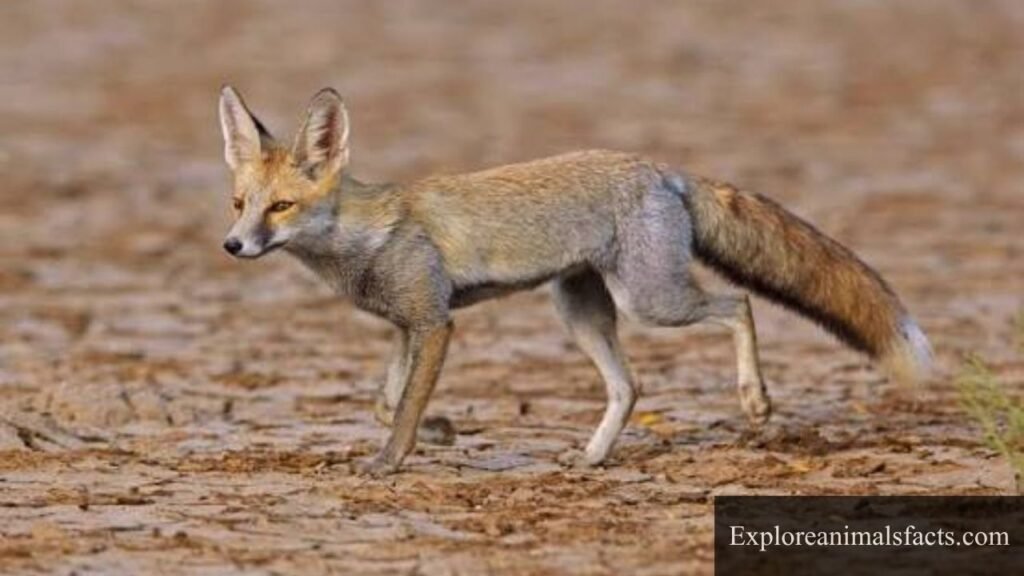
The fox’s tail is also an essential tool for balance, allowing for agile maneuvers as it darts through dense underbrush in pursuit of prey. These graceful movements are a testament to both the beauty and utility of the bushy tail, showcasing evolution’s ingenuity. As animals that thrive in various environments — from urban landscapes to rural woodlands — foxes remind us of nature’s adaptability. Their captivating presence, highlighted by that fluffy tail, invites us to delve deeper into the ecosystems they inhabit and the critical roles they play within them.
Kinkajou
Scientific Name: Potos flavus
Class: Mammalia
Diet: Omnivore
The kinkajou, often overshadowed by more familiar mammals, wields a unique charm with its bushy tail, which serves purposes beyond mere aesthetics. This tail, longer than its body, acts as a crucial fifth limb, aiding in agility while navigating the canopies of Central and South American rainforests. With a prehensile grip, the kinkajou can deftly swing from branch to branch, showcasing an extraordinary adaptability that allows it to thrive in diverse arboreal habitats.
These nocturnal creatures are not just acrobats of the trees but also masters of communication. Kinkajous have a fascinating range of vocalizations, from whistles to growls, which help them maintain social bonds in their small, tight-knit groups. Moreover, their diet, primarily composed of fruits, nectar, and occasionally insects, reveals their ecological role as pollinators, particularly for certain flowering trees. Observing the kinkajou in its natural habitat offers a glimpse into the intricate web of life where each bushy tail, including its own, plays a vital role in sustaining the delicate balance of the ecosystem.
Binturong
Scientific Name: Arctictis binturong
Class: Mammalia
Diet: Omnivore
The binturong, often affectionately called the “bearcat,” is a fascinating animal native to the rainforests of Southeast Asia. Its bushy tail, which can almost be as long as its body, serves not only as an essential tool for balance while navigating its arboreal habitat but also as a means of communication. Binturongs can manipulate their tails to express emotions and interact with each other, showcasing a level of social complexity not always associated with such creatures.
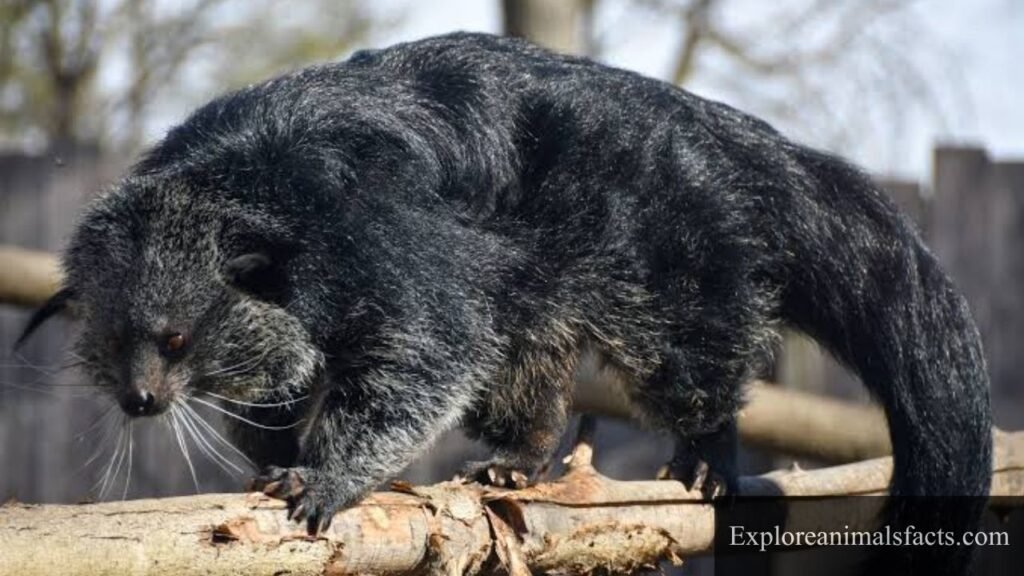
Beyond their striking appearance, binturongs have a unique ecological role. As fruit-eaters, they contribute to seed dispersal, helping maintain the health of their forest ecosystems. Their diet primarily consists of figs, which means that they play a significant part in the survival of certain tree species. These remarkable mammals are known for their musky scent, often compared to freshly popped popcorn, a curious aspect that adds to their allure. Understanding the binturong’s role in its environment not only underscores its importance but also highlights the intricate web of life in which these charming creatures thrive.
Sugar Glider
Scientific Name: Petaurus breviceps
Class: Mammalia
Diet: Omnivore
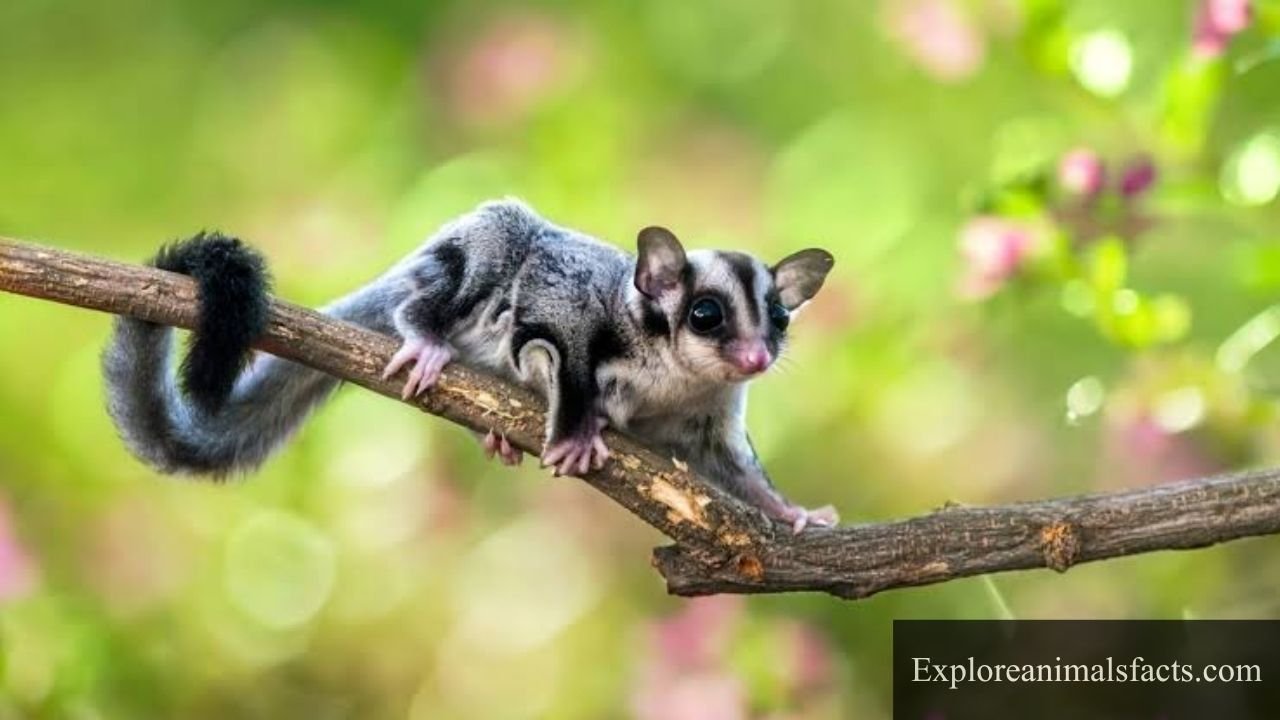
The sugar glider, a small marsupial native to Australia and New Guinea, is often recognized for its remarkable bushy tail, which serves more purposes than mere aesthetics. This charming creature uses its tail as a balancing tool while gliding from tree to tree, making it an essential part of its agile movements through the canopy. Interestingly, the tail also acts as a rudder, helping sugar gliders navigate sharp turns during their impressive flights that can span over 150 feet.
The bushy tail is a vital social signal. In the wild, sugar gliders communicate through body language, and their tail movements convey various messages to potential mates or fellow colony members. In captivity, owners often find that their pets express affection and mood through their tail positioning, making it an integral part of their personality. Observing a sugar glider’s tail can reveal much about its emotional state, transforming a simple glimpse into a rich tapestry of social interaction.
Ring-Tailed Lemur
Scientific Name: Lemur catta
Class: Mammalia
Diet: Omnivore
The ring-tailed lemur, with its strikingly bushy tail adorned with bold black-and-white rings, is more than just a captivating creature of Madagascar; it’s a symbol of the island’s unique biodiversity. These primates are known for their playful antics and social nature, often gathering in troops that can number up to 30 individuals. Their tails serve not only as an impressive display but also as a means of communication. By holding their tails high while bounding across the forest floor, they create a visual signal that aids in group cohesion and navigation through the dense foliage.
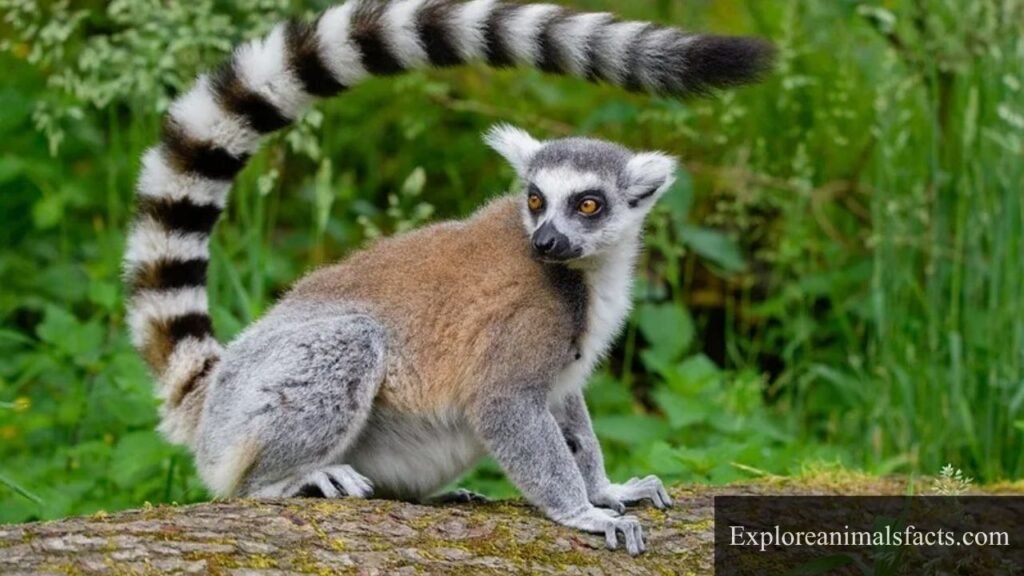
Beyond their charismatic appearance, ring-tailed lemurs demonstrate fascinating adaptations to their environment. They rely on both smell and sight to interact with their community, using scent markings to establish territory and social hierarchies. During the day, these creatures are incredibly active, employing their long limbs and bushy tails for balance as they navigate trees in search of fruits and leaves. Interestingly, their striking tails also play a role in thermoregulation, allowing them to manage body heat while basking in the sun — a clever interplay between beauty and survival in the wild. Their social dynamics and environment make them a fascinating study of life in Madagascar’s unique ecosystems.
Squirrel
Scientific Name: Sciuridae
Class: Mammalia
Diet: Omnivore
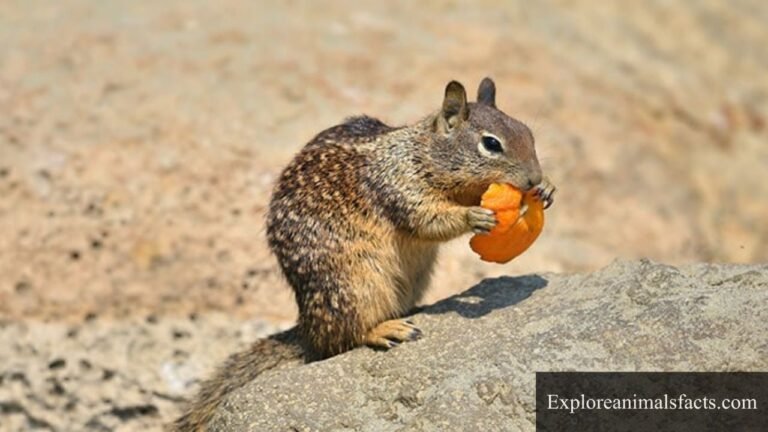
The squirrel, often seen darting through parks and backyards, is a master of agility and playfulness, thanks in part to its bushy tail. This plush appendage serves multiple purposes, from balance during fast-paced leaps to communication with fellow squirrels. When they flick their tails, it’s not merely a display of exuberance; it can signal alarm or even help establish dominance in social encounters. Observers might marvel at how these creatures use their tails as blankets when resting, creating a cozy refuge from chilly winds.
Squirrels aren’t just acrobatic little creatures; they play a crucial role in their ecosystems by aiding in forest regeneration. As they bury nuts and seeds — an instinctual behavior for winter survival — they often forget these hidden treasures, allowing new trees to sprout. This forgetfulness highlights their ecological importance, showcasing how a seemingly simple animal can contribute significantly to the health of its environment.
Giant Anteater
Scientific Name: Myrmecophaga tridactyla
Class: Mammalia
Diet: Insectivore
The giant anteater boasts a surprisingly bushy tail that adds to its unique charm. This lengthy appendage, which can reach nearly 3 feet, serves a vital role beyond mere aesthetics; it helps with balance as the anteater navigates its forested habitat. With a tail that can sway gracefully like a feathered quill, it provides stability while the creature forages for its staple diet of ants and termites, a fascinating adaptation that speaks volumes about its evolutionary journey.
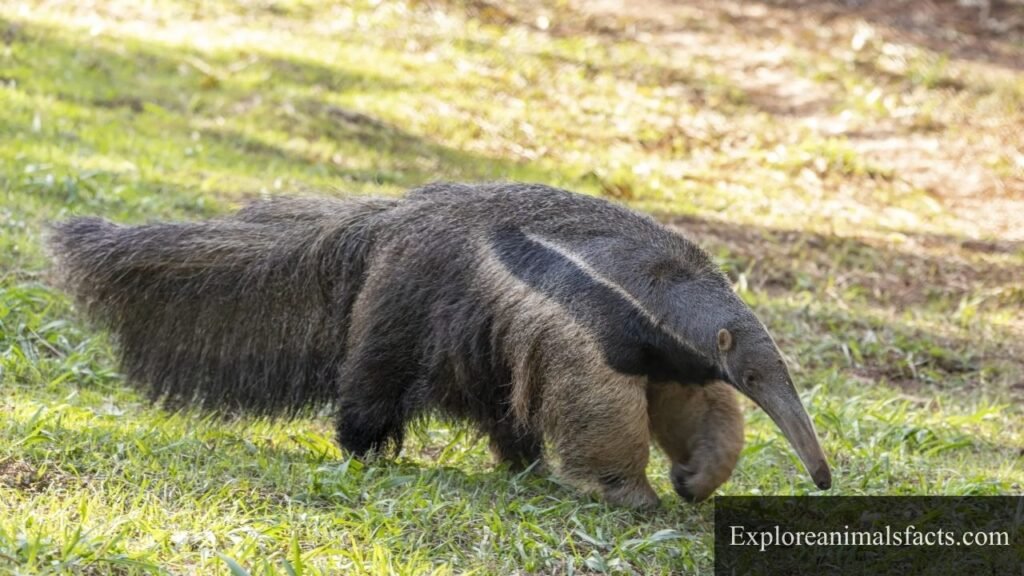
The bushy tail acts as a means of communication, particularly during courtship or when establishing territory. Anteaters use their tails to convey signals to other anteaters, engaging in a silent yet expressive form of dialogue. As they curl up their tails, they create an impressive silhouette, turning their form into a visual cue that can be both intimidating and attractive. By observing these subtle behaviors, one can appreciate the intricate dance of survival and connection that defines the life of a giant anteater in its natural habitat.
Striped Skunk
Scientific Name: Mephitis mephitis
Class: Mammalia
Diet: Omnivore
The striped skunk, often recognized for its bold black-and-white coloration, possesses a bushy tail that is as functional as it is striking. This appendage serves not just for balance; its flamboyant puff can communicate a range of emotions. When threatened, a skunk may raise its tail to signal potential danger, while the tail’s sweeping action during courtship displays adds a theatrical flair to their mating rituals.
The tail plays a vital role in their unique defense mechanism. With a remarkable ability to spray a foul-smelling liquid, skunks rely on their tail’s dexterity to aim accurately. This clever adaptation deters predators and acts as a powerful message: “Don’t mess with me!” Furthermore, their nocturnal nature allows skunks to navigate the dark with ease, using their bushy tails as a rudder while scouring for insects, fruits, and, occasionally, human leftovers. In appreciating the striped skunk, one finds a fascinating blend of beauty, practicality, and survival instinct intertwined in nature’s design.
North American Porcupine
Scientific Name: Erethizon dorsatum
Class: Mammalia
Diet: Herbivore
The North American porcupine, with its distinctive bushy tail, embodies a unique blend of charm and defensiveness. While many might see its quills as a deterrent, the fluffy tail serves a crucial role in social interactions, taking cues from the animal’s behavior. When threatened, a porcupine might elevate its tail, displaying a feathery shield while simultaneously signaling its readiness to engage defensively or retreat.
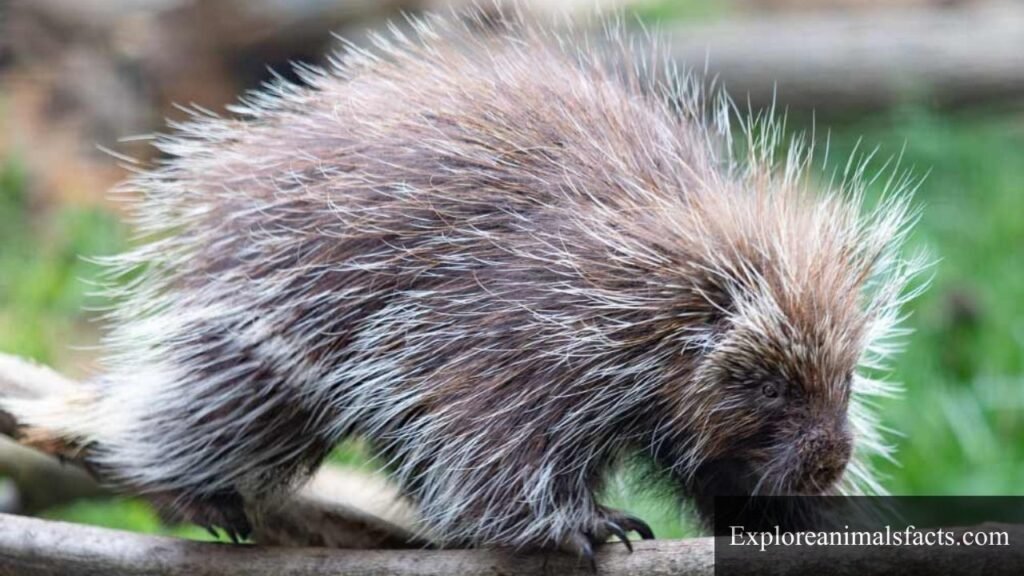
These creatures are not just equipped with a formidable defense; their tails also assist in climbing trees, where they spend much of their time foraging for leaves and bark. This arboreal lifestyle not only provides safety from ground predators but also places them in an ecosystem rich with opportunities for foraging diverse plant species. Through a close examination of their diet, one can appreciate how the porcupine’s bushy tail is more than mere fluff — it’s an emblem of their adaptability in a dynamic environment where survival often hinges on both offense and defense.
Raccoon
Scientific Name: Procyon lotor
Class: Mammalia
Diet: Omnivore
Raccoons, often recognized for their striking black-and-white facial markings, boast a bushy tail that plays a key role in their communication and daily activities. These tails, adorned with distinct rings, serve as both a balancing tool during their acrobatic climbs and a tactile aid, guiding them through dense forests and urban landscapes alike. Not just a simple appendage, the bushy tail acts almost like a banner, signaling to other raccoons. When displaying it during social interactions, a raccoon can convey various moods — from playfulness to territorial warnings.
The bushy tail also offers practical benefits. Raccoons are primarily nocturnal foragers, and their bushy tails can help with camouflage in low-light environments, blending them seamlessly into the shadows of wooded areas or urban parks. Furthermore, these clever animals use their tails as a means of communication within the darkness, swaying and flicking to send messages about threats or potential mates, ensuring a rich social life amidst the complexities of their environments. The raccoon’s tail, therefore, is more than just a physical attribute; it’s an essential component of their adaptability and social structure, making them truly fascinating creatures.
Bushy-Tailed Mongoose
Scientific Name: Bdeogale crassicauda
Class: Mammalia
Diet: Carnivore
The bushy-tailed mongoose, often overshadowed by its cousins, possesses a long, fluffy tail that acts as a balancing tool when navigating rocky terrains. This creature is not just a marvel of adaptation but also a stunning example of nature’s artistry. The bushiness of its tail serves a dual purpose: besides aiding in agility and balance, it also plays a vital role in social communication among these animals. When threatened, a bushy-tailed mongoose can fluff up its tail, appearing larger and more intimidating to potential predators.
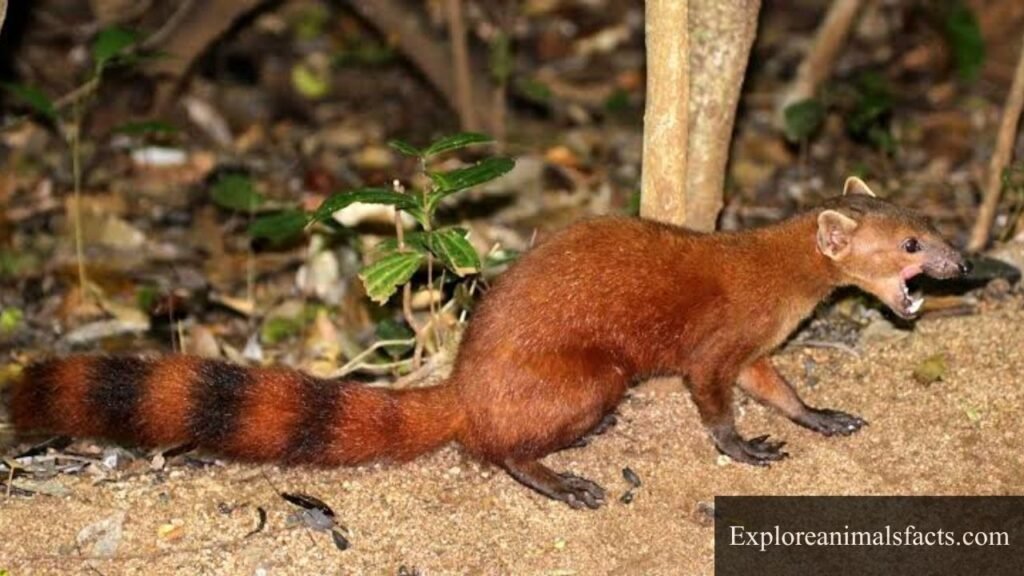
These animals are more than just their tails; they possess a complex social structure that revolves around cooperative foraging and caretaking of the young. Families of bushy-tailed mongooses often work together to scout for food, sharing the spoils of their successful hunts. This communal behavior not only enhances survival rates but also strengthens social bonds, showcasing an extraordinary level of cooperation rarely seen in the animal kingdom. Studying their interactions provides insightful lessons on social dynamics and survival strategies, reminding us that even the less-celebrated creatures of the wild contribute to the intricate tapestry of ecosystem balance.
Readmore: Explore Top 20 Animals Without Legs.
Final Thoughts
The diversity of animals with bushy tails highlights the remarkable ways nature has equipped species for survival. From their function as tools for communication to their role in enhancing movement, bushy tails are much more than a distinguishing feature. Each tale told through these tails adds to the rich tapestry of life on Earth, reminding us of the interconnectedness of all living beings. As we learn more about these fascinating animals, we also gain insight into the importance of preserving their habitats. Let us commit to protecting these wonderful species, ensuring that future generations can enjoy the wonder of animals with bushy tails.
FAQs
What animal has the fluffiest tail in the world?
The animal with the fluffiest tail is often considered to be the red fox. Their bushy, vibrant tails can be quite impressive, especially when they flick them playfully. The tail not only adds to their charm but also serves practical purposes in the wild, like balancing and keeping warm during cold months.
What animals have stubby tails?
Some animals well-known for their stubby tails include the Manx cat, which is famous for its lack of a long tail. This breed comes in various coat colors and patterns but shares the characteristic of a short or even absent tail due to a genetic mutation. Another example is the bulldog. Their tails are often short and can be straight or corkscrew-shaped, adding to their distinctive appearance. Similarly, many types of rodents, like the Pika, have stubby tails that blend well with their compact bodies, making them well-suited to their habitats.
Do foxes have skinny tails?
Foxes typically have bushy tails rather than skinny ones. Their tails, often called “brushes,” are thick and covered in fur. These tails serve various purposes, such as helping with balance while running and acting as a warm blanket during colder months.