Top 15 Animals With Pouches (With Images)
Animals with pouches, like kangaroos and koalas, offer a fascinating glimpse into the diverse strategies of nature. Exploring these unique creatures helps us understand evolutionary adaptations and the important roles they play in their ecosystems. In this article, we’ll dive into the world of pouch-bearing animals, highlighting their extraordinary traits and behaviors that make them so captivating.
What are Marsupials?
Marsupials are a unique group of mammals primarily characterized by their distinctive reproductive process. They belong to the subclass Metatheria and are best known for giving birth to relatively undeveloped young that continue to develop in a pouch on the mother’s abdomen. This pouch provides a safe environment for the young, allowing them to nurse and grow for several months until they are ready to venture out.
The most recognizable marsupials include kangaroos, koalas, and opossums. They are primarily found in Australia and nearby islands, but some, like the opossum, can be found in the Americas. Marsupials exhibit a diverse range of habitats and lifestyles, from the tree-dwelling koala to the ground-dwelling kangaroo, showcasing their adaptability within various environments.
List of Animals With Pouches
Here is the list of animals with pouches:
- Wombat
- Bandicoots
- Koalas
- Tasmanian Devils
- Musky Rat Kangaroo
- Numbat
- Quokkas
- Quoll
- American Opossums
- Tree-Kangaroo
- Echidna
- Kangaroos
- Bilby
- Sugar Gliders
- Wallaby
Wombat
Scientific Name: Vombatus ursinus
Class: Mammalia
Diet: Herbivore
Wombats are often overlooked in discussions about wildlife, yet they boast some truly fascinating traits. Unlike their kangaroo cousins, wombats have a unique backward-facing pouch that serves a practical purpose; it prevents dirt from entering while they dig extensive burrow systems. These burrows can stretch up to 100 meters long, creating elaborate underground networks that not only provide shelter but also play a crucial role in their social interactions and territorial disputes.
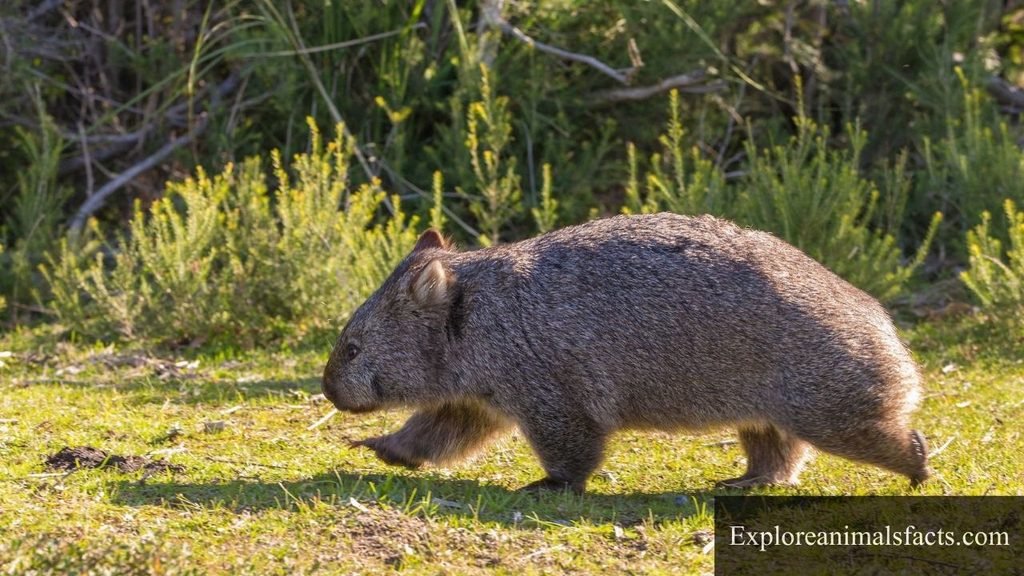
Beyond their clever anatomical adaptations, wombats are endearing creatures with a surprising sense of individuality. Each wombat has its own distinct personality, exhibiting behaviors ranging from playful curiosity to stubborn independence. Observing these nocturnal animals as they graze on native grasses or interact with their environment reveals much about their complex world. Sadly, habitat loss and climate change pose significant threats to their populations, raising the stakes for conservation efforts to protect these intriguing marsupials and their unique lifestyle.
Bandicoots
Scientific Name: Peramelidae
Class: Mammalia
Diet: Omnivore
Bandicoots bring a unique charm to Australia’s biodiversity. These small marsupials, resembling a cross between a rabbit and a rat, sport long snouts and a distinctive, spiky coat that allows them to navigate the underbrush with ease. Unlike their more famous cousins, the kangaroos, bandicoots have a less prominent role in popular culture, yet their fascinating behaviors and ecological roles are worthy of attention. They are nocturnal foragers, digging through soil in search of insects and tubers, making them crucial for soil aeration and nutrient cycling.
What truly sets bandicoots apart is their unique reproductive strategy. Female bandicoots have a well-developed pouch for sheltering their young, but unlike other marsupials, their pouches face backward. This adaptation allows mothers to dig for food without the risk of dirt filling the pouch. After a birth that lasts only 12 days, the tiny, underdeveloped young crawl into the pouch to continue their development. This intriguing feature, combined with their elusive nature, offers a glimpse into the evolutionary innovations that marsupials have adapted in response to their environments. Understanding these remarkable creatures deepens our appreciation for the intricate tapestry of wildlife that thrives quietly in Australia’s ecosystems.
Koalas
Scientific Name: Phascolarctos cinereus
Class: Mammalia
Diet: Herbivore
Koalas embody a unique blend of elegance and ecological intrigue. Their pouches serve a dual purpose, not only providing a safe haven for the young but also acting as a climate-controlled environment, shielding vulnerable joeys from the relentless Australian sun and harsh elements. This remarkable adaptation allows mothers to nurture their offspring effectively while remaining mobile among the eucalyptus trees that define their habitat.
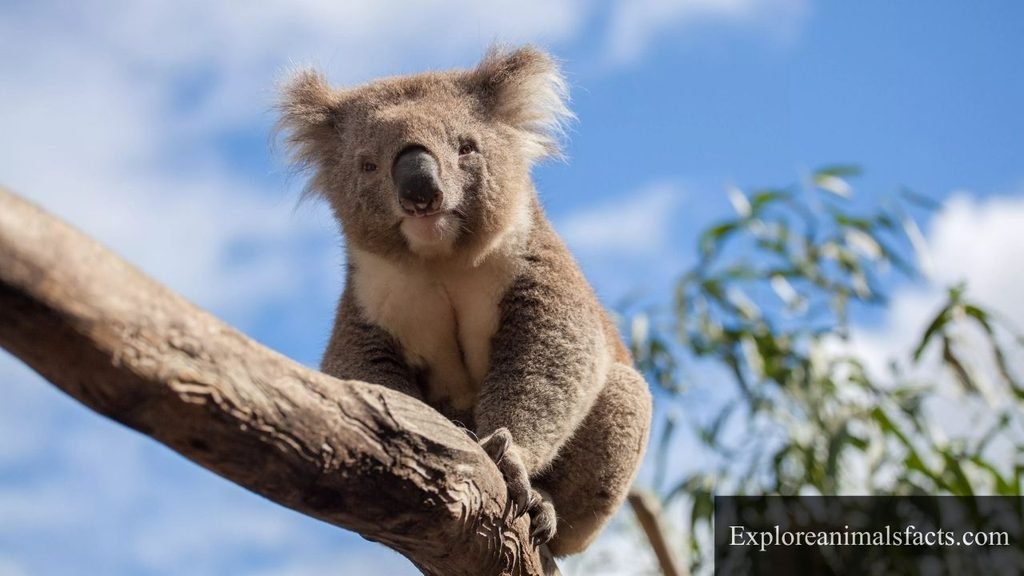
Beyond their pouch, koalas have developed a strikingly specialized diet, relying almost exclusively on eucalyptus leaves, which are low in nutrients and high in toxins. This dietary choice highlights the evolutionary trade-offs they face; while their selection of food limits competition, it also necessitates a sluggish lifestyle, as the leaves provide little energy.
Interestingly, koalas have a unique digestive system that has adapted to break down these tough leaves, a testament to the intricate relationships within their ecosystem. Each health challenge they face serves as a reminder of the delicate balance of their environment, making their conservation even more crucial in an era of rapid ecological change.
Readmore: Explore Top 15 Animals That Whistle.
Tasmanian Devils
Scientific Name: Sarcophilus harrisii
Class: Mammalia
Diet: Carnivore
Tasmanian devils, iconic marsupials native to the island of Tasmania, carry a unique blend of fierce tenacity and vulnerability. These small but sturdy predators have a distinctive pouch, which is integral not just for nursing their young but also for their survival instincts. Unlike other marsupials, females only use their pouch during the breeding season to protect their tiny, helpless offspring, which cling to their mother for warmth and nourishment in those formative weeks.
Beyond their captivating reproductive adaptations, Tasmanian devils exhibit a fascinating social dynamic, often seen scavenging in family groups. Their notorious vocalizations, resembling a series of grunts and growls, reflect a complex communicative behavior. However, these tenacious creatures are now facing grave challenges, such as the contagious facial tumor disease that has ravaged their population. Conservation efforts aim to not only save these remarkable animals but also to safeguard the intricate ecosystem of Tasmania that thrives alongside them, highlighting the delicate balance of nature and the importance of biodiversity.
Musky Rat Kangaroo
Scientific Name: Hypsiprymnodon moschatus
Class: Mammalia
Diet: Omnivore
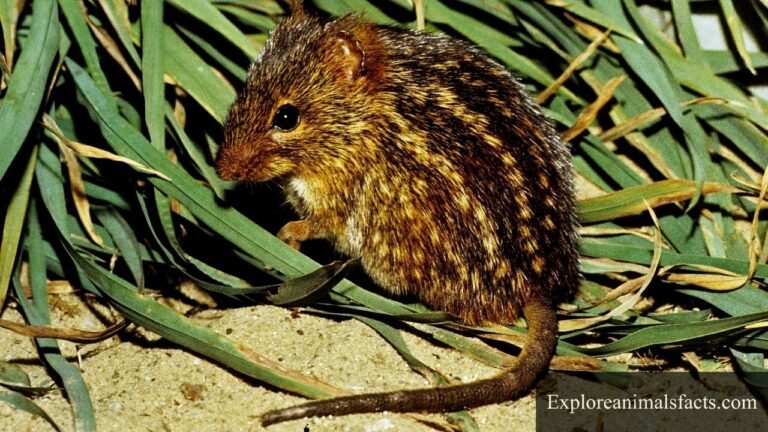
The musky rat kangaroo, a diminutive creature native to the rainforests of New Guinea and surrounding islands, showcases a fascinating intersection of evolution and adaptation. Unlike its larger kangaroo cousins, this compact marsupial possesses a unique combination of features — its pouch is not merely for carrying young but also plays a crucial role in providing warmth and protection in the humid forest environment. The pouch opens towards the rear, preventing dirt and foliage from entering, highlighting nature’s ingenuity in addressing ecological challenges.
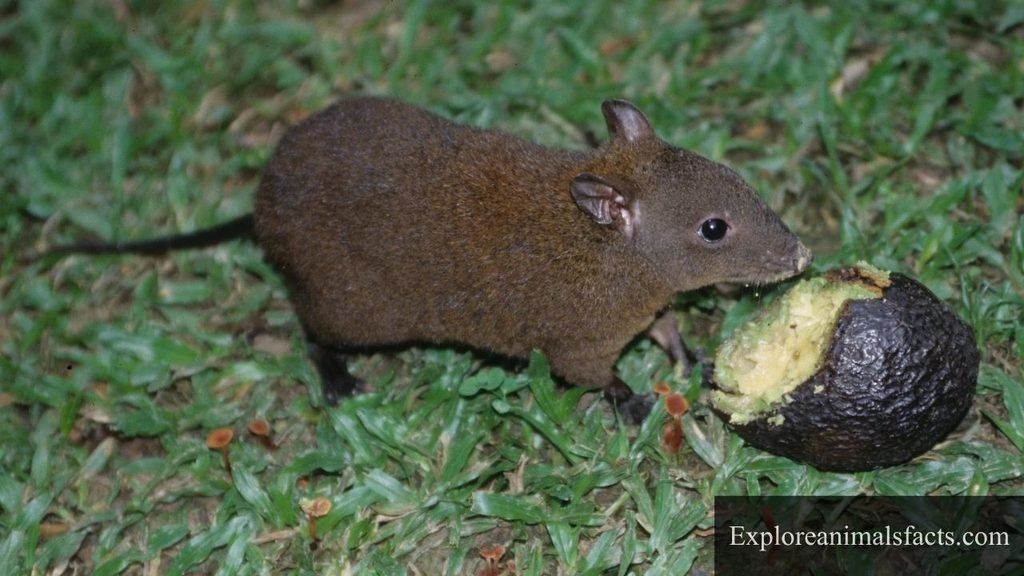
Beyond its pouch, the musky rat kangaroo exhibits extraordinary behaviors that set it apart in the animal kingdom. Its arboreal lifestyle includes climbing with remarkable agility, using its strong limbs for both locomotion and gripping branches. Interestingly, it has a diet that comprises primarily of fruits and leaves, which means its survival strategies extend beyond traditional foraging methods. As we delve deeper into the life of this unique marsupial, we uncover a species that not only adapts to its habitat but does so with a distinct flair, embodying the mysteries of evolution in one of the world’s most biodiverse regions.
Numbat
Scientific Name: Myrmecobius fasciatus
Class: Mammalia
Diet: Insectivore
The numbat, a charming marsupial native to Australia, offers a remarkable glimpse into the evolutionary wonders of pouch-bearing animals. Unlike many of its relatives, the numbat sports a rare diet primarily consisting of termites, showcasing its unique adaptation. This specialization not only influences its feeding behavior but also promotes ecological balance, as the numbat’s foraging helps control termite populations. Observing a numbat in the wild is a delightful experience; their signature striped coats and agile movements make them a captivating subject for wildlife enthusiasts and photographers alike.
Sadly, the numbat faces threats from habitat loss and invasive species, putting its future at risk. Conservation efforts have become crucial, as initiatives to restore its natural habitats and manage invasive predators aim to safeguard this extraordinary creature. The numbat reminds us of the fragility of ecosystems and the importance of preserving biodiversity. Each encounter with this elusive marsupial serves as a reminder of nature’s intricate connections, and the profound responsibility we bear in protecting such unique wildlife for future generations.
Quokkas
Scientific Name: Setonix brachyurus
Class: Mammalia
Diet: Herbivore
Quokkas, often dubbed “the world’s happiest animals,” carry a charm that extends beyond their infectious smiles. Native to Australia, these small marsupials belong to the macropod family, which also includes kangaroos and wallabies. What sets quokkas apart is their unique social behavior; they often display curiosity, approaching humans without fear, which has made them a favorite among photographers seeking that perfect shot. This endearing nature has earned them a special place in Australian wildlife tourism, with some calling them the “Instagrammable” marsupials.
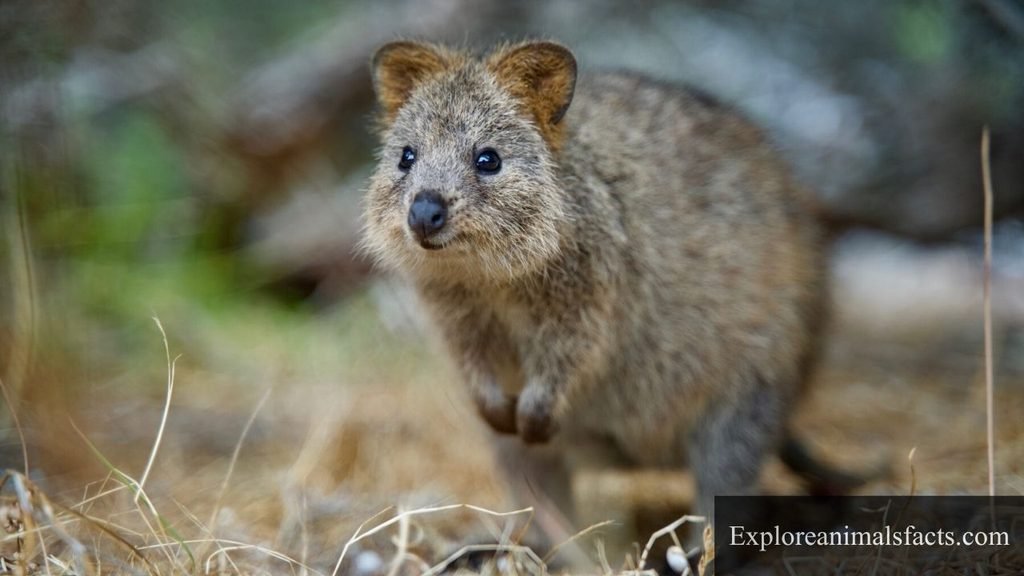
Beyond their captivating demeanor, quokkas play a significant role in their ecosystem. Their foraging habits, primarily consisting of leaves and grasses, help maintain the health of their habitat. As they navigate the underbrush, they inadvertently assist in seed dispersion, promoting the growth of native flora. Unfortunately, their populations have been threatened by habitat loss and predation, prompting conservation efforts aimed at preserving these adorable creatures. Engaging with quokkas in their natural settings invites us to reflect not only on their ecological importance but also on our role in protecting the unique biodiversity of our planet.
Quoll
Scientific Name: Dasyurus
Class: Mammalia
Diet: Carnivore
Quolls, small carnivorous marsupials native to Australia and New Guinea, are remarkable for their striking appearance and intriguing behaviors. With their spotted coats and keen hunting instincts, these nocturnal creatures have evolved into skilled predators, often found in a variety of habitats, from rainforests to savannahs. Their pouches, unlike those of kangaroos, serve a unique purpose: they protect their young while allowing the mother to remain agile and active in pursuit of prey.
The complexity of the quoll’s social behavior adds another layer of fascination. Unlike many solitary marsupials, quolls exhibit a degree of social structure that can involve hierarchies and even cooperative breeding. Female quolls can have multiple offspring, and their pouch provides not only a safe haven for the young but also an environment where they can grow and develop in the critical early weeks of life. This dynamic creates a compelling narrative of survival, highlighting the roles of both maternal care and adaptability in a changing environment.
American Opossums
Scientific Name: Didelphis virginiana
Class: Mammalia
Diet: Omnivore
American opossums, the only marsupials native to North America, are fascinating creatures that often get overlooked in discussions about wildlife. One of their standout features is their remarkable pouch, which plays a crucial role in the nurturing of their young. Unlike many other marsupials where the pouch is developed for extended periods, an opossum’s pouch is a temporary haven for newly born, underdeveloped joeys. After an intricate gestation period of only about 12 days, these tiny, hairless infants crawl into the safety of the pouch to continue their development, clinging to their mother’s teats for nourishment.
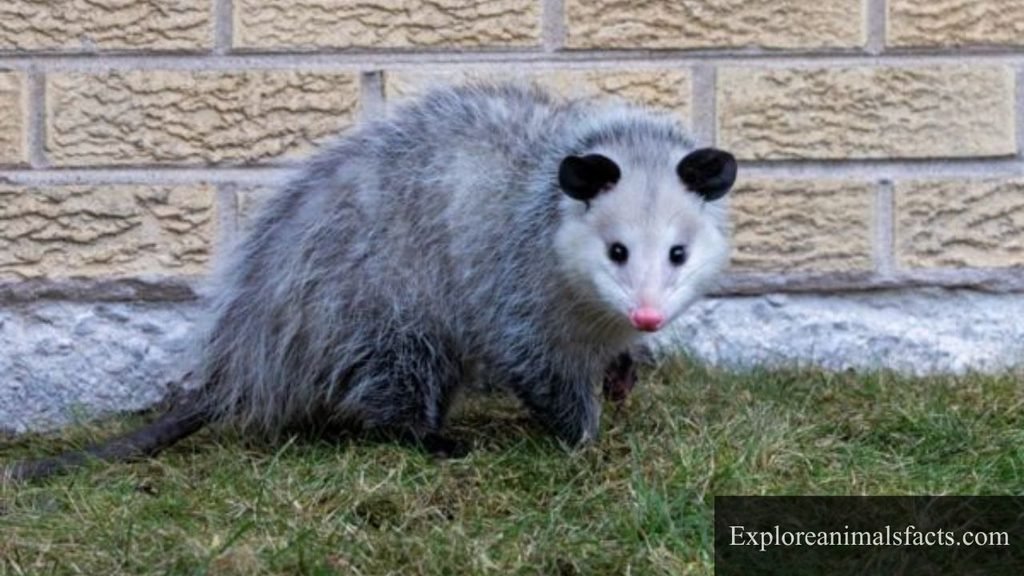
Beyond their pouch, opossums are remarkable for their unique adaptability and resilient survival strategies. Often mischaracterized as pests, they are nature’s clean-up crew, consuming pests like ticks and insects, thereby playing a vital role in controlling the ecosystem. Interestingly, they possess a remarkable immune system that makes them resistant to many diseases, including rabies. Their defensive behaviors, including “playing dead,” add to their quirky charm, allowing them to evade predators effectively. In this way, the American opossum showcases not just its nurturing instincts through its pouch but also its significant contribution to environmental health.
Tree-Kangaroo
Scientific Name: Dendrolagus
Class: Mammalia
Diet: Herbivore
The tree-kangaroo, a fascinating relative of the kangaroo, flips the script on traditional marsupial life. Unlike its ground-dwelling counterparts, this arboreal marvel has adapted to life high up in the treetops of the rainforests in Australia and New Guinea. With its strong limbs and long tail for balance, the tree-kangaroo effortlessly navigates through the canopy, showcasing an agility that contrasts sharply with the iconic hopping of its more terrestrial relatives.
Beyond its natural grace, the tree-kangaroo’s pouch serves a crucial purpose in nurturing its young, allowing them to develop safely as they begin their lives in a precarious environment. This pouch is not just a shelter; it’s an evolutionary advantage, enabling the young to remain close to their mother as they learn the intricacies of climbing and foraging in an expansive and often dangerous habitat. Each moment they spend in the pouch fosters a unique bond, ensuring that the next generation is equipped with the skills to thrive amid the lush foliage.
Echidna
Scientific Name: Tachyglossidae
Class: Mammalia
Diet: Insectivore
The echidna is a fascinating creature with unique adaptations that challenge our understanding of mammalian biology. While the echidna does not possess a true pouch in the way marsupials like kangaroos do, females have a specialized structure in their bodies that functions similarly during the reproductive process. After laying a single egg, she incubates it in a temporary pouch-like fold of skin, allowing for optimal warmth and protection as it develops. This intriguing adaptation highlights the evolutionary ingenuity of creatures that blur the lines between traditional classifications.
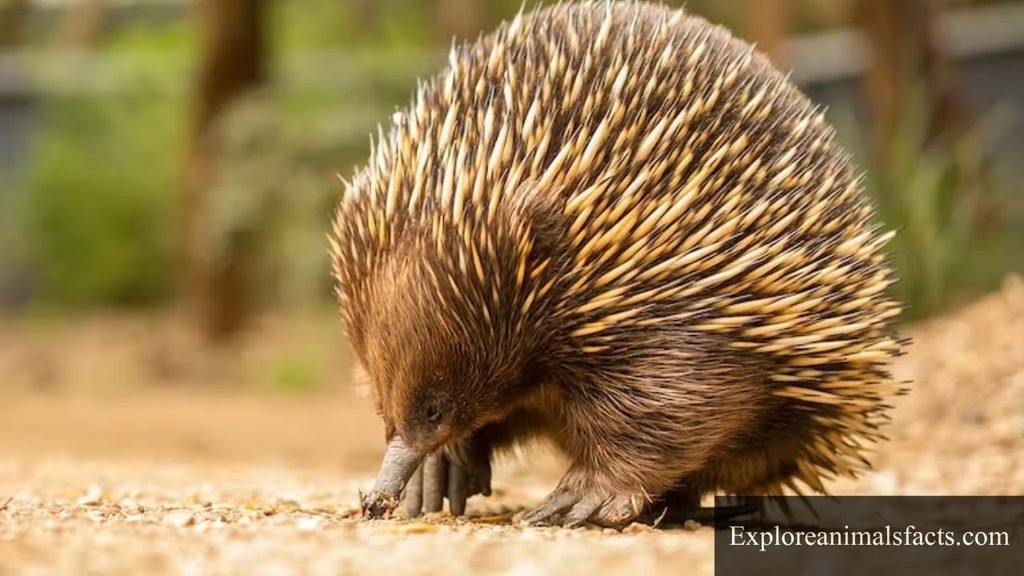
What makes the echidna even more captivating is its ability to thrive in diverse environments, from arid deserts to lush forests. With a spiky, protective exterior and a long, slender snout, it has adapted an unusual diet of ants and termites, using its specialized tongue to extract its food from their underground hideouts. This foraging behavior not only showcases their incredible dexterity but also plays a vital role in maintaining ecological balance by aerating soil and controlling insect populations. Observing these remarkable animals in their natural habitat invites deeper appreciation for the intricate relationships that fuel our planet’s biodiversity.
Kangaroos
Scientific Name: Macropus
Class: Mammalia
Diet: Herbivore
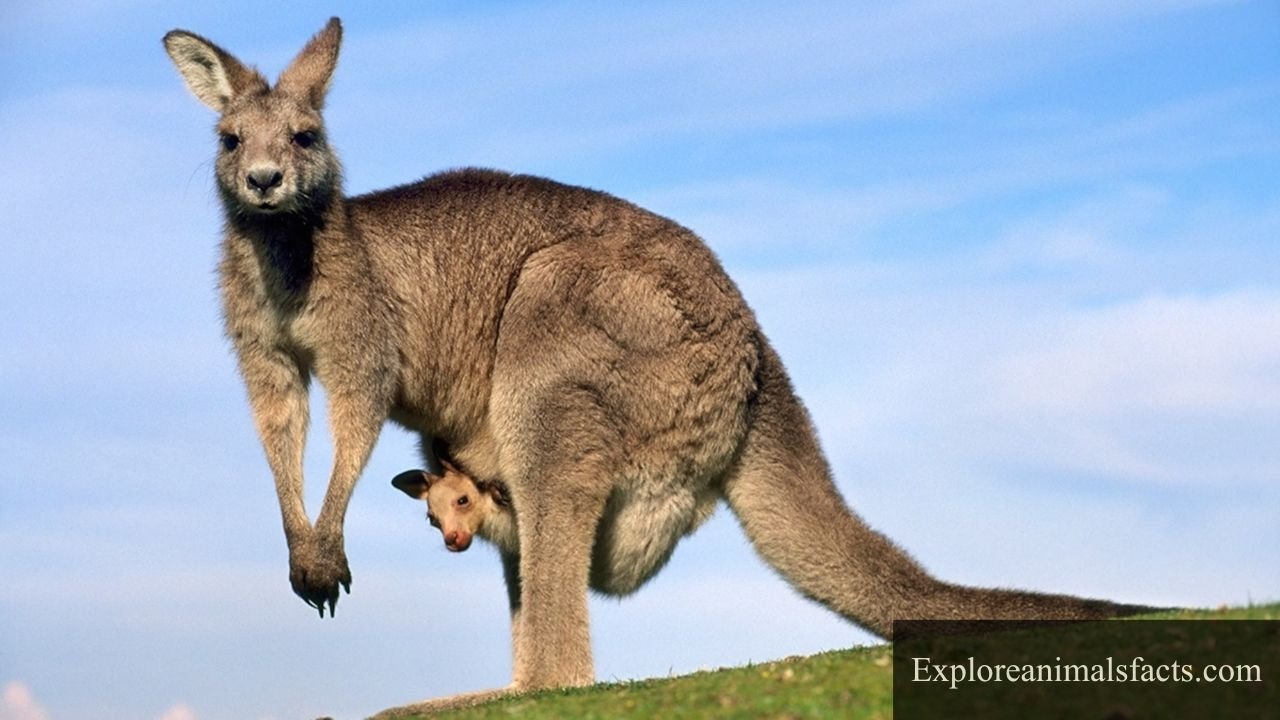
Kangaroos, with their iconic pouches, embody a unique evolutionary adaptation that not only serves practical purposes but also captivates our imagination. These marsupials utilize their pouches as safe havens for their young, allowing them to grow and develop while remaining secure from predators. Interestingly, the pouch is not merely a storage compartment; it has specialized muscles that enable it to open and close, ensuring the joeys can easily access their mother’s warmth and milk at any time.
But the functionality of the pouch extends beyond mere nurturing. It plays a crucial role in the kangaroo’s social interactions. Young kangaroos often display a range of behaviors while nestled inside their mother’s pouch, from vocalizations to playful movements, which foster bonding and learning. As they peek out to observe the world, they gain critical early experiences that shape their development and social skills, preparing them for life outside the pouch. This nurturing environment serves as a microcosm of kangaroo society, where the values of connection and protection are intricately woven into the fabric of their daily lives.
Bilby
Scientific Name: Macrotis
Class: Mammalia
Diet: Omnivore
Among the unique inhabitants of Australia, the bilby stands out not just for its striking appearance, with large ears and a long, pointed snout, but also for its fascinating reproductive strategy. Bilbies are marsupials, meaning their young develop in pouches, a remarkable adaptation that ensures the survival of their vulnerable offspring. Unlike the more well-known kangaroo, the bilby’s pouch opens backward, providing protection as the mother digs underground — a clever evolutionary trait that minimizes dirt entering the pouch while she forages or seeks refuge.
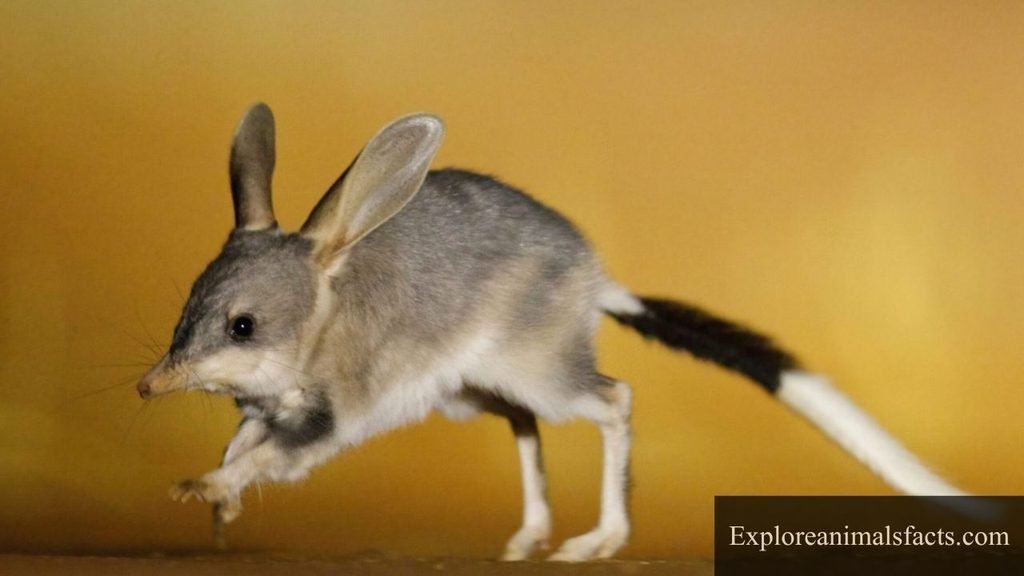
What makes bilbies particularly captivating is their critical role in the ecosystem as “ecosystem engineers.” By burrowing into the ground, they aerate the soil and help in seed dispersal, supporting plant growth and biodiversity. With their nocturnal habits and a diet that ranges from insects to roots, bilbies maintain a delicate balance within their arid habitats. Unfortunately, these charming creatures face threats from habitat destruction and invasive species. Efforts to conserve bilby populations not only focus on protecting these remarkable animals but also highlight the interconnectedness of all species within Australia’s unique ecosystems, emphasizing why every creature, pouch or not, plays a vital role in our world.
Sugar Gliders
Scientific Name: Petaurus breviceps
Class: Mammalia
Diet: Omnivore
Sugar gliders are fascinating marsupials, renowned for their unique blend of charm and practicality. Native to Australia and New Guinea, these nocturnal creatures boast a remarkable gliding membrane that stretches from their wrists to their ankles, allowing them to soar gracefully between trees. This adaptation not only aids in their foraging for food — primarily fruits and insects — but also enables them to escape predators with incredible agility, captivating anyone fortunate enough to witness their aerial acrobatics.
Equally captivating is the role of the pouch in the life of a sugar glider. Like other marsupials, females have a specialized pouch that provides a secure environment for their developing young. After a short gestation period of about 16 days, the tiny, underdeveloped joeys crawl into the pouch, where they remain for several weeks, attaching themselves to a nipple for nourishment. This unique reproductive strategy allows them to maximize growth in safety, ensuring that they are better equipped to face the world upon emerging. The sight of a mother sugar glider nurturing her young is a heartwarming testament to the intricate bonds formed in the animal kingdom, revealing a softer side to these agile acrobats that many may overlook.
Wallaby
Scientific Name: Macropodidae
Class: Mammalia
Diet: Herbivore
Wallabies are fascinating marsupials that embody a unique blend of strength and gentleness. These agile creatures are specially adapted to their environment: their powerful hind legs enable incredible leaps, allowing them to traverse the diverse Australian outback with ease. The subtle grace with which they move belies their robust build, making them a symbol of resilience in harsh conditions.
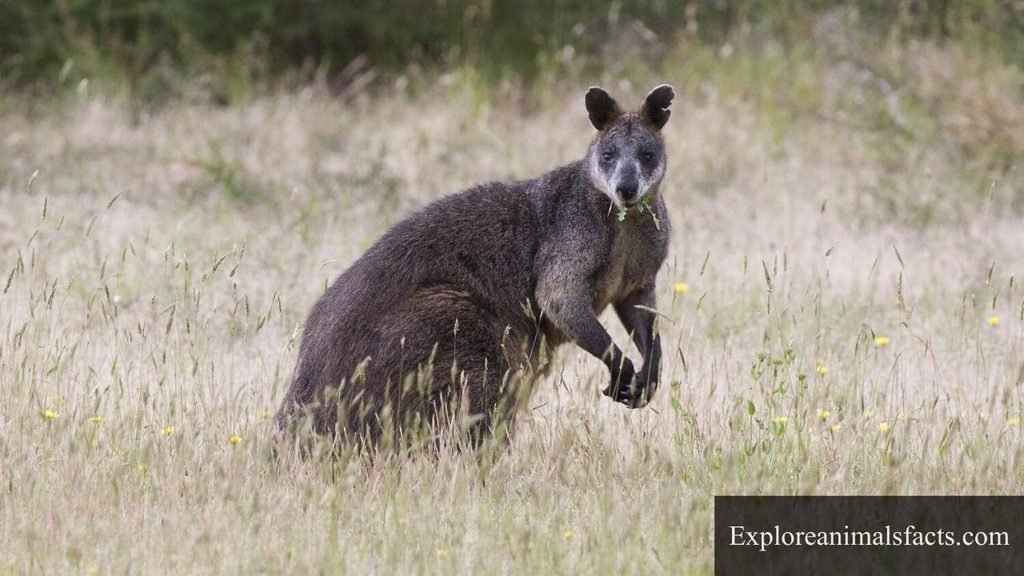
What truly sets wallabies apart is their nurturing pouch, which serves as a remarkable evolutionary feature. This pouch not only offers safety for their young during the crucial early months of life, but it also adapts to their growing needs. As a wallaby’s joey matures, it will often peek out to observe the world, fostering a bond between mother and child that is as captivating as it is essential for survival. Watching a young wallaby gradually venture outside the comforts of its mother’s pouch offers a poignant glimpse into the tender side of nature — a reminder of the intricate balance between vulnerability and independence in the animal kingdom.
Final Thoughts:
The diverse group of pouch-bearing animals showcases nature’s remarkable ingenuity in the way it equips species to thrive in varied environments. Whether it’s the speedy wallaby or the elusive quokka, each animal plays a crucial role in maintaining ecological balance. However, many of these species are at risk due to habitat loss and climate change. By understanding their lifestyles and the challenges they face, we can work towards ensuring their survival for future generations. Join the movement to protect these unique creatures and help maintain the biodiversity of our planet.
FAQs
Which animal carries its baby in pouch?
The animal that famously carries its baby in a pouch is the kangaroo. Kangaroos belong to a group of mammals called marsupials. After a short gestation period, the tiny newborn climbs into its mother’s pouch to continue developing, where it stays safe and nurtured for several months.
Other marsupials, like wallabies and opossums, also have pouches. This unique feature helps ensure that their young can grow in a protected environment outside the womb.
Do male kangaroos have pouches?
No, male kangaroos do not have pouches. Only female kangaroos possess pouches, which they use to carry and nurture their young.