Explore Top 25 Animals With Lowest IQ (With Images)
Ever wondered which animals struggle the most with complexity and problem-solving? The reality is that a host of creatures exist with notably low IQs, and their quirks can be both entertaining and enlightening.
In this piece on Animals With Lowest IQ, we’ll highlight some of these species and discuss the implications of their limited cognitive abilities. Discover how these unique animals remind us of the incredible variety in nature and the many ways life adapts.
List of Animals With Lowest IQ
Below is the list of animals with lowest IQ:
- Cane Toads
- Oysters
- Ostriches
- Starfish
- Slow Loris
- Flatworms
- Horned Lizard
- Koalas
- Slugs
- Sea Cucumber
- Norwegian Lemmings
- Sea sponge
- Kakapos
- Pandas
- Coral
- Jerboas
- Killdeer
- Jellyfish
- Turkeys
- Komodo Dragons
- Secretary Birds
- Goldfish
- Flamingos
- Snails
- Sloths
Cane Toads
Scientific Name: Rhinella marina
Class: Amphibia
Diet: Omnivore
Cane toads, often regarded as one of the least intelligent animals, reveal a surprising array of behaviors that challenge our conventional notions of intelligence. Despite their low IQ, these amphibians exhibit an impressive adaptability to various environments, allowing them to thrive in places where other species struggle. Their opportunistic feeding habits and resilient reproductive strategies demonstrate a form of survival intelligence, essential for their success in ecosystems that are often inundated with challenges.
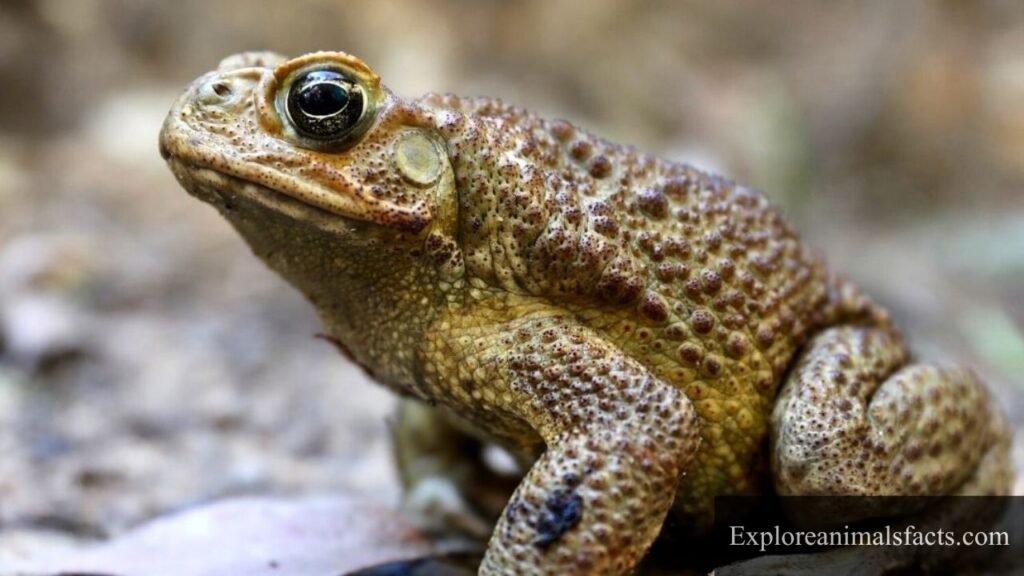
Interestingly, while cane toads may not excel in problem-solving or learning new tasks, their biological imperatives drive a unique instinctive intelligence. When threatened, they rely on their toxic secretions as a defense mechanism. This instinct can be seen as a smart evolutionary adaptation that minimizes the risk of predation without requiring high cognitive processing. Thus, while they may not qualify for the highest echelons of animal smarts, their navigation through life showcases a commendable understanding of their ecological niche. In essence, the cane toad reminds us that intelligence manifests in various forms, with survival being the ultimate test of skill.
Oysters
Scientific Name: Ostreidae
Class: Bivalvia
Diet: Herbivore
Oysters hold a unique position in the animal kingdom due to their exceptionally low IQ, which has sparked both curiosity and intrigue. With no centralized nervous system and a primitive brain, these bivalves operate on instinct rather than cognitive reasoning. This lack of intelligence doesn’t hinder their survival; rather, it highlights a different kind of evolutionary success. By filtering water for sustenance and forming complex reefs that support diverse marine ecosystems, oysters demonstrate that intelligence is not the sole measure of life’s adaptability.
Interestingly, researchers believe that the simplicity of an oyster’s neural network is an evolutionary advantage in their natural habitat. It allows them to conserve energy and resources, focusing solely on essential survival functions — feeding, respiration, and reproduction — while thriving in conditions that would challenge more complex animals. In this way, oysters challenge our conventional notions of intelligence and success. Rather than being considered “dumb,” these creatures embody the idea that survival tactics can be just as effective without the need for sophisticated brainpower, pushing us to rethink the criteria by which we evaluate intelligence in the animal kingdom.
Ostriches
Scientific Name: Struthio camelus
Class: Aves
Diet: Omnivore
Ostriches, the world’s largest birds, often find themselves on the lower end of the intelligence spectrum. Characterized by their unique behavior, they can sometimes seem oblivious, showcasing a flight response that could be mistaken for foolishness. Instead of taking to the skies, these flightless wonders often flee on foot at astonishing speeds, reaching up to 60 miles per hour. Their trademark strategy involves sticking their heads in the sand — not really a display of fear, as the myth suggests, but a curious choice that reflects their instinctual responses to threats.
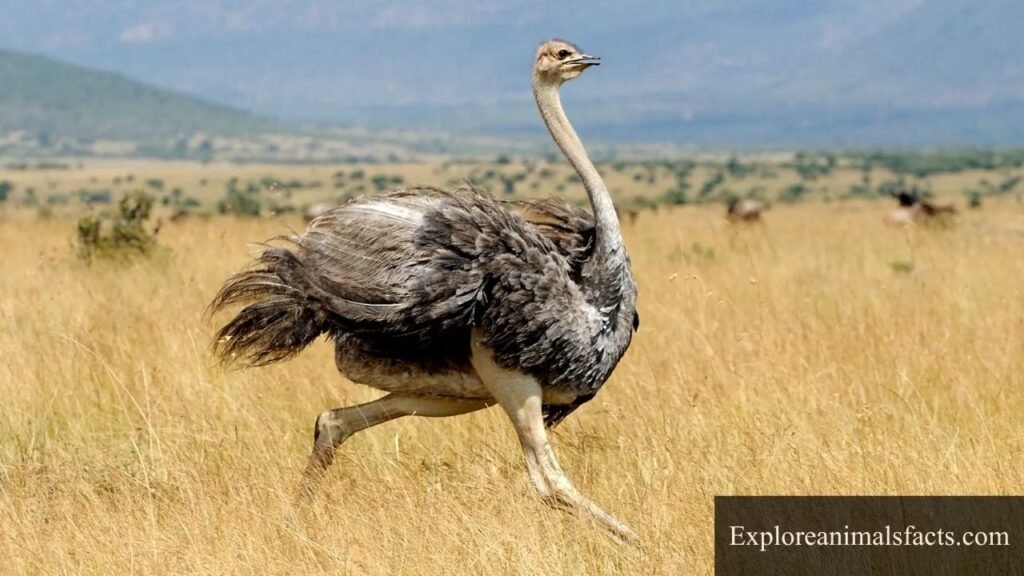
However, there’s more to these birds than meets the eye. Despite their low IQ, ostriches possess remarkable physical adaptations that allow them to thrive in their arid habitats. Their powerful legs are not just for sprinting; they double as formidable weapons against predators, highlighting a fascinating survival strategy that transcends traditional notions of intelligence. Furthermore, their social structures and mating rituals reveal a level of instinctual cooperation that challenges the simplistic view of animal intelligence, pushing us to reconsider the complex tapestry of cognitive abilities across the animal kingdom. Through these unique characteristics, ostriches remind us that intelligence manifests in various forms, often linked to survival rather than conventional problem-solving skills.
Readmore: Explore Top 21 Mischievous Animals.
Starfish
Scientific Name: Asteroidea
Class: Asteroidea
Diet: Carnivore
Starfish challenge our traditional notions of intelligence. Lacking a brain and central nervous system, these creatures possess a unique form of intelligence that is poorly understood but fascinating nonetheless. Instead of neurons, their nervous system is decentralized, allowing them to react to their environment through a web of interconnected nerve cells located in their arms. This unconventional setup leads to the intriguing question: can intelligence be measured if it operates outside the parameters we typically define?
What truly sets starfish apart is their remarkable ability to adapt and survive in changing environments. Their problem-solving skills may not resemble those of higher animals, but their evolutionary adaptations — such as regeneration and their intricate feeding mechanisms — speak to a form of survival instinct that is equally impressive. Rather than focusing solely on conventional decision-making, we should appreciate the starfish’s inherent survival strategies, which highlight that intelligence can manifest in diverse ways across the animal kingdom. Through this lens, the starfish teaches us about resilience and the myriad forms life can take, reminding us that intelligence is not a one-size-fits-all concept.
Slow Loris
Scientific Name: Nycticebus
Class: Mammalia
Diet: Omnivore
The Slow Loris, often admired for its big eyes and gentle demeanor, might not be winning any intelligence contests anytime soon. These nocturnal primates possess a rather curious combination of charm and cognitive simplicity. While they’ve adapted to their environments with impressive physical traits, such as their unique venomous bite and superb night vision, their problem-solving abilities lag behind those of many other species.
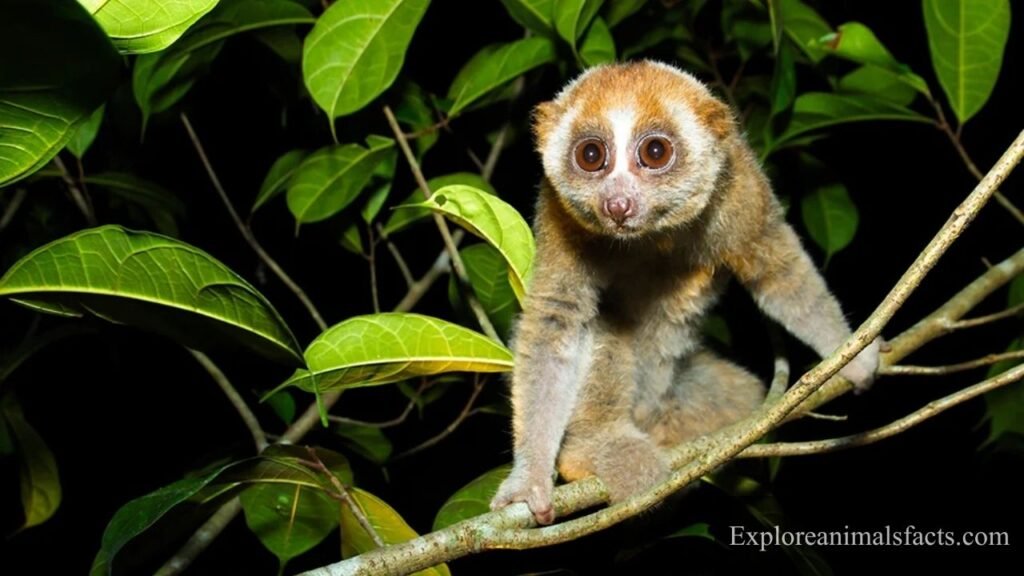
Interestingly, the Slow Loris operates primarily on instinct rather than intellect. This reliance on innate behaviors means they excel at navigating their dense jungle habitats but struggle with tasks that require abstract thinking or learning through experience. With their slow-paced lifestyle, these creatures have also developed a fascinating relationship with their surroundings — utilizing camouflage and slow movements to avoid predators, rather than relying on cunning or complex strategies. In a world that often celebrates intellectual prowess, the Slow Loris highlights a different evolutionary success: the beauty of simplicity and adaptation in the animal kingdom.
Flatworms
Scientific Name: Platyhelminthes
Class: Rhabditophora
Diet: Carnivore
Flatworms are intriguing creatures that inhabit a diverse range of environments from oceans to freshwater bodies. Despite their simple anatomy and limited nervous system, these organisms exhibit remarkable adaptations for survival. What makes them stand out, however, is the ongoing debate about their cognitive abilities — or lack thereof. With brains that are more of a bio-complex than an actual central nervous system, flatworms operate primarily on instinct rather than intellect.
But labeling them as “low IQ” overlooks the evolutionary mastery evident in their adaptability. For instance, some flatworms can regenerate lost body parts, a feat that demonstrates a different kind of intelligence — one focused on survival rather than cognitive reasoning. Moreover, their simplistic behaviors challenge our assumptions about intelligence being synonymous with complex thought processes. In a world that often values higher brain functions, flatworms remind us that survival can be rooted in simplicity, revealing an important perspective on what constitutes intelligence in the animal kingdom.
You can also read: Explore Top 13 Smartest Birds in The World.
Horned Lizard
Scientific Name: Phrynosoma
Class: Reptilia
Diet: Carnivore
The horned lizard, often referred to as the “horny toad,” may not top the charts of animal intelligence, but its unique adaptations offer fascinating insights into survival rather than cognitive prowess. While its IQ might be low compared to other species, this lizard has mastered the art of evasion. Its ability to blend seamlessly into its environment with spines and color variations allows it to remain inconspicuous to predators, showcasing that survival skills can be more critical than high intelligence.
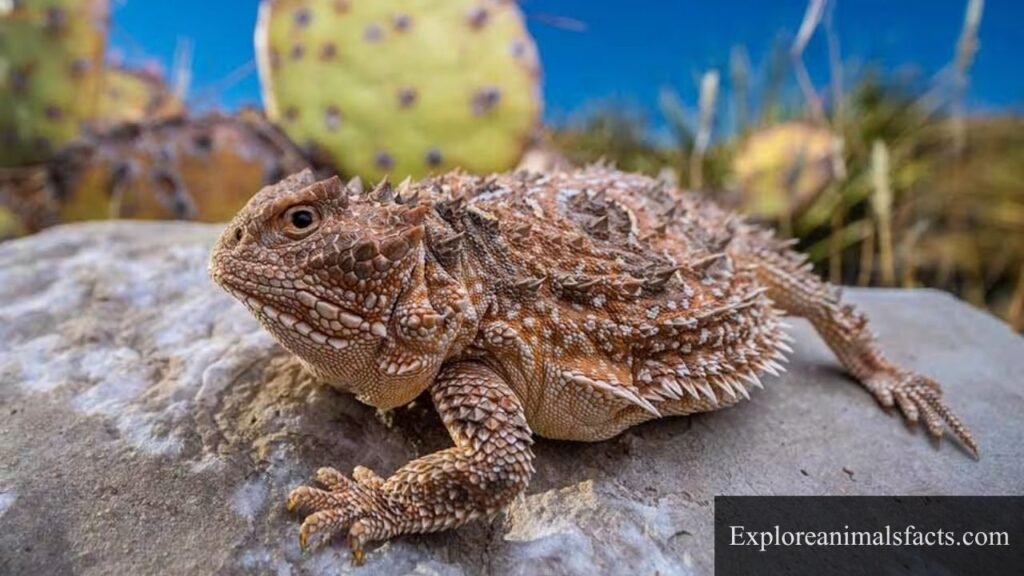
Moreover, the horned lizard’s unconventional defense mechanism — shooting blood from its eyes — is a testament to the creativity that evolution fosters in simpler organisms. This startling ability not only disrupts predators but also serves as a captivating spectacle that challenges our perceptions of intelligence. In a world that often equates smarts with complex problem-solving, the horned lizard reminds us that nature’s ingenuity comes in many forms, proving that adaptability can be as crucial as intellect in the contest for survival.
Koalas
Scientific Name: Phascolarctos cinereus
Class: Mammalia
Diet: Herbivore
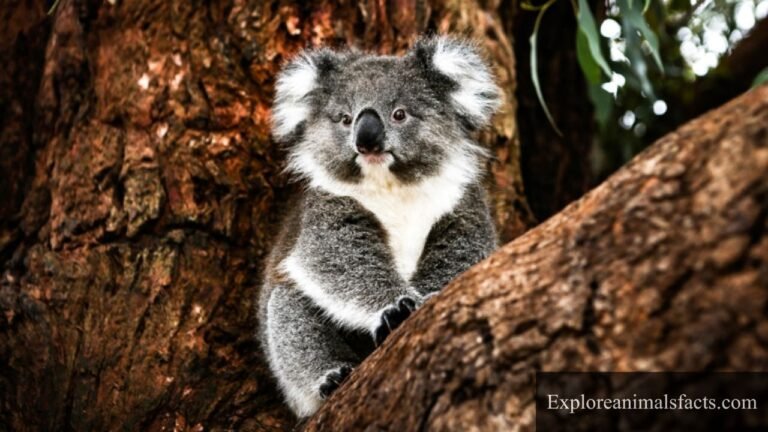
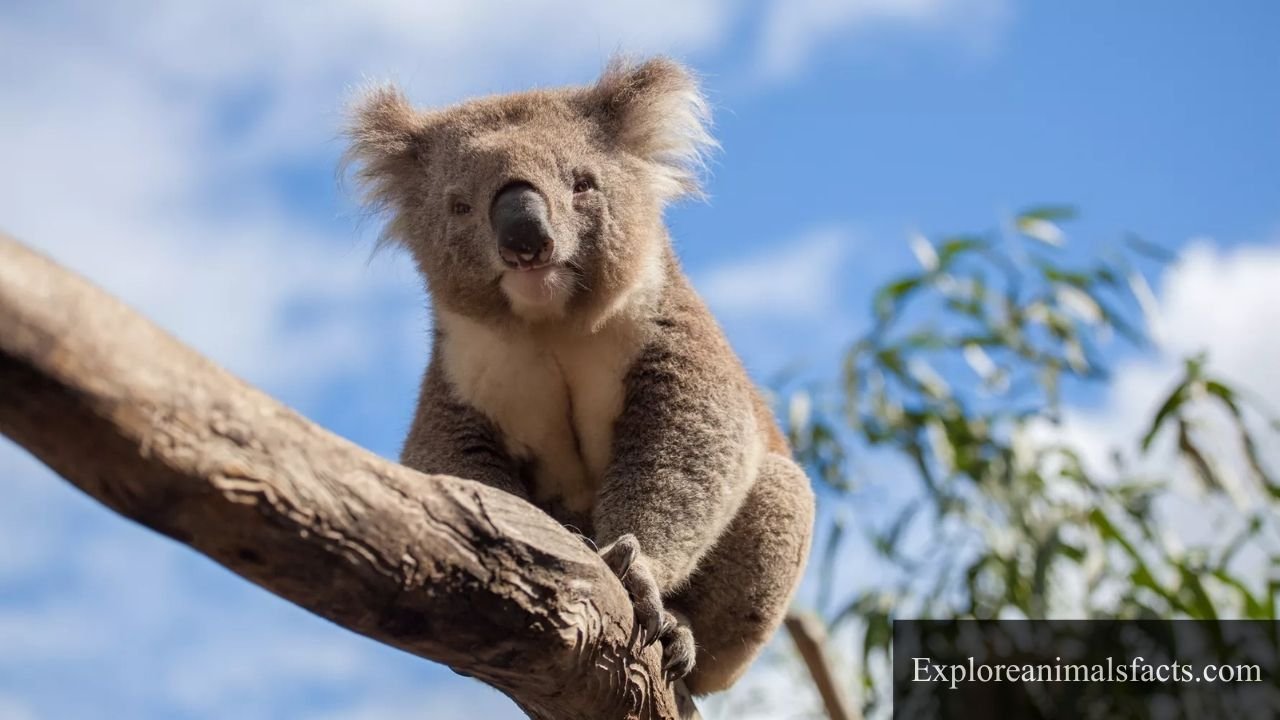
Koalas, often celebrated for their adorable appearance, actually rank among the animals with the lowest IQ. This is primarily because their survival strategy hinges on a highly specialized diet of eucalyptus leaves, which are low in nutrients. As a result, their brains have not needed to develop complex problem-solving skills. Instead, these marsupials have evolved to rely on instinct and environmental cues for survival, leading to behaviors that may seem simplistic or lethargic to observers.
Interestingly, this low cognitive capacity does not hinder their ability to thrive in their natural habitat. Koalas are masters of energy conservation, spending up to 20 hours a day dozing in trees to minimize energy expenditure. Their unique adaptations — such as possessing an efficient digestive system specialized for breaking down toxic eucalyptus — demonstrate that intelligence isn’t solely about brain size or problem-solving prowess. Instead, evolution often favors survival mechanisms that best suit an animal’s ecological niche, making the koala a remarkable example of how simplicity can sometimes be the key to thriving in a complex world.
Slugs
Scientific Name: Gastropoda
Class: Gastropoda
Diet: Herbivore
Slugs, often overlooked in discussions of intelligence, showcase a unique form of existence that challenges our conventional understanding of IQ. Lacking a central nervous system, these soft-bodied mollusks rely on simple nerve nets rather than a complex brain, placing them at the lower end of the intelligence spectrum. While they may not solve puzzles or navigate mazes, slugs have thrived for millions of years by mastering their environment in surprisingly effective ways.
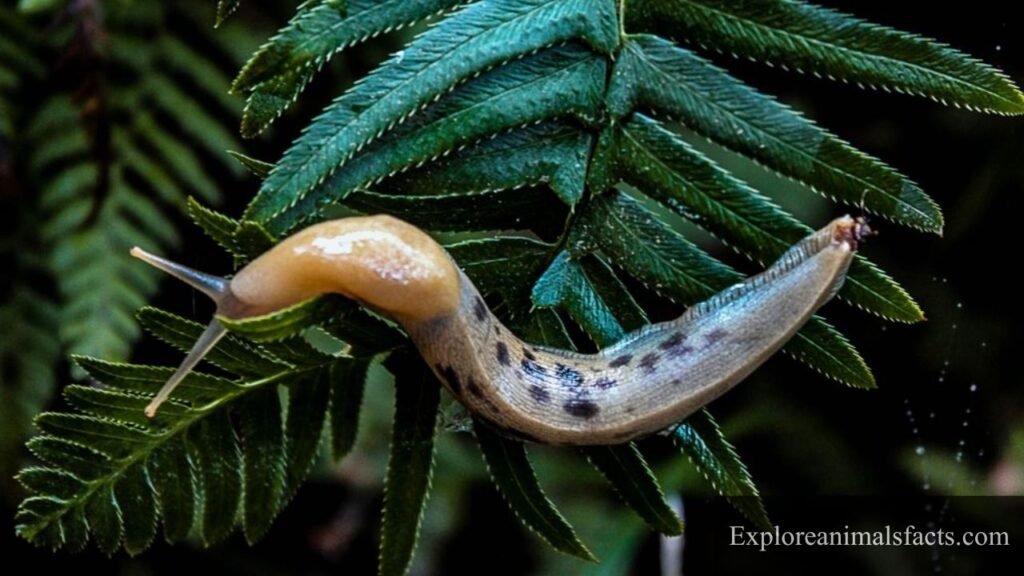
Their slow and deliberate movement might suggest a lack of awareness, but slugs exhibit remarkable adaptations to survive. For instance, their ability to produce mucus not only aids in locomotion but enhances moisture retention, critical in their often-dry surroundings. Their keen sense of smell plays a pivotal role in locating food and mates, highlighting that intelligence doesn’t always equate to sophisticated reasoning. By shifting our focus from traditional notions of IQ to the ingenuity embedded in their survival strategies, we gain a deeper appreciation for the diverse forms of life on our planet.
Also read: Explore Top 17 Animals That Can See in The Dark.
Sea Cucumber
Scientific Name: Holothuroidea
Class: Holothuroidea
Diet: Omnivore
The sea cucumber, often overlooked in the vast ocean, presents an intriguing case when it comes to animal intelligence. Unlike many marine creatures that flaunt their cognitive abilities, the sea cucumber embodies a minimalist existence. With no brain, nervous system, or intricate sense organs, these echinoderms thrive in the depths of the sea, adapting to their environment through sheer resilience rather than mental agility.
Their low IQ doesn’t hinder their ecological significance; in fact, it highlights the beauty of simplicity in nature. Sea cucumbers play a vital role in marine ecosystems by recycling nutrients and contributing to sediment health. Rather than engaging in complex social behaviors or intricate hunting strategies, they methodically filter sand, extracting organic matter, demonstrating that survival in the underwater realm is less about intelligence and more about specialization. This perspective invites us to reconsider our definitions of intelligence, suggesting that purpose and adaptability may matter more than cognitive capacity in the grand tapestry of life.
Norwegian Lemmings
Scientific Name: Lemmus lemmus
Class: Mammalia
Diet: Herbivore
Norwegian lemmings showcase some of the most intriguing aspects of animal intelligence. Despite being often labeled as low-IQ creatures, these small rodents exhibit a highly evolved survival strategy that belies their perceived simplicity. Their migratory behavior, driven by food scarcity and habitat, leads to mass movements that can look chaotic but are instinctive responses to environmental pressures. This “groupthink” phenomenon reveals an adaptive intelligence, favoring instinctual survival tactics over problem-solving skills.
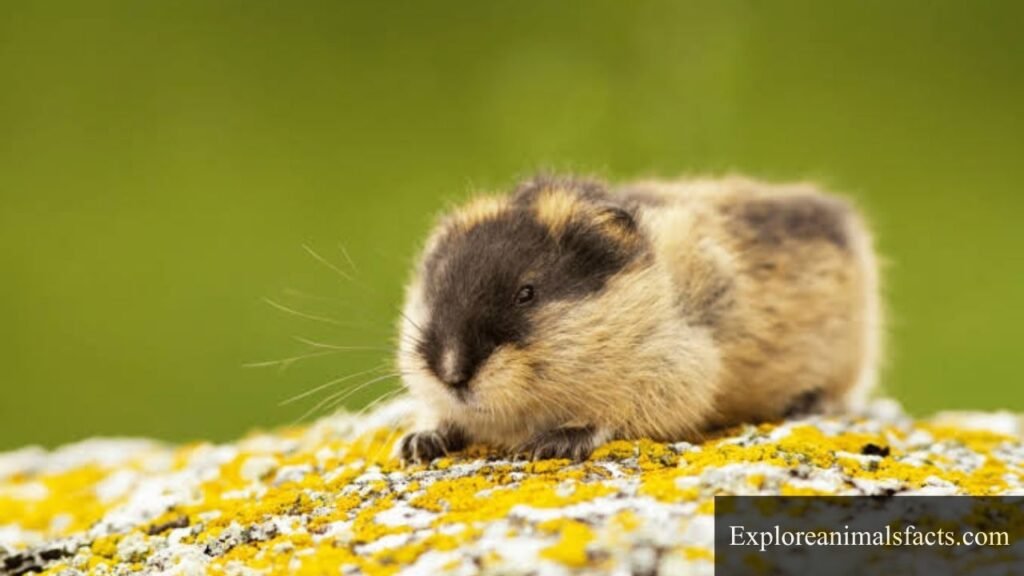
Moreover, the notorious lemming behavior of seemingly plunging off cliffs is a compelling observation, misconstrued as a symbol of their lack of intelligence. In reality, their jumps are a reaction to overcrowding and ecosystem stress rather than a lack of awareness. It presents a fascinating case study on how fear and instinct can dictate behavior in the wild. Ultimately, labeling these creatures as “dim-witted” neglects the rich tapestry of their ecological role and the evolutionary strategies they employ to cope with their harsh environments. In a world that often equates intelligence with problem-solving prowess, the lemming reminds us that survival instinct can manifest in forms just as vital.
Sea Sponge
Scientific Name: Porifera
Class: Demospongiae
Diet: Omnivore
The sea sponge, a simple marine organism, has long puzzled scientists with its astonishing lack of brainpower. Characterized by its porous, immobile body, the sponge thrives in various ocean environments without the need for complex behaviors or cognitive abilities. Instead of engaging with its surroundings through decision-making, the sponge relies on a basic filtration system to thrive, capturing nutrients from the water that flows through its body.
What’s intriguing about the sea sponge is not just its seemingly simplistic existence but the evolutionary strategy it represents. While many animal species focus on developing intelligence and social structures, sponges have perfected the art of survival via passive living. Without a central nervous system or any form of sensory perception, they showcase how life can persist through sheer simplicity. This challenges our traditional measurements of intelligence, urging us to reconsider what it means to be “smart” in the animal kingdom.
By adopting a strategy of resilience over cognition, the sea sponge exemplifies a unique adaptation to its environment. It reminds us that intelligence is only one of many successful survival tactics in the vast tapestry of life. In the end, the sponge demonstrates that sometimes, the simplest solutions can be the most effective, inviting us to appreciate the diverse paths evolution can take.
Readmore: Explore Top 16 Sneaky Animals in The World.
Kakapos
Scientific Name: Strigops habroptilus
Class: Aves
Diet: Herbivore
Kakapos, the flightless parrots native to New Zealand, stand out not just for their adorable, rotund appearance but also for their surprisingly low cognitive abilities. Unlike their more intelligent avian relatives, kakapos rely on instinct rather than problem-solving skills to navigate their environment. This adaptation has served them well in their native habitat, where they evolved in the absence of mammalian predators, allowing them to thrive without the need for advanced survival strategies.
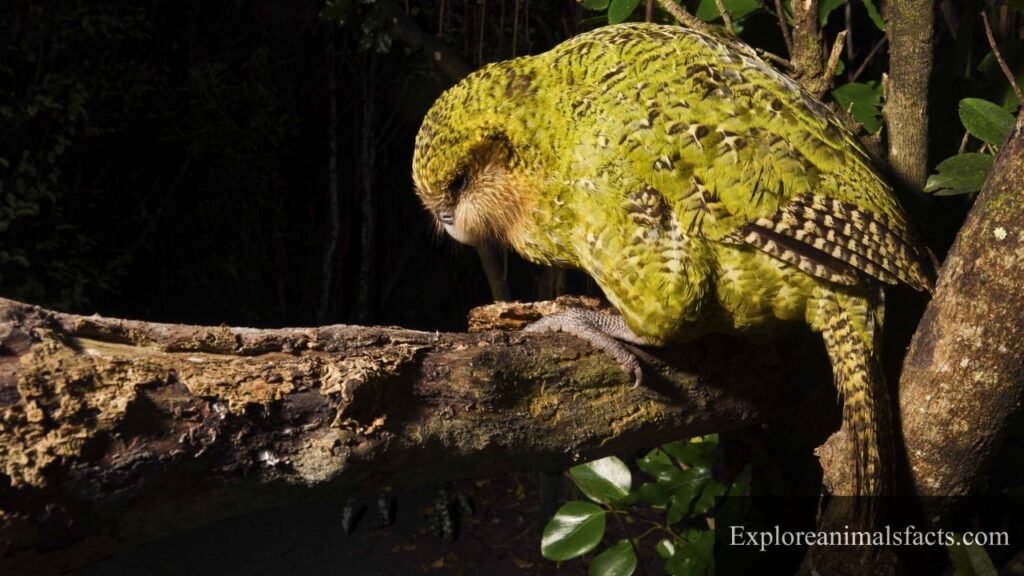
Furthermore, the kakapo’s endearing clumsiness is not solely a deficit; it reflects a unique adaptation to its surroundings. Their low-energy lifestyle, marked by a reliance on fruit and flowers for sustenance, kept them grounded and unsophisticated. This specialization has rendered the kakapo incredibly vulnerable, with populations dwindling due to habitat loss and invasive species. Conservation efforts are now focusing on bolstering their numbers, showcasing a blend of human intelligence and instinctive reliance that could paradoxically bridge the gap between survival and adaptability for this enchanting species.
Pandas
Scientific Name: Ailuropoda melanoleuca
Class: Mammalia
Diet: Herbivore
Pandas, often celebrated for their adorable appearance, surprisingly rank low on the animal intelligence scale. While they captivate hearts with their playful antics and distinctive black-and-white fur, their cognitive abilities diverge sharply from those of other mammals. Unlike solitary predators that rely on problem-solving and complex social interactions, pandas lead primarily solitary lives and exhibit limited social learning. Their reliance on a bamboo diet, which requires little innovation or strategizing for foraging, further reflects a lack of adaptive intelligence.
Moreover, the conservation of giant pandas has sparked debates about their survival instincts. Despite being endangered, pandas exhibit a curious lack of competitiveness for resources that could enhance their survival — an indication of a more instinctual than analytical mindset. This unique behavior challenges traditional notions of intelligence, urging us to reconsider how we define intelligence across species. Rather than ranking animals solely by their IQ, we may find value in understanding how different survival strategies manifest in diverse ecological niches, revealing that adaptability might not always parallel cognitive prowess.
Coral
Scientific Name: Anthozoa
Class: Anthozoa
Diet: Carnivore
Coral, often perceived as mere decorative elements of the ocean, actually plays a critical role in marine ecosystems. Surprisingly, these intricate organisms exhibit what could be termed a ‘low IQ’ when compared to advanced animal intelligence benchmarks. Lacking a central nervous system or brain, corals operate on instinctual responses, relying on chemical signals and environmental stimuli for survival. This simplicity, however, belies their essential complexity, as they form vast reefs that support countless marine species.
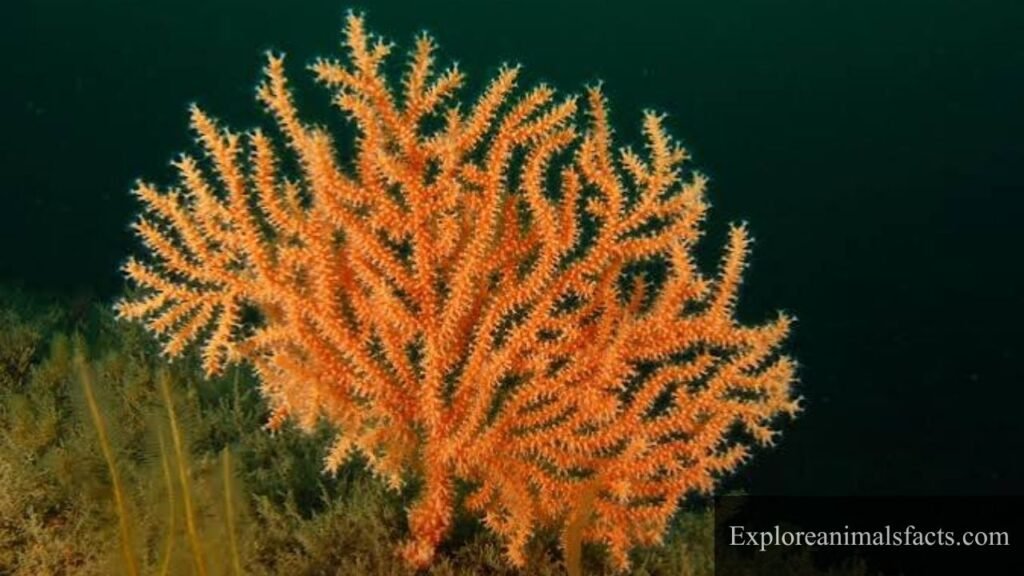
What’s fascinating is that corals can demonstrate a unique form of collective intelligence through their colonies. While individual polyps may not think, the group behavior of these interconnected organisms leads to remarkable adaptations in response to changing ocean conditions. This shared response mechanism showcases a sophisticated survival strategy, akin to a functional intelligence that emerges from simplicity. Thus, while coral might rank low on the IQ scale, their ecological impact and adaptability unveil a different kind of brilliance worth appreciating.
You can also read: Explore Top 29 Shy Animals in The World.
Jerboas
Scientific Name: Dipodidae
Class: Mammalia
Diet: Omnivore
Jerboas are fascinating creatures that often go overlooked in the animal kingdom, primarily due to their low IQ compared to other mammals. These small, nocturnal rodents, native to arid regions of Asia and Africa, have evolved remarkable physical adaptations to survive in harsh environments. Their long hind legs allow them to hop efficiently across sand dunes, minimizing contact with the scorching ground. But while their agility might be impressive, their cognitive abilities tell a different story. Jerboas rely heavily on instinct rather than intelligence, showcasing survival tactics honed over millennia rather than learned behaviors.
Interestingly, the simplicity of their neurological structure reflects a lifestyle that prioritizes basic survival over complex social interactions. Jerboas do not form intricate social bonds or elaborate hierarchies; instead, they thrive in solitude. This solitary existence leads to a lack of problem-solving skills, which are often highlighted in more socially interactive species. However, their low IQ does not diminish their role in the ecosystem; rather, it emphasizes the beauty of different evolutionary paths. Each species has a niche that underscores the diversity of life on Earth, reminding us that intelligence, as we often define it, is just one of many adaptations that allow creatures to flourish in their own unique ways.
Killdeer
Scientific Name: Charadrius vociferus
Class: Aves
Diet: Carnivore
The Killdeer, a plucky shorebird often found across North America, showcases an interesting paradox in the realm of animal intelligence. While these birds may not rank high on the IQ scale, their level of adaptability in diverse environments speaks volumes about their survival instincts. Known for their deceptive distraction displays when threatened, a Killdeer will feign injury to lure potential predators away from its nest. This behavior highlights an innate, albeit simplistic, strategic thinking that deviates from conventional notions of intelligence.
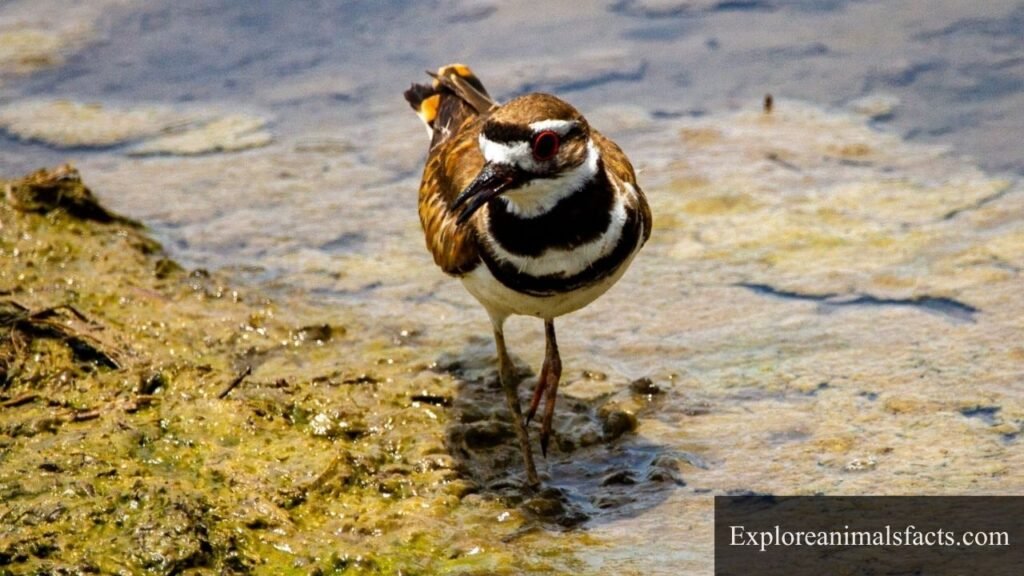
Furthermore, the Killdeer thrives in urban settings, where food sources like insects and small invertebrates are abundant. Their ability to thrive in man-made environments, despite their so-called “low IQ,” reveals a deeper understanding of resource utilization. While they may not solve problems in the way that crows or dolphins might, their instinctual behaviors and adaptability to human-altered landscapes remind us that intelligence exists in many forms, each tailored to the specific needs of the species.
Jellyfish
Scientific Name: Aurelia aurita
Class: Scyphozoa
Diet: Carnivore
Jellyfish might appear to drift aimlessly through the ocean’s currents, but their simplicity belies a fascinating biological reality. With no brains or central nervous systems, jellyfish operate using a decentralized network of nerves, allowing them to respond to their environment without the need for higher cognitive functions. This absence of a traditional brain classifies them among the animals with the lowest IQ, yet it doesn’t diminish their evolutionary success.
In their watery realm, jellyfish dominate survival through sheer adaptability rather than intelligence. Their mesmerizing bioluminescence serves both as a defense mechanism and a lure for unsuspecting prey, showcasing a remarkable ability to thrive despite their limited cognitive capabilities. By embodying a form of life that thrives on instinct and ancient biological strategies, jellyfish highlight the rich tapestry of evolutionary diversity. Rather than measuring intelligence through a human lens, jellyfish remind us that survival often requires simplicity and efficiency, challenging our perceptions of what it means to be “smart” in the natural world.
Also read: Explore Top 12 Animals With Big Feet.
Turkeys
Scientific Name: Meleagris gallopavo
Class: Aves
Diet: Omnivore
Turkeys often get a bad rap when it comes to intelligence, earning a reputation as one of the animals with the lowest IQ. While these feathered friends may not showcase the problem-solving skills of a crow or the social dynamics of dolphins, they have their own unique adaptations that challenge the narrative of their supposed dimwittedness. For instance, turkeys possess a remarkable ability to adapt to their environment. They can even recognize and differentiate between various calls in their flock, highlighting a level of social awareness that often goes unappreciated.
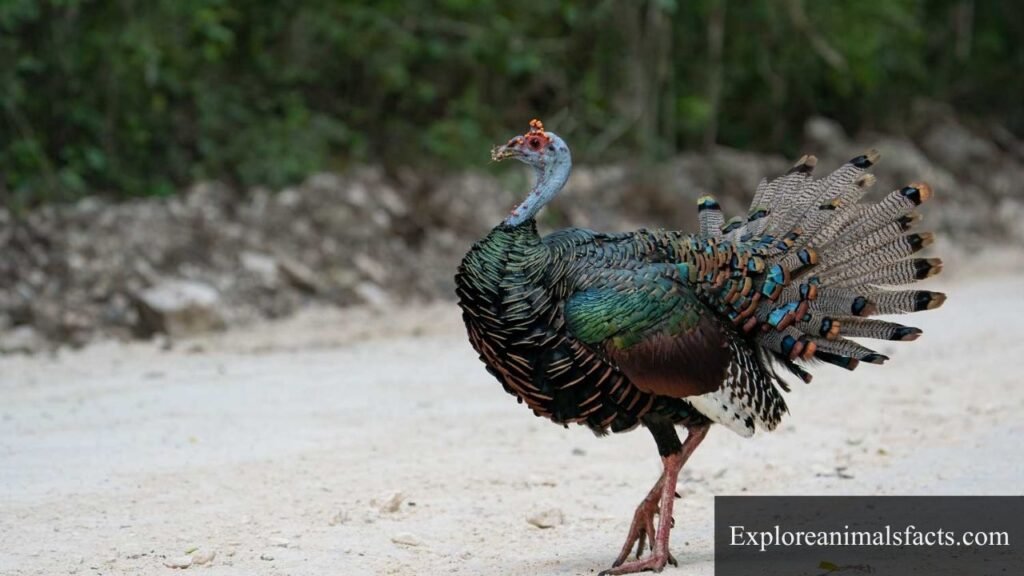
Interestingly, turkeys also exhibit survival strategies that display instinctual intelligence. When threatened, they can quickly assess their surroundings, opting to freeze or scatter based on the perceived level of danger. This instinctive behavior, which may not translate to traditional intelligence benchmarks, is essential for their survival in the wild. Understanding turkeys through this lens invites us to reevaluate how we define intelligence, expanding our appreciation for the myriad ways animals navigate their worlds.
Komodo Dragons
Scientific Name: Varanus komodoensis
Class: Reptilia
Diet: Carnivore
While Komodo dragons showcase fierce predatory skills and impressive physical adaptations, their cognitive abilities reveal a different story. These apex predators rely heavily on instinct rather than intellect, employing an innate savagery that has allowed them to survive for millions of years. With no need for complex problem-solving, their behaviors are largely dictated by survival instincts; they hunt by ambushing, using keen senses to detect prey over long distances without the need for strategic planning.
What’s intriguing about the Komodo dragon’s low IQ is how it highlights nature’s diverse adaptations. Unlike mammals that often rely on social structures and learning, the Komodo’s solitary lifestyle aligns perfectly with its predatory efficiency. In the vast, rugged landscapes of their Indonesian habitat, their brute strength and lethal venom far outweigh any necessity for cognitive prowess. This raises fascinating questions about intelligence itself: Is it truly a measure of survival, or are there paths to success that completely bypass the need for high mental acuity? It’s a reminder that in the grand tapestry of evolution, brute strength can be just as vital as brainpower.
Secretary Birds
Scientific Name: Sagittarius serpentarius
Class: Aves
Diet: Carnivore
The Secretary Bird, with its striking appearance and eccentric behavior, often raises eyebrows, but its intellectual capabilities reveal a different side. Belonging to the raptor family, these tall, long-legged birds are best known for their unique hunting style, particularly their ability to take down venomous snakes. While they possess remarkable physical adaptations, their cognitive prowess appears limited compared to other avian predators. Observations indicate that Secretary Birds rely more on instinct and innate behavior rather than complex problem-solving skills or social learning.
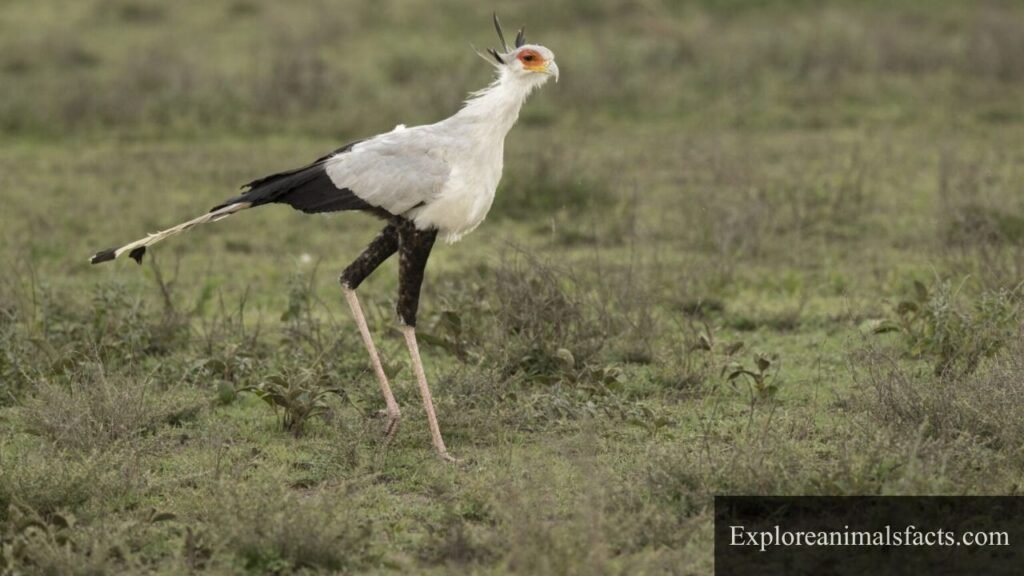
One fascinating aspect of the Secretary Bird is its strikingly elaborate courtship dance, which seems to prioritize display over strategic thinking. This ritual can captivate audiences, yet it emphasizes a lack of adaptability in varying environments. Instead of demonstrating problem-solving skills, Secretary Birds often stick to traditional methods gleaned from instinct, reflecting nature’s evolutionary choices. This blend of striking grace and subpar intelligence paints an intriguing picture of how survival can sometimes hinge more on physical prowess than cognitive sophistication, reminding us of the diverse strategies life employs in the animal kingdom.
Readmore: Explore Top 13 Animals With Prehensile Tails.
Goldfish
Scientific Name: Carassius auratus
Class: Actinopterygii
Diet: Omnivore
Goldfish hold a surprising reputation for possessing low intelligence, with an IQ attributed to them significantly below that of many other animals. However, this lowly status can be misleading. Unlike many terrestrial creatures, goldfish navigate a unique world through smell and sight. Their ability to learn basic tasks, such as recognizing their owners or associating feeding times with specific cues, demonstrates a level of adaptability and memory that belies their “dumb” descriptor.
Furthermore, the goldfish’s perceived simplicity is a reminder of evolutionary adaptations. In their natural habitat, survival relies more on instinct than problem-solving skills. They have perfected the art of evasion and are quite skilled in the subtlety of aquatic life. This prompts a fascinating reflection: what qualifies as intelligence in the animal kingdom? As we measure cognitive abilities based on human standards, perhaps we should reconsider the criteria that deem an animal “smart” or “dumb,” especially when each species thrives in its own right.
Flamingos
Scientific Name: Phoenicopterus roseus
Class: Aves
Diet: Omnivore
Flamingos, often celebrated for their striking pink plumage and unique feeding habits, are among the animal kingdom’s least intelligent creatures. What’s fascinating, however, is not just their intellectual capacity, but how their design and behavior beautifully adapt to their environments. With specialized beaks that allow them to filter-feed on algae, crustaceans, and small invertebrates, these birds demonstrate an evolutionary prowess that compensates for their lower IQ. This remarkable feeding method underscores an instinctual intelligence — an innate ability to survive and thrive, which can sometimes overshadow the conventional measures of smarts.
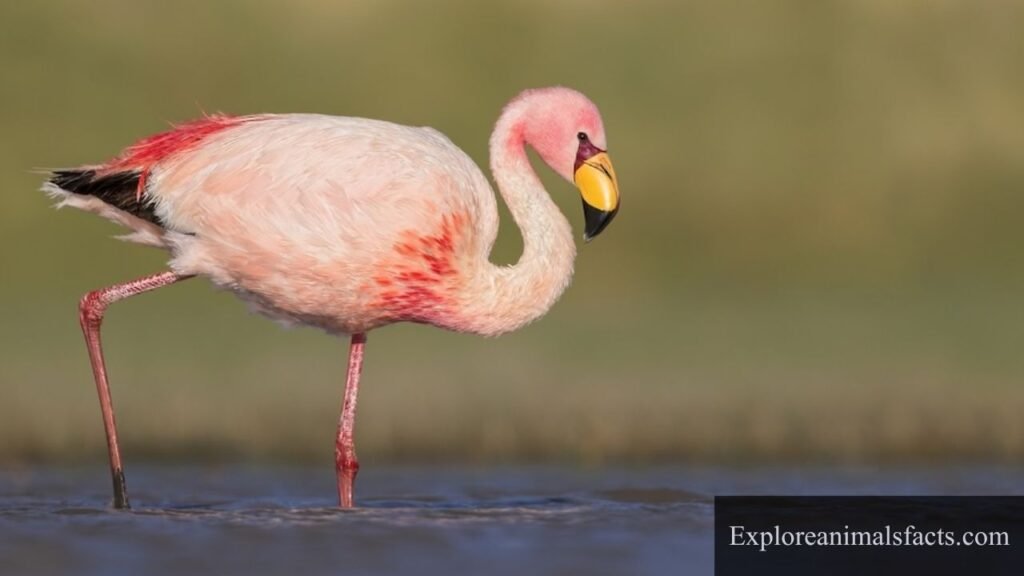
Interestingly, the social structure of flamingos adds another layer to their existence. Living in large colonies, they engage in intricate communal behaviors that almost mimic a structured system. While they may not solve puzzles or navigate mazes, their synchronized movements when feeding and their coordinated nesting efforts highlight an unspoken wisdom within their group dynamics. In this way, flamingos embody a different kind of intelligence, one that thrives on instinct and social cohesion rather than problem-solving skills, proving that intelligence comes in many forms — even in the simplest of creatures.
You can also read: Explore Top 9 Animals That Have Trunks.
Snails
Scientific Name: Gastropoda
Class: Gastropoda
Diet: Herbivore/Omnivore
Snails, often overlooked in discussions about animal intelligence, showcase a fascinating biological simplicity that raises questions about the very nature of intelligence itself. With brains smaller than a grain of sand, they lack the complex neural networks found in higher animals. Instead of relying on cognitive prowess, snails navigate their environments using basic instinctual behaviors, demonstrating a survival strategy that prioritizes efficiency over intellect.
What’s intriguing is how snails have thrived for millions of years with such a low IQ by embodying an evolutionary success story. Their slow, deliberate movements allow them to conserve energy, a crucial trait for creatures with limited resources. Their unique ability to retract into their shells acts as an effective defense mechanism, enabling them to survive in challenging conditions despite their simplistic brain function. This brings forth a broader understanding of intelligence; perhaps it’s not solely about problem-solving or social interactions, but also about adapting to one’s environment in the most resourceful way.
Sloths
Scientific Name: Folivora
Class: Mammalia
Diet: Herbivore
Sloths often find themselves at the bottom of the animal IQ scale, but there’s more to these languid creatures than their slow, methodical movements suggest. Their reputation for being “dumb” ignores the evolutionary genius behind their lifestyle. Sloths inhabit a niche environment where energy conservation is crucial; by moving slowly and spending most of their time hanging upside-down in trees, they blend seamlessly into their leafy surroundings, avoiding the prying eyes of predators. This strategy shows that survival often hinges not on intellectual prowess, but on the ability to adapt to one’s environment in unique ways.
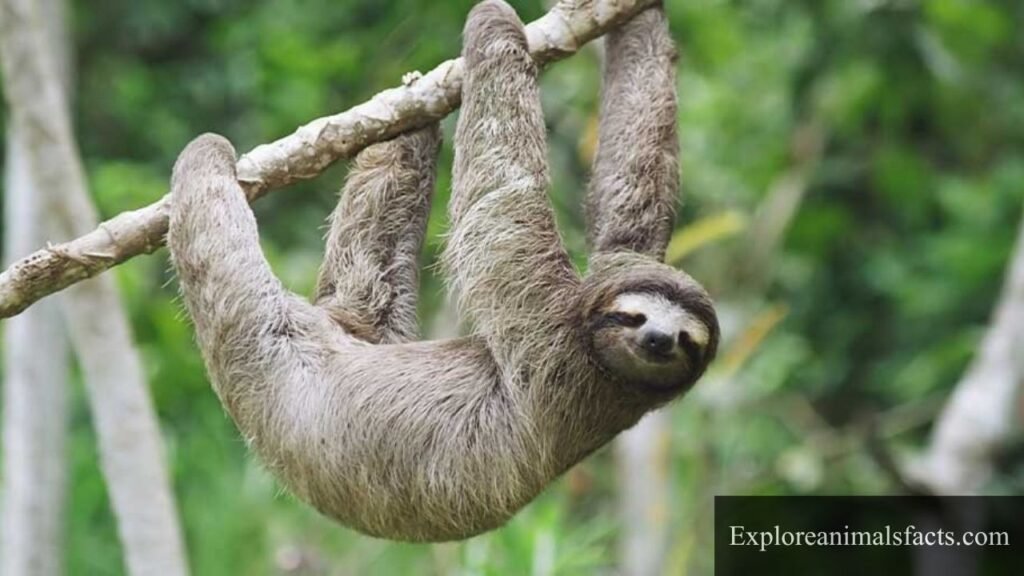
Moreover, the sloth’s diet of tough leaves may not require the quick wit seen in other animals; it’s an evolutionary trade-off. Their specialized stomachs are home to complex microorganisms that help break down cellulose, reflecting a sophisticated system of symbiosis rather than traditional brainpower. While they may lack the cognitive agility of more socially complex animals, sloths excel in their own right by embodying a blend of simplicity and specialization that has allowed them to thrive in their rainforests. In this light, questioning their intelligence prompts a deeper exploration of what it truly means to be “smart” in the wild.
Readmore: Explore Top 9 Mammals That Cannot Jump.
Final Thoughts
While intelligence varies greatly across the animal kingdom, those species with the lowest IQ often rely on instinct rather than cognitive thought to navigate their environments. These creatures, such as certain types of jellyfish and sponges, showcase the diverse adaptations that life has developed to survive. Despite their lack of cognitive abilities, each of these animals plays a crucial role in their ecosystems, reminding us that intelligence isn’t the only measure of value in nature. Understanding the range of animal intelligence broadens our appreciation for life on Earth. Let’s take a moment to reflect on the beauty of biodiversity and advocate for the protection of all living creatures, regardless of their cognitive capabilities.
FAQs
What animal has the lowest iq in the world?
Determining the animal with the lowest IQ is tricky, as intelligence can be measured in various ways. However, many experts often point to simpler life forms, such as jellyfish or sponges, as they lack a central nervous system and brain. These animals exhibit minimal behavioral complexity, relying mainly on instinct for survival.
What is the lowest IQ mammal?
Many people consider the koala to be among the least intelligent. Their diet consists mainly of eucalyptus leaves, which are low in nutrients and require a specialized digestive system. This limited diet doesn’t encourage cognitive development. Koalas have a very simplistic lifestyle focused on eating and sleeping — up to 22 hours a day! Their limited social interactions and problem-solving abilities further suggest a low level of intelligence compared to other mammals.