Top 12 Animals With Big Feet (Images Included)
In “Animals With Big Feet,” we’ll unravel the stories behind some of the largest feet in the animal kingdom, revealing how these adaptations serve critical functions, from stability to hunting prowess. This exploration will not only pique your curiosity about these incredible animals but also provide insights into how their giant feet shape their lives. Join us as we tread the path of these remarkable creatures and learn why their extraordinary attributes are vital to their survival.
List of Animals With Big Feet
Below is the list of animals with big feet:
- Gorilla
- Moose
- African jacana
- Lion
- White Rhinoceros
- Kangaroo
- Elephants
- Camel
- Hippopotamus
- Ostrich
- Polar Bear
- Giraffe
Gorilla
Scientific Name: Gorilla gorilla
Class: Mammalia
Diet: Herbivore
Gorillas, often celebrated for their impressive size and strength, have feet that are as fascinating as they are functional. Each foot can span up to a foot and a half long, supporting their massive frames with a unique combination of strength and dexterity. Unlike humans, gorillas possess opposable toes, which enhance their ability to grip branches and navigate their forest habitats with surprising agility. This adaptation allows them not only to climb but also to forage for food, showcasing a remarkable blend of power and precision in their movement.
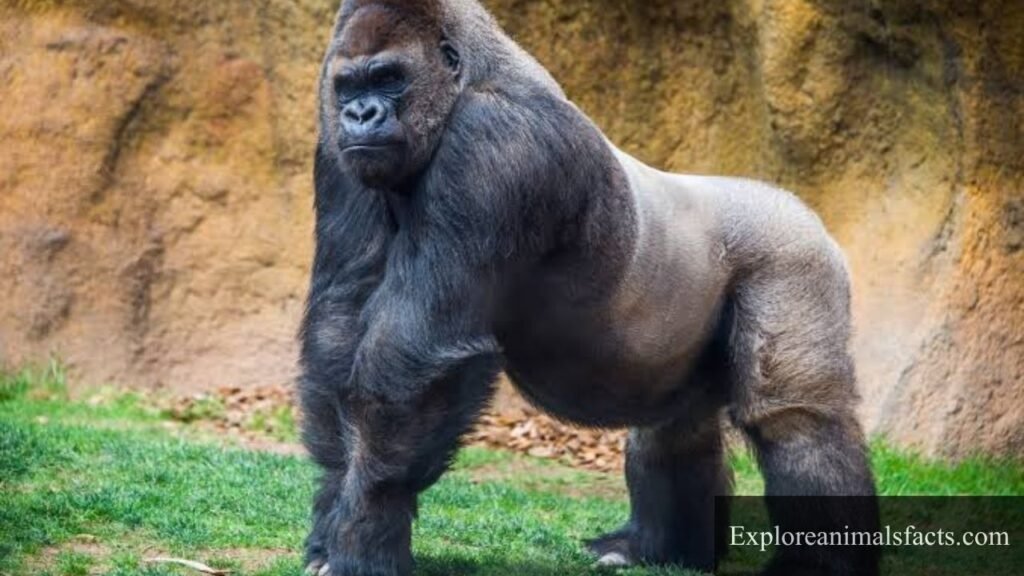
The structure of a gorilla’s foot reflects its overall lifestyle. Typically, they walk in a knuckle-walking position, which helps distribute their weight evenly and is less taxing on their joints. Their large feet provide a stable base, essential for maintaining balance while they traverse rugged terrains. Observing a gorilla’s foot in action reveals the elegance hidden beneath their bulk, highlighting how these seemingly simple features contribute to their survival in the wild. Understanding the role of these big feet not only offers insight into gorilla biology but also invites us to appreciate the intricate connections between anatomy and environment in these incredible creatures.
Moose
Scientific Name: Alces alces
Class: Mammalia
Diet: Herbivore
Moose, the majestic giants of the forest, are renowned for their impressive feet, which play a crucial role in their survival. Each foot features large, splayed hooves that distribute their weight across soft, marshy terrain, allowing them to navigate wetlands where other animals might falter. This unique adaptation not only aids in stability but also enhances their ability to forage for aquatic vegetation, their primary food source during the warmer months.
These oversized appendages also serve a protective purpose. In deep snow, moose can use their broad hooves to shatter ice layers and reach hidden tender shoots beneath, showcasing their ingenious ability to adapt to harsh winter conditions. Furthermore, the structure of their feet enables them to sprint quickly when needed, despite their massive size. Observing a moose move through its habitat, one is reminded that sometimes the largest footprints can be found where the landscape is both beautiful and unforgiving, painting a portrait of resilience in the wilderness.
African Jacana
Scientific Name: Actophilornis africanus
Class: Aves
Diet: Omnivore
The African Jacana is a remarkable bird, often referred to as the “Jesus bird” for its uncanny ability to walk on water, thanks to its impressive long toes and large, splayed feet. These adaptations aren’t just for show; they allow the Jacana to navigate its marshy habitats with ease, distributing its weight across lily pads and other fragile surfaces. This unique morphology is a masterclass in evolution, showcasing how nature equips its creatures to thrive in challenging environments.

But the Jacana’s large feet serve a deeper purpose beyond mere locomotion. In breeding season, males take on a nurturing role, diligently defending their territory and caring for their young, often leading them across treacherous aquatic landscapes. The oversized feet become a symbol of parental investment, enabling them to traverse the delicate ecosystems where they raise their chicks. Observing these birds as they interact with their environment offers a fascinating glimpse into the complexities of evolution, survival, and family dynamics in the animal kingdom.
Readmore: Explore Top 21 Animals With Sharp Claws.
Lion
Scientific Name: Panthera leo
Class: Mammalia
Diet: Carnivore
Lions, often referred to as the kings of the jungle, possess enormous paws that serve as powerful tools in their daily lives. Each paw can measure up to 12 inches in diameter, providing a sturdy foundation for their impressive hunting prowess. The size of a lion’s feet allows them to distribute their weight effectively, making silent approaches easier as they stalk prey across the grasslands of Africa. These large footprints also signal strength and dominance, an essential aspect of social hierarchy among prides.
Interestingly, the design of their paws — equipped with retractable claws — enhances their versatility. When extended, these claws contribute to the lion’s grip during swift pursuits or grappling with prey, while retracting them helps to protect the claws from wear and tear during long treks. This fascinating combination of size and functionality highlights the adaptation of lions within their ecosystem, showing how a simple biological trait can weave into the fabric of their survival strategy. With each massive footfall, lions not only assert their authority on the savanna but also play a crucial role in maintaining the delicate balance of their habitat.
White Rhinoceros
Scientific Name: Ceratotherium simum
Class: Mammalia
Diet: Herbivore
The white rhinoceros, often recognized for its impressive size and iconic horn, boasts feet that are as fascinating as the creature itself. Each foot is a marvel of evolution, designed to support its hefty frame, which can weigh up to 2,300 kilograms. The white rhino’s broad, flat feet distribute its weight effectively across the ground, allowing it to walk silently through its savanna habitat despite its bulk. This anatomical feature is crucial for both movement and protection, enabling it to navigate diverse terrains while evading potential threats.
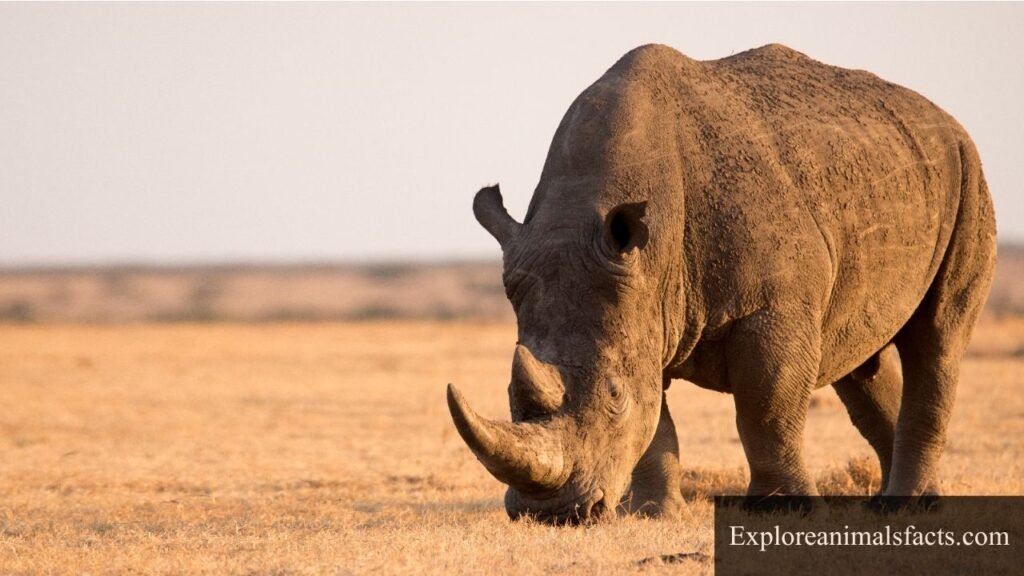
Moreover, the feet of the white rhino are equipped with thick, padded soles that absorb the shock of each heavy step, much like natural shock absorbers. This adaptation not only aids in mobility but also minimizes the environmental impact of their massive weight, helping to maintain the ecosystems they inhabit. Observing these gentle giants in motion reveals a surprising gracefulness, reminding us that even the largest creatures can be attuned to their surroundings. Their feet serve not only as tools for survival but also as symbols of resilience in a world where conservation efforts are more critical than ever.
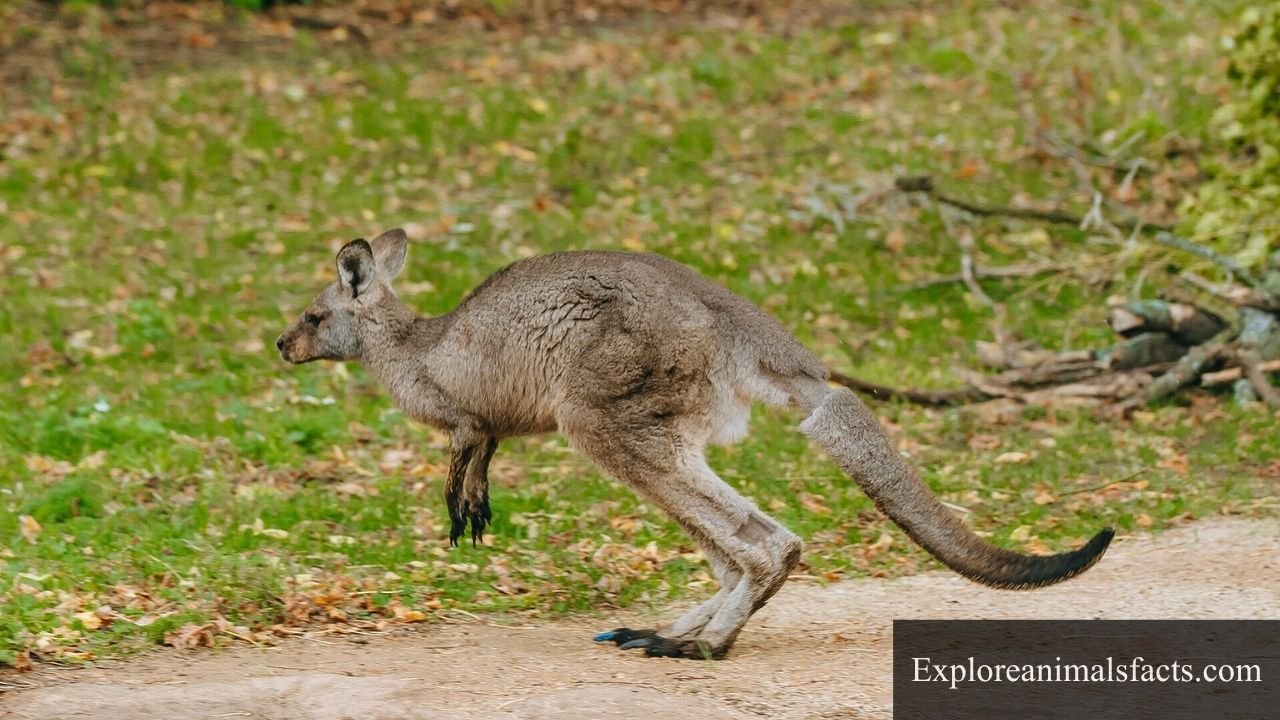
Kangaroo
Scientific Name: Macropus
Class: Mammalia
Diet: Herbivore
The kangaroo, a symbol of Australia’s unique wildlife, showcases an extraordinary adaptation through its prominent feet. Unlike many animals, the kangaroo’s large, muscular hind feet are not just for show; they’re critical tools for survival. These powerful appendages enable the kangaroo to cover vast distances in search of food and water, effortlessly bounding across the outback in a series of impressive leaps. On average, a kangaroo can hop up to 30 feet in a single bound, a feat that underscores their evolutionary prowess.
Interestingly, these big feet help in more ways than one. The larger surface area of the kangaroo’s feet acts as a natural spring, absorbing shock during landings and enabling efficient movement across rugged terrain. Moreover, their feet are equipped with sharp claws that aid in digging for roots and tubers, expanding their dietary options in an often harsh environment. Observing a kangaroo’s graceful hop reveals not only a remarkable method of locomotion but also a deeper connection to their habitat, emphasizing the intricate balance of nature’s design.
Elephants
Scientific Name: Elephantidae
Class: Mammalia
Diet: Herbivore
Elephants, the gentle giants of the animal kingdom, possess an extraordinary advantage thanks to their massive feet. These enormous appendages spread out under their weight, distributing it evenly across the ground, which allows them to traverse diverse terrains without damaging delicate ecosystems. With footprints that can measure up to a foot and a half wide, each step leaves an imprint that serves as a testament to their sheer size and strength, while also creating pathways for other wildlife.
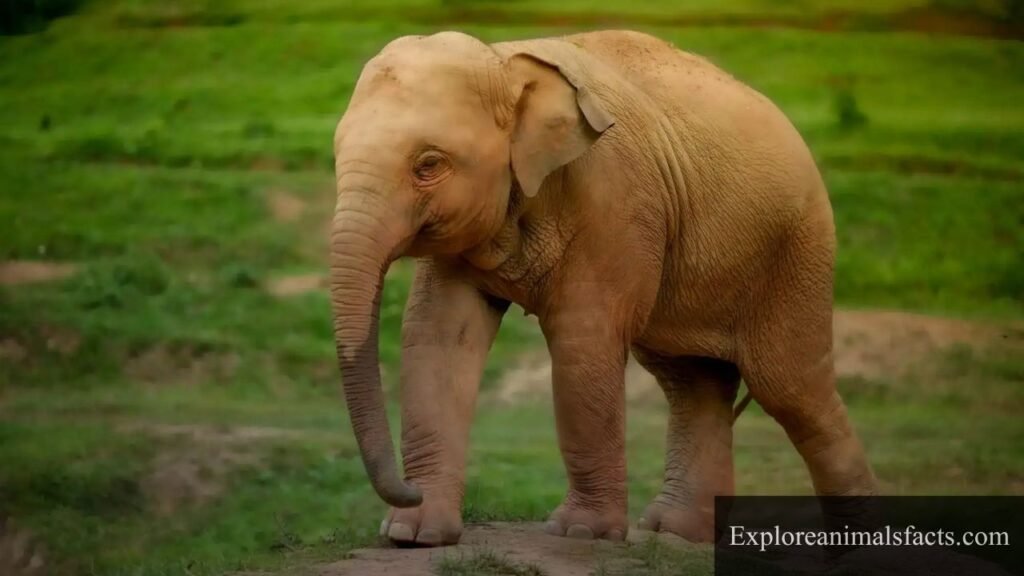
Moreover, an elephant’s foot structure is not just for support; it’s intricately designed for communication. Elephants can sense vibrations through their feet, enabling them to detect distant rumbles of storms or even the calls of distant herd members. This ability underscores the importance of their feet beyond mere locomotion, revealing a complex form of social interaction that connects these magnificent creatures to their environment and each other. In this way, their big feet are not merely a physical trait but a vital tool for survival and community in the wild.
Camel
Scientific Name: Camelus
Class: Mammalia
Diet: Herbivore
Camels are remarkable creatures, not just for their ability to thrive in arid deserts, but also for their uniquely adapted feet. With large, padded soles, these animals can tread over hot sand and rocky terrain with surprising ease. This adaptation helps distribute their weight evenly, preventing them from sinking into the sand, much like snowshoes allow a person to walk on soft snow. Such design is a testament to nature’s ingenuity, illustrating how evolution tailors the anatomy of animals to navigate their environments efficiently.
Moreover, the structure of a camel’s foot reflects their nomadic lifestyle. Unlike many animals that rely on speed or agility, camels are built for endurance. Their big feet enable them to carry heavy loads across vast distances, making them indispensable to human caravans traversing the unforgiving landscapes of the Middle East and North Africa. Observing a camel move gracefully over sand dunes, one can appreciate how their large feet are not only functional but also an integral part of their identity, symbolizing resilience in some of the world’s most challenging habitats.
Hippopotamus
Scientific Name: Hippopotamus amphibius
Class: Mammalia
Diet: Herbivore
The hippopotamus, with its hefty frame and surprisingly agile nature, boasts feet that are surprisingly well-adapted for both land and water. Each foot is equipped with four toes, allowing for a unique combination of stability and mobility on the muddy riverbanks they frequent. These big feet act like natural paddles, providing excellent traction while submerged, enabling hippos to glide gracefully through the water despite their bulky size.
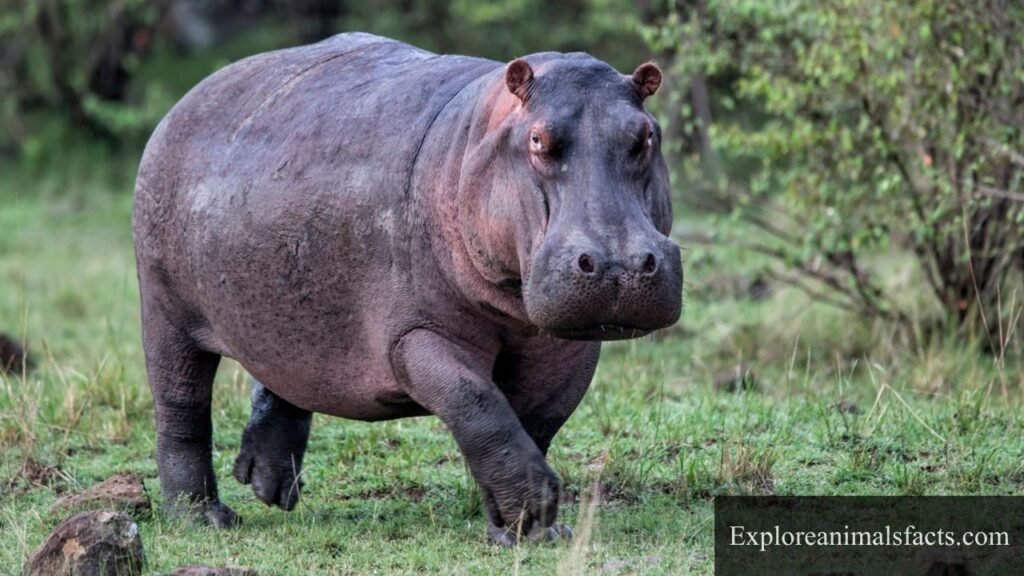
Moreover, the hippo’s feet play a crucial role in maintaining the ecosystem. As they traverse their habitats, they disturb the sediment, promoting aquatic plant growth and influencing the overall health of their aquatic environment. This unintentional gardening benefits numerous other species, demonstrating how their seemingly simple feet hold the power to shape entire ecosystems. Their giant footprints serve as both a testament to their physical prowess and an essential element of biodiversity, reminding us that even the largest animals can play delicate roles in the intricate web of life.
Ostrich
Scientific Name: Struthio camelus
Class: Aves
Diet: Omnivore
Ostriches are fascinating creatures, not just for their impressive height but for the sheer scale of their feet. Each foot boasts two powerful toes equipped with sharp claws, designed for running at astonishing speeds of up to 45 miles per hour. This adaptation allows them to escape predators in their native savannas and grasslands. Unlike many birds that possess three or four toes, the ostrich’s unique foot structure is a perfect example of evolutionary efficiency, prioritizing speed and agility over grasping ability.
The sheer size of an ostrich’s foot also plays a significant role in their locomotion. With a large surface area, their feet act like broad paddles, distributing their weight more evenly and enabling them to traverse the hot desert sand with minimal sinking. It’s a remarkable case of form meeting function; the expansive feet help them maintain balance while sprinting, making them one of the fastest birds on the planet. This impressive adaptation serves as a reminder of how evolutionary traits can shape an animal’s lifestyle, crafting social dynamics and survival strategies in response to their environment.
Polar Bear
Scientific Name: Ursus maritimus
Class: Mammalia
Diet: Carnivore
Polar bears possess remarkably large feet, which serve as nature’s efficiency tools in their frigid habitats. Each foot can span nearly a foot in diameter, helping these majestic creatures distribute their weight across the soft Arctic ice. This adaptation not only prevents them from sinking but also aids in their ability to navigate snowy terrains with grace and agility. With specialized fur on the soles and a unique skin texture, their feet provide traction that is essential for hunting seals, their primary prey.
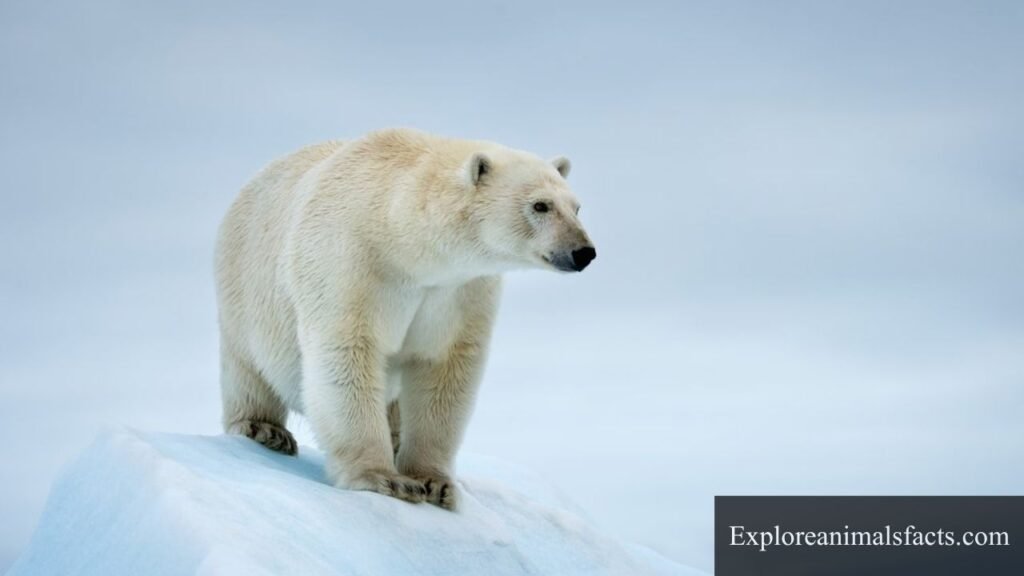
Moreover, polar bear paws play a crucial role in thermoregulation. The large surface area allows for both insulation and ventilation, crucial in maintaining their body heat against the biting Arctic winds. Interestingly, these bears are also excellent swimmers, with their wide feet functioning like paddles, propelling them through frigid waters as they can cover several miles in search of food. Thus, their big feet embody a fascinating blend of functionality and adaptation, showcasing the elegance of evolution in one of the world’s most extreme environments.
Giraffe
Scientific Name: Giraffa camelopardalis
Class: Mammalia
Diet: Herbivore
The giraffe, easily recognized by its towering height and distinctive long neck, also possesses surprisingly large feet that play a crucial role in its survival. Each foot is roughly the size of a dinner plate, measuring about 12 inches in diameter. This impressive size isn’t merely for show; it serves a vital function in distributing the immense weight of these gentle giants. Their large, padded feet help them move gracefully across a variety of terrains, from open savannas to rocky landscapes, ensuring they can traverse quickly while minimizing the risk of injury.
Beyond practicality, a giraffe’s feet also contribute to its unique social interactions. When males engage in necking, an aggressive display involving swinging their long necks and using their heads as battering rams, their substantial footing provides the stability needed for such powerful encounters. This dynamic not only determines social hierarchies but also showcases the giraffe’s evolutionary adaptations. By continuing to explore the significance of their large feet, we can appreciate how every aspect of these magnificent creatures is finely tuned to their environments and behaviors, revealing the hidden complexities of life on Africa’s savannas.
Readmore: Explore Top 11 Animals With Big Noses.
Final Thoughts
Animals with big feet not only highlight the diversity of life on our planet but also remind us of the importance of conservation. Their unique adaptations serve purposes that are vital for their survival and the health of their ecosystems. As we delve into the lives of these fascinating creatures, we are encouraged to reflect on our interconnectedness with nature. By raising awareness about their needs and the threats they face, we can make a difference. Join the movement to protect wildlife and celebrate the beauty of all animals, big-footed or small!
FAQs
Which animal has big feet?
One of the animals known for having big feet is the polar bear. These massive creatures have large, padded paws that help them walk on thin ice and snow, providing stability and traction. Their feet can measure up to 12 inches across, allowing them to distribute their weight effectively in their Arctic habitat. Another example is the African elephant. Its feet are not just big; they’re also uniquely shaped to support its enormous size. The wide, flat feet help elephants move silently through the forest and absorb the impact as they walk.
What animal has the biggest feet?
The animal with the biggest feet is the African elephant. Its feet can span over a foot wide, helping support its massive weight. These feet are specially adapted to prevent sinking into soft ground, allowing elephants to roam comfortably across diverse terrains.