Top 11 Animals With Big Noses (With Pictures)
Animals with big noses not only capture our attention but also serve critical functions in their habitats. This article will take you on a journey through the animal kingdom, showcasing how these remarkable adaptations aid survival and enhance communication. By the end, you’ll have a deeper appreciation for these unique features and the vital roles these animals play in our world.
List of Animals with Big Noses
Here is the list of animals with big noses:
- Elephant Seal
- Saiga Antelope
- Proboscis Monkey
- Hammerhead Shark
- Aardvark
- Elephant
- Long-nosed Bandicoot
- Sawfish
- Elephant Shrew
- Star-Nosed Mole
- Tapirs
Elephant Seal
Scientific Name: Mirounga
Class: Mammalia
Diet: Carnivore
The elephant seal, known for its strikingly large nose, offers more than just a unique appearance; this feature plays a crucial role in the animal’s social dynamics. Males, in particular, develop impressive, inflatable proboscises that can grow up to two feet long. These oversized noses are not just for show; they serve a significant purpose during mating season. The loud, resonant vocalizations that emerge from their noses can travel great distances, allowing males to establish dominance and attract mates while warding off rivals.

But there’s more to these remarkable noses than their use in communication. The sheer size of the male elephant seal’s proboscis serves as a visual cue of strength and health, making it an essential aspect of sexual selection. Research suggests that these noses may contribute to thermoregulation, helping the seals manage their body temperature in the chilly ocean waters. This intersection of function and form illustrates how evolution has shaped these magnificent creatures, turning what might first appear as an eccentric feature into a multi-faceted tool for survival and success in the harsh marine environment.
Saiga Antelope
Scientific Name: Saiga tatarica
Class: Mammalia
Diet: Herbivore
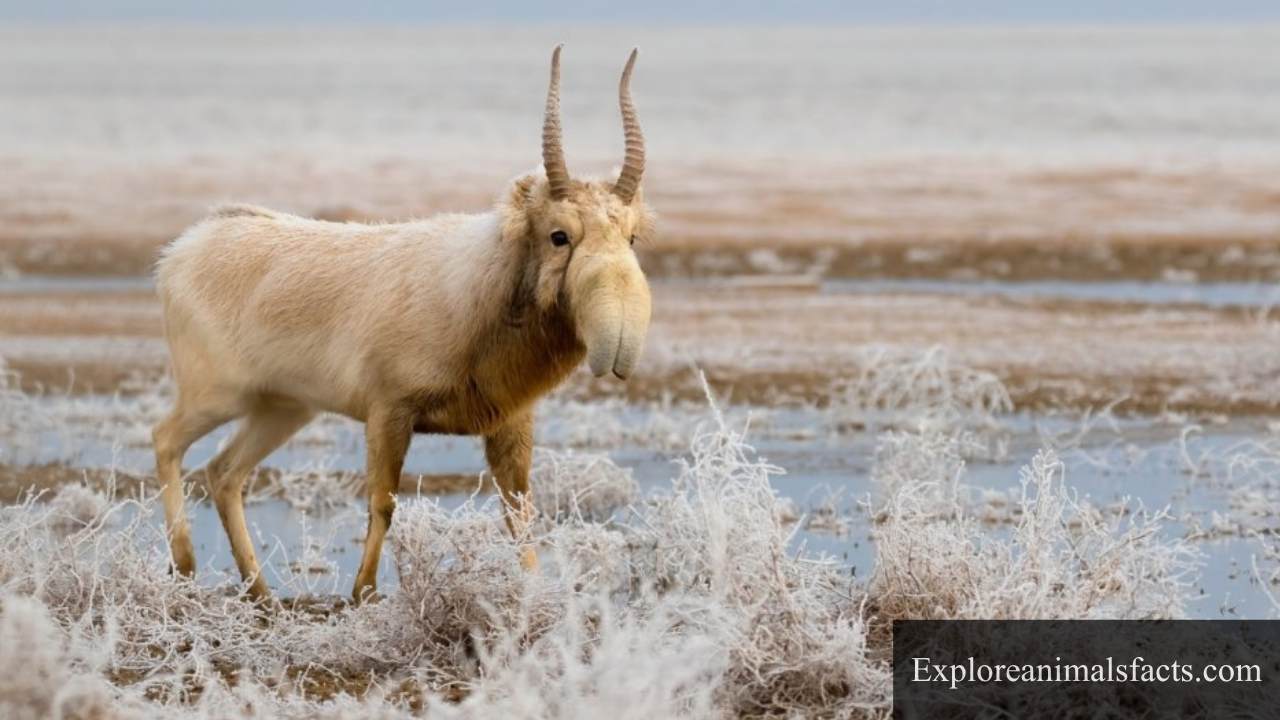
The Saiga antelope, a unique inhabitant of the Central Asian steppe, boasts an unmistakably large, bulbous nose that serves crucial ecological functions. This distinctive feature isn’t just for show; it acts like a built-in air conditioning system. As the Saiga inhales, the enlarged nasal passages filter out dust and cool the air, allowing these hardy animals to thrive in their arid environments. During the harsh summer months, this adaptation becomes vital, proving that even evolutionary quirks can have practical applications.
Moreover, the Saiga’s nose shape not only helps regulate temperature but also enhances olfactory abilities, enabling the antelope to detect predators and locate water sources in the expansive terrain. This combination of form and function illustrates nature’s incredible ingenuity, where survival hinges on the most unexpected of traits. As we continue to explore and understand these fascinating creatures, the Saiga reminds us of the intricate interconnections within ecosystems and the importance of preserving such unique species.
Proboscis Monkey
Scientific Name: Nasalis larvatus
Class: Mammalia
Diet: Herbivore
The proboscis monkey, often referred to as “the Dutch monkey” for its distinctive large nose, truly stands out in the animal kingdom. This remarkable feature isn’t just for show; it’s a key component of their mating rituals. Males use their impressive noses to attract females, producing deep, resonant calls that can echo through the dense rainforests of Borneo. Researchers suggest that the size of the nose may signal health and genetic fitness, making it a crucial element in their reproductive success.
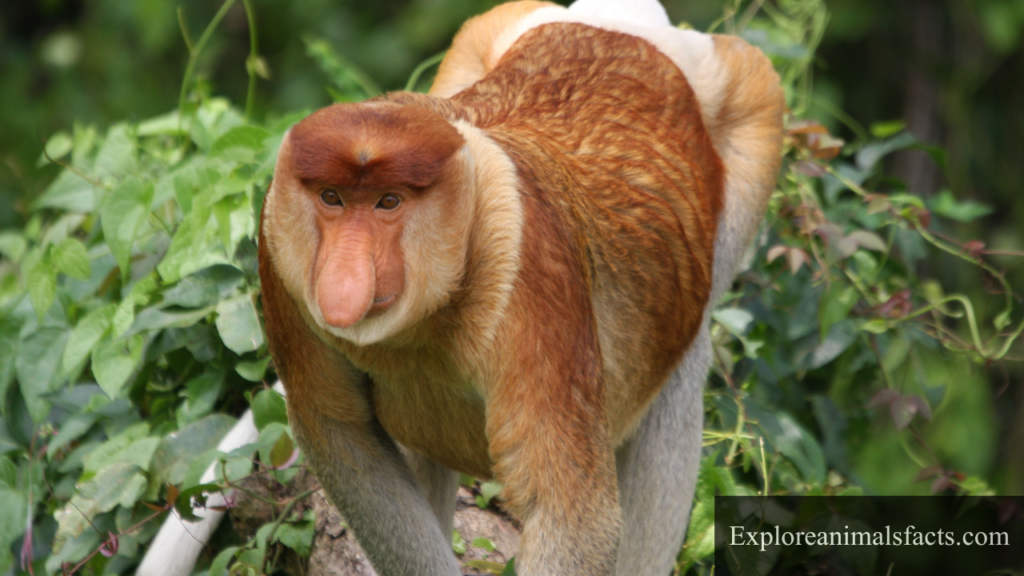
Beyond their unique anatomy, proboscis monkeys are fascinating in their social dynamics. Living in groups, they exhibit a complex hierarchy and display strong bonds, often seen grooming each other as a way to strengthen relationships. Their adaptations extend to their diet as well; these monkeys primarily consume leaves, which necessitate an advanced digestive system to thrive on such low-nutrient fare. This specialized lifestyle not only showcases their evolutionary ingenuity but also underscores the intricate balance of their rainforest habitat, where every element — from their oversized noses to their social structures — plays a pivotal role in survival.
Readmore: Explore Top 20 Animals Without Legs.
Hammerhead Shark
Scientific Name: Sphyrna
Class: Chondrichthyes
Diet: Carnivore
The hammerhead shark’s distinctive, flattened head, known as a cephalofoil, isn’t just for show; it serves vital functions that enhance the shark’s hunting prowess. This unique structure increases sensory capabilities, allowing the hammerhead to locate prey with remarkable precision. The wide spacing of their eyes provides a near 360-degree view of the ocean, enhancing their ability to spot potential threats or tasty meals from afar.
Moreover, the cephalofoil aids in the shark’s maneuverability, making it a more agile predator. When swimming, the hammerhead can perform sharp turns and intricate movements that would be challenging for more traditional shark shapes. This design also facilitates better hydrodynamics, allowing for bursts of speed when closing in on prey. With such evolutionary adaptations, the hammerhead stands out not merely for its big nose but for its strategic advantages in the ocean’s competitive environment.
Aardvark
Scientific Name: Orycteropus afer
Class: Mammalia
Diet: Carnivore
The aardvark boasts a nose that is as functional as it is fascinating. This elongated snout is not just an eccentric feature; it serves as a highly specialized tool for foraging. With a keen sense of smell, the aardvark can detect underground termite mounds and ant colonies from a distance, utilizing its snout to excavate these delicacies with surprising efficiency. This unique relationship with insects showcases how specialization in anatomy can lead to ecological success, allowing this nocturnal creature to thrive in habitats where many others struggle.
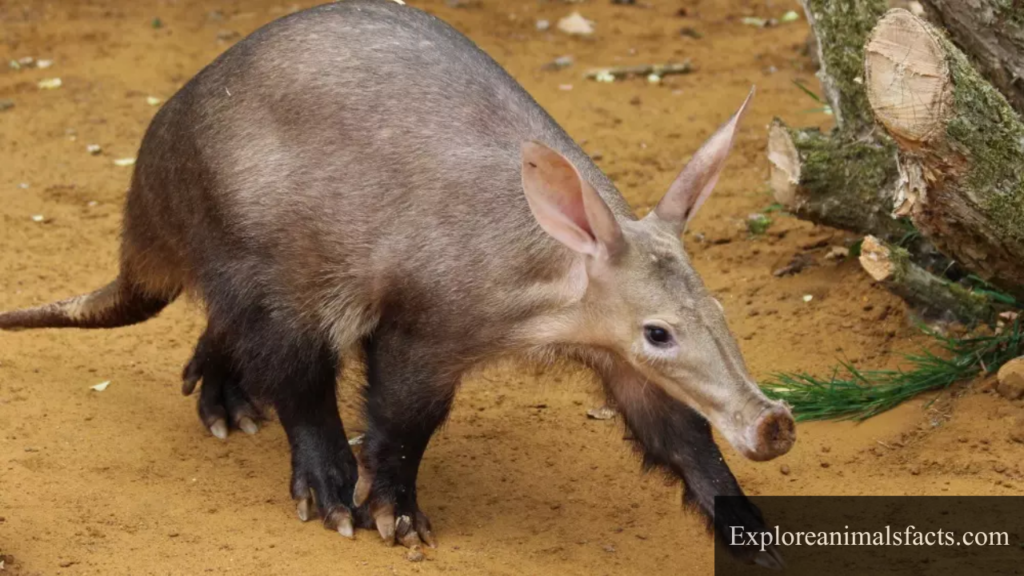
Moreover, the aardvark’s big nose is a testament to evolution’s artistry. Unlike most mammals, it lacks the pronounced muzzle associated with carnivores or herbivores, highlighting a fascinating divergence in dietary adaptations. As it rummages through the soil, its nose not only aids in locating food but also serves as a natural dust filter, keeping its sensitive respiratory system clear of dirt. This dual function of the aardvark’s nose encapsulates the beauty of nature’s designs, where form follows function in the most unexpected ways. The aardvark, with its distinctive features, invites us to appreciate the subtleties of animal life and the unique adaptations that allow survival in a diverse and challenging world.
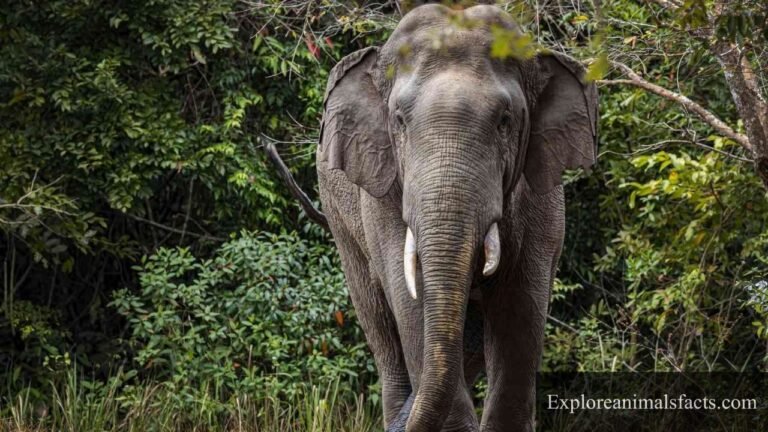
Elephant
Scientific Name: Loxodonta africana
Class: Mammalia
Diet: Herbivore
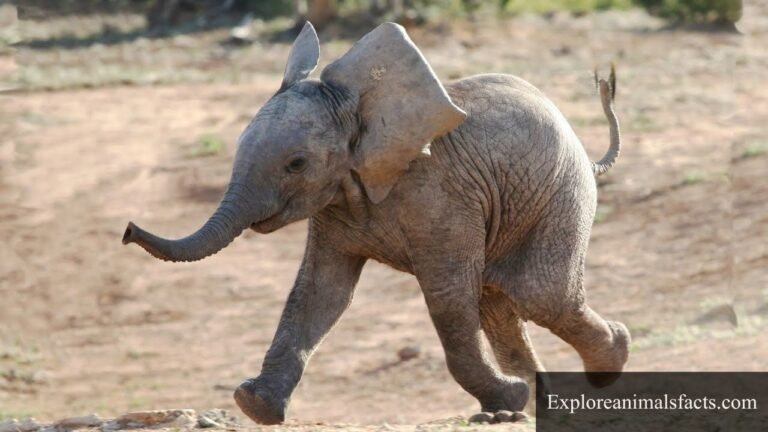
The elephant’s trunk is not just a long nose; it’s a multifunctional tool that showcases an intricate blend of strength and sensitivity. This remarkable appendage houses over 40,000 muscles, allowing elephants to perform seemingly delicate tasks, like picking a single blade of grass, while also being powerful enough to uproot a tree. The trunk serves as a vital organ for communication, enabling these gentle giants to produce a variety of sounds and vibrations that can be felt by other elephants over long distances.
The trunk is a major player in their social behavior and bonding. When elephants greet one another, they often intertwine their trunks, a gesture laden with affection and reassurance. Not only does it facilitate social interactions, but it also plays a critical role in their survival. With a keen sense of smell, an elephant can detect water sources from miles away, helping them navigate through dry terrains. This sophisticated olfactory capability showcases how adaptability shapes an animal’s survival while adding depth to our understanding of these magnificent creatures.
Long-Nosed Bandicoot
Scientific Name: Perameles nasuta
Class: Mammalia
Diet: Omnivore
The long-nosed bandicoot, native to Australia, captivates with its distinctive elongated snout, a feature that serves several fascinating purposes. This remarkable adaptation allows the bandicoot to expertly probe into the soil for insects and worms, showcasing a unique foraging technique. Its sensitive nostrils can detect subtle scents, making it an excellent hunter even in the dense underbrush of its habitat.
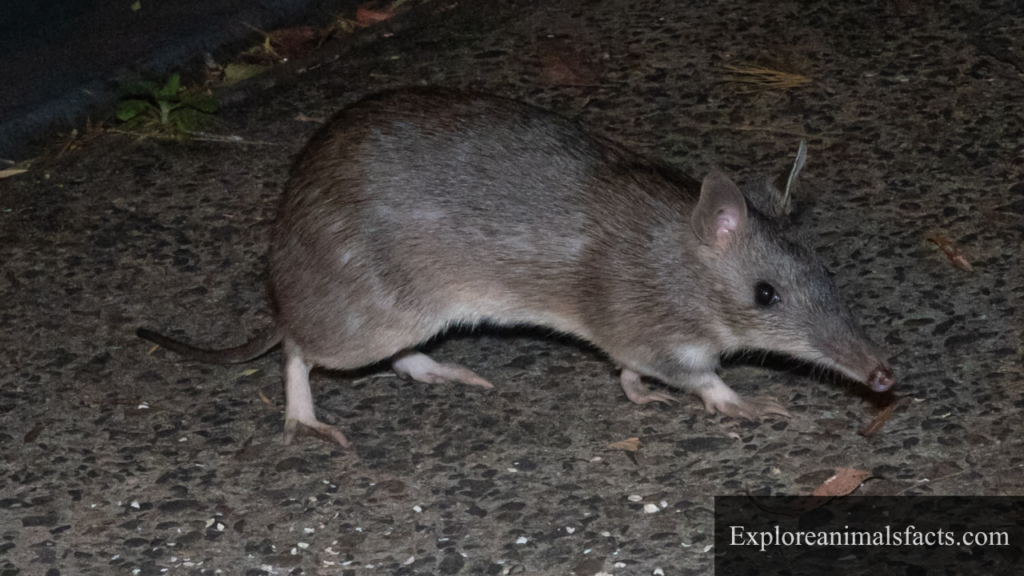
But the long-nosed bandicoot isn’t just about survival; its nose plays a critical role in communication as well. By emitting a range of vocalizations, it can express distress to fellow bandicoots, especially when threatened. Moreover, during the breeding season, the males engage in a dance of scent marking, using their noses to leave their olfactory signatures throughout their territory. This blend of utilitarian and social functions highlights how the long-nosed bandicoot’s nose is more than an anatomical oddity; it’s integral to its identity and lifestyle in the wild.
Sawfish
Scientific Name: Pristidae
Class: Chondrichthyes
Diet: Carnivore
The sawfish, a remarkable inhabitant of both coastal and freshwater regions, wields one of the most unique adaptations in the animal kingdom in the form of their elongated rostrum, resembling a saw. This distinctive feature is not merely for show; it serves multiple purposes. The sawfish uses its “nose” to hunt, slashing through schools of fish and stunning prey with a swift, side-to-side motion. This hunting technique showcases the elegance of evolution, where form meets function in the most fascinating ways.
This species plays a crucial role in its ecosystem, helping to control fish populations and maintain ecological balance. Despite their importance, sawfish populations are on the decline due to habitat loss and overfishing, prompting conservationists to rally for their protection. By safeguarding these magnificent creatures, we not only preserve a piece of marine history but also ensure the health of oceanic environments where they reign supreme.
Elephant Shrew
Scientific Name: Macroscelididae
Class: Mammalia
Diet: Carnivore
The elephant shrew, despite its name, shares little resemblance to traditional shrews. This fascinating creature, native to Africa, possesses a remarkably long, flexible snout that it uses as a multifunctional tool. This elongated nose not only aids in foraging for insects and small invertebrates but also adds an unmistakable charm to its appearance. Imagine a creature that can sniff out danger while delicately sifting through leaf litter — nature’s own combination of adaptability and grace.
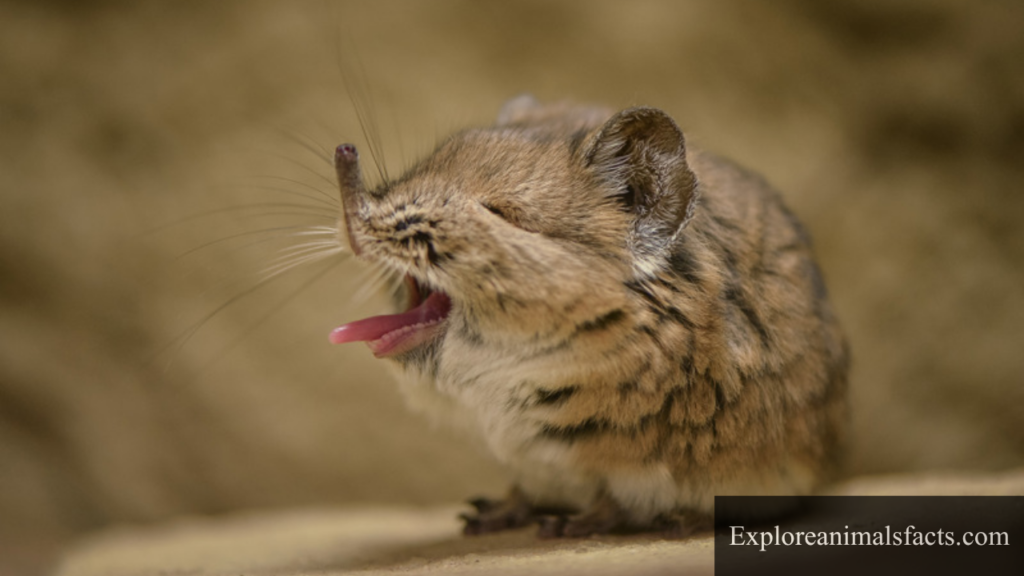
What truly sets the elephant shrew apart is its incredible agility. Known for darting around the underbrush, these small mammals demonstrate surprising speed, making them elusive targets for predators. Their unique respiratory structure is cleverly adapted to facilitate rapid breathing during these bursts of movement. Plus, their keen sense of smell plays a crucial role in social interactions, communicating through scent marking to establish territory and attract mates. In an ecosystem where every niche is vital, the elephant shrew embodies resilience and resourcefulness, proving that even the smallest creatures can leave a big impact.
Star-Nosed Mole
Scientific Name: Condylura cristata
Class: Mammalia
Diet: Carnivore
The star-nosed mole, a small yet remarkable creature native to North America, captures attention not just for its unique habitat but for its extraordinary nose. With 22 fleshy appendages radiating from its snout, this mole possesses the most sensitive touch receptors found in any mammal, making it a master forager in the dark, damp environments it calls home. These star-like tentacles are packed with thousands of sensory receptors, allowing the mole to detect and process information about its surroundings at lightning speed, almost as if it’s “seeing” with its nose.
The star-nosed mole’s remarkable foraging abilities come in handy in its aquatic pursuits. Unlike many moles, it is an adept swimmer, using its star to locate prey both on land and underwater, from tiny worms to crustaceans. This versatility highlights an evolutionary marvel — an animal perfectly tuned to thrive in shifting terrains, where sensory perception is a matter of survival. Observing this creature in its natural habitat can unveil a world where the nose isn’t just a feature but a vital tool for life, demonstrating nature’s ingenious methods for adaptation and survival.
Tapirs
Scientific Name: Tapirus
Class: Mammalia
Diet: Herbivore
Tapirs are fascinating creatures known for their distinctive, elongated snouts. These intriguing mammals belong to the family Tapiridae and are found in various habitats ranging from lush rainforests to open grasslands in Central and South America, as well as Southeast Asia. Their noses are not merely for show; they serve as versatile appendages that aid in foraging and sensory exploration. With a prehensile quality, tapirs can deftly grasp leaves, fruits, and twigs, showcasing an evolutionary adaptation that allows them to thrive in their environments.
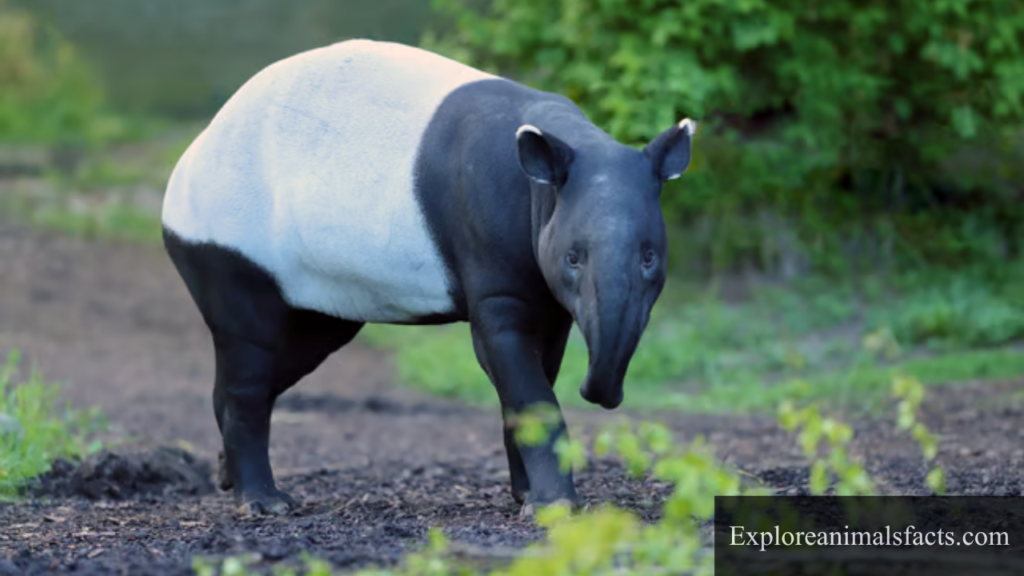
Tapirs play a crucial role in their ecosystems, acting as seed dispersers for a multitude of plant species. As they wander through the underbrush, they consume a diverse diet, inadvertently promoting forest regeneration by spreading seeds through their dung. This relationship highlights the interconnectedness of species within their habitats. In a world increasingly focused on conservation, understanding the ecological importance of these big-nosed mammals can inspire efforts to protect their dwindling populations and the lush environments they inhabit. Embracing the unique traits of tapirs not only enriches our appreciation for biodiversity but also underscores the vital roles that seemingly quirky animals play in maintaining the balance of our planet.
Readmore: Explore Top 15 Animals That Whistle.
Final Thoughts
Animals with big noses exhibit a fascinating array of adaptations that enhance their survival and functionality in diverse environments. From the impressive proboscis of the elephant to the unique snout of the tapir, their enlarged nasal structures serve critical roles in foraging, social interaction, and environmental navigation. The distinct shapes and functions of these noses demonstrate the incredible diversity within the animal kingdom and the ways in which species evolve to meet their ecological needs.
Understanding these adaptations not only deepens our appreciation for wildlife but also highlights the importance of conserving their habitats. Let us continue to explore and protect the remarkable creatures of our world, ensuring they thrive for generations to come.
FAQs
Which animals have big noses?
Several animals are known for their notably large noses. Elephants, for instance, have long trunks that serve multiple purposes — from feeding to social interaction. Their trunks are incredibly versatile, functioning as both a nose and a tool. Another animal with a prominent nose is the tapir. These herbivorous mammals have elongated snouts that help them forage for food in dense vegetation. Additionally, the proboscis monkey stands out with its large, floppy nose, which plays a role in attracting mates.
What animal has the longest nose?
The animal with the longest nose is the elephant. Specifically, the African elephant’s trunk can reach lengths of up to 7 feet! This incredible appendage is not just for show; it’s a multifunctional tool used for feeding, drinking, communicating, and even social interactions.