Top 15 Animals That Drink a Lot of Water (Images Included)
Did you know that some animals can consume up to 50 gallons of water in a single day? The ability to efficiently manage hydration is vital for survival in the wild. In this article, we’ll dive into the fascinating world of Animals That Drink a Lot of Water, exploring how these creatures thrive in their environments and the adaptations that enable such extraordinary water consumption. By the end, you’ll gain a deeper appreciation for the diverse strategies animals employ to beat the thirst in their habitats.
List of Animals That Drink a Lot of Water:
Below is the list of animals that drink a lot of water:
- Proboscis Monkey
- Elephants
- Marine Iguana
- Cows
- Zebra
- Hippopotamus
- Deer
- Camels
- Rhinoceros
- African Buffalo
- Kangaroos
- Moose
- Pigs
- Giraffe
- Horses
Proboscis Monkey
Scientific Name: Nasalis larvatus
Class: Mammalia
Diet: Omnivore
The proboscis monkey, with its distinctive nose and sociable nature, has an intriguing relationship with water that goes beyond mere thirst. Native to the mangrove forests of Borneo, this primate has adapted beautifully to its habitat, relying heavily on water not just for hydration but also for sustenance. Its diet consists primarily of leaves, seeds, and fruit — many of which benefit from abundant moisture. In fact, while foraging, these monkeys often seek out food sources that are rich in water content, allowing them to stay hydrated in the humid climate.
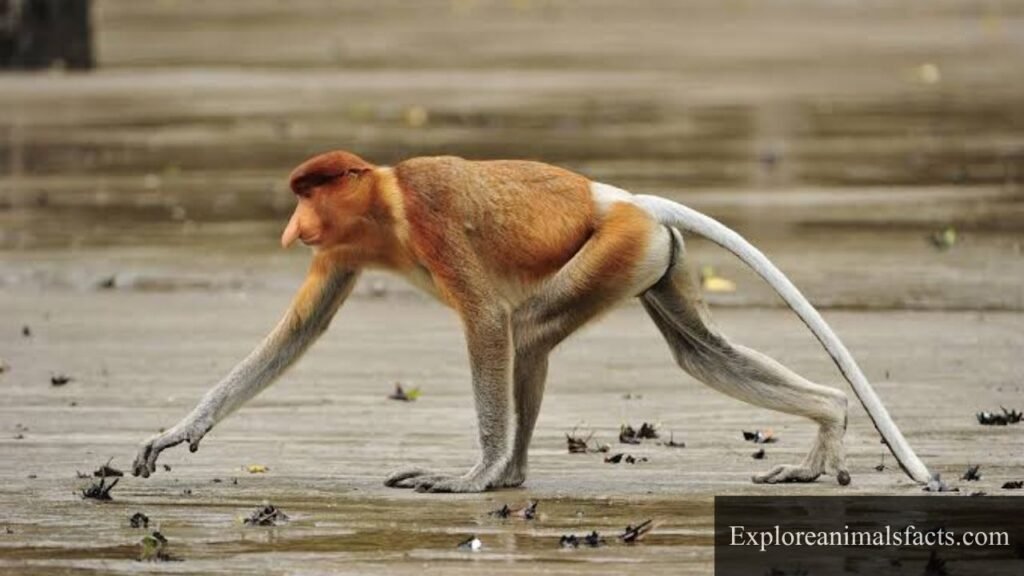
Interestingly, the proboscis monkey’s unique physical features play a role in its drinking habits. The males possess elongated noses that not only attract females but also create a resonant vocalization during mating calls, evoking a sense of community. Their robust social structure means they often drink together at nearby water sources, reinforcing social bonds. Observing these monkeys in their natural habitat provides a fascinating glimpse into how their reliance on water transcends basic survival — it nurtures both body and community, illustrating the profound connections that exist within ecosystems.
Elephants
Scientific Name: Loxodonta africana
Class: Mammalia
Diet: Herbivore
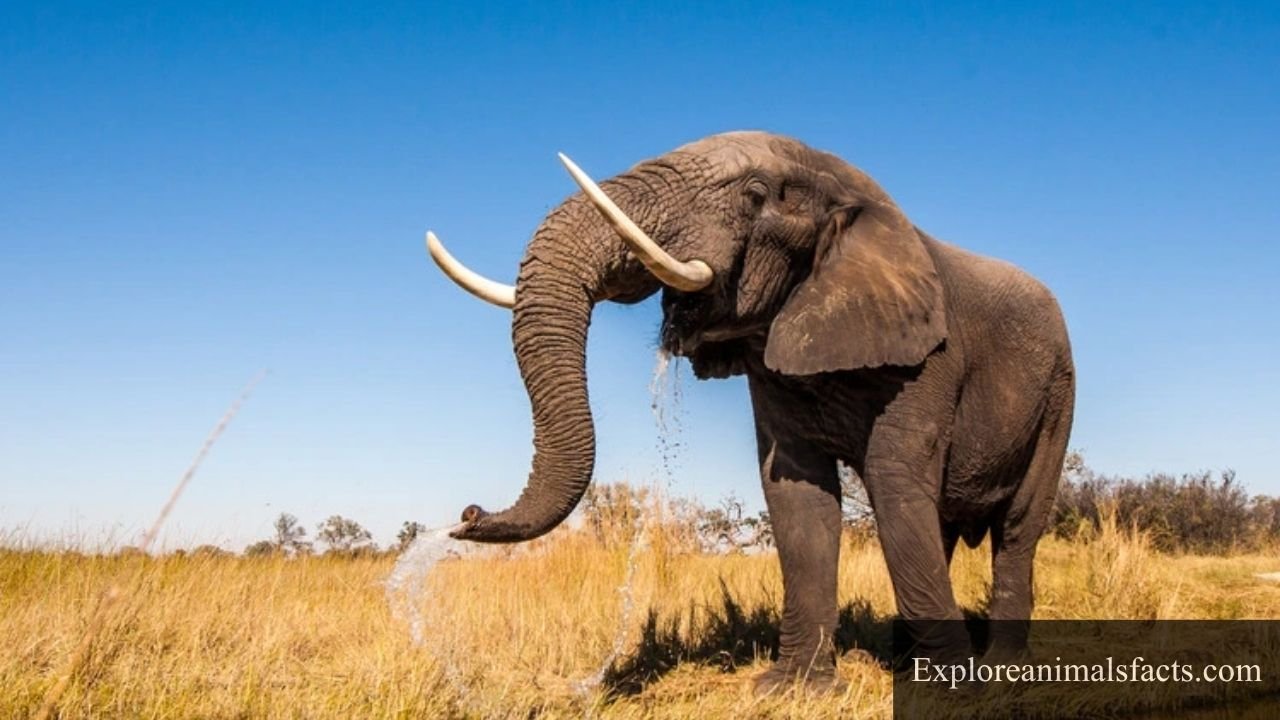
Elephants, the gentle giants of the animal kingdom, are known for their remarkable water consumption. On average, an adult elephant can drink up to 50 gallons of water a day, making them one of the heaviest drinkers in the animal world. This insatiable thirst isn’t merely a quirk of their size; it plays a crucial role in their survival. Elephants possess a unique physiological makeup that allows them to thrive in various environments, from arid savannas to lush jungles.
What’s fascinating is how elephants use their drinking habits to impact their ecosystems. By digging wells with their tusks during dry spells, they create water sources that benefit other wildlife, showcasing their role as stewards of their habitat. These creatures display a remarkable ability to sense underground water sources, often locating them even in the driest seasons. Their intuitive connection to the land not only sustains them but also fosters a delicate balance in their ecosystems, proving that their profound relationship with water goes beyond necessity — it’s a vital thread in the tapestry of life in the wild.
Marine Iguana
Scientific Name: Amblyrhynchus cristatus
Class: Reptilia
Diet: Herbivore
The Marine Iguana, unique to the Galápagos Islands, is the only lizard that has adapted to a fully marine lifestyle. These fascinating reptiles have evolved not just to thrive on land but to swim in the ocean, where they primarily feed on algae and seaweed. To combat the saltwater they encounter, Marine Iguanas have developed specialized nasal glands that allow them to expel excess salt, enabling them to drink freshwater and remain hydrated despite their marine environment.
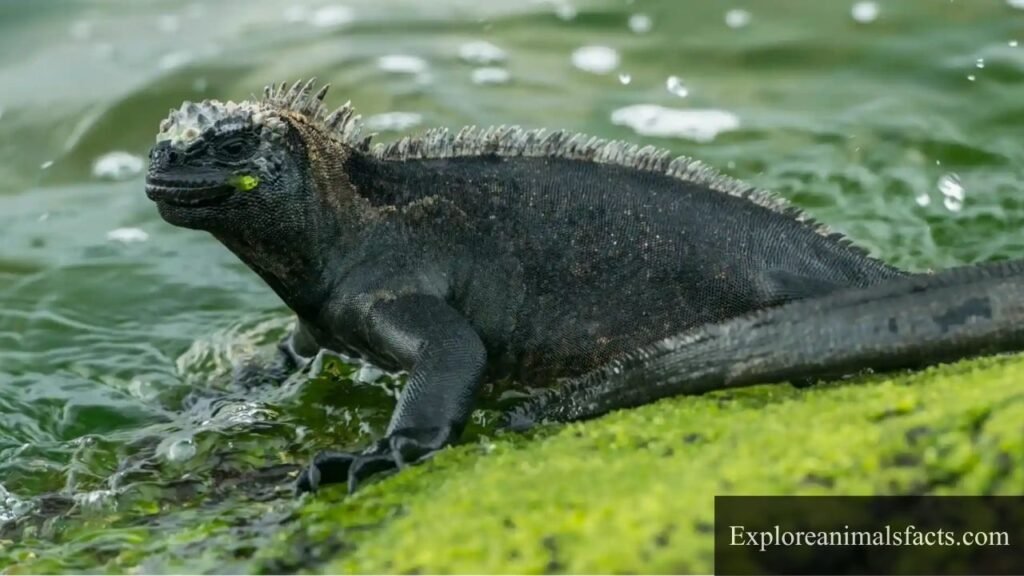
What sets the Marine Iguana apart is not merely its ability to live in a saline milieu but its impressive adaptation in fluid management. During their basking sessions on the rocks after swimming, they often engage in a ritualistic behavior of head bobbing, believed to aid in both thermoregulation and interaction with one another. Unlike many reptiles, which might limit their water use, Marine Iguanas are relatively social creatures, often seen congregating close together, which may help them conserve heat and minimize their overall water loss in their unique coastal habitats. Their resilience and adaptability exemplify the intricate connections between wildlife and their ecosystems, providing a stunning glimpse into the wonders of evolution.
Readmore: Explore Top 17 Striped Animals in The World.
Cows
Scientific Name: Bos taurus
Class: Mammalia
Diet: Herbivore
Cows can drink a staggering amount of water, up to 30 gallons a day, depending on factors like their size, diet, and environmental conditions. This remarkable intake is not just about quenching thirst; it plays a crucial role in their digestion and overall health. The digestive system of a cow is complex, relying on water to help break down fibrous plant material. In fact, water aids in the fermentation of food in their unique rumen, ensuring they extract maximum nutrients from their grass-based diet.
Interestingly, the quality of water is just as vital as the quantity. Cows are sensitive to the cleanliness of their water source; dirty or stagnant water can lead to health issues and reduced milk production. Farmers must therefore prioritize water management, ensuring their herds have access to fresh, clean water at all times. Beyond hydration, incorporating water-rich foods like silage can enhance their water intake, showcasing the intimate connection between a cow’s diet, hydration, and overall productivity. For those who observe these gentle giants, it’s fascinating to see how such seemingly simple behavior underpins their well-being and the agricultural systems that rely on them.
Zebra
Scientific Name: Equus quagga
Class: Mammalia
Diet: Herbivore
Zebras, with their striking black and white stripes, have a surprisingly high demand for water, particularly in hot climates. These remarkable creatures can consume between 5 to 10 gallons of water daily, making hydration a top priority in their daily routine. What sets zebras apart, however, is their unique adaptation to varied environments. In one setting, they may be found grazing near abundant water sources, while in drier areas, they are known to dig for underground water or travel long distances to find reliable supplies.
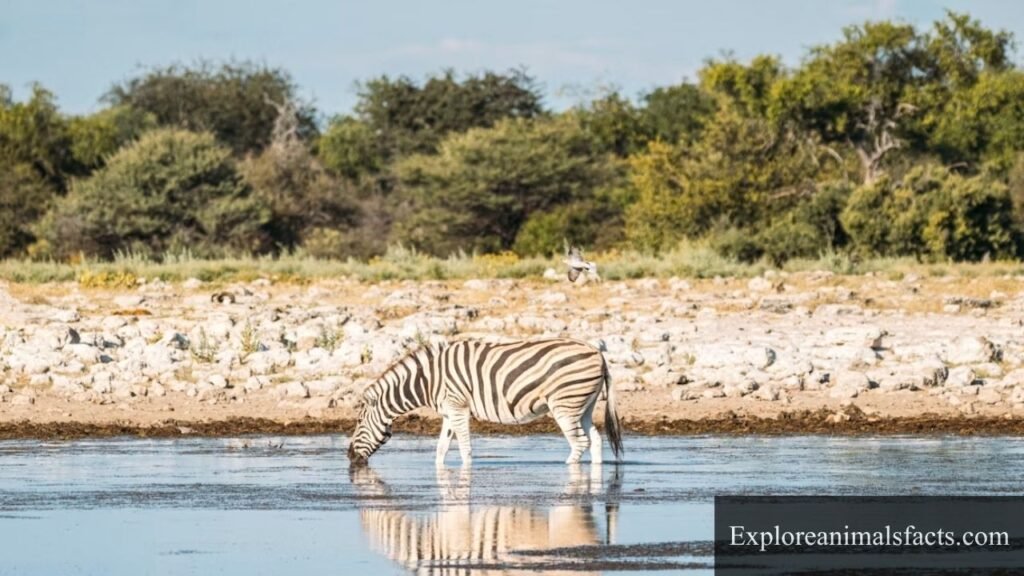
Interestingly, zebras exhibit a social drinking behavior that speaks to their herd mentality. When approaching a water source, they tend to gather in groups, providing safety in numbers while quenching their thirst. This communal approach not only ensures they remain vigilant against predators but also fosters social bonds among members of the herd. Observing zebras at a watering hole reveals an intricate dance of timing and awareness, as they take turns to drink, demonstrating an evolutionary adaptation that balances their survival instincts with the need for hydration.
Hippopotamus
Scientific Name: Hippopotamus amphibius
Class: Mammalia
Diet: Herbivore
The hippopotamus, often perceived as a plump, docile giant, secretly harbors a remarkable hydration strategy that reflects its unique lifestyle. Despite spending much of its day submerged in water, the hippo can consume up to 50 gallons of water in a single day, staying hydrated mainly through its diet of grass. With their hefty bodies and thick skin, these mammals rely on water not just for quenching thirst but also for thermoregulation, as their skin can easily dry out in the sun.
Interestingly, hippos secrete a natural sunscreen — hipposudoric acid — that gives them a reddish hue, protecting their skin from harmful UV rays. This unique adaptation underscores their dependence on aquatic environments for survival and marks them as terrestrial mammals with an intriguing relationship with water. Beyond hydration, their presence in rivers and lakes profoundly impacts the ecosystem, shaping habitats for numerous aquatic species while fostering nutrient cycling. Hence, the hippo is not only a heavy drinker but also a crucial player in maintaining the delicate balance of its ecosystem.
Deer
Scientific Name: Cervidae
Class: Mammalia
Diet: Herbivore
Deer are fascinating creatures, often found in various habitats, from dense forests to open grasslands, and they have a unique relationship with water. These animals require significant amounts of hydration, especially in warmer months. Adult deer can consume as much as a gallon of water daily, depending on environmental conditions and their activity levels. This vital resource not only helps regulate their body temperature but also supports their digestion and overall health.
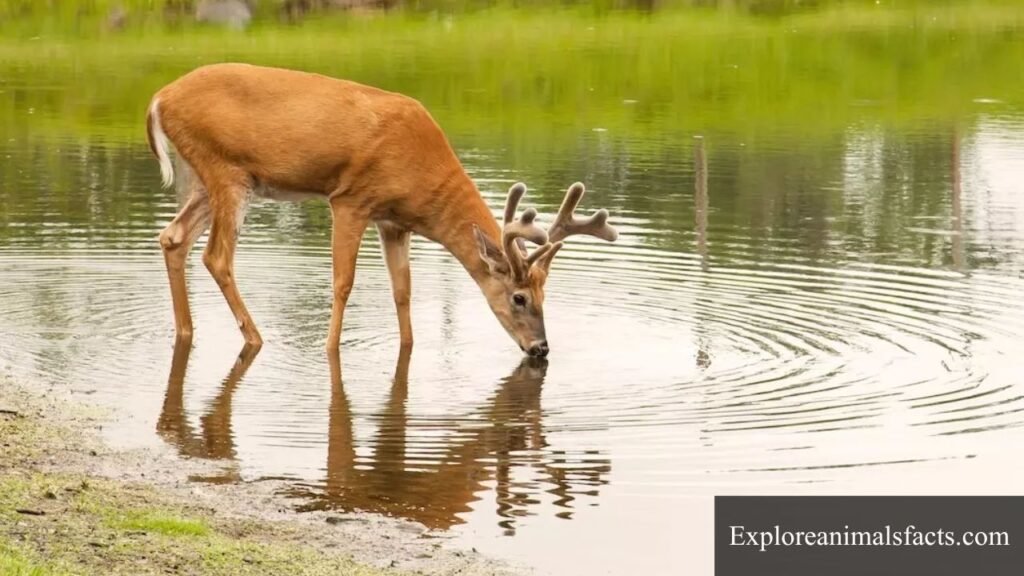
Interestingly, deer are adept at sensing where water sources are located, often using their keen sense of smell and memory to locate streams, ponds, or even puddles. This behavior highlights their adaptability and survival instincts, as they are able to navigate and thrive in diverse ecosystems. Moreover, their drinking habits play a critical role in maintaining the delicate balance of their habitats, as they often leave behind water holes that other smaller wildlife can benefit from. In a way, deer serve as guardians of their environment, ensuring that life continues to flourish around them through their simple yet essential act of drinking water.
Camels
Scientific Name: Camelus dromedarius
Class: Mammalia
Diet: Herbivore
Camels, often dubbed the “ships of the desert,” possess a remarkable ability to survive in arid environments where water is scarce. Contrary to popular belief, these creatures don’t store water in their iconic humps; rather, the humps are reservoirs of fat that serve as energy reserves. When it comes to hydration, a camel can consume up to 40 gallons in just one sitting, allowing it to thrive for days — or even weeks — without a drop.
What’s even more fascinating is their physiological adaptations. Camels can tolerate a loss of up to 25% of their body weight due to dehydration, a feat lethal to most animals. Their bodies also exhibit a unique water conservation mechanism; each breath is exhaled with minimal moisture lost. This efficiency, combined with their ability to withstand extreme temperature variations, positions camels as true masters of their harsh environment. Understanding these adaptations not only highlights the incredible resilience of camels but also teaches us valuable lessons on sustainability and survival in an ever-changing world.
Rhinoceros
Scientific Name: Rhinocerotidae
Class: Mammalia
Diet: Herbivore
Rhinoceroses are fascinating creatures, not just for their imposing presence but also for their remarkable hydration habits. These enormous mammals can consume up to 100 liters of water in a single day, a necessity driven by the harsh, often arid environments they inhabit. The sheer volume of water they drink allows them not only to stay hydrated but also to regulate their body temperature, especially under the sweltering sun of their native grasslands and savannas.
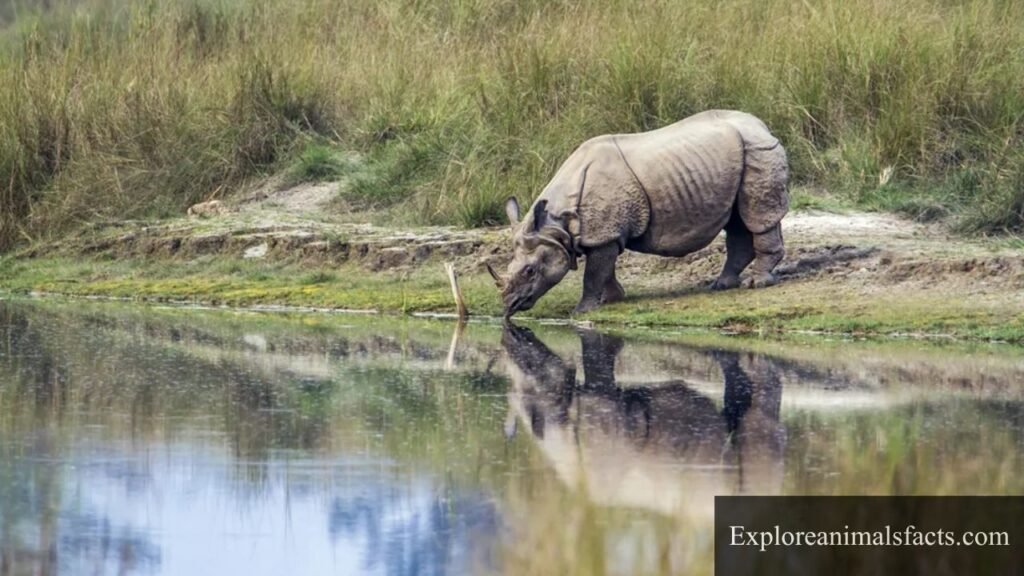
Interestingly, rhinos have a unique method of managing their water intake. They often dig into dry riverbeds or muddy pools to access underground water sources, showcasing their incredible adaptability. These animals often rely on the moisture found in the vegetation they consume, making their dietary choices intricately linked to their hydration strategies. Observing these magnificent beasts in their natural habitat reveals not only their endurance but also the vital role water plays in sustaining their existence amidst ecosystem challenges.
African Buffalo
Scientific Name: Syncerus caffer
Class: Mammalia
Diet: Herbivore
The African buffalo, often seen in large herds roaming the savannas, is a fascinating creature not only for its imposing stature but also for its remarkable hydration needs. These animals can consume up to 35 liters (nearly 9 gallons) of water in a single day, especially after a long trek through the dry grasslands. This thirst is not just a biological necessity but a crucial survival strategy in their often arid habitats, where water sources can be scarce.
Interestingly, buffalo have evolved a highly social drinking behavior. Rather than approaching waterholes alone, they tend to congregate in groups, which not only provides safety in numbers from predators but also allows them to collectively monitor their surroundings for danger. Their strong social bonds make this ritual an opportunity for communication and the reinforcement of herd dynamics. In this context, each sip taken by the buffalo is not merely an act of quenching thirst but a testament to their communal life, where survival hinges on cooperation and vigilance.
Kangaroos
Scientific Name: Macropus
Class: Mammalia
Diet: Herbivore
Kangaroos, found in arid landscapes of Australia, have a remarkable adaptation that allows them to thrive in environments where water is a scarce resource. Surprisingly, these marsupials are incredibly efficient at conserving water. In fact, they can survive long periods without drinking, deriving much of their hydration from the lush grasses and foliage they consume. This dietary approach not only sustains them in dry seasons but also showcases their unique physiological adaptations to the harsh Australian bush.
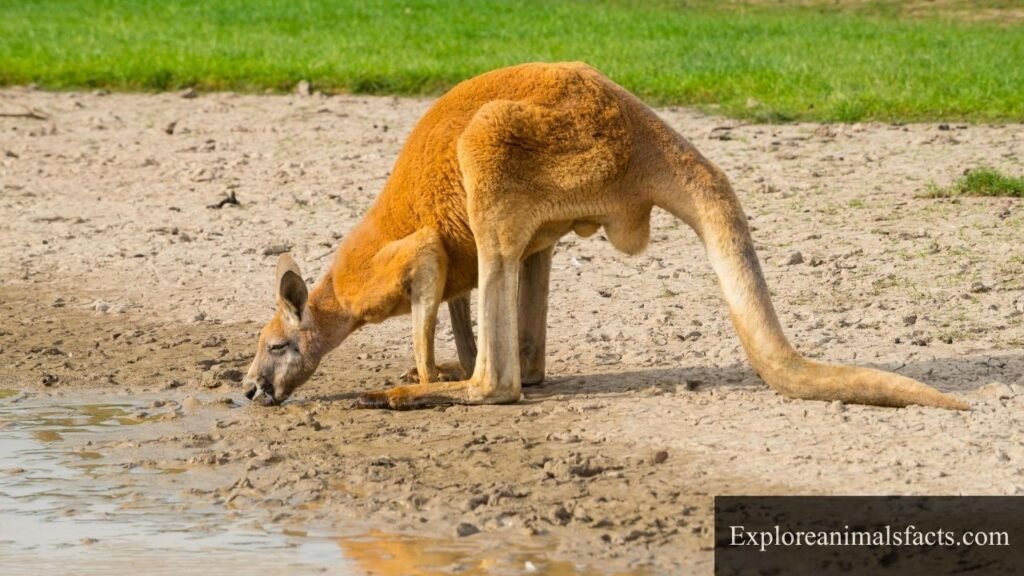
However, when water is available, kangaroos are known to quench their thirst with a surprisingly large intake. They can drink up to a gallon of water in a single sitting, prioritizing hydration after a long day of foraging. This behavior highlights not only their need to stay hydrated but also their intelligence in finding water sources. Observing kangaroos’ water-drinking habits reveals a blend of instinct and adaptation — it’s a fascinating glimpse into how they navigate their challenging environment, demonstrating both resilience and resourcefulness in the face of fluctuating water availability.
Moose
Scientific Name: Alces alces
Class: Mammalia
Diet: Herbivore
Moose are fascinating creatures not just for their impressive size but also for their remarkable hydration habits. Standing up to six and a half feet tall at the shoulder, these majestic animals can consume up to 30 gallons of water per day, particularly during the hot summer months. What’s striking is how this water intake aids in their thermoregulation; moose are often found near lakes and streams where they can snack on aquatic plants while quenching their thirst. This dual purpose not only keeps them hydrated but also provides ample nutrition.
Interestingly, moose are built for their watery habitat, with long legs that allow them to wade through deep water in search of food. Their unique adaptations include an exceptional ability to dive up to 18 feet underwater, using their incredibly flexible joints to forage for nutrient-rich underwater vegetation. This behavior showcases not only their reliance on water but also their ecological role; as they graze on submerged plants, they help maintain the health of aquatic ecosystems. Observing a moose feeding in its natural habitat provided insight into the intricate connections between wildlife and water sources, highlighting the importance of preserving these vital ecosystems for the future.
Pigs
Scientific Name: Sus scrofa domesticus
Class: Mammalia
Diet: Omnivore
Pigs are surprisingly sophisticated creatures when it comes to hydration. Despite their reputation for rolling in mud, they aren’t just indulging in a spa day; mud serves a vital purpose. It helps regulate their body temperature and, importantly, offers a source of moisture to combat dehydration. In fact, pigs can consume a significant amount of water — up to 14 gallons a day! This colossal intake is necessary for their digestive health, especially since their diet is often rich in fibrous plant material.
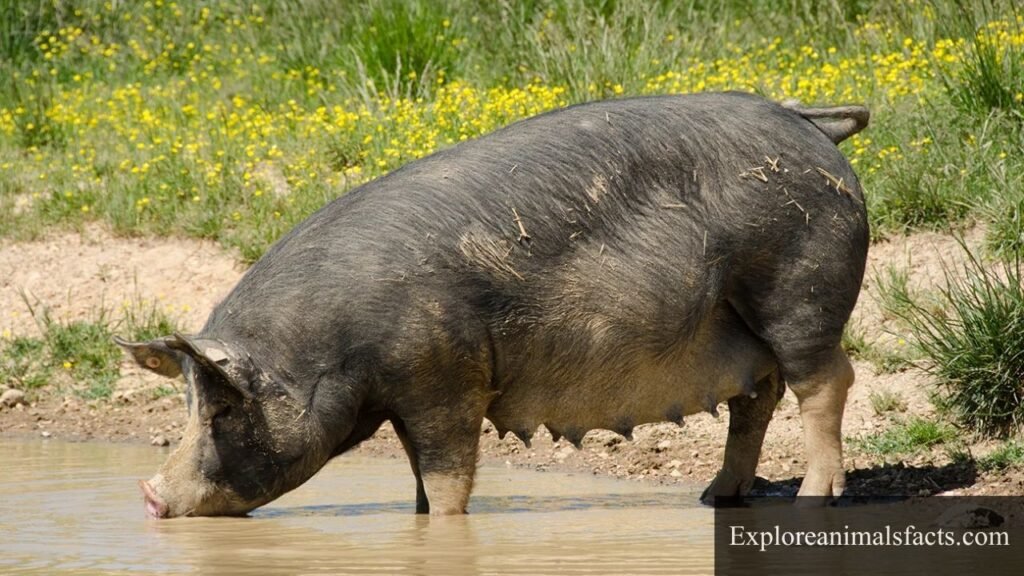
Interestingly, pigs’ social behavior around water showcases their intelligence. They often establish a pecking order when accessing water sources, displaying both competition and cooperation in a surprisingly strategic manner. Observations have shown that pigs will use their snouts to create small pools of water, demonstrating not only their need for hydration but also their problem-solving skills.
Giraffe
Scientific Name: Giraffa camelopardalis
Class: Mammalia
Diet: Herbivore
The giraffe, nature’s gentle giant, is surprisingly adept when it comes to staying hydrated. Contrary to popular belief, these towering creatures don’t just sip casually from the waterholes; they can consume up to 12 gallons of water in a single day! Their long necks, designed perfectly for reaching high leaves, also allow them to bend down awkwardly to drink. This peculiar posture exposes them to vulnerability from predators, which is why they often drink quickly and remain vigilant.
What’s fascinating is how giraffes are adapted to their arid habitats. These majestic animals derive a significant portion of their hydration from the moisture in the foliage they munch on, allowing them to survive weeks without direct water intake. Their unique digestive system, equipped with a four-chambered stomach, efficiently processes the fibrous material found in their diet, extracting every last drop. This remarkable adaptation highlights not only the giraffe’s physical prowess but also the intricate balance of survival in the wild, revealing how evolution fosters resourcefulness in seemingly simple, everyday activities like drinking.
Horses
Scientific Name: Equus caballus
Class: Mammalia
Diet: Herbivore
Horses are remarkable creatures known not just for their strength and speed, but also for their impressive water consumption. An adult horse can drink anywhere from 5 to 10 gallons of water a day, depending on factors like their activity level, climate, and diet. This high intake is crucial for their overall health, supporting vital functions such as digestion, temperature regulation, and joint lubrication.
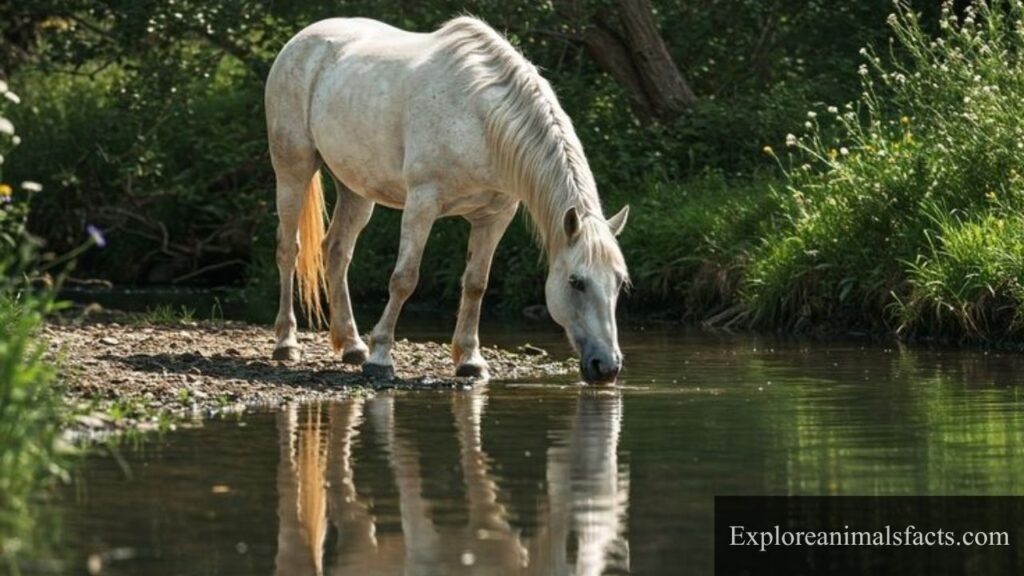
Interestingly, horses have evolved to be incredibly efficient water drinkers. Unlike many other animals, they can detect water sources from miles away using their acute sense of smell and the sound of flowing water. This instinctual behavior harkens back to their wild ancestors who needed to find reliable water during their long migrations. Horses can drink large volumes in a short time, reflecting their natural need to replenish fluids quickly after exertion. Understanding these fascinating habits not only highlights their adaptability but also emphasizes the importance of providing clean and accessible water to ensure their well-being.
Readmore: Explore Top 11 Animals With Big Noses.
Final Thoughts
Animals that require large amounts of water have fascinating adaptations that allow them to thrive in their environments. From the majestic elephants to the hardy camels, these creatures have developed unique behaviors and physiological traits to manage their hydration needs. Understanding their water consumption habits not only highlights their survival strategies but also raises awareness about the importance of conserving their habitats. As we witness ongoing climate changes that threaten water sources globally, it is crucial to recognize the interconnectedness of all life. Let us take action to protect these remarkable animals and their ecosystems for future generations.
FAQs
Which animal drinks lots of water?
The animal that drinks the most water is the elephant. These giants can consume up to 50 gallons of water a day, especially in hot climates. Their large bodies require significant hydration to maintain their health and energy levels.
What is the most thirsty animal?
The most thirsty animal is often considered to be the camel, known for its ability to go long periods without water. When they do drink, they can guzzle up to 40 gallons in one go. However, they can tolerate significant dehydration, making them remarkable survivors in arid environments.