Top 14 Animals With Big Eyes (With Images)
In the enchanting world of wildlife, animals with big eyes not only have captivating appearances but also unique adaptations that aid their survival. From the night-hunting owl to the intriguing tarsier, these creatures offer fascinating insights into evolution and ecology. In this article, we’ll explore the reasons behind their oversized peepers and what their unique vision reveals about the natural world.
List of Animals with Big Eyes
Here is the list of animals with big eyes:
- Chameleon
- Rabbit
- Tree Frog
- Giant Squid
- Pygmy Marmoset
- Ostrich
- Sphynx Cat
- Owl
- Slow Loris
- Tarsier
- Lemur
- Bushbaby
- Aye-aye
- Swordfish
Chameleon
Scientific Name: Chamaeleonidae
Class: Reptilia
Diet: Carnivore
Chameleons, renowned for their remarkable ability to change color, also possess a striking pair of independently moving eyes. These large eyes not only grant them a panoramic view of their surroundings, allowing for a near-360-degree field of vision, but they also enhance their hunting prowess. With the ability to focus on two different objects simultaneously, chameleons can spot prey while remaining ever-alert to potential threats, making them adept ambush predators in their vibrant habitats.
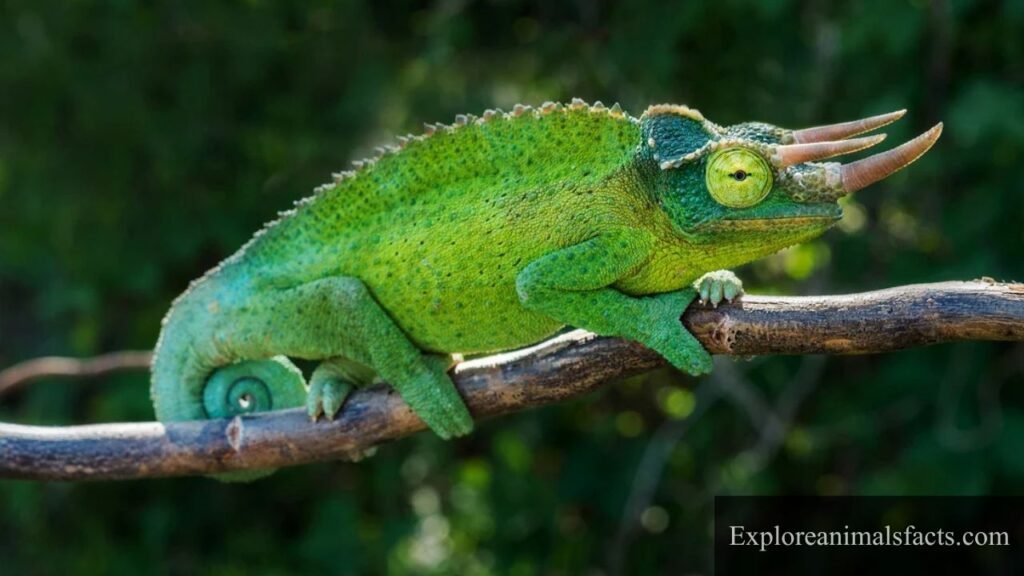
The eyes of a chameleon are a window into their adaptability. When threatened, these reptiles can often blend seamlessly into their environments, using their eyes to gauge their surroundings and choose the best escape routes without drawing attention. This unique interaction between their visual prowess and camouflage illustrates a fascinating evolutionary balance, showcasing how each aspect of their biology interplays to ensure survival. Ultimately, the chameleon’s big eyes symbolize not only their distinctive style but also their remarkable adaptations to an often perilous world.
Rabbit
Scientific Name: Leporidae
Class: Mammalia
Diet: Herbivore
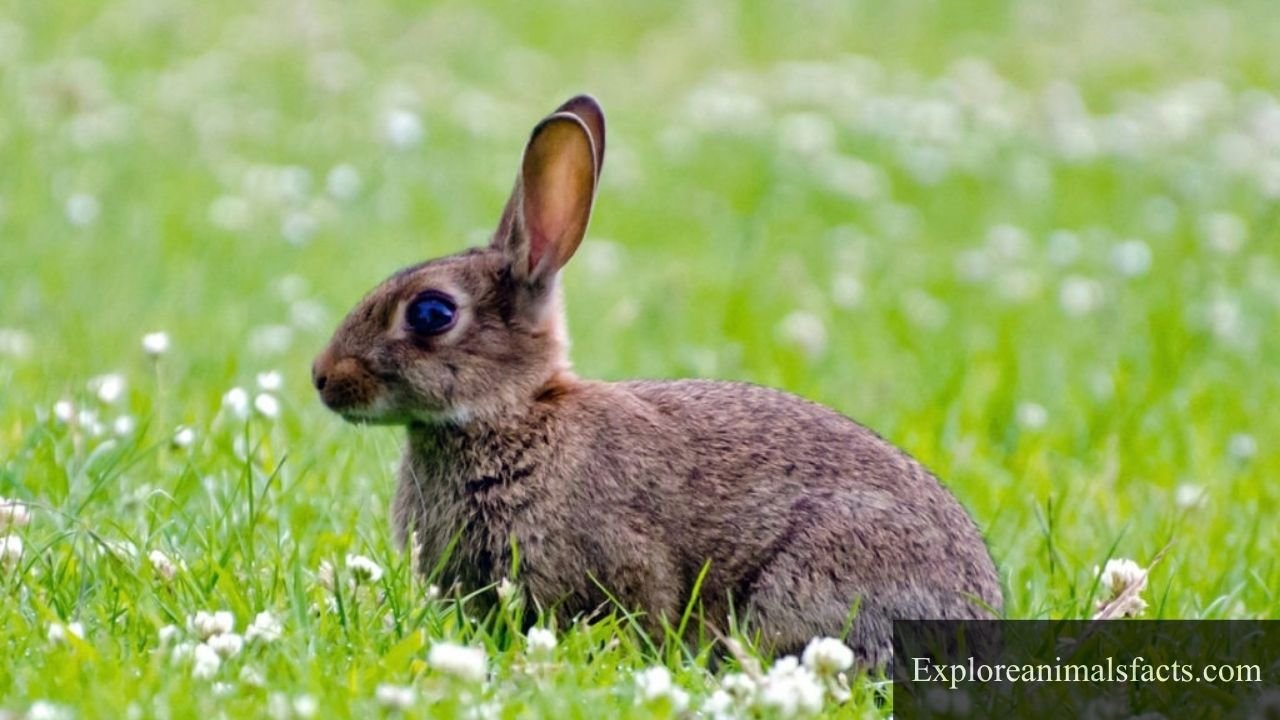
Rabbits are iconic not just for their long ears and twitching noses, but for their strikingly large eyes. These remarkable orbs serve more than just a cute aesthetic; they play a crucial role in their survival. Positioned high on their heads, rabbit eyes offer a nearly panoramic view, enabling them to spot predators from all angles. This adaptation is vital in the wild, where a split-second reaction can mean the difference between life and death.
The unique structure of rabbit eyes allows them to see well in low light conditions, making them crepuscular creatures that are most active during dawn and dusk. This evolution enhances their foraging strategy, as they can exploit food sources while minimizing the chance of encounters with predators. The shimmering quality of their large eyes, often perceived as a reflection of innocence and curiosity, invites a closer connection between humans and these gentle creatures, inspiring countless tales and fables that further embed them in cultural narratives. Through their delightful gaze, rabbits convey both vulnerability and an innate sense of wonder that captivates our hearts.
Tree Frog
Scientific Name: Hylidae
Class: Amphibia
Diet: Carnivore
Tree frogs, with their oversized, expressive eyes, possess a unique blend of charm and functionality. These large ocular orbs serve more than just an aesthetic purpose; they enhance the frogs’ ability to see in low light, giving them a significant advantage in locating prey and evading predators. This adaptation is especially critical for species that are primarily nocturnal, allowing them to navigate their lush, dense environments with incredible precision.
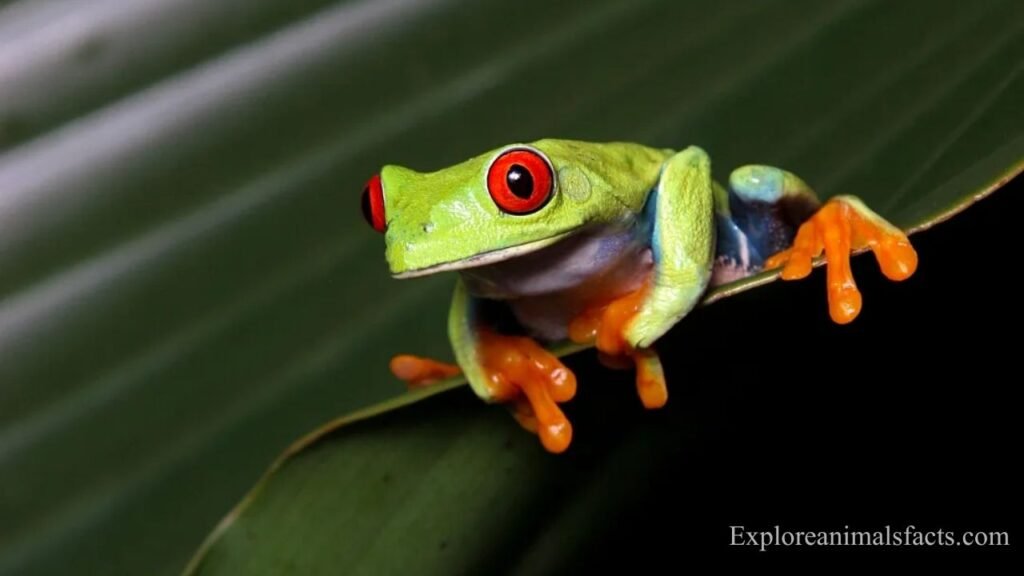
The eyes of tree frogs are also adapted for their remarkable jumping abilities. The combination of wide-set eyes and excellent depth perception aids in gauging distances accurately during leaps from branch to branch. This impressive spatial awareness not only enhances their hunting prowess but also plays a vital role in their social interactions, where eye contact can signal readiness or submission within their vibrant, lively communities. Moreover, the coloration and patterns around their eyes may serve as a form of camouflage, helping them blend into the dappled light of their forest homes, a testament to the elegant interplay between form and function in nature.
Readmore: Explore Top 16 Sneaky Animals In The World.
Giant Squid
Scientific Name: Architeuthis dux
Class: Cephalopoda
Diet: Carnivore
The giant squid, one of the ocean’s most enigmatic residents, boasts eyes that can reach the size of basketballs, a remarkable adaptation in the pitch-black depths of the sea. These massive orbs serve more than just a striking appearance; they are finely tuned to detect even the faintest flicker of light, allowing the squid to spot both prey and predators in an environment where visibility is a luxury. This extraordinary vision is vital for survival, enabling the giant squid to navigate the vast, dimly lit expanse of the ocean, where other senses may fall short.
Researchers believe that the size of the giant squid’s eyes not only enhances its ability to find food but also plays a role in its mating rituals. The sheer grandeur of its gaze captivates potential partners, showcasing the evolutionary link between physical traits and social behaviors. Furthermore, the fascinating contrast between its colossal eyes and its elusive nature sparks curiosity and inspires tales of sea monsters, blurring the line between myth and reality. Every glimpse of a giant squid reminds us that the depths of our oceans hold secrets yet to be discovered, waiting for us to explore further.
Pygmy Marmoset
Scientific Name: Cebuella pygmaea
Class: Mammalia
Diet: Omnivore
The pygmy marmoset, often dubbed the “finger monkey,” are tiny primates, weighing only around four ounces, have large, expressive eyes that are perfectly adapted for their environment. In their dense, low-light habitats of the Amazon rainforest, these big eyes serve a crucial role, improving their depth perception and enhancing their night vision. It’s as if nature has given them built-in binoculars for spotting insects and fruits among the foliage.
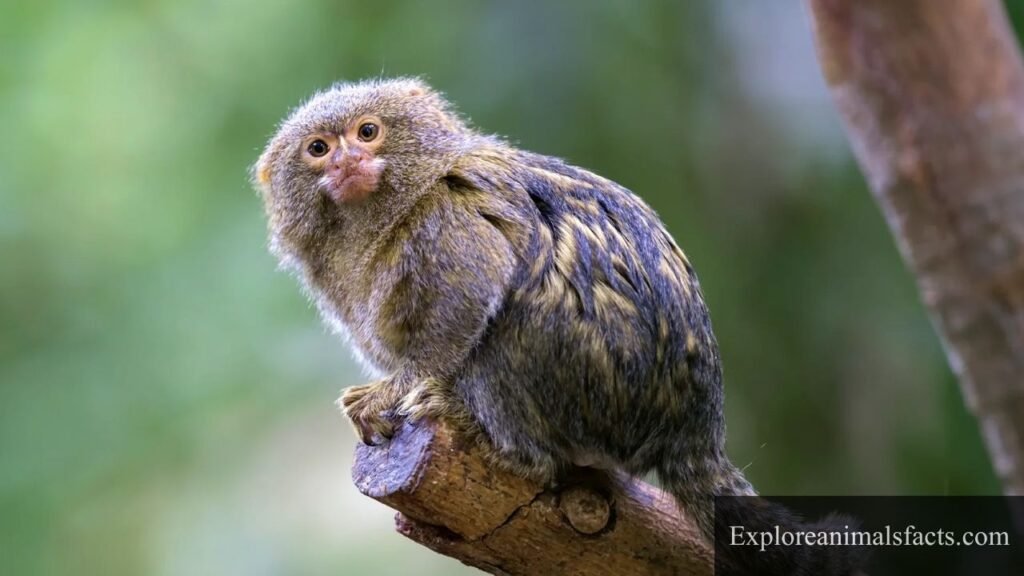
Beyond their functional aspects, the large eyes of pygmy marmosets also convey a remarkable sense of vulnerability and curiosity. Their innocent gaze captivates researchers and wildlife enthusiasts alike, sparking a sense of empathy for these tiny beings that grapple with habitat loss due to deforestation. Their unique social structures, often formed in family groups that exhibit cooperative care, reveal intricate dynamics that further highlight the intelligence and emotional depth of these small creatures. Indeed, the pygmy marmoset’s big eyes are not just a striking feature but a lens through which we can appreciate the complex interplay of ecology, adaptation, and social behavior in the animal kingdom.
Ostrich
Scientific Name: Struthio camelus
Class: Aves
Diet: Omnivore
Ostriches, renowned for their impressive stature, also boast exceptionally large eyes that can measure up to two inches in diameter. These oversized peepers serve a crucial purpose, providing the birds with remarkable vision. With an eye positioned about 10 centimeters wide apart, ostriches can survey their surroundings effectively, spotting predators from a distance. This adaptation is vital in the wild, where an astute sense of sight can mean the difference between life and death.
The ostrich’s large eyes are perfect for their open habitat, allowing them to process visual information quickly while sprinting at speeds exceeding 45 miles per hour. Their eyes contain a unique structure that offers enhanced depth perception and a broader field of vision. This means not only can they detect movement from afar, but they can also judge distances effectively, an essential skill for navigating the vast plains of Africa safely. It’s fascinating how this bird, often misunderstood as a simple creature, embodies both elegance and practicality through the remarkable evolution of its visual anatomy.
Sphynx Cat
Scientific Name: Felis catus
Class: Mammalia
Diet: Carnivore
The Sphynx cat, beyond other striking features, boasts unexpectedly large and expressive eyes. These captivating orbs not only serve to enhance its dramatic look but also reflect a deep emotional intelligence. The wide-eyed gaze of a Sphynx can convey a range of feelings, from curiosity to mischief, drawing you in and creating an almost human-like connection. This unique trait allows them to communicate silently, relying on their mesmerizing eye movements to express needs and desires.
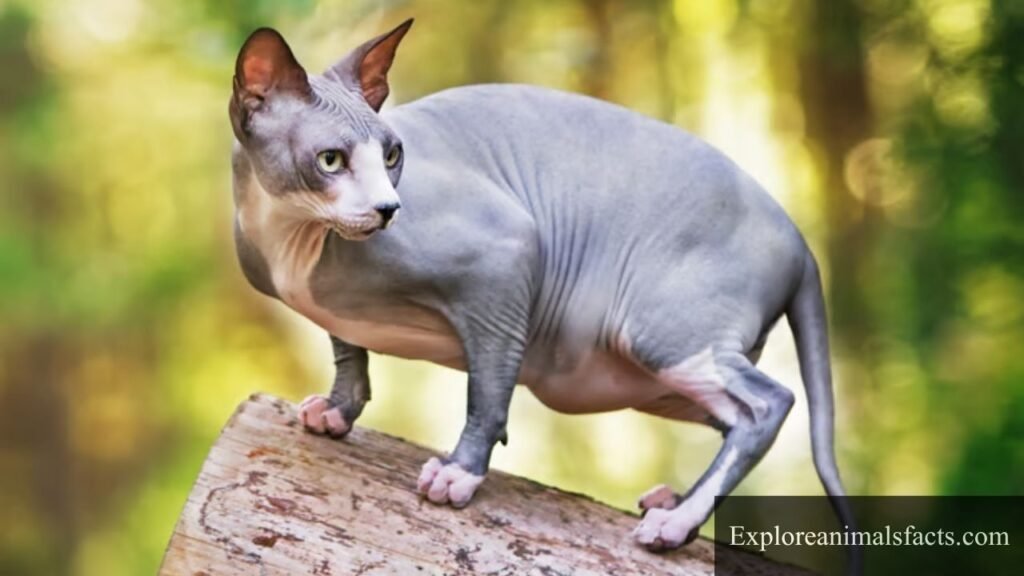
What sets their eyes apart is not just their size, but their color and shape, which vary widely among individuals — ranging from captivating greens to deep blues. This diversity adds to the allure of the breed, making each Sphynx distinctly beautiful. Beneath their playful, energetic demeanor lies a surprisingly affectionate nature; owners often report that their Sphynx forms an intense bond with them, using those large eyes as a window into their affectionate spirit. As they curl up on your lap, their gaze can melt the hardest of hearts, reminding us that sometimes, the most unconventional appearances can harbor the deepest connections.
Owl
Scientific Name: Strigiformes
Class: Aves
Diet: Carnivore
Owls possess large eyes that contribute significantly to their mystique. These oversized orbs are not just for show; they serve a practical purpose. Owls are nocturnal predators, and their big eyes enhance their ability to see in low-light conditions, enabling them to spot potential prey with remarkable clarity even in the dead of night. The structure of an owl’s eye is specially adapted to gather as much light as possible, which is critical for their survival.
Owls can’t move their eyes like humans can. Instead of having round eyeballs, their eyes are elongated and tube-like, fixed within their sockets. This means that to scan their environment, owls must turn their entire heads — a spectacular 270 degrees! This adaptation not only maximizes their field of vision but also intensifies their enigmatic presence, making them appear almost supernatural in the dark forests they inhabit. Each glance from these big-eyed wonders adds layers to their persona, evoking our fascination and stirring thoughts about the mysteries that await in the night.
Slow Loris
Scientific Name: Nycticebus coucang
Class: Mammalia
Diet: Omnivore
The slow loris, a small primate native to Southeast Asia, captivates with its mesmerizing large eyes. These big, round orbs are not just for show; they provide exceptional night vision, allowing the slow loris to thrive in nocturnal environments. Their unique adaptation helps them hunt for fruits and insects in the dense jungles where light is sparse. With their eyes reflecting light in a way that resembles a dreamy glow, it’s as if they carry a little piece of moonlight wherever they go.
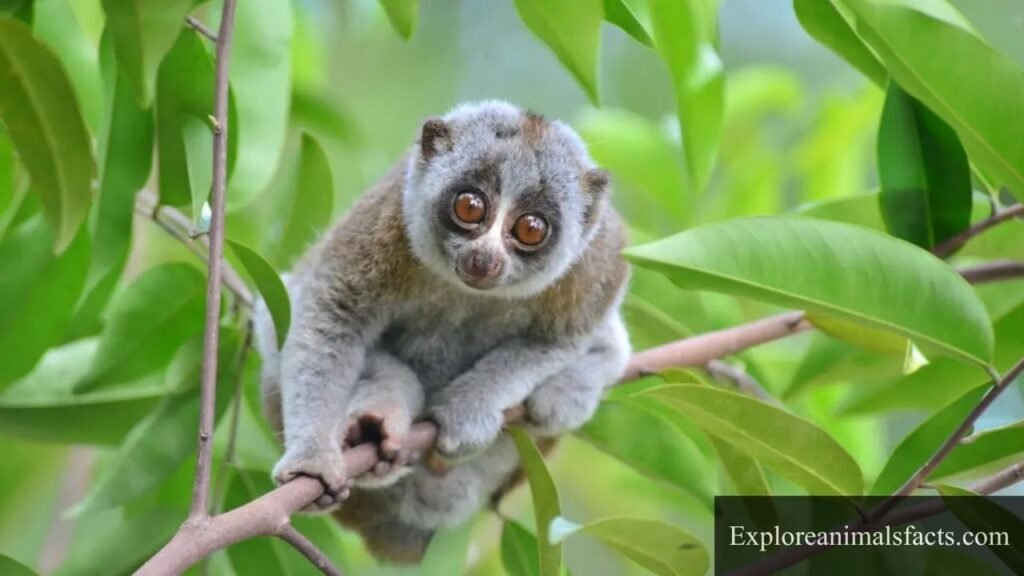
Slow lorises also possess a fascinating inchworm-like movement. Instead of darting about, they navigate their arboreal homes with slow, deliberate actions, showcasing a strategy that minimizes energy expenditure and reduces the chance of detection by predators. This unhurried demeanor, coupled with their gentle, curious traits, makes them a favorite among wildlife enthusiasts and researchers alike. However, their enchanting features also come with vulnerabilities, as they are targeted in the illegal pet trade, exposing a stark contrast between their beguiling appearance and the harsh realities they face.
Tarsier
Scientific Name: Tarsius
Class: Mammalia
Diet: Carnivore
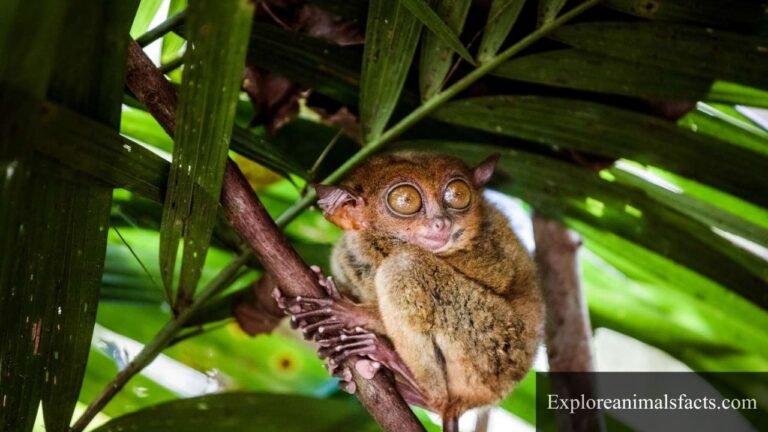
The tarsier, a small primate native to Southeast Asia, is renowned for its astonishingly large eyes, which can be more than half the size of its head. These eyes are not just for show; they provide the tarsier with remarkable night vision, allowing it to hunt insects and small vertebrates in the darkest of environments. With their eyes fully immobile, the tarsier must rotate its head nearly 180 degrees to scan for prey, a hauntingly graceful adaptation that highlights the delicate balance between beauty and survival in nature.
The tarsier’s eyes have a unique structure that sets them apart from other nocturnal animals. Their retinas contain a diverse array of rod cells, enhancing their ability to detect movement and light in dim conditions, but there’s more to their vision than mere function. These exaggerated features also evoke a deeper, almost whimsical connection with humanity; many find themselves captivated by the tarsier’s wide-eyed expression, prompting essential conversations about conservation and the fragility of their habitat. As they cling to their treetop homes, tarsiers remind us not just of the marvels of evolution, but of the pressing need to protect the delicate ecosystems that support these enchanting creatures.
Lemur
Scientific Name: Lemuroidea
Class: Mammalia
Diet: Omnivore
The lemur demonstrates a fascinating evolutionary response to its nocturnal lifestyle with its remarkably large eyes. These adaptations are not merely for show; they enable these creatures to navigate the dense foliage of Madagascar under low-light conditions. The striking size of their eyes allows them to capture more light, enhancing their night vision and giving them a survival edge in their unique habitat.
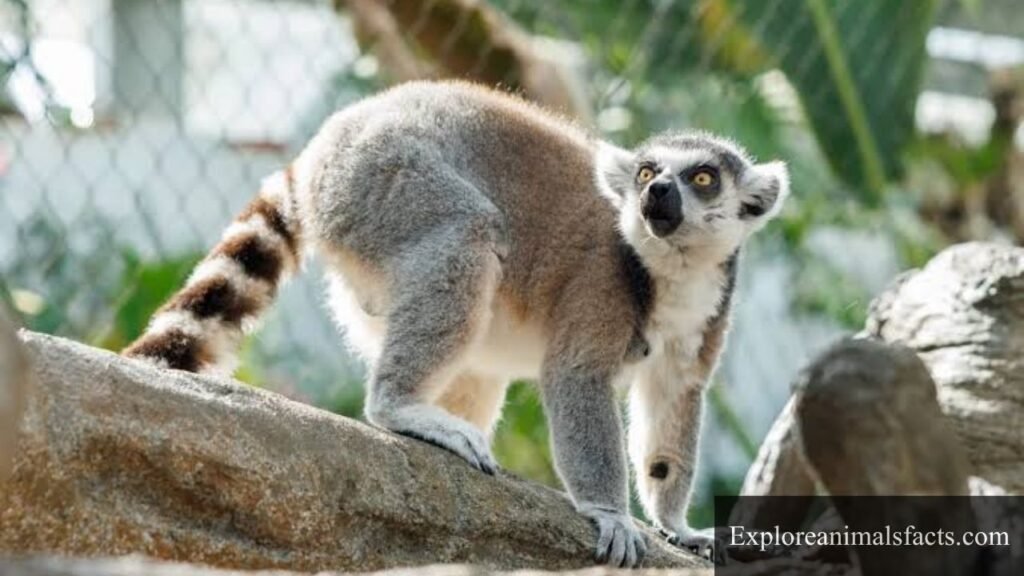
Lemurs’ big eyes can also symbolize their playful and inquisitive nature. Observing them during twilight hours reveals a world of expression; their eyes reflect curiosity and intelligence as they leap from branch to branch, utilizing their keen sight to spot both predators and food sources. This visual acuity not only aids in survival but also forms an integral part of their social interactions, fostering bonds within their groups. The mesmerizing appearance of their large, expressive eyes invites a deeper connection to these enchanting primates, igniting a sense of wonder for the biodiversity of our planet.
Bushbaby
Scientific Name: Galagidae
Class: Mammalia
Diet: Omnivore
The bushbaby, a small primate native to Africa, possesses strikingly large eyes that aid its nocturnal lifestyle. These remarkable orbs aren’t just for show; they provide exceptional night vision, allowing bushbabies to navigate the dense foliage of their habitats under the cover of darkness. Their eyes, which can take up nearly a third of their face, are adapted for detecting even the faintest lights, transforming their surroundings into a vivid landscape of movement and sound.
The bushbaby’s expressive gaze reveals a wealth of emotion and social connectivity. In tight-knit groups, their large eyes communicate curiosity and playfulness, forging strong bonds among individuals. This endearing trait not only enhances their social interactions but also heightens their overall appeal to wildlife enthusiasts and researchers alike. Observing a bushbaby in its natural habitat is like peering into a world where survival, social dynamics, and sheer charm converge beneath a cloak of night.
Aye-aye
Scientific Name: Daubentonia madagascariensis
Class: Mammalia
Diet: Omnivore
The aye-aye, a fascinating nocturnal primate native to Madagascar, is often celebrated for its strikingly large eyes, which lend it an almost otherworldly appearance. These oversized ocular orbs serve a crucial purpose: as a creature that thrives in the shadows, the aye-aye relies on heightened night vision to navigate its arboreal habitat and locate food. Their unique adaptive traits stem from an evolutionary arms race — preying on insects hidden beneath tree bark requires not just keen eyesight but also a specialized long middle finger for tapping and extracting.
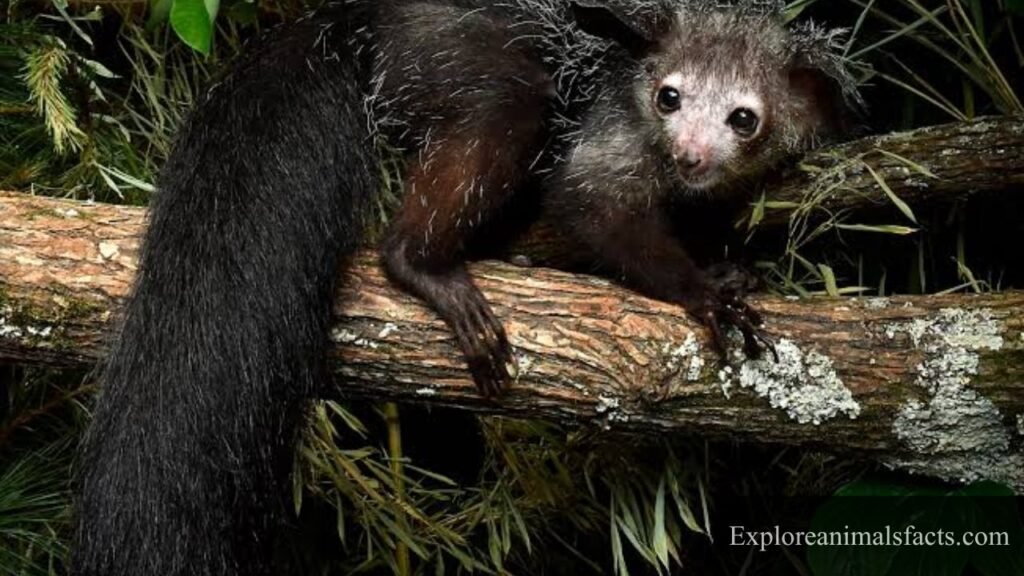
Aye-ayes also symbolize the delicate balance of Madagascar’s ecosystem. As both a forager and seed disperser, they play an essential role in maintaining the health of their forest homes. Sadly, the aye-aye is often misunderstood. Many locals regard it as an omen of bad luck, resulting in superstitions that have contributed to its endangerment. By appreciating the distinctiveness of this remarkable creature, we can foster a deeper respect for the rich biodiversity of Madagascar and the importance of conserving its extraordinary species.
Swordfish
Scientific Name: Xiphias gladius
Class: Actinopterygii
Diet: Carnivore
The swordfish, renowned for its exceptional size and speed, also possesses some of the most strikingly large eyes in the ocean. This fascinating adaptation allows it to thrive in the deep, dark waters where light is scarce. With eyes that can measure up to the size of grapefruits, the swordfish’s vision is optimized for spotting prey, like squids and other fish, from great distances. These oversized peepers are not just for show; they are equipped with a unique layer of tissue that enhances their ability to see in low-light conditions, giving them a crucial advantage during hunts.
But the swordfish’s large eyes serve more than just a predatory purpose. They play a vital role in its thermoregulation as well. By maintaining a network of blood vessels that keep their eyes warm, these fish can go deeper into cooler waters in search of food where fewer competitors roam. This combination of acute vision and thermal adaptation showcases the remarkable evolutionary journey of the swordfish, making it not just a masterful predator but also a marvel of biological engineering. Each glance through those impressive eyes reveals a world full of mystery and survival, echoing the silent stories of the deep that we have yet to fully understand.
Readmore: Explore Top 9 Mammals That Cannot Jump.
Final Thoughts
The diversity of animals with big eyes showcases the incredible adaptations found in nature. From the adorable large-eyed tarsier to the majestic owl, these species demonstrate how vital vision is for survival. Their oversized peepers not only enhance their ability to hunt or evade predators but also contribute to their unique charm and allure. As we continue to study these fascinating creatures, we gain insights into evolution and environmental adaptation. Let’s take a moment to appreciate the wonders of nature and advocate for the protection of these extraordinary animals and their habitats.
FAQs
What animals have big eyes?
Several animals are known for their notably large eyes. For example, owls possess large eyes that enhance their night vision, allowing them to see well in low light. Their eye structure is adapted for hunting in the dark, giving them an advantage as nocturnal predators. Another animal with big eyes is the tarsier, a small primate native to Southeast Asia. Its eyes are not only large for its body size but are also fixed in its skull, allowing it to rotate its head almost 180 degrees to see around. This unique adaptation helps it spot predators and prey in the dense foliage of its habitat.
Which animal has the largest eyes in the world?
The colossal squid holds the title for the largest eyes in the animal kingdom. These massive eyes can measure up to 10 inches in diameter, allowing the squid to see in the dark depths of the ocean where light is scarce. This incredible size helps it detect prey and predators alike in its deep-sea habitat.