Explore Top 9 Mammals That Cannot Jump (With Pictures)
Did you know that some mammals, despite their size and strength, are physically unable to leap into the air? This article delves into the surprising world of mammals that cannot jump, exploring the anatomical and evolutionary reasons behind this limitation. Understanding these creatures not only broadens our appreciation for the diversity of the animal kingdom but also highlights the intriguing adaptations that define various species. By the end of this read, you’ll gain insight into the lives of these unique mammals and the environments in which they thrive.
List of Mammals That Cannot Jump
Here is the list of mammals that Cannot Jump:
- Hippos
- Opossums
- Sloths
- Blue Whales
- Porcupines
- Rhinos
- Walruses
- Manatees
- Elephants
Hippos
Scientific Name: Hippopotamus amphibius
Class: Mammalia
Diet: Herbivore
Hippos are fascinating for their inability to jump, a characteristic that sets them apart in the mammalian world. Unlike many animals that leverage the power of their hind legs for quick escapes or playful bounds, hippos are firmly grounded. Their robust bodies, designed for stability both in water and on land, lack the necessary muscle and skeletal structure to achieve any significant leap. This limitation may seem like a disadvantage, but it actually complements their semi-aquatic lifestyle, allowing them to remain submerged for extended periods while still being agile in the water.
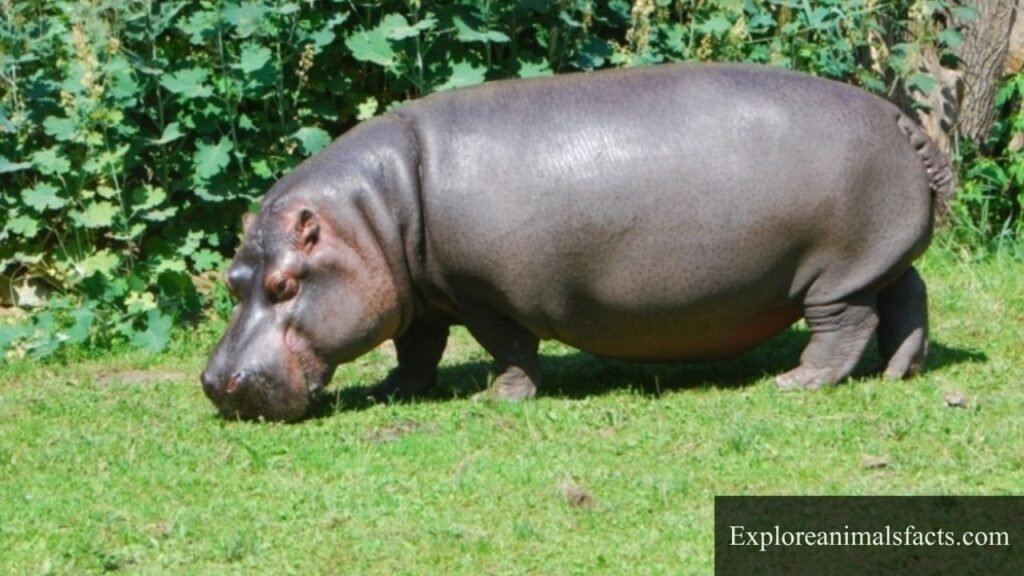
What hippos lack in jumping ability, they compensate for with surprising speed — able to run up to 19 mph on land in short bursts. This unexpected swiftness serves as a crucial survival mechanism against predators, illustrating Mother Nature’s clever adaptations. Moreover, their formidable presence deters threats without the need for leaping; their sheer mass and aggressive demeanor make them one of Africa’s most dangerous animals. So, while they may not be able to leap into the air, hippos instead dominate their environment with a different kind of power, reminding us that strength can take many forms.
Opossums
Scientific Name: Didelphidae
Class: Mammalia
Diet: Omnivore
Opossums are one of the few mammals that cannot jump. Instead of showcasing acrobatic leaps, these nocturnal marsupials prefer a more grounded approach to mobility. Their muscular legs are built for climbing and foraging, making them experts at navigating trees and dense brush rather than bounding over obstacles like some of their more agile counterparts.
What sets opossums apart is their remarkable survival strategy. When threatened, they often resort to a brilliant display of feigned death, or “playing dead,” a tactic that effectively deters predators. This behavior highlights how their evolution has favored cunning over agility. Their prehensile tails and opposable thumbs — features optimized for grasping — allow them to maneuver adeptly through their environment without the need for jumping. In their own way, opossums demonstrate a different form of resilience, reminding us that a slower, more deliberate path can still lead to success in the wild.
Sloths
Scientific Name: Folivora
Class: Mammalia
Diet: Herbivore
Sloths, the languid champions of the jungle, offer a fascinating study in evolution, particularly in their inability to jump. Unlike many mammals that rely on leaping as a means of escape or mobility, sloths have adapted to a life of slow, deliberate movement. Their unique anatomy — with a sturdy ribcage and specialized limbs — reflects a lifestyle perfectly tailored for the trees. With long limbs and curved claws, they are master climbers, relying on strength rather than springiness to navigate their leafy domains.
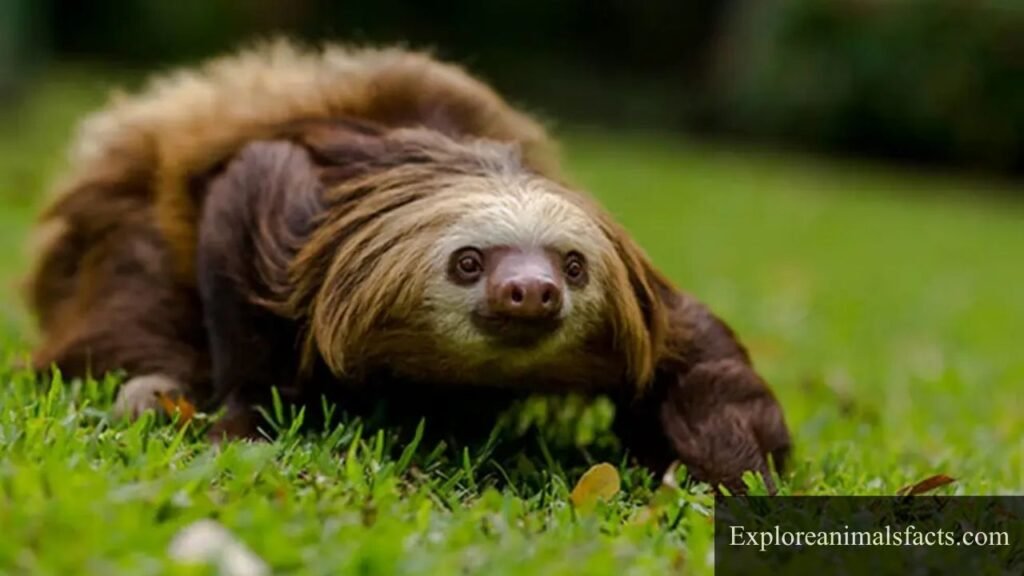
Their propensity for remaining largely inactive is more than mere laziness; it’s a survival strategy. In a world where speed is often equated with safety, sloths thrive by embracing a slow metabolism that allows them to conserve energy and evade predators through their drab camouflage and immobility. This evolutionary approach has carved out a niche where sloths can feast on high-fiber leaves, effectively turning their sluggishness into an advantage. In a way, their reluctance to leap reflects a remarkable harmony with their environment — highlighting that sometimes, stillness is just as powerful as movement.
Readmore: Explore Top 20 Animals Without Legs.
Blue Whales
Scientific Name: Balaenoptera musculus
Class: Mammalia
Diet: Carnivore
Blue whales have a massive size that fundamentally limits their ability to jump. Weighing up to 200 tons and stretching over 100 feet long, the sheer bulk of these mammals means that even simple buoyancy is a challenge. Instead of the graceful leaps seen in smaller cetaceans, blue whales display their impressive presence through powerfully efficient swimming, gliding through the water with a serene elegance that belies their enormity.
Their lack of jumping behavior isn’t just a limitation; it speaks volumes about their evolutionary adaptations to the marine environment. With their long, streamlined bodies, blue whales navigate the ocean depths, using their immense size to travel vast distances in search of food — primarily krill. This unique predatory strategy highlights an incredible efficiency; as they swim, they filter enormous quantities of water, showcasing a mastery of their habitat that jumping could disrupt. Thus, the blue whale redefines what it means to be a majestic creature, revealing that true elegance often lies not in acrobatics but in the art of purposeful movement.
Porcupines
Scientific Name: Erethizontidae
Class: Mammalia
Diet: Herbivore
Porcupines, with their iconic quills and endearing waddles, represent an intriguing anomaly in the animal kingdom. Unlike many of their mammalian counterparts, these creatures lack the physical adaptations necessary for jumping. Their robust body structure is designed more for stability and protection rather than agility. While some may view this inability as a limitation, it cleverly aligns with their ecological niche.
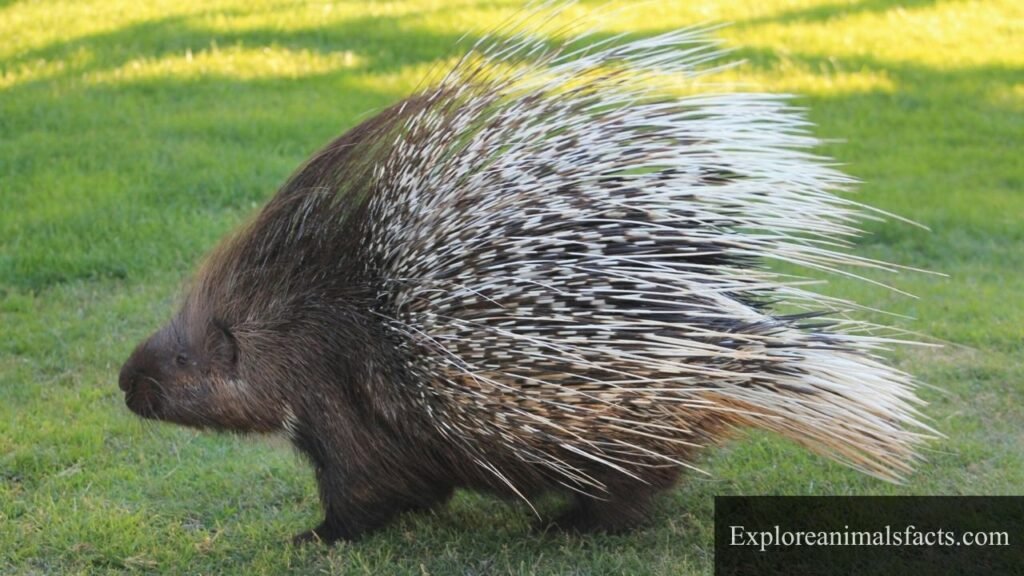
Instead of relying on jumps to escape predators, porcupines employ a different strategy: they arm themselves with formidable quills. Each quill is a marvel of natural engineering, designed to detach upon contact, ensuring that any would-be attacker doesn’t have an easy meal. This defensive mechanism highlights a captivating aspect of evolution — how various species develop unique traits that suit their environmental challenges. Thus, rather than needing to leap, porcupines exemplify the art of standing one’s ground, reminding us that there are many paths to survival in the wild.
You can also read: Explore Top 11 Animals With Big Noses.
Rhinos
Scientific Name: Rhinocerotidae
Class: Mammalia
Diet: Herbivore
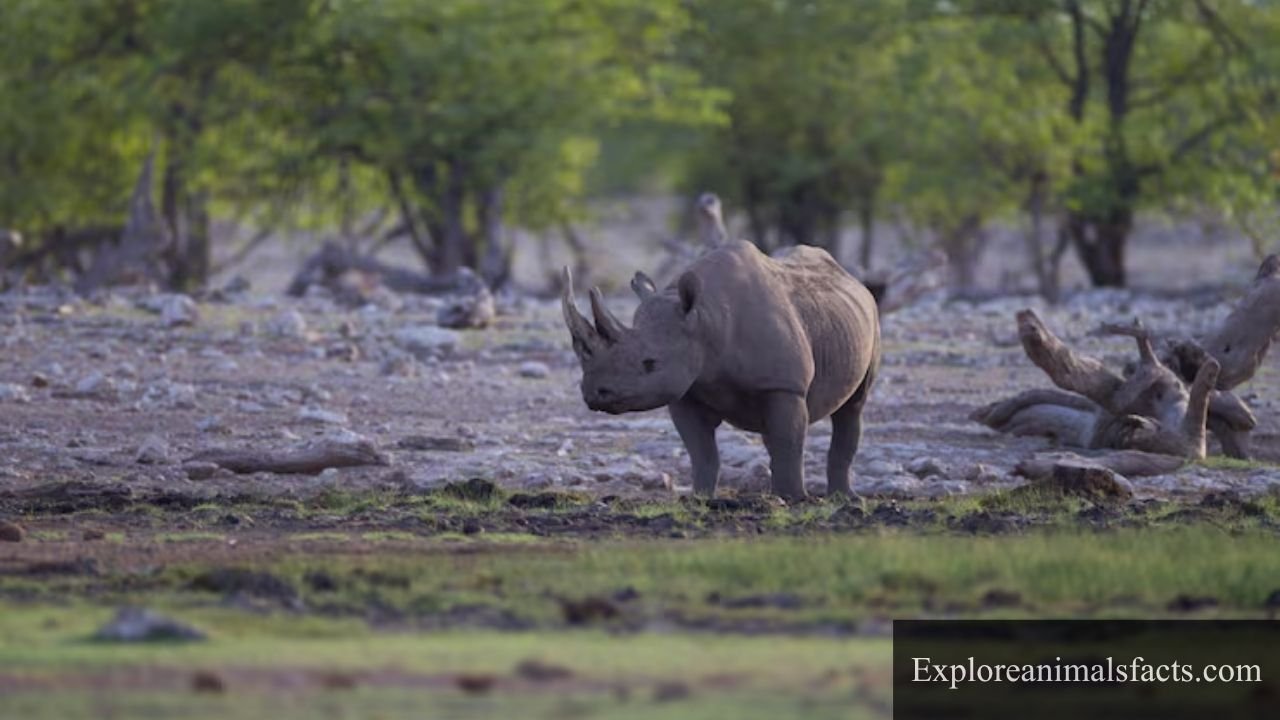
Rhinos, despite their formidable size and powerful presence, are among the mammalian elite that simply can’t jump. Their massive bodies and dense bones make the act of leaping impractical, if not impossible. However, this limitation is not a drawback; instead, it emphasizes their unique adaptations for a ground-based life that prioritizes strength and stability. With legs designed for carrying their substantial weight, rhinos can sprint surprisingly fast over short distances, reaching up to 30 miles per hour.
Their inability to jump does not hinder their agility in navigating varied terrains, from grasslands to dense forests. Instead of jumping, they rely on their thick skin and robust build to push through obstacles, showcasing a different form of resilience. This ground-bound nature also plays a role in their social behaviors, as they establish dominance and personal space through less acrobatic, yet powerfully expressive, physical interactions. In a world where spectacle often steals the spotlight, rhinos remind us that power and grace can manifest in stillness rather than flight.
Walruses
Scientific Name: Odobenus rosmarus
Class: Mammalia
Diet: Carnivore
Walruses posses impressive size and iconic tusks and unlike many terrestrial mammals that leap and bound with ease, walruses are grounded by their hefty weight, which can exceed 2,000 pounds. Their robust bodies are designed for a life spent predominantly in the icy waters of the Arctic rather than on solid ground. This aquatic lifestyle reflects a unique evolutionary adaptation, where buoyancy and swimming prowess take precedence over jumping abilities.
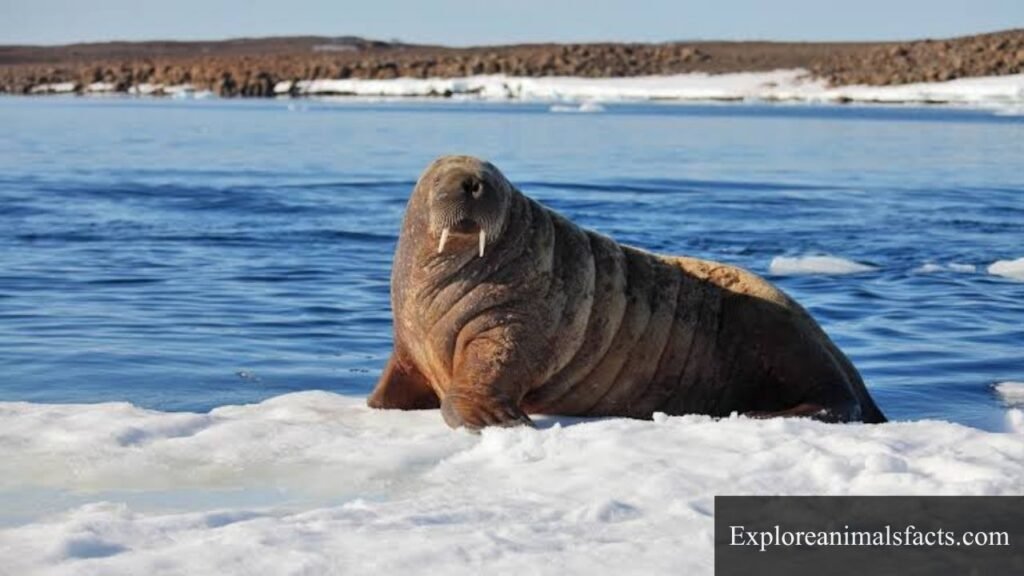
Walruses exhibit remarkable strength in their flippers, which allows them to haul their massive bodies out of the water onto ice or land. Instead of jumping, they utilize a combination of momentum and leverage. Their social behaviors further emphasize their uniqueness; they often gather in large groups called “herds,” where they engage in social interactions, from playful sparring with their tusks to vocal communication, creating a complex social structure rather than relying on the agility often celebrated in other mammals. By exploring walruses’ adaptations and social dynamics, we gain a deeper appreciation for the diverse expressions of life in the animal kingdom.
Also read: Explore Top 21 Animals With Sharp Claws.
Manatees
Scientific Name: Trichechus
Class: Mammalia
Diet: Herbivore
Manatees are fascinating creatures that defy the conventional expectations of mammalian movement. Unlike their terrestrial cousins, these gentle giants lack the anatomical adaptations necessary for jumping. Instead, their robust, streamlined bodies are designed for a life spent gliding gracefully through warm coastal waters. This inability to leap is not a disadvantage; rather, it reflects their unique evolutionary pathway, which prioritizes buoyancy and efficiency over agility.
While the world marvels at the acrobatics of dolphins and whales, manatees offer a different kind of majesty — one rooted in a slow, deliberate grace. Their unhurried movements invite contemplation, showcasing an environment where survival doesn’t rely on speed but rather on conservation of energy. Moreover, their feeding habits highlight a distinct ecological role, as they graze on underwater vegetation, helping to maintain healthy aquatic ecosystems. In a world that often values flashiness, manatees remind us of the beauty found in simplicity and the importance of thriving at one’s own pace.
Elephants
Scientific Name: Elephantidae
Class: Mammalia
Diet: Herbivore
Elephants, unlike the agile kangaroo or the nimble rabbit have evolved an impressive stature that seems to counteract the need for vertical movement. Their colossal weight, combined with a unique skeletal structure, means that jumping is not only impractical but also potentially harmful to their joints. Instead of jumping, elephants utilize their strength and mass to navigate obstacles, embodying a different form of grace as they barrel through dense forests or forge rivers.
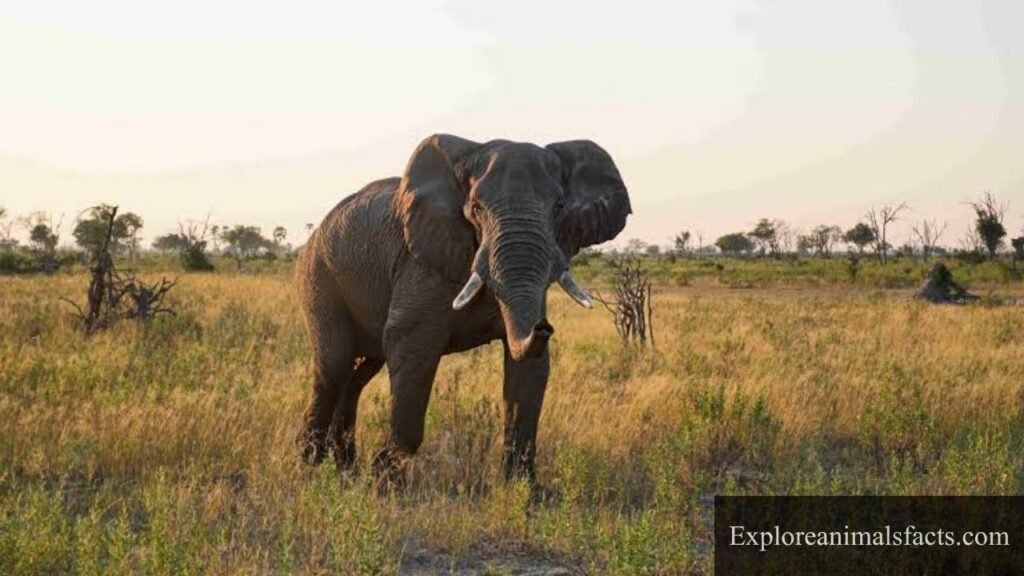
This incapacity to leap may seem like a limitation, but it offers deeper insights into their ecological role. Elephants are pivotal landscape architects, using their sheer size to modify habitats. When they push down trees or trample underbrush, they create spaces for other species to thrive. Their heavy footfalls serve to aerate the soil and assist in seed dispersal, demonstrating that sometimes, resilience and permanence are more valuable than the ability to soar. In a world where agility is often celebrated, elephants remind us of the power of stability and the profound impact of their gentle presence in nature.
Readmore: Explore Top 14 Animals With Big Eyes.
Final Thoughts
The world of mammals is incredibly diverse, yet some species have evolved without the ability to jump. From the massive size of elephants to the unique adaptations of sloths, these animals exemplify different modes of locomotion that allow them to thrive in their environments. While their inability to leap may seem like a limitation, it often comes with advantages that suit their lifestyles and habitats. Understanding these fascinating creatures enhances our appreciation for the marvels of evolution and biodiversity.Let’s continue to explore and protect the diverse adaptations of mammals that enrich our planet’s biodiversity.
FAQs
What mammals can’t jump?
Some mammals, like elephants and hippos, can’t jump due to their size and body structure. Elephants, for example, have massive bodies supported by thick legs, which aren’t built for leaping. Hippos, while surprisingly agile in water, also lack the necessary muscle and joint flexibility to jump on land. Other mammals, such as sloths and certain types of ground-dwelling rodents, also don’t jump. This is typically because their limbs are adapted for climbing or burrowing rather than jumping.
Can hippopotamus jump?
Hippopotamuses can’t jump in the way that some other animals do. They’re massive and stocky, which makes jumping an unlikely feat for them. Instead, they are more adapted to walking and running along the ground, where they can reach speeds of about 19 mph on land.
Can sloths jump?
No, sloths cannot jump. Their bodies are built for slow movement, not agility. Sloths have strong limbs and claws for hanging onto tree branches, but their muscles aren’t designed for explosive movements like jumping.