Top 20 Animals Without Legs (With Pictures)
What if the key to survival lay in moving without legs? While most animals rely on limbs for mobility, those without legs have developed extraordinary methods to navigate their surroundings. In this article, we will explore the intriguing world of animals without legs, examining how they have overcome the challenges of their environments. By gaining insight into their unique adaptations and behaviors, readers will appreciate the incredible diversity of life on our planet and the myriad ways animals thrive in their habitats.
List of Animals Without Legs
Here is the list of animals without legs in the world:
- Jellyfish
- Earthworms
- Whales
- Snails
- Sea Cucumbers
- Slugs
- Dolphins
- Eels
- Clams
- Caecilians
- Walruses
- Leeches
- Snakes
- Octopuses
- Sponges
- Seahorse
- Legless Lizard
- Squid
- Lamprey
- Sea Lions
Jellyfish
Class: Scyphozoa
Diet: Carnivore
Jellyfish possess an intricate and captivating biology that highlights their unique adaptations. Lacking bones, brain, or heart, these ethereal creatures have evolved to thrive in diverse marine environments, utilizing their gelatinous bodies to float and pulsate rhythmically through the water. This elegant locomotion allows jellyfish to cover vast distances, with some species capable of moving up to three meters per minute — an impressive feat for their structure.
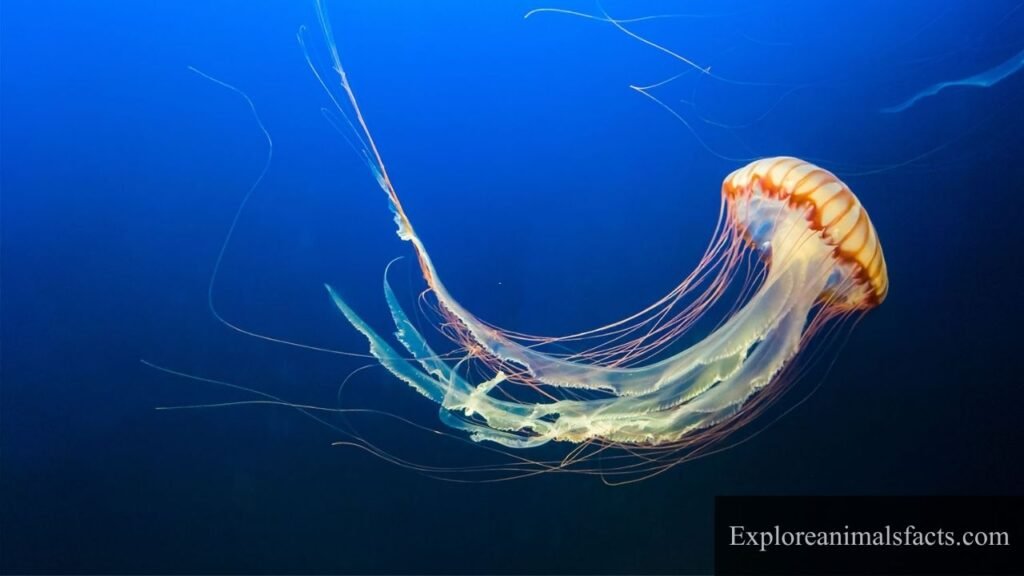
The jellyfish’s body is composed of about 95% water, making it a testament to efficiency in living systems. This gelatinous composition not only aids buoyancy but also provides a fascinating defense mechanism: the stinging cells, or nematocysts, that line their tentacles can incapacitate prey and deter predators, manifesting a perfect blend of beauty and danger. As they drift through the ocean, jellyfish also play a crucial role in marine ecosystems, serving as both predator and prey, thus maintaining the balance of so many underwater communities. Their enigmatic presence challenges our perception of mobility and survival, inviting us to ponder the many forms life can take without the conventional structures we often take for granted.
Earthworms
Scientific Name: Lumbricus terrestris
Class: Clitellata
Diet: Detritivore
Earthworms play a crucial role in our ecosystems that often goes unnoticed. These legionnaires of the soil aerate and enrich it, fostering nutrient cycles that sustain countless plant species. Each wiggle underground serves a purpose; as they travel through the earth, they consume organic matter and excrete nutrient-rich castings, which act as a natural fertilizer. This process not only boosts soil health but also enhances water retention, making earthworms vital for agriculture and biodiversity.
What’s fascinating about earthworms is their unique ability to regenerate. If fragmented, many species can regrow parts of their bodies, allowing them to survive in environments where predation or habitat disruption might otherwise lead to their demise. This regeneration raises intriguing questions about resilience and adaptation in the animal kingdom. Furthermore, their secretive existence under the surface prompts us to reconsider our definition of mobility. While they may lack legs or eyes, earthworms navigate their subterranean world with remarkable efficiency, reminding us that life can thrive in myriad forms, often hidden just out of sight.
Whales
Scientific Name: Cetacea
Class: Mammalia
Diet: Carnivore
Whales are remarkable creatures who despite their lack of traditional legs glide effortlessly through the ocean, employing streamlined bodies and powerful tails to navigate vast distances. This unique mode of locomotion not only showcases the elegance of evolution but also highlights the intricate balance these giants maintain in their aquatic environment. With their ability to reach impressive speeds and depths, whales demonstrate that physical limitations can be overcome with innovative adaptations tailored to specific lifestyles.
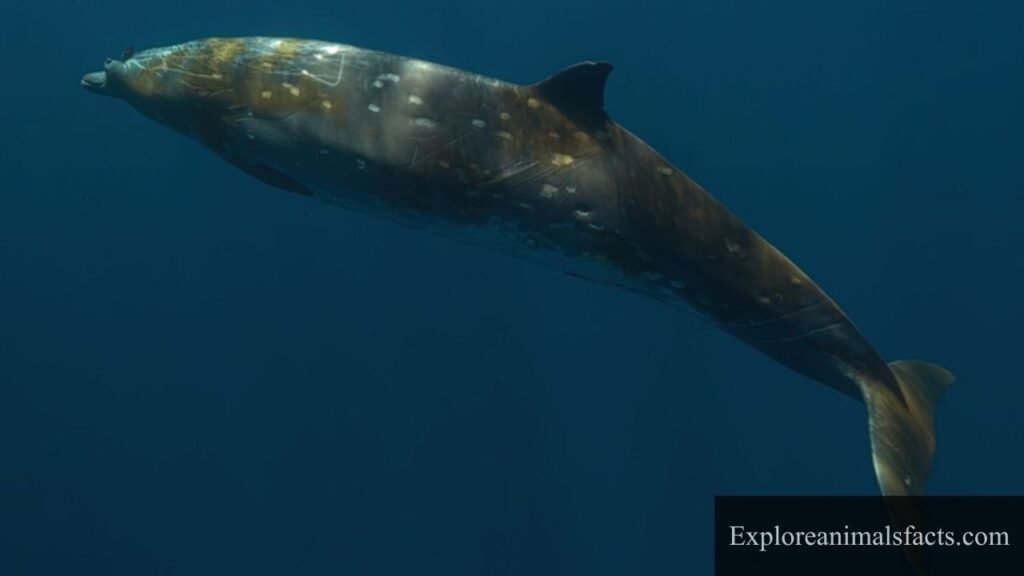
The social dynamics of whale pods further enrich the narrative of legless life. These intelligent beings communicate through complex vocalizations, forming bonds that rival those of land mammals. Their behavioral patterns reveal a keen understanding of navigation and cooperation, especially during migrations or feeding. In essence, whales show us that being ‘legless’ does not diminish one’s capacity for connection, intelligence, or survival. Instead, it invites us to rethink our definitions of agility and strength. The ocean, once viewed as an obstacle for the legless, becomes a vast playground, proof that life can flourish in the most unexpected forms.
Readmore: Explore Top 14 Animals With Big Eyes.
Snails
Class: Gastropoda
Diet: Herbivore
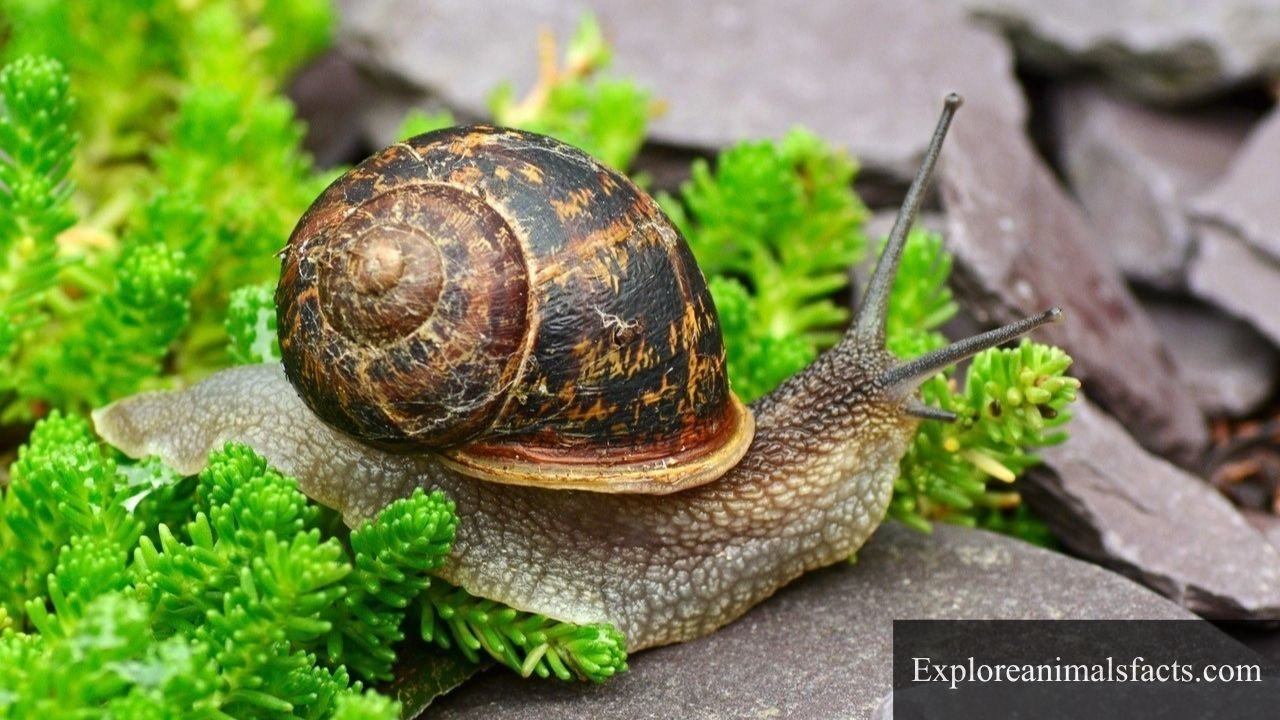
Snails possess an extraordinary way of navigating their world without legs. Instead of limbs, they glide gracefully across surfaces using a muscular foot that secretes mucus, reducing friction and allowing them to traverse a variety of terrains. This slimy trail is not just for ease of movement; it also serves a dual purpose by helping them retain moisture, essential for their survival in often damp environments.
The coiled shells of snails provide protection and even aid in locomotion, are a testament to evolutionary ingenuity. These shells are not merely homes; they are intricate structures that can weigh more than the snail itself, incorporating calcium carbonate that the snails extract from their surroundings. The vibrant hues and patterns of their shells tell stories of adaptation and biodiversity, as they’ve evolved to blend into ecosystems or stand out as a warning to potential predators. Through their simple yet profound existence, snails challenge our notions of mobility, showcasing that being different is not just acceptable, but often advantageous.
Sea Cucumbers
Scientific Name: Holothuroidea
Class: Holothuroidea
Diet: Detritivore
Sea cucumbers may not have legs, yet they are fascinating creatures that play a vital role in marine ecosystems. These soft-bodied, elongated animals move through their underwater habitats by using tiny tube feet along their bodies, a remarkable adaptation that allows them to navigate the ocean floor’s varied terrain. Unlike traditional legged creatures, their unique locomotion enables them to thrive in places where others cannot, sifting through sediment and recycling nutrients that benefit the entire marine ecosystem.
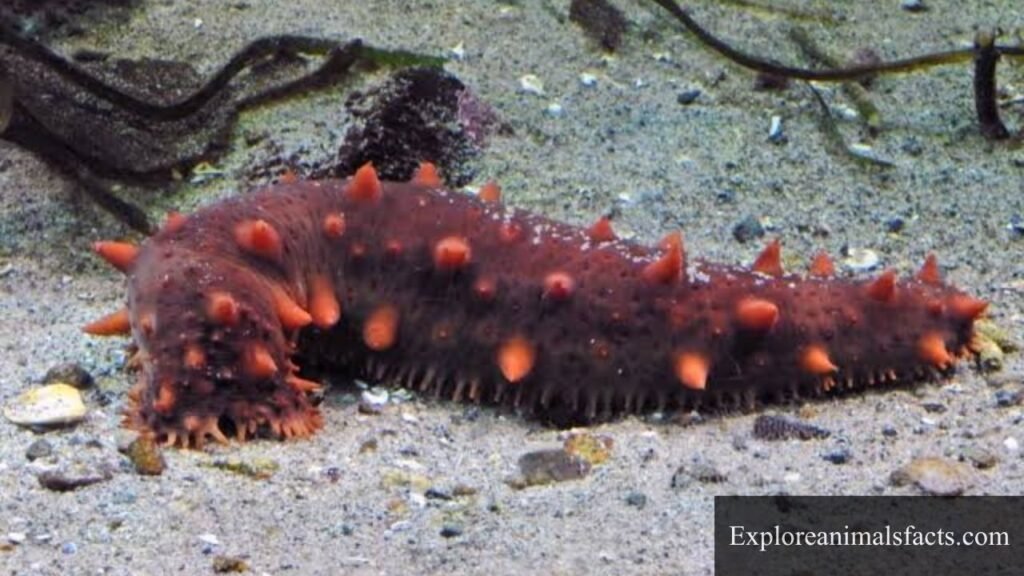
What’s particularly intriguing about sea cucumbers is their ability to eviscerate — expelling their internal organs when threatened, a defense mechanism that sounds graphic yet highlights their resilience. Once the danger has passed, they can regenerate those lost organs. This biological marvel emphasizes nature’s ingenuity in survival tactics, making sea cucumbers not just survivors but also essential recyclers in their habitats. By feeding on detritus, they contribute to the health of coral reefs and seagrass beds, showcasing that even without limbs, life can flourish and contribute to the ecological balance of our oceans.
Slugs
Class: Gastropoda
Diet: Herbivore
Slugs are fascinating creatures that embody resilience and adaptability. These soft-bodied mollusks glide through their environment using a unique muscular foot, secreting a slimy mucus that reduces friction and propels them forward. This secretion not only aids in locomotion but also serves as a protective barrier against predators and harsh environmental conditions. Imagine traveling through your habitat with spongy trails of slime that leave a mark of your passage, simultaneously signaling to other creatures your presence.
Slugs play a crucial role in their ecosystems as decomposers, breaking down organic matter and recycling nutrients back into the soil. This process enriches the earth, fostering the growth of plants and promoting biodiversity. They exhibit fascinating behaviors, such as feeding on decaying vegetation, which helps maintain ecological balance. Their ability to absorb moisture from the air at night makes them well-equipped to thrive in various environments, from lush gardens to damp forest floors. Embracing the slow, humble life of a slug reveals the intricate connections that shape our ecosystems and highlights the beauty of life in unexpected forms.
Dolphins
Scientific Name: Delphinidae
Class: Mammalia
Diet: Carnivore
Dolphins, often celebrated for their intelligence and playful nature, possess an intriguing adaptation. Though they lack legs, dolphins exhibit remarkable agility, propelling themselves through the water with a blend of muscle and finesse. Their streamlined bodies and powerful tails allow them to reach impressive speeds, showcasing how evolution favors specialization. This adaptation reveals not only a physical transformation but also a profound connection to their aquatic environment.
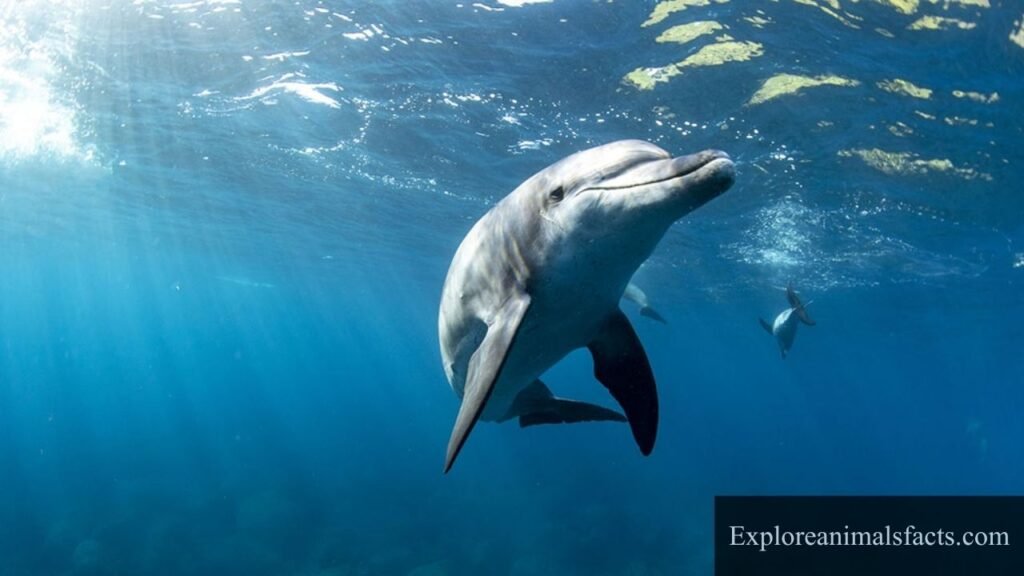
Social creatures by nature, dolphins navigate their underwater world with an intricate system of communication, employing clicks and whistles to maintain complex relationships within pods. This social structure highlights the significance of collaboration, as they often work together to hunt or protect their young. Moreover, their playful behavior — surfing waves and playing with seaweed — offers insights into their rich emotional and cognitive lives, challenging the notion of intelligence solely measured by anthropocentric standards. Their legless existence serves as a testament to the wonders of evolution, illustrating how adaptability can lead to thriving in even the most unexpected habitats.
Eels
Scientific Name: Anguilliformes
Class: Actinopterygii
Diet: Carnivore
Eels defy conventional expectations of aquatic life. Their elongated bodies, streamlined for swimming, enable them to navigate intricate underwater terrains with unparalleled grace. Unlike traditional legged animals, eels rely on undulating movements to propel themselves through water, showcasing a unique adaptation that has captivated marine biologists and nature enthusiasts alike.
Eels also display an intriguing form of communication. While most fish are largely silent, some species of eels produce low-frequency sounds, which may serve as a means of social interaction or territorial signaling. Their enigmatic behavior extends to their reproductive cycle as well; many eels, like the European eel, migrate thousands of miles to spawn in the Sargasso Sea, undertaking a perilous journey that few survive. This remarkable instinct underscores their resilience and adaptability, enriching our understanding of aquatic life in ways that challenge traditional views of limb-based locomotion.
Clams
Scientific Name: Bivalvia
Class: Bivalvia
Diet: Filter Feeder
Clams, the intriguing bivalve mollusks, showcase an extraordinary adaptation to their environments despite their lack of legs. Instead of locomotion, they rely on a clever strategy: burrowing into sand or mud using a retractable siphon. This unique ability allows them to hide from predators and access nutrient-rich water, filtering it for food with remarkable efficiency. While they may seem immobile, clams embody a world of hidden activity beneath the surface, reminding us that movement isn’t always a prerequisite for survival.
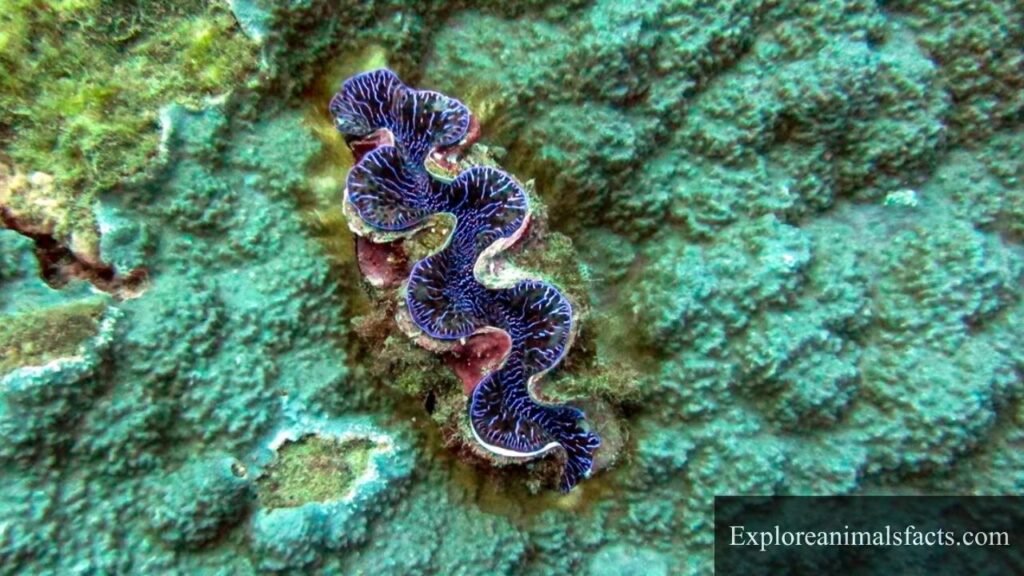
What’s particularly fascinating about clams is their role in maintaining ecosystem balance. By filtering out particulate matter and algae, they play a crucial part in enhancing water clarity and quality, making them essential players in their habitats. Furthermore, their shells create habitats for other organisms, fostering biodiversity in often overlooked coastal ecosystems. This symbiotic relationship emphasizes that even creatures without legs can lead dynamic lives and contribute significantly to their environments.
Caecilians
Scientific Name: Gymnophiona
Class: Amphibia
Diet: Carnivore
Caecilians, a lesser-known group of amphibians, embody a fascinating evolutionary solution to life underground. Unlike their more familiar frog and salamander relatives, these limbless creatures have adapted to their burrowing lifestyle with elongated, snake-like bodies that efficiently navigate through soil and leaf litter. Their skin, often adorned with intricate patterns, not only serves a camouflage but also aids in moisture retention, vital for life in damp habitats. This adaptation to a subterranean existence allows caecilians to thrive in environments where legs would be a hindrance rather than a help.
Unlike most amphibians that lay eggs in water, some species give birth to live young, nourishing them internally with specialized structures, much like placental mammals. This extraordinary adaptation allows them to maintain their offspring in a protective, moist environment, shielding them from the harsh conditions often found above ground. Moreover, caecilians possess a remarkable sense of smell, utilizing tentacles located between their eyes and mouth to detect prey and navigate their surroundings — a testament to the complex interplay of evolution shaping life without legs. These intriguing features invite us to reconsider the diverse strategies animals employ to conquer various habitats.
Walruses
Scientific Name: Odobenus rosmarus
Class: Mammalia
Diet: Carnivore
Walruses, with their impressive tusks and whiskered faces, are surprisingly agile in their aquatic environment. Unlike many animals, walruses rely on their powerful fore flippers, which act not only as paddles but also as tools for hauling their hefty bodies out of the water. This ability to maneuver effortlessly beneath the ice while navigating complex social dynamics makes them a remarkable example of evolution at play.
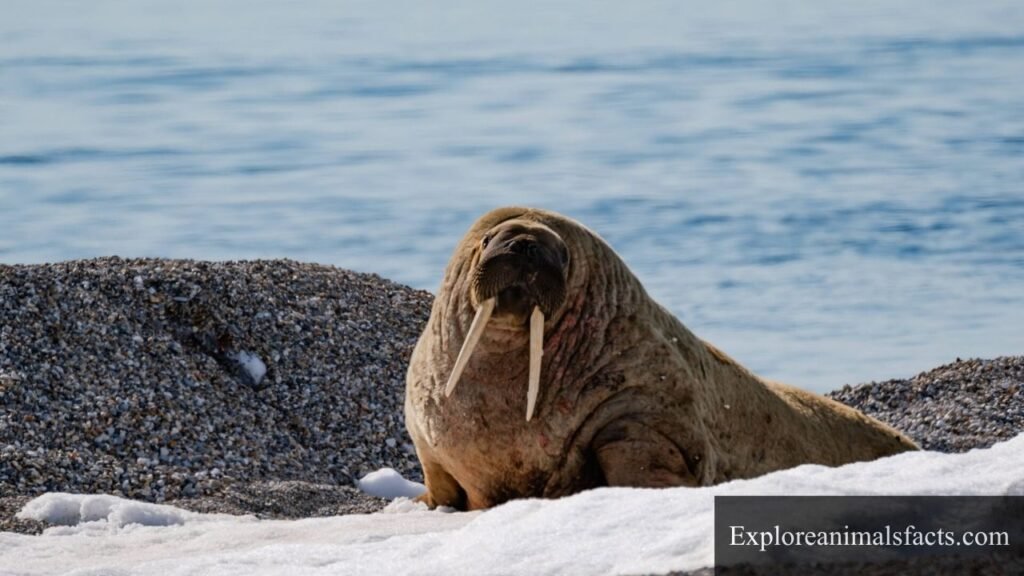
The social structure of walrus communities is equally captivating. They often gather in large groups, termed “herds,” where they engage in behaviors that highlight their intelligence and social bonds. Males engage in vocal displays and physical contests, showcasing their tusks in socially intricate interactions that affect breeding rights. Interestingly, their dependence on ice as a platform for resting and breeding emphasizes the impact of climate change on their existence. As the ice melts, walruses are forced into more precarious situations, prompting researchers to explore innovative conservation strategies to mitigate their decline while advocating for the health of their habitats.
Leeches
Scientific Name: Hirudinea
Class: Clitellata
Diet: Carnivore
Leeches, often regarded as slimy nuisances, are fascinating creatures that challenge our conventional views of mobility. These segmented worms glide effortlessly through aquatic environments, using their muscular bodies to create a unique form of locomotion. While they lack legs, leeches possess a remarkable ability to anchor themselves using suckers at both ends of their bodies, allowing them to navigate through various substrates and even cling to unsuspecting hosts.
Leeches play a critical role in ecosystem dynamics. Their feeding habits help regulate populations of small invertebrates, and they serve as important prey for numerous aquatic animals. Furthermore, leeches have a complicated relationship with humans; their saliva contains anticoagulants, which have sparked interest in medical science. This has led to the resurgence of leech therapy, where these creatures are employed in advanced surgical techniques to enhance blood flow, highlighting the unexpected ways nature can contribute to human health.
Snakes
Scientific Name: Serpentes
Class: Reptilia
Diet: Carnivore
Snakes possess a remarkable evolutionary physiology that allows them to thrive in various environments. Their bodies, streamlined and muscular, enable a unique form of movement known as “serpentine locomotion,” where they undulate in waves, propelling themselves through grass, sand, and water with astonishing grace. This adaptability not only helps them hunt down prey, but also evade predators, showcasing nature’s ingenuity in crafting survival strategies that defy our expectations of mobility.
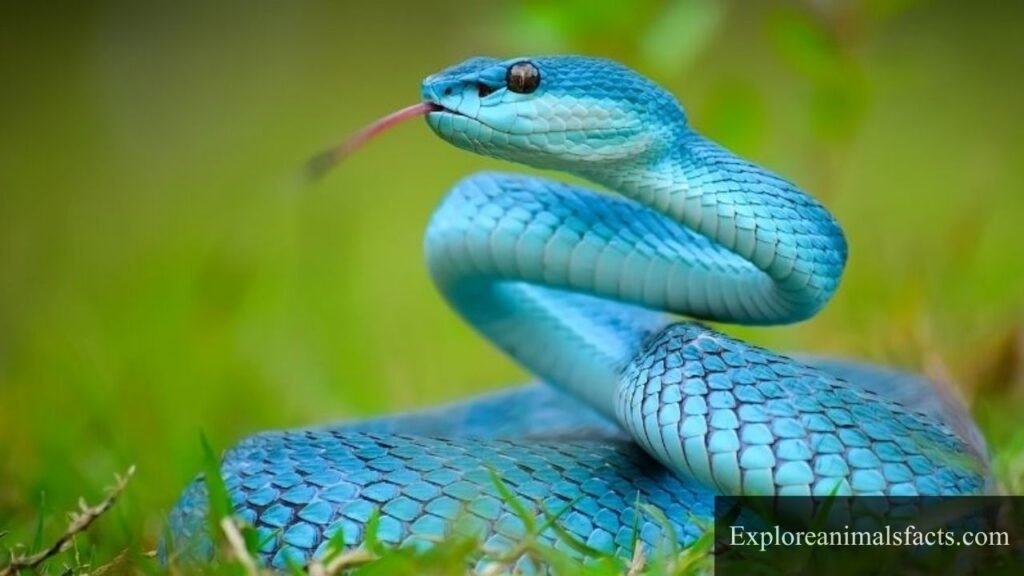
Snakes engage in intriguing behaviors that go beyond mere movement. They utilize their forked tongues to sample scents in the air, essentially tasting their surroundings and locating food sources. This acute sense of smell is complemented by their heat-sensing pits, found in many species, which allow them to detect warm-blooded prey even in complete darkness. Each legless glide tells a story of adaptation, illustrating the intricate balance between form and function in the animal kingdom. Snakes remind us that the absence of legs doesn’t bring about limitations; rather, it can lead to an extraordinary mastery of a multifaceted environment.
Octopuses
Scientific Name: Octopoda
Class: Cephalopoda
Diet: Carnivore
Octopuses are enigmatic creatures that redefine the concept of mobility in the animal kingdom. Without legs, they expertly navigate the ocean’s depths using a unique combination of muscular hydrostat mechanics and intelligent behavior. Each of their eight arms operates independently, endowed with a remarkable range of motion and dexterity. This versatility allows them to interact with their environment in intricate ways, whether it’s unscrewing jar lids to access food or camouflaging against rocky seascapes to evade predators.
Their lack of a rigid skeleton offers significant advantages. An octopus can squeeze through impossibly tight spaces, making it a master of escape and exploration. This adaptability not only enhances their survival but also highlights their cognitive sophistication. Recent studies reveal that octopuses possess problem-solving skills akin to those of some mammals, showcasing their complex nervous systems and ability to learn from experience. In a world where mobility is often equated with legs, octopuses remind us that evolution can craft alternative routes for navigating life’s challenges, transforming limitations into extraordinary adaptations.
Sponges
Scientific Name: Porifera
Class: Demospongiae
Diet: Filter Feeder
Sponges, some of the ocean’s oldest residents, are a unique form of life that thrives without legs or appendages. These remarkable organisms belong to the phylum Porifera and primarily function as filter feeders, drawing in water through their porous bodies. Their structure is a fascinating study in simplicity, lacking complex organs yet exhibiting a sophisticated system of channels and cells for nutrient absorption. This minimalist design allows sponges to inhabit diverse ecosystems, from the shallow waters of coral reefs to the dark depths of the ocean floor.
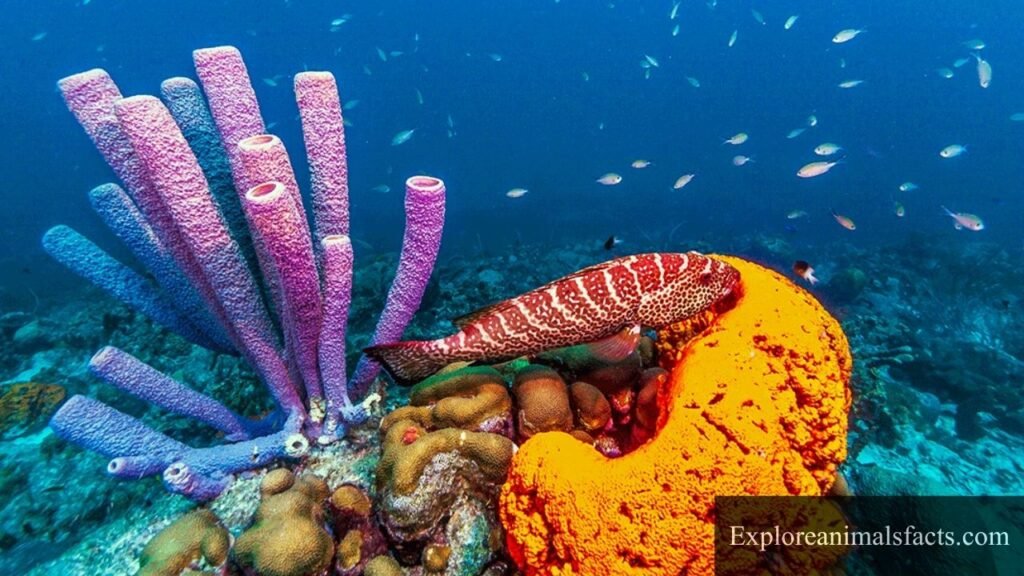
Sponges play a crucial role in maintaining marine health. By filtering vast amounts of water, they contribute to the clarity of their environment, effectively purging harmful bacteria and organic particles. Their symbiotic relationships with microorganisms also enhance their ability to adapt and thrive in various conditions. Furthermore, the study of sponges opens avenues in biomedical research, with potential applications ranging from cancer treatments to wound healing. In a world that often prioritizes mobility, sponges remind us that life can flourish in even the simplest forms, redefining our understanding of evolution and survival.
Seahorse
Scientific Name: Hippocampus
Class: Actinopterygii
Diet: Carnivore
Seahorses , unlike most creatures, don’t propel themselves with limbs; instead, they rely on small dorsal fins that flap rapidly, allowing them to hover gracefully in the water. This adaptation provides an almost ethereal quality to their movement, reminiscent of a dancer gliding through a ballet. Their ability to navigate intricate environments, like seagrass meadows and coral reefs, highlights the elegance of evolution, proving that mobility can take many forms.
Seahorses also showcase fascinating reproductive roles. Males are equipped with brood pouches that allow them to carry and nurture developing embryos, a rare maternal inversion in the animal kingdom. This role reversal not only emphasizes their unique adaptation but also fosters a deeper connection between mates, showcasing a level of partnership that is both profound and unusual. In a world where traditional gender roles often define relationships, seahorses remind us that nature thrives on diversity and creativity, pushing boundaries in unexpected ways.
Legless Lizard
Scientific Name: Anguis fragilis
Class: Reptilia
Diet: Carnivore
Legless lizards, often mistaken for snakes, are unique reptiles belonging to the lizard family , showcase how some species have shed their limbs not out of deficiency, but rather for enhancement. Their elongated, streamlined bodies allow them to navigate through narrow burrows and dense underbrush with remarkable agility, proving that in nature, form is often dictated by function.
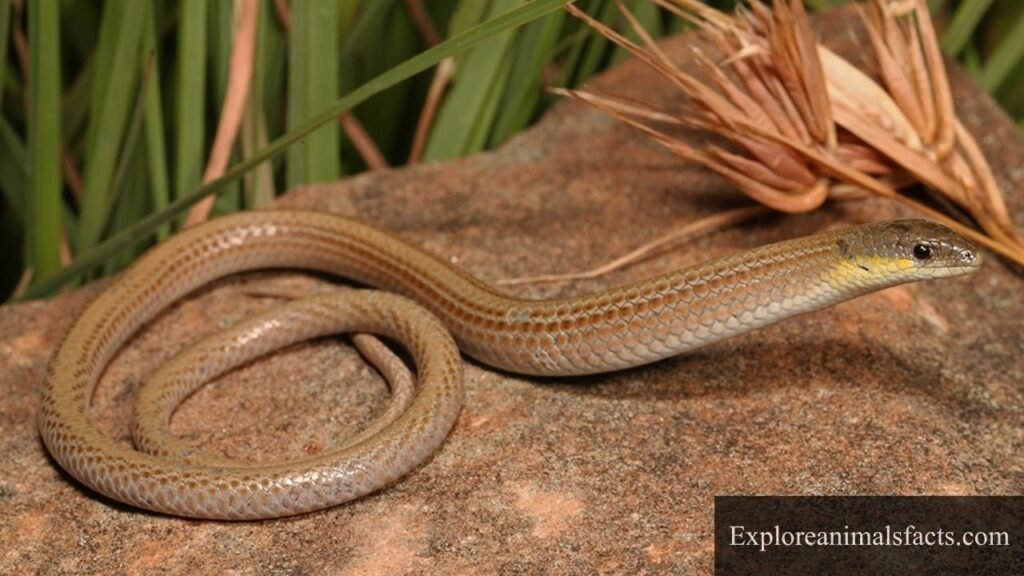
Legless lizard’s also posses ability to retain certain features typical of lizards, such as the presence of eyelids and external ear openings, which are usually absent in snakes. This distinction not only challenges our perceptions of legless creatures but also highlights the diversity of evolutionary strategies among reptiles. Living in a range of habitats from deserts to forests, these lizards rely on their keen vision and excellent burrowing techniques to hunt insects and small invertebrates, illustrating a complex interplay between morphology and survival.
Squid
Scientific Name: Teuthida
Class: Cephalopoda
Diet: Carnivore
Squids are fascinating creatures that challenge conventional notions of mobility. With their lack of legs, they have evolved a unique form of locomotion that relies on jet propulsion, allowing them to swiftly maneuver through their aquatic environments. By expelling water from their bodies, squids can dart in and out of hiding spots, escaping predators and ambushing prey with remarkable agility. This method not only showcases their adaptability but also exemplifies the wonders of evolution in response to their surroundings.
Moreover, squids possess a complex nervous system and advanced eyesight, enabling them to navigate the depths of the ocean with precision. Their ability to change color and texture adds an intriguing layer to their survival toolkit, allowing them to communicate, camouflage, and express themselves in ways that speak volumes about their social interactions. This remarkable blend of intelligence and adaptability makes squids not just survivors in their habitat, but masters of disguise and stealth, enhancing their role in marine ecosystems as both predator and prey.
Lamprey
Scientific Name: Petromyzontiformes
Class: Hyperoartia
Diet: Carnivore
The lamprey, often considered a living fossil, possesses elongated, eel-like body, that is perfectly adapted to thrive in various aquatic environments, utilizing a unique feeding mechanism. Unlike many other species, lampreys attach themselves to larger fish with their disc-shaped mouths, which are lined with rows of sharp teeth. This parasitic behavior not only exemplifies adaptation but also raises questions about ecological balance — how these creatures influence fish populations and, consequently, entire ecosystems.
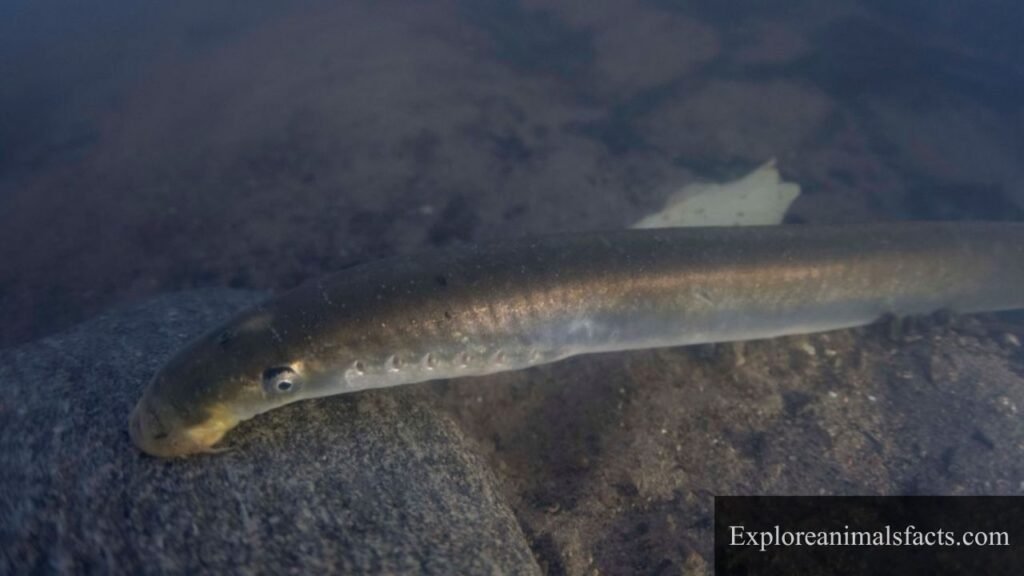
What sets the lamprey apart is its ability to navigate through the water with a fluid grace, undulating its body without any fins or legs. The unique arrangement of its muscle fibers allows for impressive maneuverability, highlighting how evolution can create effective alternatives to traditional locomotion. Beyond their physical adaptations, lampreys are also vital to scientific research, their simple anatomy providing insights into vertebrate evolution and development. Emerging studies even indicate potential medicinal benefits from lamprey-derived compounds, further underscoring the unexpected value of these seemingly primitive creatures in our complex world.
Sea Lions
Scientific Name: Otariinae
Class: Mammalia
Diet: Carnivore
Sea lions, often seen on rocky shores , embody a fascinating intersection of agility and grace. Their flippered limbs, adapted for life in the water, make these marine mammals remarkable swimmers. Unlike traditional quadrupeds, sea lions use their large front flippers not only to navigate through the waves but also to ‘walk’ on land, supporting their weight and dexterity in a way that mimics the movement of a four-legged creature.
Sea lions also have unique social structure and vocal communication. They are known for their boisterous barks and growls, which create a symphony of sounds that echo along the coastline. This social engagement is not merely practical — it’s a fundamental part of their identity, reflecting their playful yet complex interactions within colonies. From their playful antics during courtship to the nurturing bonds between mothers and pups, sea lions challenge our perceptions of adaptability, showcasing how evolution tailors life in the most unexpected ways. As guardians of the marine ecosystem, they remind us of the intricate balance that sustains life in our oceans, further emphasizing the importance of conserving their habitat.
Readmore: Explore Top 16 Sneaky Animals In The World.
Final Thoughts
Legless animals embody the resilience and adaptability of life on Earth. Whether it’s the slithering motion of a worm or the efficient swimming of a jellyfish, these organisms showcase the incredible variety of survival techniques that exist in nature. Their unique forms of movement remind us that physical limitations do not equate to a lack of capability or importance within ecosystems. As we deepen our understanding of these fascinating beings, we are encouraged to respect and protect their habitats. Let us work together to ensure a thriving future for all creatures, no matter their form.
FAQs
What animals do not have legs?
Several animals lack legs entirely, belonging primarily to aquatic or subterranean environments. For instance, fish and many marine creatures like jellyfish navigate through water without limbs. Instead, they use fins or tentacles to propel themselves. Other examples include snakes and worms. Snakes slither on their bellies, using muscle contractions for movement, while worms burrow through soil.
What is the fastest animal without legs?
The black mamba is often cited as one of the fastest animals without legs. This snake can reach speeds of up to 12 miles per hour when it needs to escape or hunt. Its sleek body and powerful muscles allow it to move swiftly across the ground, making it an agile predator.