Top 9 Animals That Have Trunks (Pictures Included)
Did you know that the longest nose in the animal kingdom can extend up to seven feet? Animals that have trunks are not only fascinating creatures but also showcase remarkable adaptations that help them survive in their environments.
In this article, we’ll explore the unique features and behaviors of these extraordinary beings, shedding light on why their trunks play a crucial role in their daily lives. By the end, you’ll have a deeper appreciation for these incredible animals and their remarkable adaptations.
List of Animals That Have Trunks
Below is the list of animals with trunks:
- Tapir
- Proboscis Monkey
- Elephant Shrew
- Saiga Antelope
- Wild Boar
- Elephants
- Elephant Seal
- Giant Anteater
- Aardvark
Tapir
Scientific Name: Tapirus
Class: Mammalia
Diet: Herbivore
The tapir, often overshadowed by its larger relatives like elephants, boasts a unique charm with its distinctive trunk-like snout. This flexible appendage, which functions somewhat like a mini trunk, helps it forage in dense vegetation. Imagine a creature that can delicately reach for leaves and fruits while also skillfully sifting through mud to find hidden roots — such versatility is a marvel of nature.
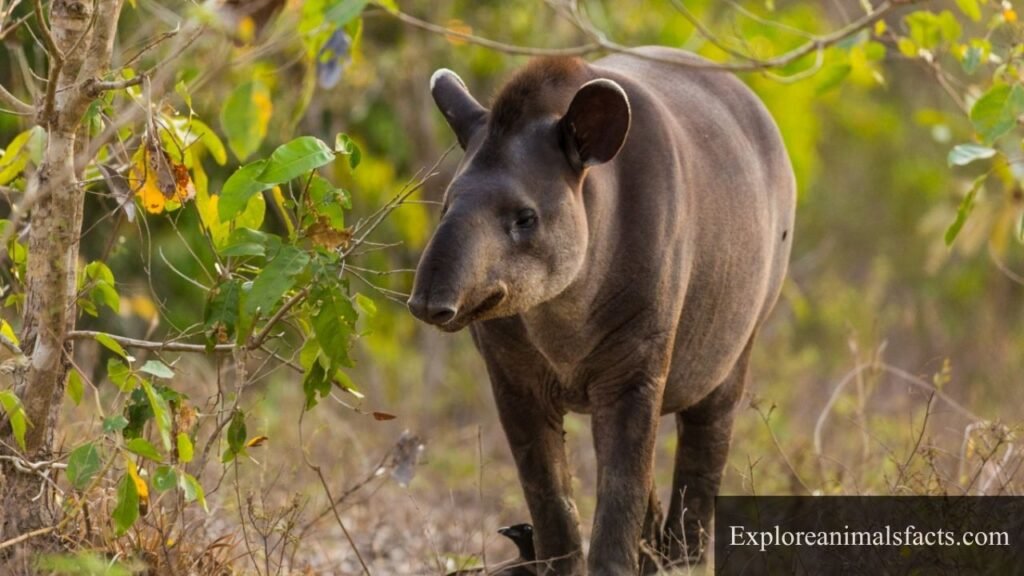
In their natural habitats, predominantly in Central and South America, these gentle herbivores play a crucial role in maintaining ecosystem balance. As they graze, they inadvertently help shape their environment, promoting growth for various plant species. Plus, their unique feeding habits encourage seed dispersal, making them essential players in their ecosystems.
Despite their fascinating adaptations, tapirs face significant threats from habitat loss and hunting. Their enigmatic presence in tropical rainforests serves as a reminder of the intricate connections within ecosystems. By understanding and protecting these remarkable creatures, we not only preserve their legacy but also the rich biodiversity of the environments they inhabit.
Proboscis Monkey
Scientific Name: Nasalis larvatus
Class: Mammalia
Diet: Herbivore
The proboscis monkey, with its distinctive, elongated nose, is more than just a striking figure in the dense mangrove forests of Borneo. This unique feature, which can grow up to 7 inches in males, serves a crucial role in their social interactions. The larger the nose, the more attractive the male appears to potential mates, highlighting a fascinating interplay between physical traits and reproductive success. Beyond mere aesthetics, this impressive nose aids in vocalizations, amplifying the monkey’s calls to communicate over the thick canopy of their rainforest habitat.
While often associated with their unusual noses, proboscis monkeys are also skilled swimmers, an unexpected trait among primates. Their adaptations allow them to navigate the rivers and wetlands, diving with ease to escape predators or forage for food, such as the leaves and fruits that make up their diet. This duality — being both arboreal and aquatic — demonstrates their evolutionary resilience amidst an ever-changing environment. As they face increasing threats from habitat loss and hunting, these monkeys remind us of nature’s intricate balance, urging us to appreciate and safeguard the biodiversity that enriches our planet.
Elephant Shrew
Scientific Name: Macroscelididae
Class: Mammalia
Diet: Insectivore
The elephant shrew has more in common with mammals like aardvarks than with elephants. This fascinating creature, native to Africa, boasts a long, flexible snout that resembles a miniature trunk. This unique adaptation not only enhances its foraging abilities but also aids in communication, allowing the shrew to emit a range of sounds as it navigates its environment. With large, expressive eyes and quick reflexes, the elephant shrew epitomizes agility; it can leap up to three feet in a single bound, making it a stealthy escape artist from predators.
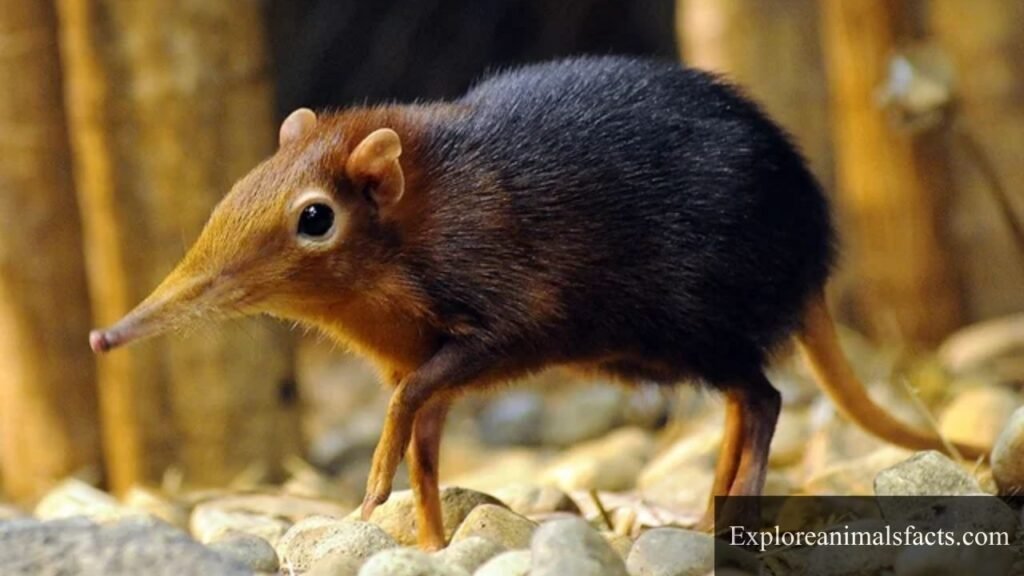
The intriguing biology of the elephant shrew reveals its significance in the ecosystem as well. These tiny foragers play a vital role in seed dispersal through their diet, which consists largely of insects and fruits. By nibbling on various plants, they help maintain the balance within their habitats, fostering new growth. Furthermore, their presence in the wild underlines the rich tapestry of biodiversity; the elephant shrew embodies the connection between seemingly different species, offering a glimpse into the evolutionary adaptations that shape life on Earth.
Readmore: Explore Top 15 Weakest Animals in The World.
Saiga Antelope
Scientific Name: Saiga tatarica
Class: Mammalia
Diet: Herbivore
The Saiga antelope, often overlooked in discussions about trunked animals, boasts a unique adaptation in its elongated, flexible nose rather than a traditional trunk. This distinctive feature not only aids in filtering out dust from the air during the dry seasons of Central Asia but also serves a vital purpose in thermoregulation. When the temperature rises, the Saiga can manipulate its nostrils to cool the inhaled air, an ingenious survival tactic in its harsh environment.
Beyond this remarkable adaptation, the Saiga antelope plays a crucial role in its ecosystem. By grazing on a variety of grasses and plants, it helps maintain the balance of the steppe landscape, indirectly supporting other wildlife and plant species. Sadly, their populations have declined dramatically due to poaching and habitat loss, reminding us of the intricate connections between species and the urgent need for conservation efforts. Understanding and appreciating the Saiga’s unique biology can reignite interest in protecting these remarkable creatures and their environments.
Wild Boar
Scientific Name: Sus scrofa
Class: Mammalia
Diet: Omnivore
The wild boar, often overshadowed by its more famous relatives like elephants, possesses a fascinating connection to the idea of a “trunk” through its remarkable snout. This robust feature, elongated and muscular, serves as a versatile tool, adept at foraging and uprooting vegetation. The wild boar’s snout is not just a feeding implement; it acts like a trunk in that it can manipulate its environment to dig for roots, tubers, and even small animals hidden beneath the surface. This adaptation not only sustains the wild boar but shapes its ecosystem, as their rooting habits contribute to soil aeration and seed dispersal.
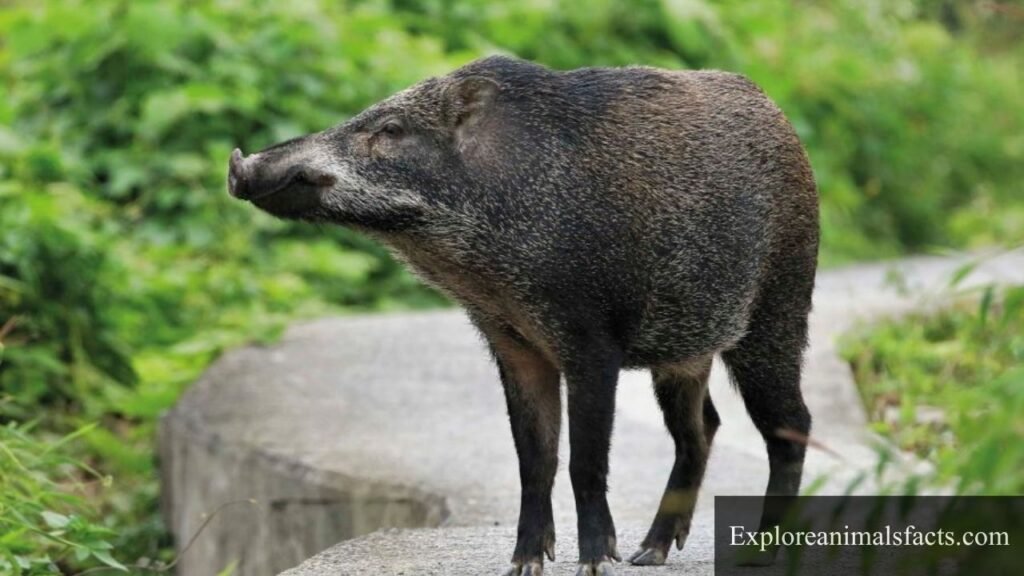
The wild boar’s incredible sense of smell, enhanced by its trunk-like snout, allows it to detect food sources buried deep within the earth — a sensory tool as critical to its survival as a trunk is to an elephant’s feeding strategy. Their social behavior, often displayed in family groups called sounders, adds another layer to their dynamic existence. These interactions are rich with communication, much like how elephants use their trunks to bond and convey emotions. In this light, the wild boar’s snout becomes more than just a feeding apparatus; it symbolizes their adaptability and social complexity in the wild.
Elephants
Scientific Name: Loxodonta africana / Elephas maximus
Class: Mammalia
Diet: Herbivore
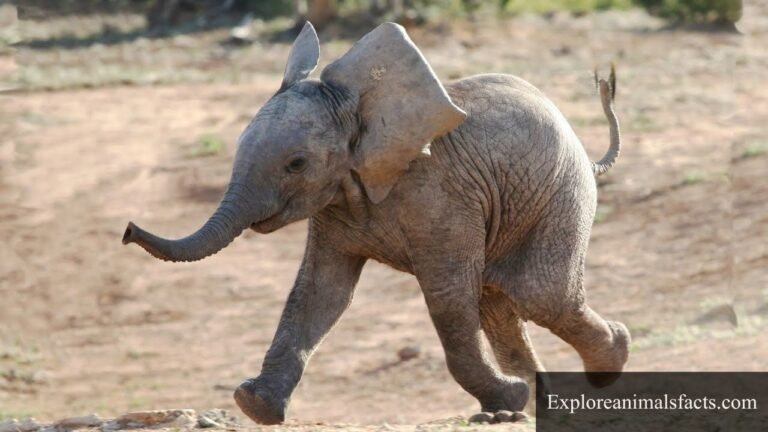
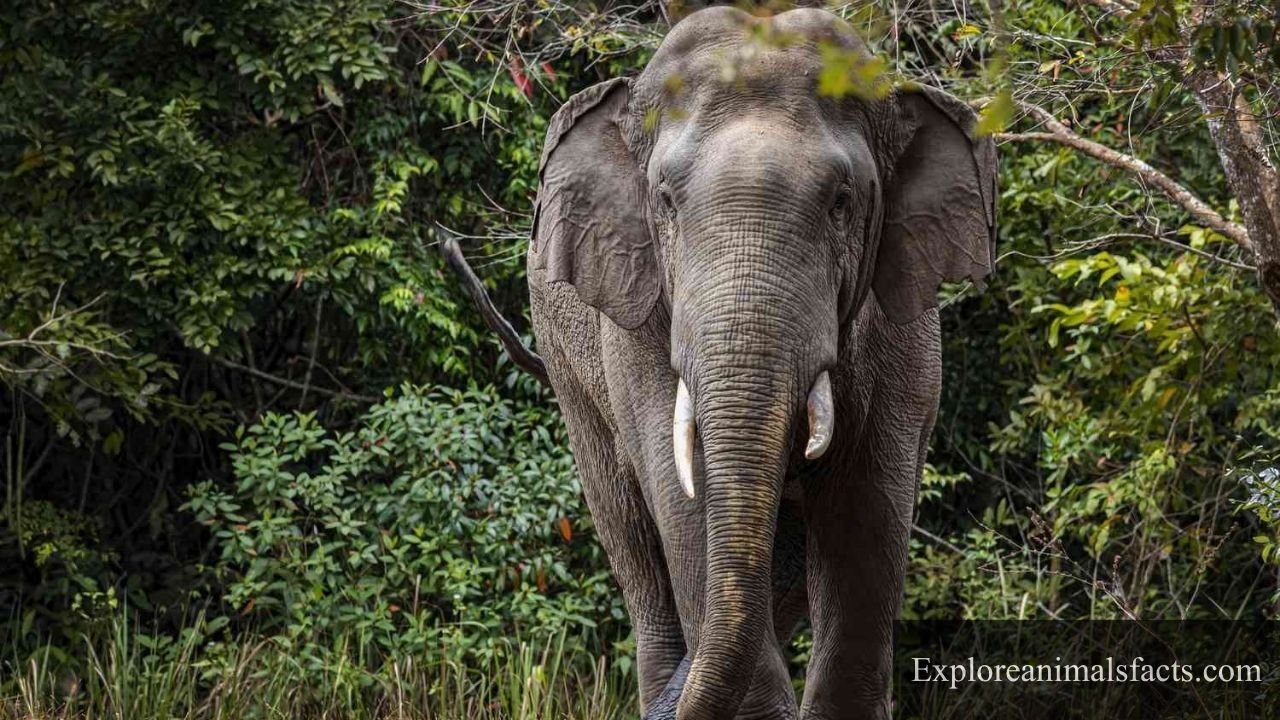
Elephants are remarkable not just for their size but for their intelligence and social complexity, which often mirrors that of humans. These gentle giants wield their trunks like Swiss Army knives; they serve multiple purposes from feeding and drinking to grooming and communicating. The trunk, an elongated fusion of the nose and upper lip, contains over 40,000 muscles — more than the entire human body — with exceptional dexterity that enables the elephant to perform delicate tasks, such as picking a single blade of grass.
What’s truly fascinating is the role of the trunk in their emotional lives. Elephants communicate through a rich tapestry of vocalizations and physical gestures, including affectionate touches with their trunks. Studies have shown that they can even detect the emotional states of their peers through scent and body language. This ability enhances their social bonds within herds, making them not just family units but intricate networks of support and empathy. Observing elephants in the wild reveals their profound connections, as they demonstrate mourning behaviors and attentiveness toward one another, showcasing a depth of feeling that inspires awe.
Elephant Seal
Scientific Name: Mirounga angustirostris / Mirounga leonina
Class: Mammalia
Diet: Carnivore
The elephant seal, with its impressive size and unique physical characteristics, stands out as one of nature’s most fascinating creatures. Males can weigh up to 5,000 pounds and sport a large, inflatable proboscis that resembles a trunk, used primarily in breeding displays and vocalizations. This trunk-like appendage not only amplifies their powerful calls, which can echo for miles across the ocean, but also serves as a visual cue during mating season, helping to assert dominance among rivals.
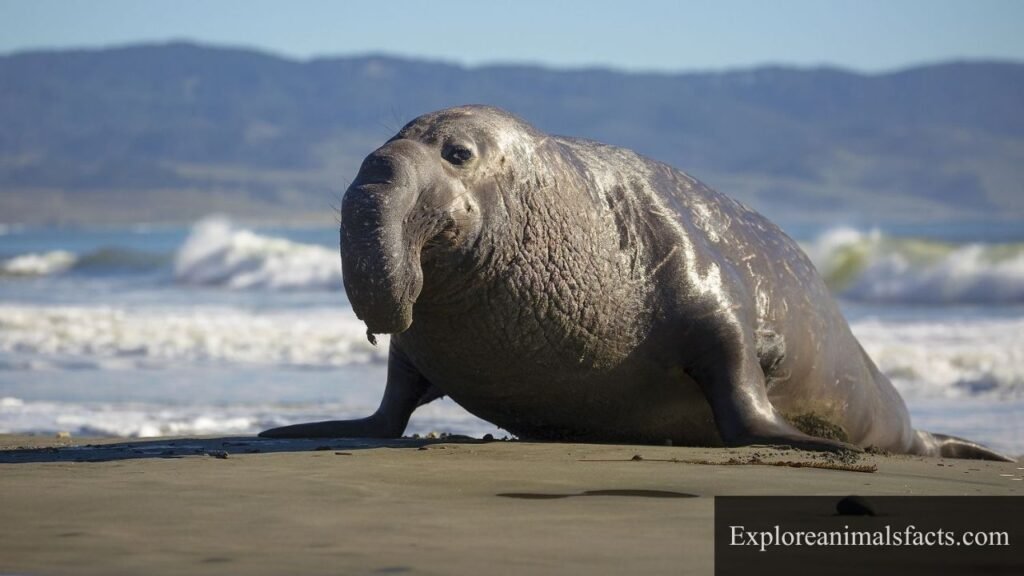
In contrast to their size, elephant seals are acrobatic swimmers, gliding effortlessly through deep waters while hunting for fish and squid. Their skins, marked with scars and wrinkles, tell stories of fierce battles fought during the tumultuous breeding season, highlighting the intricate social dynamics at play. Remarkably, these seals can hold their breath for more than two hours, allowing them to dive deep into the ocean’s depths — an adaptation that speaks to their resilience and evolutionary success. Through understanding these magnificent creatures, we gain insight into the delicate balance of marine ecosystems and the challenges they face from environmental changes.
Giant Anteater
Scientific Name: Myrmecophaga tridactyla
Class: Mammalia
Diet: Insectivore
The giant anteater, with its elongated snout and distinctive appearance, employs its unique anatomy in surprising ways. Unlike the trunks of elephants, which facilitate a variety of tasks, the anteater’s elongated mouth serves as a highly specialized tool for foraging. With a tongue that can extend up to 16 inches, it deftly probes into anthills and termite mounds, slurping up thousands of insects in a single day. This remarkable adaptation showcases the beauty of evolution, demonstrating how specific environments can shape the anatomy of a species.
The giant anteater’s social behavior is as quirky as its physique. Generally solitary, they exhibit fascinating interactions during breeding seasons and when mothers care for their young. A mother will often carry her baby on her back, offering a unique bond that showcases maternal instinct in the animal kingdom. Despite their somewhat awkward gait, these creatures are surprisingly agile, employing both speed and stealth to navigate their habitats. By understanding the giant anteater’s ecological niche, we gain insights into the intricate balance of nature and the importance of preserving these unique creatures and their environments.
Aardvark
Scientific Name: Orycteropus afer
Class: Mammalia
Diet: Insectivore
The aardvark, often overshadowed by larger, more glamorous creatures with prominent trunks, is a fascinating study in adaptation. With its distinctive elongated snout, the aardvark uses this unique feature not unlike an elephant uses its trunk — digging for ants and termites or sniffing out food beneath the surface of the earth. What’s remarkable is how this adaptation allows the aardvark to thrive in environments where competition for food is fierce, showcasing nature’s brilliance in crafting specialized tools for survival.
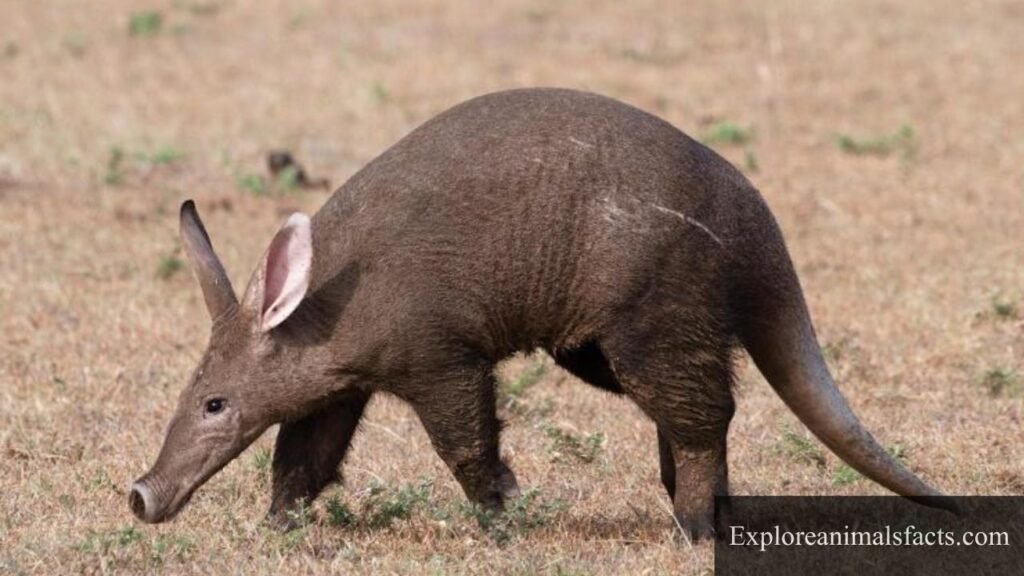
The aardvark’s snout is equipped with a keen sense of smell, which is essential for locating delicious meals buried in the ground. This sensory prowess is a testament to evolutionary ingenuity, enabling the aardvark to forage on insects with precision. Their strong forelimbs and claws are perfectly designed for excavation, allowing them to create expansive burrows that serve as both nests and protective shelters. While they may lack the size and grandeur of other trunked animals, the aardvark holds a significant ecological role, controlling insect populations and serving as a food source for larger predators.
Readmore: Explore Top 9 Mammals That Cannot Jump.
Final Thoughts
Animals with trunks play a vital role in their ecosystems and exhibit fascinating behaviors that capture our wonder. From the majestic elephant, renowned for its intelligence and social structures, to the lesser-known tapir, these creatures remind us of nature’s incredible diversity. Their trunks serve various purposes, contributing to their survival and interactions within their environments. As we learn more about these magnificent animals, it becomes increasingly important to advocate for their conservation. Let us support efforts to protect their habitats and ensure future generations can marvel at these remarkable beings.
FAQs
Which animals have trunks?
The most well-known animals with trunks are elephants. They use their trunks for a variety of purposes, including feeding, drinking water, and even social interactions. An elephant’s trunk is a highly versatile tool, combining the functions of a nose and a hand. Another interesting animal that has a trunk is the tapir. While it’s not as pronounced as an elephant’s, a tapir’s trunk is an elongated snout that helps it forage for food in the underbrush.
What has a trunk but is not an elephant?
One notable example of such animals is the tapir. These small, herbivorous mammals have a short, prehensile snout that resembles a trunk, helping them grasp leaves and fruits in their dense, forest habitats.
Which animal has a long trunk?
The animal with a long trunk is the elephant. Elephants are known for their impressive trunks, which are actually an extended nose. This unique feature serves many purposes: they use it to eat, drink, and even communicate. The trunk is incredibly versatile. Elephants can use it to pick up small objects, spray water, or even comfort each other. It’s one of the most distinctive characteristics of these majestic creatures, highlighting their intelligence and social nature.