Top 13 Animals With Prehensile Tails (Pictures Included)
Animals with prehensile tails illustrate the incredible adaptability of nature, allowing them to thrive in their environments. By diving into their unique behaviors and adaptations, you’ll discover why these animals captivate scientists and wildlife enthusiasts alike. Get ready to learn how prehensile tails play a crucial role in the survival of these remarkable species.
List of Animals With Prehensile Tails
Below is the list of animals with prehensile tails:
- Seahorse
- Binturong
- Virginia Opossum
- Tree Pangolin
- Chameleon
- Monkey-tailed Skink
- Spider Monkey
- Southern Tamandua
- Prehensile-tailed Rat
- Kinkajou
- Howler Monkey
- Eurasian Harvest Mouse
- Brazilian Porcupine
Seahorse
Scientific Name: Hippocampus
Class: Actinopterygii
Diet: Carnivore
The seahorse, an enchanting creature of the ocean, is not only unique for its peculiar shape but also for its remarkable prehensile tail. Unlike the rigid tails of many fish, the seahorse’s tail is a remarkable appendage that allows it to wrap around seagrasses and corals, providing both stability in turbulent waters and a clever way to camouflage. This adaptation not only helps them resist strong currents but also aids in their hunt for food, as they can blend seamlessly into their surroundings.
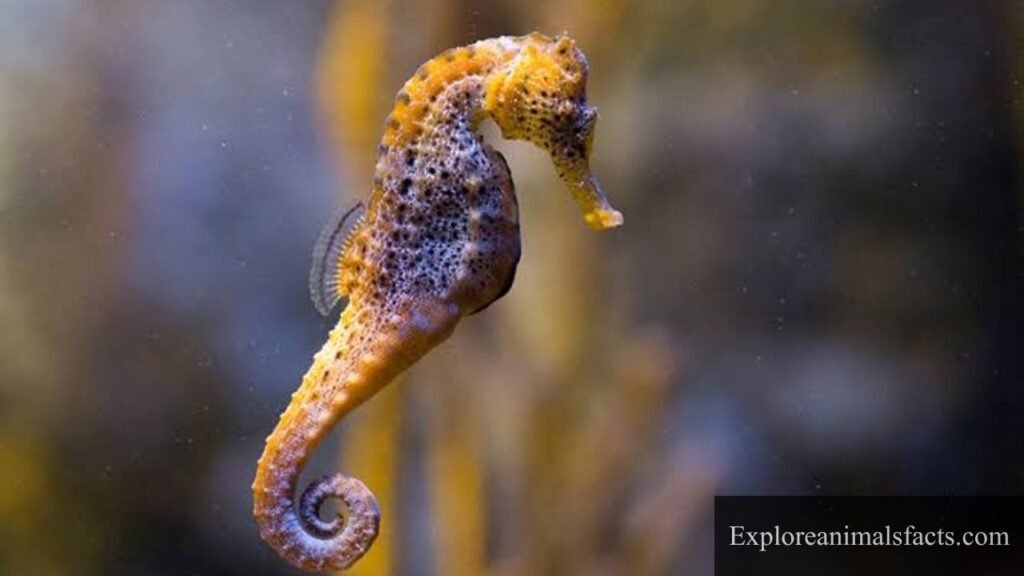
What’s fascinating is how this evolutionary trait has shaped their social interactions. Male seahorses engage in a courtship dance that involves entwining their tails, symbolizing unity and partnership. This intimate bond is further emphasized during mating, where the male carries and nurtures the developing embryos in a special pouch. In a world where parental roles often fall solely to females, the seahorse flips this norm, showcasing a refreshing perspective on shared responsibilities in the animal kingdom. The combination of their captivating appearance and unique behaviors makes the seahorse not just a marvel of marine life but also an inspiring symbol of adaptability and partnership in nature.
Binturong
Scientific Name: Arctictis binturong
Class: Mammalia
Diet: Omnivore
The binturong is a fascinating creature that captivates not just with its unique appearance but also its remarkable prehensile tail. This long, muscular tail is an extraordinary adaptation, allowing binturongs to grasp branches and maintain stability as they navigate the treetops of Southeast Asian rainforests. Unlike many other mammals, their tails are so strong that they can use them as an additional limb, enhancing their agility when climbing or jumping between branches.
What’s even more intriguing is how their tails serve multiple purposes beyond just mobility. The binturong’s tail is covered in a dense layer of fur, which not only aids in grip but also provides a means of communication. They can use their tails to express emotions or to mark territory through scent glands located at the base. This highly social animal thrives within its complex forest habitat, relying on its prehensile tail not just for survival, but for forging connections within its community. In a world where adaptability is key, the binturong seamlessly blends functionality with its whimsical charm.
Virginia Opossum
Scientific Name: Didelphis virginiana
Class: Mammalia
Diet: Omnivore
The Virginia opossum stands out not just for its iconic appearance but also its remarkable prehensile tail. This unique adaptation allows these marsupials to navigate their arboreal habitats with surprising agility. Far from merely a balancing tool, the opossum’s tail can grasp branches, helping it climb and forage in the canopy, where many predators lurk below.
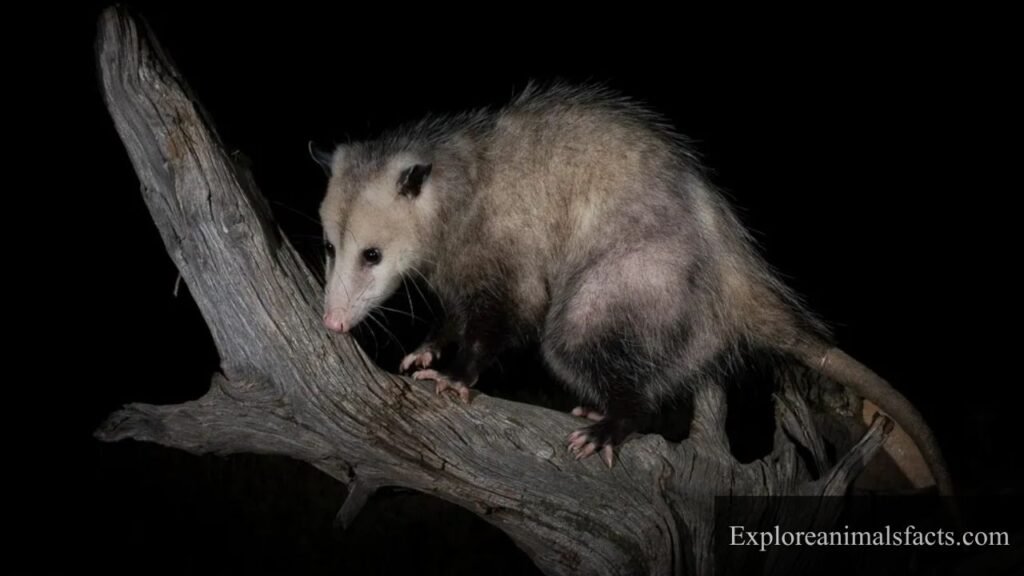
What’s even more fascinating is the opossum’s ability to use its tail while carrying food or young ones — a testament to its multitasking skills in the wild. This remarkable feature sets the opossum apart in the animal kingdom, showcasing an evolutionary wonder that enhances its survival. In many ways, the prehensile tail is a symbol of adaptability, demonstrating how this nocturnal creature thrives in various environments, from urban landscapes to dense forests. By learning to utilize its tail creatively, the Virginia opossum has not only survived but flourished, embodying resilience in an ever-changing world.
Readmore: Explore Top 17 Animals With Bushy Tails.
Tree Pangolin
Scientific Name: Phataginus tricuspis
Class: Mammalia
Diet: Insectivore
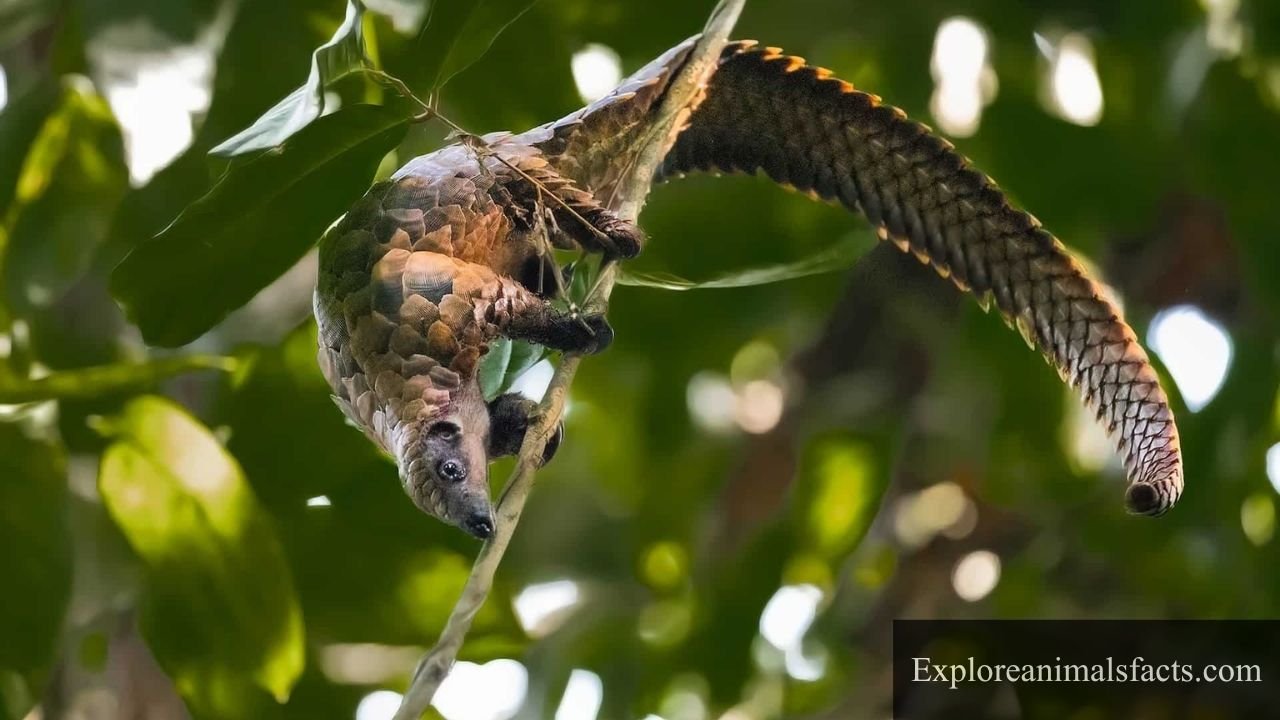
The tree pangolin embodies the fascinating adaptations of species that thrive in arboreal environments. With its elongated, flexible tail, which can wrap around branches with the same ease as a vine, the tree pangolin showcases a unique form of dexterity. This prehensile tail isn’t merely a balancing tool; it serves as a third limb, aiding in both climbing and foraging, allowing these shy creatures to navigate their treetop habitats with surprising agility.
Beyond their tail’s functionality, the tree pangolin’s remarkable armor of keratin scales acts as protection against predators. This fascinating adaptation highlights the duality of their survival strategy — while they can skillfully maneuver through the branches, their tough exterior deters potential threats. Observing a tree pangolin in its natural habitat, one begins to appreciate the intricate balance of evolution, where physical traits serve multiple purposes, ensuring both mobility and safety in a world filled with challenges. Each climb reveals not just the pangolin’s physical prowess but also the interconnectedness of survival and adaptation in the rich tapestry of life.
Chameleon
Scientific Name: Chamaeleonidae
Class: Reptilia
Diet: Carnivore
The chameleon, renowned for its dazzling color-changing abilities, also boasts a prehensile tail that significantly enhances its arboreal lifestyle. This versatile appendage acts like a fifth limb, allowing the chameleon to navigate the high branches of its forest habitat with a unique blend of stability and agility. Unlike many other reptiles, the chameleon’s tail is capable of grasping onto trees, providing a secure anchor as it hunts for insects or escapes from predators.
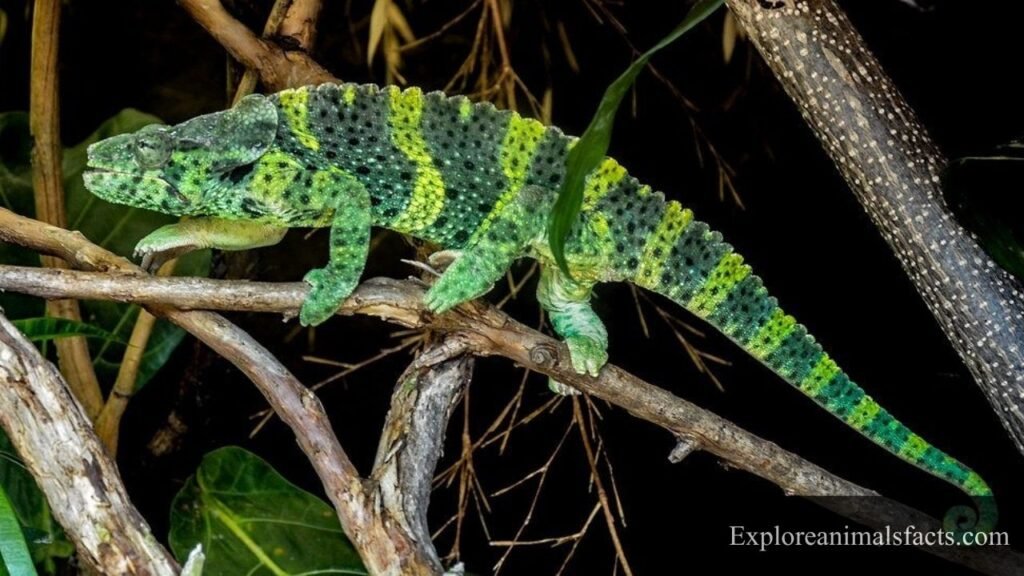
This keystone feature of the chameleon complements its extraordinary vision, which can rotate independently to survey its surroundings. The combination of a gripping tail and acute vision not only aids in survival but also transforms the chameleon’s method of interaction with its environment. By skillfully using its tail to balance and stabilize while reaching out with its long tongue, the chameleon embodies an evolutionarily refined predator that captivates both scientists and wildlife enthusiasts alike. In this way, the chameleon’s prehensile tail is not merely an adaptation; it is a cornerstone of its identity in the rich tapestry of biodiversity.
Monkey-Tailed Skink
Scientific Name: Corucia zebrata
Class: Reptilia
Diet: Herbivore
The monkey-tailed skink, with its strikingly flexible tail, showcases an evolutionary marvel well-adapted to its environment. Unlike many lizards that merely use their tails for balance or defense, this unique reptile utilizes its prehensile appendage to navigate the intricate canopies of its tropical habitat. Imagine a skilled acrobat, seamlessly swinging from branch to branch — the skink’s tail acts almost like a third limb, enabling it to grasp and stabilize while feeding on leaves and insects high above the ground.
One fascinating aspect of the monkey-tailed skink’s tail is its role in communication and social interaction. Beyond its functionality for mobility, these lizards can use their tails to signal to one another, and this non-verbal communication enhances their social structure. The vibrant coloration of the tail can also serve as a warning to potential predators, allowing these skinks to blend into the dense foliage, proving that beauty and practicality go hand in hand in the animal kingdom. Through the lens of evolution, the monkey-tailed skink reminds us how adaptation can transform the ordinary into the extraordinary.
Spider Monkey
Scientific Name: Ateles
Class: Mammalia
Diet: Omnivore
Spider monkeys are a stunning example of nature’s ingenuity, sporting prehensile tails that elevate their arboreal lifestyle. These remarkably versatile appendages not only serve as a fifth limb, aiding in navigation through the dense canopies of Central and South America, but also showcase a level of dexterity that rivals human hands. While their tails can grip branches and swing from tree to tree with ease, they also allow spider monkeys to carry food or even hang upside down, revealing their playful and agile nature.
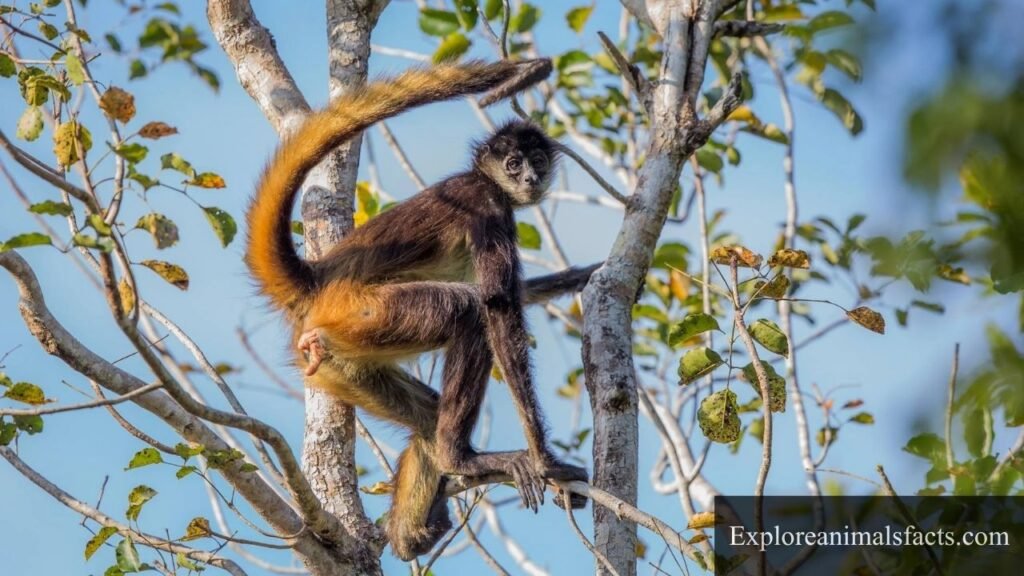
Beyond their impressive physical adaptations, spider monkeys exhibit intriguing social behaviors that mirror their dynamic environments. Living in matriarchal groups, they rely on strong social bonds, often grooming each other to reinforce these connections. Their tail’s ability to grasp enables them to engage in complex interactions with their peers, whether it’s sharing fruits high in the treetops or playfully tussling. Observing these monkeys not only highlights the evolutionary significance of their prehensile tails but also invites us to appreciate the rich social tapestry woven within their tree-dwelling communities.
Southern Tamandua
Scientific Name: Tamandua tetradactyla
Class: Mammalia
Diet: Insectivore
The southern tamandua, a fascinating anteater native to Central and South America, showcases a remarkable adaptation in the form of a prehensile tail. This unique appendage serves not only as a balancing tool while traversing the treetops but also as a fifth limb, allowing the tamandua to grasp branches and navigate its arboreal habitat with unparalleled agility. Unlike many other animals, this creature utilizes its tail to enhance its foraging abilities, skillfully maneuvering in search of ants and termites hidden within the bark of trees.
Observing a southern tamandua in its natural environment reveals a delightful blend of instinct and adaptability. Its furred tail clings to branches, freeing its claws to dig into tough wood, a testament to evolution’s ingenuity. Beyond ecology, this adaptation highlights the intricate relationships these animals have with their habitats; as they hunt and forage, they not only sustain themselves but also shape the ecosystem by controlling insect populations. This makes the tamandua not just a survivor, but a pivotal player in the balance of its forest realm.
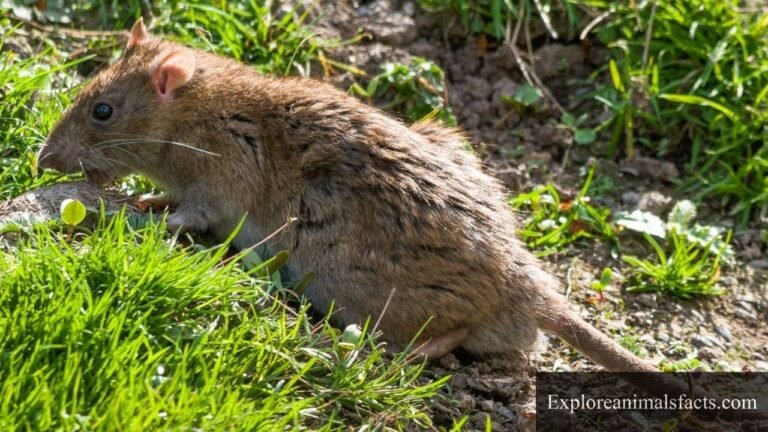
Prehensile-Tailed Rat
Scientific Name: Pogonomys
Class: Mammalia
Diet: Omnivore
The prehensile-tailed rat, native to the lush forests of New Guinea, showcases an extraordinary adaptation that sets it apart from many rodent species. With a tail that functions almost like a fifth limb, this remarkable creature uses its flexible appendage to grip branches, aiding in its arboreal lifestyle. This unique trait not only enhances its ability to navigate the treetops in search of food but also provides a strategic advantage against predators lurking below. Observations reveal that these rats often hang from their tails while foraging, a behavior that allows them to access otherwise unreachable fruit and foliage.
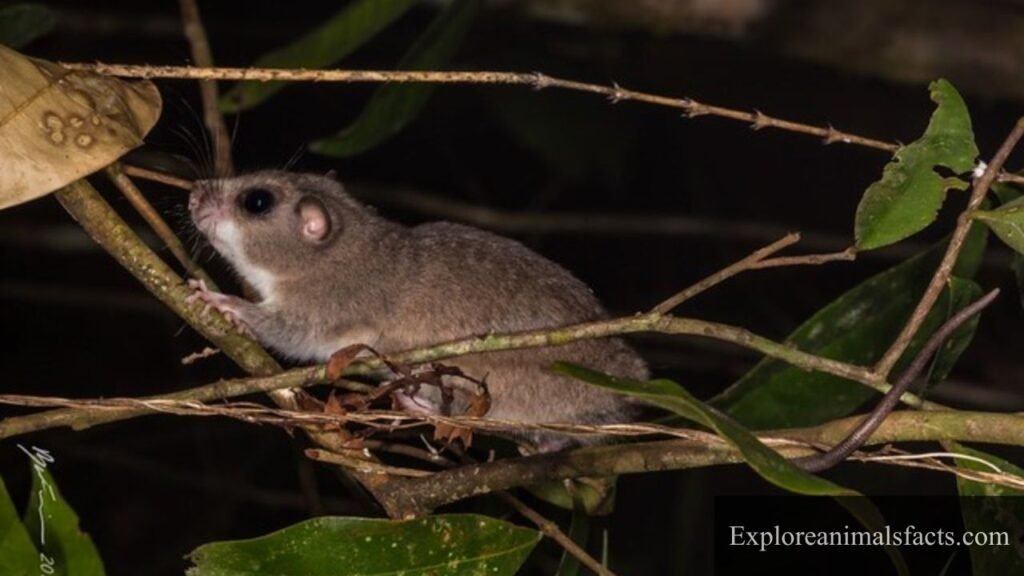
Beyond mere survival, the prehensile-tailed rat offers intriguing insights into evolutionary biology. Its tail’s dexterity highlights the dynamic relationships between environment and adaptation, illustrating how species develop specialized traits in response to their habitats. As deforestation threatens their ecosystem, studying these fascinating rodents could illuminate the broader impacts of habitat loss on biodiversity. In understanding their intricacies, we not only gain a deeper appreciation for the prehensile-tailed rat but also recognize the urgent need to protect the delicate balance of the forest ecosystems they inhabit.
Kinkajou
Scientific Name: Potos flavus
Class: Mammalia
Diet: Omnivore
The kinkajou, often mistaken for a small monkey, is a marvel of the rainforest, showcasing its dexterous prehensile tail as a vital adaptation. This remarkable appendage isn’t just for balance; it acts almost like a fifth limb, allowing kinkajous to navigate the tree canopies with agility and precision. This ability to grasp and manipulate makes them expert foragers, enabling them to reach nectar deep within flowers and snatch fruits that would otherwise be out of reach.
What’s particularly enchanting about kinkajous is their nocturnal nature. Under the cover of night, their large, expressive eyes shine as they glide from branch to branch, their tails swaying in sync with their movements. This behavior pairs beautifully with their social structure; often found in small family groups, kinkajous engage in playful antics that reinforce bonds. Such social interactions are not just for fun — they also play a crucial role in their foraging habits and the health of their ecosystem, effectively making them silent gardeners of the rainforest. By dispersing seeds through their fruit-focused diet, kinkajous contribute to the lush diversity that characterizes their tropical homes.
Howler Monkey
Scientific Name: Alouatta
Class: Mammalia
Diet: Herbivore
The howler monkey, renowned for its impressive vocalizations, takes agility to another level with its prehensile tail, a remarkable adaptation that enhances its arboreal lifestyle. This long, muscular tail acts like a fifth limb, capable of grasping branches with surprising dexterity. As these monkeys navigate through the treetops of Central and South American rainforests, their tails provide crucial support, enabling them to traverse narrow limbs and leap between trees with confidence. The ability to hang securely from the branches not only frees their hands for foraging but also allows them to maintain their balance while engaging in social interactions or calling out to their troop.
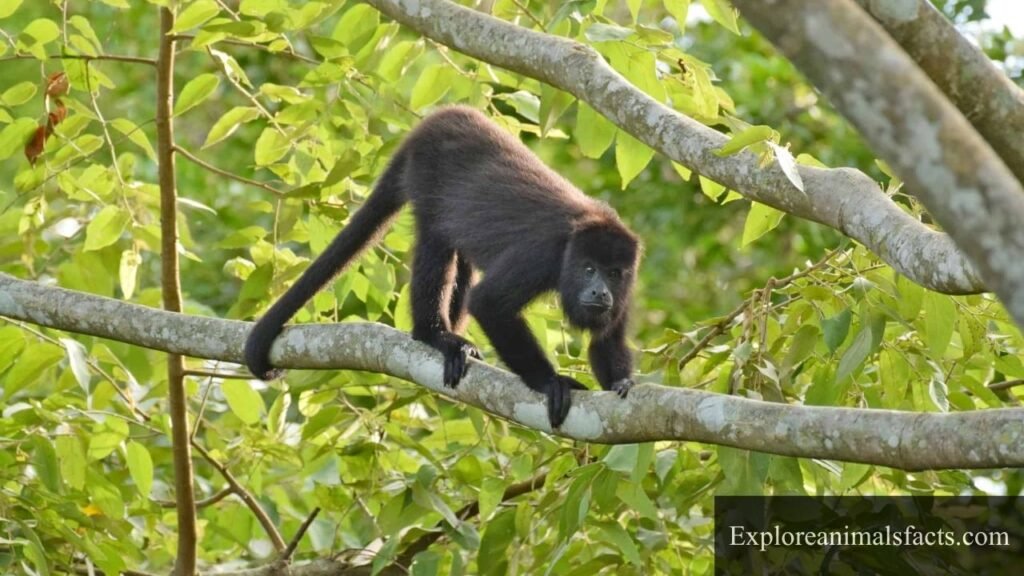
But the howler monkey’s prehensile tail is more than just a tool for climbing; it’s a symbol of their adaptability. In a world where deforestation threatens their habitat, these monkeys rely on their agility to escape predators and find food sources in an ever-changing environment. Observing how they use their tails during social play or while resting offers a unique window into their complex social structures. It’s fascinating to consider how this ingenious adaptation may evolve further as they navigate the challenges of a rapidly shifting ecosystem. The howler monkey, with its vocal prowess and agile tail, serves as a striking reminder of the intricate connections between anatomy, behavior, and survival in the wild.
Eurasian Harvest Mouse
Scientific Name: Micromys minutus
Class: Mammalia
Diet: Omnivore
The Eurasian harvest mouse, a tiny creature that often goes unnoticed, possesses a remarkable prehensile tail that elevates its functionality beyond mere balance. Unlike many other small mammals, this tail is not just for stabilization; it acts as an additional limb, allowing the harvest mouse to deftly navigate its tangled grassland habitat while foraging for seeds and grains. This adaptation not only showcases the mouse’s agility but also enhances its survival by enabling it to reach food sources that might otherwise be inaccessible.
What’s fascinating is that the tail’s versatility also plays a crucial role in breeding. During courtship, males often engage in intricate displays, using their tails to draw attention or assist in climbing the swaying grasses — an agile dance of sorts that amplifies their charm. This dual utility of the prehensile tail highlights a complex interplay of physical adaptation and social behavior, revealing how even the smallest features can have profound impacts on survival and reproduction in the wild. In a world filled with grand adaptations, the harvest mouse reminds us that sometimes, it’s the subtle traits that tell the most compelling stories of resilience and ingenuity in nature.
Brazilian Porcupine
Scientific Name: Coendou prehensilis
Class: Mammalia
Diet: Herbivore
The Brazilian porcupine stands out in the animal kingdom not just for its quills but for its impressive prehensile tail. Unlike ordinary tails, this remarkable adaptation allows the porcupine to grasp branches with incredible dexterity, serving both as an extra limb for climbing and as a means of balletic movement through the treetops. Imagine a creature that can effortlessly sway from one branch to another, its tail curling and grasping like a third hand, a strategic advantage in navigating its arboreal habitat.
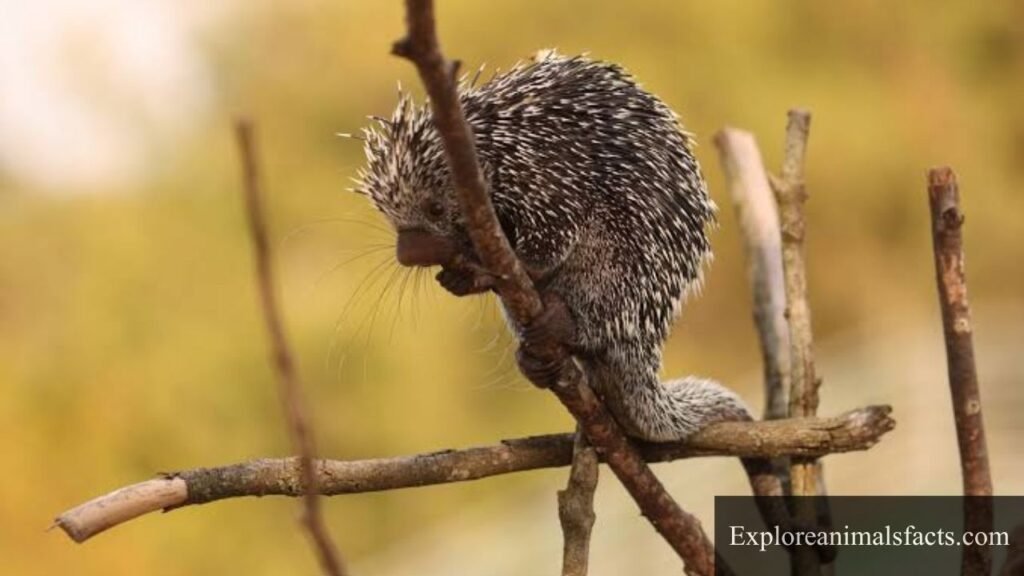
This gripping tail is more than just a tool for mobility; it plays a crucial role in the porcupine’s survival. While most people might think of their formidable spines as their primary defense mechanism, the Brazilian porcupine often relies on its agility, using its tail to stabilize itself as it escapes predators among the dense foliage. This unique combination of adaptation and behavior showcases nature’s ingenious designs, highlighting that survival often means thinking outside the box — or, in this case, outside the tree. Every climb through the canopies transforms into a delicate dance of balance and acrobatics, illustrating the porcupine’s remarkable ability to thrive while evading the dangers lurking below.
Readmore: Explore Top 19 Clumsy Animals in The World.
Final Thoughts
Prehensile tails represent a remarkable adaptation that enables various animal species to thrive in their environments. These tails serve as multifunctional tools, assisting with climbing, grasping, and maintaining balance in intricate habitats. From the agile spider monkey to the resilient opossum, each creature showcases the evolutionary ingenuity that has led to their survival. Understanding these unique adaptations not only enriches our appreciation for wildlife but also highlights the interconnectedness of ecosystems. Let us continue to explore and protect these fascinating animals and their habitats, ensuring that they thrive for generations to come.
FAQs
Which animals have a prehensile tail?
Several animals have prehensile tails, which they use to grasp or manipulate objects. Notably, many species of primates, such as spider monkeys and howler monkeys, possess this adaptation. Their tails act like an extra limb, helping them navigate through trees and hold onto branches. Other animals with prehensile tails include opossums and some species of lizards, such as the chameleon. These tails aid in climbing and stability, allowing for a more versatile movement in their environments.
Does a rat have a prehensile tail?
Yes, the prehensile-tailed rat is a unique species known for its distinctive tail, which it can use like an extra limb. Native to the forests of South America, these rats can grip branches and navigate through their arboreal habitat with ease. Their tails are not just for balance; they play a crucial role in how they interact with their environment.
Do chimpanzees have prehensile tails?
No, chimpanzees do not have prehensile tails. In fact, they don’t have tails at all. Chimpanzees rely on their strong limbs and dexterous hands for climbing and manipulating objects in their environment.