Explore Top 10 Animals Without Tails (Images Included)
While tails are often associated with balance and communication in the animal kingdom, numerous species thrive without them. Animals without tails challenge our understanding of agility, balance, and survival in nature. This article will illuminate the adaptations and environments that allow these tail-less beings to flourish. By the end, you’ll not only appreciate these remarkable animals but also gain insights into their significance in biodiversity.
List of Animals Without Tails
Below is the list of animals without tails:
- Barbary Macaque
- Octopus
- Guinea Pig
- Kiwi Bird
- Koala
- Spiders
- Manx Cat
- Apes
- Capybara
- Frogs and Toads
Barbary Macaque
Scientific Name: Macaca Sylvanus
Class: Mammalia
Diet: Omnivore
The Barbary macaque, often mistaken for an ape due to its lack of a tail, offers a fascinating glimpse into the adaptability of primate evolution. Native to the mountainous regions of North Africa and the only free-living primate in Europe, these monkeys have managed to thrive in diverse habitats, including the dense forests of the Atlas Mountains. Their tail-less form doesn’t hinder their agility; instead, it reflects an evolutionary response to their environment, emphasizing climbing skills and social bonding over balance.
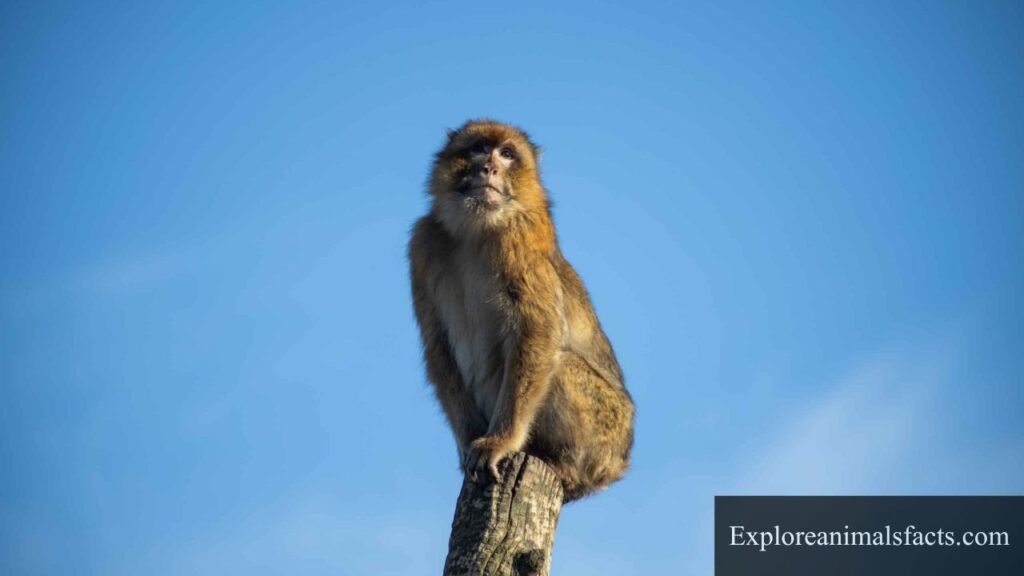
What sets the Barbary macaque apart is their complex social structures, which are characterized by intricate grooming rituals and strong family ties. Unlike many other primate species, these monkeys exhibit a unique combination of matriarchal and hierarchical organization, where both males and females play crucial roles in community dynamics. This social cohesion is vital for their survival, especially as they navigate challenges posed by habitat loss and human encroachment. Observing their behaviors provides a rich tapestry of insights into how these charming tail-less creatures adapt and flourish despite environmental pressures.
Octopus
Scientific Name: Octopus Vulgaris
Class: Cephalopoda
Diet: Carnivore
The octopus, a master of disguise in the underwater world, is often misunderstood due to its lack of a tail. Instead of a traditional appendage, it boasts an incredible array of eight flexible arms. These limbs are not only vital for movement and manipulation but also serve as sophisticated tools for interaction. Each arm can operate independently, allowing the octopus to explore its environment with astonishing dexterity and precision.
Moreover, the octopus employs its arms for communication, utilizing color changes and textures to convey emotions and intentions. This remarkable adaptability allows them to blend seamlessly into their surroundings, escaping predators and ambushing prey. Their cognitive abilities are on par with some mammals; they exhibit problem-solving skills and even short-term memory. This intelligence, coupled with their unique anatomy, makes the octopus a fascinating subject of study, revealing not just how life adapts without a tail, but how it thrives in a world of creativity and complexity.
Guinea Pig
Scientific Name: Cavia Porcellus
Class: Mammalia
Diet: Herbivore
Guinea pigs, often celebrated for their endearing faces and sociable nature, may lack tails, but they more than make up for it with their expressive personalities. These small rodents are remarkable communicators, using a series of vocalizations, from gentle purring to excited wheeking, to convey their feelings. Observing a guinea pig can reveal an entire world of emotions, whether they are basking in contentment or demanding more snacks than the average pet owner can provide.
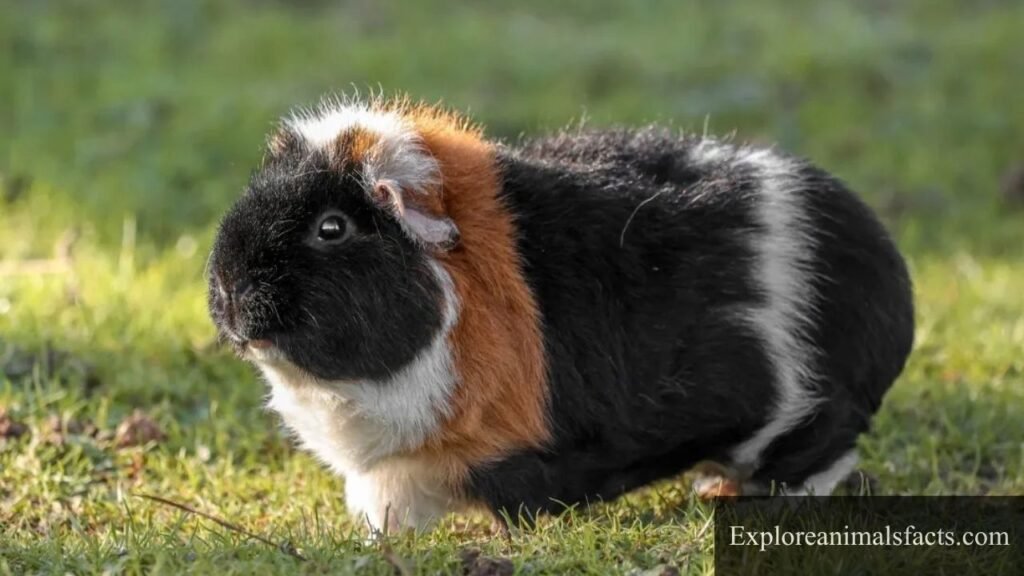
Their absence of tails might seem like a disadvantage, yet it allows them to focus energy on their strong limbs and rotund bodies, which are perfectly designed for burrowing and exploring their environment. Their whiskers, while significantly more prominent than a tail, serve as excellent tools for spatial awareness, helping them navigate their habitat with surprising agility. This unique anatomical feature emphasizes that in the animal kingdom, functionality often trumps form, showcasing how nature adapts creatures to thrive in various roles, regardless of missing parts.
Readmore: Explore Top 21 Mischievous Animals.
Kiwi Bird
Scientific Name: Apteryx
Class: Aves
Diet: Omnivore
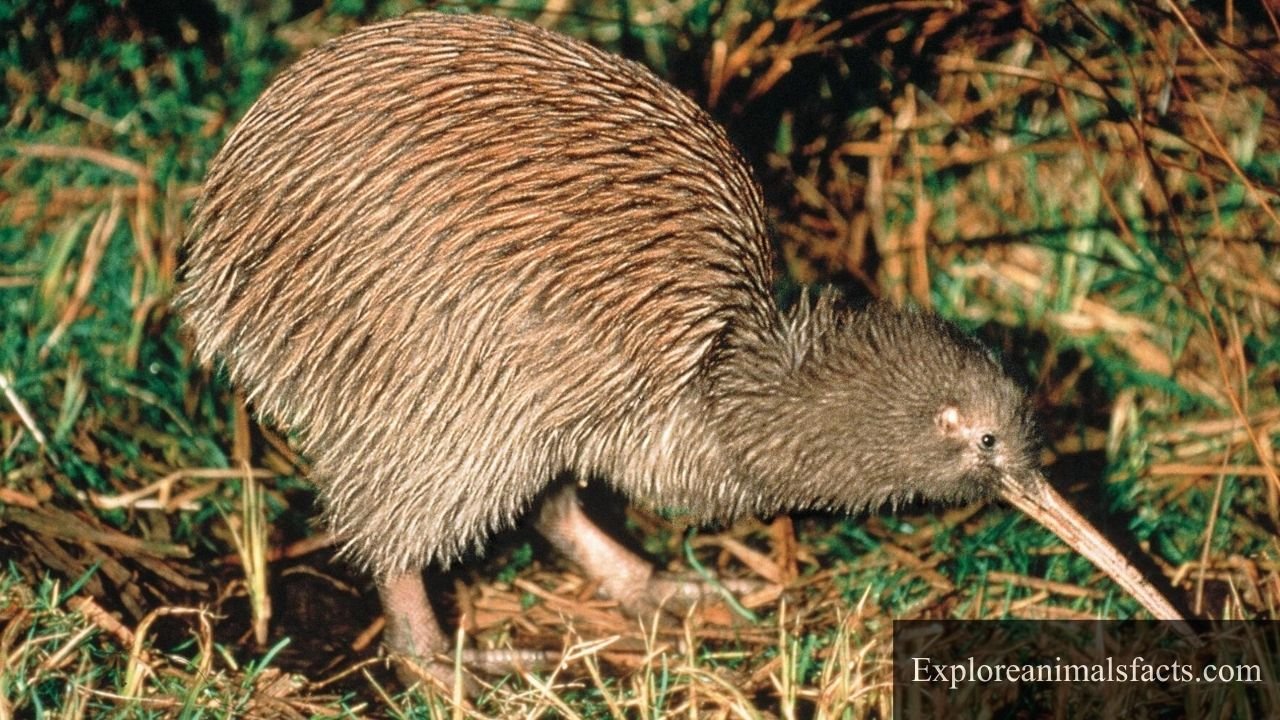
The kiwi bird, native to New Zealand, stands out not just for its iconic status but also for its unique tail-less physique. Unlike many birds, kiwis have evolved to thrive in their forest habitats without the usual tail feathers. This adaptation may seem curious at first, but it serves a purpose — without a tail, these nocturnal foragers are better equipped to navigate the underbrush, where every bit of movement could alert potential predators.
These flightless creatures possess an array of fascinating attributes, including their long, sensitive beaks, which are perfectly designed to probe the ground for insects and worms. Interestingly, their feathers resemble fur more than traditional feathers, providing excellent camouflage against the forest floor — an essential feature for survival in a land where predators, such as stoats, are a constant threat. The kiwi’s tail-less design isn’t just a quirk of evolution; it exemplifies the intricate balance between form and function in nature, proving that sometimes, what appears to be a limitation can actually be an evolutionarily advantageous trait.
Koala
Scientific Name: Phascolarctos Cinereus
Class: Mammalia
Diet: Herbivore
Koalas have a unique charm that extends far beyond their fluffy appearance. Their lack of a tail, a trait that might seem trivial, actually plays a role in their lifestyle. Instead of relying on a long appendage for balance, koalas have evolved robust limb structures and strong, flexible claws, allowing them to effortlessly navigate the treetops of their native habitats in Australia. This adaptability is essential for their survival, as it enables them to reach their primary food source — eucalyptus leaves — while also keeping them safe from ground predators.
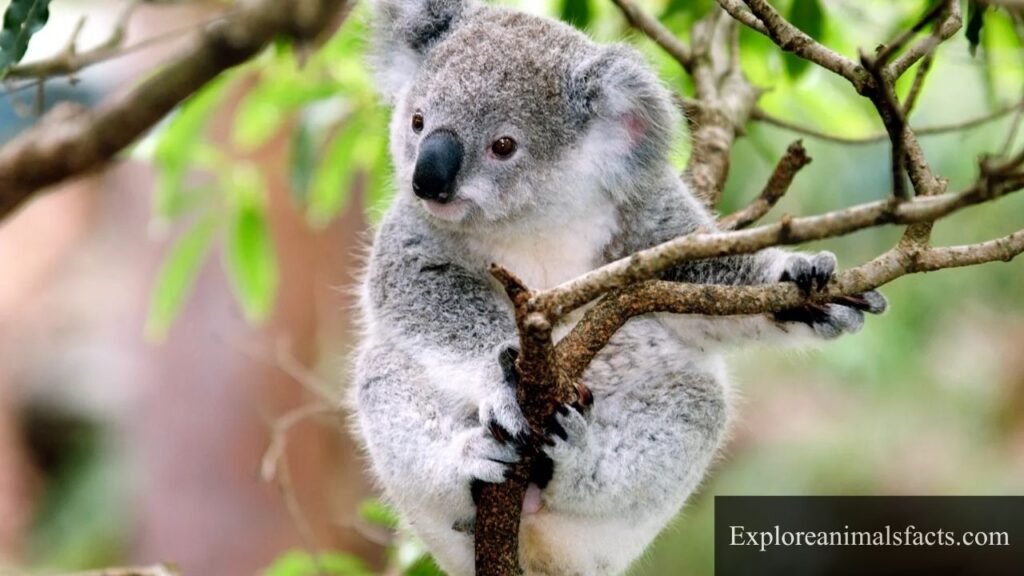
Moreover, the absence of a tail highlights the koala’s specialization in a niche environment. While many animals rely on tails for agility or communication, koalas have developed a more sedentary lifestyle, spending up to 20 hours a day resting and digesting their toxic diet. This leisurely existence emphasizes their conservation status; as climate change threatens their eucalyptus forests, their tail-less anatomy becomes a testament to their evolutionary journey. In essence, koalas remind us that sometimes, the absence of certain features can reveal deeper strengths and adaptations in the fabric of life.
Spiders
Scientific Name: Araneae
Class: Arachnida
Diet: Carnivore
Spiders, despite their lack of tails, showcase an extraordinary adaptability that sets them apart in the animal kingdom. Instead of using tails for balance or agility, these eight-legged wonders have evolved a remarkable array of survival tactics. Their silk-spinning capabilities are perhaps the most iconic; they craft intricate webs not just for trapping prey but also for creating a cozy retreat or a nursery for their young. The versatility of spider silk extends beyond mere entrapment; it has inspired biomimicry in modern science, leading researchers to explore its potential in medicine and engineering.
Moreover, spider behavior is equally fascinating. Many species, like the jumping spider, rely on keen vision and acrobatic skills for hunting rather than web-building. These agile predators can meticulously plan their leaps, showcasing an impressive combination of strategy and precision. This unique approach to mobility and hunting adds a layer of intrigue to their existence, challenging the stereotype of spiders as mere web-weavers. In habitats ranging from dense forests to arid deserts, their tail-less bodies embody resilience, reminding us that adaptation often trumps traditional anatomical features.
Manx Cat
Scientific Name: Felis Catus
Class: Mammalia
Diet: Carnivore
The Manx cat, often recognized for its distinct lack of a tail, is much more than just a quirky appearance. This breed hails from the Isle of Man and showcases a unique genetic mutation that affects tail development, resulting in various tail lengths — from a full tail to the classic “rumpy” with no tail at all. However, their charm extends beyond their physical attributes; Manx cats are known for their playful disposition and exceptional intelligence, often engaging in games that mimic hunting behavior.
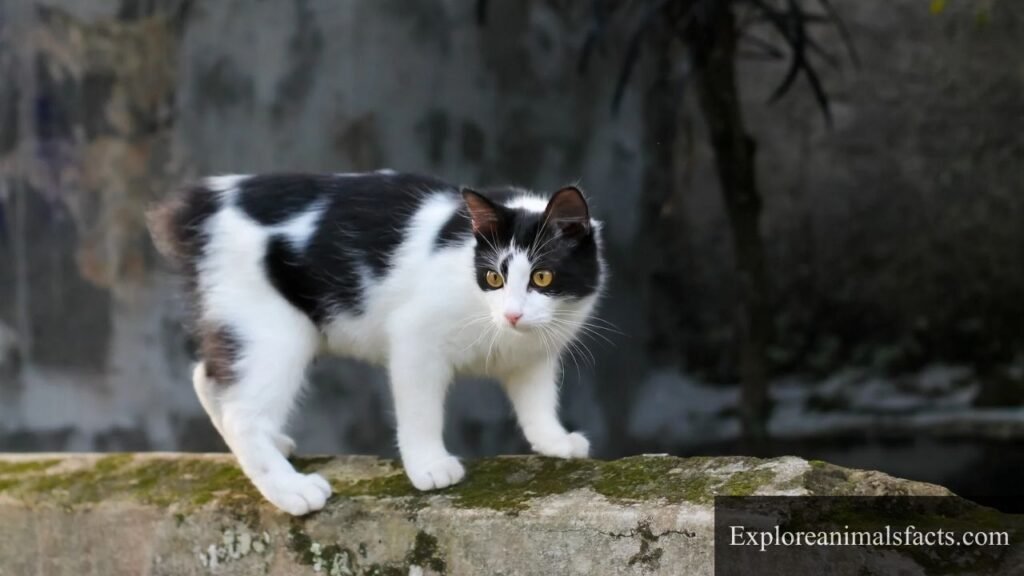
Interestingly, the absence of a tail isn’t merely cosmetic; it influences their balance and agility. While some might assume this leads to a clumsy demeanor, many owners find their Manx companions surprisingly graceful, leaping with a confidence that belies their unusual anatomy. This breed is also deeply affectionate, forming strong bonds with their human families. Their loyalty often manifests in playful antics, drawing both laughter and admiration from anyone lucky enough to share their space. With a history steeped in folklore and a personality that captivates, the Manx cat is a living testament to the idea that beauty — and charm — lies in the diversity of nature.
Apes
Scientific Name: Hominoidea
Class: Mammalia
Diet: Omnivore
Apes, often regarded as our closest relatives in the animal kingdom, have evolved without tails — a fascinating aspect that hints at their complex social structures and advanced cognitive abilities. This absence of a tail is not merely a quirk of evolution; it reflects their adaptation to an arboreal lifestyle, where dexterity and balance become paramount. Instead of a tail for stability, apes utilize their strong limbs and opposable thumbs to navigate their forested environments, showcasing impressive acrobatics and agility.
Furthermore, the lack of a tail fosters deeper social interactions among apes. Their expressive faces and body language play a crucial role in communication, allowing them to form intricate social bonds. This deep social connection is responsible for their impressive problem-solving abilities and tool usage, setting them apart from many other primates. Observing their interactions, one can marvel at how these tailless creatures utilize their physical attributes to forge strong communal ties, emphasizing the intelligence and emotional depth present within their societies.
Capybara
Scientific Name: Hydrochoerus Hydrochaeris
Class: Mammalia
Diet: Herbivore
Capybaras, the world’s largest rodents, present a fascinating case in the animal kingdom. While they do have small, stubby tails, their minimal tails often go unnoticed, leading many to perceive them as tail-less. These social creatures thrive in groups, exhibiting a unique bonding behavior that showcases their emotional depth and intelligence. Unlike other animals, capybaras often facilitate harmonious interactions with various species, from birds to monkeys, acting as unwitting hosts in a vibrant ecosystem of mutualism.
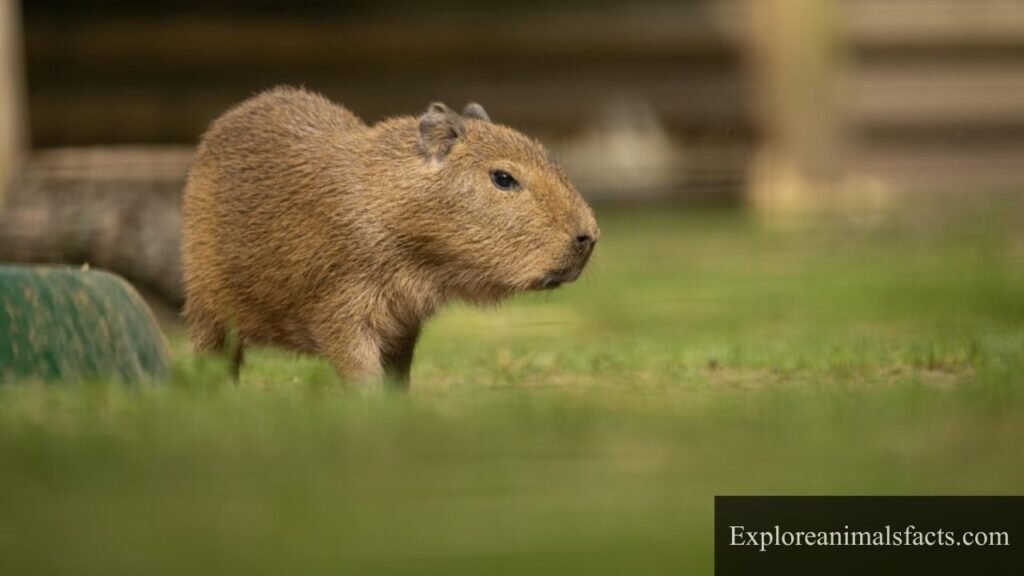
Their semi-aquatic lifestyle further distinguishes them; capybaras are exceptional swimmers, with webbed feet that adapt them beautifully to their watery habitats. This proficiency not only provides them with a refuge from predators but also allows for intriguing social dynamics as they graze on aquatic plants and interact playfully in the water. Watching them is a reminder of the interconnectedness of life, as their gentle nature embodies a serene coexistence, quite unlike many other wildlife encounters. Ultimately, capybaras offer a lens through which we can appreciate the subtleties of evolution and adaptation, highlighting that sometimes less really is more.
Frogs And Toads
Scientific Name: Anura
Class: Amphibia
Diet: Carnivore
Frogs and toads, often mistaken for one another, hold a fascinating position in the animal kingdom as tail-less amphibians. With their evolutionary journey, these creatures have traded in tails for a remarkable ability to leap, swim, and adapt to various environments. Instead of tails, they possess powerful hind legs that propel them into the air with incredible agility, sparking a sense of wonder about their brief yet extraordinary transformations from water-dwelling tadpoles.
As unique as their adaptations are, these amphibians also display diverse behaviors that challenge common perceptions. For instance, toads often prefer arid habitats and can absorb water through their skin, a survival strategy that underscores the resourcefulness of these tail-less beings. Frogs, meanwhile, have developed a stunning array of colors and skin textures, serving not only to attract mates but also as a defense mechanism against predators. Their vocalizations, ranging from ribbits to croaks, create symphonies that echo in wetlands, reminding us of the intricate connections in ecosystems where these tail-less wonders thrive.
Readmore: Explore Top 13 Animals With Prehensile Tails.
Final Thoughts
Animals without tails showcase the incredible adaptability of nature. These creatures, whether they’ve evolved in response to their environments or exhibit unique traits due to specific genetic factors, remind us of the diversity of life on our planet. From the streamlined bodies of certain species to the specialized adaptations they have developed, each tail-less animal plays a vital role in its ecosystem. Understanding their biology and behavior can deepen our appreciation for the natural world and the various forms it takes. Let’s continue to explore and protect these fascinating animals and the environments they inhabit.
FAQs
What animals don’t have tails?
Many animals lack tails due to their evolutionary adaptations. For example, certain amphibians like frogs and toads lose their tails as they transition from tadpoles to adults. This change helps them become better suited for their terrestrial environments. Certain mammals, such as the Manx cat, are known for their genetic mutation that results in a tailless condition.
Do gorillas have tails?
No, gorillas do not have tails. They are part of the ape family, which includes humans, chimpanzees, and orangutans, and none of these primates have tails. Instead, gorillas have a strong, muscular build that helps them navigate their forest habitats.