Top 17 Independent Animals in The World (With Images)
Independent animals are not just fascinating; they also offer valuable insights into survival and adaptation in the wild. In this article, we’ll explore the most remarkable independent animals in the world, their unique behaviors, and why understanding them can deepen our appreciation for wildlife. Prepare to gain insights that challenge your perception of cooperation and independence in the animal kingdom.
List of Independent Animals in The World
Below is the list of Independent Animals In The World:
- Snow Leopard
- Octopus
- Platypus
- Raccoons
- Polar Bear
- Red Fox
- Great White Shark
- Wolverine
- Crocodiles
- Sloths
- Cougar
- Orangutan
- Moles
- Sea Turtles
- Tiger
- Koala
- Jaguar
Snow Leopard
Scientific Name: Panthera uncia
Class: Mammalia
Diet: Carnivore
The snow leopard, often referred to as the “ghost of the mountains,” embodies independence in the harsh terrains of Central Asia. These elusive big cats navigate steep, rugged landscapes with an agility that belies their stocky build, showcasing a breathtaking blend of strength and grace. Their solitary nature isn’t merely a lifestyle choice; it’s a survival strategy honed over centuries. This independence allows them to cover vast territories, safeguarding their resources from competitors and ensuring they remain top predators in their environment.
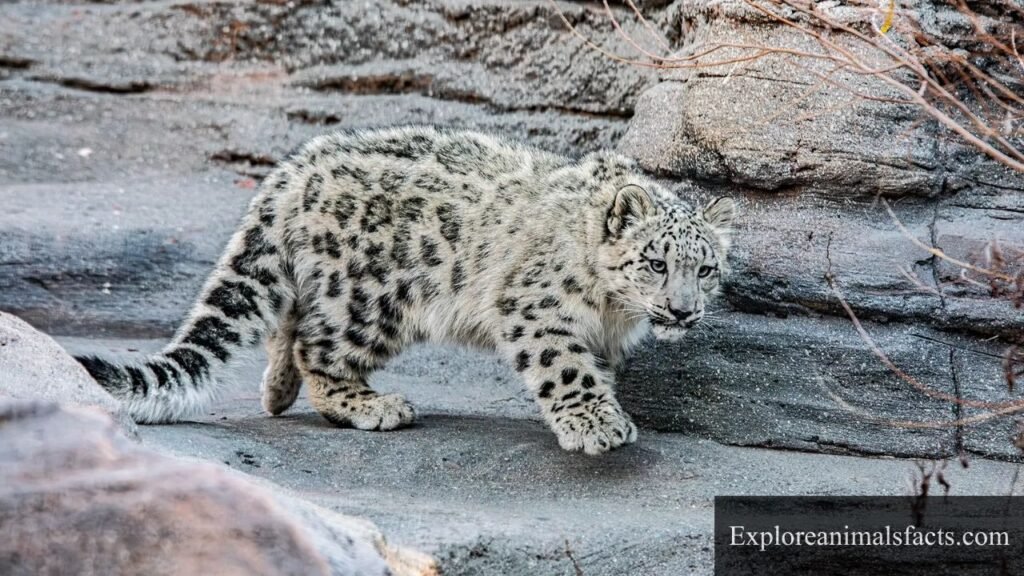
What’s truly fascinating is the snow leopard’s intricate social system, which revolves around solitary living rather than family units. While they are predominantly solitary, these animals exhibit complex behaviors during mating season, forming loose bonds with potential mates. After the brief courtship, the mother’s fierce dedication to nurturing her cubs is an embodiment of maternal instinct contrasting their independent lifestyle. As they mature, the cubs learn to be self-reliant, embodying traits that make them quintessential survivors in the unforgiving Himalayan wilderness. In this delicate balance of independence and fleeting connection, the snow leopard endures as a symbol of resilience, captivating our imaginations and challenging our perceptions of solitary life in the animal kingdom.
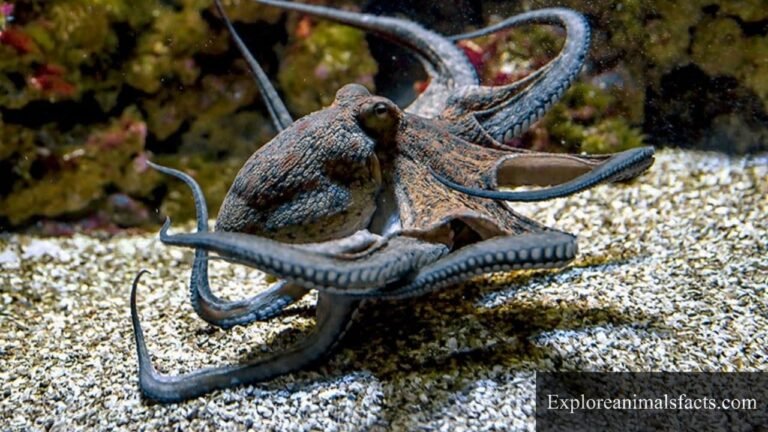
Octopus
Scientific Name: Octopus vulgaris
Class: Cephalopoda
Diet: Carnivore
The octopus stands out as one of the most intriguing independent animals in the ocean. With its remarkable ability to change color and texture, this creature transforms its appearance in response to its surroundings, showcasing not only its adaptability but also its intelligence. Research suggests that octopuses possess sophisticated problem-solving skills, often escaping tanks or solving puzzles within their enclosures, which fuels the debate about consciousness in non-mammals. Their solitary nature amplifies their independence; unlike many marine species that thrive in schools, octopuses prefer to roam alone, forging their own paths through the vibrant underwater world.
In addition to their astonishing physical capabilities, octopuses exhibit unique survival strategies. They utilize their ink as a smokescreen, allowing for a swift getaway when threatened — an elegant testament to their resourcefulness. These creatures also possess a decentralized nerve structure, with two-thirds of their neurons located in their arms, enabling them to make decisions autonomously. This intriguing biological design sparks curiosity about the complexity of their behavior and raises questions about the nature of intelligence across different species. In a world where many animals depend on social structures for survival, the octopus epitomizes the essence of independence, thriving against the tide of conformity.
Platypus
Scientific Name: Ornithorhynchus anatinus
Class: Mammalia
Diet: Carnivore
The platypus, a marvel of evolution and a symbol of Australia’s unique biodiversity, is one of the few mammals that lay eggs. With its duck-bill and webbed feet, this enigmatic creature embodies independence in both lifestyle and habitat. Unlike many mammals, the platypus thrives in solitude, often foraging alone in freshwater lakes and rivers, diving deep to find crustaceans, insect larvae, and even small fish. This solitary existence necessitates a remarkable level of adaptability, as the platypus utilizes its electroreception ability — the capacity to detect the electric fields generated by prey — making it a formidable hunter in murky waters.
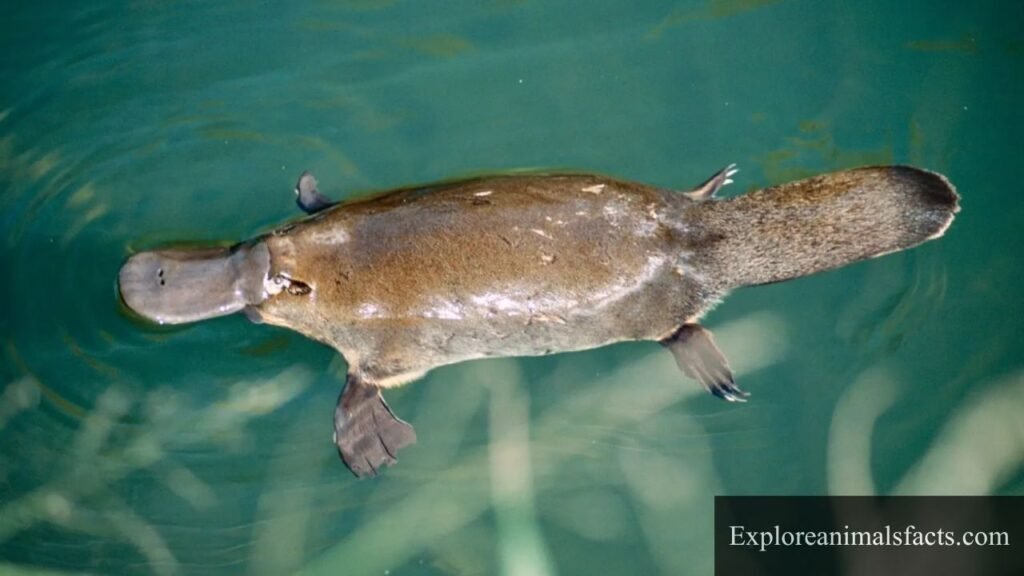
What truly sets the platypus apart is not just its physical traits but also its behavioral patterns. It operates on its own terms, building intricate burrows along riverbanks where it nurtures its young in secretive isolation. This independence reflects broader themes of resilience and adaptability found in nature; the platypus challenges our perceptions of traditional classifications, being both mammal and aquatic creature. Observing their unique lifestyle prompts us to rethink our assumptions about wildlife and the nature of independence itself, revealing the intricate balance between adaptation and survival in the wild.
Readmore: Explore Top 12 Animals With Big Feet.
Raccoons
Scientific Name: Procyon lotor
Class: Mammalia
Diet: Omnivore
Raccoons, often dubbed the masked bandits of the wild, showcase a rare blend of intelligence and adaptability for survival. These nocturnal creatures possess dexterous front paws that allow them to manipulate objects with remarkable skill, enabling them to raid garbage cans, open locks, and even solve simple puzzles. This dexterity not only makes raccoons adept scavengers but also showcases their keen problem-solving abilities — proof that resilience often pairs with wit in the animal kingdom.
Beyond their cleverness, raccoons display a fascinating social structure. While primarily solitary, they often engage in social play and can form loose communities around abundant food sources. This adaptability highlights their keen instincts; they navigate urban environments with astonishing ease, blurring the lines between wilderness and suburbia. Their ability to thrive in diverse settings, from sprawling cities to serene forests, emphasizes a unique evolutionary edge, making raccoons not just survivors, but also thriving icons of independence in an ever-changing world.
Polar Bear
Scientific Name: Ursus maritimus
Class: Mammalia
Diet: Carnivore
The polar bear embodies independence in the vast, icy expanse of the Arctic. Relying solely on its own skills for survival, this majestic creature is a masterful hunter, using its keen sense of smell to detect seals beneath thick ice. The solitude of its environment shapes its lifestyle; unlike many species that rely on social structures, the polar bear is primarily solitary. This independence not only allows them to adapt to their harsh surroundings but also plays a crucial role in conserving energy amidst the scarcity of resources.
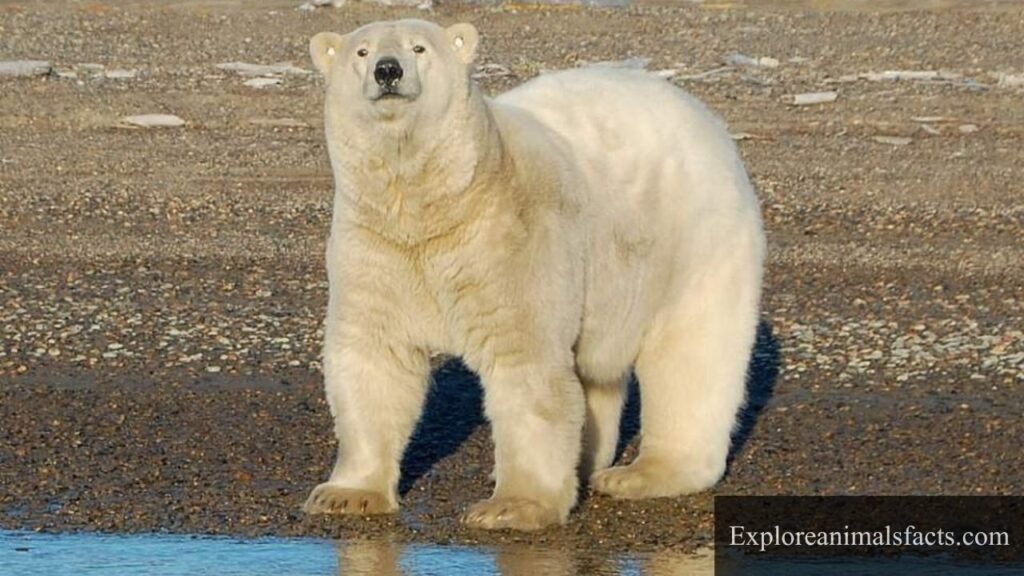
Each polar bear’s journey across the Arctic is a testament to resilience. As the ice melts due to climate change, these bears are forced to travel further for food, showcasing their ability to adapt while highlighting the fragility of their existence. Interestingly, polar bears exhibit a nuanced form of independence when it comes to nurturing their young. While mothers fiercely raise their cubs alone, imparting survival skills, they remain incredibly dedicated during this vulnerable phase. The contrast between their solitary hunting behavior and nurturing instinct offers a fascinating glimpse into the complexities of their independence, challenging us to reconsider how vulnerability and strength coexist in the wild.
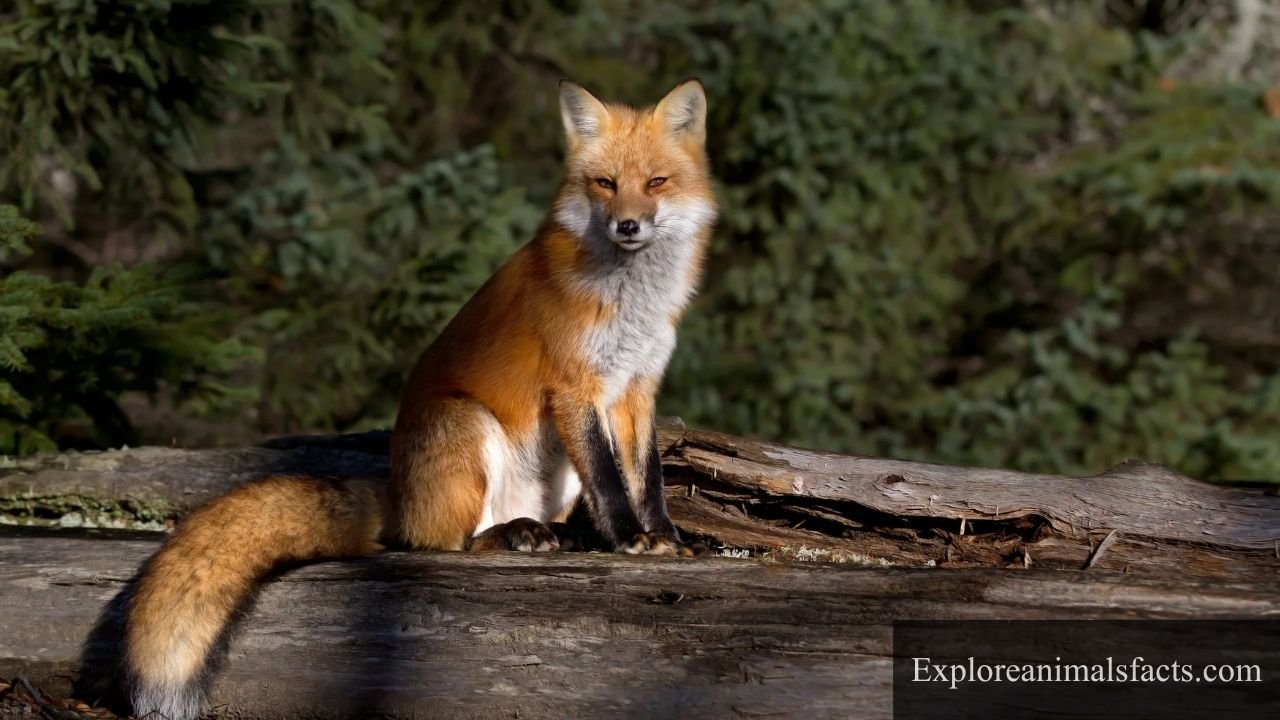
Red Fox
Scientific Name: Vulpes vulpes
Class: Mammalia
Diet: Omnivore
The red fox, a symbol of cunning adaptability, thrives in diverse habitats, from sprawling urban landscapes to vast wildernesses. These independent animals excel in their ability to adjust their diets according to the resources available, showcasing their omnivorous nature. Whether it’s foraging for berries in a city park or hunting small rodents in the forest, the red fox employs a remarkable blend of stealth and intelligence that sets it apart in the animal kingdom.
What’s truly fascinating about red foxes is their intricate social structure, which contrasts with their solitary demeanor. While they often hunt alone, they maintain strong familial bonds, especially during breeding season and while raising kits. This duality of independence and sociality is a testament to their survival strategies. In the wild, their ability to communicate through vocalizations, body language, and even scent-marking enhances their survival while fostering a surprising depth of community among family units. Observing red foxes in action offers a compelling glimpse into the balance of solitary and social existence, inspiring curiosity about their role in various ecosystems around the world.
Great White Shark
Scientific Name: Carcharodon carcharias
Class: Chondrichthyes
Diet: Carnivore
The great white shark, often dubbed the ocean’s apex predator, embodies independence in its solitary hunting habits and vast migratory patterns. These formidable creatures roam the world’s oceans, covering distances that can exceed 1,500 miles in search of prey. Unlike many social species, great whites often prefer solitude, relying on keen senses to navigate and detect the faintest vibrations and scents in the water. This independence not only enables them to thrive in diverse marine environments but also highlights the remarkable adaptability of their predatory instincts.
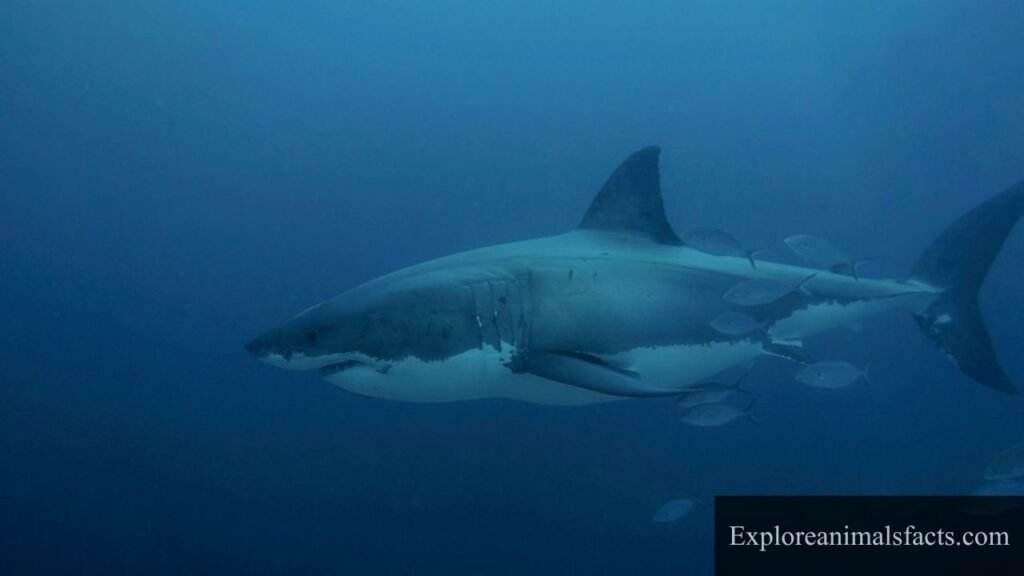
Moreover, their autonomous nature extends beyond mere survival; it plays a crucial role in marine ecosystems. By preying on weak or sick animals, great whites help maintain the health of fish populations, creating a balanced environment. Interestingly, research has shown that these sharks can even exhibit unique hunting techniques specific to their local ecosystems, showcasing an adaptability that goes beyond instinct to a level of learned behavior. Their independence, combined with their innate ability to alter their behaviors based on environmental cues, underscores the complex relationship they maintain with the ocean — an untamed spirit that embodies the wild heart of nature.
Wolverine
Scientific Name: Gulo gulo
Class: Mammalia
Diet: Carnivore
Wolverines, with their rugged fur and stocky build, are nature’s ultimate survivalists, epitomizing the essence of independence. These solitary creatures roam vast territories, often spanning over 500 square miles, in their relentless pursuit of food and adventure. Their remarkable physical adaptations, including powerful claws and unmatched endurance, allow them to traverse harsh terrains that would deter many other species. In a world where collaboration often reigns, wolverines thrive in isolation, showcasing a unique form of resilience that reflects the wild’s untamed spirit.
What’s fascinating about wolverines is their cunning intelligence; they are not just brute force but strategic hunters, capable of taking down prey much larger than themselves. Their tenacity and fearless nature enable them to scavenge on carrion and fend off other predators, from bears to wolves. Moreover, their preference for remote, cold habitats serves as both a shield against human encroachment and an excellent adaptation to climatic challenges. In an age where many animals are struggling to survive due to habitat loss and climate change, the wolverine stands as a powerful symbol of the wild’s gritty perseverance and the beauty of an independent life carved out against the odds.
Crocodiles
Scientific Name: Crocodylidae
Class: Reptilia
Diet: Carnivore
Crocodiles embody a remarkable blend of independence and resilience. With a lineage dating back over 200 million years, these creatures have perfected the art of survival, mastering their roles as apex predators in a variety of ecosystems. Unlike many animals that rely on social structures, crocodiles thrive in solitary environments, showcasing a fascinating blend of patience and power. They can lie motionless for hours, waiting for the perfect moment to strike, a skill that underscores their adaptability and efficiency in hunting.
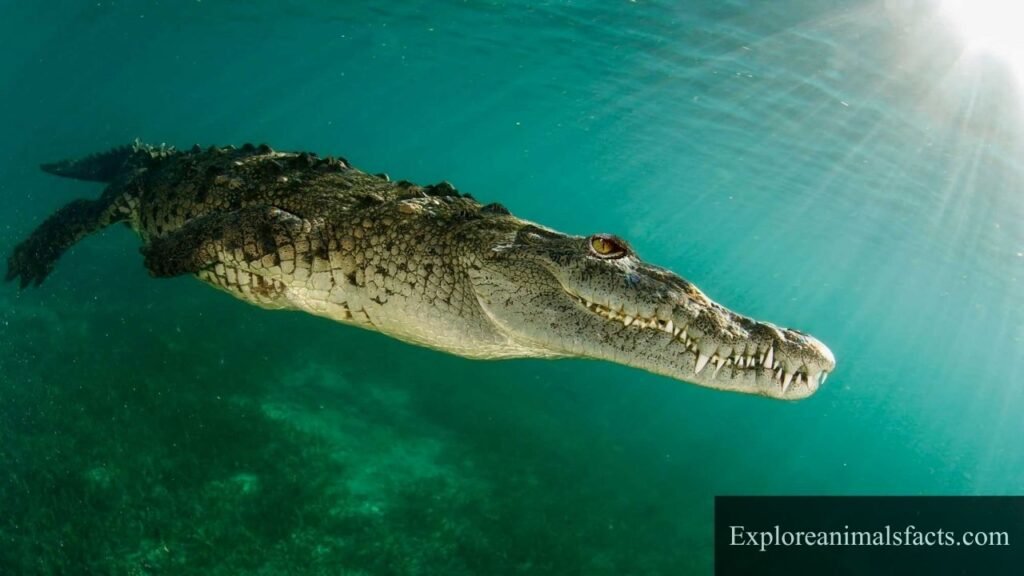
Beyond their predatory prowess, crocodiles exhibit unique parental instincts that contrast with their independent nature. Female crocodiles are known to build intricate nests and fiercely protect their young during their vulnerable early days. This brief period of nurturing does not compromise their independence; rather, it highlights an intriguing duality in their behavior. Once past their hatchling phase, young crocodiles must quickly learn to fend for themselves in a world that demands self-reliance. This balance between nurturing and independence invites contemplation on the complex dynamics of survival in the natural world, making crocodiles not just fierce predators, but also fascinating symbols of adaptability.
Sloths
Scientific Name: Folivora
Class: Mammalia
Diet: Herbivore
Sloths, often known for their lethargic lifestyle, embody a unique form of independence. Originating from the dense forests of Central and South America, these fascinating creatures thrive on a diet primarily composed of leaves, which not only dictates their slow pace but also offers a remarkable adaptation to their environment. While most animals exhibit a rapid metabolism to fuel their activities, sloths have mastered the art of slow living, allowing them to conserve energy and evade potential predators.
What sets sloths apart isn’t just their pace; it’s their self-sufficient nature. Incredibly, their fur hosts symbiotic algae that enhance their camouflage, blurring the lines between animal and environment. This mutual relationship not only aids in their survival but also underscores a broader narrative about the interdependence found within ecosystems. As their slow movements facilitate a personalized ecosystem of moss and algae, they quietly demonstrate that independence in the animal kingdom often means thriving as a part of a larger, interconnected web of life.
Cougar
Scientific Name: Puma concolor
Class: Mammalia
Diet: Carnivore
The cougar, often referred to as the mountain lion or puma, embodies the spirit of independence that defines many apex predators. These solitary big cats are masters of adaptability, thriving in diverse habitats across North and South America, from arid deserts to dense forests. Their keen sense of stealth allows them to roam vast territories, often covering miles in search of prey, making them both elusive and fascinating to observe.
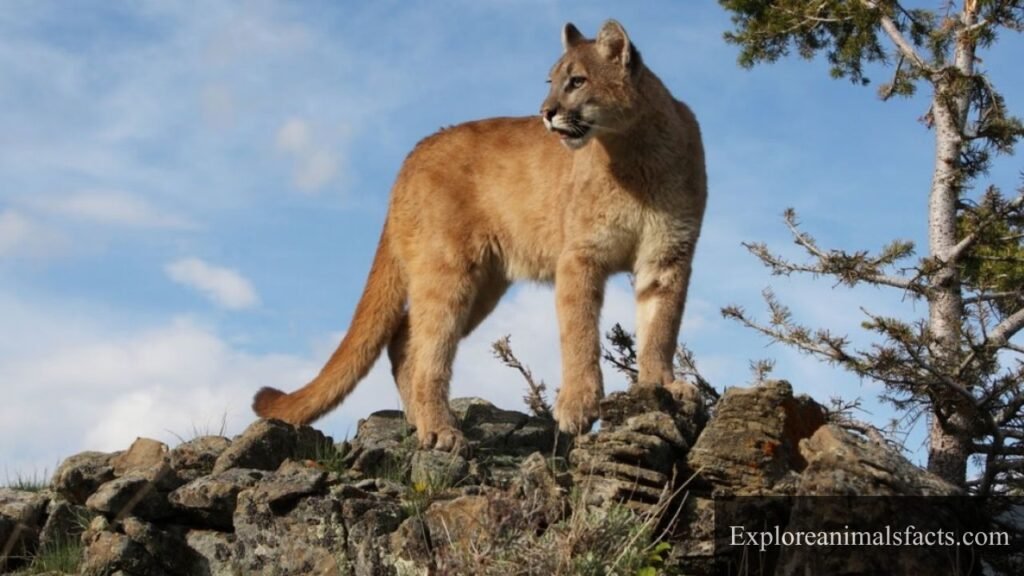
One of the most compelling aspects of cougars is their resourcefulness. Unlike some large felines, they rely on a broad diet, preying on everything from deer to small mammals, depending on availability. This adaptability not only highlights their independence but also underscores their role in maintaining ecological balance. By controlling prey populations, cougars ensure the health of their ecosystems, showcasing how their solitary lifestyle directly benefits their environment. As we navigate a world increasingly encroached upon by human development, understanding the role of cougars becomes crucial in our efforts to preserve the delicate tapestry of nature.
Orangutan
Scientific Name: Pongo
Class: Mammalia
Diet: Omnivore
Orangutans are true masters of independence, embodying a spirit of solitary living rarely found in the animal kingdom. Found predominantly in the rainforests of Borneo and Sumatra, these great apes are arboreal specialists, spending nearly all their lives in the treetops. Their remarkable ability to adapt to an elevated lifestyle allows them to forage for food and navigate their habitat with an ease that showcases both intelligence and agility. Unlike many social primates, orangutans often prefer solitude, forging connections primarily with mothers and their young, illustrating a unique bond that prioritizes nurturing over social interactions.
The challenges facing orangutans today are profound, largely due to habitat destruction and poaching. As gentle giants of the forest, they are vital to maintaining the health of their ecosystems; their foraging habits help disperse seeds and promote biodiversity. Protecting these independent beings goes beyond compassion — it’s about preserving the intricate web of life they support. Moreover, as symbols of the fragility of their environments, orangutans remind us of the urgent need for conservation efforts, as their survival is directly interwoven with our planet’s ecological future. By deepening our understanding of these majestic creatures, we can better advocate for their protection and the preservation of the irreplaceable ecosystems they inhabit.
Moles
Scientific Name: Talpidae
Class: Mammalia
Diet: Carnivore
Moles are fascinating creatures that embody independence in their subterranean realm. Living most of their lives underground, moles possess remarkable adaptations, such as their powerful forelimbs and specialized, conical snouts, designed for digging through soil with impressive efficiency. These adaptations allow them to create elaborate tunnel systems, enhancing their autonomy and enabling them to thrive in various environments.
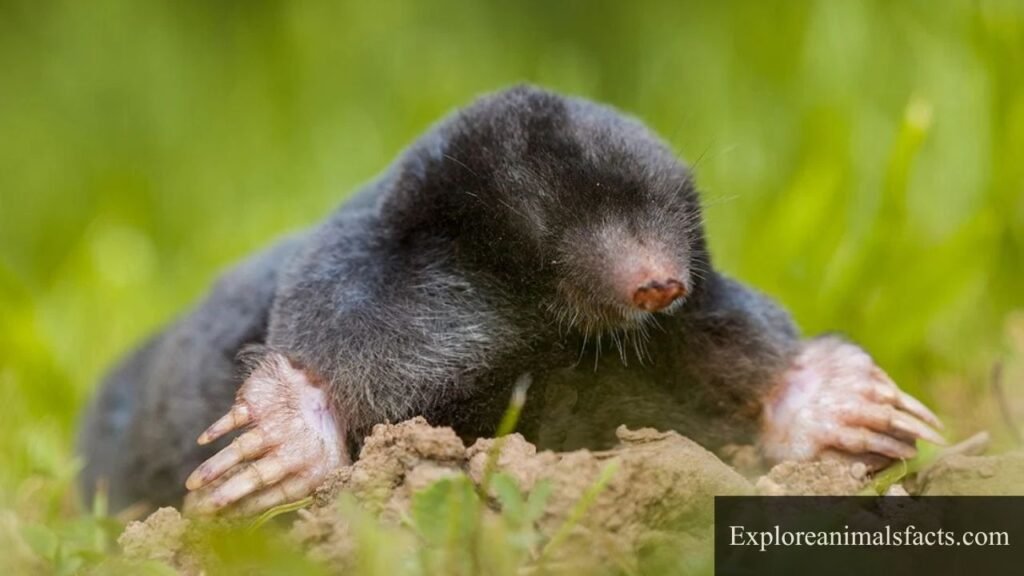
What truly sets moles apart is their unique ecological role. As natural tillers of the earth, they aerate the soil and help control insect populations, thereby boosting overall soil health. This hidden labor not only sustains their own survival but also supports the ecosystems above ground. Furthermore, moles have a diet primarily consisting of earthworms and grubs, showcasing their bespoke adaptation to a subterranean lifestyle that is both resourceful and self-sufficient. Their solitary nature further emphasizes their independence, as they navigate life largely on their own terms, reminding us that even in the depths of the earth, autonomy breeds resilience.
Sea Turtles
Scientific Name: Chelonioidea
Class: Reptilia
Diet: Omnivore
Sea turtles, often seen gliding gracefully through the ocean, embody a remarkable blend of independence and vulnerability. These ancient mariners navigate vast distances, sometimes traveling thousands of miles between feeding and nesting sites without forming social bonds. Their solitary nature is a profound testament to their adaptability; each species has evolved unique traits that enable survival in diverse marine environments — from the expansive warm waters of the Great Barrier Reef to the icy depths of the Arctic.
What makes sea turtles even more fascinating is their instinctual journey back to the beaches where they were born, often using the Earth’s magnetic field as a guide. This instinctual migration underscores a deeper connection to both their origins and the intricate ecosystems in which they reside. Yet, despite their independence, sea turtles face significant threats from human activities — habitat destruction, pollution, and climate change putting their very existence in jeopardy. As guardians of the ocean, they not only contribute to marine biodiversity but also remind us of the collective responsibility we hold to preserve our planet’s wonders.
Tiger
Scientific Name: Panthera tigris
Class: Mammalia
Diet: Carnivore
Tigers, the iconic apex predators of the animal kingdom, embody independence in both their behavior and survival strategies. Found primarily in the dense jungles of Southeast Asia, these magnificent big cats roam vast territories, often spanning 60 to 100 square kilometers. This solitary lifestyle is not merely a trait; it’s a survival necessity, allowing them to utilize their keen hunting skills without competition from their own species. Each tiger is a master of its domain, expertly navigating the complex interplay of available prey and environmental conditions.
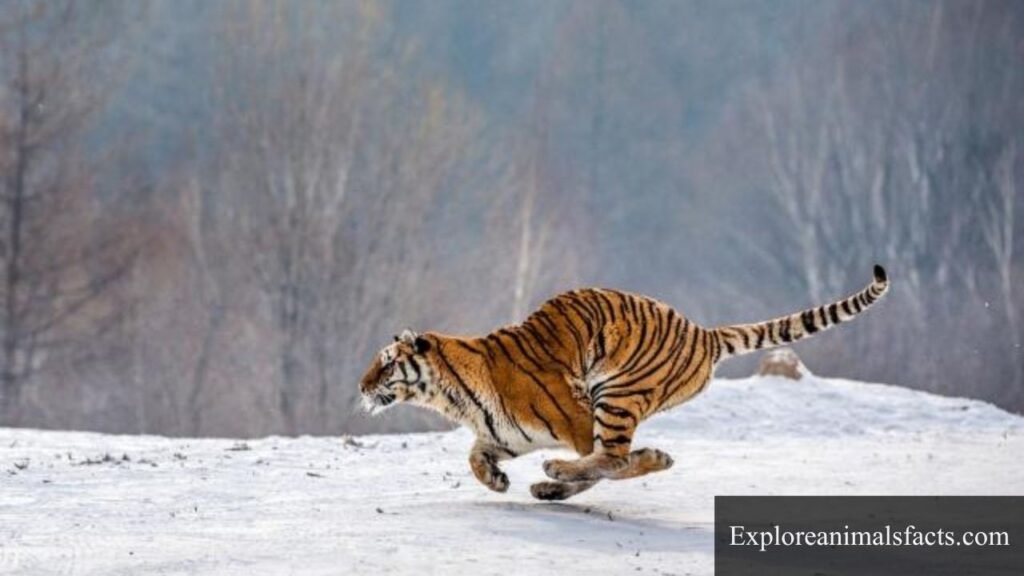
What truly sets tigers apart is their adaptability. Unlike many social big cats, they have evolved to thrive in diverse habitats, from the snow-laden forests of Siberia to the tropical wetlands of India. This remarkable versatility underscores their resilience, as they not only rely on their physical prowess but also on their intelligence to outwit both prey and challenges posed by human encroachment. As solitary hunters, tigers bring a unique grace to their hunt, skillfully and silently stalking their prey with a combination of stealth and agility — a dance of nature that reminds us of the intricacies of wildlife.
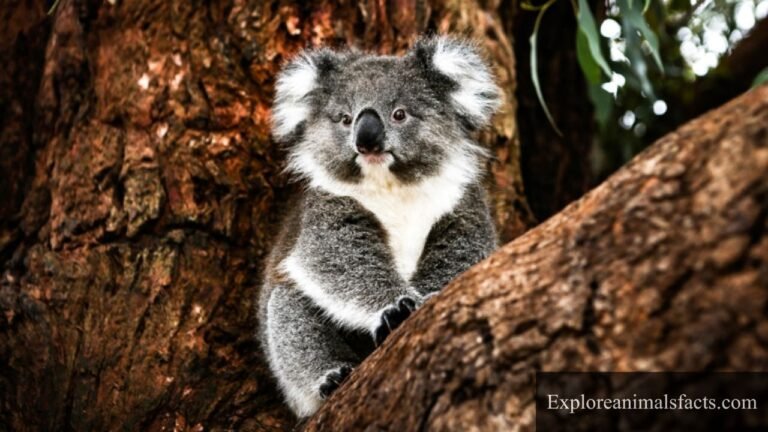
Koala
Scientific Name: Phascolarctos cinereus
Class: Mammalia
Diet: Herbivore
The koala embodies independence in a strikingly unique way. These tree-dwelling marsupials have evolved to thrive in their solitary existence, relying on their specialized diet of eucalyptus leaves. Their slow-paced lifestyle is a direct result of their energy-efficient diet, which provides little caloric value, prompting them to spend up to 20 hours a day sleeping in the treetops. This remarkable adaptation not only highlights their resilience but also emphasizes the environmental pressures they face, making them both vulnerable and fiercely independent.
Moreover, koalas exhibit a fascinating social structure that intrigues researchers. While generally solitary, they communicate through a complex range of vocalizations, especially during mating season. This nuanced communication plays a crucial role in maintaining their independence while navigating the intricacies of their social interactions. As habitats dwindle due to urbanization and climate change, the best way to support these independent creatures is by preserving their natural environments, allowing them to continue their solitary yet harmonious existence amidst a changing world. The koala serves as a powerful reminder of the delicate balance between independence and interdependence in nature.
Jaguar
Scientific Name: Panthera onca
Class: Mammalia
Diet: Carnivore
The jaguar, a magnificent symbol of the wild, embodies both strength and independence in its solitary lifestyle. Unlike many big cats, jaguars are primarily ambush predators, showcasing their prowess through a stealthy hunting style that allows them to take down large prey, including caimans and tapirs. Their robust physique and powerful jaws enable them to crush bones and puncture armor, highlighting an evolutionary adaptation that serves both as a survival mechanism and a testament to their dominance in the food chain.
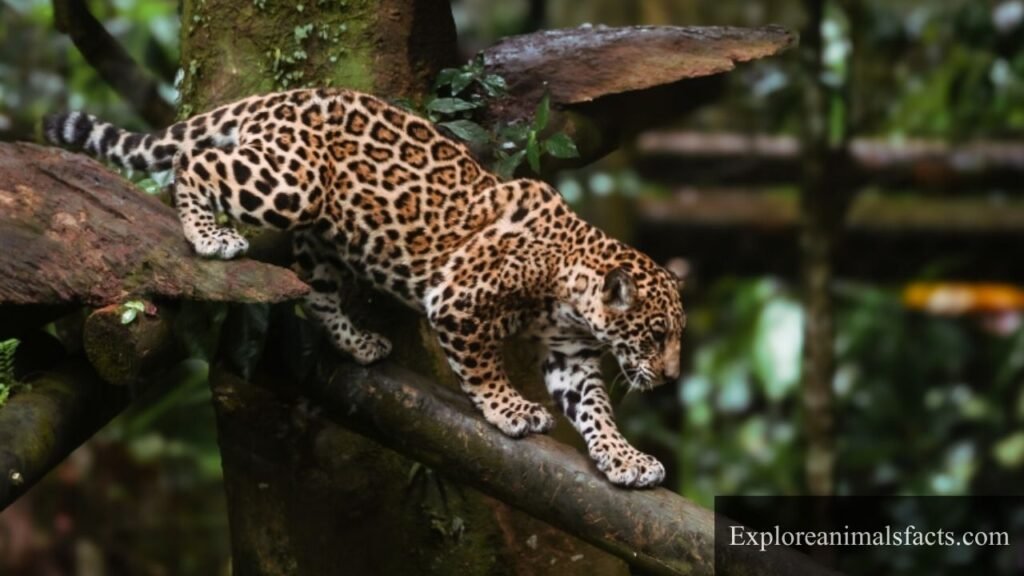
What sets jaguars apart is their remarkable adaptability to various habitats, from the dense rainforests of the Amazon to arid mountains. This versatility reflects their unique role as apex predators and underscores their importance in maintaining ecological balance. Furthermore, the intricate patterns of their coats, which provide camouflage in the dappled sunlight of their forest homes, invite a deeper appreciation for nature’s artistry. As independent animals, jaguars spend much of their lives alone, marking vast territories and using their keen senses to navigate the complexities of their environment. In an age of increasing habitat loss, these majestic creatures remind us of the fragility of their existence and the urgent need to preserve their wild sanctuaries.
Readmore: Explore Top 10 Animals Without Tails.
Final Thoughts
The world of independent animals offers a fascinating glimpse into the resilience and ingenuity of nature. Each species showcases unique skills that allow them to live autonomously, illustrating a powerful message about the importance of self-reliance in the animal kingdom. By studying these creatures, we gain insights into their ecosystems and the balance of life that sustains them. Moreover, it serves as a call to action for us to protect these habitats and the freedoms of these animals. Together, we can work towards a future where independent creatures continue to thrive in their natural environments.
FAQs
What animals are independent?
Many animals exhibit a strong sense of independence, and you’ve listed several great examples. Tigers and leopards are solitary hunters, relying solely on their skills to capture prey. They maintain large territories and prefer to live alone, only coming together to mate. Foxes are similarly independent creatures. They’re adaptable and often hunt on their own, using their keen senses to navigate various environments. Orangutans, while social with their offspring, spend a lot of their time alone in the trees, showcasing their ability to thrive independently. Lastly, octopuses are masters of solitude, showcasing intelligence and problem-solving skills as they navigate their underwater world without the need for social interactions.
Which is the most independent animal in the world?
The octopus is often considered one of the most independent animals in the world. These intelligent cephalopods are solitary creatures, relying on their own skills for hunting and survival. Unlike many animals, they don’t form social groups; instead, they thrive alone in their underwater environments. Octopuses exhibit remarkable problem-solving abilities and can manipulate their surroundings with incredible dexterity. They can camouflage themselves, use tools, and escape from seemingly impossible situations. This self-sufficiency highlights not only their independence but also their adaptability in the wild.
Is a cat an independent animal?
Yes, cats are generally considered independent animals. Unlike dogs, which are pack animals and thrive on social interaction and teamwork, cats often prefer to do their own thing. They can entertain themselves for long periods and don’t require constant companionship to be happy.