Explore Top 29 Shy Animals in The World (With Pictures)
Ever wondered why some animals seem to vanish at the slightest hint of human presence? Shy animals in the world exhibit an intriguing blend of behavior and survival instinct, often leading them to evade our notice. By exploring their hidden lives, we not only enrich our knowledge of biodiversity but also foster a greater respect for nature. Join us as we uncover the secrets of these elusive creatures and learn what makes their shyness a vital part of their survival strategy.
List of Shy Animals In The World
Below is the list of shy animals:
- Axolotl
- Saola
- Quokka
- Snow Leopard
- Platypus
- Aye-aye
- Fossa
- Slow Loris
- Spoon-billed Sandpiper
- Kakapo
- Red Panda
- Dik-Dik
- Giant Anteater
- Binturong
- Okapi
- Tarsier
- Aardvark
- Sloth
- Koala
- Kangaroo
- Hedgehog
- Pangolin
- Deer
- Fennec Fox
- Kiwi
- Maned Wolf
- Cheetah
- Red Squirrel
- Giant Panda
Axolotl
Scientific Name: Ambystoma mexicanum
Class: Amphibia
Diet: Carnivore
The axolotl is a fascinating creature that blurs the lines between amphibian and aquatic allure. These enchanting salamanders possess a remarkable ability known as neoteny, allowing them to retain juvenile characteristics throughout their entire lives, including their external gills. This unique trait not only contributes to their delicate beauty but also makes their habitat in the lakes of Xochimilco a crucial ecosystem, reflecting the health of their environment.
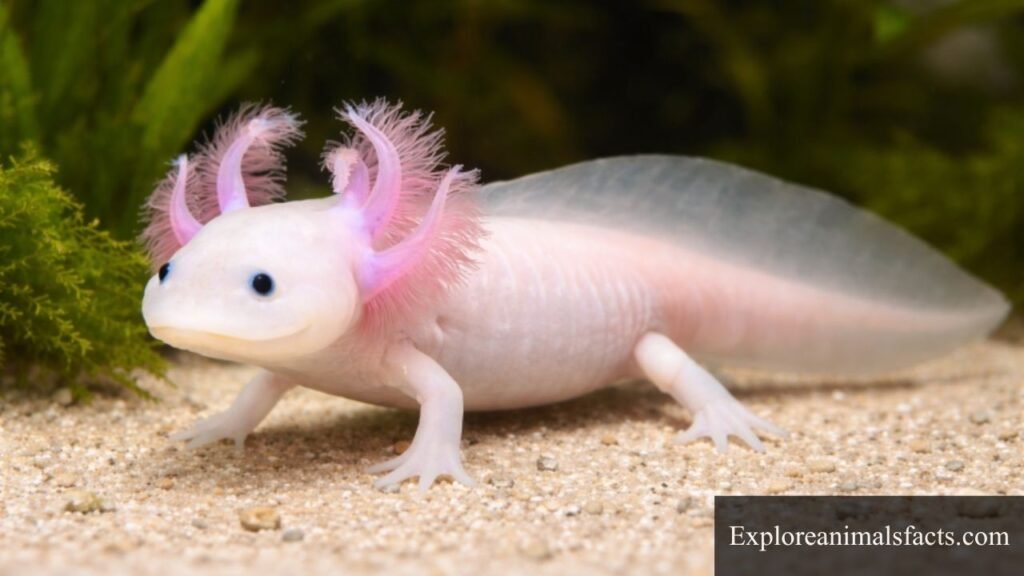
More than just a shy presence in the water, axolotls are renowned for their astonishing regenerative abilities, capable of regrowing limbs, spinal cords, and even parts of their heart and brain. This remarkable skill draws scientists’ attention as they seek to unravel the mysteries behind their regenerative processes, potentially offering insights into healing in humans. However, these quirky creatures face endangerment due to habitat loss and pollution, bringing their incredible superpowers into a race against time. Their combination of vulnerability and striking adaptability captures the imagination, reminding us that even the shyest beings can harbor immense strength and resilience beneath their tranquil surfaces.
Saola
Scientific Name: Pseudoryx nghetinhensis
Class: Mammalia
Diet: Herbivore
The Saola, often dubbed the “Asian unicorn,” is one of the most elusive animals on the planet. Found only in the Annamite Range of Vietnam and Laos, this rarely seen mammal boasts long, straight horns and striking facial markings. Unlike many species, the Saola avoids the limelight, thriving in dense, mossy forests where its shy nature keeps it hidden from both predators and human eyes. This enigmatic creature represents not only a unique ecological niche but also the fragile balance of its environment that remains largely untouched by human civilization.
Recent studies have shed light on its behavior, suggesting that Saola communicate through subtle vocalizations and scent markings, showcasing a complex social structure that we have yet to fully comprehend. Conservation efforts face daunting challenges due to habitat loss and poaching, but initiatives to protect their forest home are gradually gaining momentum. With only a handful of confirmed sightings in the last few decades, the Saola serves as a poignant reminder of our planet’s hidden wonders, urging us to advocate for the preservation of the rarest corners of the earth.
Quokka
Scientific Name: Setonix brachyurus
Class: Mammalia
Diet: Herbivore
The quokka, often dubbed the “world’s happiest animal,” has a charm that captivates many, yet its shy nature remains a fascinating aspect of its behavior. These small marsupials, native to Australia, rarely venture far from their habitats on Rottnest Island and other parts of the southwestern coast. Their elusive demeanor makes them particularly intriguing; they prefer to observe the world from the safety of shrubbery, enhancing their reputation as adorable loners. When they do emerge, their curious faces and gentle disposition win the hearts of onlookers, creating a unique blend of shyness and charm that few can resist.
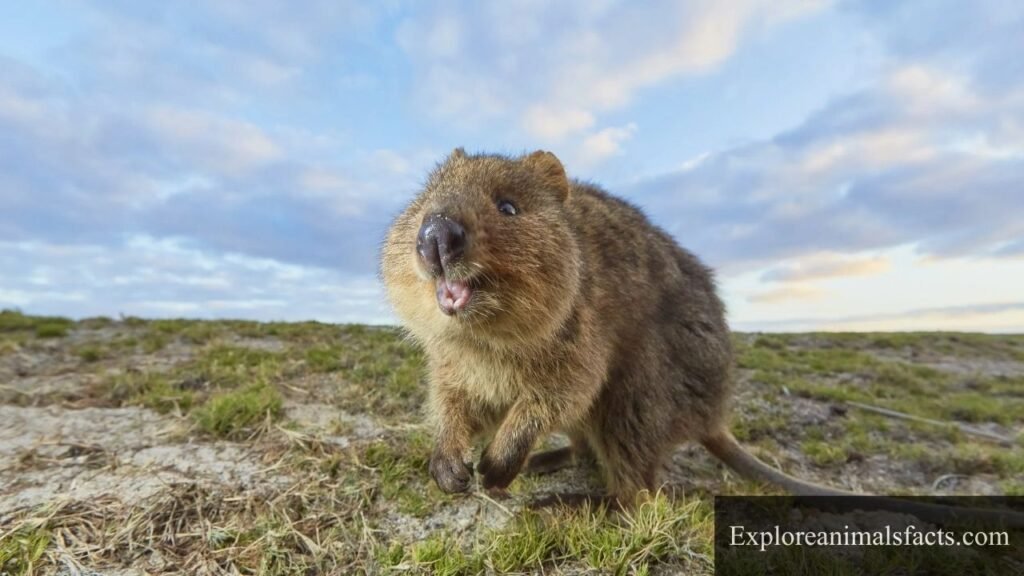
Interestingly, this shyness is not merely a personality trait; it serves an essential purpose in their survival. Quokkas are naturally wary of predators, such as foxes and feral cats, which have become significant threats to their population. Their innate tendency to retreat quickly into the underbrush helps them dodge danger, showcasing nature’s wisdom in preserving life through cautious behavior. As they adapt to the changing landscapes of their environments, quokkas remind us of the delicate balance between vulnerability and survival, embodying the resilience found in even the most timid creatures of our world.
Readmore: Explore Top 13 Animals With Prehensile Tails.
Snow Leopard
Scientific Name: Panthera uncia
Class: Mammalia
Diet: Carnivore
Snow leopards, known for their elusive nature and stunning beauty, roam the high mountain ranges of Central and South Asia. Their shyness is not simply a personality trait; it’s an evolved survival mechanism in a world where the harsh terrain and sparse prey call for discretion. Masters of camouflage, the snow leopard’s thick, spotted coat allows it to blend seamlessly with rocky outcrops, making it an expert at remaining unseen. This remarkable adaptation not only protects them from potential threats but also enables them to ambush prey with astonishing precision.
Their solitary lifestyle further highlights their shy demeanor. Unlike many big cats that display more visible territorial behaviors, snow leopards are often observed as solitary figures navigating their remote habitats under the cloak of twilight. Unlike more social animals, they prefer the calm of isolation, relying on stealth rather than strength to secure their place in the food web. Interestingly, their shy nature also plays a significant role in conservation efforts; their elusive behavior can make tracking and studying them challenging, revealing the complex realities of preserving their fragile ecosystem. Watching a snow leopard silently traverse its high-altitude home can feel like catching a glimpse of a ghost, reminding us of the beauty in life’s quiet mysteries.
Platypus
Scientific Name: Ornithorhynchus anatinus
Class: Mammalia
Diet: Carnivore
The platypus is one of nature’s most fascinating enigmas, embodying an extraordinary blend of traits that challenge our understanding of mammals. Native to eastern Australia, this shy creature is distinguished by its duck-bill, webbed feet, and charmingly quirky silhouette. While often associated with playful waterways, the platypus leads a mostly solitary life, evading human interaction and thriving in the hidden depths of its aquatic habitat.
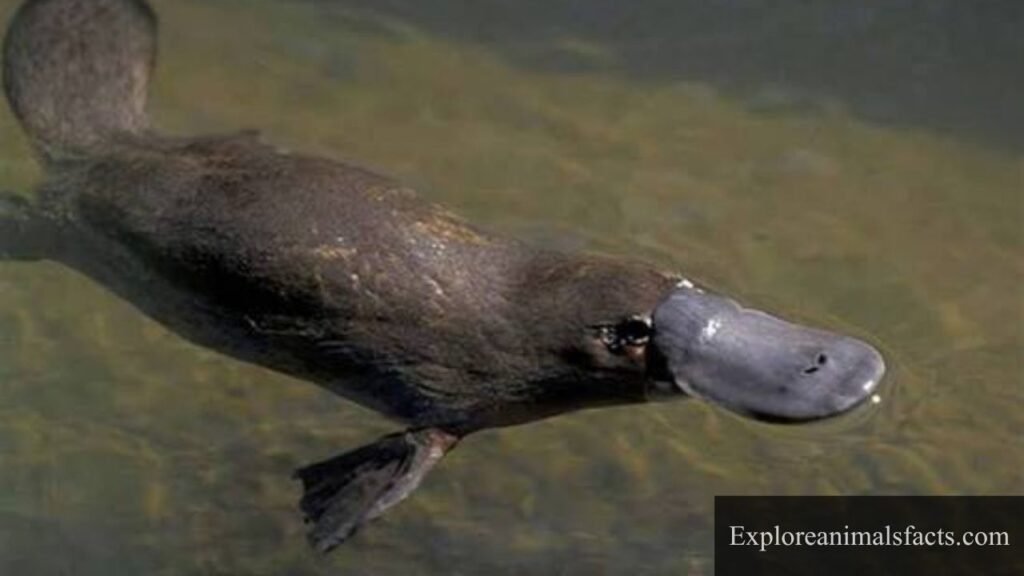
What truly sets the platypus apart, however, is its remarkable adaptability. Equipped with electroreceptors in its bill, it navigates the underwater world with surprising ease, detecting the slight electric fields generated by the movements of its prey, such as small fish and crustaceans. This unique sensory adaptation underscores the platypus’s evolutionary journey, reminding us how resilience and innovation pave the way for survival. Despite its elusive nature, this shy animal captivates researchers, inviting them to delve deeper into the rich tapestry of biodiversity and the intricacies of animal behavior. Through studying the platypus, we gain insight not only into its enigmatic world but also into the broader themes of adaptation and coexistence in our rapidly changing environment.
Aye-Aye
Scientific Name: Daubentonia madagascariensis
Class: Mammalia
Diet: Omnivore
The Aye-Aye, a nocturnal lemur native to Madagascar, embodies the essence of shyness in the animal kingdom. With its large, expressive eyes and elongated middle finger, this unique creature has developed fascinating adaptations that reflect its elusive nature. Primarily solitary, the Aye-Aye relies on its keen sense of hearing and specialized feeding technique to navigate its environment. By tapping on tree bark and listening for echoing sounds, it can locate grubs hiding within — a true testament to nature’s artistry in blending form and function.
Despite its intriguing behaviors, the Aye-Aye often faces misperceptions that deepen its shyness. Folklore in Madagascar sometimes paints it as an omen of bad luck, leading to unwarranted fear and persecution. This unfortunate stigma has not only endangered its population but has also fostered a misunderstanding of its vital role in the ecosystem. As a unique ambassador of Madagascar’s rich biodiversity, the Aye-Aye teaches us about the importance of conservation and the intricate connections between perception and survival in the wild. Embracing its shy demeanor can remind us to appreciate the hidden wonders of the animal kingdom that often go unnoticed.
Fossa
Scientific Name: Cryptoprocta ferox
Class: Mammalia
Diet: Carnivore
The fossa, Madagascar’s enigmatic predator, often evades public attention despite its remarkable adaptations. Most closely related to the mongoose, this sleek creature deftly navigates the treetops, showcasing an agility that belies its shy demeanor. With a body design akin to a small cougar, the fossa’s powerful limbs and retractable claws make it a master of stealth, allowing it to ambush its primary prey: the iconic lemur. However, it’s the fossa’s elusive nature that continues to fascinate wildlife enthusiasts; rarely seen in the wild, this solitary hunter prefers the cover of dense forests, reinforcing its mysterious status.
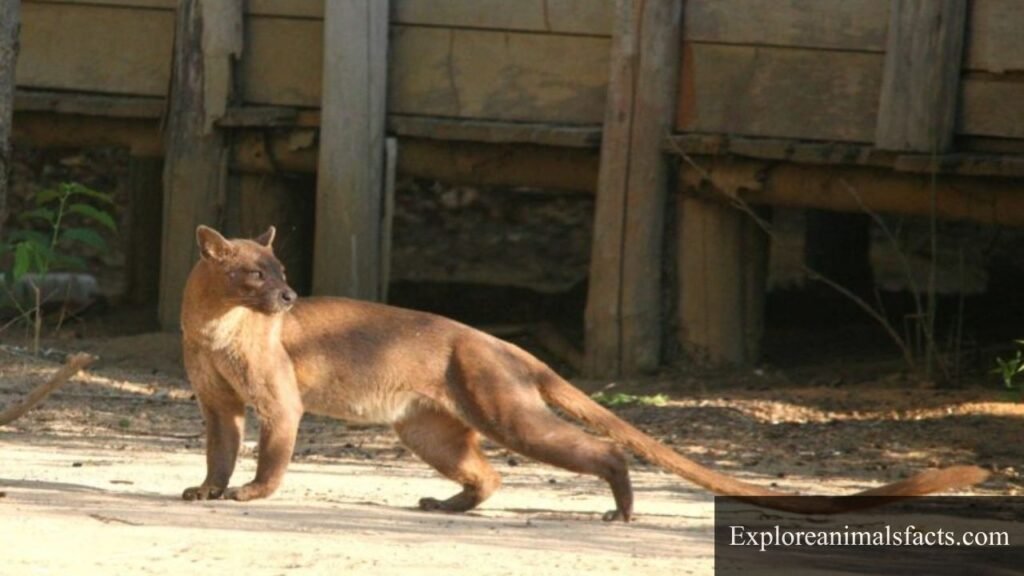
What makes the fossa particularly captivating is its role in Madagascar’s fragile ecosystem. As a top predator, it helps regulate lemur populations, which in turn affects the entire forest structure. This delicate balance is threatened by habitat loss and poaching, casting a shadow over the fossa’s future. Conservation efforts are crucial not only in preserving the fossa itself but also in safeguarding the rich biodiversity of Madagascar. Understanding and appreciating these shy animals opens up new avenues for empathy and conservation, reminding us that every creature, no matter how elusive, plays an integral role in the tapestry of life.
Slow Loris
Scientific Name: Nycticebus
Class: Mammalia
Diet: Omnivore
The slow loris, a nocturnal primate native to Southeast Asia, exudes a unique charm with its large, expressive eyes and gentle demeanor. Often overshadowed in the animal kingdom, these creatures possess an intriguing blend of shyness and toxicity, a duality that highlights their evolutionary adaptations. Unlike many of their more boisterous relatives, slow lorises tend to favor solitude over social interaction, preferring to explore the lush canopies where they can forage for fruits and insects at their own pace.
What makes the slow loris particularly fascinating is its defense mechanism. Unlike typical mammals that might resort to flight or fight, this shy creature secretes toxins from its elbows, which it then licks or transfers to its fur, offering a surprising layer of protection against predators. This cautious behavior not only enhances their survival in the wild but also showcases their evolutionary strategy: avoiding confrontation while effectively warding off threats. Understanding the slow loris invites us to appreciate the intricate balance of vulnerability and resilience in the animal kingdom, reminding us that shyness can indeed be a potent form of strength.
Spoon-Billed Sandpiper
Scientific Name: Calidris pygmaea
Class: Aves
Diet: Carnivore
The Spoon-Billed Sandpiper, with its distinctively curved bill and shy demeanor, is one of the most enigmatic birds on the planet. Often found in the remote mudflats of Eastern Russia, this tiny wader is not just a visual marvel but also a testament to the resilience of nature. Its elusive nature makes observing it a rare delight, as it tends to blend seamlessly into its surroundings, foraging stealthily among the intertidal zones. The specific shape of its bill allows it to probe into soft mud, extracting tiny crustaceans and insects, yet its preference for solitude often keeps it hidden from the casual observer.
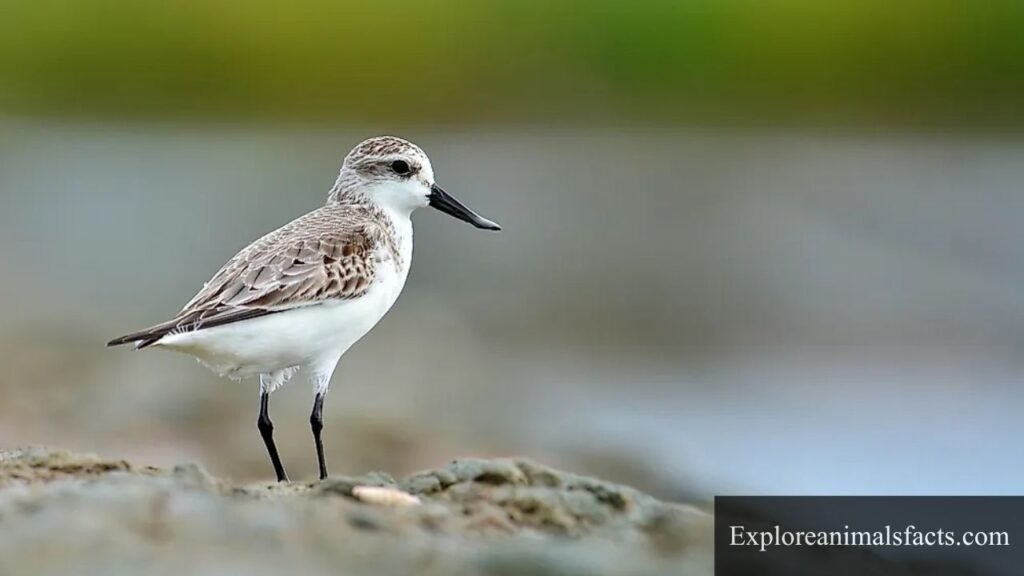
Recent conservation efforts highlight the delicate balance required to protect this species, which has been pushed to the brink due to habitat loss and climate change. Organizations focusing on restoring migratory pathways and breeding grounds are crucial, shedding light on how human activity can both harm and help the delicate ecosystem. The challenge lies not only in saving these birds but also in changing public perception about such elusive creatures. By understanding their role in biodiversity and the intricate web of life they represent, we can appreciate the Spoon-Billed Sandpiper not just as a shy inhabitant of distant shores, but as a vital symbol of environmental stewardship.
Kakapo
Scientific Name: Strigops habroptilus
Class: Aves
Diet: Herbivore
The kakapo, an endearing flightless parrot native to New Zealand, offers a fascinating glimpse into the world of shy animals. With its lush green feathers and owl-like face, the kakapo is a visual delight, but it’s the bird’s elusive nature that truly captivates. As a nocturnal creature, it prefers to forage and socialize under the veil of night, which not only enhances its shyness but also adds a layer of mystique to its existence. This unique behavioral adaptation has often made observations of the kakapo a rare privilege for researchers and bird enthusiasts alike.
The kakapo’s low reproductive rate compounds its shyness, with females only breeding every two to four years, often coinciding with the flowering of particular trees. This limited breeding cycle adds an urgency to conservation efforts, as every kakapo counts in a dwindling population. Despite its bashful demeanor, the kakapo exudes a charming personality during mating season when males gather to perform elaborate displays. This unexpected boldness highlights a duality in its character — one that oscillates between retreat and flamboyant courtship, inviting us to appreciate the delicate balance of survival in the animal kingdom. As efforts to protect this unique species intensify, the kakapo serves as a poignant reminder of the intricacies of wildlife conservation, urging us to cherish and protect the shy inhabitants of our planet.
Red Panda
Scientific Name: Ailurus fulgens
Class: Mammalia
Diet: Herbivore
The red panda is not just a captivating creature because of its striking appearance, but also due to its introverted nature. Unlike its boisterous giant panda relatives, the red panda thrives in solitude, often retreating to the treetops of its Himalayan and bamboo forests. With their fuzzy fur and endearing faces, these shy animals primarily avoid the hustle and bustle of the forest floor, relying heavily on their keen sense of smell and quiet movements to navigate their environment. Observing a red panda in its natural habitat reveals a creature that, despite its small size, exhibits an intricate social behavior rooted in discretion rather than confrontation.
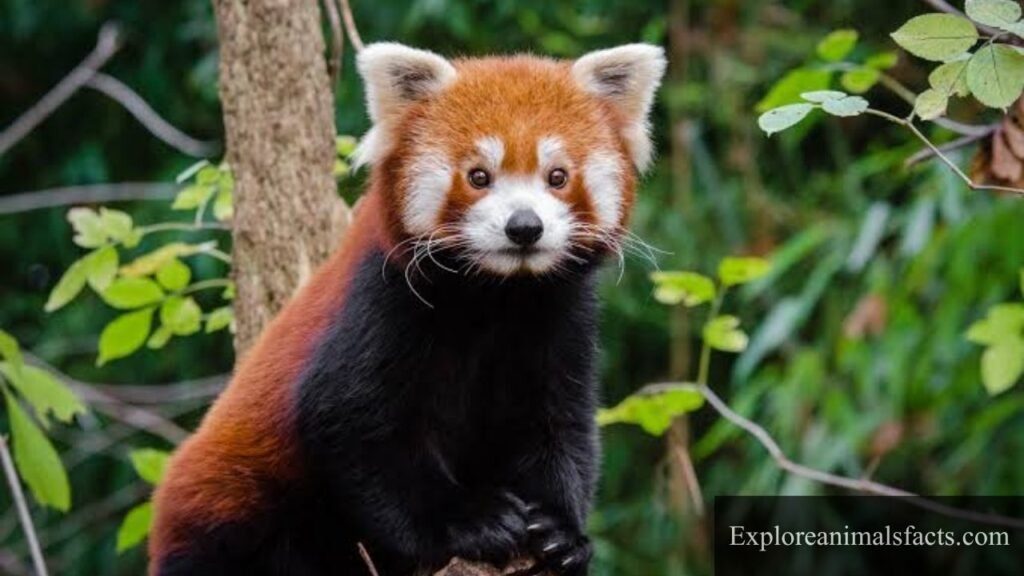
In their elusive existence, red pandas also play a crucial role in their ecosystem. As avid bamboo eaters, they indirectly maintain the health of bamboo forests, which provide habitat for numerous other wildlife species. This unique role aligns with their shy demeanor, as they prefer to blend into their surroundings rather than dominate them. Their solitary lifestyle highlights a poignant truth about nature: sometimes, the quiet ones hold the most remarkable significance, influencing their ecosystems in ways that are often overlooked. In a world that often celebrates the loud and the bold, red pandas remind us that there is beauty and strength in shyness, as they navigate their leafy realms with grace and subtlety.
Dik-Dik
Scientific Name: Madoqua
Class: Mammalia
Diet: Herbivore
Dik-diks, the tiny antelopes native to the bushlands of eastern and southern Africa, are a marvel of evolution in both size and behavior. Standing no more than 16 inches tall at the shoulder, their diminutive stature is complemented by an exquisite coat of soft brown fur and striking large eyes that add to their charm. But it’s their shy disposition that truly sets them apart; these animals have a peculiar knack for remaining elusive in their natural habitat. When threatened, a dik-dik will freeze in place, relying on its phenomenal camouflage amidst the low shrubbery, often disappearing from sight before a predator has a chance to spot them.
Socially, dik-diks showcase a fascinating blend of solitariness and affectionate bonding. Typically, they form monogamous pairs that maintain well-defined territories. These bonds are often marked by the males’ poetic courtship displays, which include gentle vocalizations and intricate movements that speak to their delicate nature. Interestingly, the male dik-dik uses a scent gland located between its eyes to mark territory, a subtle reminder of their presence that reinforces their shy yet significant role within the ecosystem. This complex interplay of behavior highlights not only their unique adaptations but also the importance of understanding and conserving their delicate habitats to ensure their ongoing survival.
Giant Anteater
Scientific Name: Myrmecophaga tridactyla
Class: Mammalia
Diet: Carnivore
The giant anteater, with its elongated snout and distinctive fur pattern, is a fascinating creature that often embodies the essence of shyness. Found primarily in the grasslands and forests of Central and South America, this creature prefers solitude and is generally active during the day when it forages for ants and termites. Its quiet demeanor is complemented by a unique hunting method: using its long, sticky tongue to extract insects from their nests, it moves with an almost hypnotic grace, making it a true master of stealth in the wild.
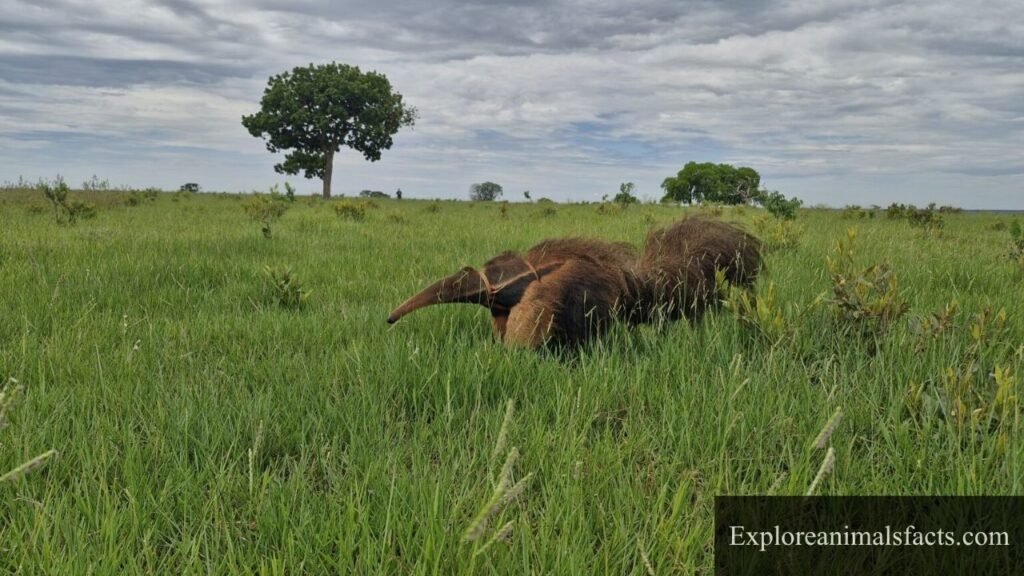
What makes the giant anteater particularly compelling is its ability to blend seamlessly into its environment. With a keen sense of smell and limited eyesight, it relies heavily on its other senses to navigate the world around it, often avoiding confrontation with larger predators. This behavior not only speaks to its shy nature but also raises questions about the role of introversion in survival. In the grand tapestry of biodiversity, the giant anteater serves as a reminder that sometimes the most remarkable stories unfold in the quietest corners of the animal kingdom. By learning more about these gentle giants, we gain a deeper appreciation for the rich complexity of wildlife and the importance of preserving the habitats that sustain them.
Binturong
Scientific Name: Arctictis binturong
Class: Mammalia
Diet: Omnivore
The binturong, often called the “bearcat,” is a fascinating oddity among shy animals. With its unique blend of feline and bear-like features, this nocturnal creature is primarily found in the lush forests of Southeast Asia. Despite its intimidating appearance, complete with a bushy tail that can measure as long as its body, the binturong is known for its gentle disposition. They are not only masters of camouflage but also skilled climbers, making their elusive nature a delight for those lucky enough to catch a glimpse.
One of the most intriguing aspects of the binturong’s behavior revolves around its social structure. These solitary animals often avoid confrontation, choosing instead to communicate through a variety of vocalizations and scent markings. Their scent, reminiscent of buttered popcorn, is a mechanism that serves both to attract mates and to establish personal territory. This quirky olfactory trait not only highlights the binturong’s understated personality but also offers an intriguing lens through which to appreciate the diverse ecosystems they inhabit. By understanding the delicate balance of their behavioral patterns, we gain a deeper insight into the intricate threads that connect all living beings in the wild.
Okapi
Scientific Name: Okapia johnstoni
Class: Mammalia
Diet: Herbivore
The okapi, often referred to as the “forest giraffe,” is a strikingly elusive creature found in the dense rainforests of the Democratic Republic of Congo. With its unique combination of zebra-like stripes on its hindquarters and the more familiar shape of a giraffe, this shy herbivore is a masterpiece of evolutionary adaptation. Unlike its taller relatives, the okapi thrives in the shadows, using its exceptional sense of hearing and acute smell to navigate its lush habitat while remaining hidden from predators and human eyes alike.
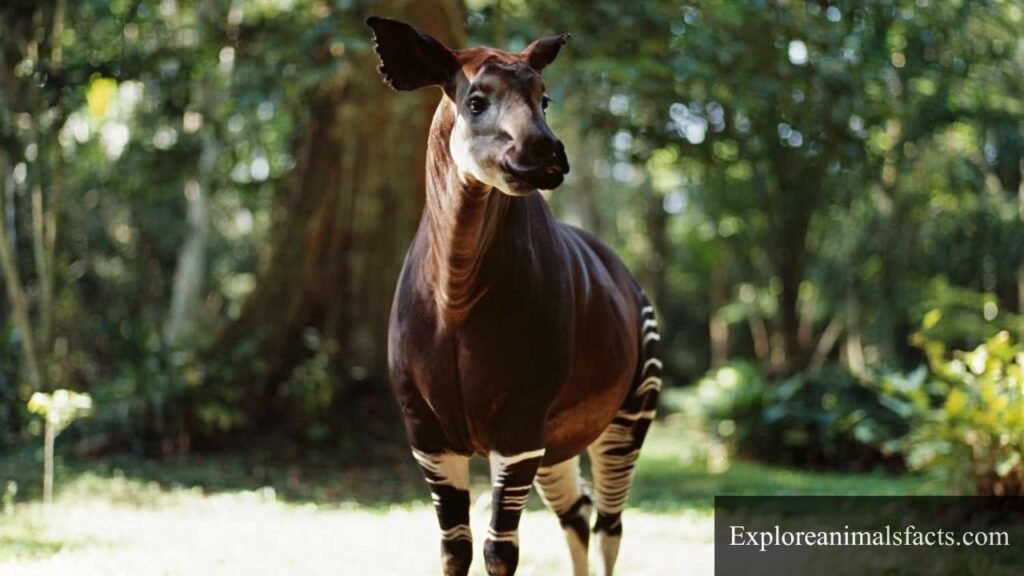
One of the most fascinating aspects of the okapi is its social structure. These solitary animals typically come together only for mating purposes, showcasing an intriguing balance of independence and occasional collaboration. They communicate through a series of low, infrasound calls undetectable to the human ear, allowing them to maintain a level of connection without compromising their shy nature. This behavior sheds light on the complexity of their social lives, revealing that even the most introverted animals have rich, unseen interactions beneath the canopy of the rainforest. Ultimately, the okapi embodies the beauty of nature’s secrets, inviting us to appreciate the quiet resilience of shy species in an ever-changing world.
Tarsier
Scientific Name: Tarsiidae
Class: Mammalia
Diet: Carnivore
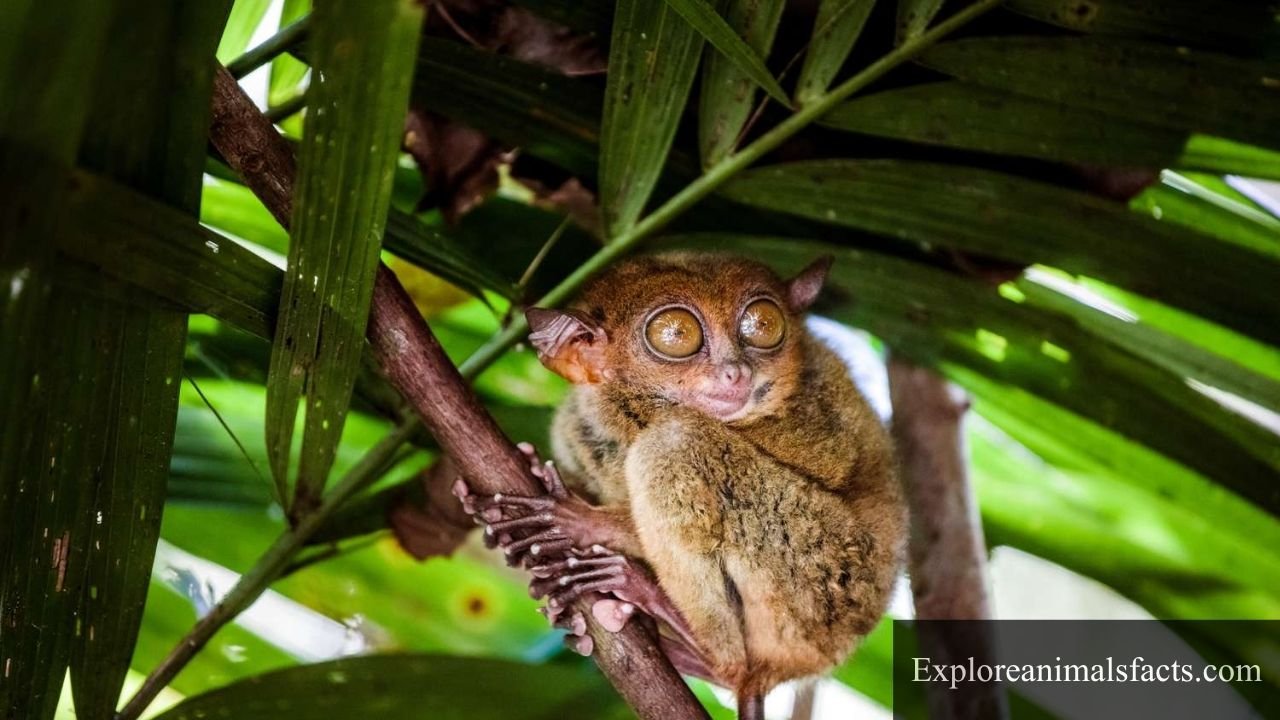
The tarsier, a tiny primate found in Southeast Asia, stands out not just for its size but also for its extraordinary adaptations. With eyes that are proportionally the largest of any mammal, these nocturnal creatures rely heavily on their acute vision to navigate through the dense forest canopy at night. Unlike typical shy animals that tend to hide from view, tarsiers exhibit a unique combination of boldness and caution, allowing them to venture out for food while maintaining a keen awareness of their surroundings.
One of the most captivating behaviors of the tarsier is its method of hunting; they can leap to incredible heights — up to ten times their body length — to catch insects and small vertebrates. Their shyness manifests in a preference for solitude or small family groups, where they communicate through a series of high-pitched calls and body language, minimizing the risk of predation while still maintaining social bonds. This delicate balance of social interaction and solitary behavior highlights the intricate dynamics of survival in the wild, offering a window into the complexities of animal life that often goes overlooked.
Aardvark
Scientific Name: Orycteropus afer
Class: Mammalia
Diet: Carnivore
Aardvarks show a captivating blend of shyness and curiosity in the wild. Their nocturnal lifestyle adds to their mysterious allure, as they venture out at night to forage for ants and termites, relying on their exceptional sense of smell. This innate shyness serves as a defensive mechanism, keeping them out of sight from predators and human observers alike. Despite their sizable physique, aardvarks often blend seamlessly into the shadows, leaving little trace of their presence until the telltale signs of their digging emerge.
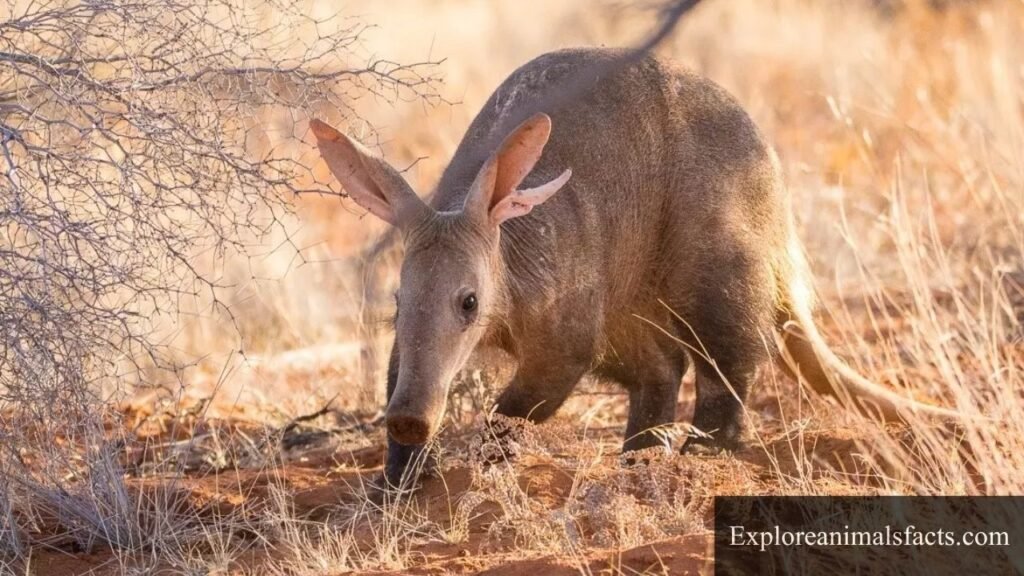
What sets aardvarks apart is their unique adaptations, including their powerful claws and long, sticky tongue, enabling them to thrive in environments that many other creatures might find inhospitable. Their shyness also speaks to a deeper ecological relationship; being less visible allows them to play a crucial role in soil aeration and nutrient cycling, which benefits a myriad of other species. Observing an aardvark in its natural habitat is akin to witnessing a whispered secret of the wild, an intimate privilege that reminds us of the delicate balance of life, where even the shyest of animals contribute significantly to the ecosystem.
Sloth
Scientific Name: Folivora
Class: Mammalia
Diet: Herbivore
Sloths, popular for their slow-moving lifestyle, embody a unique form of shyness that extends beyond their deliberate pace. Their arboreal habitat in the lush canopies of Central and South America provides a natural concealment, allowing them to blend effortlessly into their surroundings. This innate reticence serves as a survival mechanism — by remaining still and unassuming, they evade predators like jaguars and eagles, showcasing a fascinating evolutionary strategy where stillness is strength.
In addition to their physical stillness, sloths exhibit a captivating social behavior. While notoriously solitary creatures, they communicate through subtle gestures and scent-marking, indicating a complex understanding of their social environment. Researchers have discovered that sloths possess a wide range of vocalizations, from low grunts to high-pitched cries, used primarily during mating or mother-offspring interactions. This begs the question: how much do we truly understand about their social dynamics? The shy demeanor of sloths invites us to consider the rich inner lives of animals often overlooked, challenging our perceptions of what it means to be social in the animal kingdom.
Koala
Scientific Name: Phascolarctos cinereus
Class: Mammalia
Diet: Herbivore
Koalas, with their tree-hugging lifestyle, present shyness in a unique way. Unlike many animals that thrive in the limelight, these marsupials prefer the serene solitude of eucalyptus forests, where they spend most of their lives nestled high above the ground. Their reticent nature is not just a preference; it’s a survival tactic. By remaining hidden and quiet among the leaves, they can avoid predators and conserve energy, as their low-nutrition diet requires them to rest for up to 20 hours a day.
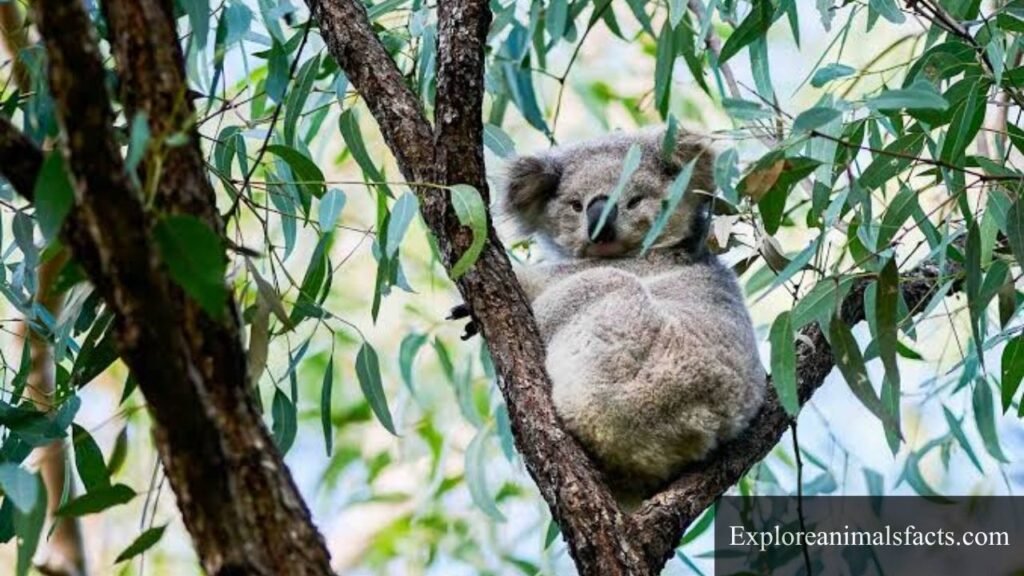
What makes koalas particularly fascinating is their communication style. While they may seem shy, they have a rich repertoire of vocalizations that they use primarily during mating season. Their guttural bellows can be surprisingly loud, cutting through the tranquility of the forest, revealing a world of interaction beneath their calm facade. This paradox of being both inwardly reserved yet externally vocal adds depth to their character, highlighting how shyness can coexist with the need for connection, even in the animal kingdom. As we learn more about these gentle creatures, we come to appreciate the delicate balance of solitude and sociality that defines their existence.
Kangaroo
Scientific Name: Macropodidae
Class: Mammalia
Diet: Herbivore
Kangaroos, symbols of Australian wildlife, also possess a surprisingly shy demeanor. In their natural habitat, these fascinating marsupials exhibit a cautious nature; they typically socialize in groups but maintain a vigilant watch for predators. This blend of sociability and wariness highlights their adaptability in the wild, as they must balance community living with personal safety.
Interestingly, kangaroos communicate through body language to express their shyness, using subtle movements and postures to convey feelings of anxiety or curiosity. When approached by humans or unfamiliar creatures, a kangaroo might freeze, stand tall, or even retreat — but not without a careful glance back to assess the situation. Observing these behaviors can deepen our understanding of their social structures, which are often more complex than seen at first glance.
Hedgehog
Scientific Name: Erinaceinae
Class: Mammalia
Diet: Omnivore
Hedgehogs are among nature’s most endearing shy creatures, often shyly curling into adorable little balls when threatened. This defense mechanism not only provides them with protection but also showcases an intriguing aspect of their personality — rather than displaying aggression, they prefer retreating into their spiky armor. This instinctual behavior raises questions about how we interpret shyness in the animal kingdom: is it merely a survival trait or a reflection of deeper social dynamics within their species?
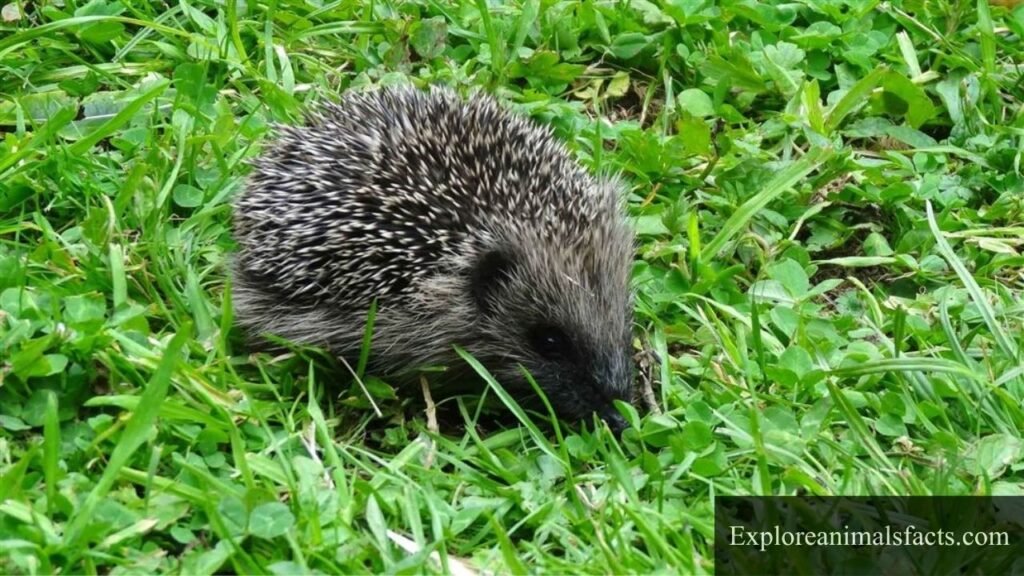
In the wild, hedgehogs lead nocturnal lives, foraging for insects and plant matter under the cover of darkness. Their shyness allows them to evade both predators and human encounters, which has sparked a growing interest in wildlife conservation. As urban development encroaches upon their habitats, understanding the shy behaviors of hedgehogs becomes crucial in efforts to protect them. By creating safe, quiet spaces in gardens and parks, we can foster the well-being of these delightful animals, allowing them to thrive while reminding us of the delicate balance between nature and urbanization.
Pangolin
Scientific Name: Pholidota
Class: Mammalia
Diet: Carnivore
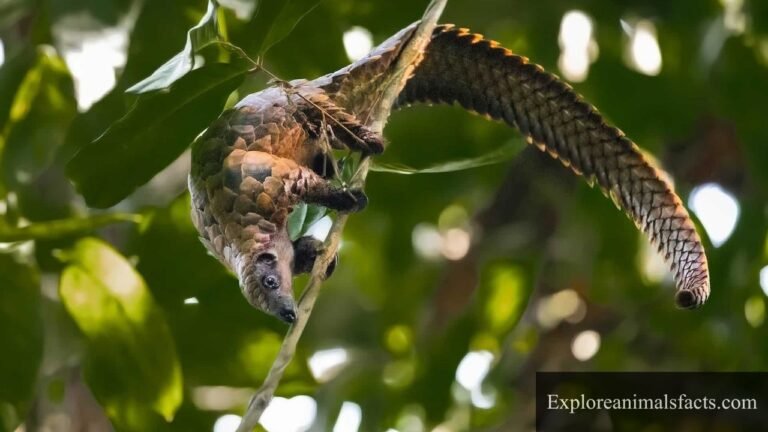
Pangolins are fascinating creatures that blend into the shadows of the forest floor. Encased in protective scales made of keratin, these shy, nocturnal foragers possess a unique defense mechanism: when threatened, they curl into a tight ball, becoming nearly impervious to predators. This behavior, while ingenious, also leaves them vulnerable to poachers who seek their scales for traditional medicine.
Their diets primarily consist of ants and termites, which they expertly extract using their long, sticky tongues — an evolutionary marvel. Despite their critical role in controlling insect populations, pangolins remain largely misunderstood, and their elusive nature has led to a significant gap in public awareness. As we delve into their world, it becomes clear that conserving these gentle creatures is essential not only for biodiversity but also for maintaining healthy ecosystems, where their quiet presence and unique feeding habits play a pivotal role in balance.
Deer
Scientific Name: Cervidae
Class: Mammalia
Diet: Herbivore
Deer possess a fascinating blend of shyness and curiosity that makes them enchanting to observe. Their keen senses and seemingly instinctual wariness serve as vital survival tools in the wild. While they may freeze at the slightest rustle or change in their environment, this is not merely a retreat but a strategic choice. In their stillness, they blend seamlessly into the backdrop of lush forests, showcasing nature’s mastery of camouflage.
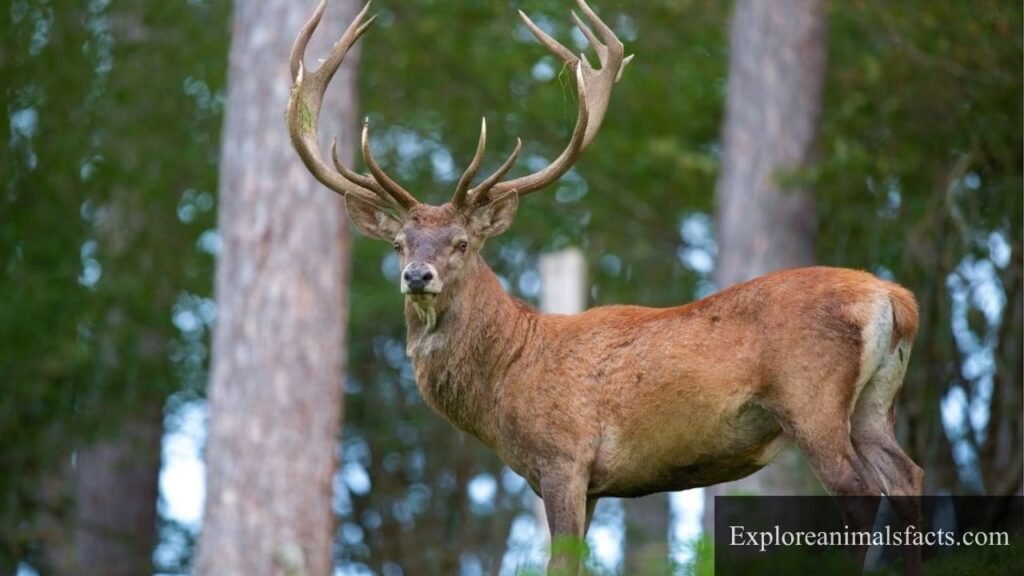
Beyond their timid demeanor, deer communicate through subtle body language and soft vocalizations that reflect their social structures. They navigate their herds with a hierarchy that balances leadership and protection, where the shyest individuals may often end up as sentinel figures, alerting others to potential dangers. This unique social behavior underscores a deep interconnectedness, reminding us that vulnerability can coexist with strength, offering a profound lesson about the role of gentleness in survival. Observing deer in their natural habitat invites us to appreciate the delicate interplay of shyness, courage, and the intricate dynamics of wildlife.
Fennec Fox
Scientific Name: Vulpes zerda
Class: Mammalia
Diet: Omnivore
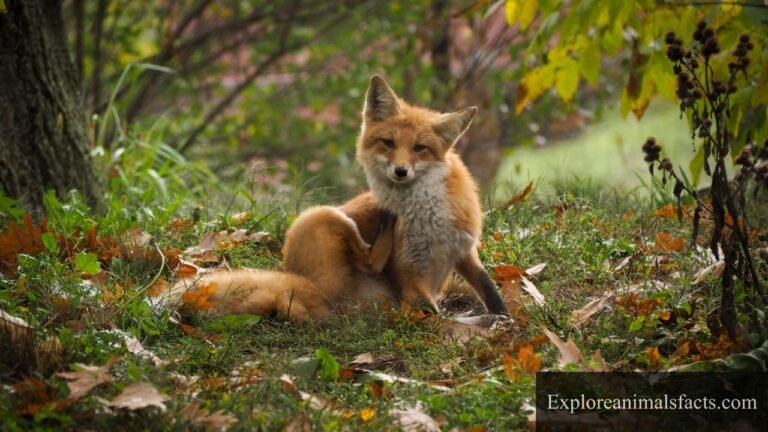
The fennec fox, with its strikingly large ears and diminutive stature, are among the most shy in animal kingdom. Native to the Sahara Desert, these nocturnal creatures are often unseen during the day, retreating to burrows where they avoid the harsh sun and predators alike. This elusive behavior, however, is not a mere shyness — it’s a sophisticated survival strategy. Their keen sense of hearing allows them to detect the slightest rustles of movements at night, making them adept hunters, despite their timid demeanor.
What’s particularly fascinating about fennec foxes is their social structure. They live in family groups, fostering connections through gentle communication and playful interactions. While they may initially appear timid, their playful nature and strong familial bonds reveal an intricate social life often overlooked. Observing them during twilight hours in their natural habitat reveals that their shyness fades under the shimmer of the stars, showcasing agility and curiosity that captivates those lucky enough to witness it. This duality — of being shy yet social, reserved yet playful — makes the fennec fox a remarkable example of adaptation in the wild.
Kiwi
Scientific Name: Apteryx
Class: Aves
Diet: Omnivore
The kiwi, New Zealand’s iconic flightless bird, offers a fascinating glimpse into the world of shy animals. With its unique, long beak and round body, this nocturnal creature is an emblem of mystery and subtlety. Kiwis are primarily solitary, emerging under the cover of night to forage for insects and worms. Their keen sense of smell, unusual for birds, allows them to delicately probe the forest floor, showcasing an evolution finely tuned to their environment.
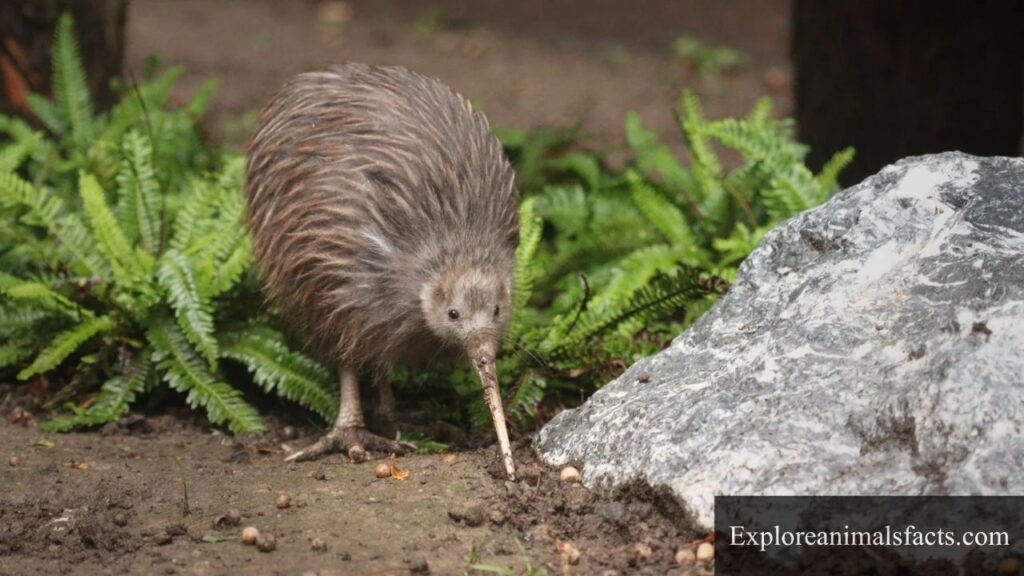
What makes the kiwi particularly intriguing is its vulnerability, both in behavior and habitat. As a shy creature, it instinctively hides from potential threats, relying on its camouflaged brown feathers to blend into the leaf litter. This gentle disposition not only makes the kiwi a fascinating subject of study but also highlights the impacts of habitat destruction and introduced predators they face. The plight of the kiwi serves as a poignant reminder of the delicate balance within ecosystems, inviting us to engage more deeply with conservation efforts aimed at preserving these shy, remarkable beings.
Maned Wolf
Scientific Name: Chrysocyon brachyurus
Class: Mammalia
Diet: Omnivore
The maned wolf, with its strikingly tall legs and tufted ears, embodies a sense of elegance rarely seen in the animal kingdom. Native to the grasslands of South America, this shy canid is often described as a solitary creature. Unlike typical pack-oriented wolves, the maned wolf’s reticent nature allows it to thrive in the dense brush, often steering clear of human activity. As dusk falls, these elusive animals emerge, relying on their extraordinary sense of smell to navigate their environment and locate their primary diet of fruit, small mammals, and insects.
What makes the maned wolf particularly fascinating is its unique vocalization — a high-pitched, harmonic roar that sounds almost ethereal. This distinct call is a powerful tool for communication, serving to establish territory while maintaining a distance from potential threats. Moreover, their long, slender legs not only enhance their view of the surroundings but also help them traverse tall grasses, where they can easily spot both prey and predators. Observing these magnificent creatures in their natural habitat reveals the art of nature’s balance — where shyness and solitary behavior offer a survival advantage in an ever-challenging ecosystem.
Cheetah
Scientific Name: Acinonyx jubatus
Class: Mammalia
Diet: Carnivore
The cheetah stands out not just for its unmatched speed, but also for intriguing behavioral traits that hint at a shyer side. Unlike many of its larger, more boisterous counterparts, the cheetah is a solitary creature, often opting for a life of quiet elegance rather than forming extensive social groups. This tendency towards solitude can be attributed to their sensitivity to habitat disturbances and competition, as they gracefully navigate their territories in search of prey. Observing a cheetah’s careful movements, one can appreciate its blend of power and delicacy, demonstrating how timidity can coexist with ferocity.
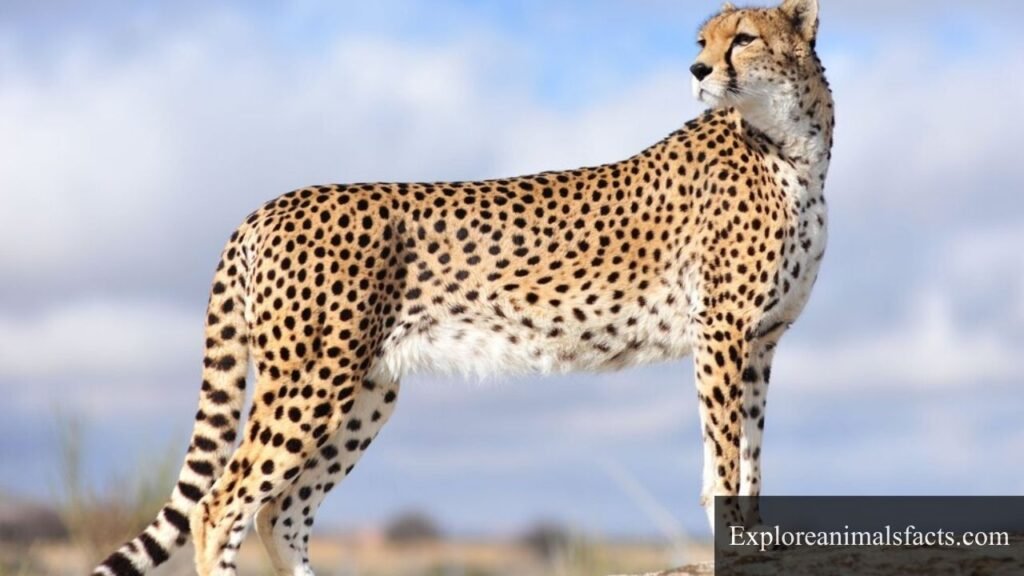
Interestingly, researchers have found that despite their prowess as hunters, cheetahs display a unique set of vocalizations and body language that reflect their shy nature. They utilize a series of soft chirps and purrs to communicate, opting for a more subdued approach compared to the roars of lions or the growls of leopards. This subtle communication not only illustrates their wariness but also their strategic mindset in the wild. The cheetah’s reticent demeanor, paired with its incredible speed, creates a fascinating dynamic that challenges our perceptions of strength and shyness in the animal kingdom, reminding us that sometimes, the most effective approach to survival is one cloaked in quiet confidence.
Red Squirrel
Scientific Name: Sciurus vulgaris
Class: Mammalia
Diet: Omnivore
The red squirrel, with its striking rust-colored fur and tufted ears, embodies an intriguing blend of shyness and curiosity. Unlike their more boisterous gray counterparts, red squirrels prefer to stay in the shadows of their coniferous homes, only venturing out for a quick snack or a leap between branches. This natural reticence is not merely a defense mechanism; it reflects a finely tuned survival strategy. Their keen sense of hearing and sight allows them to detect potential threats, providing insight into how their elusive behavior has evolved.
Interestingly, the red squirrel is not just a solitary creature but also a vigilant guardian of its territory. While it prefers to remain discreet, it communicates through a series of flickering tail movements and high-pitched warning calls, signaling other squirrels of impending danger without drawing too much attention to itself. Each squirrel maintains a ‘personal food stash,’ showcasing its foraging skills and intelligence. This subtle social dynamic within their quiet world reveals a complex interplay of communication, resourcefulness, and instinct, illuminating the enchanting life of these often-overlooked woodland dwellers.
Giant Panda
Scientific Name: Ailuropoda melanoleuca
Class: Mammalia
Diet: Herbivore
Giant pandas have a profound shyness that belies their adorable appearance. Found primarily in the misty bamboo forests of China, these creatures spend much of their time alone, deftly navigating their lush surroundings in search of food. While they’re often seen lounging or munching on bamboo in captivity, in the wild, their elusive nature makes them masters of stealth — skulking between dense vegetation to avoid both predators and human interaction.
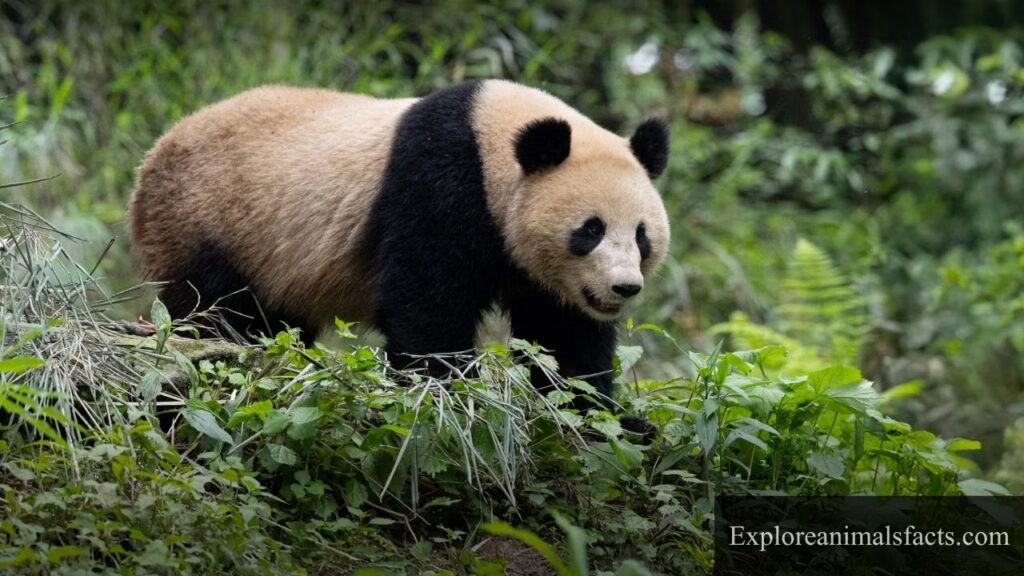
Interestingly, their shyness extends beyond mere survival instincts; it also shapes how they communicate. Unlike many social animals, giant pandas are relatively solitary and rely on scent markings and subtle body language to convey their presence and intentions. Their vocalizations, ranging from bleats to honks, serve as gentle reminders of their unique personality and rich emotional lives. This blend of shyness and sensitivity provides a fascinating glimpse into how these gentle giants navigate a world that demands both discretion and occasional boldness amidst the towering bamboo. Knowing this adds depth to our understanding of their behavior and the importance of preserving their natural habitats, allowing them to thrive in their secluded lifestyles.
Readmore: Explore Top 12 Animals With Big Feet.
Final Thoughts
Shy animals showcase a fascinating aspect of our natural world, exhibiting behaviors that highlight their need for solitude and safety. From the elusive snow leopard to the timid red panda, these creatures remind us of the importance of habitat preservation. Understanding their vulnerability can foster a deeper appreciation for biodiversity and the critical ecosystems they inhabit. As we learn more about their habits and habitats, we can become advocates for their protection. Let’s commit to raising awareness and supporting conservation efforts to ensure that these shy animals continue to thrive in the wild.
FAQs
Which animals are very shy?
Many animals exhibit shy behaviors, for instance, prey species like deer and rabbits tend to be skittish, relying on their quick reflexes and ability to blend into their environments to avoid predators. Even small critters like certain birds, such as the American woodcock, will often remain motionless in thick cover until they feel safe enough to move. Domesticated animals can also be shy. Cats, for example, often display shy behavior when introduced to new environments or unfamiliar people.
What is the shyest animal in the world?
The shyest animal in the world is often considered to be the platypus. These elusive creatures are known for their reclusive nature, spending most of their time hidden away in burrows or underwater. They are incredibly cautious and tend to avoid human contact, making observations of them quite rare.
What animals are shy and quiet?
Many animals exhibit shy and quiet behaviors, often to avoid detection by predators or to minimize stress. For instance, the red panda is known for its solitary and elusive nature. These adorable creatures prefer to remain hidden among the trees and are most active during twilight hours, making them hard to spot. Another example is the shy tortoise, which retreats into its shell at the slightest hint of danger. Similarly, many species of deer, like the white-tailed deer, are naturally cautious and will often freeze or quietly move away when they sense a threat.
What animals are shy and friendly?
Several animals are known for being both shy and friendly. One standout is the domesticated rabbit. They’re often skittish around new people or loud noises, but with patience and gentle handling, they can develop strong bonds with their owners. Once comfortable, rabbits can be incredibly affectionate and enjoy cuddling. Another example is the capybara. This giant rodent is generally shy by nature but tends to be very social and friendly once they feel safe. They often enjoy the company of other animals, including pets like dogs, showing a surprisingly gentle disposition.