Top 21 Mischievous Animals (Images Included)
“Mischievous Animals” showcases the hilarious and often surprising behaviors of creatures who thrive on curiosity and mischief. These anecdotes serve not only to entertain but also to enlighten us about the natural instincts that drive such behavior. By reading this article, you’ll learn about the underlying reasons for animal antics and how they reflect broader themes of intelligence and adaptability in the animal kingdom.
List of Mischievous Animals:
Below is the list of mischievous animals:
- Capuchins
- Raccoons
- Seagulls
- Coyotes
- Ferrets
- Chimpanzees
- Goats
- Magpie
- Elephants
- Macaques
- Otters
- Dogs
- Crows
- Fox
- Dolphins
- Cats
- Squirrels
- Pigs
- Bears
- Ravens
- Parrot
Capuchins
Scientific Name: Cebinae
Class: Mammalia
Diet: Omnivore
Capuchin monkeys, with their expressive faces and agile limbs, are the ultimate tricksters of the animal kingdom. Their playful antics often blur the lines between mischief and intelligence, as they devise clever methods to outsmart their surroundings. Observers have noted how these little primates can manipulate objects to access food, showcasing not just their curiosity but also a surprising level of problem-solving ability. Whether teaming up to raid picnic baskets or using tools to crack nuts, capuchins bring a delightful chaos wherever they roam.
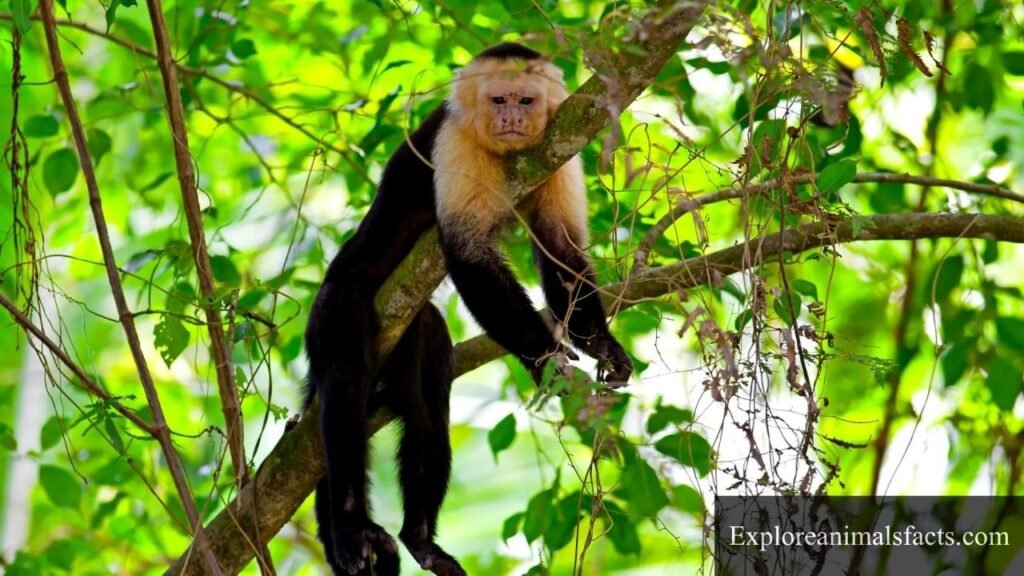
Their shenanigans serve a deeper purpose within their social structures. Capuchins exhibit intricate social hierarchies, and their mischievous behavior often acts as a form of social bonding and communication. Through playful encounters, they reinforce alliances and develop essential skills for survival, reminding us that mischief isn’t merely for amusement — it’s a vital part of their social fabric. By observing capuchins in their natural habitat, we not only witness their charm but also gain insight into the complex interactions that define their world. These little monkeys remind us that intelligence and play are crucial elements in the dance of life, both in the animal kingdom and beyond.
Raccoons
Scientific Name: Procyon lotor
Class: Mammalia
Diet: Omnivore
Raccoons, often dubbed the “bandits of the night,” possess a remarkable blend of dexterity and curiosity that makes them some of the most mischievous animals in the wild. With their nimble paws and uncanny ability to manipulate objects, they have mastered the art of problem-solving, turning mundane environments into their personal playgrounds. Observing a raccoon meticulously unzipping a cooler or working its way through a trash bin reveals not just their cleverness, but also a profound adaptability that allows them to thrive alongside urban expansion.
Beyond their notorious antics, raccoons display complex social structures and communication methods. They have a fascinating vocal repertoire, including growls, chattering, and even purring, which plays a vital role in maintaining social bonds within their communities. This intelligence is complemented by their impressive memory; studies show that they can remember solutions to tasks for up to three years, illustrating that their mischief stems from a blend of playfulness and keen survival instincts. As these clever creatures continue to navigate the challenges posed by modern environments, they remind us of the wild spirit that persists right in our backyards, often unseen until night falls.
Seagulls
Scientific Name: Laridae
Class: Aves
Diet: Omnivore
Seagulls embody a unique blend of arrogance and cunning that both entertains and frustrates beachgoers. Their audacious antics, from snatching snacks right from unsuspecting hands to employing elaborate tactics to pilfer chips from picnickers, showcase their intelligence. These feathered bandits don’t merely rely on brute force; they’re strategic, often teaming up to distract humans while one sneaks in for the prize, demonstrating a level of social coordination that invites admiration.
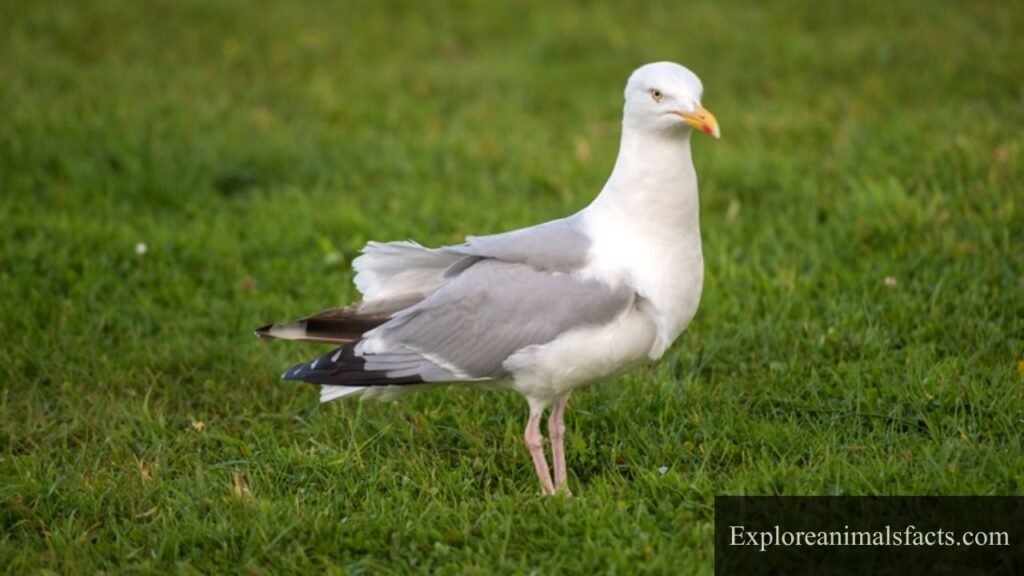
Beyond their food thievery, seagulls exhibit a surprising adaptability to urban environments. They’ve mastered the art of living in cities, from scavenging fast food leftovers to nesting on rooftops, showcasing their remarkable resilience. Their piercing calls and fearless approach remind us of their wild nature, even amidst the concrete jungle. Observing a seagull in action can be a lesson in resourcefulness — an inspiring, if sometimes exasperating, reminder of nature’s cleverness in a rapidly changing world.
Readmore: Explore Top 21 Animals With Sharp Claws.
Coyotes
Scientific Name: Canis latrans
Class: Mammalia
Diet: Carnivore
Coyotes, with their clever adaptability, have earned a reputation as one of nature’s ultimate tricksters. Unlike their solitary wolf cousins, these elusive canines thrive in family units and often engage in playful antics that reveal their intelligence. Observers have noted that coyotes will frequently move in groups to outwit larger predators, using distractions or clever strategies to protect their young or secure food. This emphasizes not just their cunning in survival, but also the social bonds that define their packs.
Interestingly, coyotes have also adjusted to urban environments, where they continue to display their mischievous nature. As they navigate the complexities of city life, they’ve been spotted picking their way through trash cans and scouring parks for food — often evading human detection. Their ability to adapt means they’ve become masters of scavenging, employing a blend of stealth and audacity to thrive alongside us. This gives a refreshing twist to the archetypal “wild animal” narrative, suggesting that perhaps, in the face of rapid urbanization, it’s not just the cities that shape wildlife, but wildlife that shapes our cities too.
Ferrets
Scientific Name: Mustela furo
Class: Mammalia
Diet: Carnivore
Ferrets, with their playful antics and inquisitive nature, embody a delightful balance of mischief and charm. These agile little creatures are natural explorers, often found burrowing into unexpected nooks and crannies, leaving a trail of amused owners in their wake. Their penchant for stealing shiny objects can turn any room into a treasure hunt — yet, it’s their ability to make even the mundane seem like an adventure that truly captivates their human companions.
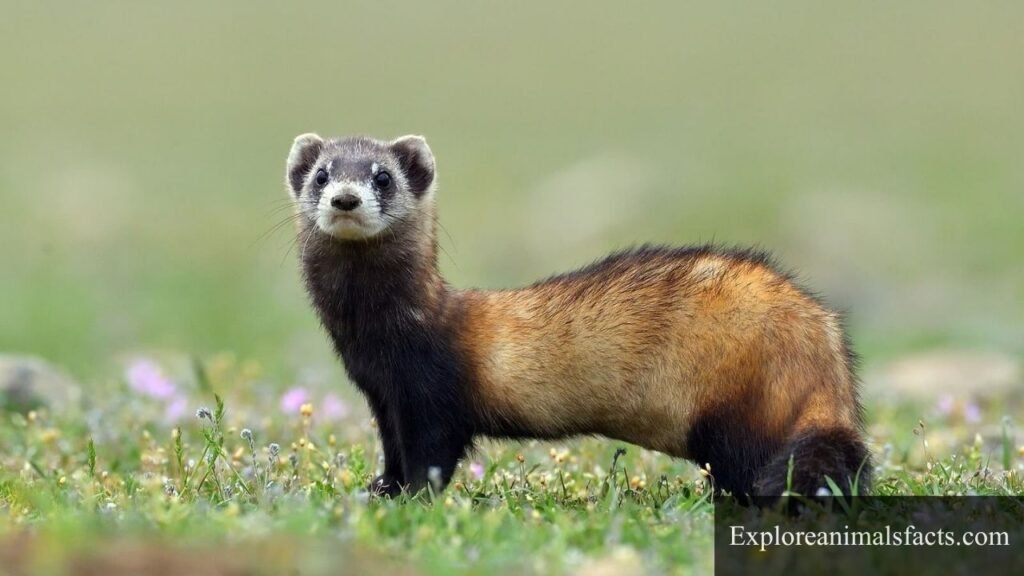
What makes ferrets particularly captivating is their sophisticated play behavior. They don’t just frolic; they engage in elaborate games that mimic predatory pursuits, showcasing their dexterous movements and strategic thinking. This innate curiosity invites us to reconsider how we perceive intelligence in animals. Ferrets, with their unique social structures and playful dispositions, remind us that mischief is often a manifestation of intelligence and emotional depth, prompting us to appreciate the layers of personality within these enchanting little creatures.
Chimpanzees
Scientific Name: Pan troglodytes
Class: Mammalia
Diet: Omnivore
Chimpanzees, renowned for their intelligence, often display a level of mischief that rivals that of any human prankster. These playful primates have a remarkable knack for problem-solving and social manipulation, frequently using both to their advantage. For instance, young chimpanzees often engage in elaborate games, such as orchestrating surprise tickle attacks or hiding food to coax peers into playful chases. Such antics not only provide entertainment but also foster social bonds within their tight-knit communities.
Observations in the wild reveal that these delightful troublemakers can cleverly devise strategies to outsmart their rivals. They are known to create distractions — like making loud noises or throwing objects — to divert attention while sneaking away with a coveted resource. This strategic playfulness highlights their advanced cognitive abilities and adaptability, prompting us to reconsider what we thought we knew about animal intelligence.
Goats
Scientific Name: Capra aegagrus hircus
Class: Mammalia
Diet: Herbivore
Goats possess an uncanny ability to engage in playful mischief that never fails to entertain. With their remarkable agility and insatiable curiosity, these four-legged pranksters can often be found scaling fences or mysteriously appearing on rooftops. Their antics are more than just a display of playfulness; they serve as a reminder of their complex personalities and intelligence. Observing a goat deftly negotiating difficult terrain or figuring out a way to snag a forbidden snack offers a glimpse into their resourceful nature.
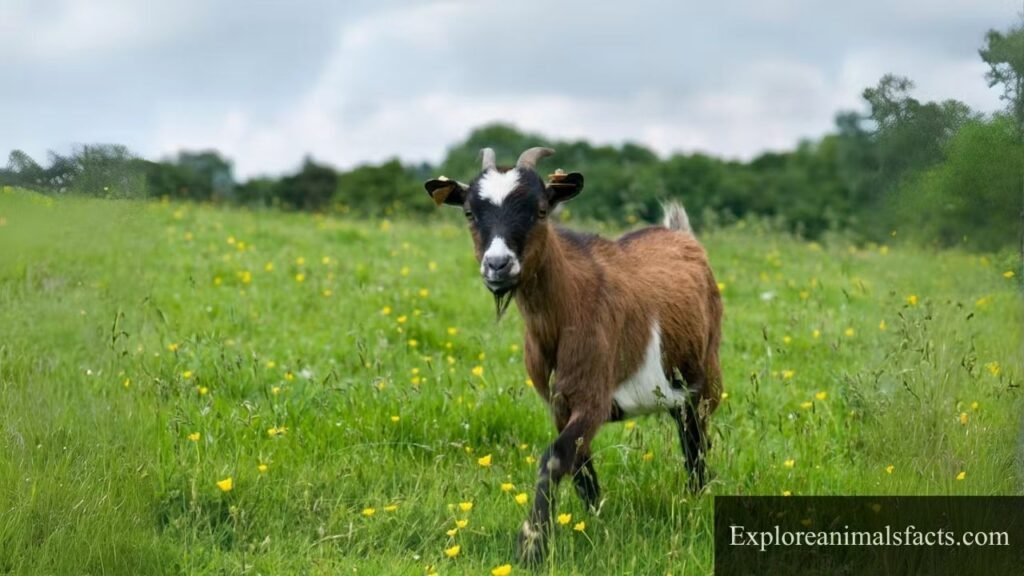
Perhaps one of the most fascinating aspects of goat behavior is their notorious penchant for social dynamics. Whether it’s establishing a playful hierarchy among a herd or engaging in head-butting contests, goats thrive on interaction and camaraderie. This social engagement not only fosters bonds but often leads to elaborate group pranks, making them masters of cooperative mischief. Their knack for finding ways to outsmart their human caretakers, be it through escaping enclosures or raiding gardens, showcases their cunning nature and brings a dash of joy to the lives they share with us.
Magpie
Scientific Name: Pica pica
Class: Aves
Diet: Omnivore
Magpies, with their striking black and white plumage, are often misunderstood as mere thieves. However, their notorious reputation for stealing shiny objects masks their remarkable intelligence and playful nature. These birds possess an exceptional ability to recognize themselves in mirrors, a trait shared with only a handful of species. This self-awareness hints at a complex social structure and an aptitude for problem-solving, making magpies not just mischievous but also surprisingly cerebral.
Their antics extend beyond mere kleptomania; they display an impressive repertoire of vocalizations and mimicry techniques, sometimes imitating the calls of other birds or even human sounds. This playfulness is indicative of their curious personalities, revealing a love for exploration and stimulation. By observing magpies in various environments, one can appreciate their adaptability and social dynamics, as they often interact with one another, engaging in playful chases and elaborate games, showcasing a sense of community that adds depth to their reputation as playful bandits.
Elephants
Scientific Name: Elephantidae
Class: Mammalia
Diet: Herbivore
Elephants are not just gentle giants; they are also the playful pranksters of the animal kingdom. Known for their intelligence, these magnificent creatures exhibit a unique sense of humor that often surprises researchers. Observations have shown that when they’re not foraging or bathing, elephants engage in playful antics, such as splashing water on each other or playfully uprooting trees. This behavior isn’t merely for fun; it can strengthen social bonds within herds, teaching younger elephants both cooperation and the social nuances of their complex societies.
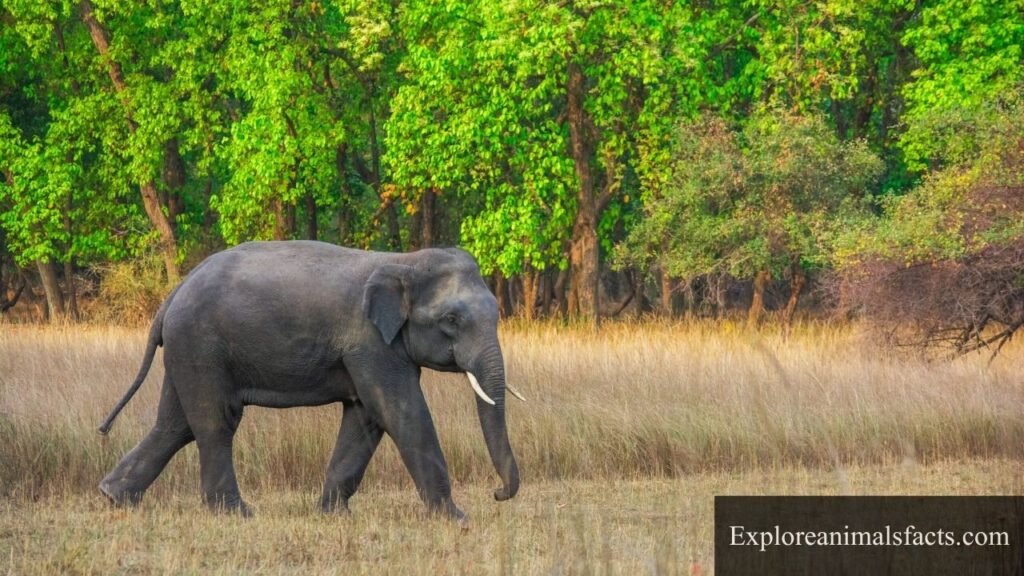
Moreover, their curious nature often leads them to explore their environment in unexpected ways. Elephants have been seen stealing fruit from farms or knocking over fences just to access a tantalizing treat! Such antics showcase their problem-solving skills and adaptability, highlighting their ability to navigate challenges in their habitat. This mischievousness is not merely random; it serves a greater purpose — ensuring they remain resourceful in the wild while also keeping their social structures vibrant and engaging. Through their playful behavior, elephants remind us of the vital balance between fun and survival in the natural world.
Macaques
Scientific Name: Macaca
Class: Mammalia
Diet: Omnivore
Macaques are the ultimate tricksters of the animal kingdom, blending intelligence and curiosity in ways that continually astonish researchers and onlookers alike. Found across Asia, these agile primates have mastered a range of antics that often blur the line between playfulness and mischief. From stealthily snatching food from unsuspecting tourists to orchestrating elaborate schemes to distract other animals while they pilfer their treats, macaques seem to thrive on cleverness.
Their social structures also add depth to their mischievous behavior. Living in groups, macaques engage in a playful hierarchy where dominance is often established through cunning tricks rather than sheer strength. This dynamic encourages a culture of cleverness; younger macaques learn the ropes by observing their elders, leading to innovative strategies that keep the entire troop engaged. Whether it’s using tools to open hard-shelled fruits or mimicking human behavior to receive food, macaques remind us that intelligence often comes in playful packages.
Otters
Scientific Name: Lutrinae
Class: Mammalia
Diet: Carnivore
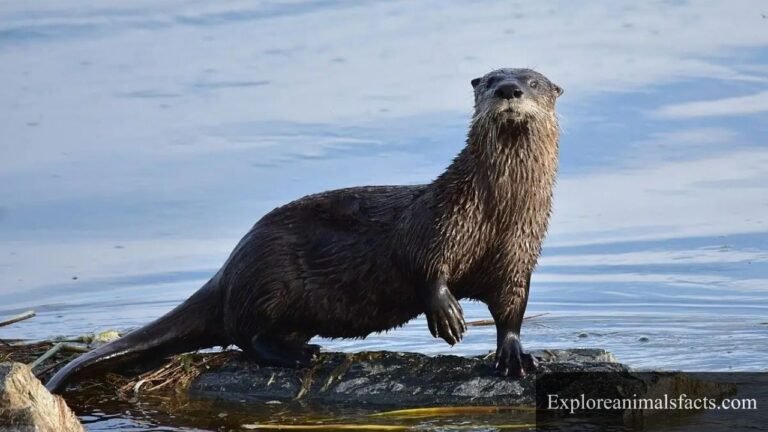
Otters are the playful tricksters of the animal kingdom, often captivating onlookers with their antics. Known for their incredible dexterity, these aquatic mammals have a knack for turning everyday activities into lively games. For instance, an otter can often be seen “rafting” on its back, using a rock to crack open shellfish while simultaneously juggling other stones — a delightful display of both intelligence and creativity. This penchant for play isn’t mere whimsy; it’s essential for honing their hunting skills and strengthening social bonds.
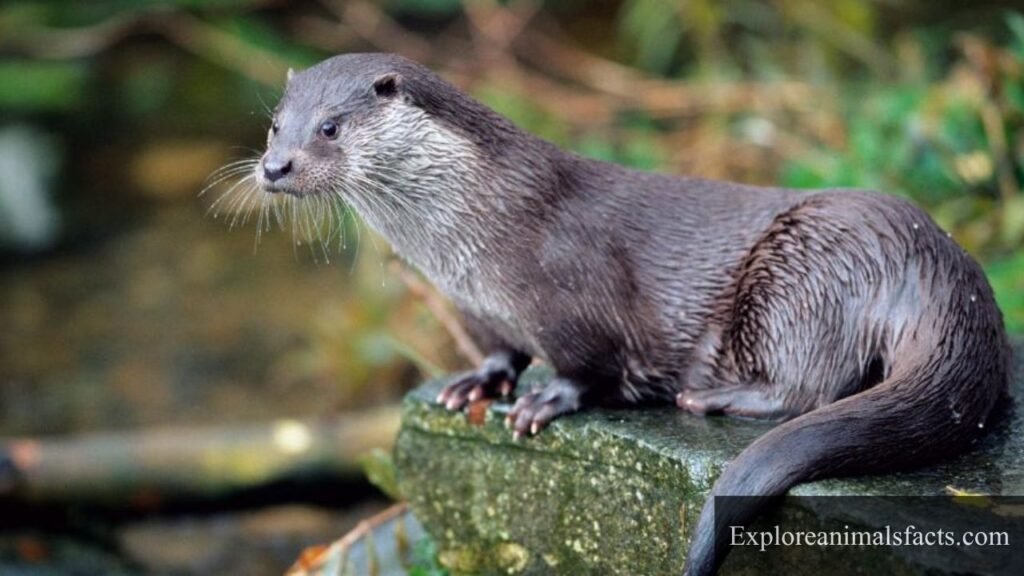
Moreover, otters showcase a surprising level of organization within their groups, known as rafts. They often engage in cooperative behaviors, from hunting to grooming each other, which fosters a sense of community. These social interactions, though playful, serve a deeper purpose — they reinforce trust and solidarity among members, crucial for their survival in challenging environments. Observing otters is a reminder that mischief can exist alongside cooperation, illustrating how the lighter side of life can hold profound social importance.
Dogs
Scientific Name: Canis lupus familiaris
Class: Mammalia
Diet: Omnivore
Dogs often reveal a mischievous side that keeps their owners entertained. From stealthily snatching snacks off the kitchen counter to playfully digging holes in the garden, dogs thrive on exploring boundaries. This playful behavior isn’t just random; it reflects their intelligent and curious nature. For instance, certain breeds, like Border Collies and Jack Russell Terriers, are notorious for their antics. Their cleverness means they often devise creative strategies to bypass human obstacles, turning mundane moments into hilarious escapades.
Interestingly, the mischief often serves a deeper purpose. It’s a form of communication and a reflection of their innate desire for stimulation. Boredom can lead to trickiness, so engaging them with interactive toys, training sessions, or even scent games can channel their energy positively. Owners might find that the next time their dog decides to comically upend the trash can, it’s actually a call for more playtime rather than just a naughty stunt. Ultimately, these capers remind us that behind each wagging tail is a bundle of joy yearning for connection, adventure, and endless fun.
Crows
Scientific Name: Corvus brachyrhynchos
Class: Aves
Diet: Omnivore
Crows, often regarded as the pranksters of the animal kingdom, exhibit a remarkable blend of intelligence and mischief that captivates both researchers and casual observers alike. Their ability to recognize human faces — distinguishing between those who pose a threat and those who pose none — opens up a fascinating dialogue about their social cognition. This means that every encounter with a crow could shape its future interactions, influencing which humans earn a place in their good graces, and which ones become the target of their playful vengeance.
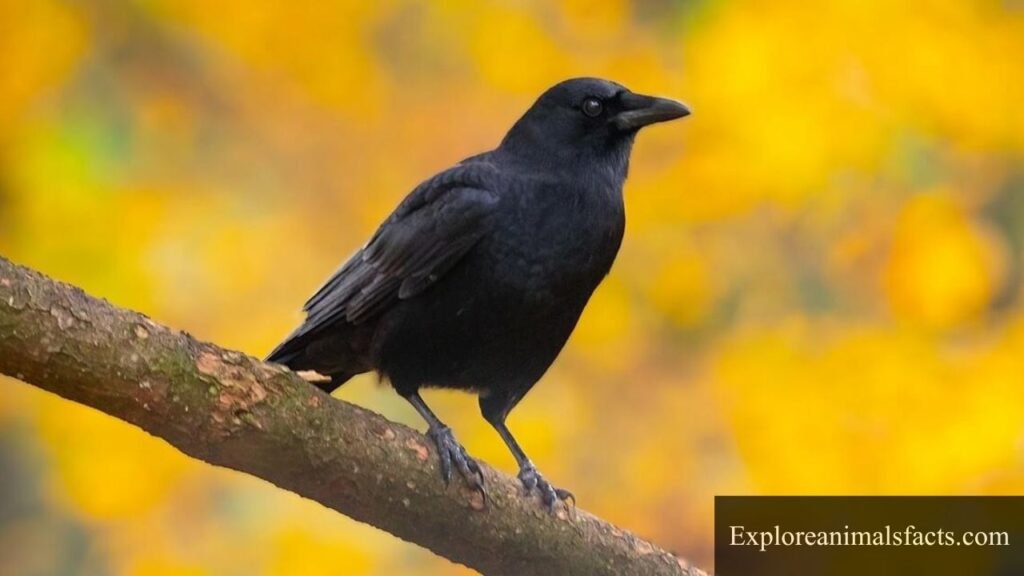
What’s particularly striking is their penchant for using tools, a skill traditionally associated with our close mammalian relatives. Crows have been documented bending wires into hooks and even dropping nuts on busy roads to crack them open — an ingenious way to blend problem-solving with a dash of comedy. Their playful antics extend beyond survival; they engage in aerial acrobatics and games of chase, often in pairs or larger groups, showcasing not just their intelligence but an innate understanding of the social fabric of their communities. Observing these feathered tricksters offers us a glimpse into a world where cleverness meets fun, challenging our perceptions of animal behavior and inviting us to see nature through a lens of curiosity and wonder.
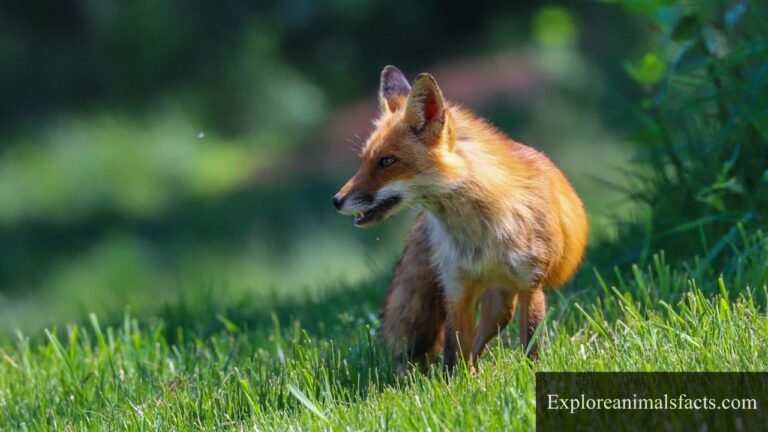
Fox
Scientific Name: Vulpes vulpes
Class: Mammalia
Diet: Omnivore
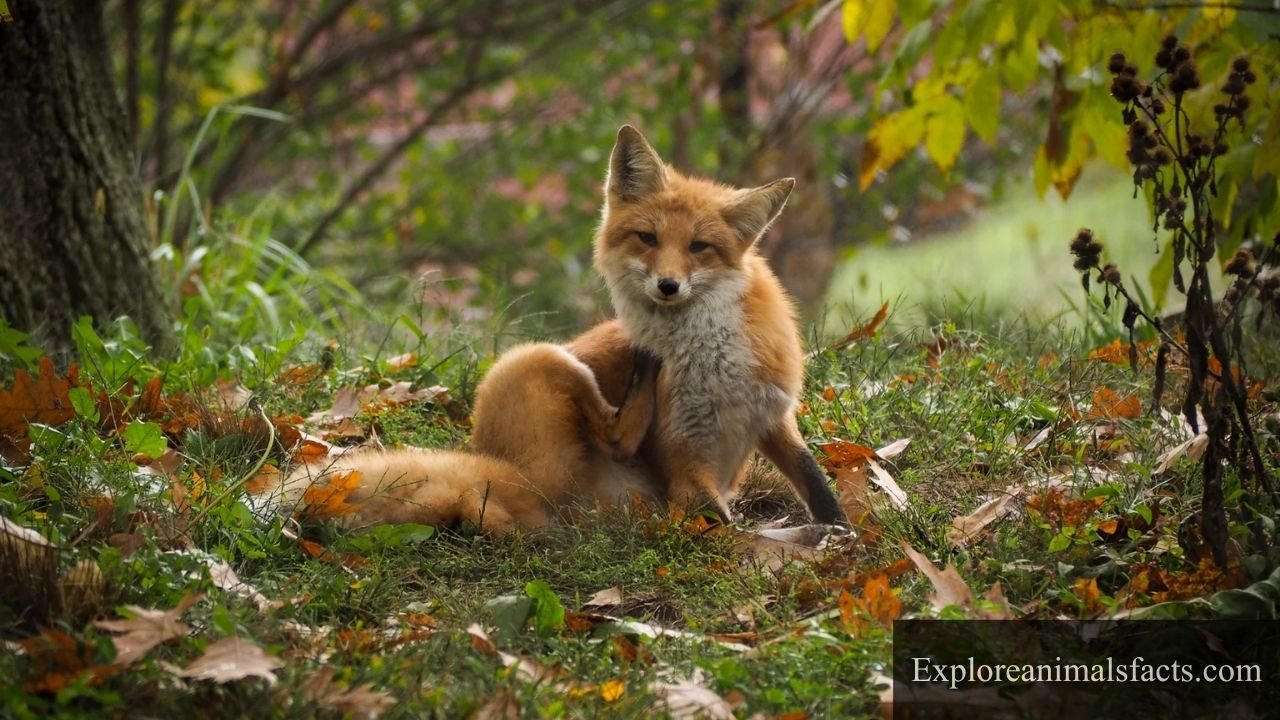
The fox has long held a reputation as the trickster of the animal kingdom. A master of stealth and cunning, it navigates the landscape with a charming blend of grace and mischief, embodying the spirit of playfulness in its behavior. Renowned for their adaptability, foxes have been known to outsmart predators and humans alike, using clever ruses such as feigning injury to lure threats away from their young. This cunning nature isn’t just a survival tactic; it serves as a reminder of the delicate balance between wisdom and folly.
Interestingly, foxes often engage in social play, especially among their kits. Observing a group of playful foxes romping about shows their clever use of misdirection, darting and dashing in frenzied patterns. This playful behavior teaches young foxes essential skills for hunting and evasion, fostering not only survival but also community bonds. In many cultures, the fox symbolizes intelligence and adaptability, reminding us that sometimes, a touch of mischief is what keeps life’s dance lively and unpredictable.
Dolphins
Scientific Name: Delphinidae
Class: Mammalia
Diet: Carnivore
Dolphins are not just intelligent creatures; they possess an undeniable sense of playfulness that often lands them in mischievous scenarios. These social mammals have been observed engaging in antics like surfing the waves created by boats or frolicking with seaweed, using the natural world as their playground. Their innate curiosity drives them to inspect underwater objects and human activities, leading to delightful surprises for divers and snorkelers alike. Imagine diving into a vibrant coral reef only to be greeted by a cheeky dolphin, playfully tugging on your fin!

What’s even more captivating is their social structure, where playful behavior acts as a bonding mechanism. Young dolphins, in particular, learn vital survival skills through play, whether it’s chasing each other or interacting with different creatures. Documented instances of dolphins stealing fish from fishermen’s lines showcase their cleverness and opportunistic nature. This blend of intellect and whimsical behavior not only solidifies their status as one of the ocean’s most beloved inhabitants but also challenges our understanding of the emotional and social complexities within the animal kingdom.
Cats
Scientific Name: Felis catus
Class: Mammalia
Diet: Carnivore
Cats possess an extraordinary blend of curiosity and mischief that often leads to humorous and sometimes chaotic scenarios. They view their homes as vast landscapes ripe for exploration, turning everyday objects into tantalizing toys. A shoelace becomes an elusive prey, and a simple cardboard box transforms into a hidden fortress. With stealthy grace, they launch surprise attacks on unsuspecting houseplants, treating them as their own private jungle.
But beyond their antics, there’s a deeper reasoning behind their mischievous behaviors. Cats, by nature, are instinctual hunters, and their playful tendencies stem from this ancestral trait. Engaging in playful sabotage not only satisfies their predator instincts but also helps them hone their reflexes. Observing a cat deftly perform acrobatics off the living room furniture may evoke laughter, yet it also reveals a sophisticated understanding of balance and agility — skills they would have relied on in the wild.
Squirrels
Scientific Name: Sciuridae
Class: Mammalia
Diet: Omnivore
Squirrels, with their twitching tails and beady eyes, embody a blend of mischief and intelligence that captivates both young and old alike. These agile critters display an uncanny knack for problem-solving — consider the dexterity with which they navigate bird feeders, often outsmarting the most elaborate of contraptions. Their playful antics reveal a secret life filled with exploration and curiosity, as they race across branches and dart through backyards, often engaging in a playful game of tag that can leave observers chuckling.
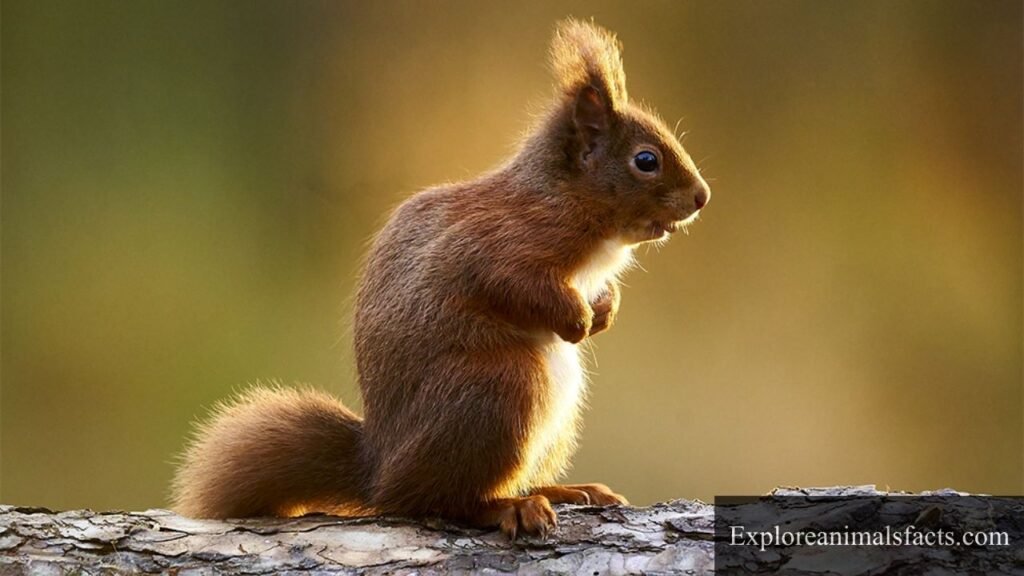
Moreover, the seemingly innocent habit of hoarding food gives these creatures a comical twist. As they bury acorns and seeds with great enthusiasm, it’s as if they’re hiding little treasures for an invisible future feast — only to forget some of their stashes, which inadvertently leads to the planting of new trees. This adds an unexpected layer to their mischief: they’re not just foraging; they’re inadvertently landscaping, showcasing nature’s delightful sense of humor. Whether they’re playfully scaring off larger wildlife or daringly stealing snacks from unwitting picnickers, squirrels remind us that a little mischief can be a charming aspect of nature’s intricate tapestry.
Pigs
Scientific Name: Sus scrofa domesticus
Class: Mammalia
Diet: Omnivore
Pigs have an undeniably cheeky charm that belies their reputation. These intelligent creatures possess a mischievous streak, showcasing remarkable problem-solving abilities that can lead to delightful antics on farms and in backyards. Imagine a group of piglets orchestrating a daring escape from their pen, working together like a mini-swat team. They nudge open gates and squeeze through just enough to plunge into the nearest mud puddle, relishing the freedom and the joyful mess that follows.
Their playful nature extends far beyond mere escapism. Pigs are known to engage in what can only be described as games — tugging at ropes, frolicking with balls, or even chasing each other around in bursts of delight. This playful behavior not only highlights their intelligence but also their social nature; they thrive in bonds with both humans and fellow animals. By observing pigs at play, we gain a rare insight into their complex emotional world, filled with curiosity and a zest for life. Ultimately, these mischievous manipulators remind us that sometimes dirt and chaos can lead to sheer joy and laughter.
Bears
Scientific Name: Ursidae
Class: Mammalia
Diet: Omnivore
Bears have a playful side that reveals their mischievous nature. These creatures are notorious for their clever antics, especially when it comes to finding food. Imagine a black bear deftly unzipping a cooler left unattended at a campsite or skillfully maneuvering through a bird feeder in search of a sweet treat. These acts aren’t simply out of hunger; they showcase their intelligence and problem-solving abilities, hinting at a personality that thrives on curiosity and mischief.
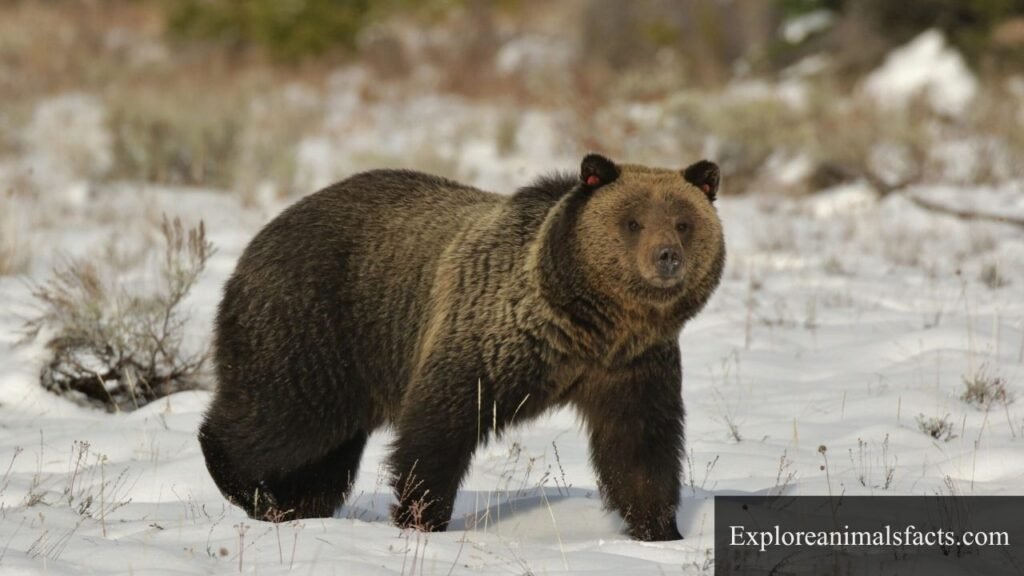
In addition to their food-finding exploits, bears engage in playful interactions that are often overlooked. Young bear cubs can be found tumbling and play-fighting, honing their skills while entertaining onlookers. Rarely does one consider that these impromptu play sessions serve not only as a rite of passage but also as a vital education in survival. Moreover, older bears often exhibit social behaviors, sharing playtime in a manner reminiscent of childhood games among humans. This communal play acts as a bonding experience, reminding us that even the largest and seemingly fiercest animals have a light-hearted side.
Ravens
Scientific Name: Corvus corax
Class: Aves
Diet: Omnivore
Ravens, often regarded as symbols of mystery and intelligence, have a playful side that’s just as fascinating. These crafty birds engage in behaviors that showcase their mischievous nature; they are known to play tricks on both humans and fellow animals. For example, while scavenging for food, a raven might drop a shiny object to draw attention, only to swoop in and steal a nearby snack when the unsuspecting passerby is distracted. This clever tactic demonstrates not just cunning but a level of problem-solving ability that rivals some primates.
Their social dynamics are equally intriguing. Ravens are often seen participating in what can only be described as aerial acrobatics, performing flips and dives in the sky as if enacting a playful dance. These raucous displays aren’t just for fun; they also serve as a way to bond with their peers and establish dominance within their social hierarchy. Such behaviors hint at a rich emotional life, suggesting that these birds are not merely driven by survival but by a desire for social interaction and play, further complicating our understanding of animal intelligence and cognition.
Parrot
Scientific Name: Psittaciformes
Class: Aves
Diet: Herbivore
Parrots display intelligence and an uncanny knack for mischief that rivals even the most playful children. Their vibrant personalities come alive in the way they mimic sounds and phrases, often surprising their owners with perfectly timed comedic performances. Imagine a scenario where a parrot overhears a quirky expression and, days later, uses it to punctuate a moment of chaos — like when the dog knocks over the trash can. This mastery of mimicry not only entertains but also serves as a testament to their keen observational skills.
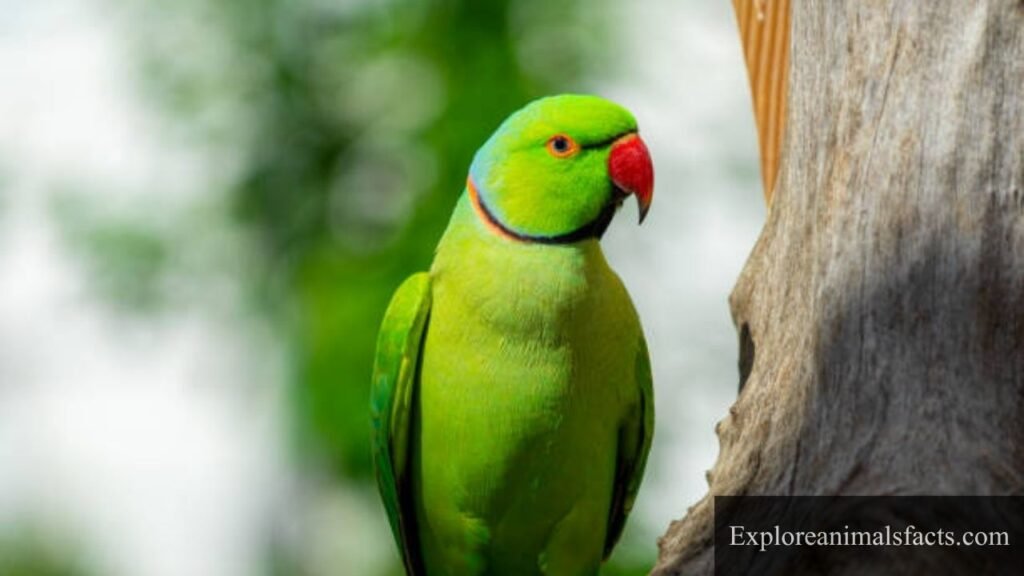
Moreover, their natural curiosity often leads them to engage in clever antics that can both amuse and frustrate their human companions. Whether it’s untying shoelaces, pilfering shiny objects, or expertly opening cage locks, parrots are adept at turning mundane moments into a source of endless entertainment. Their mischievous behavior can be a reminder of the value of playfulness in our own lives, encouraging us to embrace the unexpected and find joy in spontaneity. Each clever act is a window into their vibrant personalities, making every interaction a delightful adventure.
Readmore: Explore Top 16 Animals With Long Horns.
Final Thoughts
The world of mischievous animals is filled with laughter and wonder, showcasing the unique personalities that animals possess. Their playful escapades not only entertain us but also offer valuable lessons about adaptability and creativity in nature. Whether it’s the stealthy squirrel stealing birdseed or the exuberant kitten causing chaos, these moments remind us of life’s spontaneity. Embracing their spirited nature can enrich our understanding of biodiversity and encourage conservation efforts. Let us appreciate the joy these mischievous beings bring and protect their natural habitats for future generations!
FAQs
Which is the most mischievous animal in the world?
The title of the most mischievous animal likely goes to the raccoon. These clever creatures are notorious for their curious nature and ability to get into just about anything. Whether it’s raiding trash cans or figuring out locks, raccoons have a reputation for being little troublemakers, often leaving chaos in their wake.
What animals are known for trickery?
Several animals are renowned for their trickster behavior, with the African Grey Parrot and the Coyote often topping the list. The African Grey, known for its remarkable intelligence and vocal skills, can easily mimic human speech and behaviors, often using its talents to outsmart its owners or other animals. This cleverness allows them to navigate their environments in surprising ways. Coyotes, on the other hand, are famous for their cunning and adaptability. They often use pack strategies to lure prey or navigate complex terrains. Their ability to outthink both competitors and threats makes them emblematic of the trickster archetype in nature.