Top 16 Animals With Long Horns (With Images)
In the world of animals with long horns, size isn’t just a physical trait but often plays a crucial role in survival, attracting mates, or establishing dominance. This article dives into the fascinating lives of these incredible creatures, highlighting their unique adaptations and the ecological importance they hold. By exploring the diverse species that boast impressive horn lengths, readers will gain insight into how these characteristics influence their behavior and environment.
List of Animals With Long Horns
Here is the list of animals with long horns:
- Sable Antelope
- African Buffalo
- Springbok
- Wild Yak
- Markhor
- Alpine Ibex
- Scimitar Oryx
- Asian Water Buffalo
- Giant Eland
- Gazelle
- Texas Longhorn
- White Rhinoceros
- Greater Kudu
- Bighorn Sheep
- Pronghorn
- Ankole-Watusi
Sable Antelope
Scientific Name: Hippotragus niger
Class: Mammalia
Diet: Herbivore
The Sable Antelope, with its striking long horns and majestic presence, captures attention wherever it roams. Males can boast horns that spiral to lengths of up to 39 inches, creating an impressive silhouette against the African savannah. These horns aren’t just for show; they play a critical role in male-to-male combat during breeding seasons, where strength and skill are put to the test.
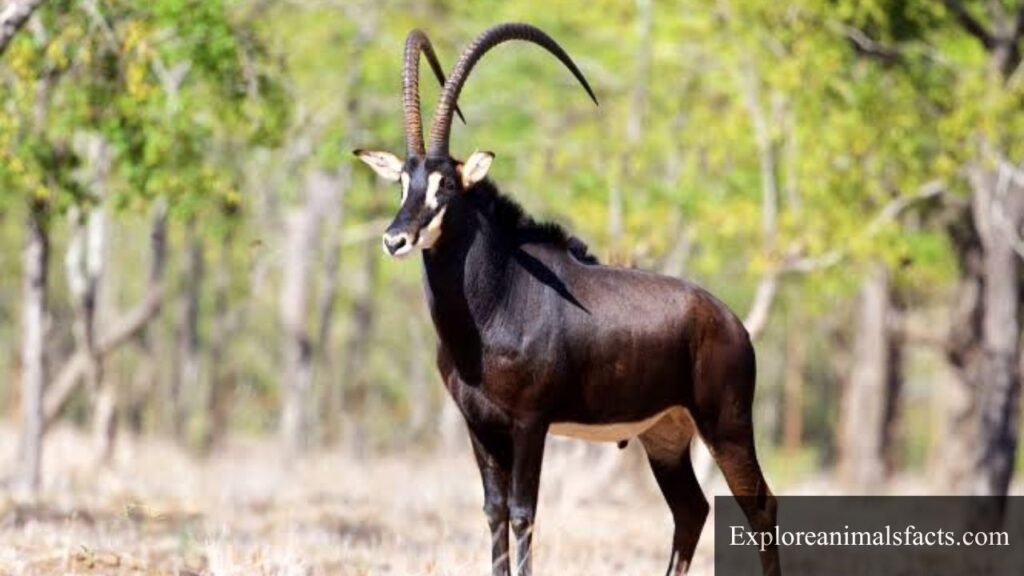
Beyond their combat prowess, Sable Antelopes are indicators of a thriving ecosystem. Their grazing habits encourage a healthy balance in grasslands, while their presence attracts a host of other wildlife. Interestingly, these antelopes exhibit a fascinating social structure, often found in herds led by dominant males, showcasing both a hierarchy and strong social bonds. As their numbers dwindle due to habitat loss and hunting, understanding their ecological role becomes ever more vital, reminding us of the intricate connections within nature.
African Buffalo
Scientific Name: Syncerus caffer
Class: Mammalia
Diet: Herbivore
African buffaloes are iconic for their impressive, curved horns that can span up to 3 feet across. These robust horns, a striking feature of the species, serve multiple purposes. Not only are they a tool for defense against predators, but they also play a role in social dynamics within herds. The size and shape of a buffalo’s horns can indicate age and health, making them a focal point in the complex hierarchy of their communities.
Male buffaloes often engage in ritualized displays of strength by sparring with each other, using their horns to establish dominance. This behavior not only aids in social structuring but also helps younger bulls hone their skills in a non-lethal way. In the wild, these magnificent creatures are more than just survivors; they are emblematic of resilience, often traveling long distances for water and grazing, showcasing their adaptability in diverse African landscapes. These horned giants symbolize the wild’s raw beauty and the intricate relationships that exist within it.
Springbok
Scientific Name: Antidorcas marsupialis
Class: Mammalia
Diet: Herbivore
The springbok, a graceful antelope native to southern Africa, possesses both remarkable speed and strikingly elegant long horns that curl backward in a dramatic fashion. These horns, which can reach up to 24 inches in males, serve multiple purposes. Beyond their stunning appearance, they are essential tools in the male springbok’s dueling rituals, where they showcase both strength and agility to compete for mates. This dance of dominance is not just a battle of brute force; it’s a finely tuned display of athleticism that captivates onlookers.
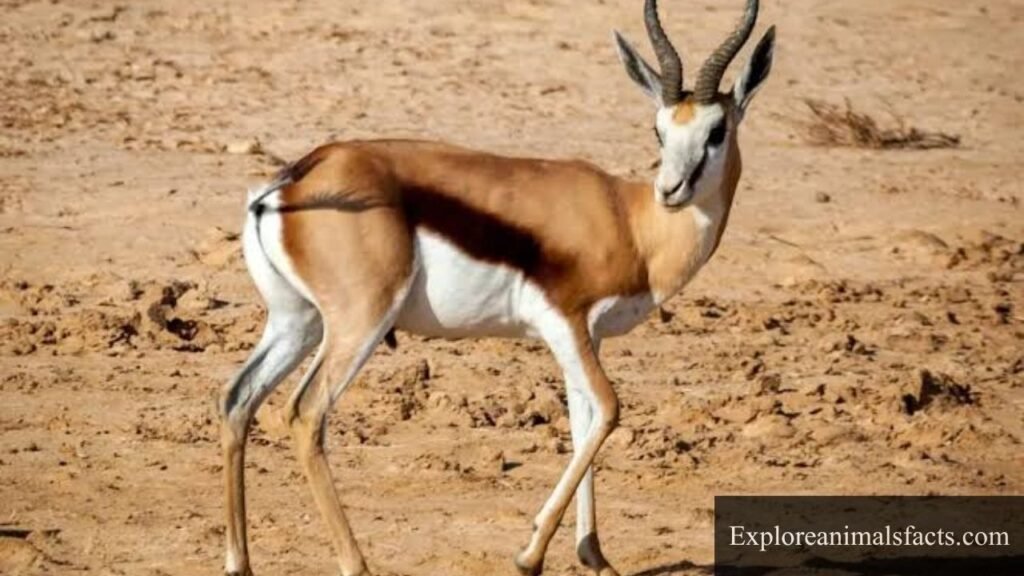
The springbok is a master of survival, utilizing its horns for protection against predators and as a means to navigate the harsh terrain of the Kalahari Desert. Their remarkable agility allows them to evade capture with impressive leaps, often reaching heights of up to 10 feet. This unique combination of speed and horn functionality creates a fascinating dynamic, showcasing nature’s intricate balance of beauty and utility. Observing these creatures in their natural habitat provides a glimpse into how nature adapts through form and function, reminding us of the interconnectedness of all living beings.
Wild Yak
Scientific Name: Bos mutus
Class: Mammalia
Diet: Herbivore
The wild yak, a majestic creature native to the high Himalayas, boasts long, curved horns that can span up to two meters. These impressive appendages are not just for show; they play a vital role in the yak’s survival. In the harsh mountain terrain, they serve as powerful tools for warding off predators and establishing dominance within herds. Imagine a male yak, standing tall against a snow-dusted backdrop, its horns glistening in the sun, a true testament to its rugged existence.
Wild yaks are also remarkable for their social structure. Living in small herds, they depend on close familial ties, showcasing a surprising level of emotional intelligence. When one member is threatened or injured, the group rallies together, making decisions that reflect a genuine bond. This vibrant social fabric adds a layer of depth to their existence, challenging the notion that survival in the wild is merely about physical strength. In their harsh, high-altitude habitat, wild yaks embody resilience and community, offering a compelling glimpse into the interconnectedness of life on the rugged rooftops of the world.
Markhor
Scientific Name: Capra falconeri
Class: Mammalia
Diet: Herbivore
The Markhor, a wild goat native to the mountainous regions of Central Asia, boasts impressive spiral horns that can reach up to 5 feet in length. These majestic appendages aren’t just for show; they’re vital for both mating displays and combat among males. During the rutting season, the clash of horns creates a dramatic spectacle, as these creatures assert their dominance and compete for mates.
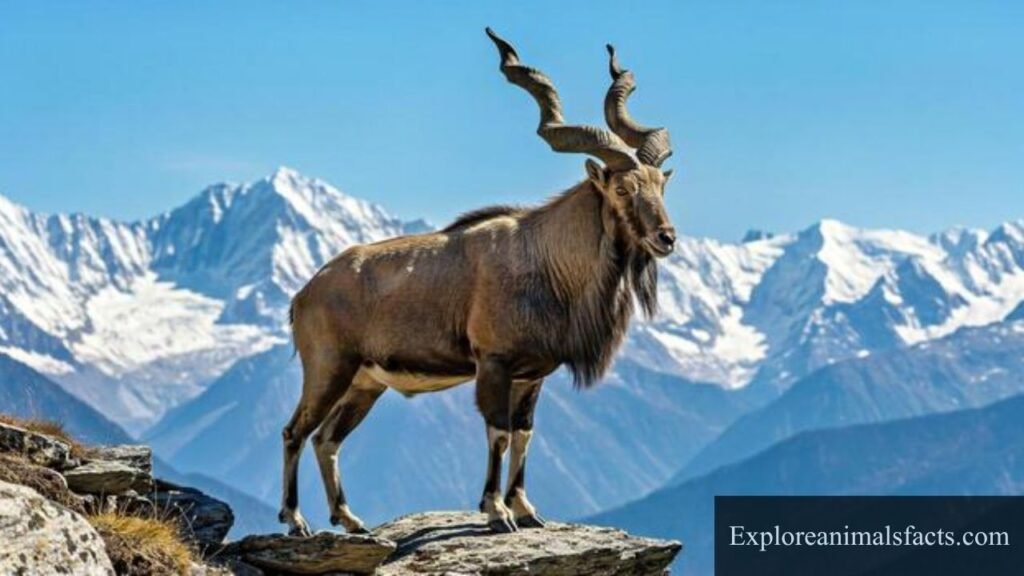
Beyond their remarkable horns, Markhors are fascinating for their adaptability. They thrive in rugged terrains, often navigating steep cliffs and rocky outcrops with astonishing agility. This ability not only helps them escape predators but also allows them to access unique grazing opportunities that many other herbivores can’t. Surprisingly, their diet is diverse, including everything from grass to the leaves of hardy shrubs, showcasing their resilience in harsh environments.
Alpine Ibex
Scientific Name: Capra ibex
Class: Mammalia
Diet: Herbivore
The Alpine ibex, with its majestic, sweeping horns that can reach up to 3 feet in length, captures the essence of rugged mountain life. These horns are not merely for show; they serve as powerful tools in battles for dominance during mating season, a spectacle that highlights the raw, untamed spirit of these animals. As they gracefully navigate the steep, rocky terrain of the Alps, their remarkable horns assist in maintaining balance and stability, showcasing nature’s ingenious design.
Ibex’s also possess the ability to adapt to extreme environments. With a thick coat that insulates against frigid winters and a unique diet of tough alpine grasses, these goats symbolize resilience. Their social structure is equally intriguing; these animals often form tight-knit groups, collaborating to navigate the harsh peaks, reflecting a level of social intelligence that’s both relatable and inspiring. In observing the Alpine ibex, we’re reminded of the delicate balance between beauty and survival in the animal kingdom.
Scimitar Oryx
Scientific Name: Oryx dammah
Class: Mammalia
Diet: Herbivore
The Scimitar Oryx, adorned with long, gracefully curved horns, is a true marvel of the desert landscape. These striking horns can reach lengths of up to 3 feet, sweeping backward like elegant scimitars that aren’t just for show. They serve multiple purposes, from deterring predators to establishing dominance within social hierarchies. Their unique shape minimizes wind resistance, aiding the oryx in their arid habitats where survival hinges on efficiency.
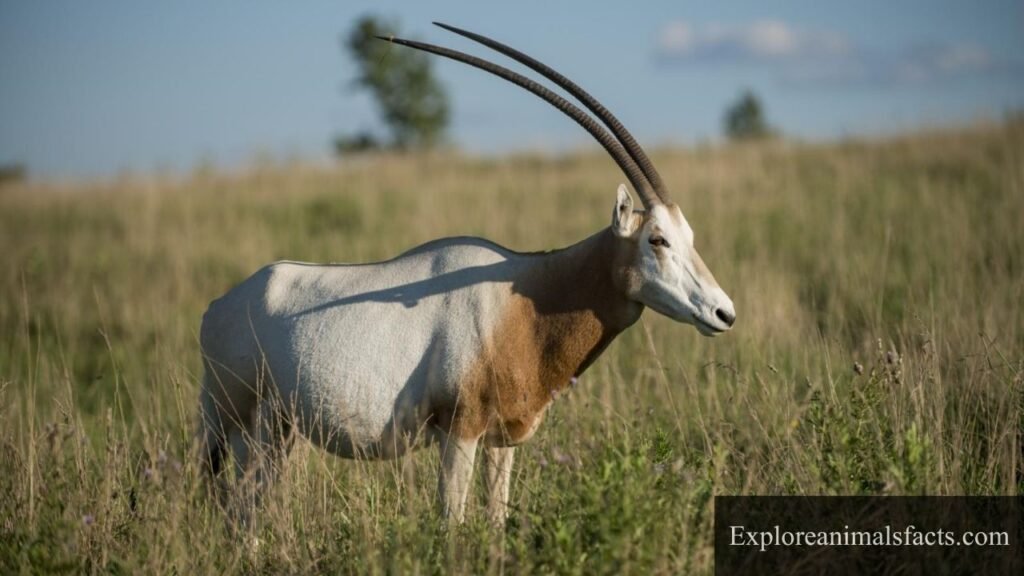
Beyond their physical attributes, Scimitar Oryx are remarkable for their adaptability. Once roaming the vast grasslands of North Africa, they became extinct in the wild by the 1980s, yet innovative breeding programs have brought them back from the brink. This resilience highlights a powerful narrative of conservation, prompting us to reflect on the delicate interplay between nature and human intervention. In observing these magnificent creatures, one can’t help but appreciate how their long horns symbolize both beauty and survival in a world that often threatens their existence.
Asian Water Buffalo
Scientific Name: Bubalus bubalis
Class: Mammalia
Diet: Herbivore
The Asian Water Buffalo, with its impressive set of long, curved horns, is a master of adaptability. Found in wetlands and rice paddies across Asia, these gentle giants have evolved to thrive in both wild and domesticated environments. Their horns, which can span nearly six feet, are not only striking but functional; they serve as tools for foraging and defense against predators.
These animals have played a crucial role in the agricultural landscape of many Asian cultures. Farmers rely on them for plowing fields and transporting goods, creating a symbiotic relationship that enhances both agriculture and local economies. Beyond their utility, water buffaloes also exhibit a fascinating social structure, often forming tight-knit family groups. This community aspect enriches their existence, highlighting that these animals are more than just livestock; they are vital cultural icons woven into the fabric of rural life.
Giant Eland
Scientific Name: Taurotragus derbianus
Class: Mammalia
Diet: Herbivore
The Giant Eland, Africa’s largest antelope, boasts impressive spiraled horns that can reach lengths of up to 39 inches. These majestic features aren’t just for show; they play a crucial role in their social interactions and mating displays. Males engage in ritualized combat, clashing their massive horns in a dramatic spectacle that showcases strength and dominance. This behavior not only determines hierarchy but also highlights the evolutionary advantages of their remarkable antlers.
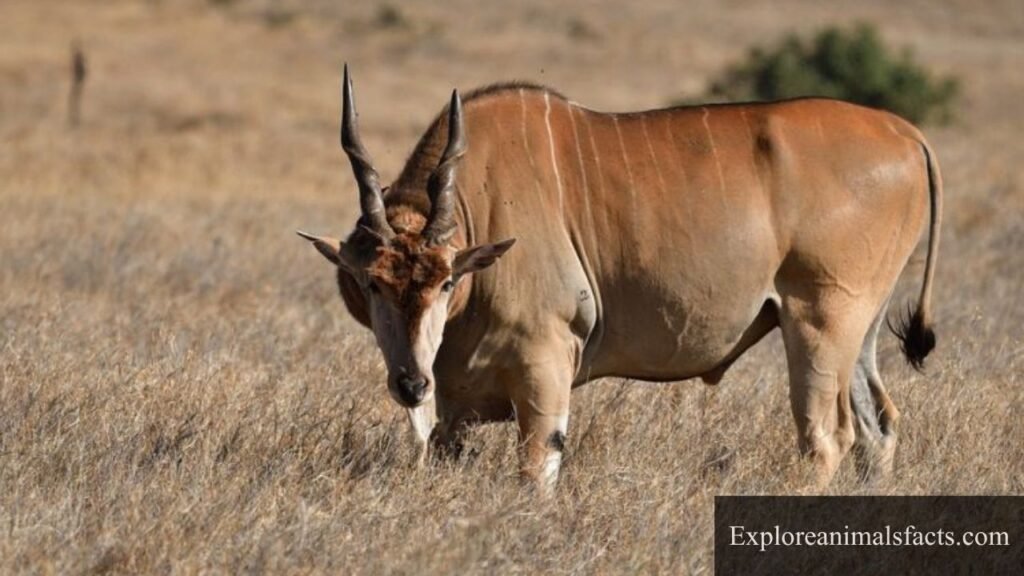
The Giant Eland’s horns are spiraled in a way that helps them navigate dense brush and avoid predators. The unique structure allows them to push through thickets with agility, showcasing a fascinating adaptation to their challenging environments. Interestingly, their physical prowess doesn’t deter poachers, posing a significant conservation challenge. Efforts to protect their habitats not only conserve the Giant Eland but also safeguard the intricate balance of the ecosystems they inhabit. Understanding these magnificent creatures deepens our appreciation for the biodiversity that shapes our planet.
Gazelle
Scientific Name: Gazella
Class: Mammalia
Diet: Herbivore
The gazelle captivates with its long, slender horns that arch elegantly backward. These horns, growing to impressive lengths, are not merely decorative; they serve as crucial tools for survival. Male gazelles utilize them during territorial disputes and mating displays, showcasing their strength and fitness to potential mates. The sight of a male charging with horns held aloft is both intimidating and breathtaking.
It’s not just the physical attributes that make gazelles remarkable. Their keen senses, particularly their extraordinary vision, allow them to spot predators from a distance, giving them a chance to escape. These creatures have evolved a unique social structure, often forming herds that provide safety in numbers. This dynamic helps them thrive in the arid and rugged landscapes they call home, making every leap and bound an intricate dance of survival. The gazelle’s long horns, thus, symbolize more than just beauty; they are a testament to the intricate balance of nature in a world filled with threats.
Texas Longhorn
Scientific Name: Bos taurus
Class: Mammalia
Diet: Herbivore
Texas Longhorns are famous for their impressive horns that can span up to seven feet. These magnificent creatures aren’t just symbols of Texas; they embody resilience and adaptability. Originating from a blend of Spanish and English cattle in the 16th century, Longhorns survived in harsh ranching conditions, proving their hardiness and unique genetic traits.
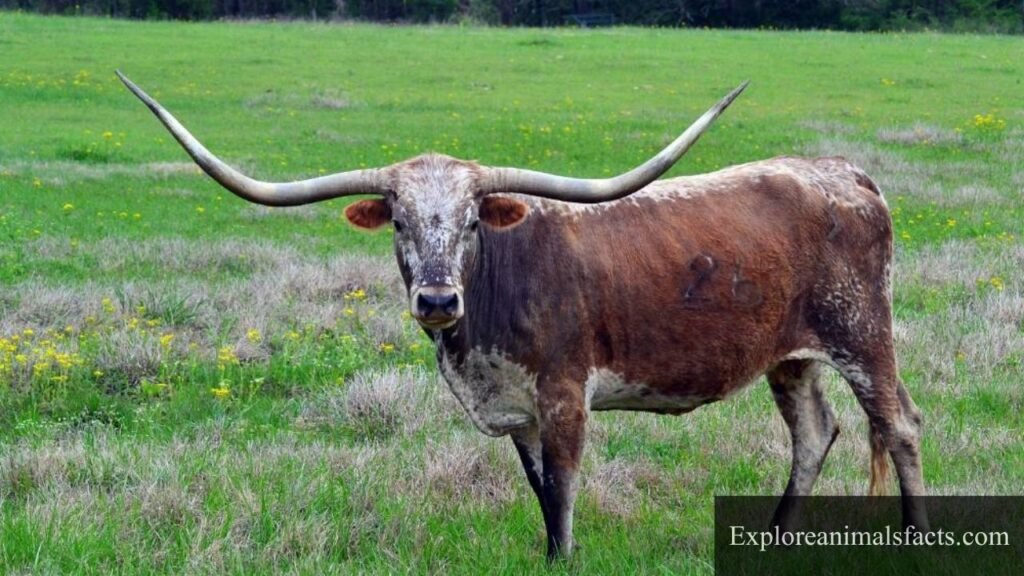
Their horns serve more than just a dramatic aesthetic; they act as tools for survival, providing shade and cooling in the hot Texan sun and helping to establish social hierarchies within herds. In recent years, the Texas Longhorn has become a ranching and cultural icon, celebrated not only for their beauty and strength but also for their remarkable historical significance. Many ranchers cultivate them not just for tradition but for their lean meat and their ability to thrive on minimal resources, emphasizing the spirit of sustainability. It’s fascinating to see how these resilient animals continue to hold a place of pride in modern ranching culture, bridging the gap between past and present.
White Rhinoceros
Scientific Name: Ceratotherium simum
Class: Mammalia
Diet: Herbivore
The white rhinoceros, often dubbed the “square-lipped” rhino due to its unique mouth structure, boasts one of the largest horns in the animal kingdom. These impressive horns, made of keratin — the same material as human nails — can grow up to five feet long. Unlike many animals with horns, rhinos primarily use theirs for defense and foraging rather than combat. Their thick, muscular bodies are formidable, but it’s the horn that often draws poachers and conservationists alike into a complex battle over survival.
The white rhino’s social structure adds another layer to its horn’s significance. These creatures often roam in groups, making their long horns not just tools of survival but symbols of social dominance. When males spar, they clash horns in displays that can be both magnificent and brutal, underscoring the balance between aggression and community. As conservation efforts continue, understanding the ecological and social intricacies of the white rhino can foster deeper appreciation for these majestic creatures, reminding us that their existence is as crucial as the bulging horn they carry.
Greater Kudu
Scientific Name: Tragelaphus strepsiceros
Class: Mammalia
Diet: Herbivore
The Greater Kudu, a majestic antelope native to the woodlands of eastern and southern Africa, stands out not just for its striking appearance but also for its impressive spiral horns. These horns can reach lengths of over 6 feet, making them some of the longest among antelope species. Their twisted shape isn’t just for show; it plays a crucial role in battles between males, intertwining in a display of strength and dominance during the mating season.
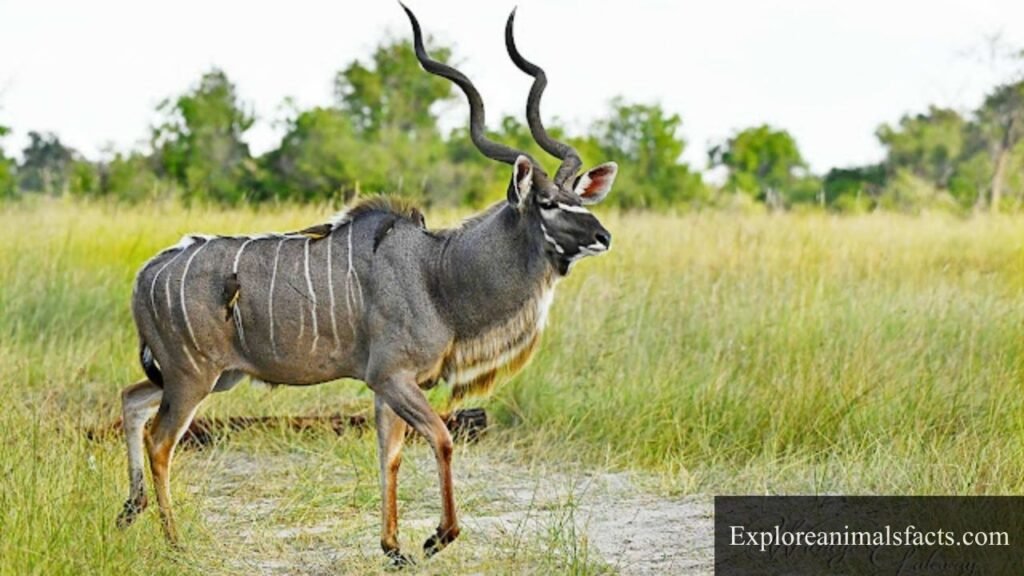
But it’s not just their size that captivates. The Greater Kudu’s muted grayish-brown coat features stunning white vertical stripes, perfect for camouflage in the dappled light of their forest habitat. This adaptation not only keeps them hidden from predators like lions and hyenas but also highlights their superb sense of awareness. Observing a Kudu gracefully navigate through its environment offers a glimpse into the delicate balance of Africa’s ecosystems, where every feature serves a purpose, from defense to attraction.
Bighorn Sheep
Scientific Name: Ovis canadensis
Class: Mammalia
Diet: Herbivore
Bighorn sheep, celebrated for their impressive horns, are a striking embodiment of the rugged landscapes they inhabit. These magnificent creatures can grow horns that spiral dramatically, sometimes reaching lengths of over 30 inches. What’s particularly fascinating is the way these horns, made of keratin — similar to human nails — continue to grow throughout the sheep’s life, giving an insight into their age and health. This unique feature not only serves as a display of dominance during mating season but also plays a pivotal role in their survival strategies against predators.
Moreover, bighorn sheep are adept climbers, navigating steep, rocky terrains with astounding agility. Their horns are not just ornamental; they are crucial for self-defense and establishing hierarchy within their social structure. Interestingly, the social dynamics among females can be surprisingly egalitarian compared to the competitive nature among males. Observing these animals in the wild reveals a complex interplay of strength, grace, and social order, reminding us of the intricate balances within ecosystems. Each bighorn sheep, with its grand horns, carries a story deeply intertwined with the wilderness, embodying both beauty and toughness in the face of nature’s challenges.
Pronghorn
Scientific Name: Antilocapra americana
Class: Mammalia
Diet: Herbivore
The pronghorn, often mistaken for an antelope, is a unique marvel of the North American plains. Unlike true antelopes, pronghorns boast distinctive, branched horns that can grow up to 12 inches long, often resembling a unique crown of nature’s artistry. These remarkable structures are not just for show; they serve as vital tools for males during mating displays and confrontations with rivals. The horn’s unique ability to shed and regrow annually sets the pronghorn apart, a fascinating adaptation that speaks volumes of its resilience in harsh environments.
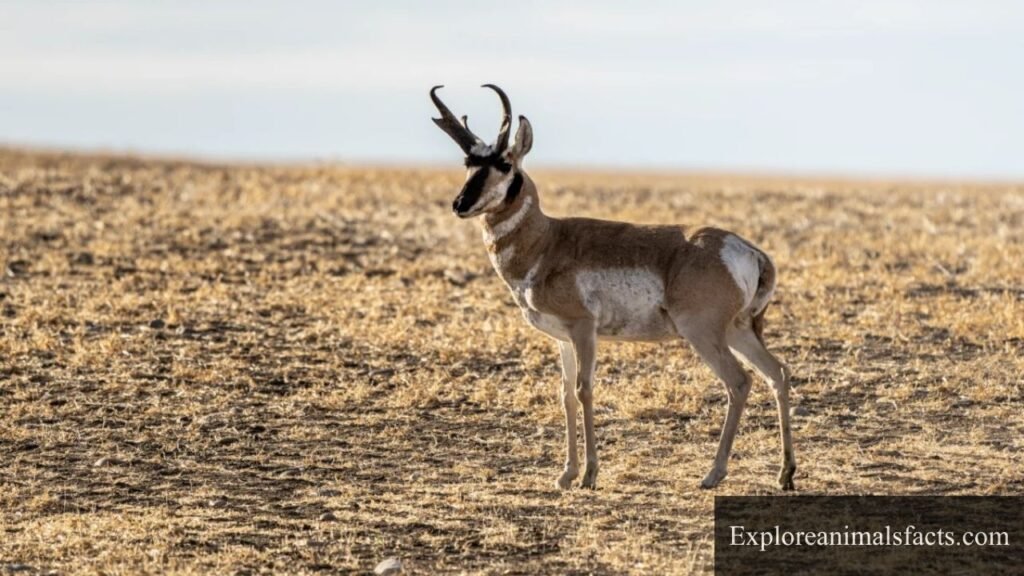
As the second-fastest animal in the world — capable of reaching speeds up to 60 miles per hour — pronghorns rely on their agility not only to escape predators but also to navigate their vast grassland habitat. This impressive speed is matched by their incredible endurance, allowing them to sustain high speeds over long distances. Beyond their athletic prowess, pronghorns play a crucial role in their ecosystem, grazing on grasses and shrubs while cheerfully participating in the intricate web of life on the prairie. Witnessing a herd galloping across the open fields under a wide sky is an awe-inspiring reminder of the beauty and adaptability of wildlife.
Ankole-Watusi
Scientific Name: Bos taurus watusi
Class: Mammalia
Diet: Herbivore
The Ankole-Watusi, a striking breed native to East Africa, boasts some of the longest horns in the animal kingdom, with spans that can exceed eight feet. These impressive appendages are not just for show; they play a crucial role in thermoregulation. The horns act like a natural air conditioning system, helping the cattle dissipate heat in the sweltering African sun.
Beyond their striking appearance, these cattle are social animals, often seen grazing in peaceful herds. The bond they form with their caretakers is profound; these relationships are steeped in tradition and mutual respect. As the world pays more attention to sustainable farming and biodiversity, the Ankole-Watusi stands out as a symbol of resilience and harmony with the environment. Their ability to flourish on minimal resources opens the door to innovative approaches in livestock management that could benefit future generations.
Readmore: Explore Top 21 Animals With Sharp Claws.
Final Thoughts
Animals with long horns are not only striking in appearance but also play crucial roles in their ecosystems. These majestic creatures, from the graceful antelope to the powerful buffalo, have adapted their long horns for various purposes, including defense, mating rituals, and even foraging. By understanding their significance in nature, we can appreciate the intricate balance of wildlife and the importance of conserving their habitats. It’s essential to raise awareness about the threats these animals face due to habitat loss and poaching. Let us commit to protecting these remarkable species for future generations to admire and learn from.
FAQs
What animal has the biggest horns in the world?
The Ankole-Watusi cattle hold the title for having the biggest horns in the world. Originating from Africa, these impressive creatures can have horns that measure up to 8 feet in length! Their unique horns aren’t just for show; they help regulate body temperature and are a crucial part of their evolution.
What animal has long curled horns?
One animal known for its long, curled horns is the ram, particularly the species like the Dall sheep or the Barbary sheep. These impressive horns can spiral multiple times and are used in battles between males during mating season. The size and curl of the horns can indicate dominance and health. Another example is the ibex, which has long, curved horns that can reach impressive lengths. These animals are often found in mountainous regions and use their horns for both defense and establishing territory.
What animal has long straight horns?
One animal known for its long, straight horns is the Scimitar-Horned Oryx. Originally from North Africa, these animals have striking, long, and slender horns that can reach lengths of up to 3 feet. Their horns curve gracefully backward, making them visually impressive and quite distinct.