Top 15 Weakest Animals in The World (With Pictures)
In this article, we’ll dive into the world of the weakest animals on the planet, exploring how their fragility impacts their survival and ecosystems. By understanding these creatures, we can gain insight into the delicate balance of nature and the importance of preserving even the most seemingly vulnerable species. Join us as we uncover what makes these animals extraordinary despite their lack of physical might.
List of Weakest Animals in The World:
Here is the list of weakest animals:
- Snails
- Sloths
- Sea Cucumber
- Opossums
- Star-nosed Moles
- Domesticated Chickens
- Starfish
- Rabbit
- Tarsiers
- Goats
- Earthworm
- Hedgehogs
- Frog
- Koalas
- Jellyfish
Snails
Scientific Name: Cornu aspersum
Class: Gastropoda
Diet: Herbivore / Detritivore
Snails, often overlooked in the animal kingdom, exemplify nature’s resilience despite their physical fragility. Encased in a spiraled shell that offers minimal protection, these slow-moving mollusks rely on their unique adaptations for survival. Their ability to retract into their shells when threatened is a fascinating survival tactic, but this retreat also underscores their vulnerability in an often hostile environment.
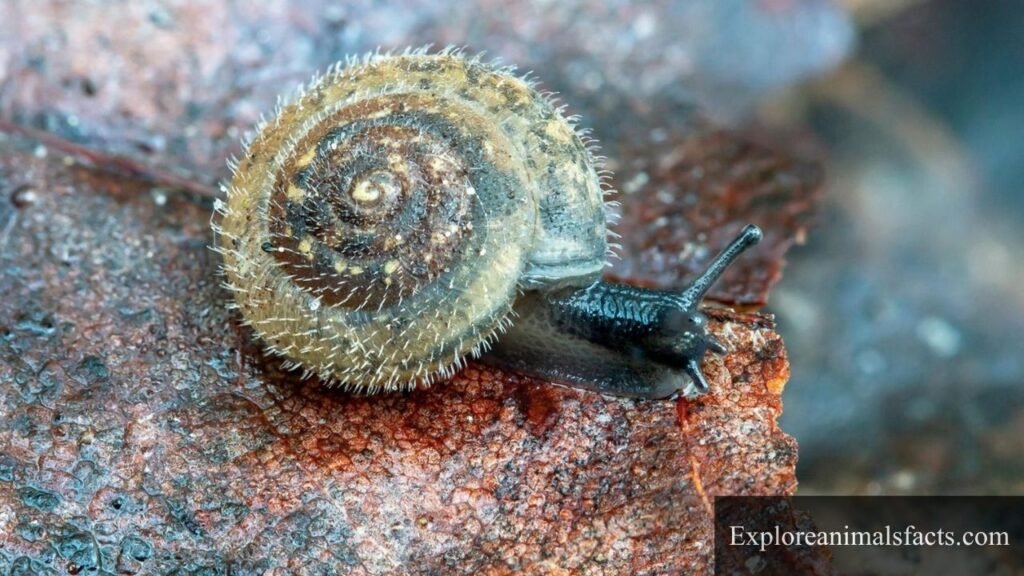
Their perceived weakness belies a remarkable set of ecological roles. Snails are vital decomposers, breaking down organic materials and enriching the soil, which supports broader ecosystems. They’re not just passive creatures; their interactions with flora and fauna create intricate webs of life, showcasing their integral part in food chains. Observing snails invites us to appreciate the quiet but essential contributions of seemingly weaker species, reminding us that strength comes in many forms — often hidden beneath layers of slime and shell.
Sloths
Scientific Name: Choloepus didactylus
Class: Mammalia
Diet: Herbivore
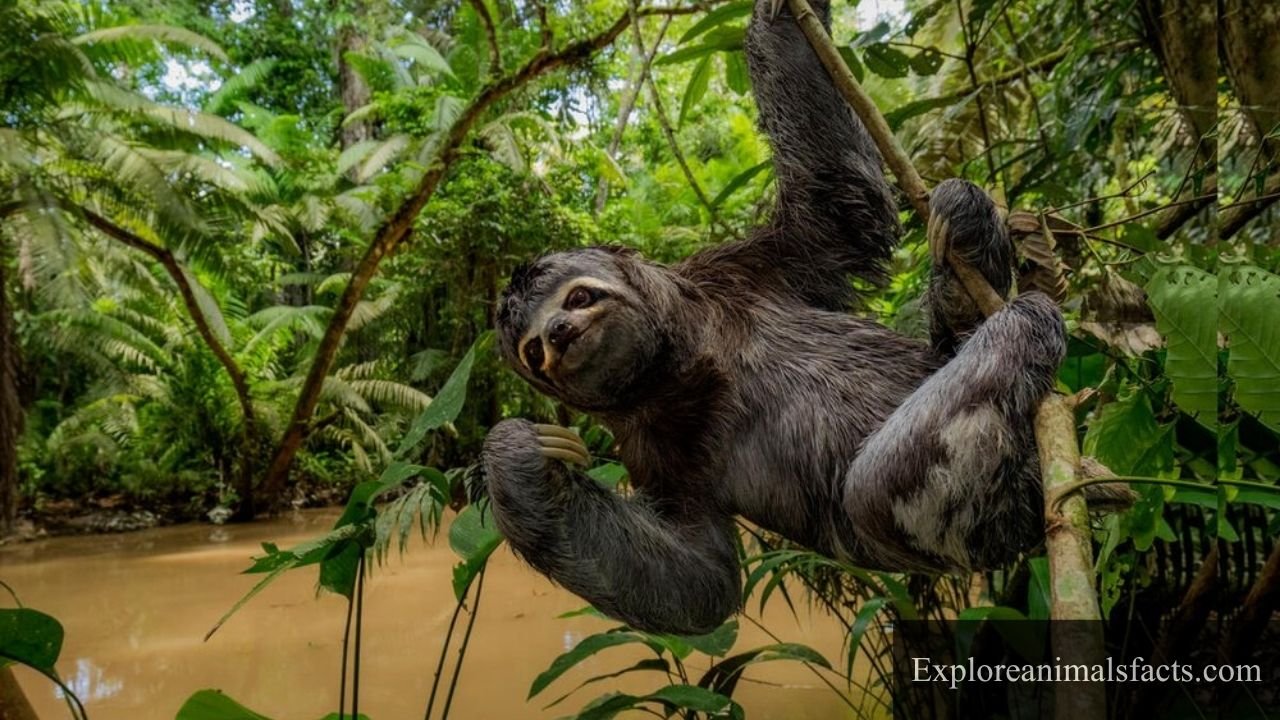
Sloths offer a surprising depth of insight into the advantages of a slow lifestyle. With their slow metabolism and deliberate movements, these creatures thrive in the canopies of Central and South America, turning the concept of weakness on its head. Unlike most mammals, sloths only descend from their lofty perches about once a week to relieve themselves, showcasing an evolutionary strategy that capitalizes on energy conservation and camouflage. Their algae-laden fur, which doubles as a mini-ecosystem, not only provides camouflage but also serves as a unique symbiotic relationship, illustrating how seeming frailty can be a form of strength in disguise.
The sloth’s weakness extends beyond physical prowess; their leisurely pace allows them to be observant, which is crucial in evading predators. By blending seamlessly with their environment, they exemplify a survival tactic that challenges the dominance of speed in the animal world. In a fast-paced environment dominated by haste, sloths remind us that sometimes, slowing down can be a strength, allowing for a more thoughtful and deliberate approach to life — one that values patience and resilience over sheer power.
Sea Cucumber
Scientific Name: Holothuria atra
Class: Holothuroidea
Diet: Detritivore
The sea cucumber, often overlooked in the vast underwater world, embodies an incredible survival strategy despite its apparent frailty. This marine echinoderm has evolved to thrive in the ocean’s depths, where it exhibits remarkable resilience. Rather than a fierce defensive mechanism, the sea cucumber relies on its ability to expel its internal organs to distract predators — a surprising tactic that leaves it vulnerable yet oddly efficient in survival. Once the threat has passed, it regenerates those lost organs, showcasing nature’s incredible capacity for renewal.
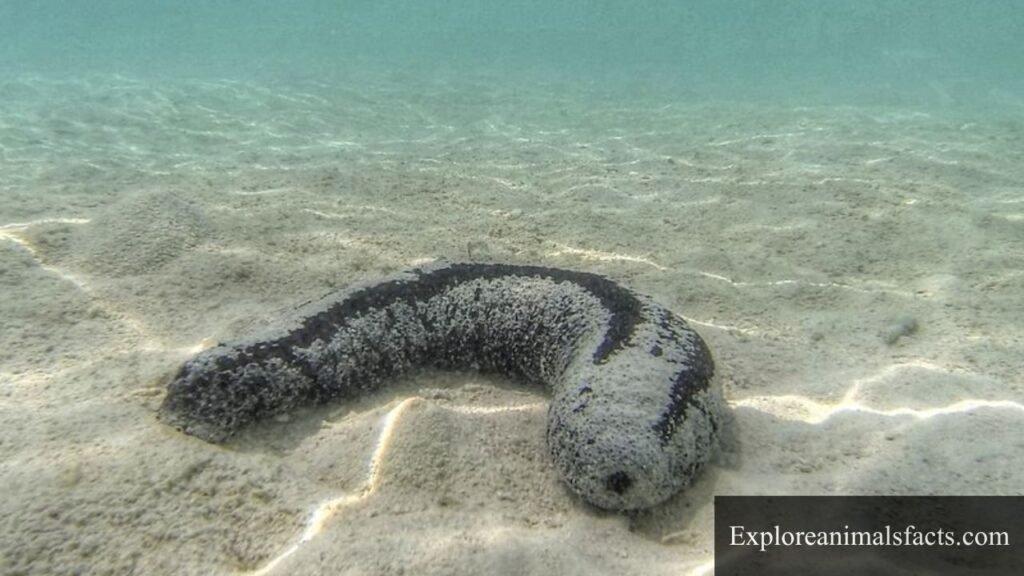
Beyond its defensive adaptations, the sea cucumber plays a vital role in its ecosystem. As a detritivore, it feeds on decaying organic matter on the ocean floor, recycling nutrients vital for the health of marine environments. This unassuming creature acts as nature’s clean-up crew, promoting biodiversity while often remaining unseen. Its soft body and gentle existence remind us that strength can manifest in unexpected forms, challenging our perceptions of what it means to be resilient in the face of adversity.
Opossums
Scientific Name: Didelphis virginiana
Class: Mammalia
Diet: Omnivore
Opossums embody a unique blend of vulnerability and resilience. While their relatively small size and delicate structure may make them seem weak compared to many mammals, their survival strategies are anything but feeble. These marsupials possess an astonishing ability to “play dead,” a tactic that can fool predators into believing they’ve encountered something unappetizing. This incredible defense mechanism showcases not just their survival instincts but also highlights their adaptability in the often harsh realities of their environment.
The true strength of the opossum lies in its immunity to certain venoms and diseases. For instance, these critters can withstand bites from rattlesnakes and even exhibit resistance to the rabies virus. This remarkable resilience allows them to thrive in urban areas, acting as nature’s cleanup crew by controlling pests like ticks and even eating carrion. Thus, while opossums may not dominate in terms of physical strength, they redefine vulnerability, proving that sometimes, survival isn’t just about brawn — it’s about cleverness and adaptability in the face of adversity.
Star-Nosed Moles
Scientific Name: Condylura cristata
Class: Mammalia
Diet: Carnivore / Insectivore
Star-nosed moles, with their unique star-shaped snouts, might just top the charts of the world’s weakest animals in terms of physical prowess. These small, burrowing mammals, primarily found in North America, are not built for raw strength or speed. Instead, their intriguing adaptations lie in their remarkable sensory capabilities. Each of the 22 fleshy appendages surrounding their nose is packed with touch receptors, making them superb foragers in the dark, underground world they inhabit.
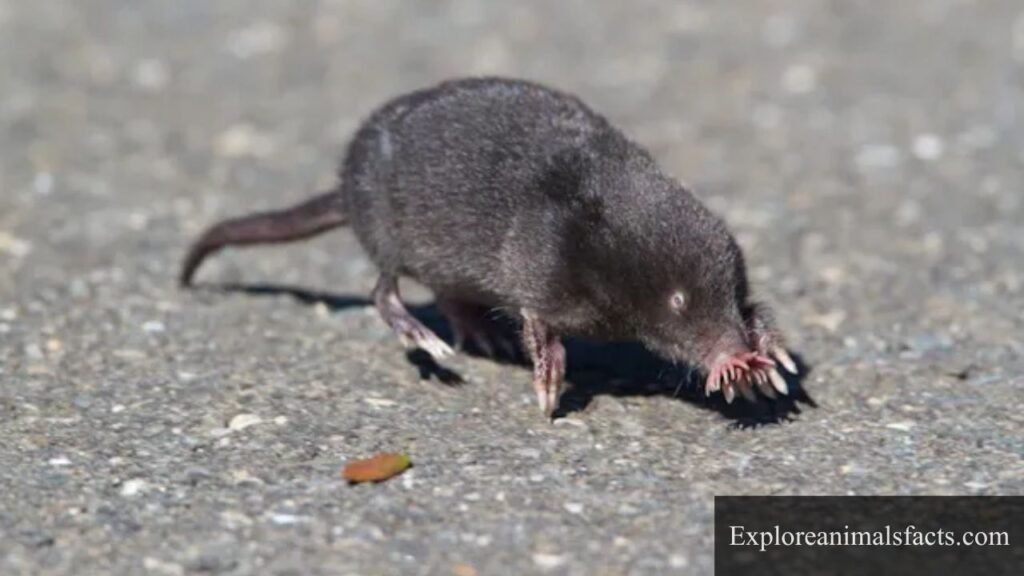
Despite their feeble appearance, star-nosed moles can locate and consume prey at an astonishing rate — up to 12 foods per minute — making them nature’s efficient scavengers. Their diminutive size and subterranean lifestyle limit their encounters with predators, rendering their weaknesses less of a liability. Instead, their evolutionary quirks — like a velvety, water-resistant fur — allow them to thrive in environments where other animals might struggle, showcasing that strength isn’t solely about muscle and might; sometimes, adaptability is the true key to survival.
Domesticated Chickens
Scientific Name: Gallus gallus domesticus
Class: Aves
Diet: Omnivore
Domesticated chickens, often seen as simple farm animals, exemplify a unique blend of vulnerability and resilience. While their diminutive stature and lack of natural defenses position them as some of the weakest animals in the world, their existence highlights the complexities of domestication. Unlike their wild ancestors, which possess sharper instincts for survival, domesticated chickens rely on humans for protection and sustenance, transforming their role in the ecosystem from predator to prey.
This apparent fragility masks a remarkable adaptability. Chickens are social creatures, forming intricate social structures within their flocks. Their ability to communicate and establish hierarchies showcases an intelligence often overlooked. They have adapted to a variety of environments beyond their original habitats, thriving in urban backyards as much as on traditional farms. The coexistence of vulnerability and social dynamism makes them fascinating subjects for those interested in animal behavior and the nuances of domestication.
Starfish
Scientific Name: Asterias rubens
Class: Asteroidea
Diet: Carnivore
Starfish, or sea stars as they’re often called, may appear delicate and vulnerable, but their unique adaptations tell a story of resilience. With no centralized brain, these echinoderms rely on a decentralized nervous system, allowing them to respond to their environment in intriguing ways. Their ability to regenerate lost arms not only showcases their biological prowess but also highlights a clever survival strategy: losing a limb could be a tactical retreat from predators.
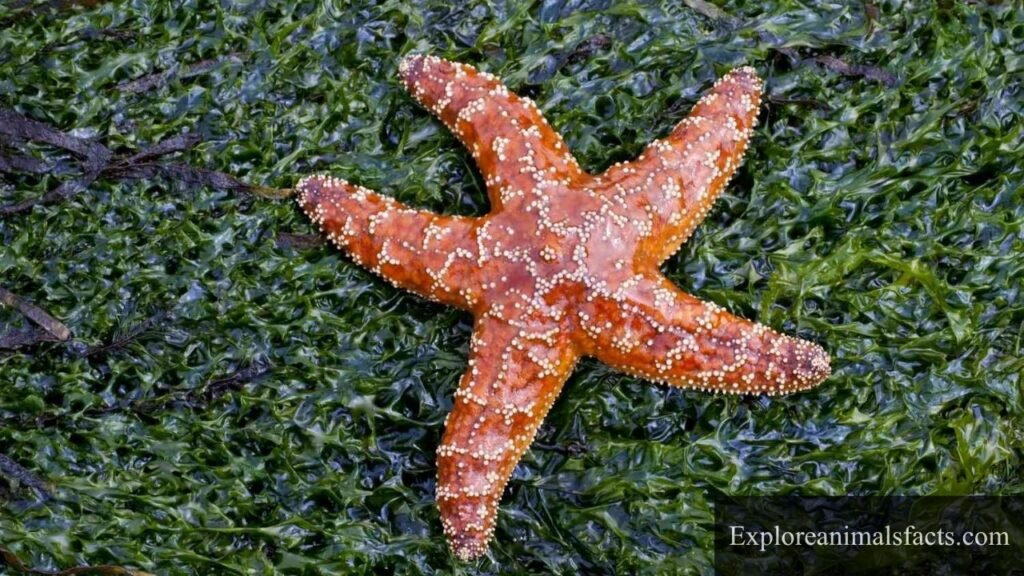
Despite their seemingly fragile nature, starfish are vital to marine ecosystems, acting as keystone species in many habitats. Their predatory nature regulates populations of bivalves and other mollusks, maintaining ecological balance. In this sense, what we perceive as their weakness transforms into a strength, as their presence directly influences the health of coral reefs and seagrass beds. Thus, the starfish, often seen as one of the weaker animals in the world, embodies a complex blend of both vulnerability and strength, reminding us of the intricate interdependencies within nature.
Rabbit
Scientific Name: Oryctolagus cuniculus
Class: Mammalia
Diet: Herbivore
Rabbits may be considered some of the weakest animals in the world due to their delicate frames and innate timidity, but their adaptations tell a different story. Underneath their soft, fur-lined exteriors lies a remarkable survival strategy; their rapid reproductive rates ensure that even in the face of predation, their lineage continues. A single doe can give birth to multiple litters within a year, creating a resilient population that can quickly bounce back from losses.
Their vulnerability has fostered a unique behavioral repertoire. Rabbits are masters of stealth, often utilizing their keen hearing and sharp eyesight to detect threats long before they become imminent. Their signature zigzag running pattern not only adds an element of surprise but also makes them elusive targets. In a way, the very traits that render them weak also fuel their strength — an agile escape artist in a world of dangers, proving that vulnerability can coexist with resilience in the animal kingdom.
Tarsiers
Scientific Name: Tarsius tarsier
Class: Mammalia
Diet: Carnivore
Tarsiers, with their large, expressive eyes and tiny bodies, often evoke a sense of wonder due to their delicate stature. These nocturnal primates, found in Southeast Asia, are surprisingly fragile, weighing as little as four ounces. Their vulnerability is not merely physical; tarsiers are highly specialized creatures, relying on specific habitats that are increasingly threatened by deforestation and habitat loss. This reliance makes them one of the least resilient species in our ecosystems.
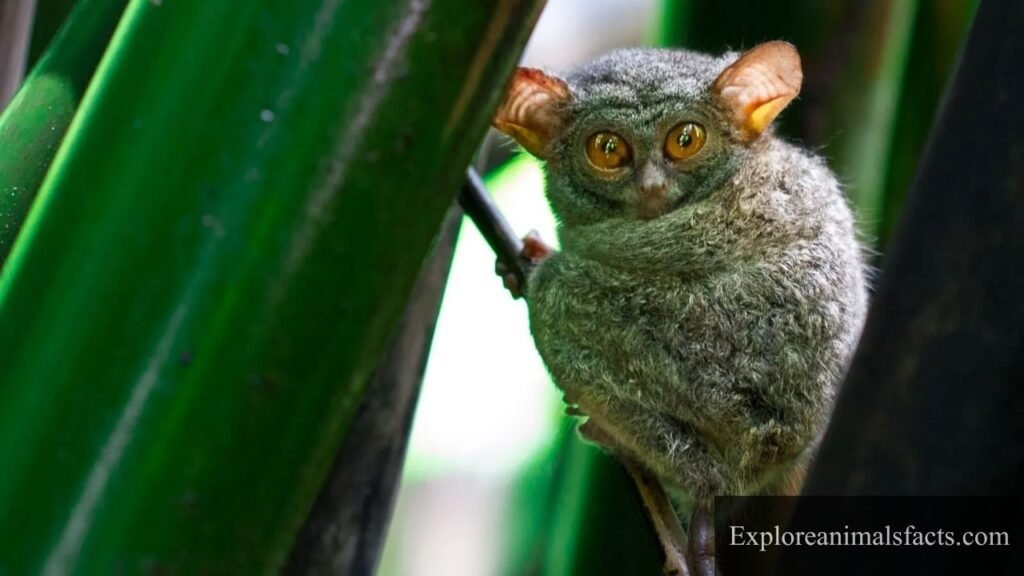
Despite their small size, tarsiers possess extraordinary features that enhance their survival skills. Their massive eyes, each roughly the size of their brain, provide exceptional night vision, allowing them to navigate the darkness with ease. This unique adaptation illustrates how even the weakest animals can embody resilience and adaptability in the face of adversity. However, their dependence on specific tree species for both shelter and food underscores the fragility of their existence, reminding us of the delicate balance in nature that can easily tip due to human activity.
Goats
Scientific Name: Capra hircus
Class: Mammalia
Diet: Herbivore
Often overlooked as weaklings in the animal kingdom, goats possess a unique resilience that defies their frail appearance. Known for their playful antics and curious nature, these creatures are equipped with an uncanny adaptability that belies their perceived weaknesses. Their ability to thrive in rugged terrains, such as steep mountains and rocky habitats, showcases an unexpected strength. Even in environments where survival seems improbable, goats have evolved to navigate harsh landscapes with finesse.
Their social structures provide another layer of resilience. Living in herds not only helps them fend off predators, but it also fosters a sense of community that enhances their survival. Within these groups, goats communicate through a variety of vocalizations and body language, exhibiting an intelligence that often goes unnoticed. This social aspect highlights a fascinating dynamic; it’s not simply physical strength that defines their endurance, but a blend of relationships and behavioral adaptiveness that enables them to flourish in challenging conditions.
Earthworm
Scientific Name: Lumbricus terrestris
Class: Clitellata
Diet: Detritivore
The earthworm, often overlooked in discussions about strength and resilience in the animal kingdom, thrives in its unique way beneath the soil. With no bones and a simple structure, it may seem vulnerable, yet its very design is a masterclass in adaptability. These creatures aerate the soil and break down organic material, playing a crucial role in maintaining ecosystem balance. Interestingly, their segmented bodies allow for regeneration; should they lose a segment, many species can regrow it, showcasing an unexpected survival strategy.
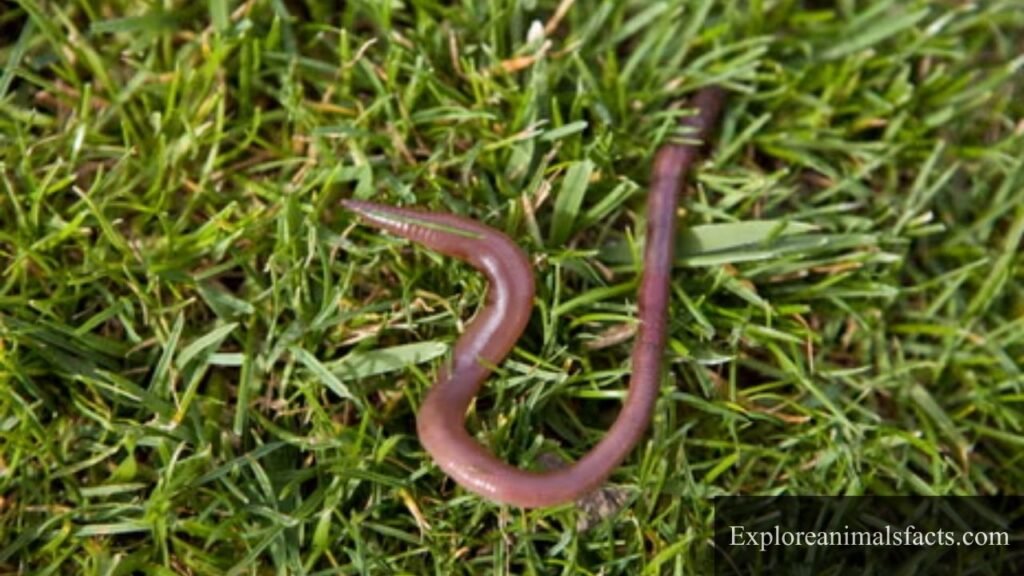
Earthworms are integral to sustainable agriculture. Their burrowing actions improve soil structure, enhancing drainage and increasing nutrient availability for plants. In a world increasingly concerned about soil degradation and food security, the earthworm stands as an unsung hero, demonstrating that strength isn’t always about physical power. Instead, it’s about the profound impact one can have on their environment, proving that even the smallest and seemingly weakest creatures can wield extraordinary influence.
Hedgehogs
Scientific Name: Erinaceus europaeus
Class: Mammalia
Diet: Omnivore
Hedgehogs, often perceived as adorable and spiky critters, embody both vulnerability and resilience. Despite their charming exterior, they rank among the weaker animals in the wild. With a lightweight frame and limited offensive capabilities, these nocturnal creatures rely heavily on their prickly defense mechanism. When threatened, they curl into a spiky ball, a clever adaptation that offers some protection. However, this tactic isn’t foolproof; larger predators can easily outsmart them.
Their perceived weakness doesn’t diminish their ecological significance. Hedgehogs are voracious eaters of pests, playing a vital role in controlling insect populations. Their delicate yet determined nature has made them beloved pets, fostering human connections that transcend simple admiration. As humanity grapples with habitat loss and environmental changes, these resilient foragers remind us of our responsibility to protect even the smallest and seemingly weakest creatures in our ecosystem. Their survival challenges us to reconsider strength in nature — not just in physical prowess, but in adaptability and the quiet strength of vulnerability.
Frog
Scientific Name: Anura
Class: Amphibia
Diet: Carnivore
Frogs stand out as some of the most intriguing representatives of vulnerability. With their delicate skin and reliance on specific environmental conditions, they are often at the mercy of both predators and habitat destruction. Yet, their fragility belies a remarkable adaptability; many species possess the uncanny ability to survive in perilous conditions, often thriving in areas where other wildlife cannot.
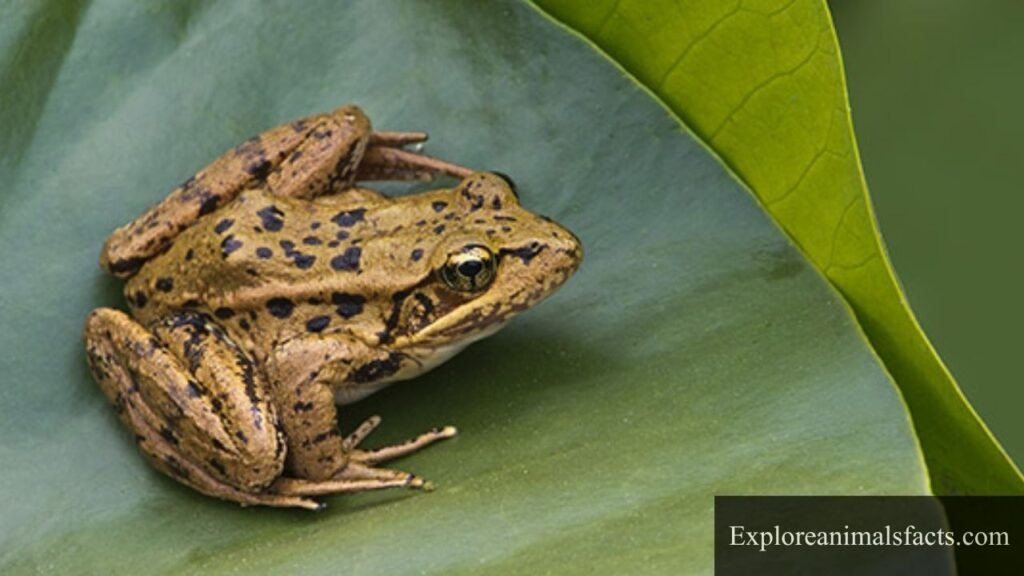
Take, for instance, the astonishing survival tactics of certain rainforest frogs. These creatures employ strategies like chemical camouflage and nocturnal habits to evade predation. Their sensitive skin makes them bioindicators, providing vital information about ecosystem health. While their seeming weakness may render them susceptible to extinction, it also underscores the impact of climate change and habitat loss, calling attention to the urgent need for conservation efforts. Thus, in the fragile guise of a frog, we find a poignant reminder of the interconnectedness of life and the importance of protecting our planet’s most vulnerable inhabitants.
Koalas
Scientific Name: Phascolarctos cinereus
Class: Mammalia
Diet: Herbivore
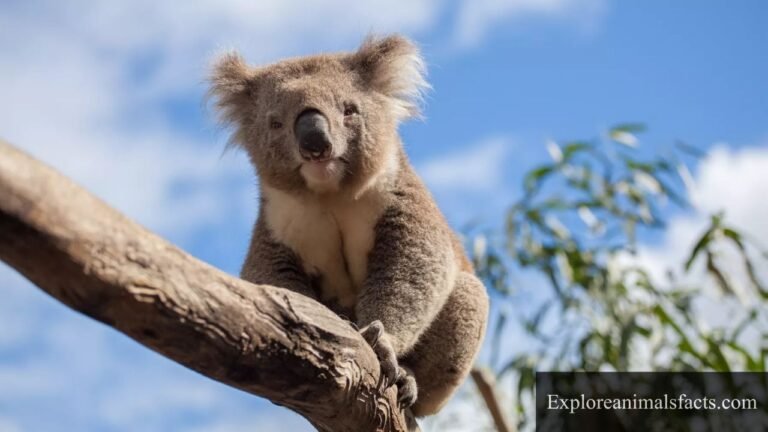
Koalas, often adored for their cuddly appearance and laid-back demeanor, are surprisingly fragile creatures in the wild. These iconic marsupials primarily feed on eucalyptus leaves, which are low in nutrients and toxic to many other animals. This specialized diet not only limits their food sources but also necessitates a sedentary lifestyle, causing them to spend up to 20 hours a day sleeping to conserve energy. As a result, their vulnerability boosts their dependency on their immediate habitat, making them particularly susceptible to habitat loss and climate change.
Koalas are not equipped with strong defensive mechanisms. Unlike other wildlife that might run or fight when threatened, koalas tend to remain passive, relying on their camouflaging fur and tree-dwelling habits for safety. This can lead to dire consequences in the face of predators like dogs or even human encroachment. Their delicate nature serves as a poignant reminder of the intricate balance within ecosystems and the urgent need to protect these enchanting yet vulnerable beings. In a world that often overlooks fragility, the koala stands as a powerful symbol of resilience interwoven with the necessity of conservation.
Jellyfish
Scientific Name: Aurelia aurita
Class: Scyphozoa
Diet: Carnivore
Jellyfish exist in a delicate balance between beauty and vulnerability. Despite their ethereal, almost ghost-like appearance, these marine creatures boast a unique survival strategy: they thrive in an oceanic world where many more robust animals falter. Lacking a centralized nervous system or a brain, jellyfish rely on instinct, allowing them to pulse gracefully through the water. This seemingly simplistic design is a testament to the efficiency of evolution, showcasing that sometimes elegance lies in minimalism.
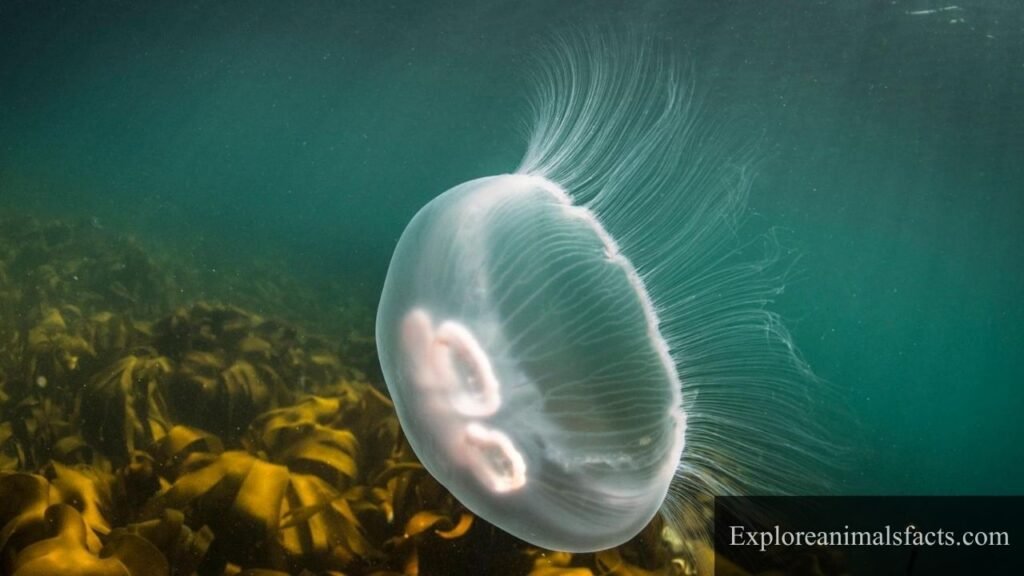
While their gelatinous bodies might appear defenseless, jellyfish have developed remarkable adaptations for survival. Many species possess specialized cells called nematocysts, which deliver potent stings to predators and prey alike. This surprising twist invites us to rethink our perception of weakness; in the watery depths, what might first seem fragile can wield surprising power. Thus, the jellyfish serves as a poignant reminder that strength does not always manifest in size or aggression, but can instead be found in ingenious methods of adaptation and survival.
Readmore: Explore Top 16 Animals With Long Horns.
Final Thoughts
While many animals may appear weak compared to towering predators, their unique adaptations and survival strategies reveal a different story. From the gentle sloth to the minuscule bumblebee bat, these creatures thrive in their ecosystems despite their physical limitations. Their existence underscores the beauty of biodiversity and the intricate balance of nature. We are reminded that strength is not solely measured by size or power, but often by resilience and ingenuity. Let us appreciate and protect these remarkable yet vulnerable animals, ensuring their survival for generations to come.
FAQs
What is the weakest animal in the world?
The jellyfish is often considered one of the weakest animals in the world due to its lack of a central nervous system and bones. They are largely gelatinous creatures, relying on ocean currents for movement rather than strong muscles. This makes them quite vulnerable to predators and environmental changes.
What animal is very fragile?
One animal often considered very fragile is the seahorse. These creatures are sensitive and can be affected by pollution or habitat destruction. Their delicate, curved bodies are not built for fast swimming, making them vulnerable to predators and environmental changes.