Top 21 Animals That Growl (Images Included)
Did you know that not all growls come from ferocious beasts? While many animals growl as a show of aggression, others use this vocalization to convey fear, playfulness, or even affection. In this article, “Animals That Growl,” we’ll dive into the fascinating world of these creatures, exploring the reasons behind their unique sounds and the roles growling plays in their social interactions. By the end, you’ll understand not only the diverse species that growl but also what their vocalizations reveal about their behavior and ecology.
List of Animals that Growl
Below is the list of animals that growl:
- Tasmanian Devil
- Gorilla
- Raccoons
- Opossums
- Leopard
- Cougar
- Wolf
- Bears
- Domestic Cats
- Alligators
- Wolverine
- Foxes
- Hippopotamus
- Tiger
- Jaguar
- Dogs
- Hyena
- Crocodiles
- Badgers
- Lion
- Llamas
Tasmanian Devil
Scientific Name: Sarcophilus harrisii
Class: Mammalia
Diet: Carnivore
The Tasmanian devil possesses a growl that echoes its fierce reputation. This small yet formidable marsupial is known for its bone-chilling, low-frequency growls that resonate in the quiet of its native Tasmanian forests. But these vocalizations convey more than mere menace; they serve as crucial communication signals during fierce feeding frenzies or territorial disputes. As scavengers, Tasmanian devils often engage in competitive feeding, where their growls punctuate the air, warning rivals to keep their distance.
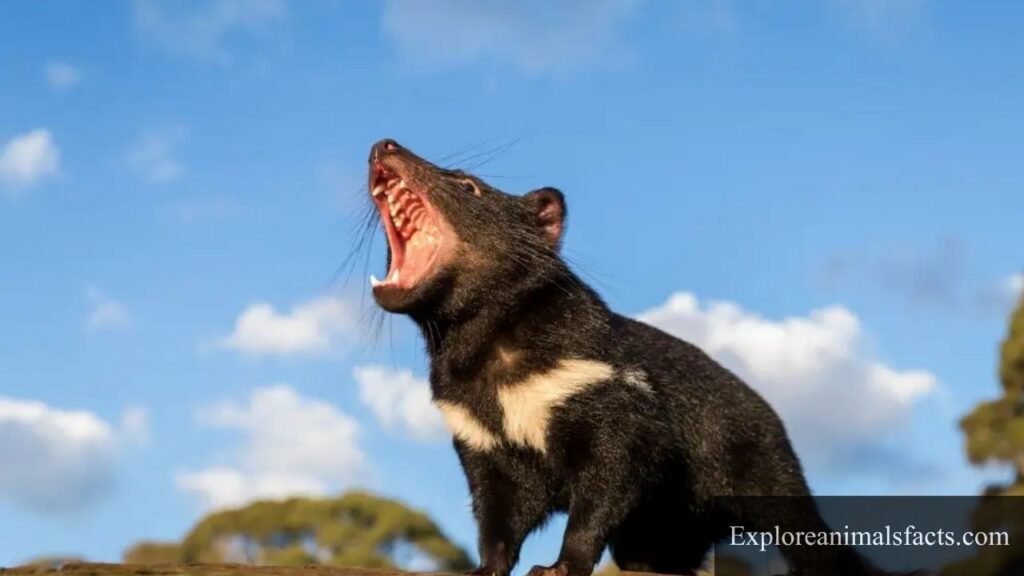
Their growling doesn’t just signal aggression. Research has shown that these sounds can also indicate social dynamics within groups, revealing nuances in their interactions. A growl from a devil may express frustration, discomfort, or even a hierarchy’s pecking order among individuals. This complex vocal repertoire highlights their social intelligence and adaptability, challenging the perception of them as solely solitary creatures. As populations face threats from disease and habitat loss, understanding their unique communicative abilities could be key to fostering conservation efforts. By appreciating the Tasmanian devil’s growl, we not only recognize its primal roots but also its vital role in maintaining ecological balance.
Gorilla
Scientific Name: Gorilla beringei
Class: Mammalia
Diet: Herbivore
Gorillas possess a deep, resonant growl that resonates not just through the forest, but also within the social dynamics of their troops. This vocalization serves multiple purposes, from signaling discomfort to establishing dominance among group members. Unlike many of their counterparts in the animal kingdom, gorillas use their growls in a more nuanced way; it’s not just a warning but a means of communication that fosters bonds within their family units.
A gorilla’s growl can fluctuate in tone and volume, reflecting its emotional state — ranging from playful and affectionate to alarmed or aggressive. This adaptability in vocalization showcases the gorilla’s complex emotional landscape and social intelligence, allowing them to navigate their intricate relationships with other members. As they growl, they also engage in a dance of body language; puffed chests and expressive gestures amplify the messages behind their rich vocal repertoire, making their communication a harmonious blend of sound and movement. In this way, the growl of a gorilla transcends mere noise, becoming a vital component of their cultural expression and social cohesion.
Raccoons
Scientific Name: Procyon lotor
Class: Mammalia
Diet: Omnivore
Raccoons are often misunderstood creatures, frequently depicted as mischievous bandits in urban settings. However, their growls, which can range from low, guttural sounds to more distinct, raspy calls, play a crucial role in their communication repertoire. When they feel threatened or are warning fellow raccoons of potential danger, these vocalizations serve as an effective deterrent. Each growl can convey specific emotions, from territorial warnings to expressions of annoyance or fear, reflecting their complex social dynamics.
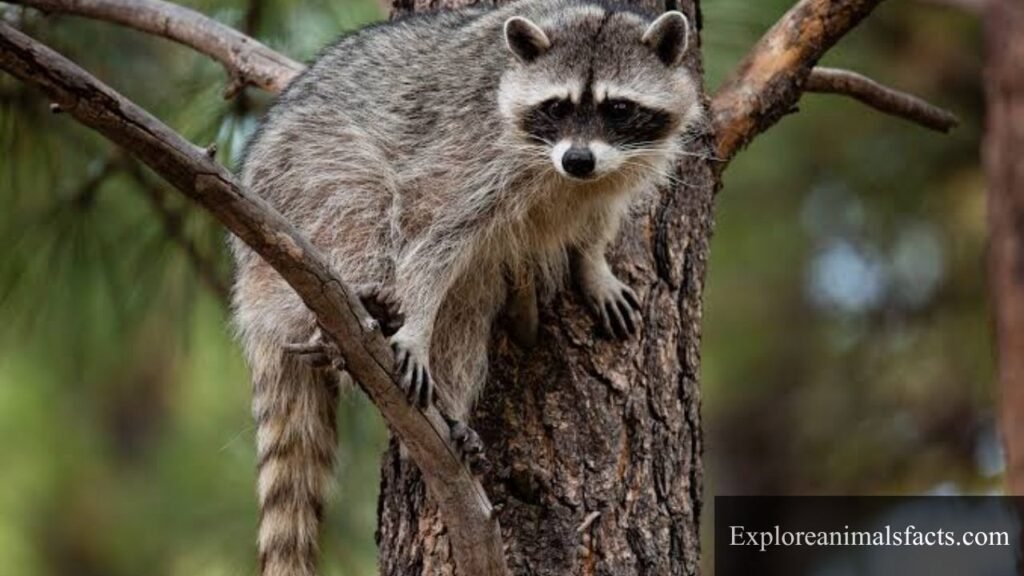
Raccoons are highly intelligent and resourceful animals, often using their growls as a way to establish dominance within their groups. Their vocalizations, while sometimes alarming to humans, are part of a broader suite of signals that includes chirps, whines, and purrs, each tailored to specific social interactions. In the quiet of the night, a raccoon’s growl reverberates through the air, reminding us that these nocturnal creatures are not just scavengers but possess intricate social structures and emotional lives. Understanding their communication can deepen our appreciation for raccoons, revealing them as more than just urban nuisances, but as fascinating beings navigating a complex world.
Readmore: Explore Top 17 Animals With Whiskers.
Opossums
Scientific Name: Didelphis virginiana
Class: Mammalia
Diet: Omnivore
Opossums possess a unique growling vocalization that reflects their intriguing adaptability. Unlike the menacing growls of traditional predators, the opossum’s growl is a versatile tool, serving multiple purposes in their communication repertoire. This sound can be a defensive response to potential threats, signaling distress or asserting their presence in a world filled with danger. Interestingly, the growl isn’t just for show; it showcases the opossum’s specialized adaptation to survive in urban environments, where encounters with larger predators are commonplace.
Opossums exhibit fascinating behavioral quirks that complement their vocalizations. For instance, they often perform a theatrical “playing dead” act, a last resort that can confuse attackers and allow them to escape undetected. This unique combination of vocal and behavioral tactics elevates them from mere scavengers to cunning survivalists in the wild. In a way, their growl encapsulates the essence of resilience, reminding us that even the most unassuming creatures have evolved complex strategies to navigate their surroundings. As we explore the world of these little-known marsupials, we uncover a deeper appreciation for their role in the ecosystem and the intricate ways they communicate and survive.
Leopard
Scientific Name: Panthera pardus
Class: Mammalia
Diet: Carnivore
The leopard, a master of stealth and agility, possesses a growl that serves as both a warning and a statement of dominance in its territory. Unlike other big cats, the leopard’s growl is a complex vocalization that can express a range of emotions, from irritation to mating calls. This vocal talent is particularly important during the dusk and nighttime hunting periods, when they are most active, allowing them to communicate with potential mates or assert their presence to rivals.
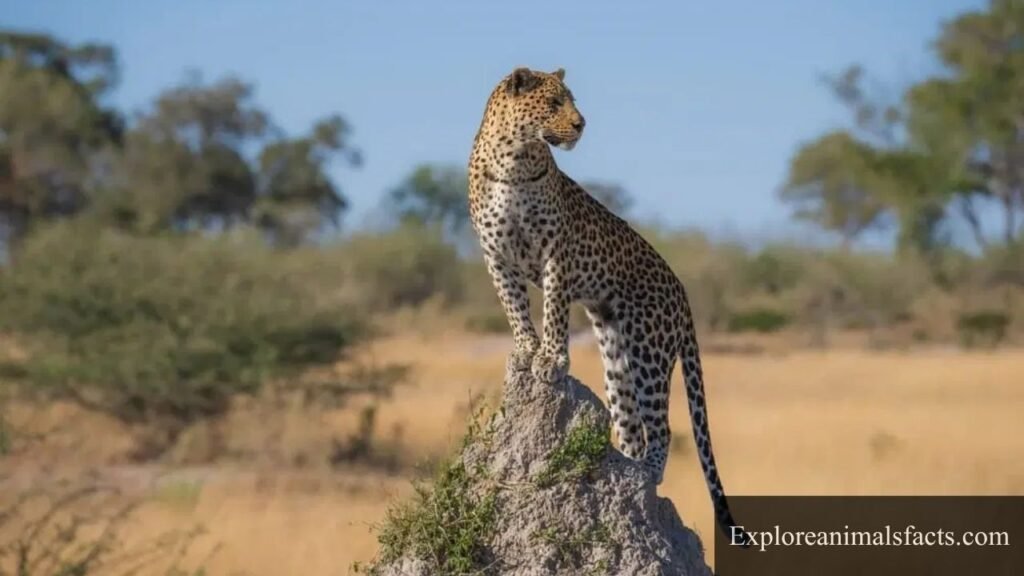
A leopard’s growl can carry over vast distances, thanks to their strong vocal cords and resonant chest cavities. This means that, despite the challenges of the dense environments they often inhabit — like forests or savannas — leopards can broadcast their messages effectively. Their growl is not just a tool of intimidation; it also reflects the animal’s adaptability and intelligence, showcasing their ability to navigate both the physical and social landscapes of their habitat. When you hear a leopard growl, it’s a reminder of the wild’s raw power and the intricate communications that occur beyond what the eye can see.
Cougar
Scientific Name: Puma concolor
Class: Mammalia
Diet: Carnivore
The cougar, also known as the mountain lion or puma, possesses a vocal range that distinguishes it from its feline relatives. While many big cats are known for their roars, cougars primarily communicate through a series of growls, screams, and eerie screams reminiscent of a human’s cry. This unique growl serves not only as a tool for communication but also as a means of asserting territory in the vast wilderness they call home. Listening to a cougar’s growl can evoke a primal response, reminding us that these majestic predators are both powerful and enigmatic.
Cougars are fascinating for their adaptability; they inhabit a range of environments from dense forests to arid deserts. Their solitary nature and stealthy hunting techniques make them masters of camouflage, often unseen despite their proximity. What’s intriguing is how these elusive creatures harness their vocalizations during mating season, when the growls become particularly pronounced and serve as a siren song to attract potential mates. Each growl carries a significance, weaving a complex narrative of survival, attraction, and dominance in the wilderness. As apex predators, cougars remind us of the raw beauty and untamed spirit of the natural world.
Wolf
Scientific Name: Canis lupus
Class: Mammalia
Diet: Carnivore
Wolves are renowned for their guttural growls, which serve as a complex form of communication within their packs. Unlike many other animals, a wolf’s growl isn’t merely a threat; it can express a variety of emotions, from playfulness to dominance. This vocalization is an integral part of their social structure, helping maintain cohesion within the pack and signaling everything from territorial boundaries to the presence of prey.
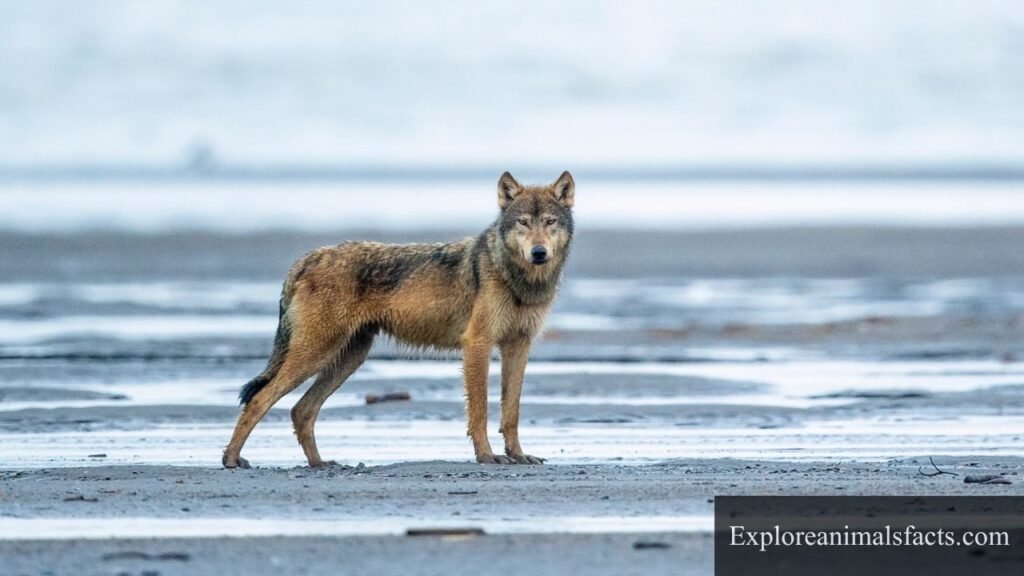
Wolf growls are not just loud declarations; they carry nuanced tones that can convey specific messages to pack members. Researchers have discovered that the intensity and pitch of a growl can indicate the urgency or seriousness of a situation. For instance, a low, drawn-out growl might warn a companion to stay alert, while a sharp, short growl can signal immediate danger. This sophisticated use of sound showcases the species’ intelligence and adaptability, reflecting their evolved survival strategies in the wild. Thus, a wolf’s growl is a fascinating blend of instinct and social interaction, illuminating the depths of their complex social lives.
Bears
Scientific Name: Ursus arctos
Class: Mammalia
Diet: Omnivore
Bears are fascinating creatures not only for their size and strength but also for their rich communication behaviors. When they growl, it’s more than just a display of power; it serves as a nuanced form of vocalization that conveys a range of emotions and intentions, from warning threats to expressing discomfort. Observing a bear’s body language in conjunction with its growl can reveal whether it’s feeling defensive, curious, or even playful.
The growl of a bear is also a cultural touchstone, evoking images of untamed wilderness and ancient folklore. In many indigenous cultures, the growl is intertwined with respect for these majestic animals, often seen as protectors of the forest. Bears communicate complex social dynamics within their groups, and a low, rumbling growl among family members can signal affection and bonding, whereas a fiercer growl may establish boundaries during a tense encounter. Through this rich tapestry of sounds, bears remind us of the intricate ways animals navigate their worlds, challenging our perceptions of brute strength and inviting us to listen more closely.
Domestic Cats
Scientific Name: Felis catus
Class: Mammalia
Diet: Carnivore
Domestic cats, often seen as whimsical companions, possess a surprising vocal repertoire that includes the growl. This fierce sound might catch you off guard, transitioning them from playful to primal in an instant. A growl can signal discomfort, irritation, or even a playful challenge, emphasizing their dual nature as both affectionate pets and instinctual hunters. It’s a reminder that even the fluffiest of felines hold echoes of their wild ancestors.
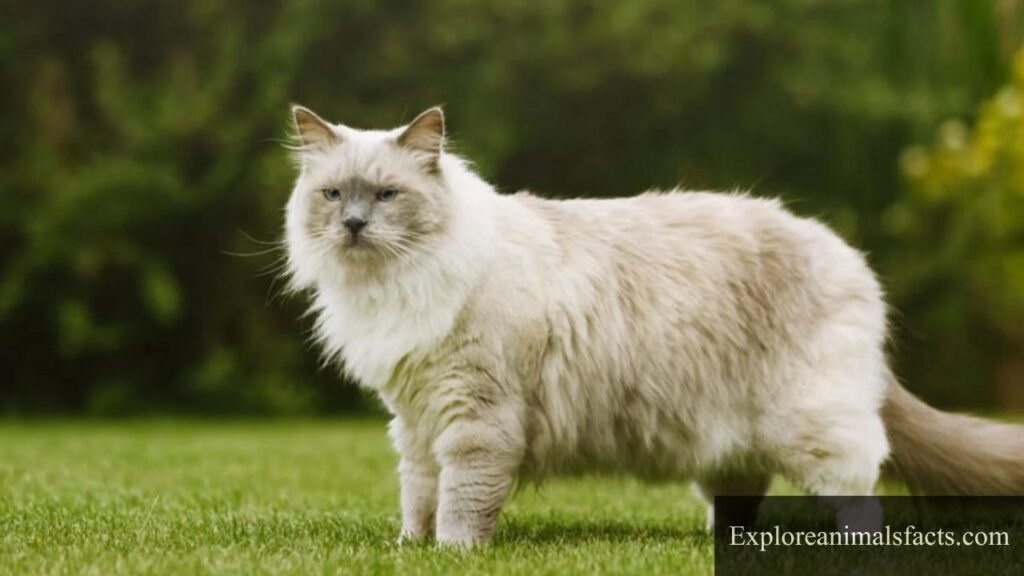
A cat’s growl isn’t just a product of emotion; it can also communicate complex social cues. When interacting with other cats, a growl can serve as a warning, establishing boundaries in often tense encounters. For owners, understanding this feline growl can deepen the bond with their pet, providing insights into their mood and needs. Listening to these nuanced sounds allows us to appreciate the intricate emotional lives of these seemingly aloof creatures, enriching our connection beyond mere companionship.
Alligators
Scientific Name: Alligator mississippiensis
Class: Reptilia
Diet: Carnivore
Alligators are fascinating creatures, not just for their prehistoric appearance but for their unique vocalizations — including their signature growl. This growl, which resonates from deep within their throats, serves multiple purposes beyond mere intimidation. During mating season, male alligators emit a series of low-frequency growls to establish territorial claims and attract potential mates. These deep vibrations can travel through water, making them an effective language for communication in their aquatic habitats.
The growl’s frequency is so low that it can even induce vibrations in the water, sending signals to other alligators who might be miles away. This form of communication reflects a highly evolved social structure that often goes unnoticed. Moreover, the growl is just one part of an extensive repertoire of sounds that includes hisses, bellows, and even softer grunts, showcasing the complexity of their interactions. By understanding the nuances of this vocal behavior, we can appreciate the alligator as not just a fearsome predator, but as a sophisticated communicator in the wild.
Wolverine
Scientific Name: Gulo gulo
Class: Mammalia
Diet: Carnivore
The wolverine possesses a growl that is as fierce and commanding as its reputation. This remarkably resilient carnivore, found in the remote boreal forests and tundras of North America and Eurasia, uses its guttural growl not just as a warning, but as a means of communication in the harsh environments it inhabits. Its sound isn’t just a reflection of aggression; it also conveys a complex social structure, essential for marking territory and signaling strength to potential rivals.
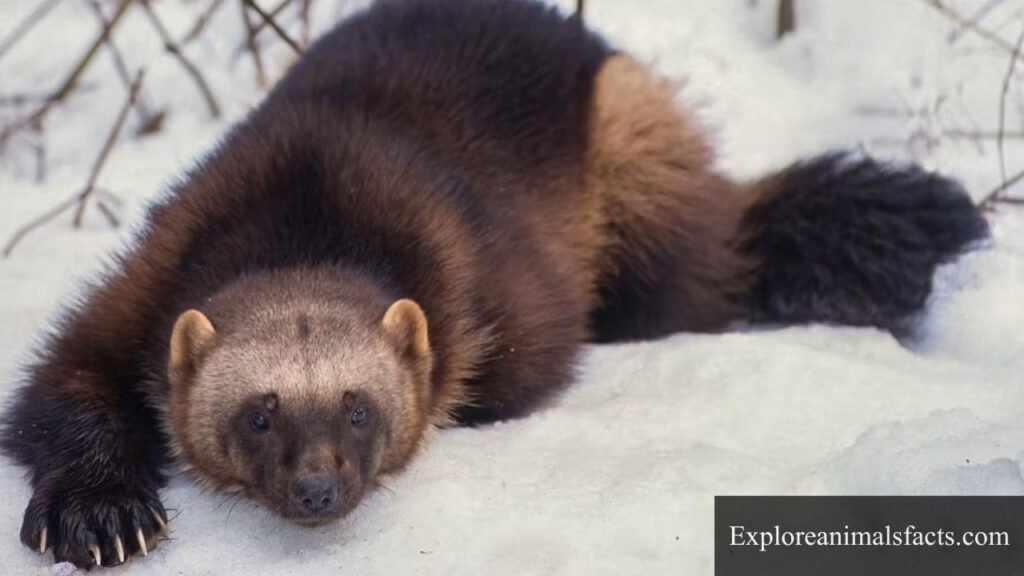
Equipped with powerful jaws and an insatiable appetite, wolverines are often referred to as the “gluttons” of the animal kingdom. Their growl serves to intimidate larger predators, allowing them to scavenger freely on carrion or defend their hard-earned finds from competitors. What’s fascinating is how this vocalization can change in tone depending on the context; a low growl may denote frustration, while a higher pitch might signal alarm. In the grand tapestry of wildlife sounds, the wolverine’s growl captures not just the essence of its survival instincts but also the intricate interplay of life within the ecosystems it calls home.
Foxes
Scientific Name: Vulpes vulpes
Class: Mammalia
Diet: Omnivore
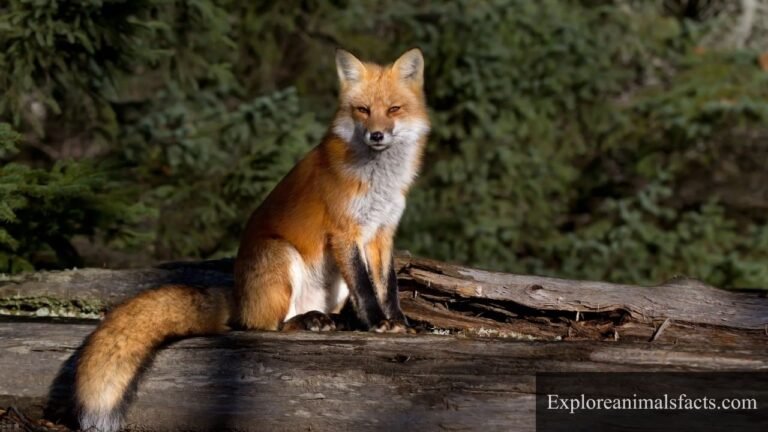
Foxes are fascinating creatures, not just for their cunning nature but also for their surprisingly varied vocalizations. While most people associate growling with more traditional predators, foxes utilize it as a rich form of communication within their social structures. The growl of a fox can convey anything from territorial warnings to playful banter amongst kits, revealing a nuanced soundscape that underscores their social intelligence.
These vocalizations often occur during twilight hours, aligning with their largely crepuscular lifestyle. When a fox growls, it’s not just a show of strength; it’s a complex signal to other foxes. This behavior sheds light on their adaptability, demonstrating how these clever mammals have honed such communication methods in the wild to maintain territory and strengthen social bonds. Observing a fox growl in the wild can offer a glimpse into the secretive world of one of nature’s most enigmatic players.
Hippopotamus
Scientific Name: Hippopotamus amphibius
Class: Mammalia
Diet: Herbivore
The hippopotamus produces a surprisingly impressive growl that belies its gentle reputation. These massive mammals communicate through a series of throaty growls, which can echo across the water, establishing territorial dominance or expressing displeasure. Interestingly, hippos can be heard growling underwater, using their unique vocal adaptations to emit sounds that travel well in their aquatic habitat. This distinctive ability adds to the mystique of these creatures, showcasing how their environments shape their behaviors.
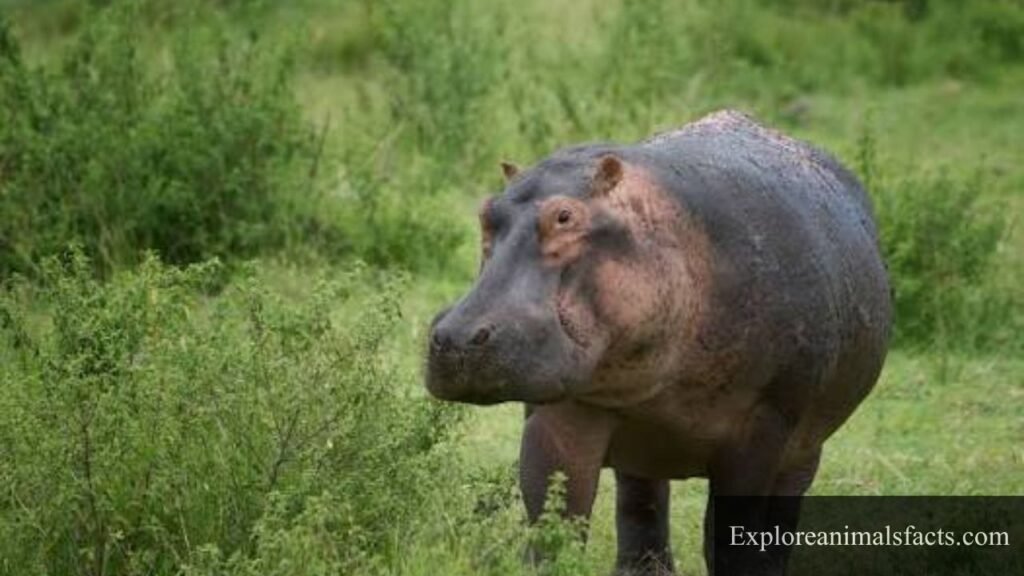
The growl of a hippopotamus serves not only as a form of communication but also as a reminder of their dual nature — both fierce defenders of their territory and gentle grazers. While they may spend much of their day submerged in rivers, their vocalizations reveal a complex social structure where each sound carries significance. Observing hippos in the wild, one can appreciate how their growls convey emotions ranging from aggression to playful banter, painting a richer picture of their social interactions and the hidden depths of their personalities. In this sense, the growl of a hippo transcends mere sound; it weaves into the intricate tapestry of life along the riverbanks, blending the elements of serenity and ferocity in one captivating package.
Tiger
Scientific Name: Panthera tigris
Class: Mammalia
Diet: Carnivore
The tiger’s growl, a deep and resonant sound, serves as both a warning and a declaration of dominance in the wild. This majestic predator utilizes its growl like a musical note in an intricate symphony, communicating not just presence but also asserting territorial claims that echo through the dense jungles and sunlit savannas. Interestingly, these growls can reach a volume of up to 114 decibels, comparable to a rock concert, demonstrating the tiger’s sheer power and prowess.
The growl varies in intensity and pitch depending on the context, revealing a nuanced emotional landscape that goes beyond mere aggression. Often, mother tigers will use softer growls or chuffs to communicate with their cubs, showcasing a tender side of their character that is rarely discussed. This complexity highlights the social intelligence of tigers, as they navigate relationships not just through physical strength but also via vocal expressions, enriching the already captivating tapestry of their behavior. In a world where their habitats are shrinking, understanding these vocalizations becomes crucial in our efforts to conserve and appreciate these magnificent creatures.
Jaguar
Scientific Name: Panthera onca
Class: Mammalia
Diet: Carnivore
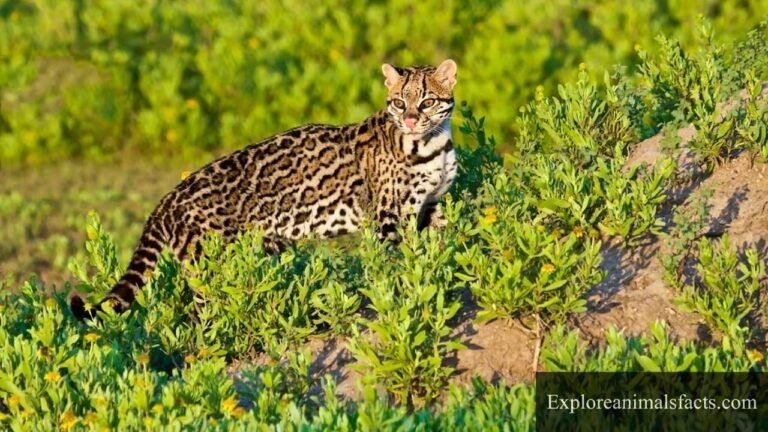
The jaguar, a mesmerizing apex predator, uses its growl not just as a warning, but as a versatile form of communication. Unlike the deep roars of lions, the jaguar’s growl carries a unique rhythm and intensity, often resonating through the dense jungles it calls home. This low-frequency sound can travel great distances, allowing them to assert their presence to potential rivals or attract mates without expending excessive energy in the humid tropics.
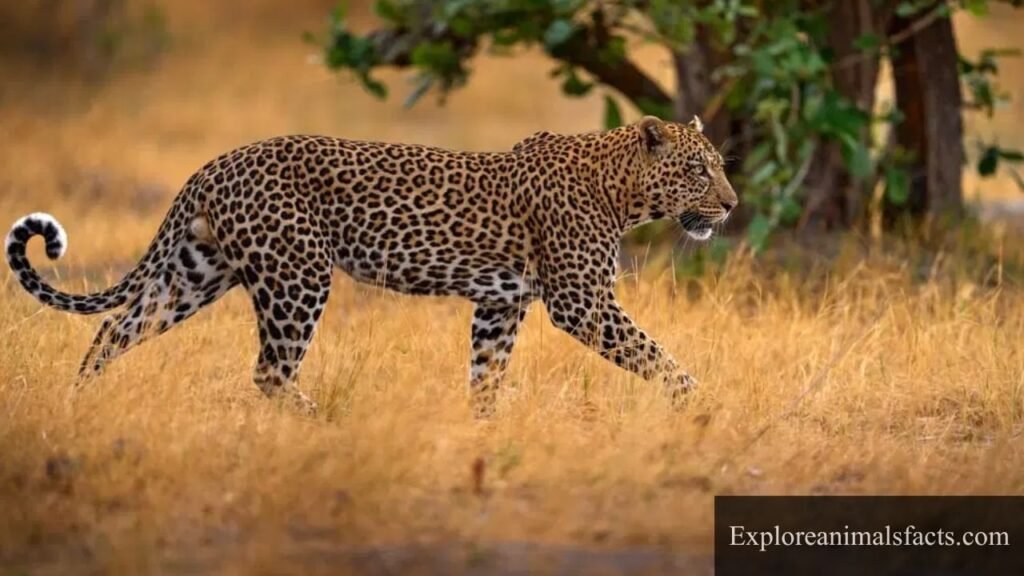
One fascinating aspect of the jaguar’s vocal repertoire is its emotional resonance. Growling can convey a mix of confidence and ferocity, reflecting the jaguar’s complex social structure, which emphasizes solitary hunting yet requires subtle social interactions, particularly during mating seasons. Observing these magnificent creatures, one can sense how their growl encapsulates a primal narrative of power and territory, painting a vivid picture of life in the wild. Each growl echoes not only through the lush foliage but also through the tapestry of relationships among the diverse inhabitants of their ecosystem, reminding us of the jaguar’s role as both predator and protector within its domain.
Dogs
Scientific Name: Canis lupus familiaris
Class: Mammalia
Diet: Omnivore
Dogs, often considered man’s best friend, possess a unique vocalization that can evoke a range of emotions — none more striking than the growl. While many view growling solely as a warning sign, it serves as a crucial form of communication among dogs. From playful growls exchanged during a game of tug-of-war to the deep, resonant growl that signals discomfort or assertiveness, this sound can be rich in context. Understanding these nuances can lead to a deeper relationship between humans and their canine companions.
A dog’s growl is influenced by its breed, age, and environment. For instance, larger breeds may exhibit a more intimidating growl, one that has evolved as a protective mechanism. On the other hand, smaller breeds might growl more out of playful exuberance than genuine threat. This variation offers a glimpse into how different dogs express themselves, emphasizing the importance of attentive observation in discerning their emotions. By engaging with these growls, owners can foster better communication, ensuring a more harmonious coexistence.
Hyena
Scientific Name: Crocuta crocuta
Class: Mammalia
Diet: Carnivore
The hyena, often misunderstood as mere scavengers, showcases a complex social structure and an intriguing vocal repertoire. Their distinctive growls serve not just as expressions of aggression or territorial claims, but also as essential tools for communication within their tight-knit clans. Each growl can indicate a range of emotions, from excitement to distress, making their vocalizations a vital component of their social interactions.
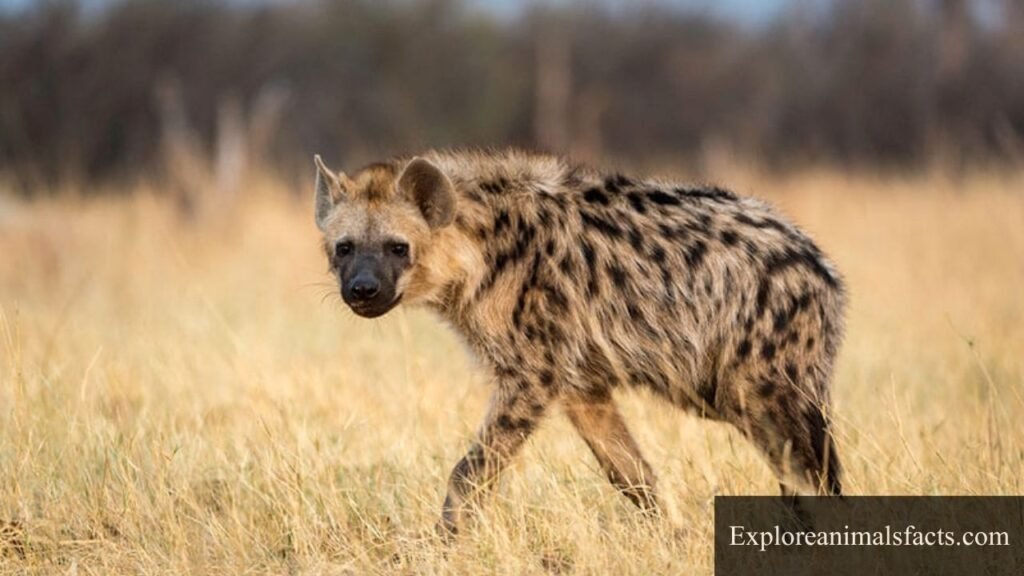
The hyena’s growl is not simply a sound; it is a reflection of their survival strategies. In hunting scenarios, these vocalizations can coordinate group movements, enabling the clan to take down prey that would be daunting for a lone individual. This teamwork, combined with their powerful jaws and unyielding stamina, makes them formidable predators. Observing a hyena growl reveals much about their intelligence and adaptability, inviting us to reevaluate their role in the ecosystem as not just scavengers but adept hunters and skilled communicators. Their growls echo the heartbeat of the African savanna, underlining the intricate dance between predator and prey.
Crocodiles
Scientific Name: Crocodylus niloticus
Class: Reptilia
Diet: Carnivore
Crocodiles are not only formidable predators but also possess a unique vocalization that goes beyond simple growls. Their growling sounds serve multiple purposes: from asserting dominance during territorial disputes to communicating with potential mates. When they growl, it’s often a guttural rumble, resonating deep within their throats, conveying a chilling sense of power. This vocalization can be surprisingly complex, varying in intensity and pitch based on the emotional context, showcasing their rich behavioral repertoire.
These ancient reptiles use growling as a means of social interaction within their aquatic domain. A mother crocodile will make low growling sounds to her hatchlings, providing reassurance and guidance in the murky waters. This form of communication reinforces the bond between mother and young, highlighting an often-overlooked aspect of crocodilian family life. As we delve into the world of crocodiles, it becomes clear that their growls are more than mere sounds; they are vital tools for survival, relationships, and establishing a hierarchal structure within their environments.
Badgers
Scientific Name: Meles meles
Class: Mammalia
Diet: Omnivore
Badgers possess a fascinating array of vocalizations, with their growls being particularly striking. These powerful sounds serve as a form of communication, especially during mating seasons or territorial disputes. Unlike the typical growls associated with more aggressive animals, badger growls carry a sense of urgency and alarm, reminding us that they are not to be trifled with. The guttural tones resonate through their natural habitats, signaling both presence and intent to rivals and mates alike.
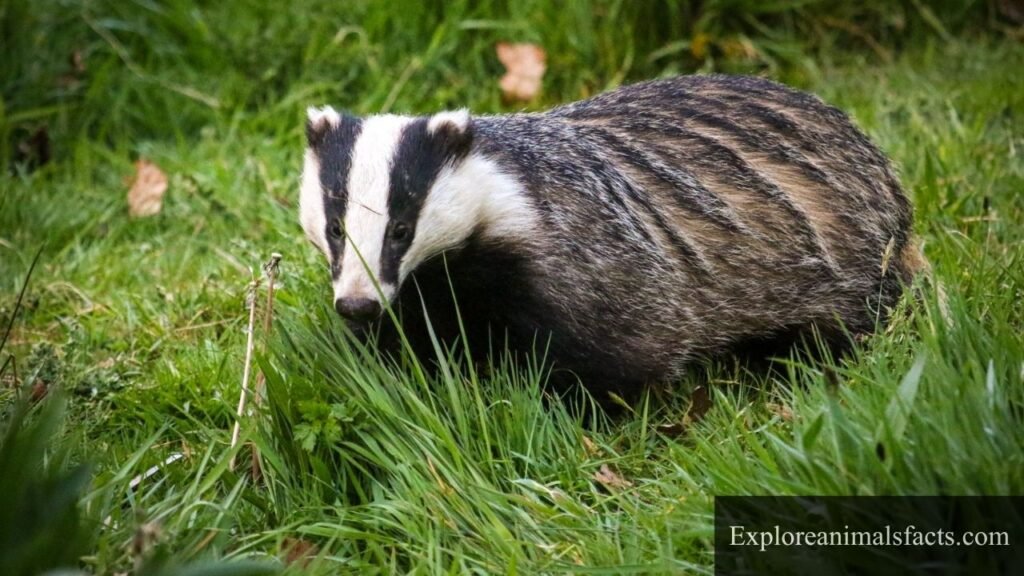
What’s captivating about badgers is their duality; while they are equipped with a formidable growl that warns of danger, their demeanor often tends to lean toward the quirky. Observers have noted that badger growls can ebb and flow in intensity, almost mirroring their emotional state. This nuanced vocalization reflects their complex social structures, illustrating communication that transcends mere aggression. By understanding the rich tapestry of sounds they produce, we gain deeper insight into the behaviors and social lives of these often-overlooked mammals.
Lion
Scientific Name: Panthera leo
Class: Mammalia
Diet: Carnivore
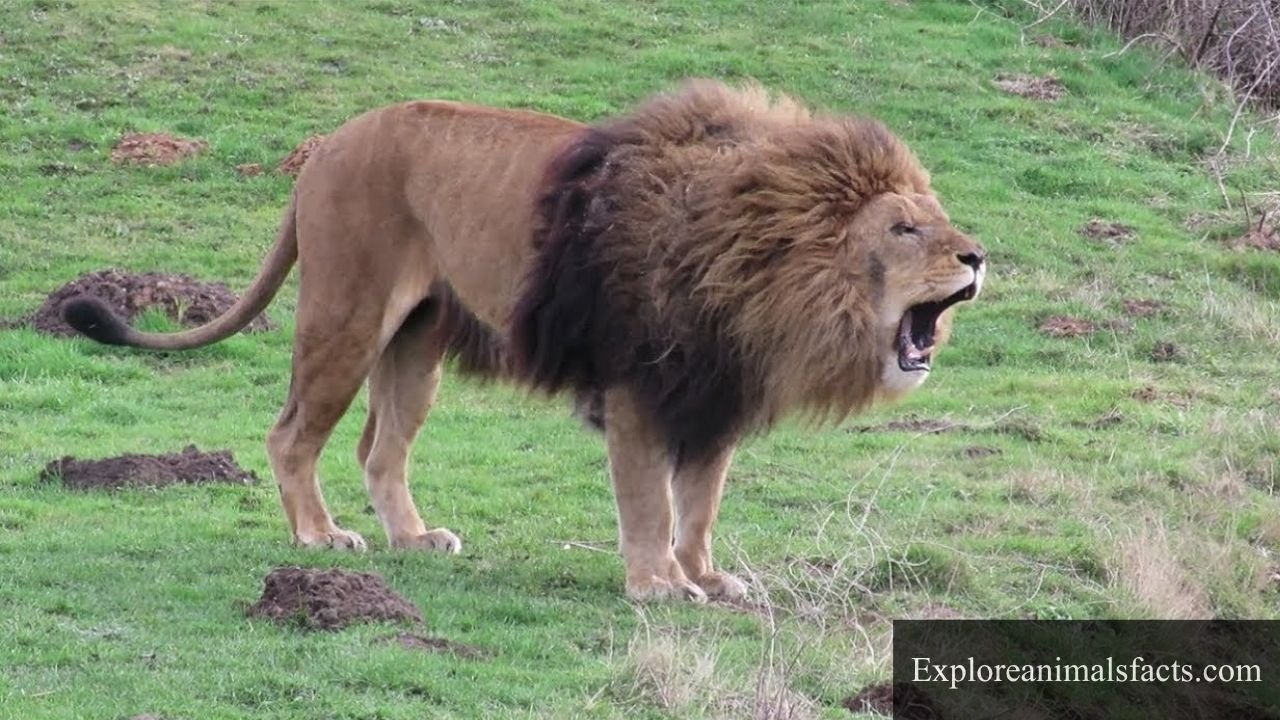
The lion’s growl is a powerful manifestation of its dominance and regal presence in the animal kingdom. This deep, resonant sound can carry over five miles, serving not just as a warning but also as a means of maintaining territorial boundaries. Unlike many other big cats, lions often growl during social interactions, reinforcing the bonds within their prides, as well as asserting their authority over rival groups.
What’s fascinating is that a lion’s growl can evoke a range of emotions, from fear to admiration, in those lucky enough to hear it in the wild. This vocalization is not merely an expression of aggression or threat; it can also communicate strength and confidence, bolstering the pride’s cohesion as they navigate their complex social structures. Observers have noted that a lion’s growl can shift in tone based on the context — an indication of the animal’s emotional state. Understanding these nuances adds depth to our appreciation of these magnificent creatures, reminding us of the intricate language of the wild.
Llamas
Scientific Name: Lama glama
Class: Mammalia
Diet: Herbivore
Llamas may not be the first creatures that come to mind when you think of growling animals, yet their vocalizations tell a different story. Beyond their serene appearance and gentle demeanor, llamas possess a surprisingly diverse range of sounds, including a unique form of growling. This guttural vocalization often emerges during moments of excitement or stress, adding an unexpected layer to their personality. It serves as a form of communication among the herd, indicating everything from alarm to assertiveness, and showcases their complex social dynamics.
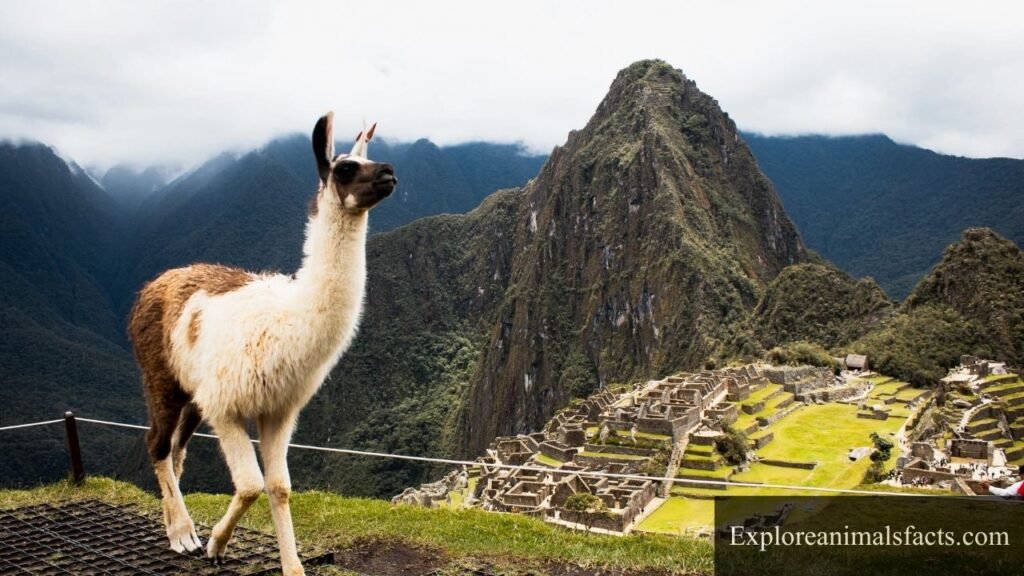
What truly sets llamas apart, however, is their ability to use growling as a protective mechanism. When threatened, a llama might emit this deep sound to warn intruders, reinforcing their role as guardians of livestock. This instinctive behavior reflects their historical use as pack animals and protectors in Andean communities, highlighting their adaptability through thousands of years of domestication. Embracing their quirky nature, these majestic creatures remind us that even the most peaceful species can showcase an unexpected assertiveness when it comes to safeguarding their realm.
Readmore: Explore Top 21 Animals With Sharp Claws.
Conclusion
The growl serves as a powerful form of communication among various animal species, conveying meanings from warnings to territorial claims. Understanding the purpose and context of these growls enriches our knowledge of animal behavior and the natural world. Whether it’s the deep rumble of a lion or the low growl of a domestic dog, these vocalizations provide crucial insights into their emotions and intentions. By paying attention to these sounds, we can foster a deeper connection with the animals around us.
FAQs
What animals growl?
Many animals growl as a means of communication, often to express aggression, warning, or territorial claims. Common examples include big cats like lions and tigers, which use growls to assert dominance or warn intruders. Domestic dogs also growl, usually when they feel threatened or want to establish boundaries. Other animals, such as bears and certain primates, can produce growling sounds too. It’s an instinctive behavior, often linked to their natural survival strategies. Overall, growling serves as a crucial vocalization in the animal kingdom, helping to convey important messages.
What animal has the loudest growling sound?
The animal with the loudest growling sound is the lion. When a lion roars, it can reach up to 114 decibels. This powerful growl serves multiple purposes, including asserting dominance, marking territory, and communicating with other lions over long distances.