Top 17 Animals With Whiskers (With Pictures)
Animals with whiskers, such as cats, dogs, and even certain marine creatures, rely on these unique sensory tools to navigate their environments and communicate with one another. In this article, we’ll delve into the fascinating world of whiskered animals, exploring their functions, adaptations, and the crucial roles they play in survival. By the end, you’ll appreciate the remarkable ways whiskers enhance the lives of these creatures.
Why do animals have whiskers?
Animals have whiskers, also known as vibrissae, primarily for sensory purposes. These specialized hairs are highly sensitive and can detect even the slightest changes in their environment. Whiskers help animals navigate in low-light conditions and assess their surroundings, allowing them to avoid obstacles, sense prey, or identify potential dangers. For example, cats use their whiskers to judge whether they can fit through narrow spaces, making them essential for their hunting and survival skills.
Whiskers play a crucial role in communication and social interactions among some species. In many animals, the position and movement of whiskers can signal emotions or intentions. For instance, a dog may perk up its whiskers when excited or relaxed them when calm, providing clues to its mood. Overall, whiskers serve as a vital evolutionary adaptation that enhances an animal’s ability to interact with the world around it.
List of Animals With Whiskers
Here is the list of animals with whiskers:
- Etruscan shrew
- Lynx
- Rat
- Sea Lion
- Dog
- European rabbit
- Raccoon
- Cat
- Mountain lion
- Beaver
- Hamster
- Red Fox
- Manatees
- Seal
- Walrus
- Otter
- Horse
Etruscan Shrew
Scientific Name: Suncus etruscus
Class: Mammalia
Diet: Insectivore
The Etruscan shrew, one of the smallest mammals on Earth, boasts whiskers that serve as vital sensory tools in their survival. These delicate, elongated vibrissae help the shrew navigate the dimly lit spaces of its forest floor habitat, detecting movement and changes in air currents. With a body barely the size of a penny, sensing its environment is crucial; its whiskers allow it to hunt insects with astonishing precision, even in complete darkness.
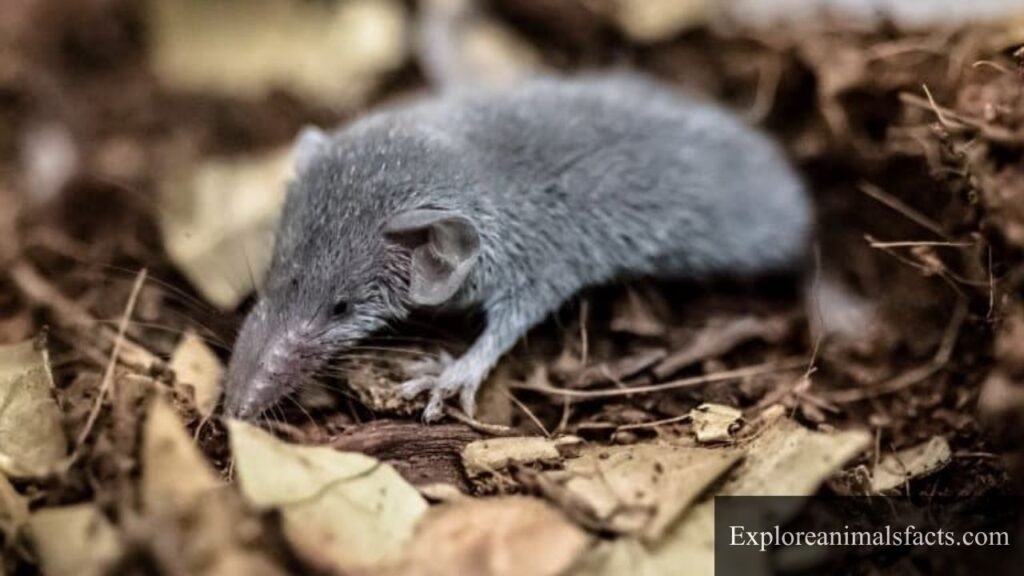
These whiskers function not just as antennas for spatial awareness but also as emotional indicators. When feeling threatened or agitated, the Etruscan shrew’s whiskers position themselves forward, signaling its readiness to dart away from potential predators. This interplay between physical adaptation and behavior highlights the shrew’s evolutionary excellence in a world filled with constant peril. In the grand tapestry of nature, the Etruscan shrew exemplifies how even the tiniest creatures can possess remarkable traits that enhance their survival and showcase the intricate dynamics of life itself.
Lynx
Scientific Name: Lynx lynx
Class: Mammalia
Diet: Carnivore
The lynx, a striking feline known for its tufted ears and vibrant coat, also boasts a remarkable set of whiskers that serve essential functions. These specialized sensory hairs, or vibrissae, are crucial for navigating the complex environments in which lynxes thrive. By detecting subtle shifts in air currents, their whiskers allow them to sense nearby obstacles and prey, enhancing their already impressive hunting skills. This heightened sensory perception is a testament to the lynx’s adaptability in various habitats, from dense forests to snowy mountains.
The lynx’s whiskers play a role in communication, signaling moods and intentions to other lynxes. When threatened or excited, the position of their whiskers can shift dramatically, providing subtle cues that can influence social interactions. This nuance in whisker behavior not only enriches our understanding of their social dynamics but also reveals the intricate ways in which animals utilize physical attributes to enhance survival. As we delve deeper into the lives of these magnificent creatures, we uncover the complex interplay between their sensory adaptations and their environmental challenges, showcasing the lynx as a master of its domain.
Rat
Scientific Name: Rattus
Class: Mammalia
Diet: Omnivore
Rats, often misunderstood, possess a remarkable sensitivity fueled by their whiskers, or vibrissae. These long, tactile hairs are not just for show; they serve as the rat’s primary sensory tools, helping them navigate their surroundings with precision. Equipped with nerves that provide instant feedback to their brains, whiskers allow rats to detect minute changes in their environment, such as airflow or obstacles in the darkness. This acute awareness is crucial, especially in their often confined habitats, making whiskers essential for survival and exploration.
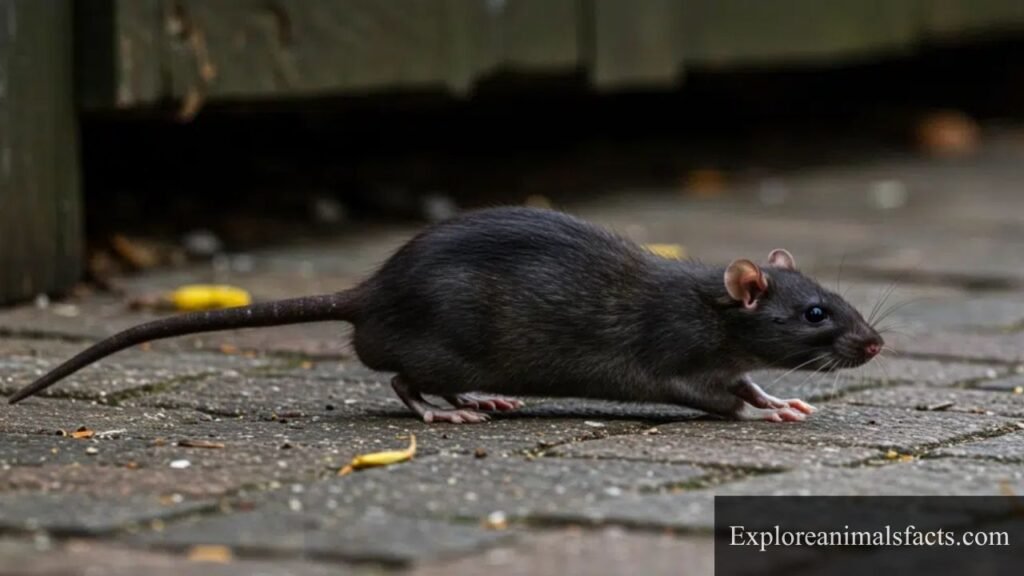
The whiskers of a rat reveal deeper layers of social behavior and communication. When interacting with their peers, rats use their whiskers to sense the emotional states of others, engaging in subtle forms of social bonding. This whiskered dialogue transcends mere physical presence; it reflects a complex world of social connectivity and understanding among these creatures. In appreciating the role of whiskers, we uncover the intricate nature of rat behavior, challenging the negative stereotypes often associated with them and inviting a more nuanced view of their intelligence and adaptability in diverse environments.
Readmore: Explore Top 9 Mammals That Cannot Jump.
Sea Lion
Scientific Name: Zalophus californianus
Class: Mammalia
Diet: Carnivore
Sea lions, with their playful demeanor and expressive features, are fascinating creatures that utilize their whiskers in remarkable ways. Unlike many mammals that merely grow whiskers for sensory purposes, sea lions have evolved a sophisticated means of communication and spatial awareness through these sensitive appendages. Their vibrissae, or whiskers, are densely packed with nerve endings that grant them heightened sensitivity, enabling them to detect changes in the water currents and pinpoint the movements of prey even in murky depths.
What truly sets sea lions apart is the social dynamics influenced by their whiskers. These charismatic marine mammals often engage in intricate displays of body language, where the positioning and movement of whiskers can convey emotions ranging from curiosity to aggression. Observing a sea lion “smile” or tilt its head can reveal subtle nuances of interaction within the colony, showcasing their intelligence and social complexity. In this way, whiskers are not just tools for navigation; they play a pivotal role in the rich tapestry of social life among these marine mammals, hinting at an unseen world where communication flows beyond the surface.
Dog
Scientific Name: Canis lupus familiaris
Class: Mammalia
Diet: Omnivore
Dogs, often celebrated for their loyalty and companionship, possess whiskers that serve crucial sensory functions. Unlike humans, whose facial hair is primarily decorative, a dog’s whiskers — known as vibrissae — are finely tuned sensory instruments. These specialized hairs can detect shifts in air currents, allowing dogs to gauge their surroundings in ways that extend beyond mere sight. In dim light or tight spaces, a quick twitch of these whiskers can reveal the presence of an object or even help them navigate with remarkable precision.
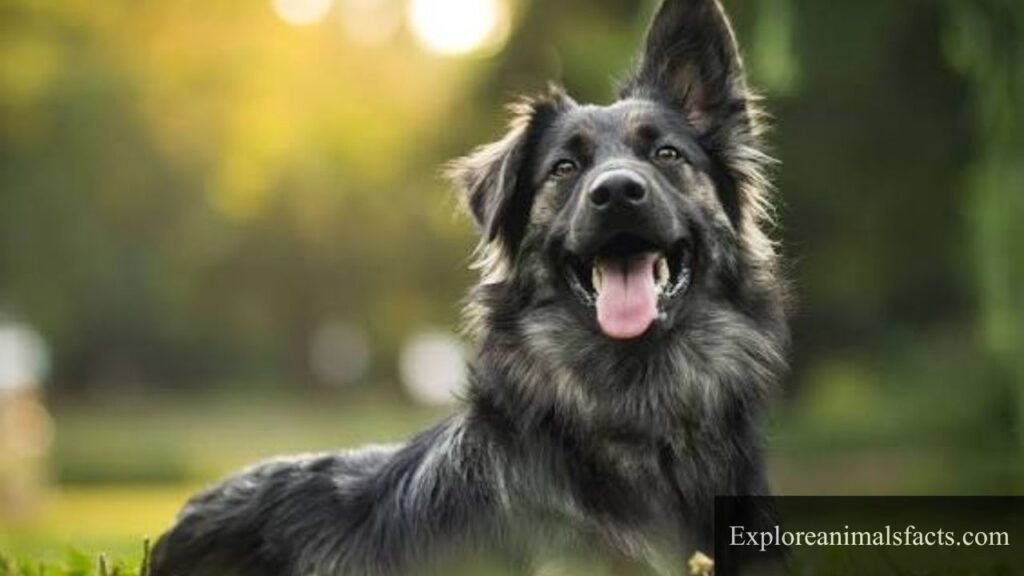
The whiskers on a dog’s snout can indicate its emotional state. When a dog is relaxed or curious, the whiskers will naturally extend outwards; conversely, when in doubt or feeling threatened, they may retract slightly, mirroring the dog’s internal feelings. This intricate connection between whisker positioning and emotional response offers a fascinating glimpse into canine communication. Observing this subtle language not only enhances our bond with dogs but also allows us to better understand their moods and needs, enriching our shared experiences in surprising ways.
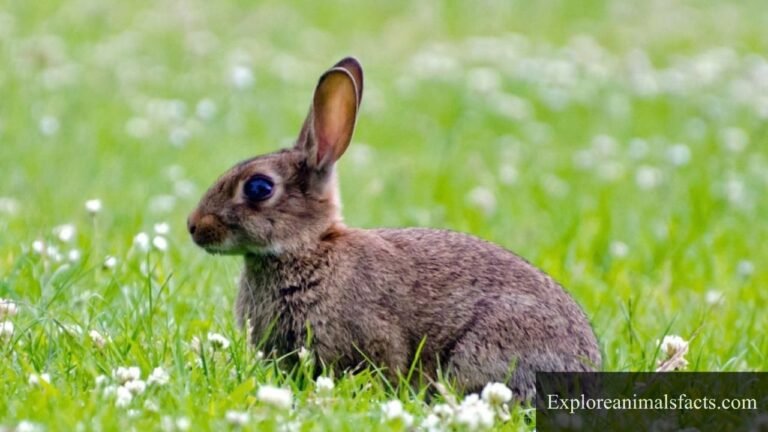
European Rabbit
Scientific Name: Oryctolagus cuniculus
Class: Mammalia
Diet: Herbivore
The European rabbit, a fascinating creature with distinctive whiskers, uses these sensory appendages to navigate its environment in remarkable ways. These long, sensitive whiskers, or vibrissae, are not just for show; they serve as critical tools for gauging space, detecting nearby objects, and even sensing predator movements. When foraging in the dense underbrush, rabbits rely heavily on their whiskers to help them maneuver through tight spaces without relying solely on their vision.
What’s truly captivating is how these whiskers reflect the rabbit’s state of mind. When a European rabbit is curious or calm, its whiskers radiate forward, signaling its readiness to explore. Conversely, if the rabbit feels threatened or stressed, it may retract its whiskers, creating a compact silhouette that offers a slight edge of protection. This subtle communication through body language fosters a deeper understanding of their behavior, inviting us to appreciate the nuances of their existence beyond mere hopping and chewing. The European rabbit’s whiskers are not just functional but embody a rich language of sensitivity and survival in the wild.
You can also read: Explore Top 15 Dirtiest Animals in The World.
Raccoon
Scientific Name: Procyon lotor
Class: Mammalia
Diet: Omnivore
Raccoons possess highly sensitive whiskers that serve as tools for exploration and survival. These whiskers, or vibrissae, are not merely decorative; they help raccoons navigate their environment, especially in low-light conditions. Equipped with a rich array of nerve endings, these tactile hairs allow them to gauge the width of openings and assess the texture of surfaces, making them adept at foraging through their nocturnal habitats.
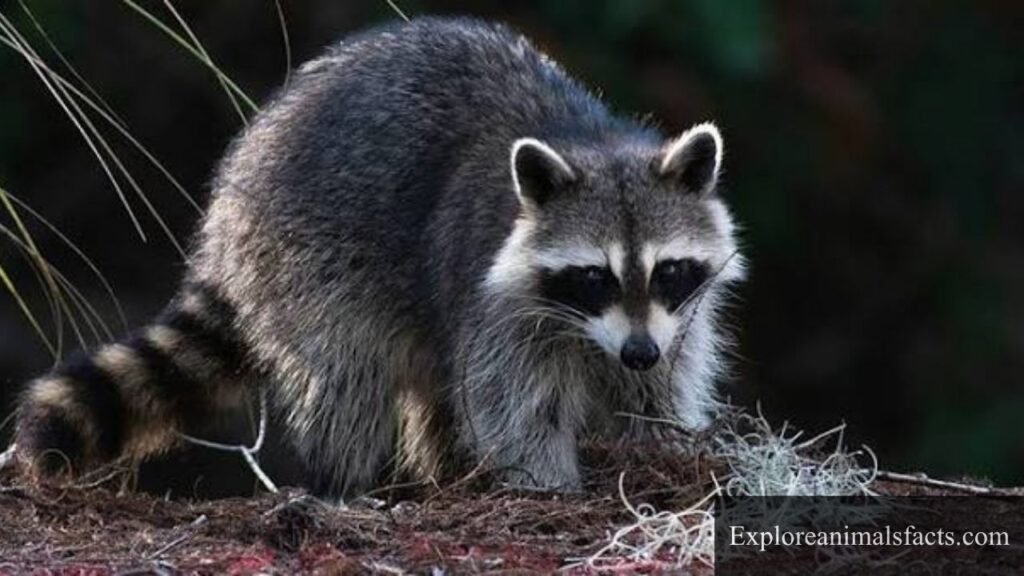
The whiskers of a raccoon can be indicative of their personality and lifestyle. For instance, urban raccoons often have more robust and longer whiskers compared to their rural counterparts, which reflects their adaptation to versatile environments filled with diverse stimuli. Furthermore, their unique dexterity, enhanced by these sensory appendages, allows them to manipulate objects almost like hands — opening containers or even unzipping bags with surprising ease. This intriguing blend of whisker functionality and intelligence positions raccoons as fascinating examples of evolution, showcasing creativity in adaptation to both wild and human-influenced landscapes.
Cat
Scientific Name: Felis catus
Class: Mammalia
Diet: Carnivore
Cats, the quintessential whisker-wielders of the animal kingdom, possess an intricate sensory tool that extends far beyond mere aesthetics. These delicate, elongated hairs, known as vibrissae, are not just for show; they are finely tuned receivers that help cats navigate their environment. Each whisker is embedded in a rich supply of nerve endings, allowing felines to detect subtle changes in air currents, and gauge distances, which is particularly useful in dim lighting or tight spaces.
A cat’s whiskers serve as emotional barometers, reflecting their mood and intentions. When a cat feels threatened or tense, its whiskers may pull back against its cheeks, while a relaxed feline may display whiskers that protrude confidently forward. This fascinating behavior provides insights into their emotional state, making whiskers an important form of non-verbal communication in the feline world. So the next time you admire your cat, take a moment to appreciate these little sensory marvels that equip them for survival and enrich their social interactions.
Mountain Lion
Scientific Name: Puma concolor
Class: Mammalia
Diet: Carnivore
Mountain lions, also known as cougars or pumas, are iconic inhabitants of the North American wilderness and their whiskers add to their majestic, powerful presence. These sensitive facial hairs play a crucial role in their hunting strategies, functioning much like antennae that help the feline navigate through diverse terrain. When stalking prey, the mountain lion uses its whiskers to gauge the width of its surroundings, ensuring it can maneuver stealthily through dense underbrush or narrow crevices without making a sound.
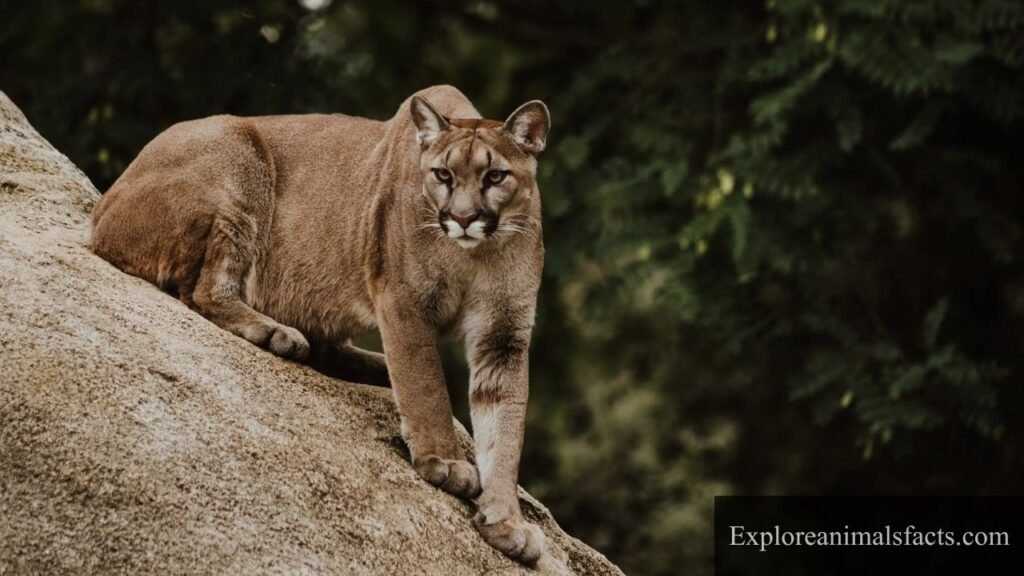
The whiskers of a mountain lion are more than just tactile aids; they are a reflection of the animal’s adaptability and prowess. Each whisker can detect the slightest changes in air currents, allowing these solitary hunters to sense the movement of prey before it becomes aware of their presence. In dimly lit environments, where eyesight may not suffice, these vibrissae become indispensable tools, making them masters of stealth who thrive in their varied habitats, from rocky canyons to lush forests. This unique adaptation illustrates not just their physical prowess but also their evolutionary journey, showcasing how every feature in nature serves a purpose in the grand design of survival.
Also read: Explore Top 15 Animals That Drink a Lot of Water.
Beaver
Scientific Name: Castor
Class: Mammalia
Diet: Herbivore
Beavers are also characterized by their remarkable whiskers, which serve a vital purpose in their semi-aquatic lifestyle. These sensitive tactile hairs, or vibrissae, are finely tuned to detect even the slightest changes in their environment, particularly underwater. When navigating murky waters, beavers rely on these whiskers to sense obstacles and food sources, allowing them to forage and travel with remarkable precision, even in low visibility.
Beaver whiskers play a crucial role in social interactions. These animals are highly social creatures, often engaging in complex grooming behaviors that reinforce bonds within family groups. The tactile feedback from whisker contact not only aids in communication but also helps establish territory and hierarchies, showcasing the subtle yet intricate dynamics of beaver society. Understanding the role of these sensory tools deepens our appreciation for the clever adaptations that enable beavers to thrive in their environments, making them true architects of the ecosystem.
Hamster
Scientific Name: Cricetinae
Class: Mammalia
Diet: Omnivore
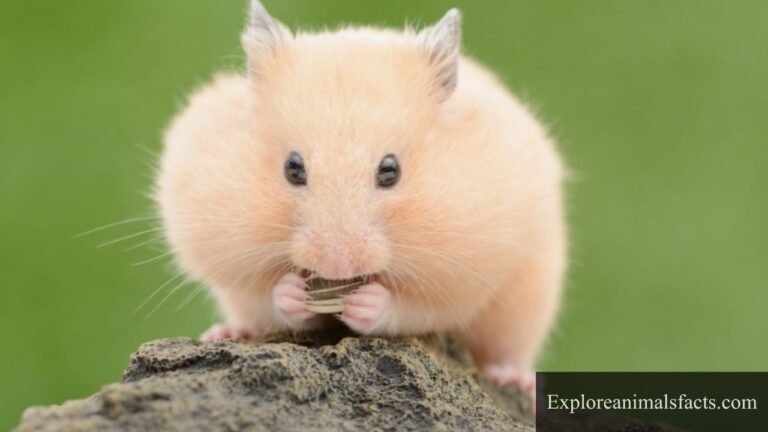
Hamsters rely heavily on their whiskers for navigating their world. These long, sensory hairs act like antennae, helping them gather crucial information about their environment, especially since their eyesight is limited. When exploring tunnels or burrows in their nocturnal escapades, hamsters use their whiskers to detect nearby obstacles and gauge the width of passageways. This sensory adaptation allows them to maneuver deftly, avoiding pitfalls while foraging for food.
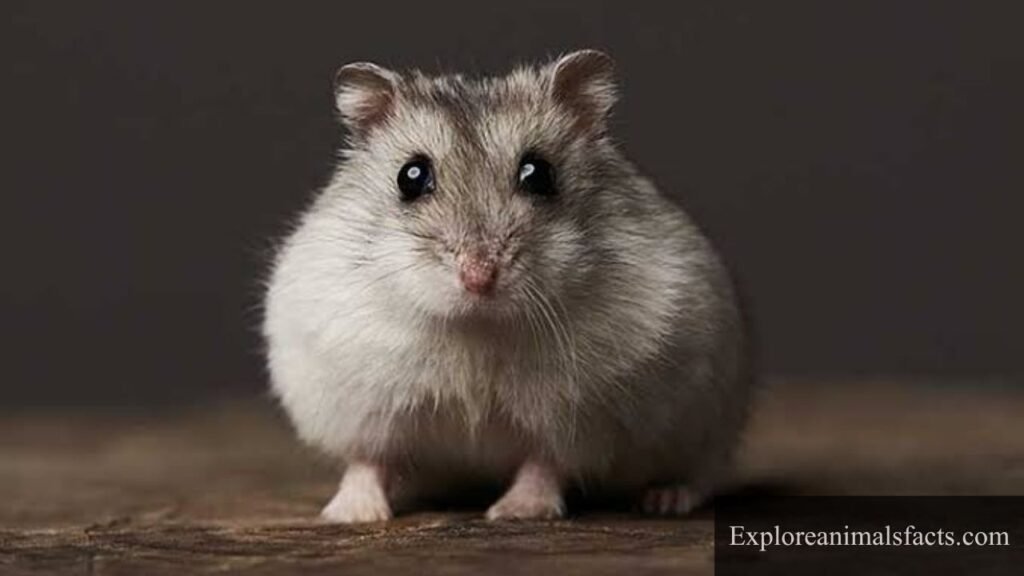
Whiskers also play a role in social interactions among hamsters. When they encounter each other, these sensory organs help them assess one another’s size and mood, facilitating crucial communication in their social dynamics. For those considering adopting a hamster, paying attention to their whiskers can offer insights into their well-being; if their whiskers appear damaged or broken, it may signal stress or an unhealthy living environment. Therefore, in the small yet intricate world of hamsters, these tactile tools do more than simply enhance navigation; they are essential for survival and social bonding, highlighting the depth of these seemingly simple creatures.
Red Fox
Scientific Name: Vulpes vulpes
Class: Mammalia
Diet: Omnivore
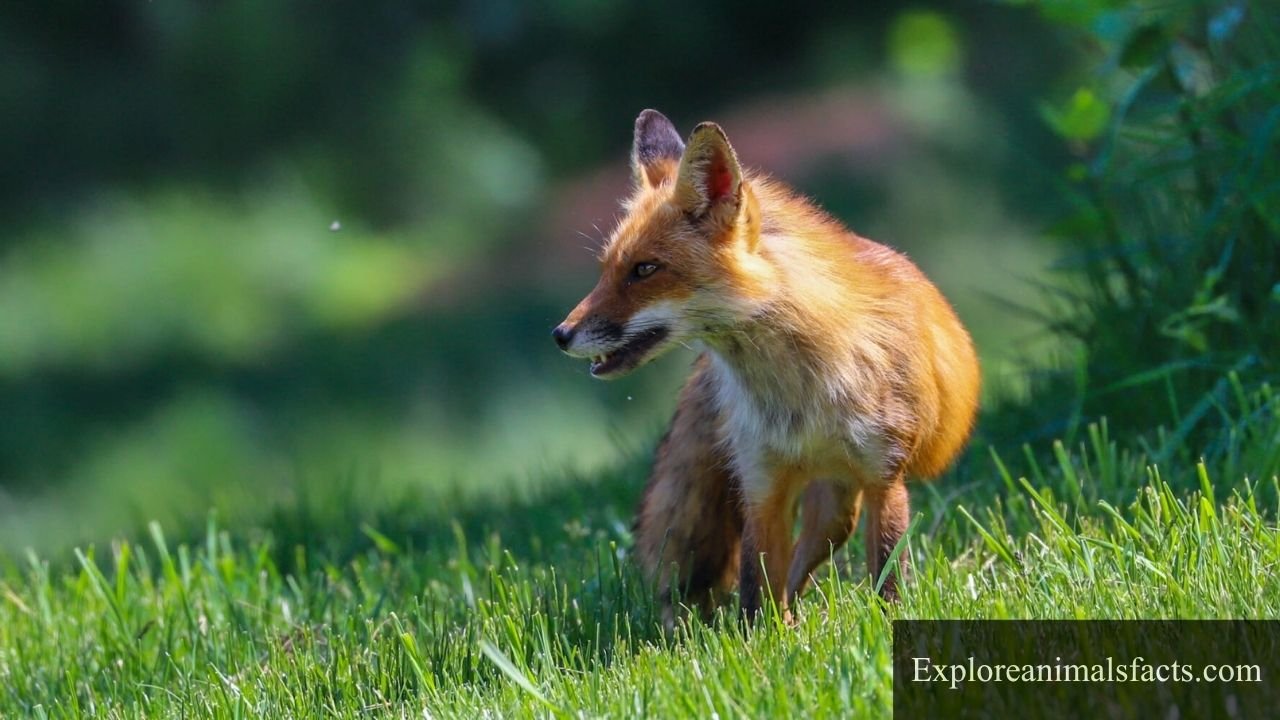
The red fox is often overlooked in conversations about whisker functionality. While many might associate whiskers primarily with tactile sensation, in the case of the red fox, these sensitive hairs provide essential navigation tools during nocturnal hunts. Whiskers, or vibrissae, are finely tuned to detect even the slightest changes in their environment, helping the fox pinpoint the location of prey lurking beneath snow or dense undergrowth.
These whiskers serve a crucial role in social interactions. In their complex communication repertoire, red foxes use body language that includes whisker position to convey emotions and intentions. When feeling threatened, a fox may position its whiskers forward, signaling readiness to defend itself or flee. Conversely, relaxed whiskers suggest a more docile demeanor, a reminder that even in the wild, subtleties in physical expressions can reveal much about an animal’s state of mind. Observing the red fox and its whiskers not only enhances our understanding of their behavioral ecology but also invites us to appreciate the intricate, often unseen, details of wildlife interactions.
Readmore: Explore op 27 Most Energetic Animals.
Manatees
Scientific Name: Trichechus
Class: Mammalia
Diet: Herbivore
Manatees, often dubbed “sea cows,” possess a unique set of whiskers that serve as more than just cute facial adornments. These sensitive tactile hairs, known as vibrissae, line their snouts and play a crucial role in their foraging habits. Unlike many mammals, manatees rely heavily on these whiskers to detect the texture of their food — typically seagrasses and aquatic plants — contributing to their survival in the murky waters they call home.
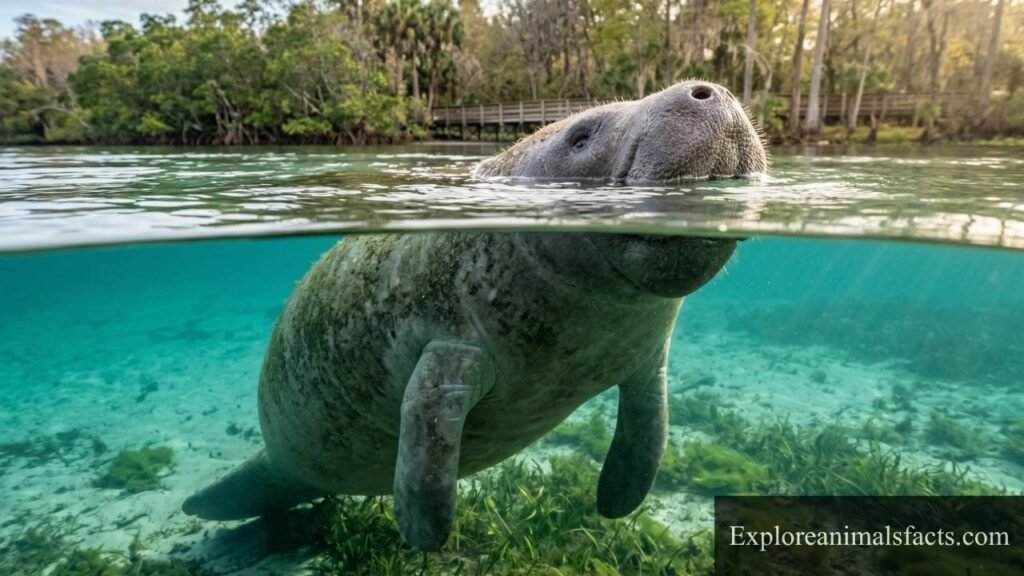
Manatees have about 300 whiskers, each capable of sensing even the slightest movement in their environment. This adaptation is particularly vital, as manatees navigate through shallow waters where visibility is often limited. Beyond feeding, their whiskers provide insight into their surroundings, allowing them to avoid obstacles and predators. In a world where their habitat is increasingly threatened, these humble marine mammals remind us of the intricate connections between appearance, function, and survival in nature.
Seal
Scientific Name: Pinnipedia
Class: Mammalia
Diet: Carnivore
Seals are playful marine mammals that possess whiskers that function as intricate sensory tools playing a crucial role in their survival. These sensitive vibrissae, which can measure the vibrations of water and detect movements nearby, serve as the seals’ primary means of navigation in the often murky ocean depths. This tactile sensitivity allows seals to hunt effectively in darkness or low visibility, enabling them to perceive the subtle shifts in water that suggest the presence of prey like fish and squid.
What’s particularly fascinating is how these whiskers enhance social interactions among seals. During mating season, females and males engage in intricate displays that are greatly influenced by whisker contact and scent. The whiskers can also detect chemical signals, fostering social bonds and allowing them to communicate their readiness to mate or their territorial claims. This intimate connection through their whiskers highlights the sophistication of seal behavior, reminding us that the ocean depths are filled with extraordinary adaptations that not only support survival but also enrich social structures within species.
Walrus
Scientific Name: Odobenus rosmarus
Class: Mammalia
Diet: Carnivore
The walrus, with its iconic tusks and impressive whiskers, is a marvel of nature’s design. These whiskers, or vibrissae, are more than just a striking feature; they serve as highly sensitive tools that help walruses navigate their icy underwater world. Each whisker, capable of detecting the slightest vibrations, allows these large marine mammals to forage efficiently for clams and other prey on the seafloor, even in murky waters.

Walruses often display their whiskers in fascinating ways, reinforcing their status and relationships within groups. The tactile nature of these whiskers plays a crucial role in communication, as walruses engage in complex social behaviors, from playful interactions to assertive displays. The unique adaptations of their whiskers contribute to their survival in harsh Arctic environments, showcasing the intricate balance between form and function in the animal kingdom. Observing these gentle giants reminds us of the profound interconnectedness of anatomy, behavior, and ecology in the animal world.
You can also read: Explore Top 25 Animals With Lowest IQ.
Otter
Scientific Name: Lutrinae
Class: Mammalia
Diet: Carnivore
Otters, with their playful demeanor and sleek bodies, are often recognized for their charm and agility in the water. Yet, their whiskers serve a crucial function that extends beyond mere aesthetics. These sensitive tactile organs are finely tuned to detect subtle changes in their aquatic environment, allowing otters to navigate murky waters and locate prey with remarkable precision. Their whiskers can sense vibrations and pressure variations, ensuring that even in the dimmest light, an otter can effortlessly find fish, crustaceans, and other tasty morsels.
The social dynamics of otters are enriched by their whiskers. When engaging in playful activities or grooming one another, these sensory appendages foster bonding and communication among individuals. The act of rubbing whiskers together can convey trust and affection, emphasizing their social nature. This intimate interaction highlights the importance of whiskers not just as a survival tool, but also as a means of enhancing social cohesion within their tight-knit communities. Observing otters in these moments reveals a deeper understanding of their intelligence and emotional depth, painting a vivid picture of life beneath the surface.
Horse
Scientific Name: Equus ferus caballus
Class: Mammalia
Diet: Herbivore
Horses possess a lesser-known sensory tool that plays a crucial role in their communication and environmental awareness. Their sensitive facial hairs, known as vibrissae, are not merely decorative; they function like antennae, helping horses navigate their surroundings with remarkable precision. Given their large size and often limited vision directly in front, whiskers allow these magnificent creatures to gauge distances and textures, enhancing their spatial awareness as they forage in the wild.
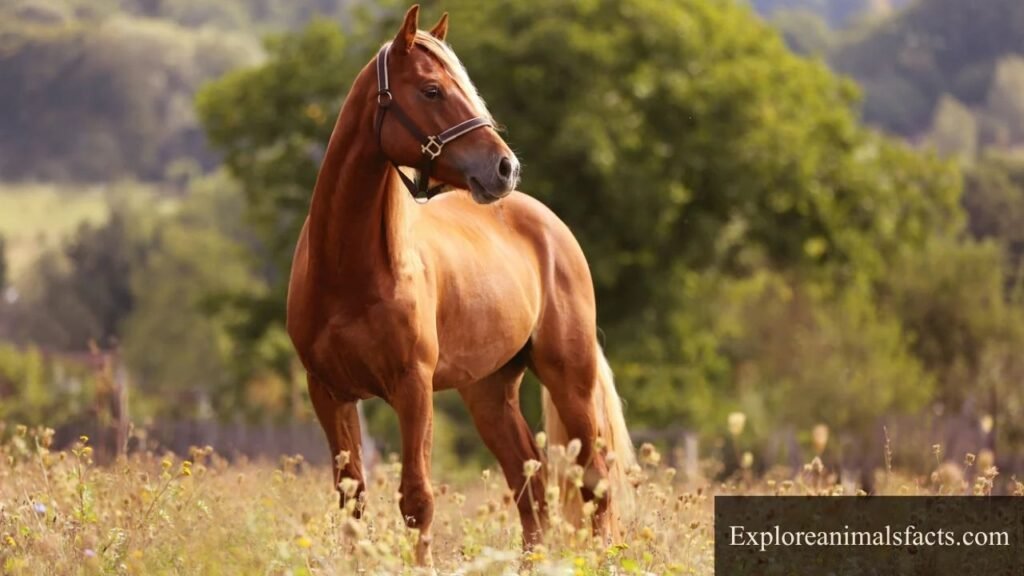
A horse’s whiskers are more finely tuned than those of many other animals. When they stroke objects with their whiskers, they can detect subtle vibrations and air currents, providing vital information about what’s nearby. This heightened sense contributes to their awareness of potential dangers, making them better equipped for survival in their natural habitat. Furthermore, studies suggest that whiskers hold a social significance as well; they can convey emotional states, allowing horses to engage and bond with one another in nuanced ways, all without uttering a sound. By understanding the unique role whiskers play, we gain deeper insight into the intelligence and complexity of these beloved animals.
Readmore: Explore Top 15 Animals That Whistle.
Final Thoughts
Whiskers are more than just a charming trait; they are crucial sensory tools that help various animals detect changes in their surroundings and communicate effectively. From cats to rats, each species utilizes these impressive appendages in different ways, showcasing the diversity of adaptation in the animal kingdom. Understanding the function and importance of whiskers fosters a deeper appreciation for wildlife and the complex interactions that occur within ecosystems.
As stewards of the planet, it’s our responsibility to protect the habitats of these incredible creatures. Let’s advocate for wildlife conservation and ensure that future generations can also appreciate the wonders of animals with whiskers.
FAQs
What animals have whiskers?
Whiskers, also known as vibrissae, are found in a variety of animals. Most famously, cats and dogs have them, using these sensitive hairs for navigation and spatial awareness. Whiskers can detect changes in their environment, which is crucial for hunting or avoiding obstacles. In addition to pets, many other animals have whiskers. Rodents like mice and rats rely on them for touching and sensing their surroundings. Even larger animals, such as seals and walruses, have whiskers that help them hunt in murky waters.
Do kangaroos have whiskers?
Yes, kangaroos do have whiskers! These long, sensitive hairs, known as vibrissae, are primarily found on their muzzle and help them navigate their environment. Whiskers are crucial for detecting nearby objects and can aid in foraging for food, especially in low-light conditions.