Top 19 Annoying Animals in the World (With Images)
From squawking seagulls to relentless raccoons, annoying animals in the world can make everyday life a little challenging. This article dives into the behaviors and quirks that make these creatures so bothersome, shedding light on why they act the way they do. By the end, you’ll not only have a deeper understanding of these animals but also strategies to mitigate their annoying antics.
List of Annoying Animals in The World
Here is the list of annoying animals:
- Groundhog
- Cicadas
- Seagull
- Flies
- Raccoons
- Cats
- Mice
- Ticks
- Owls
- Fox
- Cockroaches
- Mosquitoes
- Skunks
- Rats
- Pigeons
- Monkeys
- Gnats
- Squirrels
- Crows
Groundhog
Scientific Name: Marmota monax
Class: Mammalia
Diet: Herbivore
Groundhogs are often perceived as cute, furry critters, but their penchant for digging can turn them into formidable foes for gardeners and homeowners alike. These industrious creatures create extensive burrow systems that can undermine your prized flowerbeds or vegetable patches. Imagine waking up to a landscape transformed into a Swiss cheese-like patchwork, all thanks to a single groundhog tirelessly excavating tunnels beneath your property.
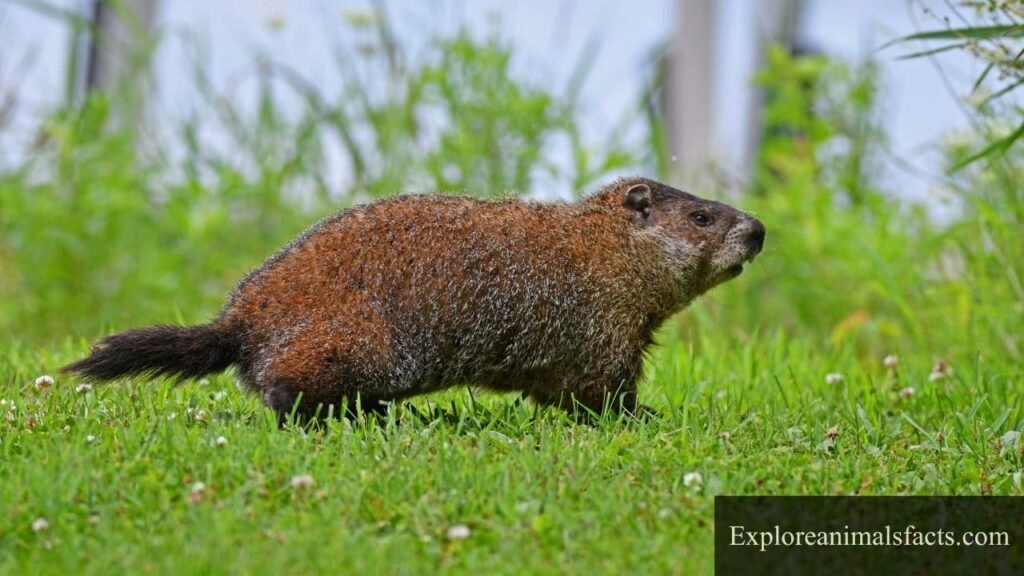
Their stubborn determination serves a purpose — groundhogs play a key role in their ecosystems. Their burrows provide habitats for other wildlife, while their foraging habits help aerate the soil and promote plant growth. This duality showcases nature’s way of balancing annoyance with beneficial contributions.
Cicadas
Scientific Name: Cicadidae
Class: Insecta
Diet: Herbivore
Cicadas, often regarded as the ultimate summer soundtrack, can transform from charming singers to irritating intruders in a matter of seconds. Their incessant buzzing, particularly during mating season, seems to blare like an out-of-tune orchestra, drowning out conversations and disrupting peaceful moments in nature. This cacophony is particularly pronounced in regions where these insects emerge in droves, leaving many to wonder why Mother Nature would design such an annoying creature. Yet, this cacophony serves a crucial purpose: mating calls. The males produce their signature sounds to attract females, creating a unique partnership between annoyance and reproduction.
The pulsating rhythms of cicadas aren’t just random noise; they’re finely tuned to ensure maximum reach and effectiveness. By buzzing at different frequencies, males can carve out a niche within a crowded auditory landscape, competing with the calls of countless others. This competition, while an annoyance to human ears, highlights the complex interplay of life and survival that goes beyond mere irritation.
Seagull
Scientific Name: Laridae
Class: Aves
Diet: Omnivore
Seagulls, with their piercing cries and relentless scavenging, often become the unwelcome guests of coastal outings. Their audacious attempts to snatch snacks right from people’s hands can be both amusing and infuriating. But beyond their annoying antics lies an ecological purpose: these birds are nature’s clean-up crew. By feasting on leftovers and other discarded materials, seagulls play a critical role in maintaining the balance of their ecosystems, ensuring that waste does not accumulate in coastal environments.
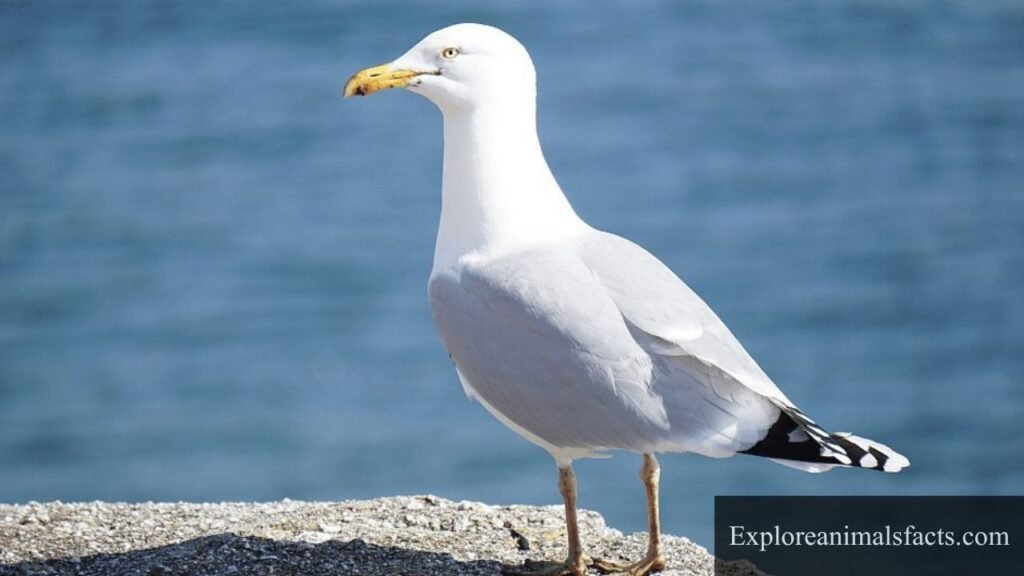
Their aggressive behavior underscores a broader issue of human interference in wildlife habitats. As coastal development encroaches upon their nesting sites, seagulls adapt by becoming bolder in their foraging tactics. This adaptability is a double-edged sword — while it showcases their resilience, it also poses challenges for beachgoers who encounter these feisty birds. Embracing their place in the ecosystem might help us find a more harmonious coexistence with these opportunistic scavengers, turning annoyance into appreciation.
Readmore: Explore Top 15 Animals That Whistle.
Flies
Scientific Name: Diptera
Class: Insecta
Diet: Omnivore
Flies, with their incessant buzzing and seemingly random flight patterns, can turn a peaceful afternoon into a swatting frenzy. Their persistence is not just pesky; it serves a purpose in the broader ecosystem. As decomposers, flies play a vital role in breaking down organic matter, recycling nutrients back into the soil. This means that while they might be irritating, their presence underscores nature’s intricate balance.
Their acute senses, especially their ability to detect odors, allow them to locate food sources effortlessly. This makes them not just an annoyance at picnics, but also crucial pollinators for certain plants. Interestingly, their short lifespan and rapid reproduction allow flies to adapt quickly to environmental changes, which might explain why they seem to be everywhere at once. Though our instinct is to swat them away, embracing the role they play in our ecosystem can provide a fresh perspective on these tiny nuisances.
Raccoons
Scientific Name: Procyon lotor
Class: Mammalia
Diet: Omnivore
Raccoons can quickly escalate from cute critters to urban nuisances. Their notorious nighttime foraging often leads them into garbage bins, where they create chaos that leaves homeowners fuming. But beneath their antics lies an intriguing purpose: these clever mammals are nature’s scavengers, playing a vital role in ecosystem cleanup. Their relentless search for food not only reveals their resourcefulness but also helps in recycling nutrients back into the environment.
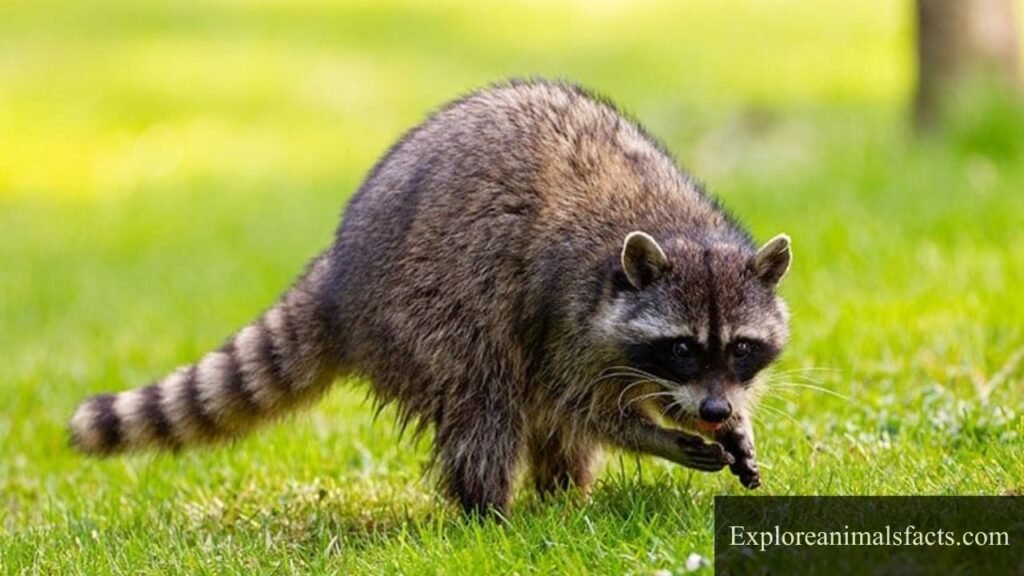
Raccoons are intelligent creatures capable of solving complex puzzles, a trait that contributes to their ability to infiltrate human spaces. Their annoyance isn’t merely a trait of mischief; it’s a reflection of their adaptability and survival instinct in a world increasingly dominated by humans. By understanding the ecological role of these masked bandits, we can appreciate them as both an annoyance and an essential component of our urban landscapes, reminding us that even in their mischief, there’s a purpose driving their behavior.
Cats
Scientific Name: Felis catus
Class: Mammalia
Diet: Carnivore
Cats can be the ultimate source of annoyance, with their penchant for choosing the most inconvenient moments to demand attention. Whether they’re bounding across your keyboard during a crucial Zoom call or knocking your favorite mug to the floor with a casual flick of their paw, their antics often leave us exasperated. Yet, there’s a surprising purpose behind this seemingly annoying behavior: attention-seeking, management of territory, and the constant need to assert their dominance over their human companions.
These irksome habits remind us of what it means to coexist peacefully with another species. Cats are adept at keeping us on our toes, pushing our boundaries in ways that challenge our routines — and here lies the beauty of it all. Their annoying quirks can teach us patience, adaptability, and even a sense of humor in the face of frustration.
Mice
Scientific Name: Mus musculus
Class: Mammalia
Diet: Omnivore
Mice may appear innocuous at first glance, but their unrelenting presence can turn any home into a battleground. Known for their stealth and adaptability, these tiny rodents often invade spaces that humans thought were secure, leading to frustration and fear. Their penchant for gnawing on wires, furniture, and even food supplies can cause substantial damage, making them the unsung villains of the household. Yet, in their own way, mice serve an essential purpose in the ecosystem, providing food for a variety of predators and playing a key role in seed dispersal.
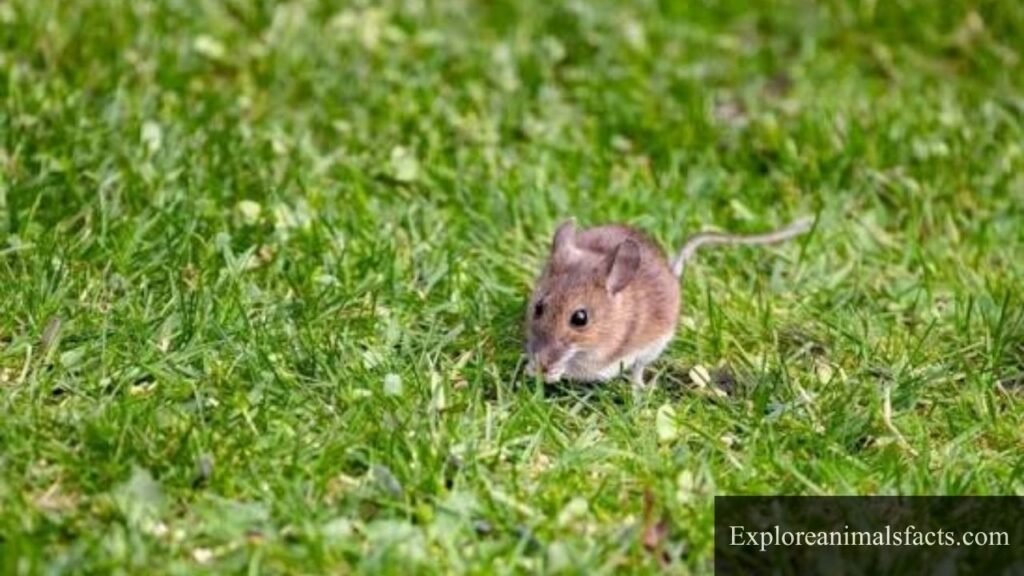
Their incessant activity and rapid reproduction rate can drive anyone to distraction, prompting a flurry of pest control solutions that can feel futile. However, this annoyance compels us to maintain cleanliness and vigilance, ultimately fostering a deeper connection to our living environments. Mice challenge us to reflect on our nesting instincts and consider the delicate balance between nature and human habitation. In confronting these furry invaders, we gain insight into our vulnerabilities and learn valuable lessons about coexistence in an ever-changing world.
Ticks
Scientific Name: Ixodida
Class: Arachnida
Diet: Parasite
Ticks may be small, but their impact is anything but trivial. These tiny arachnids are notorious for their capacity to irritate and entice frustration in both humans and pets alike. Their stealthy approach allows them to latch onto unsuspecting hosts undetected, leading to incessant scratching and discomfort. This annoyance extends beyond mere irritation, as ticks are vectors of serious diseases like Lyme disease and Rocky Mountain spotted fever, making them not just a nuisance but a potential health hazard.
Ticks serve a significant ecological purpose. As blood-feeding parasites, they play a role in regulating animal populations and influencing the dynamics of various ecosystems. By feeding on their hosts, ticks contribute to a natural balance, albeit with some unwanted side effects. This intricate relationship between annoyance and necessity prompts us to reconsider our perspective on these little creatures; their existence, while often viewed through the lens of irritation, is intertwined with the intricate web of life. Embracing a nuanced understanding of ticks can help us appreciate — albeit reluctantly — the role they play in our environment.
Owls
Scientific Name: Strigiformes
Class: Aves
Diet: Carnivore
Owls, often heralded as symbols of wisdom, have another side that can be downright annoying, particularly when their nocturnal habits disrupt the peaceful night. Their hooting, which may seem enchanting to some, can become an unsettling cacophony in the dead of night. Imagine trying to enjoy a serene evening under the stars when a chorus of owls invades your tranquility, each call echoing like a persistent reminder that you’re not alone. The purpose behind their relentless vocalizations? To claim territory and attract mates, but for those caught in the crossfire, the nightly serenade can wear thin.
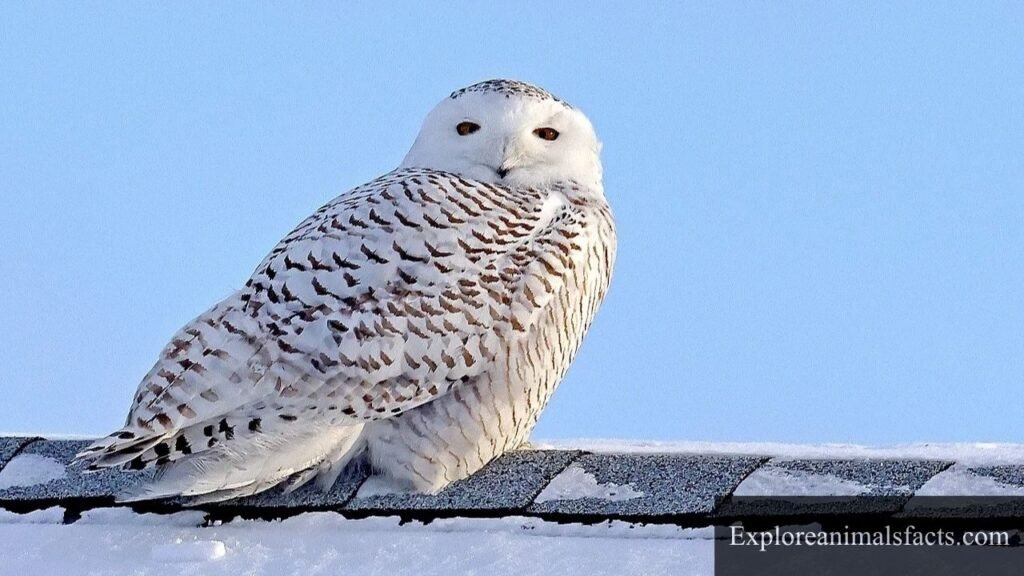
Owls are adept hunters, which means that their presence can often lead to unexpected disturbances in your backyard ecosystem. Their predatory nature can frighten away smaller wildlife, leaving behind a disconcerting silence that is felt as much as it is heard. This disruption is vital in maintaining ecological balance; yet, it serves as a reminder of the unyielding laws of nature where one creature’s annoyance is another’s survival strategy. For those living near these stealthy predators, the challenge lies in appreciating their role while navigating the discomfort they can bring to evening life.
Fox
Scientific Name: Vulpes vulpes
Class: Mammalia
Diet: Omnivore
The fox, often romanticized in folklore, can be surprisingly annoying in real life, particularly when it invades urban spaces. With its cunning nature and adaptability, the urban fox often scours through trash cans and gardens, leaving a trail of disruption in its wake. This behavior, while frustrating, serves a purpose in the ecosystem: by scavenging refuse, foxes help dispose of waste and control rodent populations. However, their nocturnal antics, including yowling and digging, can lead to sleepless nights for city dwellers, reminding us that nature’s charm comes with its challenges.
The fox’s adaptability highlights a crucial tension between wildlife and urban living. As we encroach upon their natural habitats, these clever animals adapt their behavior to thrive alongside humans. Their cunning means they can easily outsmart traps and deterrents, leading to what many consider an ongoing game of cat and mouse — or in this case, a frustratingly clever dance of fox and human. While their antics might drive you to distraction, they also force us to reconsider our relationship with the wilderness we often romanticize yet struggle to tolerate.
Cockroaches
Scientific Name: Blattodea
Class: Insecta
Diet: Omnivore
Cockroaches, often regarded as the one of the most annoying and terrifying bugs, have a strange yet essential purpose in our ecosystem. As resilient scavengers, they play a vital role in decomposing organic matter, which helps recycle nutrients back into the soil. Despite their useful part in maintaining environmental balance, the mere thought of encountering these nocturnal pests can send shivers down your spine. Their ability to thrive in almost any condition feeds into our aversion; they seem to haunt kitchens and corners just when we think we’ve won the battle against them.
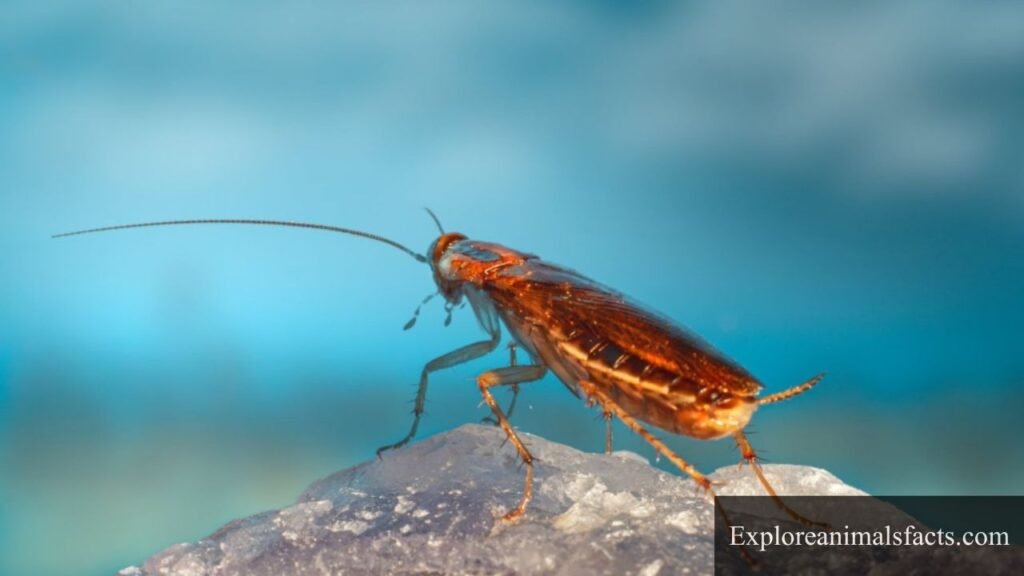
Cockroaches have adapted remarkably well over millions of years, boasting an incredible capacity to survive harsh climates and human interventions. This adaptability only fuels our frustration as they slip through traps and vanish into tiny crevices, leaving us questioning our cleanliness and pest control efforts. Their presence indirectly highlights the importance of hygiene, as these irritating intruders can carry allergens and pathogens, compelling homeowners to maintain stricter sanitation measures. In a way, their annoyance serves as a reminder of nature’s unyielding persistence, challenging us to coexist with the very creatures that make our skin crawl.
Mosquitoes
Scientific Name: Culicidae
Class: Insecta
Diet: Omnivore/Parasite
Mosquitoes might be the bane of summer evenings, buzzing around our ears and leaving itchy welts on our skin, but their existence serves a more profound ecological purpose. While we often lament their insatiable appetite for blood, these tiny tormentors play a crucial role in the ecosystem, serving as food for countless birds, bats, and even some fish. Without them, the delicate balance of many ecosystems would be disrupted, highlighting the complex interdependence of species that often goes unnoticed amidst our frustration.
The annoyance of mosquitoes can actually be viewed through an evolutionary lens. Their persistence in seeking out hosts is a testament to their adaptive success. With their sophisticated sensory systems, these creatures can detect carbon dioxide and body heat, honing in on humans and animals with alarming accuracy. This survival strategy, while inconvenient for us, showcases the impressive evolutionary innovations that allow them to thrive in diverse environments. Embracing this perspective can transform our annoyance into a curious fascination with the intricate web of life, reminding us that even the most bothersome creatures have a role to play in the grand tapestry of nature.
Skunks
Scientific Name: Mephitis mephitis
Class: Mammalia
Diet: Omnivore
Skunks are often viewed as the bane of suburban life, known primarily for their notorious ability to spray a foul-smelling liquid that can linger for days. However, the annoyance they bring is intricately tied to their survival strategy. This potent spray, composed of sulfurous compounds, serves as both a defensive mechanism and a powerful deterrent against predators. The annoyance they impose on humans in their vicinity is, in essence, a defense of their very existence in an increasingly urbanized world.
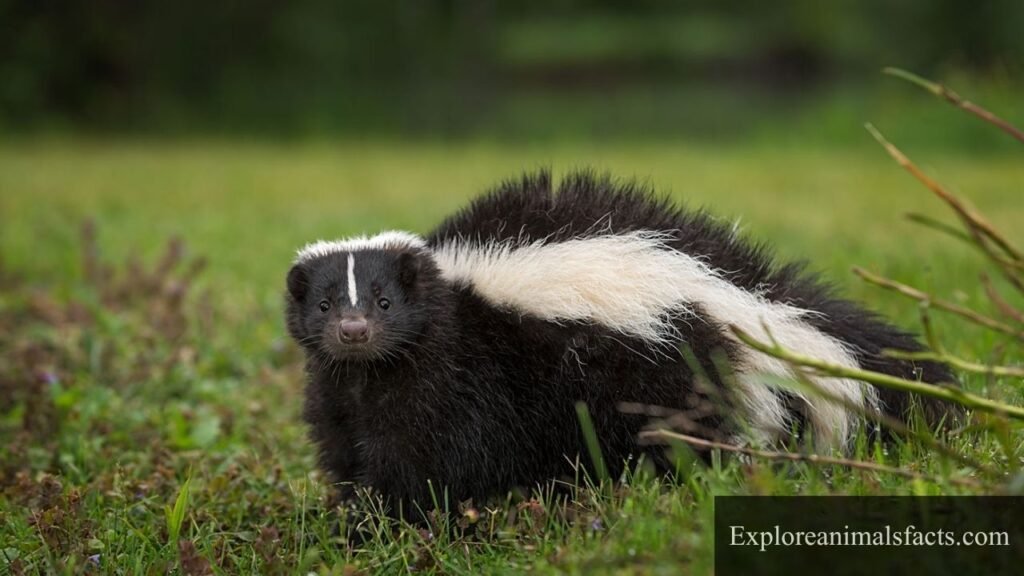
Rather than seeing skunks solely as nuisances, consider their role in pest control. These animals feast on pesky insects, rodents, and even ticks, contributing to the ecological balance in gardens and backyards. Their nocturnal habits help maintain this equilibrium, keeping the nighttime ecosystem thriving. While their unmistakable scent might disrupt a peaceful evening outdoors, understanding the broader ecological benefits of skunks can turn annoyance into appreciation, highlighting the complex relationship we share with these misunderstood creatures.
Rats
Scientific Name: Rattus
Class: Mammalia
Diet: Omnivore
Rats, often deemed a nuisance in urban environments, are not just irritants; they play intricate roles in ecosystems that can be overlooked in their annoyance. Their relentless scavenging can disrupt food supplies and damage property, leading many to label them as mere pests. However, this behavior serves a larger purpose in nature. As omnivores, they help recycle nutrients and disperse seeds, supporting plant growth in often eroded or litter-heavy areas. Their adaptability highlights the resilience of life in challenging conditions, prompting us to rethink their role in our surroundings.
the hidden benefits of rats extend into research and medicine. Their rapid reproduction and genetic similarities to humans make them invaluable for scientific study, helping us understand diseases and develop treatments. While their nighttime scurrying can spark panic in urban dwellers, the reality is that their presence signifies an underlying balance within local ecosystems. Understanding this duality might just inspire a shift in perspective — from viewing them solely as nuisances to recognizing them as a vital part of nature’s complex web, albeit one that needs careful management.
Pigeons
Scientific Name: Columbidae
Class: Aves
Diet: Herbivore
Pigeons, often labeled as the “rats of the sky,” are more than just a nuisance; their presence offers a unique glimpse into urban ecology. Known for their incessant cooing and propensity to congregate in large flocks, these birds can transform public spaces into a cacophony of noise and debris. While their droppings are notorious for ruining park benches and historical monuments, the real annoyance may lie in their boldness. Pigeons have developed an uncanny ability to navigate bustling streets and interact closely with humans, often leading to unexpected confrontations in cafes and plazas.
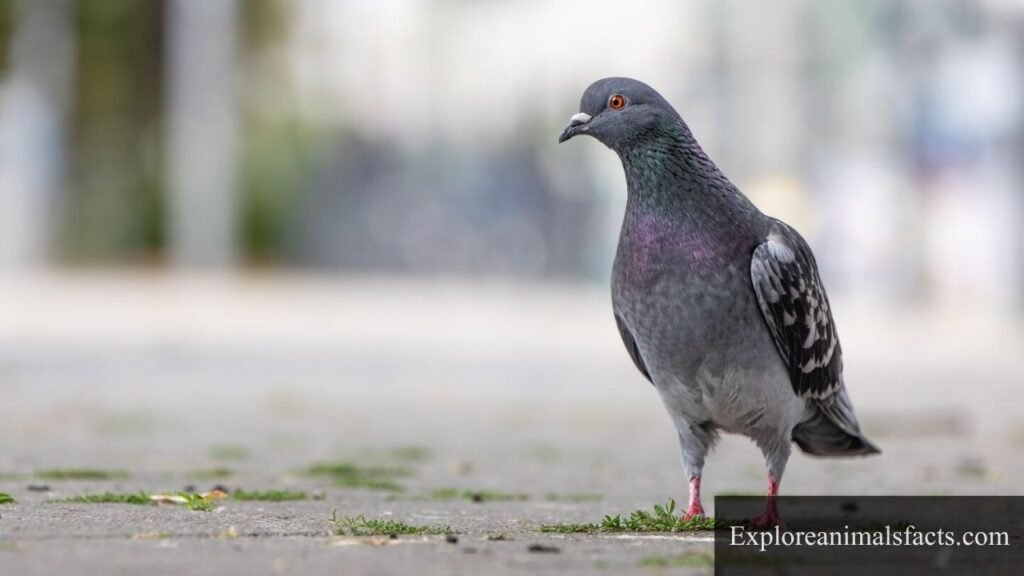
This behavior is not merely pestering; it serves an essential purpose in city ecosystems. Pigeons play a crucial role in seed dispersal and can even encourage biodiversity by breaking down waste. Their adaptability reflects a deeper evolutionary success that challenges our perceptions of wildlife in urban settings. Instead of viewing them solely as an annoyance, consider pigeons as a testament to nature’s resilience, thriving alongside humanity while reminding us of our shared spaces. In a world striving for coexistence, perhaps it’s time to embrace the city’s feathered inhabitants — annoying as they may be.
Monkeys
Scientific Name: Simiiformes
Class: Mammalia
Diet: Omnivore
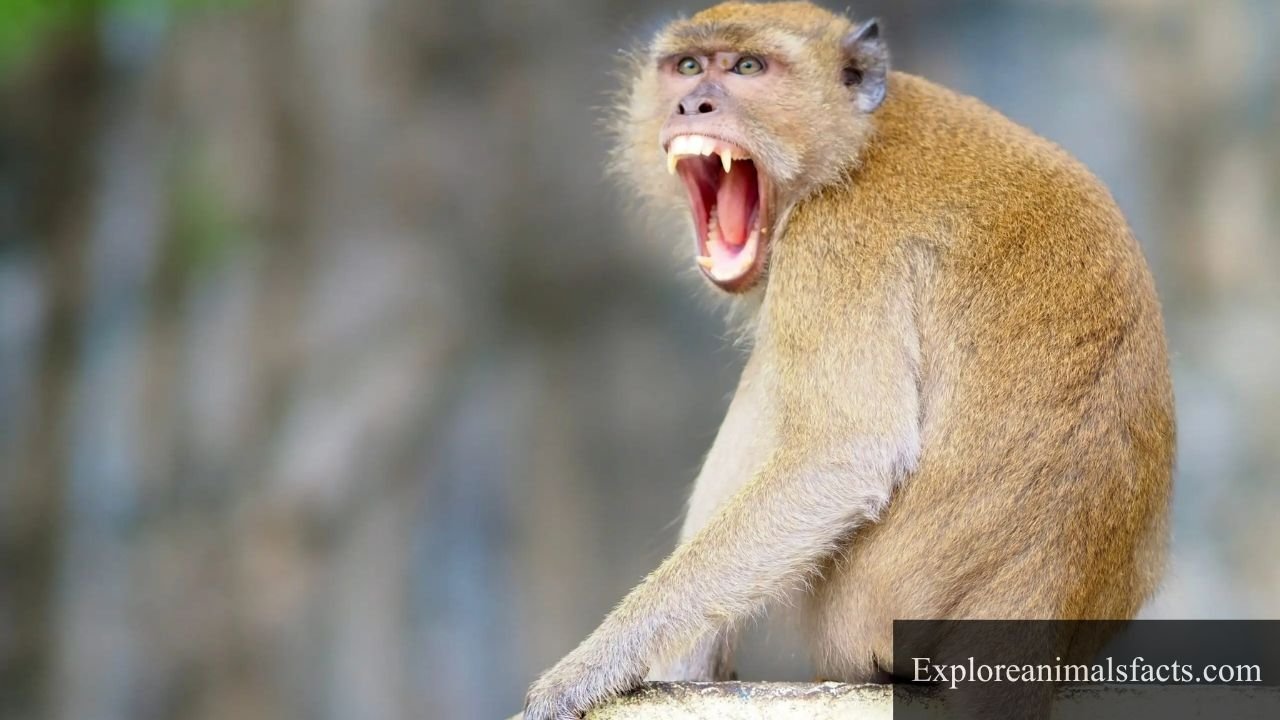
Monkeys are notorious for their mischievous antics, often testing the patience of tourists. Their penchant for stealing food, snatching personal belongings, and creating chaos in public spaces can be incredibly frustrating. This behavior might seem purely annoying, but there’s a biological strategy behind it. By engaging in such audacious acts, monkeys hone their social skills and reinforce their dominance within their groups, showcasing how annoyance can be a tool for social maneuvering in the wild.
Their disruptive behavior has a broader ecological purpose. Many monkey species are instrumental in seed dispersal, and their trickster tendencies can actually facilitate the growth of diverse plant life. By raiding crops or foraging through trash, they inadvertently ensure a varied diet, which supports not just their survival but also the intricate balance of their ecosystems. Understanding the annoyance of monkeys, therefore, reveals a deeper narrative about adaptation and survival, reminding us that what irritates us in the animal kingdom often serves a much greater purpose.
Gnats
Scientific Name: Diptera
Class: Insecta
Diet: Herbivore/Omnivore
Gnats are the unsung nuisances of the animal kingdom. These tiny creatures, typically measuring only a few millimeters, possess an almost supernatural ability to infiltrate outdoor gatherings, buzzing incessantly around our heads and ruining the tranquility of a cozy evening. Their persistence seems to defy logic; it’s as if they are on a mission to locate the most sensitive part of our skin, where a swift bite can unleash a flurry of itchy annoyance.
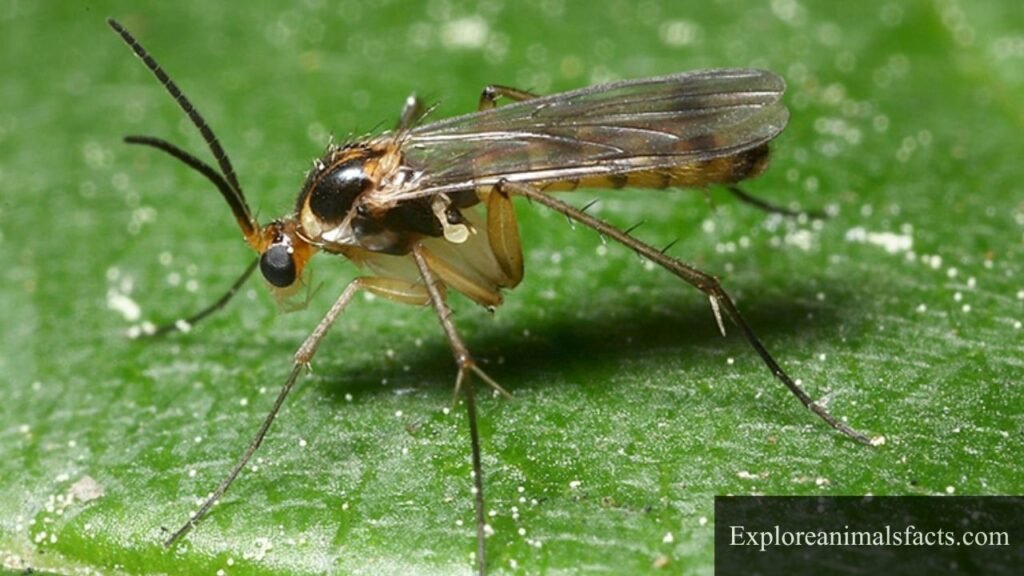
Gnats are the unsung nuisances of the animal kingdom, often overshadowed by their larger, more imposing counterparts like mosquitoes. These tiny creatures, typically measuring only a few millimeters, possess an almost supernatural ability to infiltrate outdoor gatherings, buzzing incessantly around our heads and ruining the tranquility of a cozy evening. Their persistence seems to defy logic; it’s as if they are on a mission to locate the most sensitive part of our skin, where a swift bite can unleash a flurry of itchy annoyance.
What makes gnats particularly fascinating is their life cycle. They reproduce in moist environments, often leading to explosive populations in gardens or near stagnant water. This adaptability not only puts them in the right place at the right time but also highlights a unique aspect of their survival strategy: they thrive where many other insects shy away. While we might view them as mere pests, their role in the ecosystem can’t be overlooked. They serve as food for a variety of birds and other insects, weaving a thread in the intricate tapestry of biodiversity.
Squirrels
Scientific Name: Sciuridae
Class: Mammalia
Diet: Herbivore/Omnivore
Gnats may be small, but their presence can feel disproportionately large when you’re trying to enjoy a sunny day outdoors. Swarming in clouds, these tiny insects buzz around our faces, seemingly with the sole purpose of driving us crazy. They often invade picnics, garden gatherings, and backyard barbecues, making us swat at the air in irritation. Yet, these pesky creatures play a crucial role in the ecosystem, serving as a food source for birds, bats, and other wildlife. Their annoying behavior isn’t just for our bewilderment; it’s an essential element of the food chain.
The lifecycle of gnats is another fascinating aspect that often goes unnoticed. In their larval stage, they thrive in damp, organic-rich environments, breaking down decaying matter and recycling nutrients back into the soil. This process, while frustrating to us as they flit about, helps to sustain the health of our ecosystems.
Crows
Scientific Name: Corvus
Class: Aves
Diet: Omnivore
Crows, often regarded as the mischief-makers of the avian world, possess an unparalleled intelligence that sometimes leads to their annoying antics. They can be persistent scavengers, loudly cawing and rummaging through trash, which can disrupt the peace of any neighborhood. However, this behavior serves a greater purpose — crows are meticulous recyclers of organic waste, breaking down discarded materials that nature can eventually reclaim. Their unrelenting quest for food demonstrates their adaptability and resourcefulness, traits that can be both frustrating and fascinating.
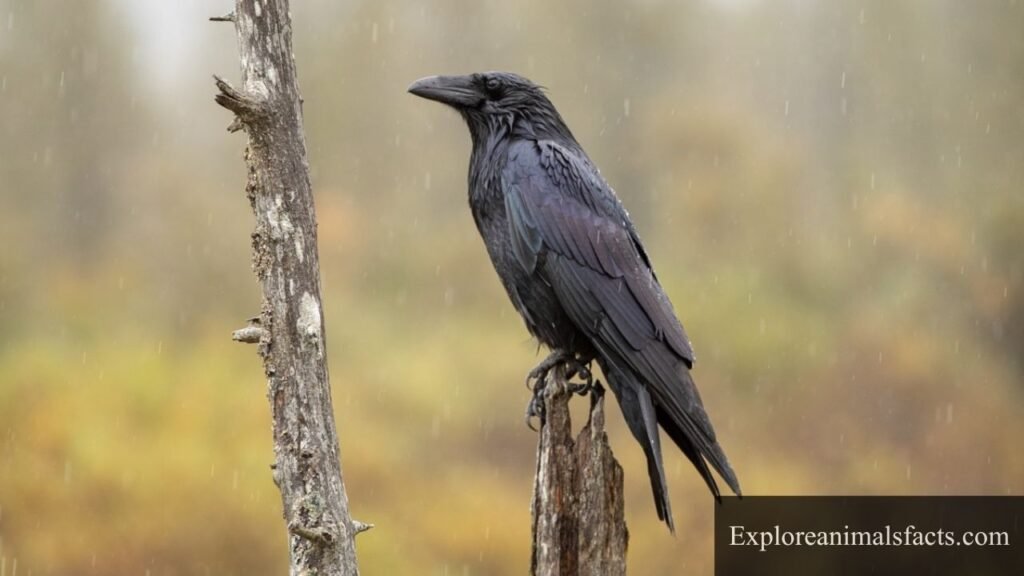
Crows have been known to mimic sounds, from car alarms to human voices. This vocal mimicry often feels invasive, as if they’re throwing shade on our daily lives. Yet, this skill is not just a party trick; it’s a survival tactic, helping them communicate with their flock or even deceive potential predators. By understanding crows’ behaviors, we can see that their annoyances often carry profound ecological significance, reminding us how connected every creature is in the web of life.
Readmore: Explore Top 17 Striped Animals in The World.
Final Thoughts
While these annoying animals may test our patience, they also remind us of the intricate balance within our ecosystems. Each creature, no matter how bothersome, plays a vital role in the natural world. By understanding the behaviors that irritate us, we can learn to coexist more peacefully with these creatures. Rather than viewing them solely as nuisances, let’s appreciate the unique contributions they make.
FAQs
What is the most annoying animal in the world?
One strong contender is the mosquito. These tiny insects buzz around, leaving itchy bites and potentially spreading disease. Their persistence and ability to ruin a peaceful evening outdoors make them a top nuisance.
What animal is loud and annoying?
One of the loudest and most annoying animals has to be the crow. Their cawing can be incredibly disruptive, especially when they gather in large groups. The sound is sharp and harsh, often making it hard to focus or enjoy a peaceful moment outdoors.