Top 13 Animals That Swallow Their Food Whole (With Images)
In the fascinating world of nature, some creatures have adapted to swallowing their food whole, showcasing incredible evolutionary traits. Understanding animals that swallow their food whole not only reveals the complexity of the food chain but also highlights the remarkable survival strategies employed by various species. Join us as we delve into this captivating topic and explore the unique adaptations that allow these animals to thrive.
List of Animals That Swallow Their Food Whole
Below is the list of animals that swallow their food whole:
- Monkfish
- Owls
- Alligator Gar
- Herons
- Snakes
- Octopus
- Crocodile
- Whales
- Frogs
- Seagull
- Pelicans
- Sharks
- Penguin
Monkfish
Scientific Name: Lophius piscatorius
Class: Actinopterygii
Diet: Carnivore
Monkfish, often dubbed the “poor man’s lobster”, possesses a particularly fascinating feeding strategy that sets it apart from other sea creatures. With large mouths that can open wide enough to engulf prey whole, monkfish reveal an efficient predatory technique that minimizes energy expenditure. Their unique body structure allows them to “suck” in unsuspecting fish and crustaceans, a process that is as mesmerizing as it is effective.
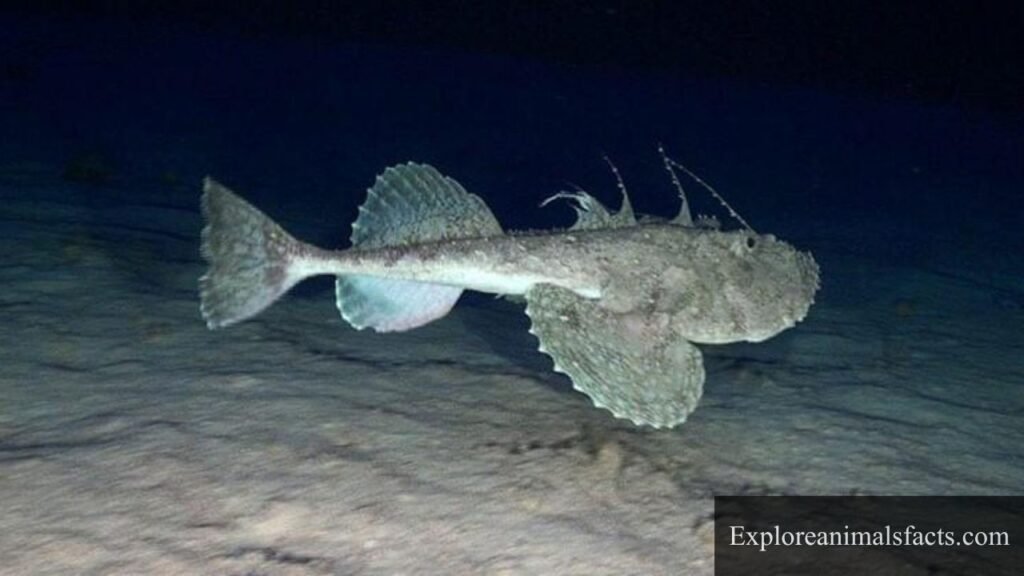
What makes the monkfish even more intriguing is its ability to adapt its diet based on availability, demonstrating remarkable flexibility in its eating habits. Whether it’s feasting on flounder, squid, or various bony fish, this bottom-dwelling predator showcases a versatile palate. This adaptability not only highlights the monkfish’s ecological role but also illustrates the importance of such feeding mechanisms in maintaining underwater biodiversity. Next time you savor monkfish, consider not just its taste but the incredible biology behind its hunting prowess.
Owls
Scientific Name: Strigiformes
Class: Aves
Diet: Carnivore
Owls are fascinating creatures, not just for their nocturnal habits or haunting calls, but also for their unique method of consuming prey. Unlike many birds that use a beak to tear apart their meals, owls possess a remarkable ability to swallow their food whole. This is particularly advantageous given their diet, which includes small mammals, birds, and even insects. By gulping down their prey, owls maximize their energy intake and minimize the time spent hunting, making them incredibly efficient nocturnal predators.
The anatomical structure of an owl’s digestive system is tailored for this style of feeding. Their muscular gizzards help grind up indigestible materials such as bones and fur, eventually regurgitating them as pellets. These pellets provide insight into an owl’s diet and behavior, serving as valuable tools for scientists studying ecosystem health. Moreover, this fascinating digestive process illustrates the adaptability of owls; their ability to consume entire prey helps them thrive in various habitats, from dense forests to open fields, showcasing their role as vital components of the ecosystem.
Alligator Gar
Scientific Name: Atractosteus spatula
Class: Actinopterygii
Diet: Carnivore
The alligator gar stands out as a fascinating predator in the freshwater ecosystems of North America, primarily due to its remarkable feeding habits. Unlike many fish that use a series of swift, deliberate movements to consume prey, the alligator gar employs a unique strategy: it swallows its victims whole. With a mouth lined with sharp, conical teeth, this formidable creature captures a wide range of prey, from fish to birds, often surprising onlookers with its ability to engulf animals larger than its own head.
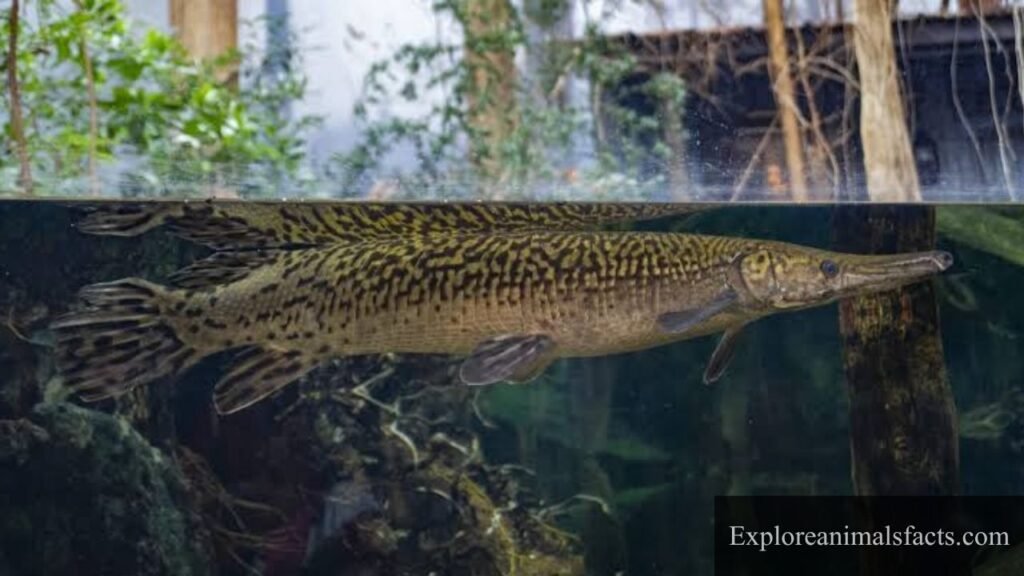
What makes the alligator gar truly captivating is its evolutionary adaptation that allows for such voracious feeding. Equipped with a highly flexible jaw and a long, streamlined body, it can ambush unsuspecting prey with incredible efficiency. Interestingly, the gar also has a swim bladder that functions like a lung, enabling it to gulp air at the water’s surface — a trait that not only aids in buoyancy but also keeps its energy levels optimal during the hunt. This combined with its ancient lineage, tracing back to the Late Cretaceous period, makes the alligator gar a living link to a time when marine reptiles ruled the earth. Observing this extraordinary fish in its natural habitat reveals the sheer power of evolutionary design in action, proving that nature’s innovations often surpass our wildest imaginations.
Readmore: Explore Top 27 Most Energetic Animals.
Herons
Scientific Name: Ardea cinerea
Class: Aves
Diet: Carnivore
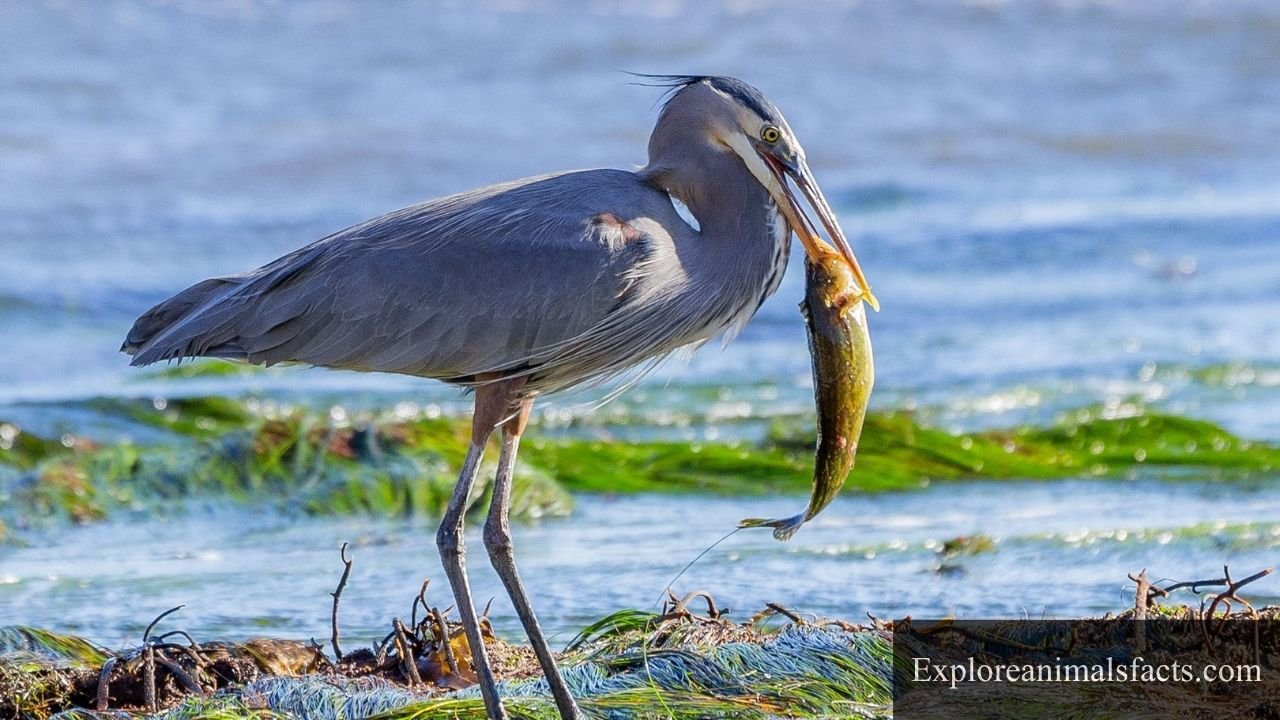
Herons are remarkable predators, employing a unique feeding strategy that allows them to swallow their prey whole. These elegant birds, often seen wading in tranquil waters, have specialized necks and elongated beaks designed for striking efficiently. Their diet primarily consists of fish, amphibians, and small mammals, which they capture with incredible precision. What’s truly fascinating is the heron’s ability to consume prey much larger than its own head — an adaptation that showcases the incredible flexibility of their vertebrae and esophagus.
The mechanics of swallowing whole are equally intriguing. Herons often use a technique called “head-shaking,” where they skillfully position their prey before gulping it down. This not only aids in properly orienting the food but also ensures that the heron makes the most of its energy expenditure. Moreover, their digestion process is efficient, allowing them to process a range of hardier prey items without the need for chewing. Observing a heron in its natural habitat reveals a blend of grace and raw efficiency, making them a splendid example of evolutionary adaptation in the animal kingdom.
Snakes
Scientific Name: Serpentes
Class: Reptilia
Diet: Carnivore
Snakes are remarkable creatures, and their method of consumption is nothing short of extraordinary. Unlike many animals that chew their food, snakes possess a unique adaptation that allows them to swallow prey whole, thanks to their highly flexible jaws. When a snake encounters its meal, it can dislocate its jaw, enabling it to engulf creatures much larger than its own head. This evolutionary trait not only showcases the snake’s predatory prowess but also highlights the complexities of their anatomy — beyond mere survival, it’s a testament to their adaptability in diverse ecosystems.
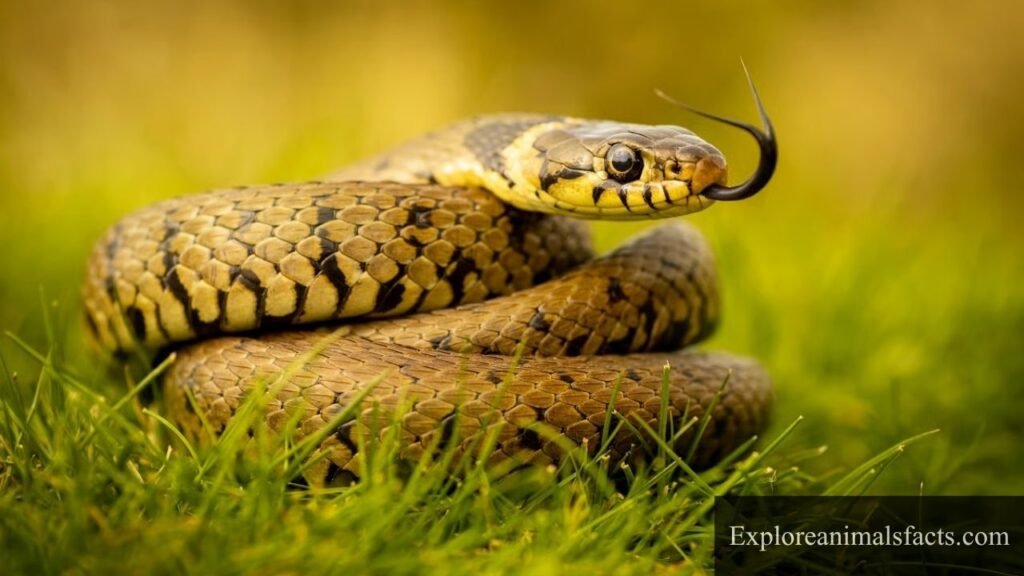
The process of swallowing prey whole is a fascinating dance of biology and instinct. Once the prey is consumed, the snake’s body goes into a remarkable digestion mode, using potent enzymes to break down the entire organism. Interestingly, some species can survive on a single meal for weeks or even months, an adaptation that aligns with their sporadic hunting patterns. This unique feeding strategy not only conserves energy but also allows snakes to thrive in environments where food sources may be unpredictable. It’s a testament to nature’s ingenuity, revealing how form and function intertwine in the animal kingdom.
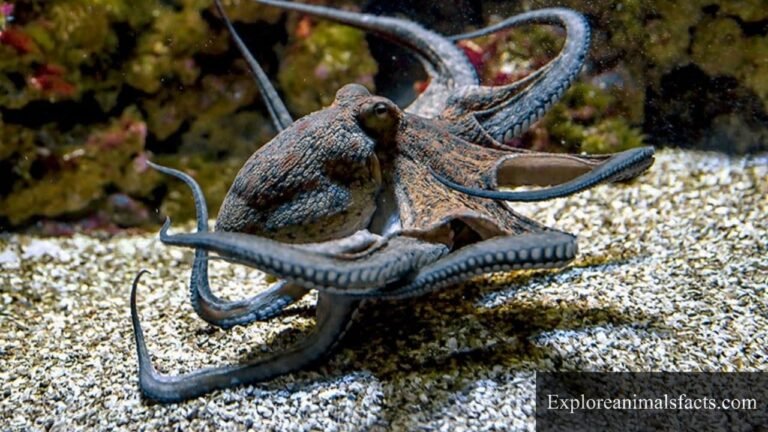
Octopus
Scientific Name: Octopus vulgaris
Class: Cephalopoda
Diet: Carnivore
Octopuses are fascinating masters of adaptation, showcasing an intriguing feeding strategy that sets them apart in the marine world. Unlike many creatures that chew their food, these intelligent cephalopods consume their prey whole, thanks to their unique anatomy. With beaks resembling those of birds, octopuses can easily tackle sizable prey, including crustaceans and fish. Their formidable beaks allow them to crack open shells, accessing the nutritious flesh within, before swallowing it in one swift motion.
What makes this feeding technique even more interesting is the octopus’s ability to stretch its body to accommodate sizable meals, enabling it to gulp down prey that may seem disproportionate to its size. This adaptability is not only a survival advantage but also a thrilling aspect of their hunting prowess. Their keen sense of touch and dexterous arms, lined with sensitive suckers, can catch unsuspecting prey, allowing for a stealthy approach. In the underwater theatre of life, the octopus’s method of consuming its meals showcases both elegance and efficacy, reminding us of the myriad ways animals have evolved to thrive in their environments.
Crocodile
Scientific Name: Crocodylus niloticus
Class: Reptilia
Diet: Carnivore
Crocodiles are fascinating apex predators, and their feeding strategy is nothing short of remarkable. Unlike many creatures that meticulously chew their meals, crocodiles rely on their powerful jaws to capture prey before swallowing it whole. This approach allows them to dominate their habitats, consuming various prey — from fish to larger mammals — without the need for extensive mastication. The sheer force of their bite, combined with their ability to dislocate their jaws, enables them to gulp down entire meals, making digestion a streamlined process.
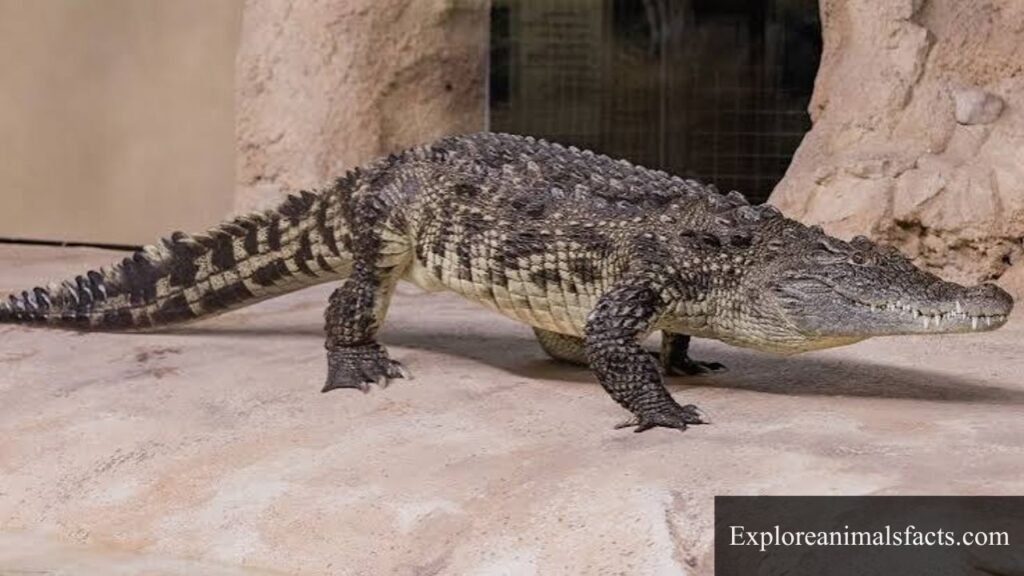
What’s particularly intriguing is the crocodile’s evolutionary adaptation to this feeding method. Their anatomical structure, including a highly elastic throat and specialized digestive enzymes, allows them to process large, solid prey effectively. This not only conserves energy but also minimizes the risk of losing a meal to competitors or scavengers. In a world where survival often means adapting to thrive, the crocodile’s ability to swallow its food whole exemplifies a perfect balance of efficiency and effectiveness in the ruthless cycle of nature.
Whales
Scientific Name: Balaenoptera musculus
Class: Mammalia
Diet: Carnivore
Whales are some of the ocean’s most extraordinary creatures, showcasing a unique feeding strategy that involves swallowing their food whole. With adaptations like baleen plates in filter-feeding species, they can consume massive quantities of tiny prey, such as krill or small fish, in a single gulp. This method not only showcases their massive size but also emphasizes a remarkable evolutionary adaptation that allows them to thrive in diverse marine environments.
The sheer scale of a whale’s throat compared to its size is fascinating. While their throats are large enough to accommodate substantial meals, whales use a controlled swallowing technique to avoid choking. This process involves taking in vast amounts of water alongside their prey, then using their tongue to push the water out while trapping food in their baleen. This filtering method highlights the intelligence and efficiency of these marine giants, as they utilize the ocean’s vast resources without overexerting themselves in the hunt.
Frogs
Scientific Name: Anura
Class: Amphibia
Diet: Carnivore
Frogs exhibit a fascinating feeding strategy, utilizing their long, sticky tongues to catch prey before quickly swallowing it whole. What’s particularly intriguing is the unique mechanism by which they consume food; frogs do not chew but instead rely on powerful throat muscles to draw the prey into their bodies. This adaptation allows them to tackle larger meals than one might expect, from insects to even smaller vertebrates, showcasing their incredible versatility as carnivores.
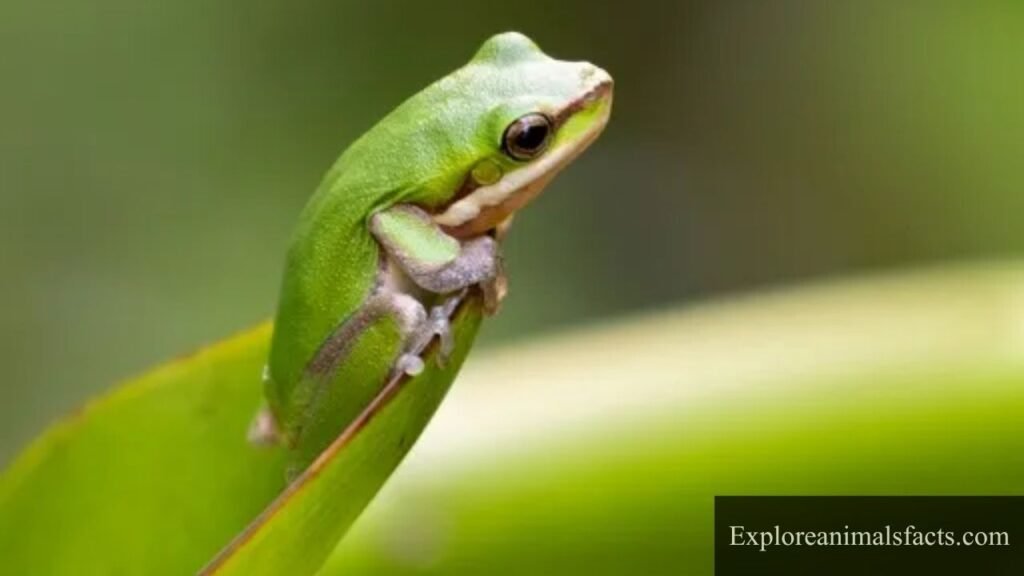
Moreover, the process highlights the remarkable evolution of their anatomy. The hyoid bone, found in frogs, plays a crucial role in this swallowing method — acting almost like a tentacle that helps guide food down their throats. This efficient system not only saves energy but also minimizes the time spent vulnerable to predators, demonstrating the delicate balance between survival and efficiency in the amphibian world. As such, frogs exemplify how unique feeding practices can shape an animal’s ecological niche, making them vital players in their ecosystems.
Seagull
Scientific Name: Larus argentatus
Class: Aves
Diet: Omnivore
Seagulls, often perceived as mere scavengers, showcase a fascinating feeding technique that highlights their adaptability. Rather than pecking at their prey, these birds can swallow small fish and crustaceans whole, thanks to their expansive gullets and flexible throat muscles. This ability not only conserves energy — eliminating the need to tear apart their food — but also allows them to quickly ingest a meal before competition arrives.
Interestingly, their feeding strategy reflects a broader ecological role; seagulls help maintain balance within their habitat by controlling fish populations. In urban settings, they’ve adapted to capitalize on discarded human food, demonstrating remarkable resourcefulness. Observing seagulls in action is a reminder of nature’s intricate designs — each gulp is not just an act of sustenance but a testament to survival in diverse environments.
Pelicans
Scientific Name: Pelecanus onocrotalus
Class: Aves
Diet: Carnivore
Pelicans are remarkable avian hunters, employing a unique feeding technique that sets them apart in the animal kingdom. Equipped with expansive bills and throat pouches, these birds don’t merely pick their prey; they trap entire schools of fish in a single swift motion. When a pelican dives into the water, its elongated bill acts as a net, capturing an impressive volume of water along with its target. The true artistry lies in their ability to drain the water before swallowing their catch whole, demonstrating both precision and efficiency in their feeding strategy.
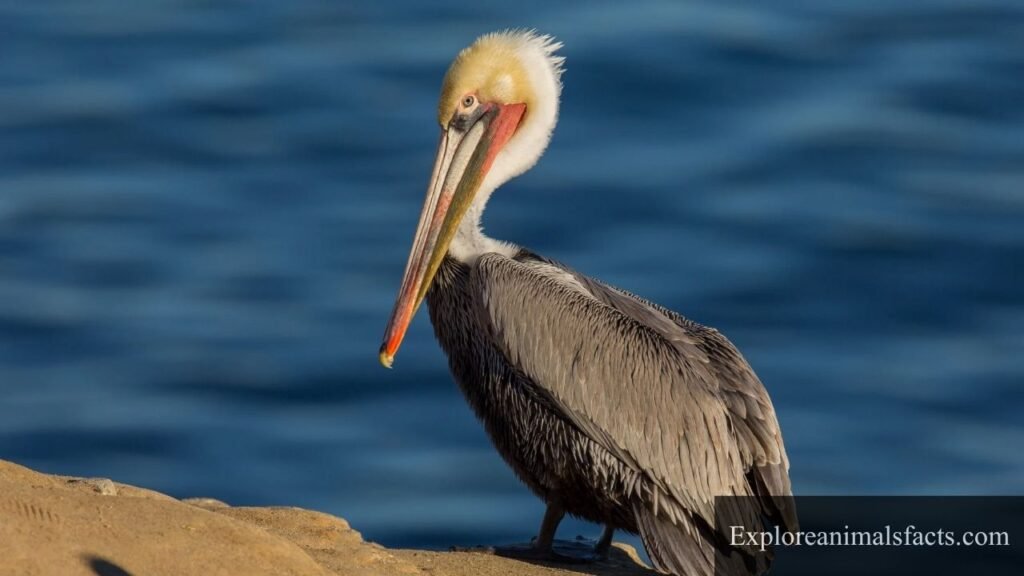
This gulping action isn’t just a feast for the pelican; it also plays a crucial role in their ecological environment. By consuming significant amounts of fish, they help regulate populations, which in turn affects the health of aquatic ecosystems. Moreover, pelicans’ impressive capacity to adapt their hunting tactics — whether working solo or in groups — showcases their intelligence and adaptability. As they circle high overhead, scouting for their next meal, they embody the intricate balance of nature, reminding us of the delicate interconnectivity among species within their habitats.
Sharks
Scientific Name: Carcharodon carcharias
Class: Chondrichthyes
Diet: Carnivore
Sharks are remarkable predators, and their feeding habits are as diverse as the species themselves. While many sharks use a combination of biting and tearing to consume their prey, certain species, like the whale shark and basking shark, have evolved to swallow their food whole. These gentle giants are filter feeders that gulp down vast quantities of plankton, small fish, and other tiny organisms, utilizing their gill rakers to strain out food from the water. This unconventional method of feeding challenges the common perception of sharks as relentless hunters, showcasing their unique ecological role in maintaining oceanic balance.
What’s fascinating is the structural adaptation of these sharks. Their massive mouths, capable of opening wide enough to engulf sizable amounts of water, have evolved to maximize efficiency. Unlike typical predators, which must hunt and track their prey, these filter feeders glide through the ocean, passive yet effective in collecting sustenance. This strategy not only highlights the evolutionary diversity within the shark family but also raises intriguing questions about the relationship between form, function, and habitat. As they cruise through the water column, they serve as a reminder of nature’s ingenuity, demonstrating that survival can take many forms, even among the ocean’s most formidable residents.
Penguin
Scientific Name: Aptenodytes forsteri
Class: Aves
Diet: Carnivore
Penguins, often admired for their charming waddles, have a unique feeding strategy that sets them apart in the animal kingdom. These flightless birds are remarkable for their ability to swallow fish and other marine creatures whole. Unlike many predators that meticulously tear apart their prey, penguins rely on their streamlined bodies and swift hunting skills to gulp down entire fish in one swift motion, thanks to their specialized throat muscles and elastic esophagus.
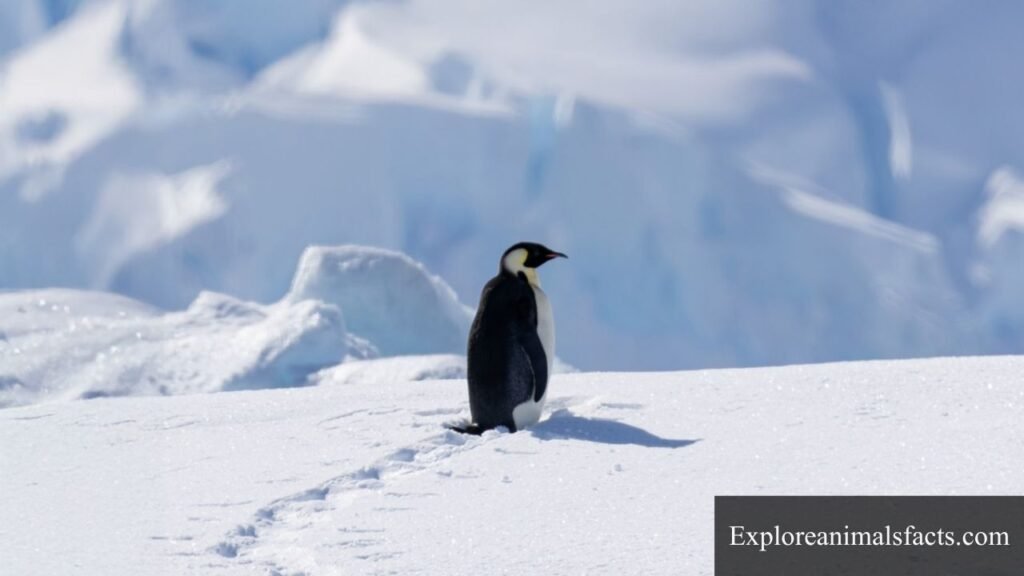
What’s fascinating is that this behavior isn’t just a feeding technique but also a survival strategy. By swallowing prey whole, penguins can quickly consume the nutrients they need to endure the frigid temperatures of their habitats. This method minimizes the risk of losing energy while attempting to chew. Coupled with their excellent diving abilities — some species can plunge over 1,800 feet — penguins efficiently exploit a variety of prey, showcasing nature’s incredible adaptability in the quest for survival in harsh environments. Their approach to eating provides a striking illustration of how evolution unfolds in unexpected and efficient ways in the animal world.
Readmore: Explore Top 10 Animals Without Tails.
Final Thoughts
The fascinating world of animals that swallow their food whole reveals the incredible adaptations that various species have developed to thrive in their environments. Whether it’s the constricting grip of a python or the gaping maw of a pelican, these creatures showcase nature’s ingenuity in survival strategies. This method of consumption allows them to efficiently process their prey while minimizing energy expenditure. As we learn more about such unique feeding habits, it’s essential to consider the ecological roles these animals play in maintaining the balance of their ecosystems. Let us continue to explore and appreciate the wonders of the animal kingdom, advocating for the conservation of these remarkable species.
FAQs
What animal can swallow a whole animal?
Certain animals have the remarkable ability to swallow prey whole. Among the most notable are large snakes, like pythons and anacondas. They can consume animals much larger than their heads by dislocating their jaws, allowing them to engulf prey such as rodents, birds, and even larger mammals. Another example is the saltwater crocodile. These predators can take down sizable animals, including deer or pigs, and gulp them down whole.