Top 15 Animals That Walk Slowly (Pictures Included)
In the realm of nature, “Animals That Walk Slowly” show us that speed isn’t always necessary for survival. Understanding these unique animals can offer insights into their ecosystems and survival strategies, revealing how their slow movements play a crucial role in their habitats. In this article, we’ll explore various slow-moving species, their behaviors, and the reasons behind their unhurried lifestyles.
List of Animals That Walk Slowly
Below is the list of animals that walk slowly:
- Sea Anemone
- Koala
- Garden Snail
- Manatee
- Slow Loris
- Galapagos Penguin
- Limpet
- Giant Tortoise
- Gila Monster
- Banana Slug
- Greenland Shark
- Three-Toed Sloth
- Seahorse
- Chitons
- Starfish
Sea Anemone
Scientific Name: Actiniaria
Class: Anthozoa
Diet: Carnivore
The sea anemone embodies a fascinating paradox in the marine world: although it appears to be anchored and immobile, it possesses the ability to slowly glide across the ocean floor. With its mesmerizing, flowing tentacles that sway rhythmically in the currents, this creature captivates those who take the time to observe it closely. The anemone’s slow movements are a strategic adaptation, enabling it to find optimal spots for survival while minimizing energy expenditure.
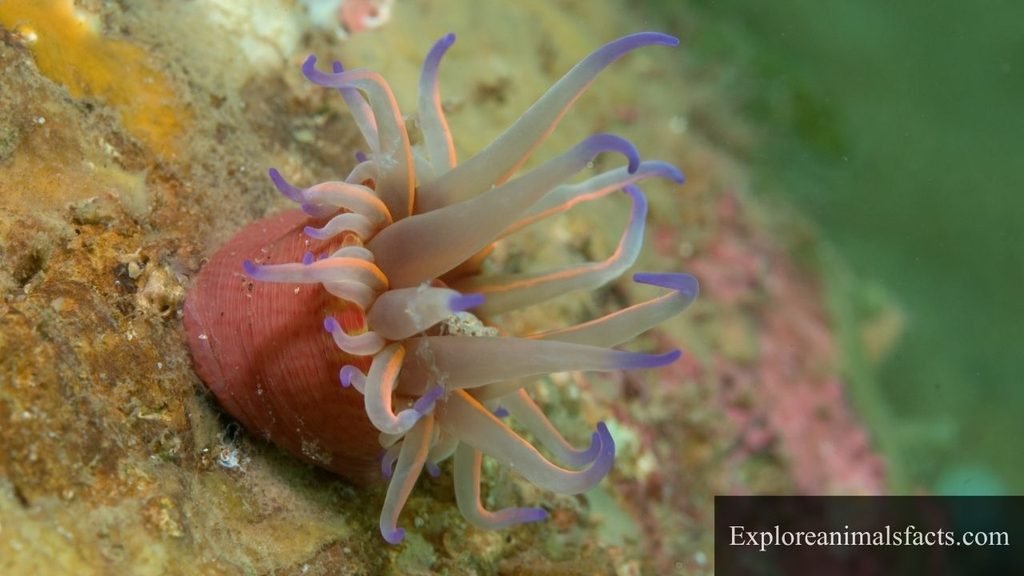
In a world dominated by speed and agility, the anemone showcases a different kind of prowess. Its deliberate movement aids in establishing symbiotic relationships with clownfish, offering them protection while benefiting from the nutrients and waste produced by their vibrant companions. This intricate dance of coexistence emphasizes the depth of marine ecosystems, where even the slowest creatures play crucial roles in maintaining balance. Instead of racing toward survival, sea anemones remind us that patience and careful positioning can be just as effective in the art of thriving.
Koala
Scientific Name: Phascolarctos cinereus
Class: Mammalia
Diet: Herbivore
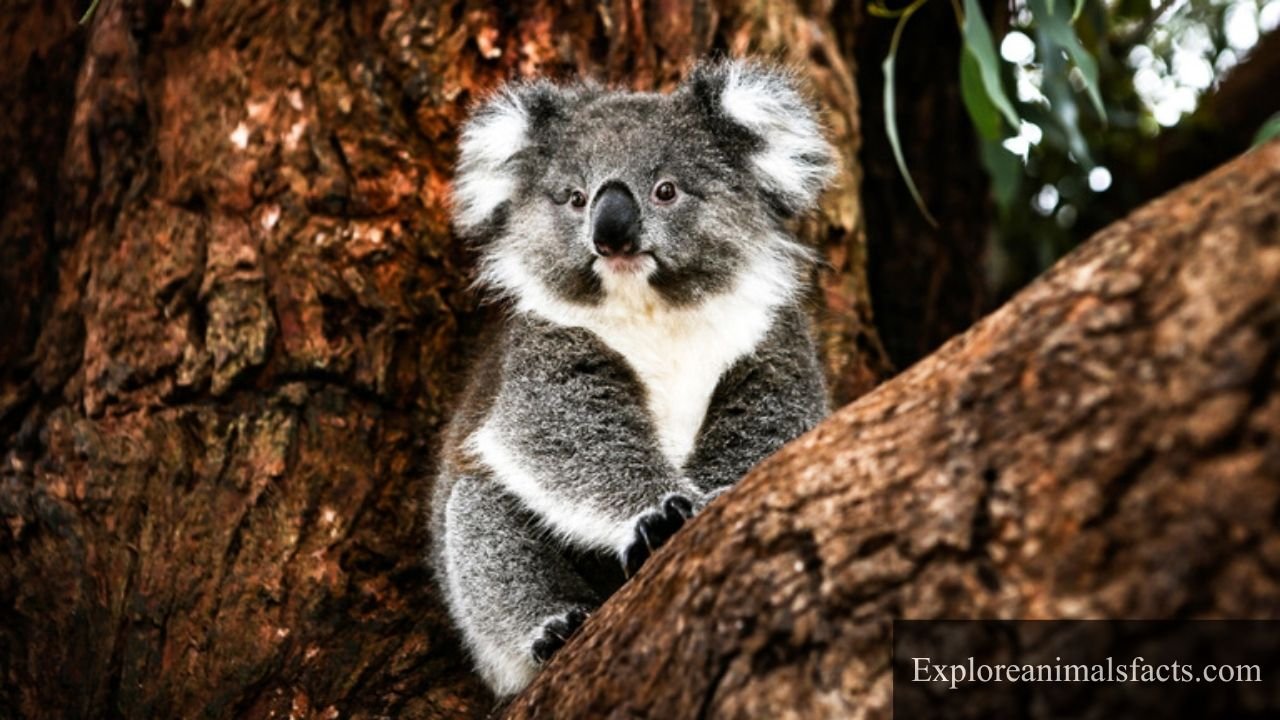
Koalas embody a remarkable blend of slowness and deliberate movement. Their leisurely lifestyle is primarily a response to their low-energy diet of eucalyptus leaves, which are toxic to most animals but provide koalas with little nutritional value. This unique dietary requirement means they must conserve energy, leading to their famously slow saunter through the treetops. Watching a koala move can feel like witnessing nature’s deliberate dance; each motion is measured, with a grace that seems almost meditative.
Koalas are equipped with strong, claw-like paws designed for climbing rather than swift movement. Their slow pace allows them to forage thoughtfully, ensuring that they meticulously select the most suitable leaves while remaining attached to their cozy branches. Despite their seemingly carefree existence, these marsupials are facing challenges due to habitat loss and climate change, which threaten their ability to sustain this laid-back lifestyle. As they navigate the complexities of modern environments, the serene image of these iconic animals reminds us to appreciate both their beauty and the delicate ecosystems they inhabit.
Garden Snail
Scientific Name: Cornu aspersum
Class: Gastropoda
Diet: Herbivore
The garden snail is a fascinating creature that embodies patience and resilience in its leisurely pace. With a top speed of merely 0.03 miles per hour, these soft-bodied mollusks remind us that sometimes it’s the slow and steady who truly savor life’s journey. Their slimy trails glisten in the morning dew, captivating those who take the time to notice the artistry in their movement. This unhurried demeanor allows them to navigate their lush environments with precision, enabling them to find the perfect leaf or flower petal on which to feast.
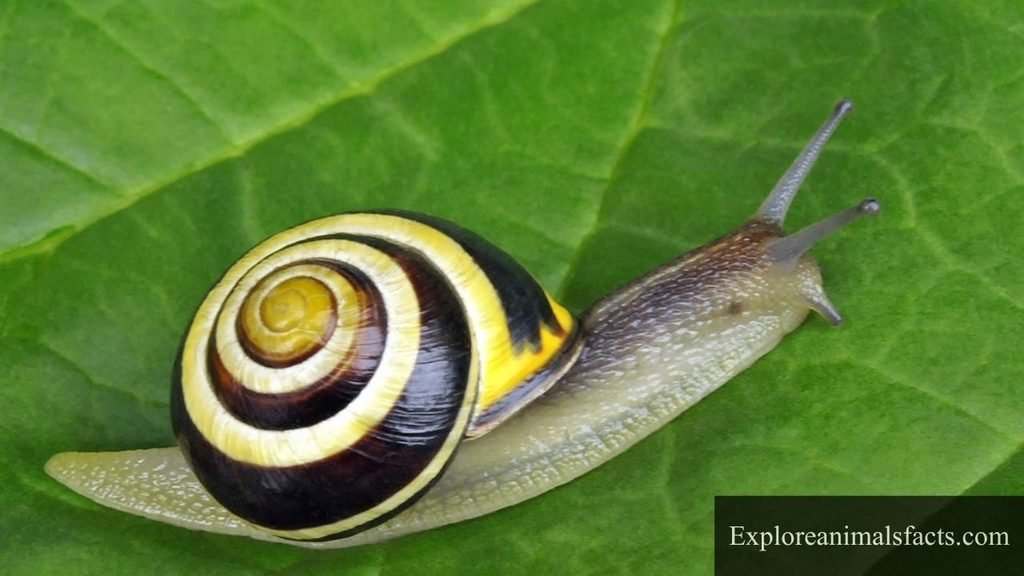
What makes garden snails particularly intriguing is their unique adaptation to their habitats. They possess a remarkable ability to seal themselves in their shells during dry spells, creating a protective barrier that prevents dehydration. This survival strategy highlights not only their resilience but also their deep connection to the ecosystems they inhabit. As they munch on decaying plant matter, these gentle foragers play a crucial role in nutrient cycling, turning waste into nourishment for the soil. In a world that often glorifies speed and hustle, the garden snail stands as a poignant reminder of the beauty found in taking life at a deliberate pace.
Readmore: Explore Top 16 Sneaky Animals in The World.
Manatee
Scientific Name: Trichechus
Class: Mammalia
Diet: Herbivore
The manatee, often dubbed the “gentle giant” of the sea, glides gracefully through coastal waters with a surprising slowness that belies its massive size. These gentle herbivores can weigh over 1,000 pounds and reach lengths of up to 10 feet, yet they seem to move in a languid dance, effortlessly cruising along sea grass beds. This slow pace isn’t merely a reflection of their size — it’s an evolutionary adaptation that helps them conserve energy in their aquatic habitat. When one observes a manatee, it’s not just about the animal itself; it’s a poignant reminder of how patience and tranquility can manifest in nature.
Their leisurely lifestyle allows manatees to fully immerse themselves in their underwater environment, spending up to eight hours a day grazing on sea grass and other aquatic plants. This diet, while abundant in their habitats, requires a significant amount of time to gather, necessitating a deliberate approach to movement. Interestingly, their slow pace also has a social dimension, as it gives them ample opportunity to bond with a few close companions, often resulting in heartwarming interactions that reveal the depth of their relationships. Observing these captivating creatures invites a broader reflection on the importance of a slower pace in our fast-paced world, urging us to appreciate the beauty found in stillness and connection.
Slow Loris
Scientific Name: Nycticebus coucang
Class: Mammalia
Diet: Omnivore
The Slow Loris, a small nocturnal primate native to Southeast Asia, is captivating not just for its unique appearance but also for its intriguing lifestyle. With its large, expressive eyes and pudgy body, this arboreal creature exemplifies the beauty of movement in nature’s slower lanes. While its deliberate, gliding motions might seem unhurried, they are a clever adaptation for survival. By moving slowly, the Slow Loris minimizes noise and reduces the chances of detection by predators, effectively turning its leisurely pace into a tactical advantage.
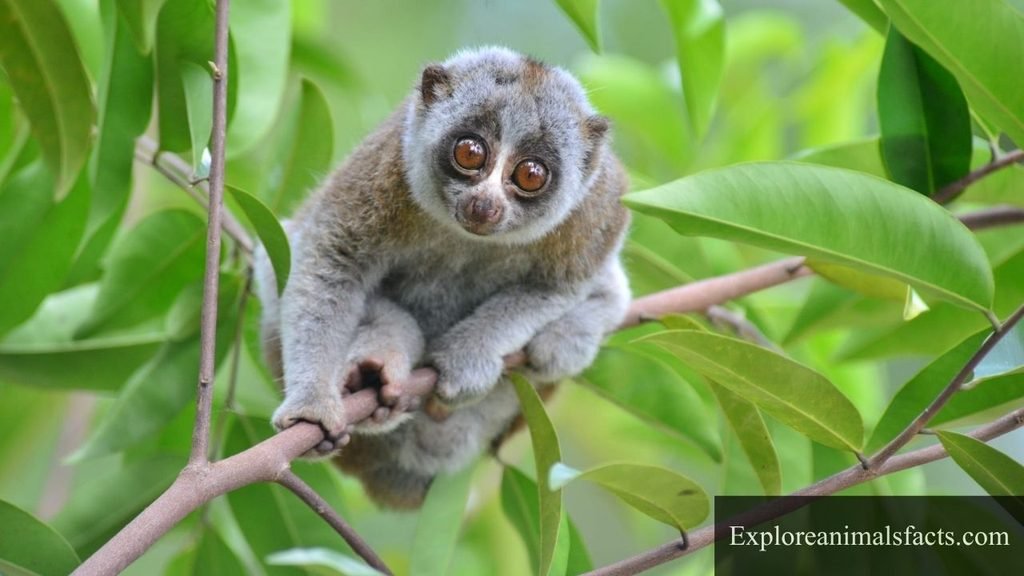
The Slow Loris is equipped with a remarkable toxin in its elbow secretion, which it licks to apply to its fur. This unique defense mechanism serves as both a deterrent to would-be predators and a means of securing a meal, as it helps immobilize prey. The remarkable blend of slowness and cunning showcases evolution’s creativity, reminding us that survival comes in many forms. Appreciating the Slow Loris encourages us to understand the delicate balance between speed and strategy in the animal kingdom — where sometimes, the best move is to take it slow.
Galapagos Penguin
Scientific Name: Spheniscus mendiculus
Class: Aves
Diet: Carnivore
The Galapagos penguin, the only penguin species that inhabits the equatorial region, presents a fascinating study in adaptation. Unlike their more agile Antarctic relatives, these petite birds waddle deliberately across rocky shores, their slow pace a counterintuitive survival strategy. The warm waters of the Galapagos Islands offer a unique ecosystem where swift movements are less essential than energy conservation. By walking slowly, these penguins not only reduce their energy expenditure but also maintain their body temperature in a climate that can soar beyond their chilly preferences.
Beyond their unhurried demeanor, these penguins possess a curious blend of traits that showcase their resilience. As the smallest of all penguin species, they rely heavily on their social structures; partnerships and familial bonds are key to thriving in this challenging environment. Often seen huddled together for warmth or protection, their slow movements underscore a lifestyle centered on community and cooperation rather than frenetic flight. By embracing a slower pace, Galapagos penguins remind us that sometimes, evolution favors a thoughtful approach over haste, offering a unique lens through which to appreciate the intricacies of life in this remarkable archipelago.
Limpet
Scientific Name: Patellogastropoda
Class: Gastropoda
Diet: Herbivore
The limpet, a fascinating marine mollusk, glides through life at a pace that seems almost meditative. Clinging to rocks along coastlines, these creatures boast a unique, conical shell that provides both protection and stability in their ever-changing environment. Unlike more agile sea life, limpets use their strong foot to adhere tightly to surfaces, allowing them to withstand powerful ocean currents. This slow, deliberate lifestyle fosters a deep-rooted connection to their habitats, as they feed primarily on algae, which they graze off the rocks with a specialized radula, a tongue-like organ.
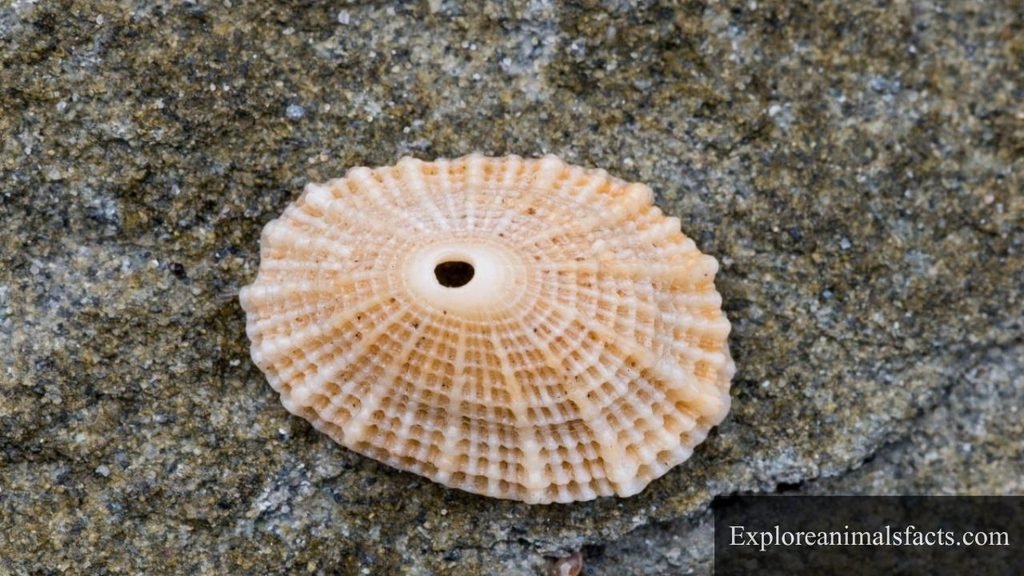
What makes limpets particularly intriguing is their remarkable ability to adapt. Each species has developed a finely tuned sense of local conditions, allowing them to thrive in specific intertidal zones. Their slow movement performs a vital role in maintaining the ecological balance, as they help control algal growth, paving the way for other marine life to flourish. In a world that often prioritizes speed, limpets remind us that there’s beauty in taking one’s time and fully engaging with the environment, creating a symbiotic relationship that underscores the rhythms of ocean life.
Giant Tortoise
Scientific Name: Chelonoidis nigra
Class: Reptilia
Diet: Herbivore
The giant tortoise is a remarkable testament to longevity and resilience. Found primarily on the Galápagos Islands, these ancient reptiles can live well over a century, embodying a lifestyle that contrasts sharply with today’s fast-paced world. With their robust, dome-shaped shells, giant tortoises have evolved to navigate their rugged environments, using their slow, steady movements to conserve energy and thrive on sparse vegetation.
Their leisurely pace serves a crucial ecological role. By grazing on low-lying plants, they help maintain the health of their ecosystems, promoting biodiversity and preventing overgrowth. Their slow movement offers a unique perspective on life, reminding us that not all progress is measured in speed. Furthermore, the giant tortoise is a captivating example of adaptive evolution, having developed unique strategies to survive and flourish in isolation, showcasing nature’s ingenuity in overcoming challenges.
Gila Monster
Scientific Name: Heloderma suspectum
Class: Reptilia
Diet: Carnivore
The Gila monster, a slow-moving lizard native to the deserts of the southwestern United States and Mexico, is a fascinating example of survival in harsh environments. Unlike many of its more agile counterparts, this reptile embraces a leisurely pace, which allows it to conserve energy in the sun-baked terrain it calls home. With its striking, colorful scales — ranging from bright orange to deep black — this creature not only captivates the eye but also serves as a reminder of the vibrant life that thrives even in the toughest conditions.
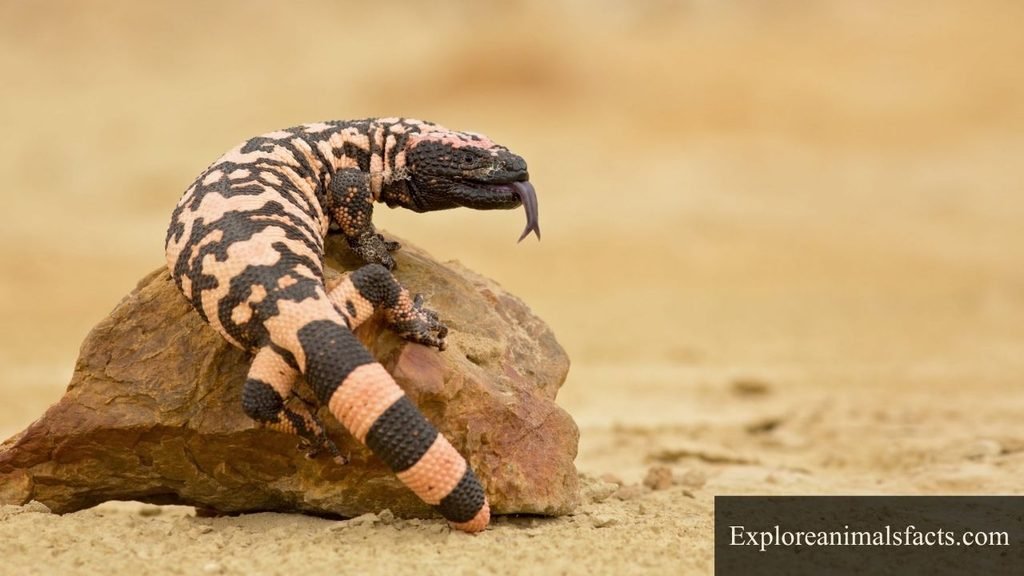
What’s truly remarkable about the Gila monster is its venomous bite, rare among lizards. While its sluggish gait might suggest vulnerability, this adaptation lends a unique advantage. When threatened, it relies on its potent venom, which it can deliver from specialized glands in its jaw. This combination of slow-motion stealth and fearsome defense challenges our perceptions of speed and lethality, illustrating that survival can take many forms. So, next time you spot this mesmerizing reptile, remember that sometimes the most extraordinary adaptations lie beneath a slow facade.
Banana Slug
Scientific Name: Ariolimax columbianus
Class: Gastropoda
Diet: Herbivore
The banana slug, a marvel of the Pacific Northwest, is not just a slow mover but a fascinating example of evolution’s creativity. These bright yellow mollusks glide through their forest habitat at a leisurely pace, relying on a unique mucus layer that aids in locomotion and protects them from predators. Unlike many creatures that conserve energy through speed, banana slugs embrace their deliberate lifestyle, allowing them to forage for decomposing organic matter and fungi, which are crucial for nutrient cycling in their ecosystem.
What truly sets banana slugs apart, beyond their vibrant hue, is their role as nature’s recyclers. As they traverse the forest floor, they consume dead plant material, contributing to the richness of the soil. Their slow journey brings an unhurried mindfulness to the chaotic rhythms of the forest, reminding us that life doesn’t always need to be fast-paced. Observing a banana slug in its natural habitat invites reflection on the unnoticed ecosystems around us and the vital roles that each creature, no matter how slow, plays in maintaining the balance of nature.
Greenland Shark
Scientific Name: Somniosus microcephalus
Class: Elasmobranchii
Diet: Carnivore
The Greenland shark is a remarkable creature that epitomizes slow movement — and slow living — in the marine world. With an average cruising speed of just 0.34 mph, this deep-sea dweller showcases an extraordinary adaptation to the frigid Arctic waters. Its leisurely pace is perfectly aligned with a life spent in near-complete darkness, where energy conservation is crucial. Unlike more agile marine predators, the Greenland shark prowls the ocean floor, relying on its keen sense of smell and low-light vision to hunt for prey, which ranges from fish to seals.
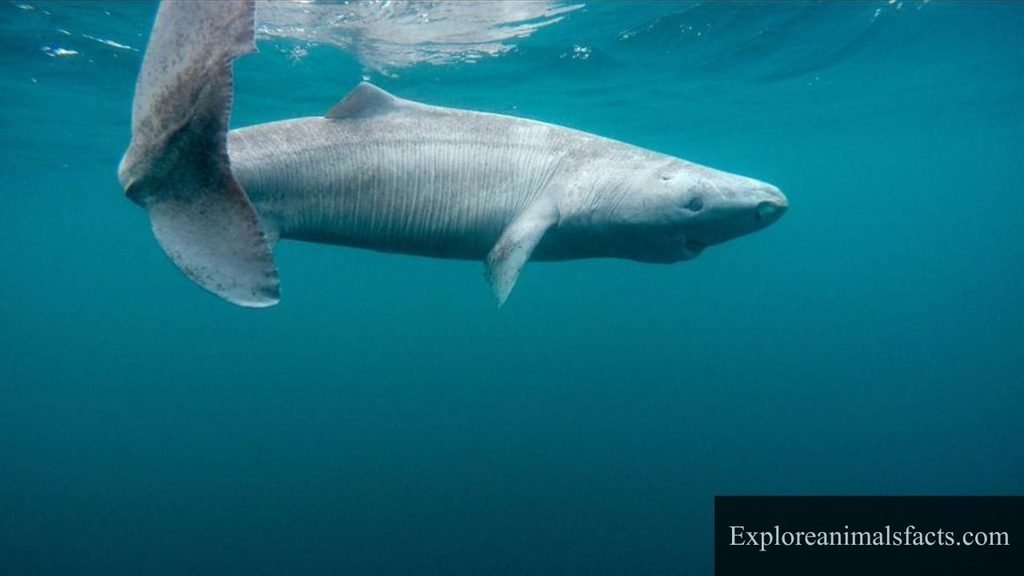
The Greenland shark can also live for centuries, with some estimates suggesting lifespans of over 400 years. This impressive longevity is not just a testament to its slow growth; it offers a unique lens through which to view the ecological shifts of the Arctic environment. As climate change alters the landscapes of these icy waters, studying the Greenland shark could provide critical insights into how slowly moving species adapt (or fail to adapt) over vast timescales. Thus, while it may seem that this shark is merely drifting through life, it is, in fact, a living chronicle of an ever-changing ecosystem.
Three-Toed Sloth
Scientific Name: Bradypus variegatus
Class: Mammalia
Diet: Herbivore
The three-toed sloth, with its languid lifestyle, embodies a unique approach to survival in the dense forests of Central and South America. Unlike many animals that are constantly on the move, sloths glide through their arboreal homes in a deliberate and almost meditative manner. Their slow metabolism allows them to conserve energy efficiently, feeding primarily on leaves that are low in calories. This choice of diet, while limiting in nutrients, is perfectly suited to their slow-paced existence, allowing them to thrive where quicker competitors might struggle.
These fascinating creatures have developed remarkable adaptations that complement their leisurely lifestyle. Their long limbs and curved claws enable them to hang effortlessly from branches, while their specialized fur hosts symbiotic algae, giving them a greenish hue that offers camouflage among the foliage. This relationship not only aids in predator evasion but also fosters a unique ecosystem, where sloths play an unsuspecting role in the broader biodiversity of their habitat. In a world that often equates speed with success, the three-toed sloth challenges this notion, reminding us that there is beauty and intricacy in taking life slow.
Seahorse
Scientific Name: Hippocampus
Class: Actinopterygii
Diet: Carnivore
The seahorse offers a unique perspective on slowness in the animal kingdom. Unlike the swift currents of the ocean that swirl around them, seahorses navigate their world with deliberate grace, their fins beating at an imperceptibly slow rhythm. This unhurried pace doesn’t hinder their survival; rather, it enhances their ability to camouflage within the corals and seagrass beds that dot their underwater habitats. Their slow movements allow them to blend seamlessly into their environment, making them masters of disguise, elusive to both predators and prey.
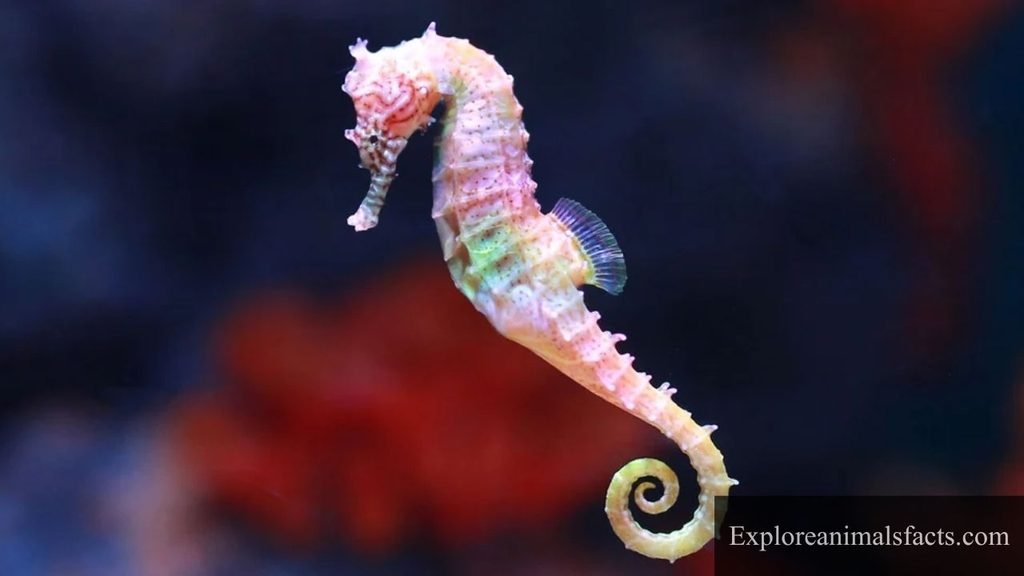
But the seahorse’s slow approach to life is not just a matter of survival; it also plays a crucial role in their unique courtship rituals. During mating, these fascinating creatures engage in an elaborate dance, slowly entwining their tails and changing colors — a beautiful display of connectivity that can last for hours. This gradual bonding process deepens their partnership, as male seahorses even carry fertilized eggs in a brood pouch, showcasing a remarkable role reversal in the animal world. By embracing a slower pace, seahorses not only thrive in their environment but also cultivate deep, lasting relationships, reminding us that sometimes, taking things slow can lead to the most profound of connections.
Chitons
Scientific Name: Polyplacophora
Class: Polyplacophora
Diet: Herbivore
Chitons are remarkable creatures that epitomize the art of slowness. Found clinging to rocks along intertidal zones, these mollusks showcase a unique adaptability that allows them to thrive in rugged environments. With their eight overlapping plates resembling armor, chitons not only protect themselves from predators but also create a striking visual contrast against the vibrant hues of their surroundings.
What truly sets chitons apart is their extraordinary ability to graze on algae using a specialized rasping tongue called a radula. This fascinating feeding mechanism enables them to meticulously scrape off their food while moving at a leisurely pace, showcasing the efficiency of nature’s design. Observing a chiton in its natural habitat invites contemplation on the value of slowness in an increasingly fast-paced world, reminding us that sometimes living deliberately can lead to greater abundance and sustainability. Their methodical way of life stands as a testament to the quiet resilience of creatures that, despite their measured movements, play a vital role in the health of marine ecosystems.
Starfish
Scientific Name: Asteroidea
Class: Asteroidea
Diet: Carnivore
Starfish, or sea stars as they’re often called, glide gracefully across the ocean floor, displaying a rhythm all their own. Unlike most creatures that propel themselves with speed and agility, these fascinating echinoderms move at a leisurely pace, exploring their undersea environments at a mere inch or so per minute. This slow movement is a deliberate strategy, allowing them to navigate complex habitats without attracting unwanted attention from predators.
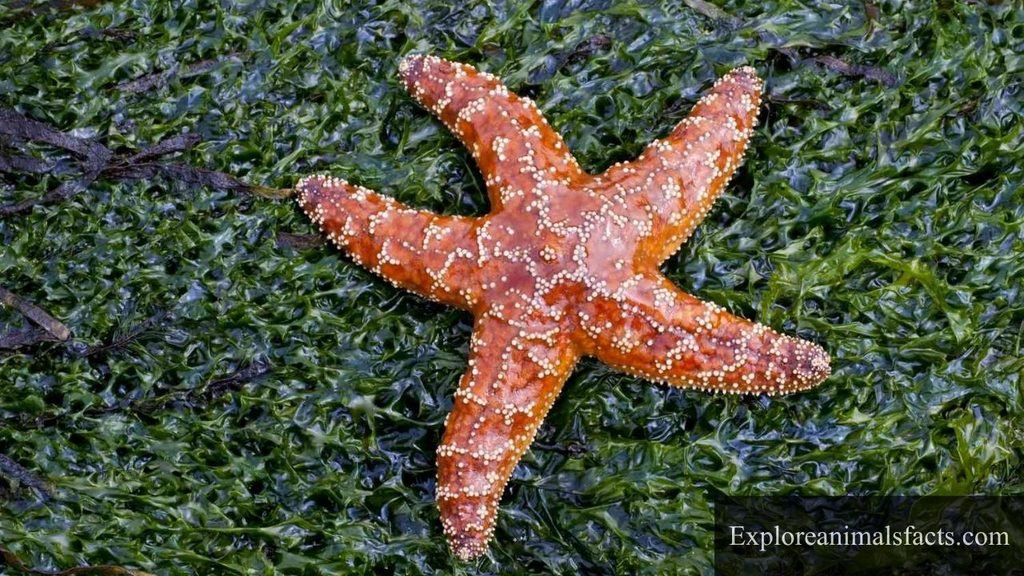
Their five arms are not just tools for locomotion. Each arm is equipped with thousands of tiny tube feet, which create a subtle suction that enables starfish to cling to rocks and corals as they inch along. This method of movement is particularly advantageous in their search for food, as they can easily pry open shellfish with their surprising strength. The elegance of a starfish’s slow crawl invites us to appreciate the beauty of a measured pace in nature, reminding us that sometimes, life’s treasures are found by simply taking our time.
Readmore: Explore Top 23 Animals That Gallop.
Final Thoughts
The world of slowly walking animals provides fascinating insights into the evolutionary adaptations that have shaped their existence. These creatures remind us that not all journeys have to be quick; sometimes, a deliberate pace allows for greater awareness of our surroundings and a deeper connection to nature. By studying the behaviors and habitats of sloths, turtles, and other slow-movers, we can better appreciate the diversity of life on our planet.
This understanding also highlights the necessity for conservation efforts to protect their environments from the threats of modern development. Let’s take a moment to reflect on their unique adaptations and advocate for their preservation for future generations.
FAQs
Which animal can move very slowly?
One of the slowest animals on the planet is the sloth. These tree-dwelling mammals typically move at a leisurely pace of about 0.03 miles per hour. Their slow movements are largely due to their low metabolic rate and specialized diet, primarily consisting of leaves.
What animal is big and slow?
One of the most notable animals that fit the description of big and slow is the elephant. These majestic creatures can weigh up to 14,000 pounds and are known for their deliberate movements. Despite their massive size, they often take their time, ambulating slowly as they forage for food or interact with their herd.