Top 23 Animals That Gallop (With Images)
In this article, we’ll explore the fascinating world of animals that gallop, from the graceful horse to the agile zebra. Understanding these incredible creatures not only highlights their adaptations for survival but also deepens our appreciation for the diversity of movement in the animal kingdom. Get ready to discover what sets these galloping giants apart and why their speed captivates us all.
List of Animals That Gallop
Below is the list of animals that gallop:
- Hyenas
- Gazelle
- Horses
- Crocodiles
- Alpacas
- Bison
- Giraffes
- Dogs
- Camels
- Wild Boars
- Tiger
- Cow
- Lion
- Goat
- Donkey
- Bears
- Deer
- Zebra
- Llamas
- Hippos
- Sheep
- Cheetahs
- Wolves
Hyenas
Scientific Name: Hyaenidae
Class: Mammalia
Diet: Carnivore
Hyenas are surprisingly athletic creatures that showcase a unique mode of gallop. Unlike the elegant stride of a horse, hyenas employ a distinct “pacing” gallop — moving both legs on one side of their body before the other, creating a rhythm that maximizes their speed over short distances. This evolutionary adaptation allows them to navigate the harsh terrains of the African savanna with agility and precision, making them formidable hunters despite their reputation.
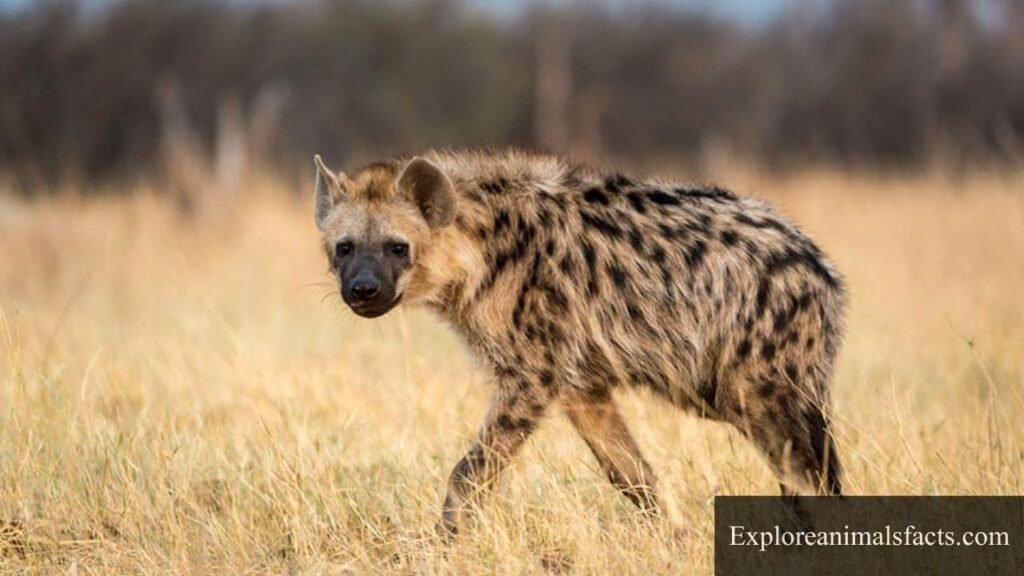
Their robust build contributes to their impressive speed of up to 37 miles per hour, but it’s their social structure that truly empowers their hunting prowess. Hyenas are highly communal, relying on intricate pack dynamics to chase and trap prey. When in pursuit, their endurance and tactical coordination can outlast even the fastest animals, proving that a strategic approach can prevail over brute strength. Often underestimated, these creatures reveal that the art of the chase is about more than just speed; it’s a testament to teamwork and adaptability in the wild.
Gazelle
Scientific Name: Gazella
Class: Mammalia
Diet: Herbivore
The gazelle showcases an extraordinary ability to gallop across the varied landscapes of Africa. With its slender legs and lightweight frame, this animal can reach speeds of up to 60 kilometers per hour, making it a master of evasion in a world filled with predators. But what truly sets the gazelle apart is its unique style of running; their rhythmic leaps and bounds, characterized by a distinctive “stotting” behavior, serve not only as a means of escape but also as a display of fitness to potential threats.
This elegant maneuvering is more than just a flight response; it’s a strategic dance of survival that showcases the gazelle’s muscular adaptation to its environment. While predators like cheetahs may possess explosive speed, the gazelle’s endurance allows it to sustain those impressive bursts over longer distances, dodging and weaving with an almost balletic finesse. In addition to their physical prowess, gazelles play a crucial ecological role, aiding in the dispersal of seeds through their grazing habits, ultimately contributing to the health of their ecosystems. Their galloping grace truly epitomizes nature’s blend of beauty and functionality.
Horses
Scientific Name: Equus ferus caballus
Class: Mammalia
Diet: Herbivore
Horses have long captivated humanity with their galloping prowess. This powerful gait not only showcases their physical capabilities but also reflects a deep-seated bond between humans and these magnificent creatures. The rhythmic thundering of hooves against the earth evokes a sense of freedom and wild spirit, reminiscent of their untamed ancestors that roamed vast plains. Moreover, the unique gaits of horses — ranging from the dainty trot to the exhilarating gallop — allow for various forms of expression, both in nature and in competitive events.
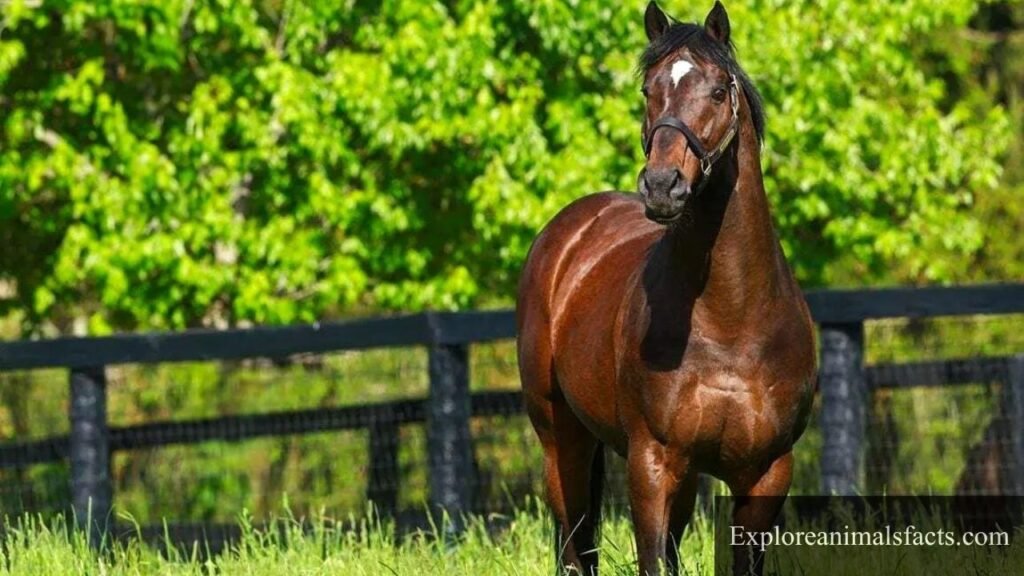
Beyond just their physical attributes, horses engage in intricate social dynamics that can be quite fascinating. They communicate through body language in ways that reflect their emotions and hierarchies within herds. Observing a group of horses at play reveals a rich tapestry of interactions that mirror social bonds, displaying joy, rivalry, and even moments of profound companionship. This social intelligence elevates them from mere animals to sentient beings capable of forming deep connections not only with each other but also with their human caretakers, highlighting the invaluable role they play in our lives.
Readmore: Explore Top 17 Animals With Whiskers.
Crocodiles
Scientific Name: Crocodylidae
Class: Reptilia
Diet: Carnivore
Crocodiles possess a surprising capability when it comes to movement on land. While they might not be the first creatures that come to mind when thinking of galloping, these reptiles can indeed move swiftly in a dynamic burst. Utilizing their powerful tail and strong hind limbs, crocodiles can achieve a surprising speed of up to 11 miles per hour in short bursts, allowing them to navigate their terrestrial environment more adeptly than many assume.
Interestingly, their gait resembles that of a galloping animal, characterized by a unique lateral movement that showcases their strength and agility. This adaptability is crucial, especially during mating season, when male crocodiles actively chase each other or court potential mates. Yet, beyond the chase, their ability to transition between water and land in pursuit of prey illustrates the versatility that has allowed these ancient creatures to thrive for millions of years.
Alpacas
Scientific Name: Vicugna pacos
Class: Mammalia
Diet: Herbivore
Alpacas, often recognized for their soft fleece and gentle demeanor, are surprisingly agile, displaying a unique form of galloping that captivates observers. While their typical movement is a graceful, light-footed trot, when prompted, they can break into a playful gallop, revealing bursts of speed that might astonish those who view them merely as serene grazing animals. This unexpected agility is not only fun to watch but also serves as an essential survival mechanism, allowing them to escape predators in their native Andean mountains.
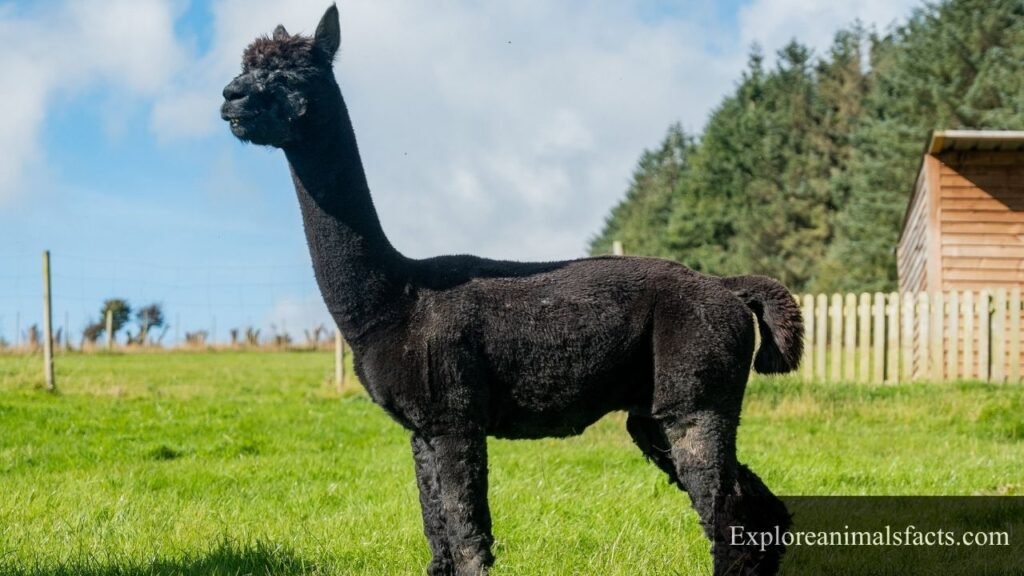
Interestingly, the way alpacas gallop displays their inherent social nature. In herds, these animals often engage in playful sprints, communicating through a series of joyful hums and body language, reinforcing social bonds and emphasizing their inquisitive spirits. This playful behavior can be enlightening for anyone observing, highlighting the depth of their social interactions beyond their charming appearance. Thus, while they may seem solely gentle and affectionate, the occasional upsurge into galloping serves as a reminder of their vitality and adaptability, making them truly remarkable animals in both behavior and beauty.
Bison
Scientific Name: Bison bison
Class: Mammalia
Diet: Herbivore
Bison, often associated with the expansive plains of North America, exhibit an unexpected grace as they gallop across their natural habitat. While their massive frames suggest lumbering movements, these majestic animals can sprint surprisingly fast — up to 35 miles per hour — covering distances with a powerful, rhythmic gait that mesmerizes onlookers. This ability not only aids in escaping predators but also plays a critical role during mating season, when males engage in fierce competition, showcasing their strength and agility through impressive displays of speed.
Interestingly, bison are adapted for their environment in more ways than just physical prowess. Their galloping technique, which involves a unique combination of powerful hindquarters and agile forelimbs, allows them to navigate the diverse terrain of the Great Plains, from grassy fields to rocky outcrops. Beyond their physical capabilities, bison also embody a rich cultural significance for many Indigenous peoples, symbolizing resilience and the interconnectedness of nature. Observing a herd in motion is not just a spectacle; it serves as a vivid reminder of the deep-rooted history and ecological importance of these incredible animals.
Giraffes
Scientific Name: Giraffa camelopardalis
Class: Mammalia
Diet: Herbivore
Giraffes, with their towering necks and stunning patterns, are more than just gentle giants; they possess an astonishing gallop that often surprises those unfamiliar with their abilities. Despite their long legs, these magnificent creatures can reach speeds of up to 37 miles per hour in short bursts. This unique gait is not just about speed; it involves a rhythmic motion that allows them to cover large distances quickly while navigating their natural habitats. Observing a giraffe in motion reveals the gracefulness of their stride, reminiscent of a dancer gliding across a stage.
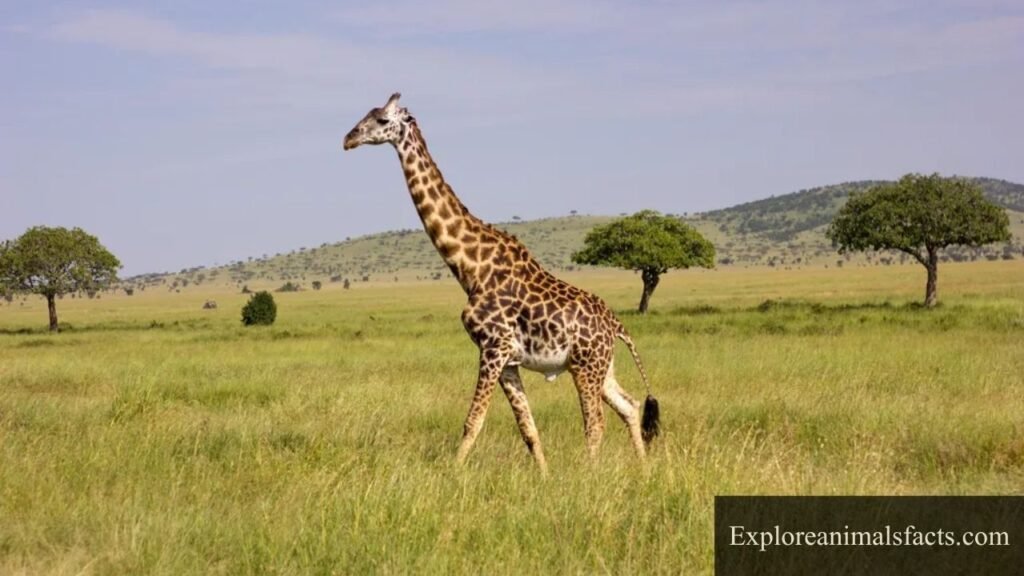
Their galloping behavior serves multiple purposes beyond mere travel. In the wild, giraffes occasionally must escape predators, and their swift, long strides provide a significant advantage. Interestingly, adult giraffes tend to gallop less frequently than younger ones, who are more playful and energetic. This playful behavior is often seen in social groups, as young giraffes engage in mock chasing, showcasing their agility and strength. Overall, the gallop of a giraffe encapsulates the essence of adaptation and survival, making them a fascinating subject for wildlife enthusiasts and researchers alike.
Dogs
Scientific Name: Canis lupus familiaris
Class: Mammalia
Diet: Omnivore
Dogs are often recognized for their loyalty and companionship, but their galloping abilities reveal an athleticism that many don’t appreciate. When a dog gallops, it’s a fluid combination of strength and grace, reminiscent of their wild ancestors. Breeds like Greyhounds and Whippets exemplify this with their sheer speed, covering ground effortlessly. Watching a dog sprint across an open field, their muscles taut and eyes gleaming, brings to life the primal instincts that lie beneath their domesticated exteriors.
But it’s not just about speed; the rhythm of a dog’s gallop tells a story of joy and exuberance. It evokes a sense of freedom, allowing them to explore their environments with boundless enthusiasm. When dogs pick up the pace, they engage in a ballet of biomechanics, their unique gait evolving to adapt to various terrains. This adaptability not only showcases their physical prowess but also highlights the important bond between dogs and their human companions, as they often rely on us to provide spaces where they can let loose and truly gallop.
Camels
Scientific Name: Camelus
Class: Mammalia
Diet: Herbivore
Camels, often associated with arid landscapes and desert caravans, possess a surprising ability to gallop gracefully. While their plodding gait might suggest a leisurely pace, these remarkable animals can reach speeds of up to 40 miles per hour when the situation demands it. Their long legs and unique adaptations, such as specialized footpads that prevent slipping in sand, enable them to move with impressive agility across harsh terrains.
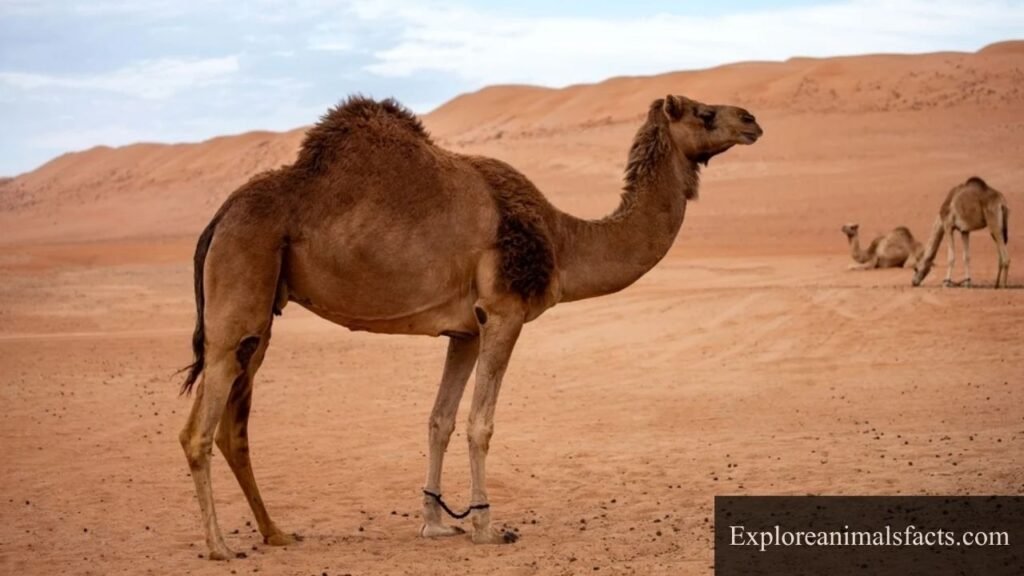
What sets camels apart is not just their speed but their endurance; they can maintain a trot for hours, a skill honed by centuries of migration across vast deserts. This endurance is complemented by their remarkable physiological traits — camels can drink large quantities of water in one sitting and store fat in their humps for sustenance. Their ability to thrive in such an inhospitable environment makes them a symbol of resilience, showcasing how nature equips creatures to master their surroundings — something that takes on a new meaning when you witness them galloping majestically across the dunes.
Wild Boars
Scientific Name: Sus scrofa
Class: Mammalia
Diet: Omnivore
Wild boars possess a surprising grace when they gallop. Despite their stocky build and bristly fur, these creatures can reach impressive speeds, especially when startled. Their ability to conserve energy while evading predators or foraging for food illustrates an intriguing blend of strength and agility. The powerful muscles in their legs allow them to burst forth with surprising velocity, navigating through dense forest underbrush with an ease that belies their size.
Observing wild boars in motion reveals fascinating social dynamics. Often seen in family groups, these animals exhibit a remarkable level of coordination, filtering through the landscape as they forage or flee. Each member contributes to the group’s overall movement, allowing them to communicate and react to threats seamlessly. This galloping behavior not only serves as a means of survival but also highlights their complex social structures within the vibrant ecosystems they inhabit. Encountering these animals in the wild can challenge our perceptions, revealing that beauty and elegance can exist in even the most rugged forms of wildlife.
Tiger
Scientific Name: Panthera tigris
Class: Mammalia
Diet: Carnivore
The tiger, with its powerful frame, exhibits a unique style of galloping that combines grace and raw ferocity. Unlike traditional runners, tigers leverage their muscular build and versatile limbs to execute a form of galloping that is both efficient and mesmerizing. When on the prowl, their movements are a dance of stealth and speed. The way they transition from a slow stalk to a breathtaking sprint showcases their adaptability to diverse landscapes, from dense forests to open grasslands.
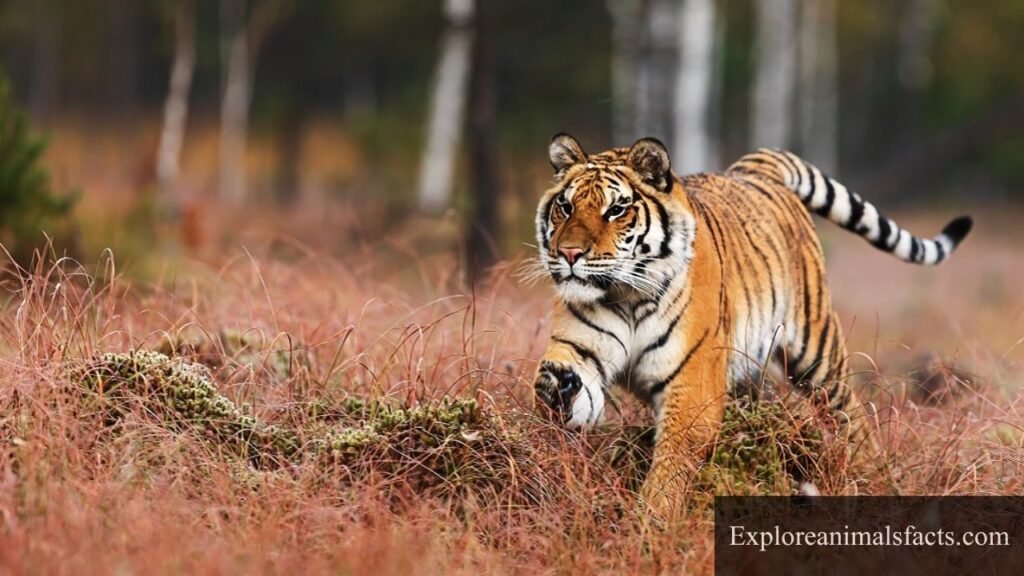
What sets tigers apart in the animal kingdom is not just their physical prowess but also their calculated approach during a chase. Every gallop is a strategic decision, as they conserve energy for crucial bursts of speed when closing in on prey. This ability to alternate between sprinting and stealthy maneuvers exemplifies why they are apex predators. Moreover, their gallop can be a testament to their emotional depth; whether communicating with other tigers through intricate body language or expressing their dominance during territorial displays, these majestic cats remind us that even in their speed lies a world of unspoken communication.
Cow
Scientific Name: Bos taurus
Class: Mammalia
Diet: Herbivore
Cows, often perceived as slow and lumbering creatures, possess a surprising agility that can be quite captivating. When in motion, particularly during a gallop, these animals exhibit a unique blend of grace and power, defying the common stereotype of their leisurely demeanor. Their large, muscular bodies are designed not only for grazing but also for making quick bursts of speed when necessary, whether it’s to escape from a perceived threat or to join their companions in a joyful romp across the pasture.
Interestingly, the behavior of galloping in cows is not just about speed; it also reflects their emotional state. Young calves often engage in playful galloping, a sign of exuberance that can lighten the mood of an entire herd. This playful behavior fosters social bonds and is essential for their mental well-being. Observing them gallop can illuminate a side of cows that is often overlooked — highlighting their intelligence and emotional depth, reminding us that beneath their calm exteriors, there’s a dynamic world of activity and interaction.
Lion
Scientific Name: Panthera leo
Class: Mammalia
Diet: Carnivore
Lions, often hailed as the kings of the jungle, possess a unique galloping style that showcases their raw power and grace. Unlike the swift, elongated strides of horses, a lion’s gallop is more about explosive bursts of speed, enabling them to close in on their prey with envy-inducing agility. While they may not be as consistent gallopers as some species, their capability to accelerate quickly makes them formidable hunters.
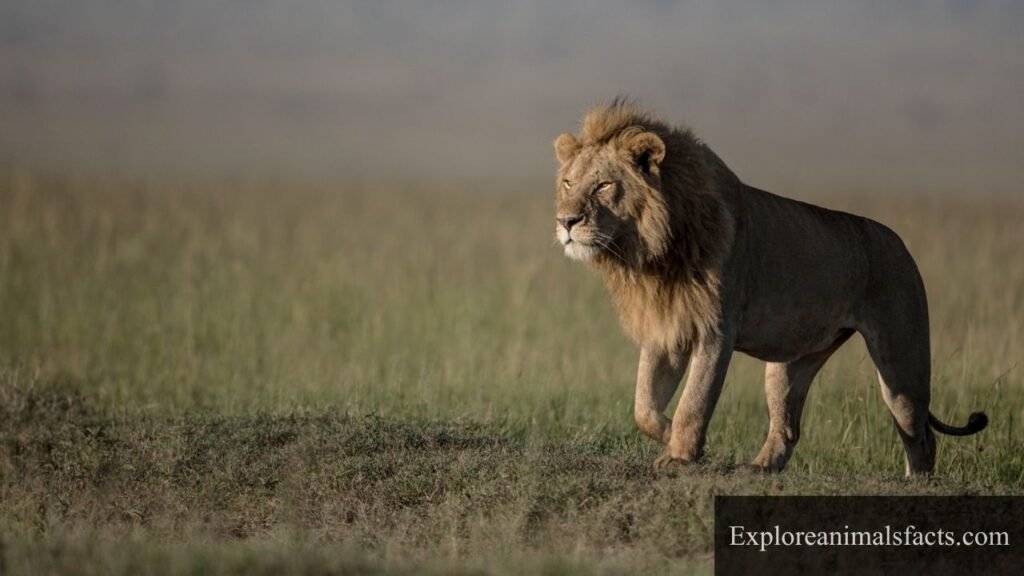
Moreover, their muscular build and distinctive mane lend them an impressive silhouette as they launch into a sprint, making their gallop not just functional but visually striking. Surprisingly, a lion’s agility is rivaled by its stealth; they often employ a blend of short bursts and calculated movements, ensuring that they conserve energy until the crucial moment of the chase. This duality of speed and savvy showcases the lion’s evolution as a predator, balancing strength with strategy in their hunt for survival.
Goat
Scientific Name: Capra hircus
Class: Mammalia
Diet: Herbivore
Goats possess a unique physiology that enables them to gallop with a surprising grace, defying the usual perceptions of their clumsy demeanor. While often associated with rocky terrains where they expertly navigate steep inclines, their galloping ability is a testament to their agility and strength. Observing a goat in mid-gallop reveals a powerful blend of speed and playfulness, as they bound with effortless fluidity, their hooves barely touching the ground.
Interestingly, galloping isn’t merely a display of athleticism; it’s an instinctive behavior that aids in social bonding and play among herd members. Young goats, known as kids, often engage in exuberant games, sprinting alongside each other in a dance of joy that showcases their youthful exuberance. This energetic display is essential not just for physical health, but also for establishing social hierarchies and life skills that will serve them well in the wild or on farms.
Donkey
Scientific Name: Equus africanus asinus
Class: Mammalia
Diet: Herbivore
Donkeys, often overshadowed by their equine cousins, have a unique gallop that showcases their surprising agility and strength. Unlike the fast-paced stride of horses, a donkey’s gallop is a rhythmic, almost playful movement, punctuated by their distinct braying. This gait reflects not only their sturdy build but also an intelligent adaptation to their environment — donkeys are designed to navigate rugged terrains with grace and resilience. Observing a donkey in full gallop is both endearing and enlightening, revealing a playful spirit that many might not associate with these hardworking animals.
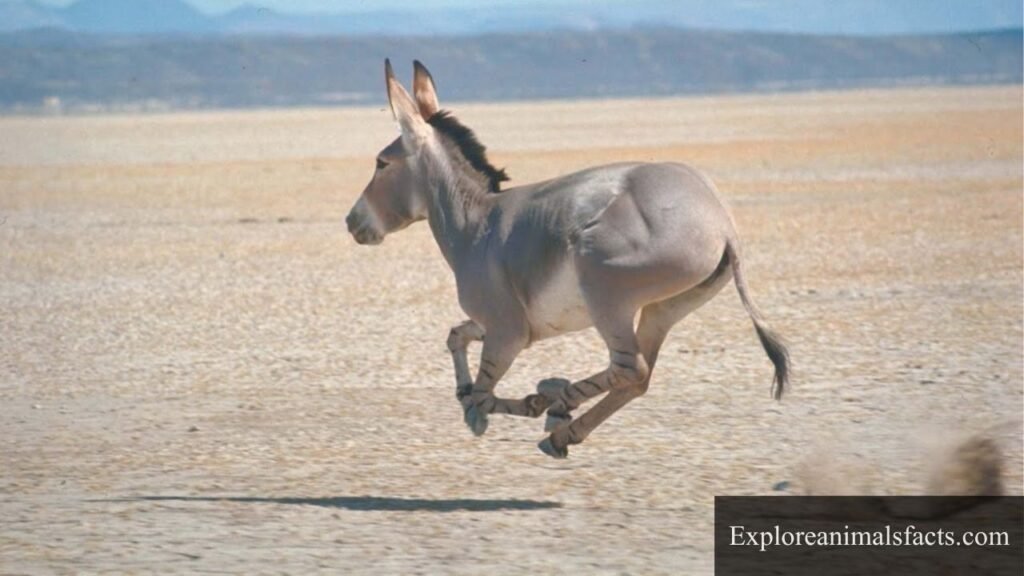
Donkeys have played a crucial role in human history, serving as steadfast companions and workhorses in agriculture and transportation. Their galloping ability isn’t just for show; it’s a testament to their endurance when carrying loads across challenging landscapes. Surprisingly, donkeys can reach speeds of up to 15 miles per hour, making them more than capable of keeping up on a trail or a farm. As we celebrate the forgotten skills of these animals, it becomes clear that their galloping isn’t just a physical ability — it symbolizes their enduring spirit and vital contribution to human culture.
Bears
Scientific Name: Ursidae
Class: Mammalia
Diet: Omnivore
Bears, often imagined as lumbering giants, possess a surprising athleticism that challenges their bulky exterior. When they gallop, it’s a sight to behold — powerful strides that can cover ground swiftly, especially in the pursuit of food or evasion from threats. A grizzly bear can reach speeds of up to 35 miles per hour, showcasing a dynamic blend of strength and grace that defies expectations. This unique ability to sprint in bursts is a testament to their evolutionary adaptations, allowing them to forage effectively while escaping danger when needed.
Remarkably, the mechanics of bear galloping are rooted in their soft-footed anatomy. Their massive paws act as shock absorbers, allowing for surprisingly quiet movement through various terrains. This stealth is crucial, especially in their natural habitats where they must often remain undetected from both prey and rivals. Watching a bear in full gallop reveals a harmony of raw muscle and instinct, a reminder that these formidable creatures are not just symbols of wilderness but also masters of their domain. Understanding this athleticism enriches our appreciation of bears, urging a reconsideration of how we perceive wildlife’s capabilities and movements.
Deer
Scientific Name: Cervidae
Class: Mammalia
Diet: Herbivore
The grace with which deer gallop across their habitat is a breathtaking spectacle of nature. Their long, powerful legs allow them to cover vast distances with remarkable speed, often reaching up to 30 miles per hour in short bursts. This ability not only helps them evade predators but also plays a crucial role in their social interactions. When deer run together, their coordinated movement reinforces the bonds within herds, creating a fascinating dance of trust and instinct that enables them to navigate their environments efficiently.
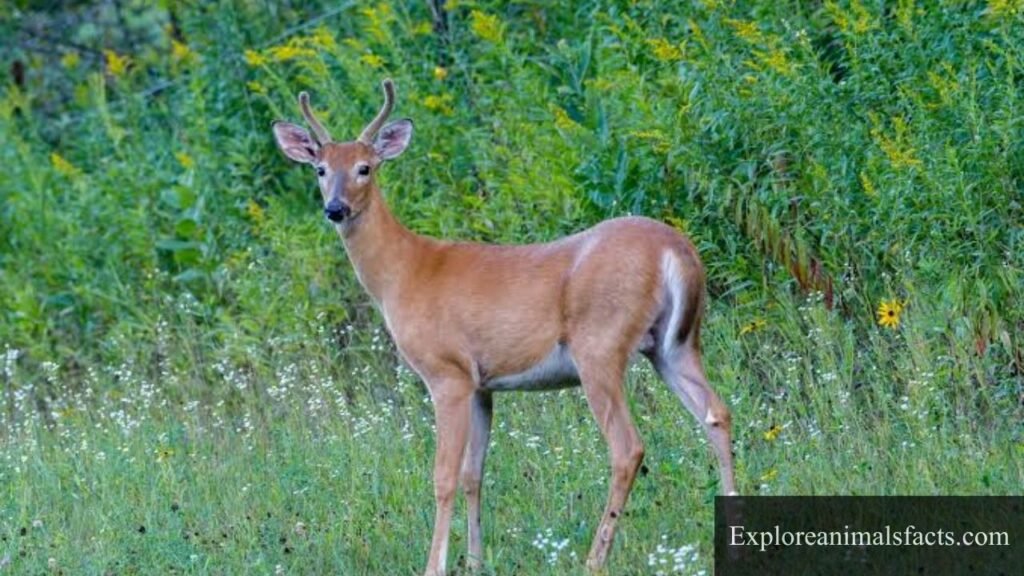
In addition to their physical prowess, deer have a unique neurological adaptation that enhances their galloping. Their expansive range of vision allows them to detect movement from significant distances, crucial for spotting threats before they become too close. This heightened awareness, paired with their agile leaps, helps them navigate obstacles in their path — be it dense underbrush or rugged terrain. Observing these animals in the wild offers a glimpse into the evolutionary elegance of adaptation and survival, demonstrating how their galloping abilities have shaped not just their movement but their entire way of life.
Zebra
Scientific Name: Equus quagga
Class: Mammalia
Diet: Herbivore
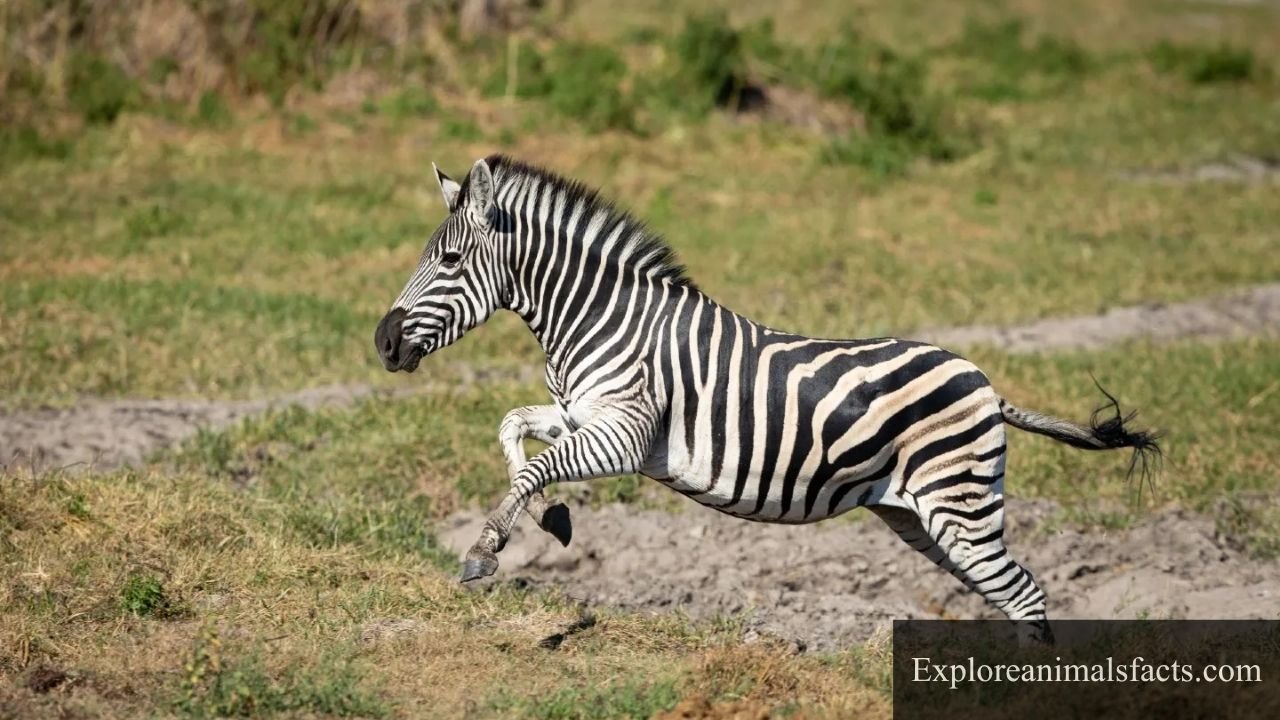
Zebras, with their striking black-and-white stripes, aren’t just visually captivating; they’re expertly engineered for speed and endurance. When they gallop, the rhythmic motion of their legs mirrors the fluidity of a finely tuned machine, allowing them to reach speeds of up to 40 miles per hour. This agility is not merely for show; it serves as a crucial defense mechanism against predators in the vast savannas of Africa.
Beyond their speed, zebras’ galloping behavior reveals fascinating social dynamics. They often run in coordinated groups, where their stripes create a mesmerizing optical illusion — a tactic that can confuse predators and enhance group cohesion. The sound of their hooves pounding the earth resonates as a powerful reminder of their presence within the ecosystem. Observing a herd galloping in synchrony highlights their deep social bonds and shared instincts, presenting a striking tableau of survival and connection in their natural habitat. Such moments remind us of the intricate relationship between movement and social behavior in the animal kingdom, prompting us to appreciate the complexities of their world.
Llamas
Scientific Name: Lama glama
Class: Mammalia
Diet: Herbivore
Llamas have surprisingly agile galloping abilities that can astonish those who encounter them in action. Unlike their camelid cousins, llamas possess a unique gait that enables them to switch between a slow trot and a brisk gallop, demonstrating agility and grace over varied terrains. This adaptability is particularly striking in the rugged highlands they call home, where they navigate rocky paths with remarkable ease.
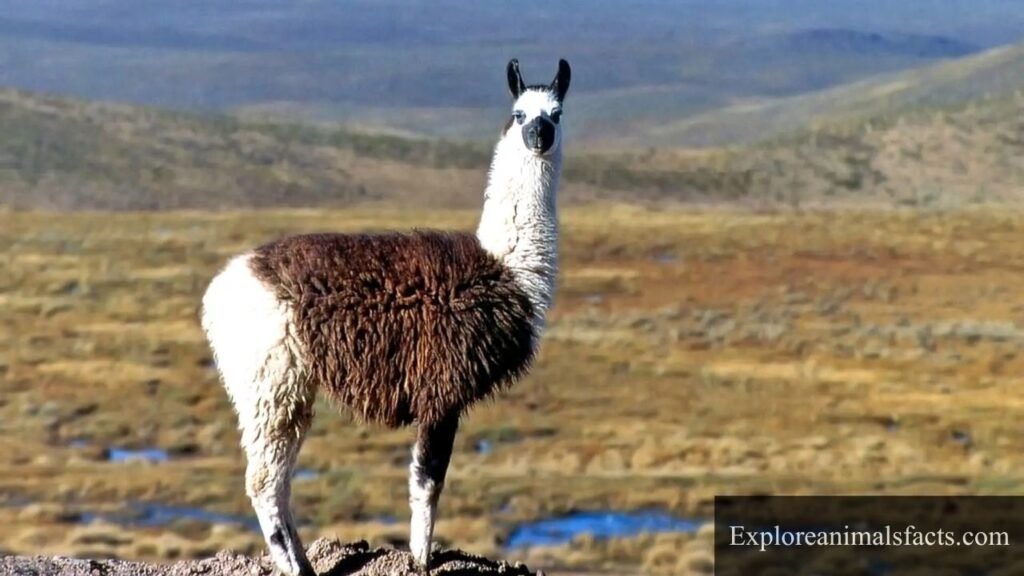
Beyond their physical prowess, llamas showcase a fascinating social dynamic that influences their movement. When they gallop, it’s not just about getting from point A to B; their sprinting often serves as a communication tool within their herd. The sudden burst of speed can express excitement or alert fellow members of potential danger. This adds a rich layer of social interaction to their galloping behavior, transforming it from a mere physical act into a complex form of expression. Observing a llama gallop can provide insights into their instincts and social structures, reminding us that even the calmest of creatures harbor hidden depths ready to be explored.
Hippos
Scientific Name: Hippopotamus amphibius
Class: Mammalia
Diet: Herbivore
Hippos, often perceived as lumbering giants, are surprisingly agile when it comes to movement. Despite their massive size, these semi-aquatic mammals can gallop at speeds up to 19 miles per hour on land over short distances. Their unique anatomy, featuring short legs and large bodies, can deceive observers who might think them clumsy. However, hippos possess incredible strength and stamina, allowing them to cover ground quickly when needed, whether to escape a threat or assert dominance.
What’s more fascinating is their behavior during these bursts of speed. Hippos often engage in what resembles a graceful trot, demonstrating a surprising fluidity for such large creatures. This combination of strength and agility serves as a vital survival mechanism. In their natural habitats, where predators lurk, the ability to gallop can mean the difference between life and death. Understanding this aspect of hippos not only reshapes our view of their capabilities but also deepens our appreciation for the diverse adaptations of wildlife, showcasing nature’s ingenuity in the animal kingdom.
Sheep
Scientific Name: Ovis aries
Class: Mammalia
Diet: Herbivore
When we think of galloping animals, sheep rarely come to mind, yet these seemingly docile creatures possess an unexpected agility. Their distinctive hopping gait, often referred to as “bounding,” allows them to navigate diverse terrains and escape predators. With powerful hind leg muscles, sheep can leap heights that might surprise onlookers, effortlessly clearing obstacles in their path. This characteristic not only aids in their survival but also showcases a lesser-known aspect of their natural behavior.
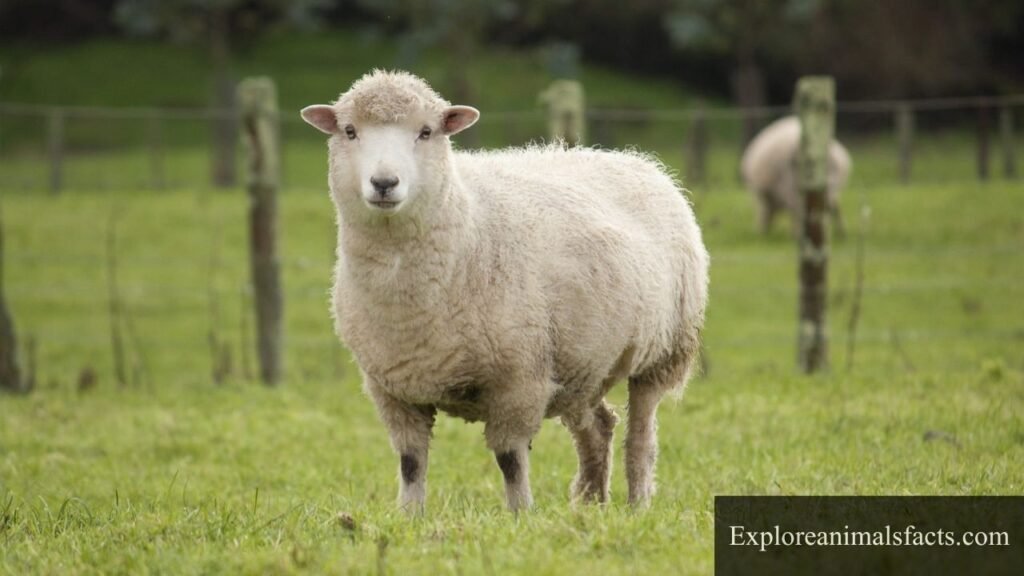
In a social context, sheep demonstrate a remarkable rhythm in their movements. When startled, a flock may suddenly erupt into a flurry of bounding, each member synchronized in a captivating display of instinctive coordination. This herd mentality not only enhances their chances of survival but also reinforces their bonds within the group, displaying a fascinating blend of individual agility and collective action. Understanding this dynamic helps us appreciate the nuances of their behavior beyond mere grazing, revealing the depth of their interactions and adaptability in the wild.
Cheetahs
Scientific Name: Acinonyx jubatus
Class: Mammalia
Diet: Carnivore
Cheetahs are often celebrated as the world’s fastest land animals, capable of reaching speeds up to 70 miles per hour in just a few heart-pounding seconds. This remarkable acceleration isn’t merely a product of powerful muscles; it’s also due to their unique physiological adaptations. Their lightweight frame, long legs, and specialized respiratory system work in concert to maximize speed, allowing them to cover vast distances in mere moments. During a sprint, a cheetah’s spine extends and flexes in a remarkable fashion, almost like a spring, giving them an explosive edge in their gallop.
However, while their speed is awe-inspiring, it comes at a cost. Cheetahs can only maintain such breathtaking velocities for a brief 20 to 30 seconds, necessitating a stealthy approach and precise timing during hunts. This leads to an intriguing aspect of their behavior: the blend of strategy and speed. Unlike other big cats that rely on sheer strength or stalking abilities, a cheetah’s success hinges on its athletic prowess combined with sharp instincts, showcasing a reliance on both physical and mental agility in the wild. Their galloping prowess not only highlights their place in the ecosystem but also serves as a reminder of the delicate balance between power and vulnerability in nature.
Wolves
Scientific Name: Canis lupus
Class: Mammalia
Diet: Carnivore
Wolves, often portrayed as lone hunters, are, in reality, masters of coordinated movement. Their galloping stride allows them to cover vast distances while maintaining an efficiency that belies their wild nature. This powerful gait is not only a means of traversing the rugged terrains of their habitat but also a critical component of their hunting strategy. When chasing prey, wolves can sustain a pace that combines bursts of speed with endurance, showcasing an elegant dance between power and grace.
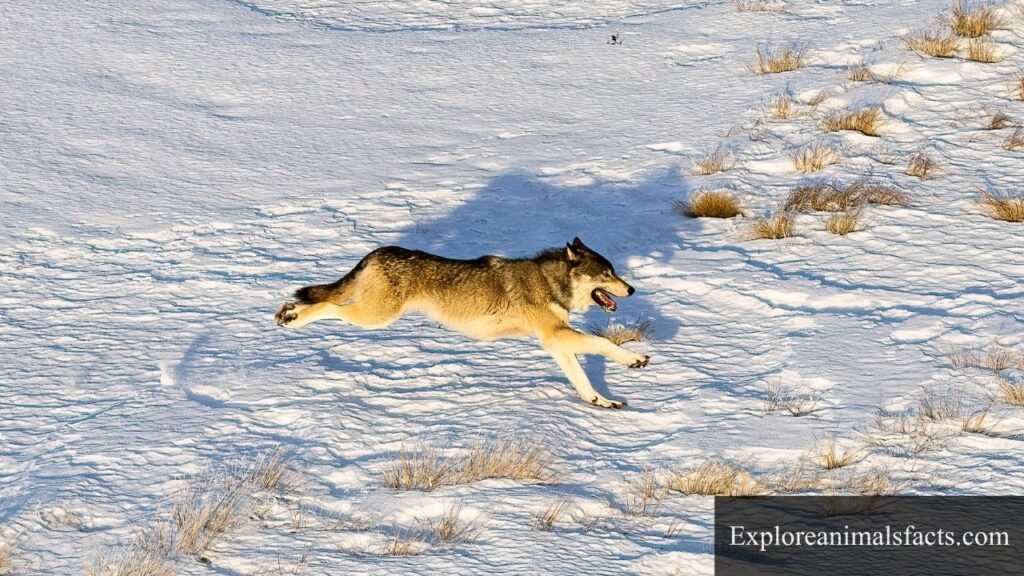
Moreover, the social dynamics of a wolf pack influence their galloping technique. As they communicate through body language and vocalizations, the synchronized movements of a pack on the run create a mesmerizing sight — like a living tapestry of teamwork. Each member plays a role, whether as lead, flank, or support, exhibiting an intricate balance of trust and instinct. Observing a pack in full gallop offers insight into their complex social structure, where every stride echoes their strong bonds and shared purpose.
Readmore: Explore Top 11 Animals With Big Noses.
Final Thoughts
Galloping animals are a testament to the wonders of evolution and the diversity of life on Earth. Each galloper, with its distinctive features and behaviors, contributes to the intricate tapestry of our ecosystems. Observing their speed and agility reminds us of the importance of maintaining biodiversity. As we celebrate these incredible creatures, it is vital that we also advocate for their conservation and the preservation of their natural habitats. Join the movement to ensure that galloping animals continue to roam our planet for years to come.
FAQs
What animals can gallop?
Galloping is primarily associated with a few key animals, most notably horses. Horses are built for speed and can reach impressive velocities during a gallop, using a four-beat gait that allows for powerful strides.
Other animals that can gallop include some members of the deer family, such as deer and antelope. They also have adaptations that enable rapid movement to evade predators. Certain large mammals, like zebras and some breeds of camels, can gallop as well.
Can all horses gallop?
Yes, all horses can gallop, but their ability to do so effectively varies greatly. Galloping is a natural instinct for horses and is part of their instinctive flight response in the wild. However, factors such as breed, fitness level, and individual health can influence how well a horse can gallop.
What animal can trot and gallop?
Horses are the most notable animals that can both trot and gallop. The trot is a two-beat gait where diagonal pairs of legs move together, creating a rhythmic and comfortable motion. It’s often used for longer distances and can be sustained for a while without tiring the animal too quickly. On the other hand, galloping is a fast, four-beat gait that allows horses to cover ground quickly, especially in short bursts. This combination of gaits is one of the reasons horses are so versatile in various activities like racing and riding