Top 13 Animals That Eat Oranges (Images Included)
Did you know that some animals consider oranges a delectable treat, much to the surprise of many? While we often think of citrus fruits as human favorites, a fascinating array of wildlife indulges in these juicy snacks. In this article, we’ll explore the diverse animals that eat oranges, uncovering their unique dietary habits and behaviors. By understanding these connections in nature, you’ll gain insights into how different species interact with their environments.
List of Animals That Eat Oranges
Below is the list of animals that eat oranges:
- Tamarins
- Red-bellied Woodpeckers
- Black Rats
- Raccoons
- Orangutans
- Squirrels
- Fruit Bats
- Deer
- Squirrel Monkeys
- Bears
- Parrots
- Northern Mockingbirds
- Pigs
Tamarins
Scientific Name: Saguinus
Class: Mammalia
Diet: Omnivore
Tamarins, small monkeys native to Central and South America, have a peculiar penchant for oranges that sets them apart from many other animal species in their habitat. In the wild, these nimble primates often scavenge for fruits, making their diet eclectic and adaptable. While they primarily feast on insects and smaller fruits, the vibrant citrus presents a colorful and nutritional treat that energizes them. Their agile hands enable them to peel and access the juicy segments, showcasing remarkable dexterity typically not seen in many other animals.
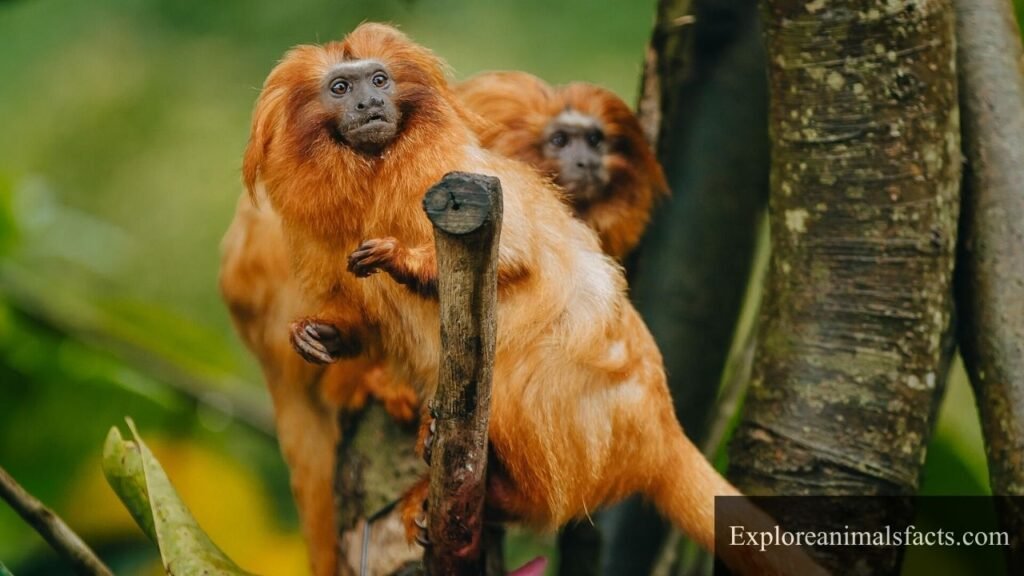
Interestingly, the presence of oranges impacts tamarin social behavior as well. Foraging for these citrus fruits can become a communal event, where groups of tamarins gather, share, and play as they enjoy the sweet bounty. This social interaction enhances their bond and is crucial for their well-being, as it reinforces community ties and communication skills. Observing tamarins in their natural habitat while they indulge in this vibrant feast not only highlights their dietary preferences but also offers a glimpse into the intricate social dynamics that define their existence.
Red-Bellied Woodpeckers
Scientific Name: Melanerpes carolinus
Class: Aves
Diet: Omnivore
Red-bellied woodpeckers have a surprisingly diverse diet that extends beyond traditional insects and tree sap. These agile birds will often indulge in juicy oranges when they come across them, showcasing their adaptability and keen foraging instincts. Observing a red-bellied woodpecker pecking away at the bright citrus fruit is a mesmerizing sight; their strong beak is perfectly designed for breaking into tough outer skins to access the sweet, succulent flesh inside.
What’s particularly fascinating about this behavior is the woodpecker’s role in seed dispersal. As they consume oranges, they inevitably drop seeds that can germinate and grow into new plants in different locations. This not only highlights their ecological importance but also underscores the interconnectedness of various species within ecosystems. By munching on these fruits, red-bellied woodpeckers contribute to a broader narrative of biodiversity and food chains, reminding us that even the most unexpected dietary choices can have far-reaching impacts on the environment.
Black Rats
Scientific Name: Rattus rattus
Class: Mammalia
Diet: Omnivore
Black rats, often seen as urban pests, have a surprisingly diverse palate that includes the occasional orange. These nimble foragers are adept at sniffing out ripe fruit, drawn to the citrus’ bright color and enticing scent. In the wild or bustling city alleys, they’ve developed a unique strategy: when facing competition, they often eat only a portion of the fruit, leaving behind remnants that may nourish other wildlife.
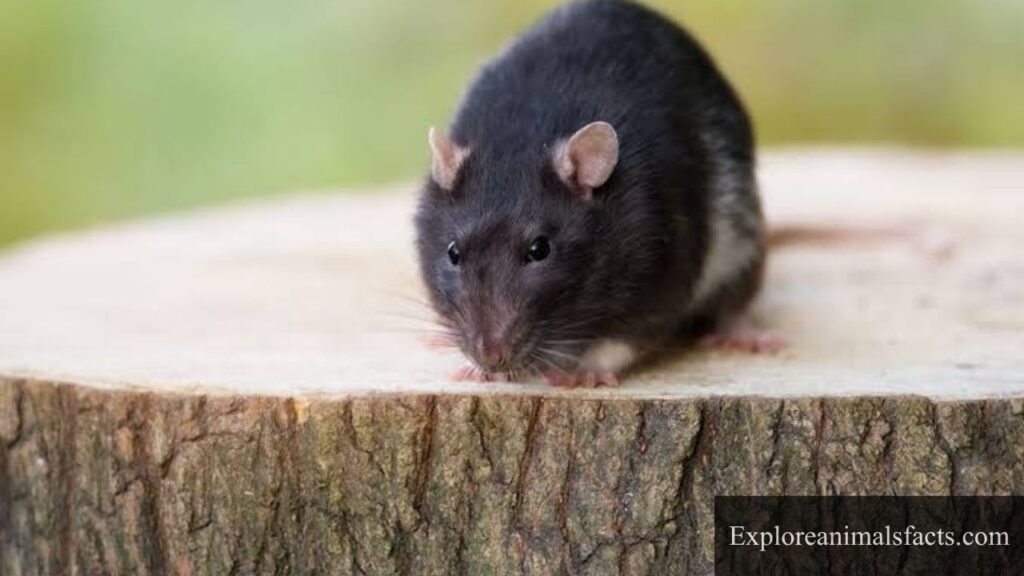
The consumption of oranges provides black rats with a burst of hydration, especially in arid environments where water may be scarce. This behavior not only highlights their adaptability but also plays a role in the ecosystem, as the leftover peels and seeds can sprout into new plants, contributing to the urban wild’s biodiversity. Observing these cunning creatures ensures we appreciate their ecological role beyond mere nuisances, showcasing the intricate relationships between species and their environments.
Readmore: Explore Top 21 Mischievous Animals.
Raccoons
Scientific Name: Procyon lotor
Class: Mammalia
Diet: Omnivore
Raccoons are often seen rummaging through trash bins, but their diverse diet includes the unexpected treat of oranges. These intelligent foragers are known for their dexterous paws, which allow them to manipulate fruit with surprising precision. When a raccoon encounters an orange, it often rolls it around, testing for ripeness before using its nimble hands to peel away the skin. This behavior not only highlights their cleverness but also reflects their adaptability to urban environments where food sources can be limited.
In addition to the enticing sweetness of citrus, oranges offer raccoons a boost of vitamin C, essential for their immune health. Observing these masked bandits happily munching on fruit provides a glimpse into the complex relationships animals have with their food sources. Raccoons aren’t merely scavengers; they are opportunistic omnivores that have learned to thrive in both wild and urban settings, showcasing the resilience and resourcefulness of nature’s creatures. This adaptability is a testament to their survival instincts, emphasizing that sometimes a simple fruit like an orange can be a vital part of an animal’s diet.
Orangutans
Scientific Name: Pongo
Class: Mammalia
Diet: Frugivore
Orangutans, often regarded as the gentle giants of the rainforest, have a surprisingly diverse diet that includes a fondness for oranges. These intelligent primates, primarily found in the dense jungles of Borneo and Sumatra, exhibit remarkable foraging skills, and their preference for fruit aligns perfectly with their role as key seed dispersers in their ecosystem. When they encounter oranges, they demonstrate not just appreciation but also unique methods of consumption. Often, they deftly peel the fruit, showcasing their dexterous fingers, a testament to their advanced cognitive abilities.
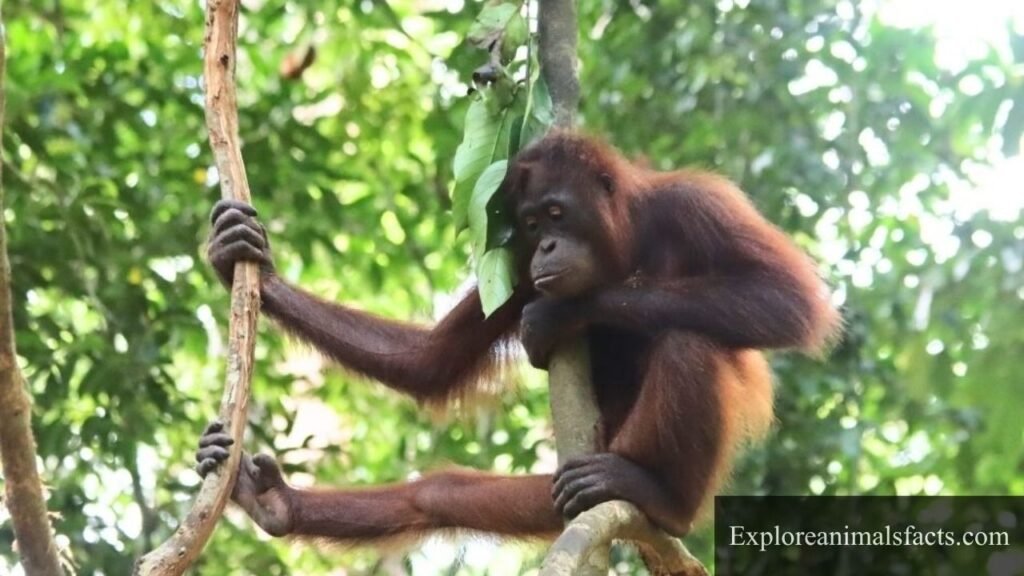
Beyond just nutrition, the consumption of oranges provides orangutans with hydration and vital nutrients, especially in times when their primary fruits are scarce. Observations in captivity reveal that orangutans savor the vibrant, citrus flavor, often taking time to relish the experience instead of rushing through it. This behavior highlights a more profound connection to their food, illustrating their emotional and sensory engagement — characteristics often overlooked in our understanding of animal diets. In the grand tapestry of their ecological interactions, orangutans’ enjoyment of oranges underscores the intricate relationships within the rainforest, demonstrating that even the simplest dietary choices can have significant environmental implications.
Squirrels
Scientific Name: Sciuridae
Class: Mammalia
Diet: Omnivore
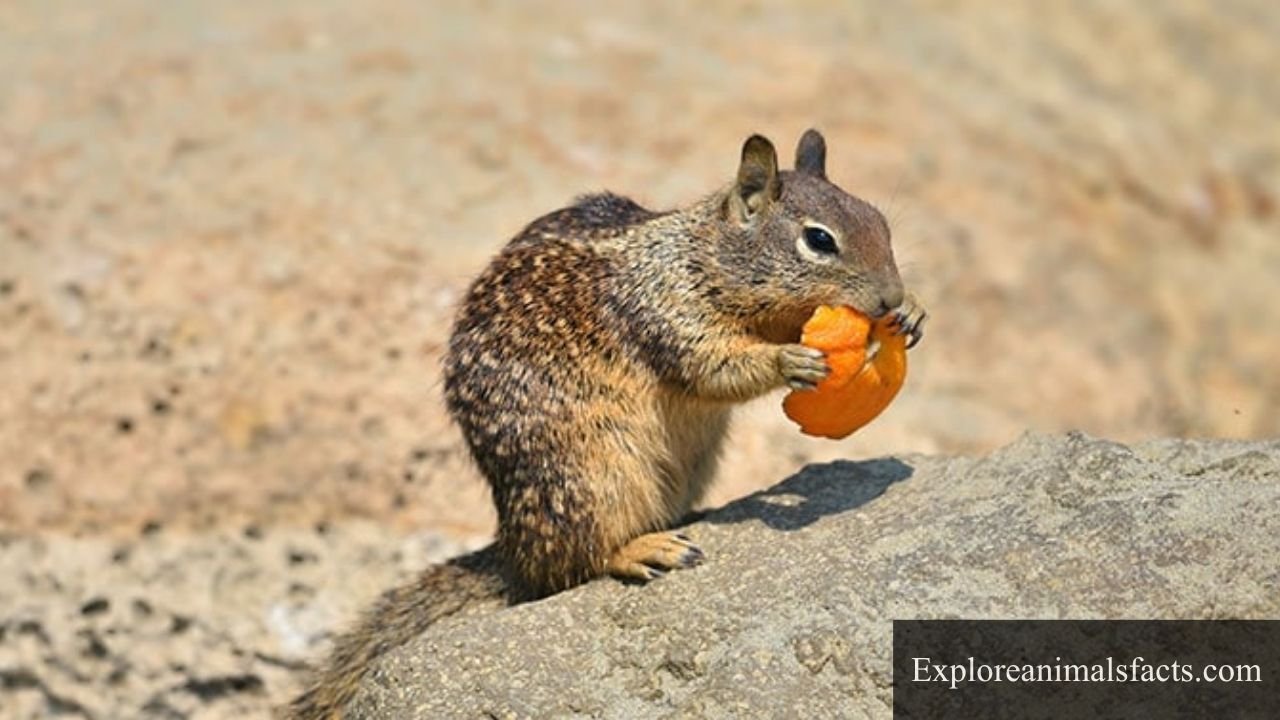
Squirrels are often seen darting through trees, but their diets are surprisingly diverse, and oranges hold a special appeal for these furry foragers. While nuts and seeds are their go-to snacks, the vibrant citrus of an orange offers both hydration and a burst of energy, making it a perfect treat in warmer months. The sweetness of an orange’s flesh can attract squirrels who venture far beyond their usual feeding grounds to indulge in this juicy fruit.
Interestingly, the act of consuming oranges showcases their intelligence. Squirrels have been observed using their dexterous paws to peel back the orange skin, a skill that highlights their adaptability and problem-solving abilities. This clever approach not only provides them sustenance but also plays a role in their social interactions; sharing such a unique food source can forge connections with other squirrels in their territory. Moreover, as they enjoy their juicy feast, they unwittingly contribute to the dispersal of seeds, promoting the growth of new trees and sustaining their ecosystem.
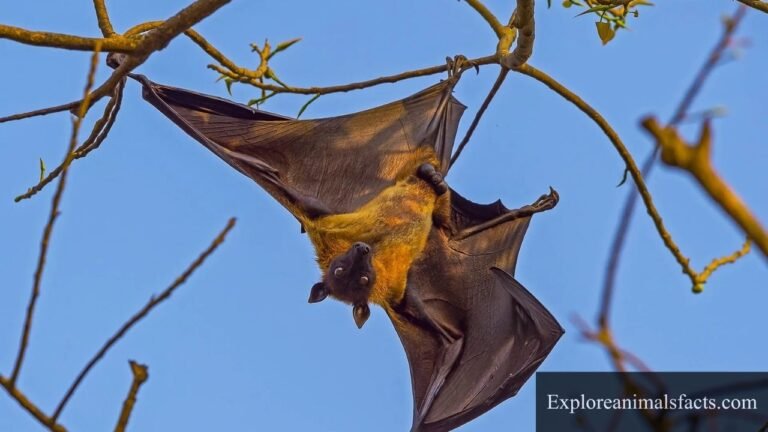
Fruit Bats
Scientific Name: Pteropodidae
Class: Mammalia
Diet: Frugivore
Fruit bats, often overlooked in the animal kingdom, play a crucial role in maintaining the health of ecosystems, particularly through their love for fruits like oranges. These fascinating creatures possess a unique adaptation — keen eyesight and an exceptional sense of smell — that helps them locate ripe fruit in dense forests. When they feast on oranges, they not only savor the juicy delights but also contribute to seed dispersal, allowing for the propagation of new trees and the maintenance of biodiversity.
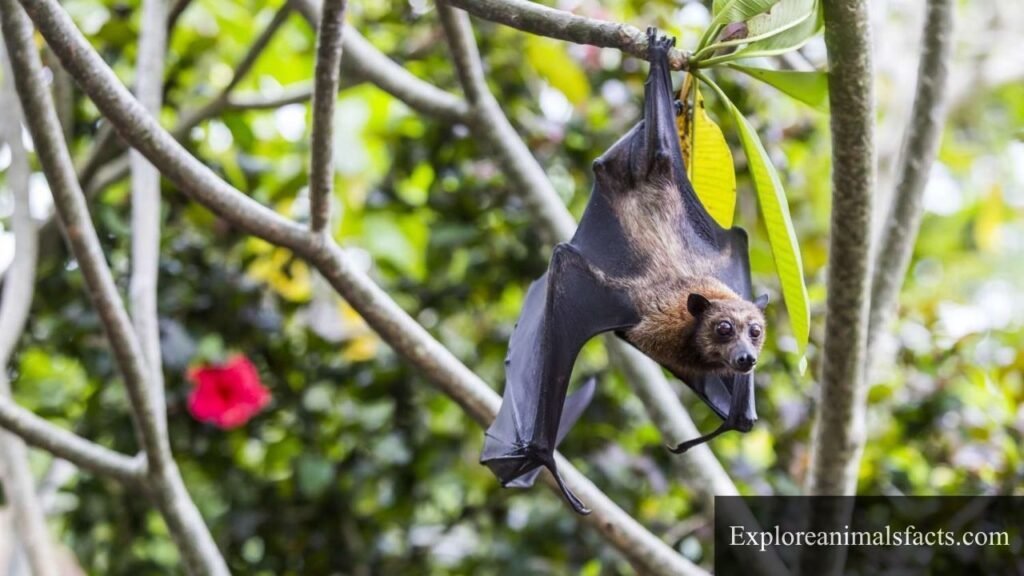
Life as a fruit bat is a social affair; these animals often roost in large colonies, creating a vibrant communal atmosphere that enhances their survival. When they gather to munch on oranges, their playful interactions and vocalizations create a symphony of sounds that echo through the canopy. This communal feeding behavior ensures that nutrient-rich fruits are efficiently consumed and distributed throughout their habitat. By understanding the intricate connections between fruit bats and their food sources, we gain insight into the delicate balance of ecosystems and the vital roles these bats play in sustaining our natural world.
Deer
Scientific Name: Cervidae
Class: Mammalia
Diet: Herbivore
Deer are often seen grazing on the lush green foliage of forests, but their diet can extend to surprising treats like oranges. These curious foragers exhibit a remarkable sense of taste, often seeking out fruits when available. Oranges, with their sweet scent and zesty flavor, can attract deer, particularly during colder months when forage is scarce. The high vitamin C content in these citrus fruits might even contribute to their overall health, energizing them in challenging conditions.
Moreover, the act of deer munching on oranges can significantly impact local ecosystems. As they consume fruits, they help disperse seeds, encouraging plant growth in new areas. This natural behavior not only sustains their species but also enriches their habitats, promoting biodiversity. Observing deer interact with such unconventional food sources opens a window into their adaptability and the interconnectedness of wildlife and plant life, reminding us just how versatile nature can be.
Squirrel Monkeys
Scientific Name: Saimiri
Class: Mammalia
Diet: Omnivore
Squirrel monkeys, with their playful demeanor and striking yellow fur, have a surprisingly citrusy side to their diet. Found predominantly in the tropical rainforests of Central and South America, these agile primates often showcase an affinity for oranges. Their ability to peel and consume the fruit with impressive dexterity not only highlights their intelligence but also illustrates their adaptability to fluctuating food sources in their natural habitat.
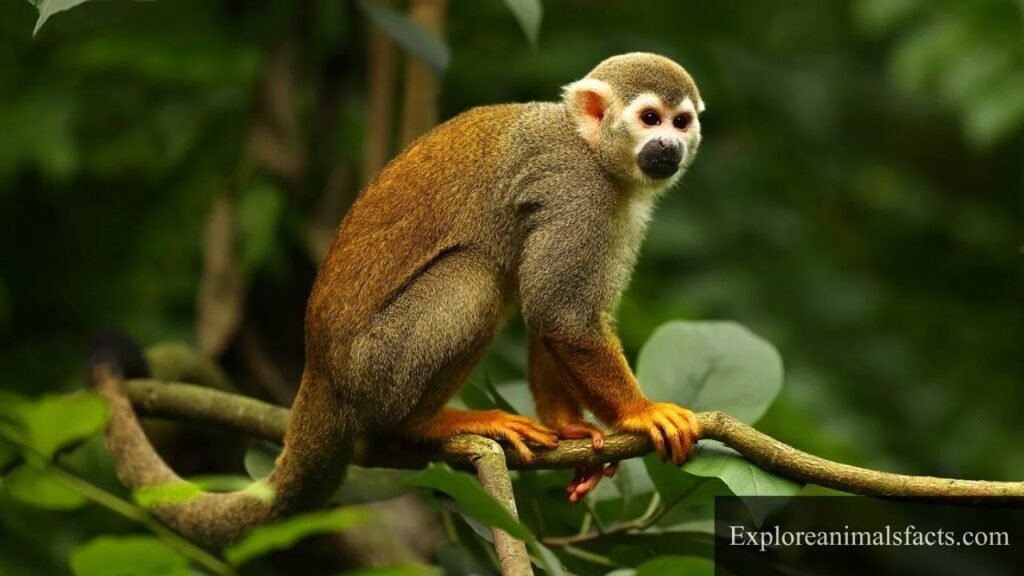
What’s intriguing about squirrel monkeys is how their taste for oranges reflects a broader ecological role. By consuming these fruits, they contribute to seed dispersal, aiding in the regeneration of the forest. As they munch on the juicy flesh, they inadvertently transport seeds away from the parent tree, promoting genetic diversity and supporting the growth of new orange trees. In a vibrant ecosystem, this relationship between the squirrel monkeys and their citrus diet underscores the intricate connections among species, revealing how even the smallest creatures play a vital role in maintaining the health of their environment.
Bears
Scientific Name: Ursidae
Class: Mammalia
Diet: Omnivore
Bears are often celebrated for their varied diets, but many people may be surprised to learn that these large mammals enjoy snacking on oranges. In the wild, a bear’s opportunistic nature means they’ll consume whatever fruits are available, making oranges a sweet treat when they come across them. The tangy flavor and juicy flesh not only satisfy their cravings but also provide essential hydration and nutrients, particularly in the warmer months when fruits are most abundant.
Interestingly, studies have shown that the scent of citrus can attract bears, drawing them to areas where oranges are grown or simply left unattended. This affinity can be a double-edged sword; while it underscores the versatility of a bear’s diet, it also presents challenges for fruit farmers. Protecting orchards becomes crucial, as these furry foragers are not just seeking sustenance but also the sugar rush that comes with sweet, ripe fruit. Understanding this behavior adds a layer of complexity to our relationship with wildlife, reminding us of the intricate web of coexistence between humans and bears.
Parrots
Scientific Name: Psittaciformes
Class: Aves
Diet: Herbivore
Parrots are not only vibrant in color but also have a diverse palate that includes surprising treats like oranges. These intelligent birds are drawn to the sweet, juicy segments of the fruit, which provide both hydration and essential nutrients. The bright orange hue is particularly enticing to parrots, signaling a tasty snack loaded with vitamins — especially vitamin C, which supports their immune system. Observing a parrot maneuver a half orange with its nimble feet and beak offers a fascinating glimpse into their dexterity and playful nature.
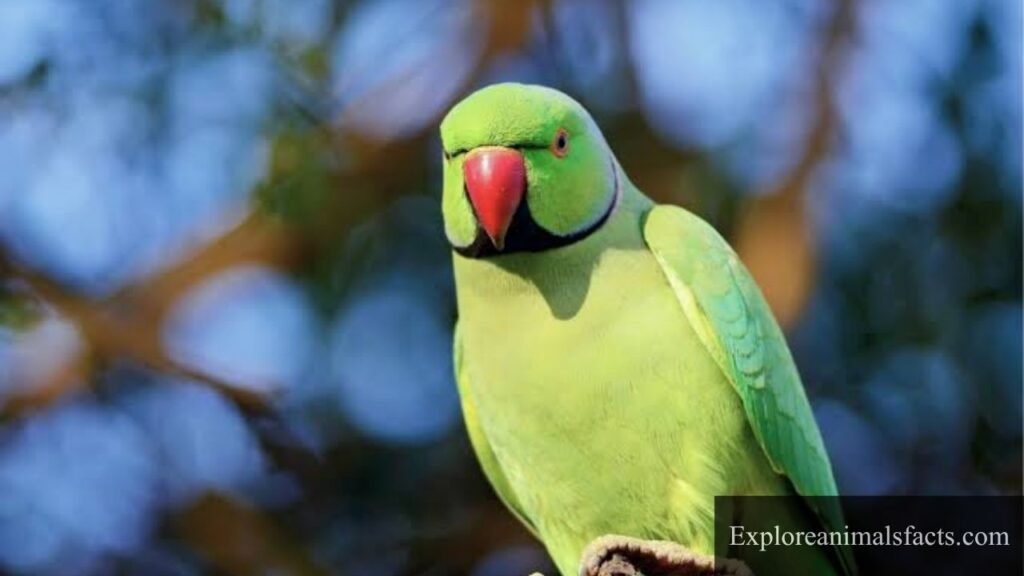
Interestingly, the love for oranges differs among parrot species. For instance, macaws and cockatoos often devour the fruit’s flesh, while smaller species, like budgerigars, may nibble at the rinds or opt for a softer piece. This variety in preference showcases their adaptability and discerning taste. Oranges in the diet can enhance the overall mood of these birds, as the bright flavors stimulate their sensory experiences and contribute to their vibrant personalities. Integrating fruits like oranges into a parrot’s diet not only promotes health but also fosters more interactive and enriching environments that reflect their natural behaviors.
Northern Mockingbirds
Scientific Name: Mimus polyglottos
Class: Aves
Diet: Omnivore
Northern Mockingbirds are often celebrated for their remarkable vocal abilities, but their diet reveals another fascinating aspect of their behavior. These adaptable birds aren’t picky eaters; they readily incorporate a variety of fruits into their meals, oranges included. When they encounter a ripe orange, their curiosity leads them to explore its vibrant color and delightful aroma, enticing them to taste the juicy slices. This fruit provides them with essential nutrients, particularly vitamin C, vital for their health and vitality.
Engaging with oranges reflects a broader ecological role the mockingbird plays. As they consume the fruit, they inadvertently aid in seed dispersal, helping to propagate orange trees and other citrus plants. This relationship illustrates how urban environments, often filled with fruit-bearing trees, can support diverse wildlife. By inviting these melodic birds into our gardens with fruit trees, we contribute to a dynamic cycle of life that enhances both our surroundings and the avian ecosystem. Their presence becomes a reminder of nature’s resilience, thriving at the intersection of human and wildlife spaces.
Pigs
Scientific Name: Sus scrofa domesticus
Class: Mammalia
Diet: Omnivore
Pigs are surprisingly versatile eaters, and their relationship with oranges is both fascinating and beneficial. Known for their diverse diets, pigs tend to relish the sweet and tangy flavor of oranges. In the wild, they might not encounter citrus fruits often, but domesticated pigs have adapted to enjoy a variety of foods, making oranges a delightful treat. The natural sugars in oranges provide an energy boost, while the high fiber content aids in digestion, making them a valuable addition to a pig’s diet.
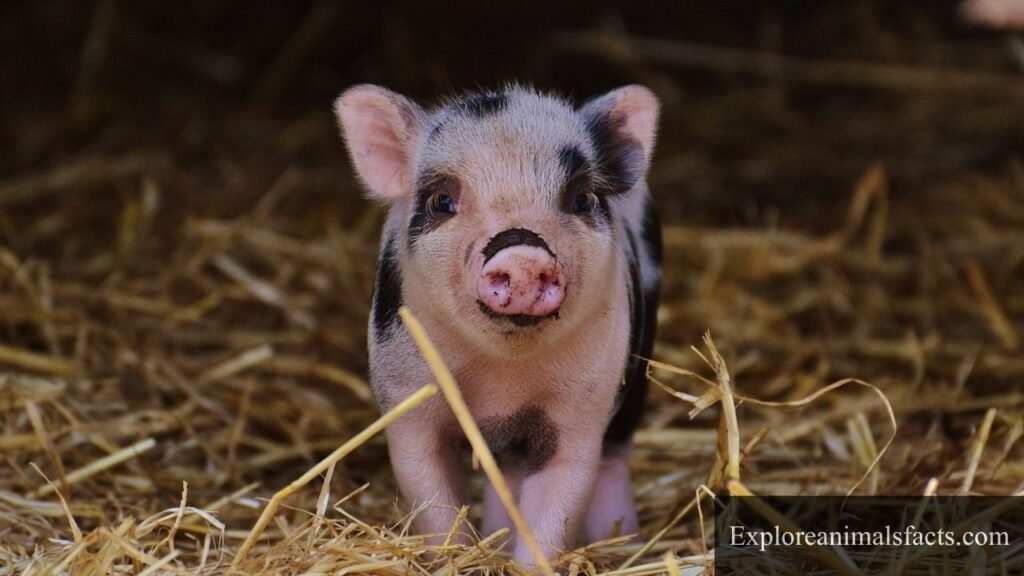
Interestingly, pigs have a keen sense of smell, which heightens their curiosity when encountering oranges. The vibrant color and citrusy aroma can captivate even the fussiest eater among them. Feeding pigs oranges not only keeps them entertained but also encourages foraging behaviors, supporting their overall well-being. Moreover, leftover or blemished oranges that might not be suitable for human consumption find a second life in pig diets, emphasizing a sustainable approach to food waste management. By incorporating such fruits, pig farmers can boost the nutritional value of their feed while reducing their environmental footprint.
Readmore: Explore Top 9 Animals That Have Trunks.
Final Thoughts
The diverse range of animals that consume oranges highlights the vital role these fruits play in various ecosystems. From monkeys to birds, many species have adapted to incorporate citrus into their diets, benefiting both themselves and the environment. These interactions often promote seed dispersal, which helps maintain healthy plant populations and biodiversity. Understanding these relationships is essential for conservation efforts, as the survival of many animal species is closely linked to the availability of their preferred food sources. Let’s continue to appreciate the interconnections of nature and support habitats where these fascinating creatures thrive.
FAQs
What kind of animal eats oranges?
Several animals enjoy eating oranges! Various birds, like mockingbirds and orioles, are quite fond of citrus fruits. They peck at the flesh and sip the juices, especially when oranges are ripe and sweet. Some mammals, such as raccoons and squirrels, will munch on oranges if they come across them. These critters are opportunistic feeders and will snack on fruits they find in gardens or orchards.
What pets can eat oranges?
Oranges are not a common treat for pets, but some can safely enjoy them in moderation. Dogs, for instance, can eat orange slices as a refreshing snack. Just be sure to remove any seeds and feed them in small amounts to avoid stomach upset. Other pets like rabbits and guinea pigs can enjoy small amounts of orange, as the vitamin C can be beneficial.
Do deer eat oranges?
Yes, deer do eat oranges. They are known to be attracted to the sweet, juicy fruit and will happily munch on them if they come across them in the wild or in gardens. Oranges provide deer with a good source of vitamins and hydration, especially during the warmer months.
Do squirrels eat oranges?
Yes, squirrels can eat oranges. They are not typically a part of their natural diet, but squirrels are known for being opportunistic feeders. If they come across an orange, they may nibble on it, especially if it’s ripe and easily accessible.