Top 15 Animals That Whistle (Images Included)
In this article, we delve into the fascinating world of Animals That Whistle, exploring the intriguing ways in which these creatures use their unique vocalizations. Understanding these enchanting sounds not only deepens our appreciation for wildlife but also sheds light on animal behavior and social dynamics. Join us as we uncover the whistling talents of various species and what it means for their survival and communication.
List of Animals That Whistle
Here is the list of animals that whistle:
- Risso’s Dolphins
- Mice
- Pygmy Marmosets
- Guinea Pigs
- Alpine Marmots
- Northern Mockingbirds
- Dholes
- Prairie Dogs
- Tundra Swans
- Yellow-bellied Marmots
- Common Blackbirds
- Elephants
- Bottlenose Dolphins
- Bats
- Canaries
Risso’s Dolphin
Scientific Name: Grampus griseus
Class: Mammalia
Diet: Carnivore
Risso’s dolphins are fascinating not just for their appearance but also for their intriguing vocalizations. These marine mammals are known to produce a variety of whistles, clicks, and pops, which serve as a complex form of communication in their social groups. Unlike many dolphin species that rely heavily on echolocation, Risso’s dolphins often use their whistles to convey emotional states and social dynamics within their pods. This repertoire of sounds may reflect their sophisticated social structure, allowing them to forge bonds and navigate the challenges of their oceanic environment.

Research suggests that these vocalizations may also play a role in foraging. As they hunt for squid, their primary diet, the whistles could help coordinate hunting strategies among group members. Observing these dolphins in the wild reveals a mesmerizing spectacle; the playful interplay of sounds can be seen as they rush through schools of prey, demonstrating the seamless connection between their acoustic communication and survival instincts. By diving deeper into their world, we uncover not only the beauty of their behaviors but also the essential role that sound plays in maintaining the complex social fabric of these intelligent creatures.
Mouse
Scientific Name: Mus musculus
Class: Mammalia
Diet: Omnivore
Mice are often underestimated for their vocal abilities, yet these nimble creatures are capable of producing a range of sounds, including curious high-pitched whistles. These whistles serve crucial purposes in communication, particularly among young mice, fostering social bonds and alerting one another of potential dangers. In a world where survival hinges on collaboration and awareness, the ability to whistle becomes a sophisticated tool for these small, often overlooked animals.
The whistling of mice isn’t merely incidental; studies have suggested that these vocalizations can vary based on context, indicating a form of emotional expression. Just as humans adjust their tone according to mood, mice might elevate their whistles when excited or lower them in a more cautionary context. Observing this behavior not only deepens our understanding of animal communication but also underscores the complexity of rodent social structures. Far from being mere pests, mice reveal themselves as social creatures engaged in nuanced interactions that enhance their survival and adaptability in varied environments.
Pygmy Marmoset
Scientific Name: Cebuella pygmaea
Class: Mammalia
Diet: Omnivore
The pygmy marmoset, often dubbed the “finger monkey,” is captivating for its unique vocalizations that include a distinctive whistling sound. This sound serves as a crucial form of communication in the dense canopies of the Amazon rainforest, where their tiny bodies could easily go unnoticed. As they move agilely through the branches, these little primates use whistles to alert their family groups to potential predators or to coordinate during foraging expeditions, showcasing a level of social sophistication that belies their small stature.
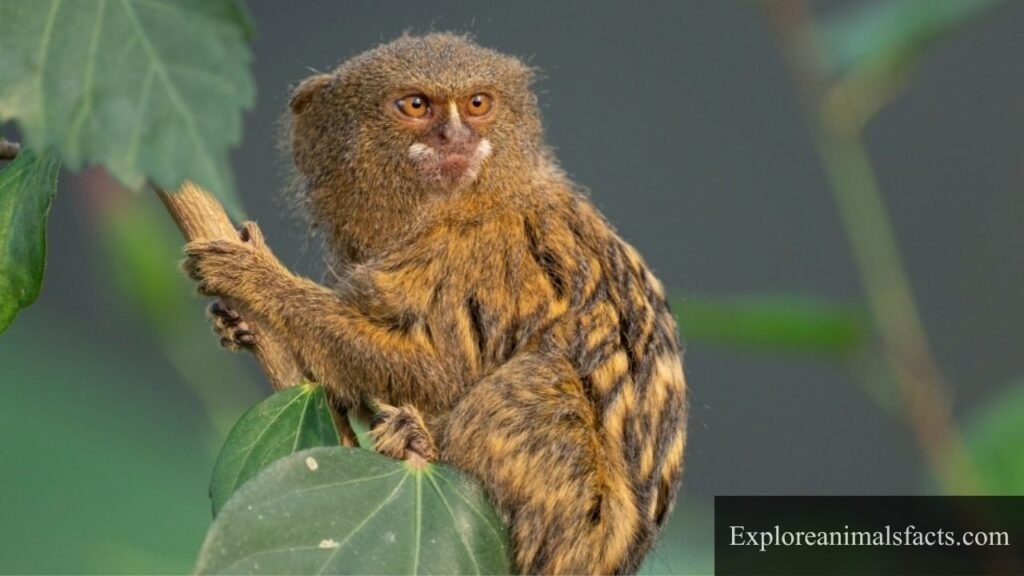
Beyond their charming vocalizations, pygmy marmosets are fascinating for their role in their ecosystem. These miniature monkeys play a vital part in seed dispersal, helping maintain the health of their rainforest habitats. Their diet primarily consists of insects and tree sap, which they skillfully extract using their specialized teeth. Each whistling call not only strengthens their social bonds but also highlights the importance of sound among species that rely heavily on vocal communication to navigate their lush, complex environments. Observing these remarkable creatures in their natural habitat reminds us of the intricate connections that underpin biodiversity and the subtle symphonies of life that flourish around us.
You can also read: Explore Top 23 Animals That Gallop.
Guinea Pig
Scientific Name: Cavia porcellus
Class: Mammalia
Diet: Herbivore
Guinea pigs are fascinating little creatures, not just for their adorable appearance but for their unique vocalizations, particularly their whistling sounds. Unlike many pets, guinea pigs use a delightful variety of chirps, whistles, and purrs to communicate, creating an auditory tapestry that reflects their moods and needs. When a guinea pig whistles, it often signals excitement — perhaps a mealtime revelation or the joy of seeing their human companion. This specific sound takes on a deeper meaning; it can indicate interest, curiosity, or even a desire for social interaction.
What’s even more intriguing is how each guinea pig develops its own “voice,” leading to a range of whistles that can differ from one animal to another. Some may produce high-pitched trills, while others deliver deeper, more rhythmic whistles. This behavior underscores their emotional intelligence and social dynamics; they thrive in environments where they can express themselves and interact with both humans and their fellow guinea pigs. By tuning into these whistling patterns, owners can forge a stronger bond with their pets, truly understanding what their furry friends are reveling in or yearning for. Engaging with a whistling guinea pig often opens up a window into their charming world, where every sound carries its unique story.
Alpine Marmot
Scientific Name: Marmota marmota
Class: Mammalia
Diet: Herbivore
The Alpine Marmot, a rodent native to the mountainous terrains of the Alps, showcases a unique form of communication that is nothing short of fascinating. When these social creatures whistle, it’s a sophisticated alarm system. Their whistling serves as both a warning to potential predators and a rallying cry for their fellow marmots, illustrating the complexity of their social structure. Each whistle has its pitch and cadence, reflecting urgency and intent, keeping the entire colony alert and coordinated.
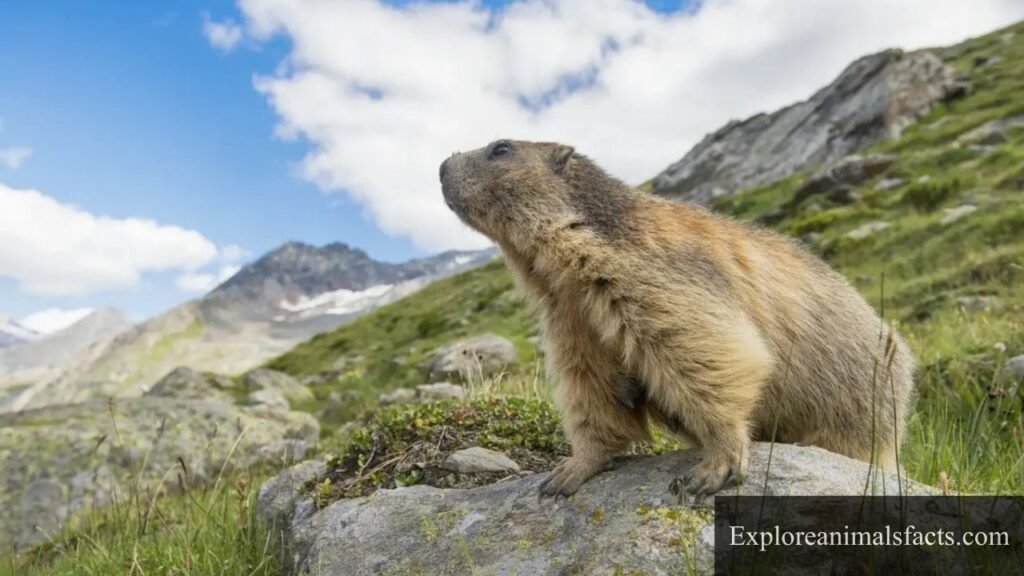
Beyond their vocal abilities, Alpine Marmots are also remarkable for their hibernation practices. As winter approaches, they retreat into their burrows, living off fat reserves accumulated during the summer. This hibernation isn’t a simple state of dormancy; it’s a survival strategy honed over generations, showcasing their adaptability to the harsh alpine environment. The interplay of communication and survival strategies in Alpine Marmots offers a captivating glimpse into how these small animals navigate their world, reminding us that the wilderness is rich with untold stories waiting to be discovered.
Northern Mockingbird
Scientific Name: Mimus polyglottos
Class: Aves
Diet: Omnivore
The Northern Mockingbird possesses the extraordinary talent to mimic a wide range of sounds, including whistles that echo through its habitat. These enigmatic birds have been documented imitating not only other birds but also ambient noises, from car alarms to human voices. Each call can be a unique composition, a testament to their cognitive abilities and adaptability. Their repertoire can exceed 200 distinct phrases, creating a delightful chorus that captivates listeners and emphasizes their role as nature’s very own artists.
One fascinating aspect of the Northern Mockingbird’s whistling is its complex mating rituals. Males often boast their vocal dexterity during courtship, serenading potential mates with an impressive display of varied sounds. This musical prowess isn’t merely for show; it signals genetic health and fitness, influencing female selection. Interestingly, studies suggest that mockingbirds adjust their songs based on the responses of nearby rivals, highlighting their keen awareness of social dynamics within their environment. Observing these interactions offers a glimpse into the nuanced world of avian communication, inviting us to appreciate the vibrant symphony of life surrounding us.
Also read: Explore Top 17 Animals With Whiskers.
Dhole
Scientific Name: Cuon alpinus
Class: Mammalia
Diet: Carnivore
The dhole, also known as the Asiatic wild dog, is a fascinating creature that captivates not only with its social structure but also with its unique vocalizations. Unlike most canids, dholes possess a melodious whistle that serves as both a communication tool and a bonding ritual within their pack. These whistles can vary in pitch and length, conveying everything from alert signals to coordination during hunts, showcasing the deep social intelligence of these animals.
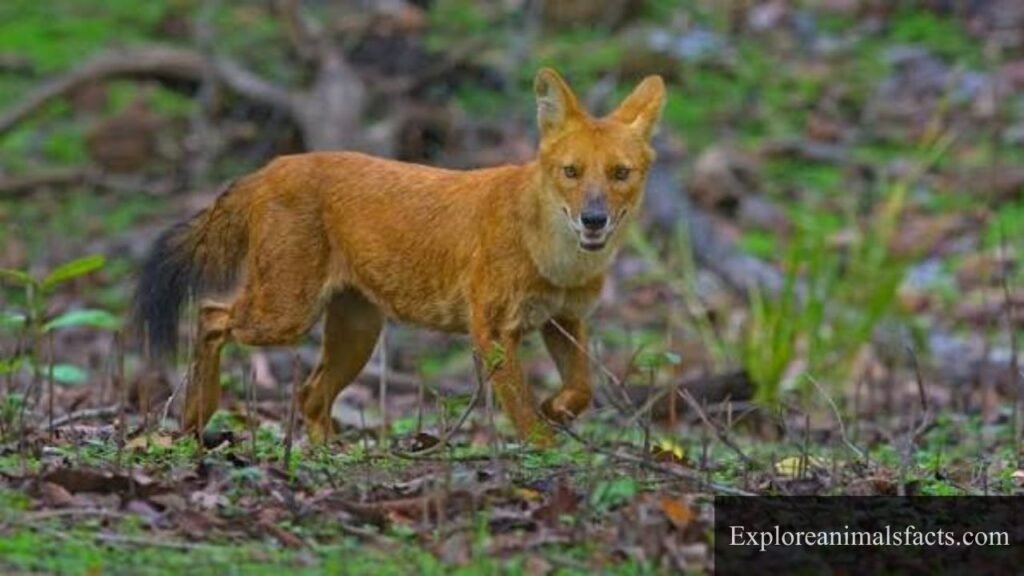
Another intriguing aspect of the dhole’s vocal repertoire is its use of sound in dense forest ecosystems. Unlike their more boisterous canine cousins, dholes can communicate stealthily, allowing them to coordinate attacks on prey without disturbing their surroundings. This ability is crucial in the dense jungles of India, where silence often equals survival. Observing a pack seamlessly coordinate a hunt is not just an exhibition of teamwork but also an auditory marvel that highlights the intricate relationship between biology and environment.
Prairie Dog
Scientific Name: Cynomys ludovicianus
Class: Mammalia
Diet: Herbivore
Prairie dogs are master communicators whose whistling is a fascinating phenomenon. Their vocalizations resemble a complex language, with distinct sounds that convey specific messages about predators, food, or even the presence of other prairie dogs. Researchers have discovered that each whistle can contain intricate details, such as the size and type of threat, allowing the colony to react appropriately. Imagine a bustling community where every sound matters — this is the life of a prairie dog.
These social creatures exhibit some of the most advanced forms of cooperative behavior in the animal world. Their whistling isn’t just a call to alert; it also strengthens social bonds and ensures the survival of the colony. When one prairie dog spots a potential danger, its whistle serves as a beacon, prompting others to take cover while sharing critical information about the threat. This intricate community dynamic adds depth to their seemingly simple lives, showcasing a level of intelligence that invites us to rethink the ways we perceive animal communication. In essence, prairie dogs remind us that language isn’t exclusive to humans; it’s a survival tool that thrives in the most unexpected forms.
Tundra Swan
Scientific Name: Cygnus columbianus
Class: Aves
Diet: Herbivore
The Tundra Swan captivates not only with its beauty but also its distinctive vocalizations. Unlike many of its swan relatives, the Tundra Swan produces a series of high-pitched whistles, which echo across the vast Arctic landscape. These melodious calls serve essential purposes, facilitating communication among mates and coordinating during migrations. Their whistling is so unique that it can be heard from considerable distances, allowing swans to stay connected even in expansive flocks.

These swans’ whistles are not just for show; they are a crucial aspect of their social structure. When in flight, their calls can indicate everything from location to urgency, with subtle variations that reflect their emotional state. Observing a flock in formation, one can almost imagine a symphony in the sky, each bird contributing its unique note to create a harmonious blend. This auditory display is not only a survival mechanism but also a testament to the intricate relationships within the avian world, reminding us of the wonders of communication in nature.
Readmore: Explore Top 29 Shy Animals in The World.
Yellow-Bellied Marmot
Scientific Name: Marmota flaviventris
Class: Mammalia
Diet: Herbivore
The yellow-bellied marmot, often found in the rocky alpine environments of western North America, has a unique communication style that sets it apart from other rodents. These charming creatures use a series of high-pitched whistles to convey complex messages to their colonies, alerting them to the presence of predators or signaling general alarm. The whistles can vary in tone and duration, showcasing a sophisticated means of interaction that underscores their social dynamics.
What sets the yellow-bellied marmot apart is their remarkable ability to discern the level of threat. They modify their calls depending on the type of predator observed — such as a hawk versus a fox — demonstrating a keen awareness of their environment. This nuanced communication showcases their intelligence and adaptability, making them not just passive inhabitants but active participants in their ecosystem. As you watch them bask in the sun, remember that each whistle carries the weight of survival and social bonds within their lively communities.
Common Blackbird
Scientific Name: Turdus merula
Class: Aves
Diet: Omnivore
The common blackbird possesses a vocal talent that sets it apart in the avian world. Males, particularly during breeding season, exhibit an unparalleled serenade that resonates through woodlands and gardens alike. Their whistles, which can mimic various tones and melodies, serve not only as a means of attracting mates but also as a form of territorial assertion. Each male crafts a unique repertoire, with local variations reflecting their environment and individual experiences.
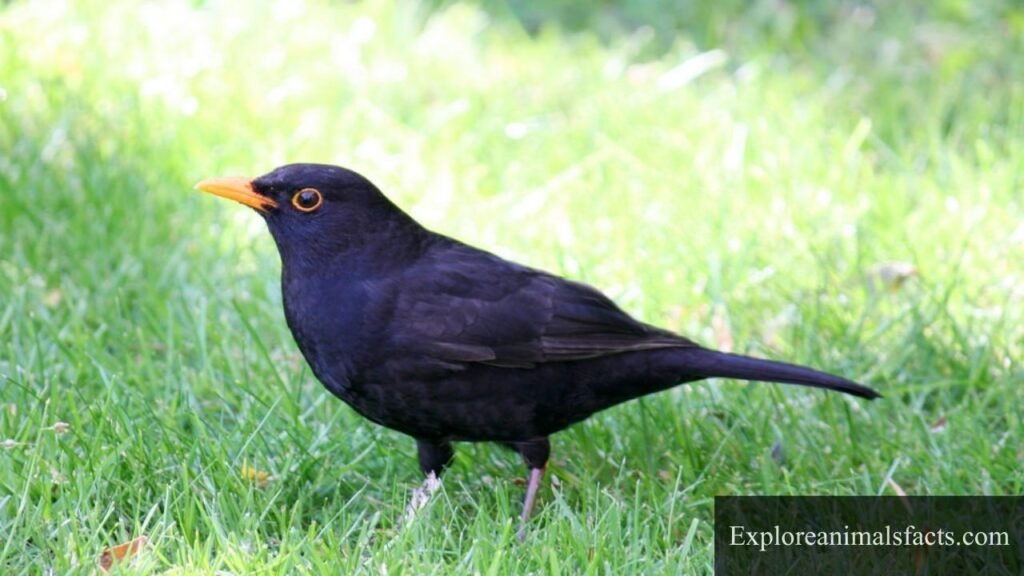
What truly captivates observers is the blackbird’s ability to adapt its song based on surroundings. Urban environments often lead to innovative alterations in their whistles, incorporating sounds from city life, like car alarms or human whistling. This remarkable adaptability highlights their intelligence and resilience. These birds are known to form strong familial bonds, often seen foraging together, sharing both food and melodies, which creates a rich tapestry of sound that enhances their communal life. The common blackbird, with its enchanting whistle, invites both nature enthusiasts and casual observers to tune into the symphony of life that thrives just outside their doors.
Elephant
Scientific Name: Loxodonta africana
Class: Mammalia
Diet: Herbivore
Elephants are not only awe-inspiring due to their size and intelligence but also for their surprisingly musical communication skills. Among their vocal repertoire, elephants can produce a distinctive whistling sound, often used in social interactions. Recent studies have shown that these majestic creatures can manipulate their trunk and larynx to create various pitches, allowing them to convey feelings ranging from excitement to anxiety.
What’s particularly fascinating is how these whistles serve as a bridge in elephant communities. For instance, herds in different regions have been found to adapt their whistles based on the environment and interactions with neighboring groups. This adaptability highlights an intricate social network and suggests that elephants possess a form of dialect, enriching their already complex communication system. Experiencing an elephant’s whistle in the wild is not just a magical moment; it’s a profound reminder of the sophisticated social lives of these animals and their ability to express emotions in a rich, nuanced way.
You can also read: Explore Top 10 Animals Without Tails.
Bottlenose Dolphin
Scientific Name: Tursiops truncatus
Class: Mammalia
Diet: Carnivore
Bottlenose dolphins, renowned for their intelligence and social behavior, communicate through a remarkable array of vocalizations, including distinctive whistles. These intricate sound patterns serve as a sophisticated form of language, allowing dolphins to convey emotions, establish social bonds, and even coordinate hunting strategies. Each dolphin has a unique signature whistle, akin to a name, enabling them to identify and call one another, showcasing a level of self-awareness and individuality that is captivating.

These whistles play a pivotal role in the dolphin’s environment. By utilizing echolocation, they can navigate and hunt effectively, embodying a genuine intertwining of sound and survival. It’s fascinating to consider how these whistles evolve not just as a means of expression but as a pivotal tool for thriving in their aquatic habitat. The complexity of their vocal behaviors invites us to reconsider the depth of animal communication, urging us to acknowledge the rich emotional lives of these enchanting creatures.
Bat
Scientific Name: Chiroptera
Class: Mammalia
Diet: Insectivore
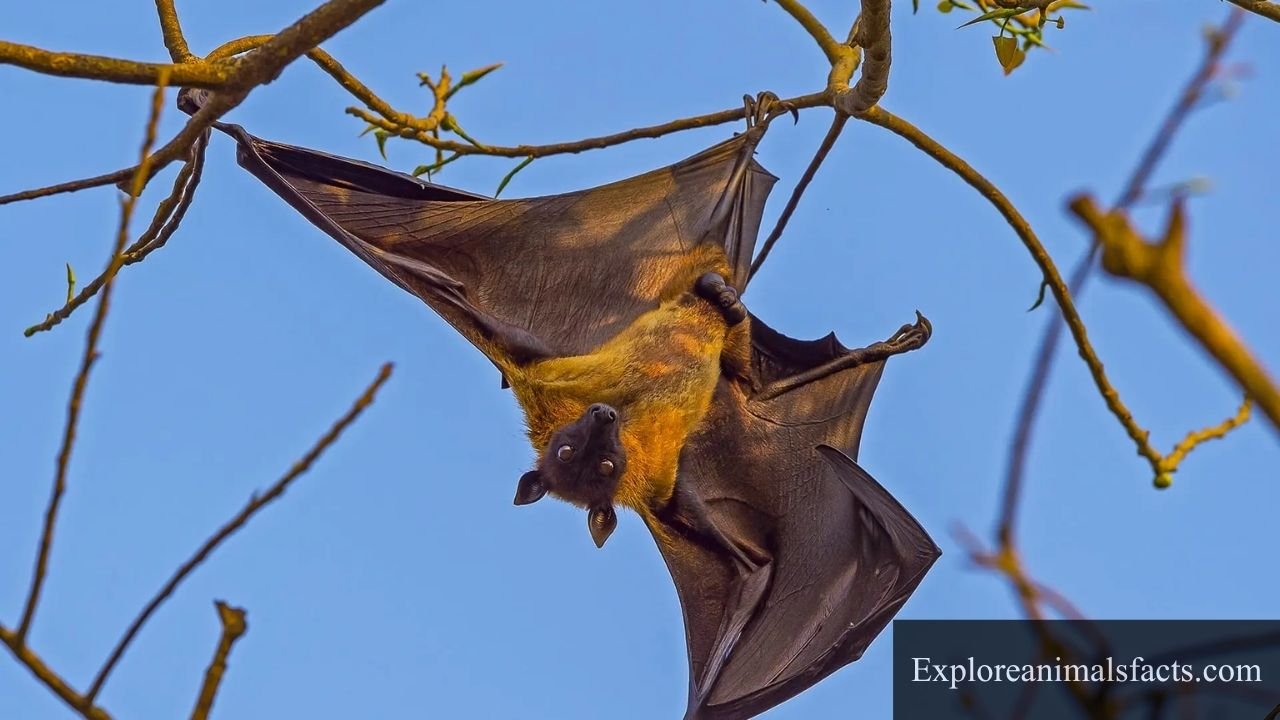
Bats, often associated with nocturnal mysteries, surprise many with their unique vocalizations, particularly their whistling sounds. Unlike common chirps or squeaks of other animals, the whistles emitted by certain bat species, such as the Brazilian free-tailed bat, serve more than just communication; they play an essential role in echolocation. By sending out high-frequency whistles into the night, these agile flyers navigate complex environments with astounding precision, expertly hunting insects or avoiding obstacles.
The intricate social structure of some bat colonies further highlights the significance of their whistles. These sounds can indicate various intentions, from establishing territory to alerting fellow bats of potential threats. Research has shown that these vocalizations can even convey emotional states, demonstrating a sophisticated level of communication often overlooked in these small, winged mammals. In a world where so many animal sounds go unnoticed, the whistling of bats offers a captivating glimpse into the rich tapestry of wildlife interactions unfolding as dusk descends.
Canary
Scientific Name: Serinus canaria
Class: Aves
Diet: Herbivore
The canary has long been celebrated not just for beauty but for its unique vocal talents. Originating from the Canary Islands, these little songbirds have captured hearts worldwide. Their ability to produce a wide range of tones and whistles is attributed to their complex syrinx, allowing them to mimic not only their own species but even sounds from their environment. This remarkable skill makes them not just singers but true performers, often drawing admiration from bird enthusiasts and casual observers alike.
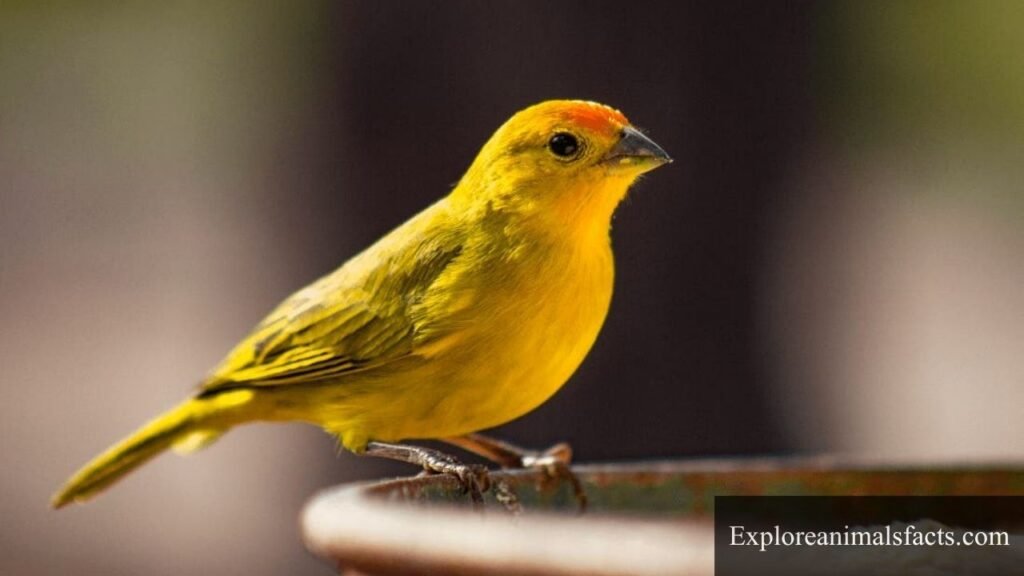
Canaries exhibit regional variations in their songs, much like dialects among humans. Different breeding lines, such as the Harz or the Gloster, develop their own distinct melodies, creating a rich tapestry of sound that can vary from bright trills to more somber tunes. Moreover, studies suggest that canaries even respond to their owner’s moods, adjusting their songs accordingly — an endearing reminder of their intuitive nature. For anyone who appreciates the art of avian music, the canary offers an enchanting symphony of whistling that resonates with both joy and the innate complexities of nature.
Readmore: Explore Top 9 Mammals That Cannot Jump.
Final Thoughts
Animals that whistle offer us a captivating glimpse into the language of the natural world, highlighting the myriad ways creatures communicate. Each whistle serves a purpose, from establishing territory to signaling alarm, revealing the intelligence and adaptability of these species. By studying their vocalizations, we gain insights into their social structures and behaviors, enhancing our connection to nature.
As stewards of the environment, it is essential that we advocate for the habitats of these remarkable whistle-blowers. Join us in raising awareness and taking steps to protect these animals and their ecosystems for future generations.
FAQs
What animals can whistle?
Several animals are known for their whistling abilities, most notably some species of birds. Parrots, songbirds, and certain finches can imitate sounds, including whistles, effectively. Beyond birds, some mammals, like dolphins and certain types of monkeys, can also produce whistling noises. Dolphins use whistles for communication within their pods. Interestingly, some species of rodents, like the prairie dog, can emit whistle-like sounds as part of their social interactions.
Which animal whistles to communicate?
Many animals use whistles as a form of communication, but dolphins are perhaps the most well-known. They employ a range of whistles to convey different messages, such as signaling location or expressing emotions. Each dolphin has a signature whistle, which acts like their name, allowing them to call to each other.
What animal makes a whistling sound at night?
The Eastern Screech Owl is known for its distinctive whistling call, often heard at night. This small owl has a haunting, melodic whistle that can sound quite eerie, adding to the nocturnal ambiance. They use this call for communication and to establish territory.