Top 17 Striped Animals in The World (With Images)
Striped animals, from the iconic zebra to the elusive tiger, captivate our imagination and play essential roles in their ecosystems. In this article, we’ll explore the fascinating biology and behavior behind these striking creatures, revealing how their stripes offer advantages in camouflage, social signaling, and more. Get ready to uncover the secrets behind these natural wonders!
List of Striped Animals in The World
Below is the list of animals with stripes:
- Malayan Tapir
- Bongo
- Striped chipmunk
- Thirteen-lined ground squirrel
- Tiger
- Striped mouse
- Nyala
- Zebra
- Okapi
- Coral Snake
- Greater Kudu
- Giant-striped mongoose
- Striped skunk
- African wild ass
- Zorse
- Striped hyena
- Ring-tailed lemur
Malayan Tapir
Scientific Name: Tapirus indicus
Class: Mammalia
Diet: Herbivore
The Malayan tapir is one of nature’s most intriguing striped creatures, standing out not just for its unique appearance but also for the role these stripes play in its survival. The pattern of white stripes and spots on a tapir’s dark body serves as a form of camouflage, especially in the dappled light of its rainforest habitat. This clever adaptation allows them to blend into the shadowy undergrowth, evading predators while foraging for fruits, leaves, and aquatic plants.
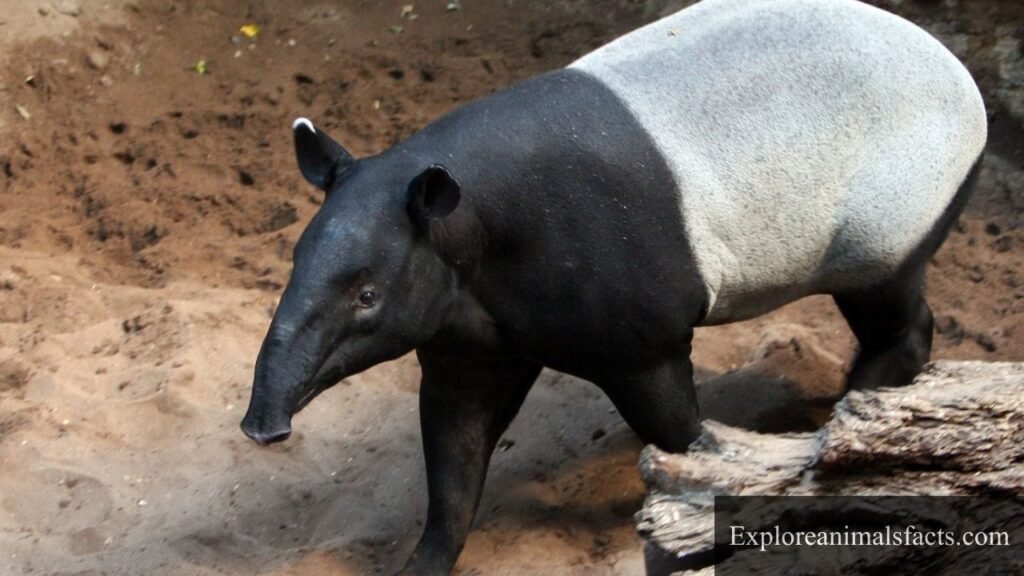
The stripes on a Malayan tapir embody a deeper evolutionary significance. These markings are particularly pronounced in younger tapirs, providing a protective advantage as they develop. The stripes diminish as they mature, allowing them to transition from the vulnerable phase of their lives into adulthood, where their more uniform color helps them merge into the darker areas of their environment. This natural progression highlights how essential these distinctive markings are, serving not just as an outward feature but as a critical component in their life cycle and ecological role within the rainforest ecosystem.
Bongo
Scientific Name: Tragelaphus eurycerus
Class: Mammalia
Diet: Herbivore
The bongo, a striking forest antelope native to the dense jungles of Africa, showcases the enchanting beauty of stripes in the animal kingdom. With its rich reddish-brown coat adorned with white, vertical stripes, the bongo’s pattern not only serves an aesthetic purpose but also plays a vital role in its survival. These stripes help the bongo blend seamlessly into the dappled light of its forest habitat, providing camouflage from predators like leopards and lions. By breaking up the outline of their bodies, the stripes make it harder for these hunters to pinpoint their movements.
The bongo’s stripes can be thought of as a social cue, aiding in communication among herd members. When moving through the thick underbrush, the distinctive markings allow individuals to easily identify one another, ensuring cohesion within the group. As these majestic animals navigate their environment, their stripes symbolize more than just beauty; they represent an intricate strategy honed by evolution, allowing the bongo to thrive in one of the most challenging habitats on Earth. The stripes of the bongo remind us of nature’s artistry and the delicate balance of life in the wild.
Striped Chipmunk
Scientific Name: Tamias striatus
Class: Mammalia
Diet: Omnivore
The striped chipmunk, a delightful little creature, showcases a striking pattern of bold stripes running down its back, which are more than just a visual charm. These markings serve vital purposes in their survival. The stripes offer camouflage, allowing chipmunks to blend into the dappled light of forest floors, making them less visible to predators. This natural disguise is crucial as they scurry through their habitats, searching for seeds, nuts, and fruits, all while evading keen-eyed hawks or lurking domestic cats.
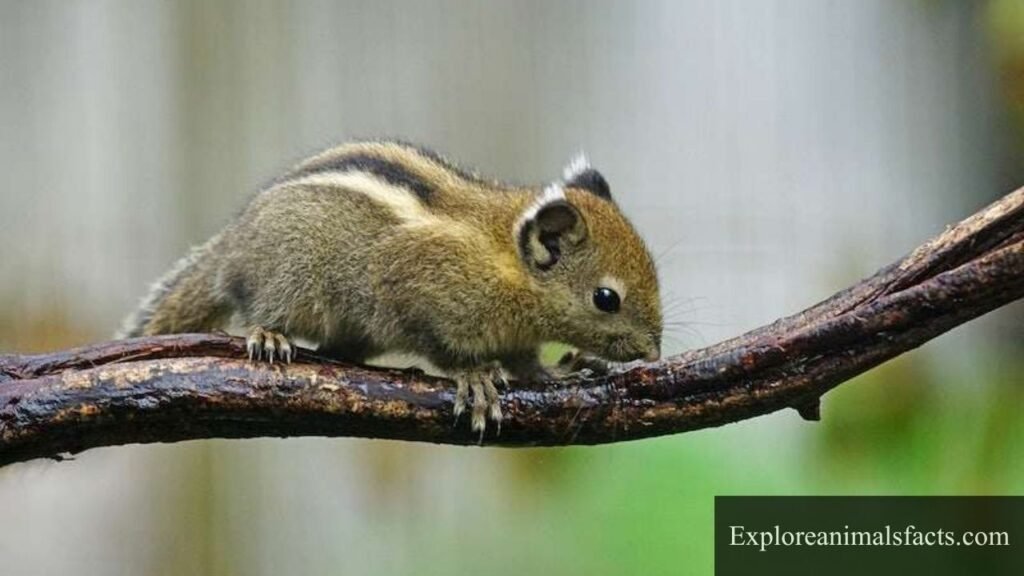
The stripes also play a role in communication among chipmunks. Their distinct patterns can help individuals recognize each other, reinforcing social structures within their communities. Interestingly, these stripes are not just decorative; they also help with thermoregulation. The varied colors of their fur, influenced by the stripes, can help in absorbing or reflecting sunlight, thereby aiding in maintaining their body temperature during the various seasons they inhabit. This fascinating interplay between form and function highlights the incredible adaptations of the striped chipmunk, underscoring the complexity of nature’s designs.
Readmore: Explore Top 14 Animals With Big Eyes.
Thirteen-Lined Ground Squirrel
Scientific Name: Ictidomys tridecemlineatus
Class: Mammalia
Diet: Omnivore
The thirteen-lined ground squirrel, with its distinct series of stripes running down its back, is a fascinating creature of adaptation. These stripes serve as more than mere decoration; they provide essential camouflage in the prairie habitats where they make their homes. When these little squirrels forage among the grasses and wildflowers, their striped patterns help break up their outline, making them less conspicuous to predators like hawks and coyotes.
The stripes also play a role in communication. Thirteen-lined ground squirrels are highly social animals; their markings contribute to visual signaling during mating rituals and territorial displays. Interestingly, these stripes can vary slightly among individuals, allowing for subtle identification within their colonies. This dynamic aspect of their lives adds another layer to the ecological importance of stripes — these patterns not only serve survival needs but also enhance social interactions in complex ways. Whether darting from burrow to burrow or basking in the sun, the stripes of the thirteen-lined ground squirrel are a vivid testament to the intricate dance between form and function in nature.
Tiger
Scientific Name: Panthera tigris
Class: Mammalia
Diet: Carnivore
Tigers, the majestic apex predators of the wild, are instantly recognizable by their striking orange coats adorned with bold black stripes. These stripes serve a crucial role in the tiger’s daily life. The pattern disrupts their silhouette, functioning as a form of camouflage that helps them stealthily stalk prey in the dappled sunlight of their forest habitats. Each tiger has a unique stripe pattern, much like human fingerprints, allowing researchers and wildlife enthusiasts to identify individuals in the wild.
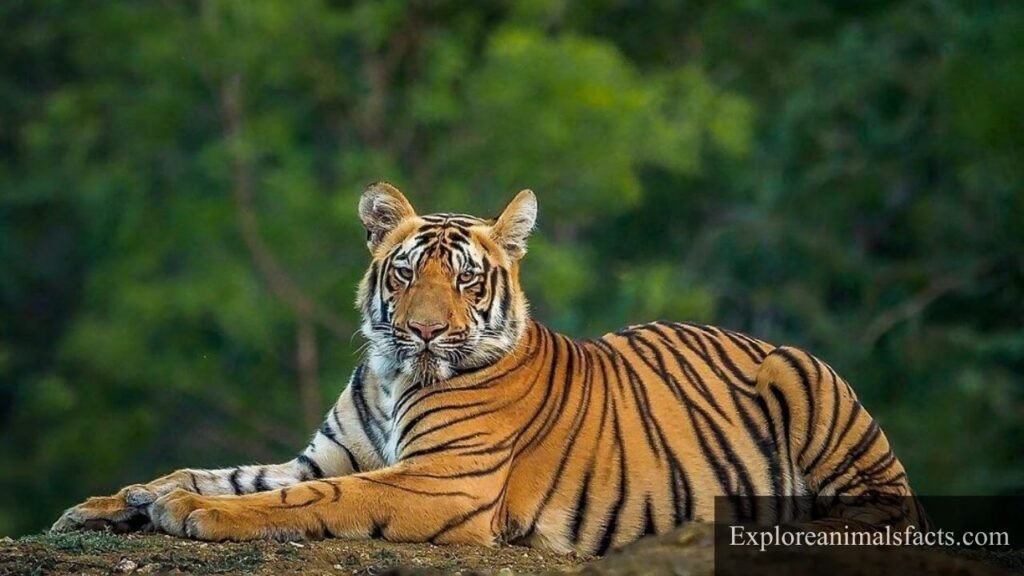
The stripes play a significant role beyond mere camouflage. In social contexts, they may communicate a tiger’s mood or health to other tigers. The contrast between their vibrant fur and the intense black stripes can convey dominance or help in courting behaviors. Interestingly, the evolutionary significance of these stripes is an ongoing subject of research, prompting scientists to explore how environmental factors influence stripe patterns and density. This remarkable adaptation highlights the intricate interplay between an animal and its ecosystem, underscoring the complexity of survival in the wild.
Striped Mouse
Scientific Name: Rhabdomys pumilio
Class: Mammalia
Diet: Omnivore
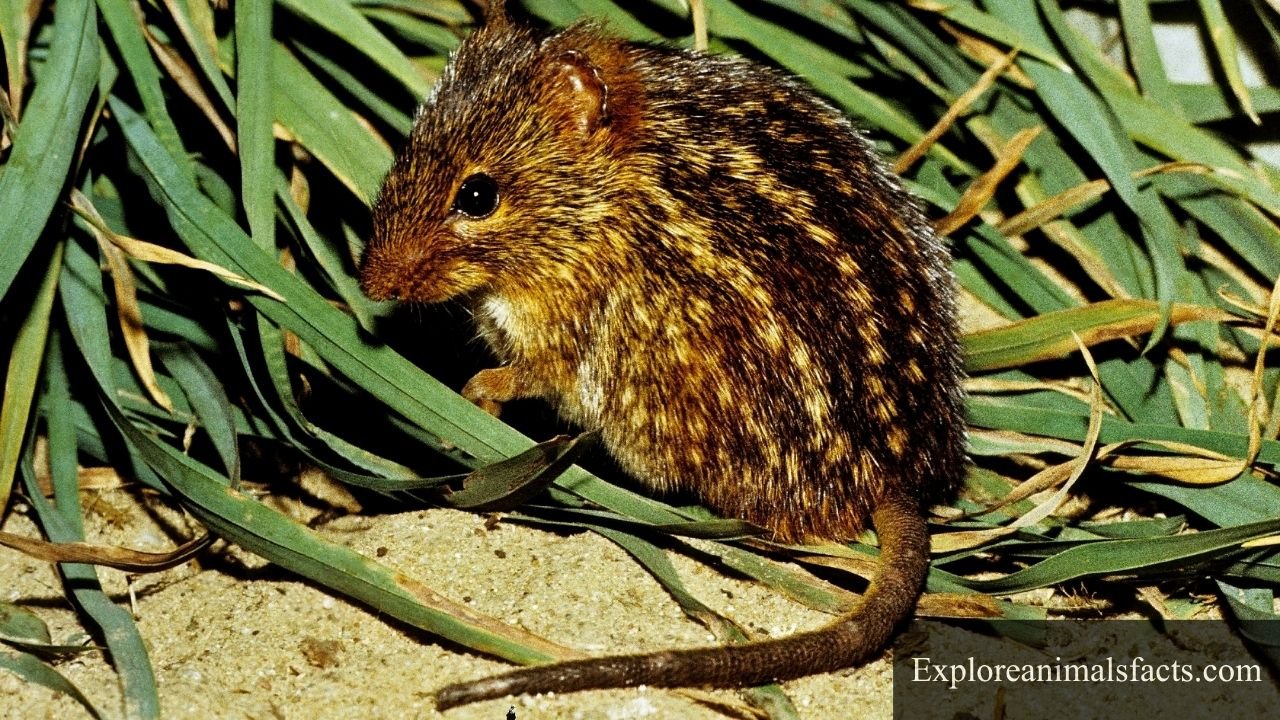
The striped mouse, a fascinating small mammal native to southern Africa, showcases a stunning array of stripes that serve critical purposes in its life. These stripes, which adorn its fur in shades of brown and cream, play a vital role in camouflage. By blending seamlessly into the textured landscapes of its arid habitat, the striped mouse can evade predators, such as birds of prey and snakes. This natural disguise enhances its survival chances, allowing the mouse to forage and thrive in environments where cover is limited.
The stripes of the striped mouse also convey important social cues. Research indicates that patterns on their fur may be used in communication among peers, assisting in establishing hierarchies and mating displays. Furthermore, the striped mouse demonstrates remarkable adaptability, utilizing its stripes to reflect its surroundings, creating a dynamic visual effect that changes with the light and terrain. This evolutionary trait not only showcases nature’s ingenuity but also highlights the intricate relationships between color, pattern, and survival in the animal kingdom. The striped mouse is not just another cute face; it embodies a blend of artistry and evolution, proving that even the simplest designs in nature have profound significance.
Nyala
Scientific Name: Tragelaphus angasii
Class: Mammalia
Diet: Herbivore
The Nyala, an intriguing antelope native to the woodlands and tall grassland of Southern Africa, showcases a striking visual spectacle with its distinctive stripes. These patterns serve more than just an aesthetic purpose; they play a crucial role in the animal’s survival. The Nyala’s stripes help it blend seamlessly into its environment, providing effective camouflage against potential predators in the dappled light of the forest. As they graze among dense foliage, these stripes create an optical illusion, breaking up their outline and rendering them nearly invisible to the keen eyes of lions or leopards.
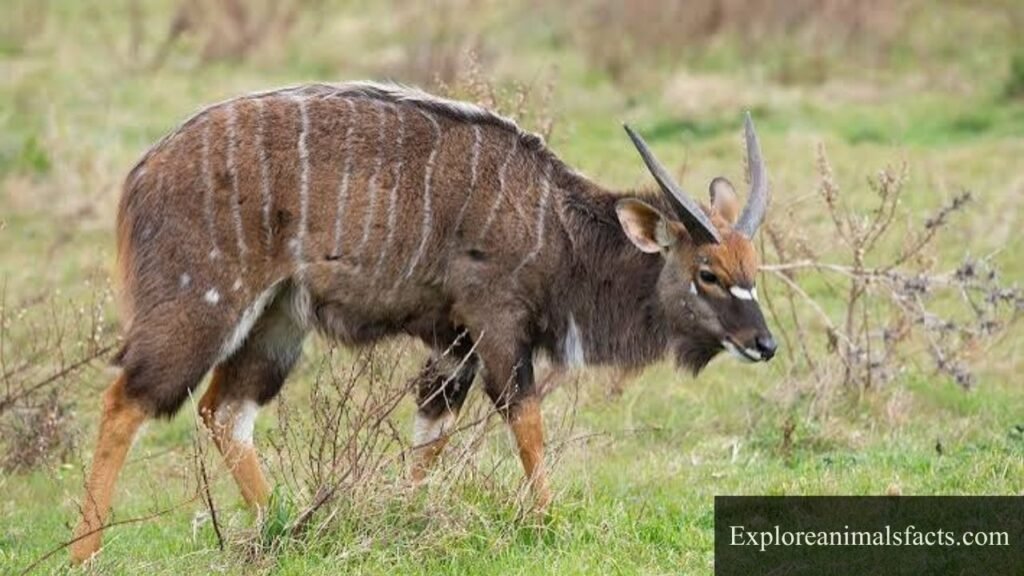
The stripes also offer a striking contrast between the males and females of the species. Males are adorned with bold white stripes against a dark brown coat, while females exhibit a lighter, more delicate pattern. This sexual dimorphism not only aids in social interactions but also provides insights into their roles within the herd. Females, often seen nurturing their young, rely on their lighter hues for protection and to facilitate easier movement within their habitat. The evolution of these stripes is a testament to the Nyala’s intricate relationship with its environment, showcasing the delicate balance of nature and the ongoing dance of survival.
Zebra
Scientific Name: Equus quagga
Class: Mammalia
Diet: Herbivore
Zebras are one of nature’s most striking examples of striped animals, each individual boasting a unique pattern that serves more than just an aesthetic purpose. The striking black and white stripes are thought to play a crucial role in social interactions among zebras, helping them recognize each other and reinforce their social bonds. Interestingly, these patterns can also confuse predators, creating optical illusions that make it difficult to pinpoint a single zebra in a herd, especially when they’re in motion.
Recent research suggests that the stripes may help regulate body temperature. The varying colors absorb and reflect heat differently, potentially creating convective air currents that keep zebras cooler in the hot savannah sun. Beyond their physical functions, zebras embody a fascinating blend of individuality and community, illustrating how evolutionary adaptations can enhance both personal identity and group dynamics in the wild. Their stripes are not merely a beautiful feature; they are a testament to the intricate interplay of survival, socialization, and adaptation in the animal kingdom.
Okapi
Scientific Name: Okapia johnstoni
Class: Mammalia
Diet: Herbivore
The okapi showcases striking stripes that play a crucial role in its survival within the dense, leafy jungles of the Congo. These unique markings are not merely for aesthetic appeal; they serve as essential camouflage. The vertical stripes on their legs break up their outline amidst the dappled sunlight filtering through the trees, allowing them to blend seamlessly into their forest habitat and evade predators.
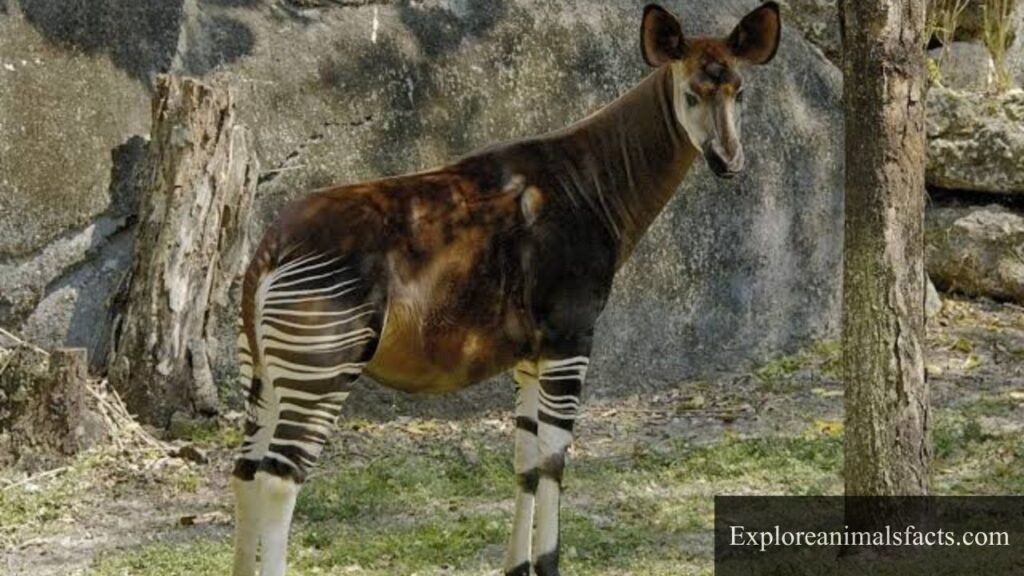
Beyond evasion, the stripes hold social significance, aiding in communication among individuals in the densely vegetated terrain. Okapis have been observed engaging in behaviors that suggest they recognize each other’s stripes, using these patterns to foster social bonds. With a diet consisting mainly of leaves and fruits, the okapi’s adaptability, combined with its striking appearance, makes it a fascinating subject for study, providing insight into the evolutionary advantages of such unique markings.
Coral Snake
Scientific Name: Micrurus fulvius
Class: Reptilia
Diet: Carnivore
The coral snake, known for its striking triad of red, yellow, and black stripes, is not just visually captivating but also a masterclass in evolutionary adaptation. These vivid stripes serve as a vital warning system; the bright coloration signals potential predators that this snake is venomous. This form of protective mimicry, particularly when observed alongside non-venomous species like the scarlet king snake, highlights an intriguing survival strategy in the wild — by mimicking a dangerous look, a less risky species can deter threats.
Beyond their role in defense, the stripes of a coral snake also play an essential part in behavioral ecology. The distinct coloration not only aids in camouflage among the vivid flora of their habitat but also contributes to social signaling during breeding season. Interestingly, while the striking patterns may deter predators, they can also attract mates, underscoring the duality of their existence. As these snakes navigate through leaf litter or dense vegetation, the interplay of their vibrant stripes against natural backdrops creates a fascinating narrative of survival, beauty, and reproduction in the complex tapestry of their ecosystem.
Greater Kudu
Scientific Name: Tragelaphus strepsiceros
Class: Mammalia
Diet: Herbivore
The Greater Kudu, an impressive antelope native to the bushlands of Eastern and Southern Africa, boasts striking vertical stripes that play a crucial role in its survival. These white-flecked markings, typically numbering between four to twelve, camouflage the kudu against the dappled light of its woodland habitat, making it harder for predators to spot them. The stripes not only enhance their aesthetic appeal but serve as a vital adaptation, blending them seamlessly into the intricate patterns of light and shadow cast by trees and foliage.
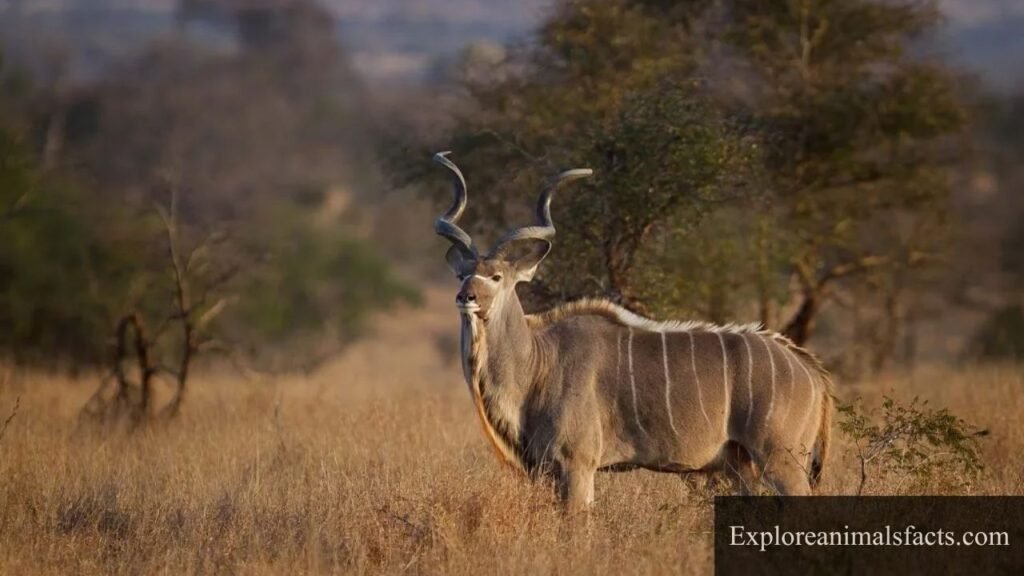
Beyond mere camouflage, the Greater Kudu’s stripes may also play a part in social interactions among herd members. Visual cues are essential for maintaining group cohesion; the distinct striping patterns may help individuals recognize one another in dense foliage. This is especially beneficial in their fluid social structure, where different groups can come together or separate based on food availability and water sources. Overall, the Greater Kudu’s stripes are a remarkable testament to nature’s ingenuity, blending form with function in a way that encapsulates the beauty and complexity of life in the wild.
Giant-Striped Mongoose
Scientific Name: Galidictis fasciata
Class: Mammalia
Diet: Carnivore
The Giant-Striped Mongoose, a striking member of the mongoose family, showcases a stunning cloak of thick, distinctive stripes. These patterns aren’t just for show; they play a critical role in camouflaging the animal within its natural habitat. As it traverses through grasslands and forests of Africa, the stripes help break up its outline, allowing it to sneak up on prey while avoiding detection by potential predators.
The stripes may serve social functions, helping to communicate species identity and individual recognition among members of its group. In many animals, visual patterns play a part in establishing dominance or mating signals, and the Giant-Striped Mongoose is no exception. Their bold markings can even deter potential competitors by suggesting a formidability that belies their size. Exploring the life of this fascinating animal reveals not just its beauty but the intricate relationships between form, function, and survival in the wild.
Striped Skunk
Scientific Name: Mephitis mephitis
Class: Mammalia
Diet: Omnivore
The striped skunk, possesses iconic black fur and distinctive white stripes that influences its survival strategies. These bold markings serve multiple purposes beyond mere aesthetics; they function primarily as a warning signal to potential predators. The skunk’s unique coloration warns wary animals of its potent defensive mechanism — its notorious spray. This chemical cocktail, rich in sulfur compounds, can leave even the most fearless of foes reconsidering their approach.
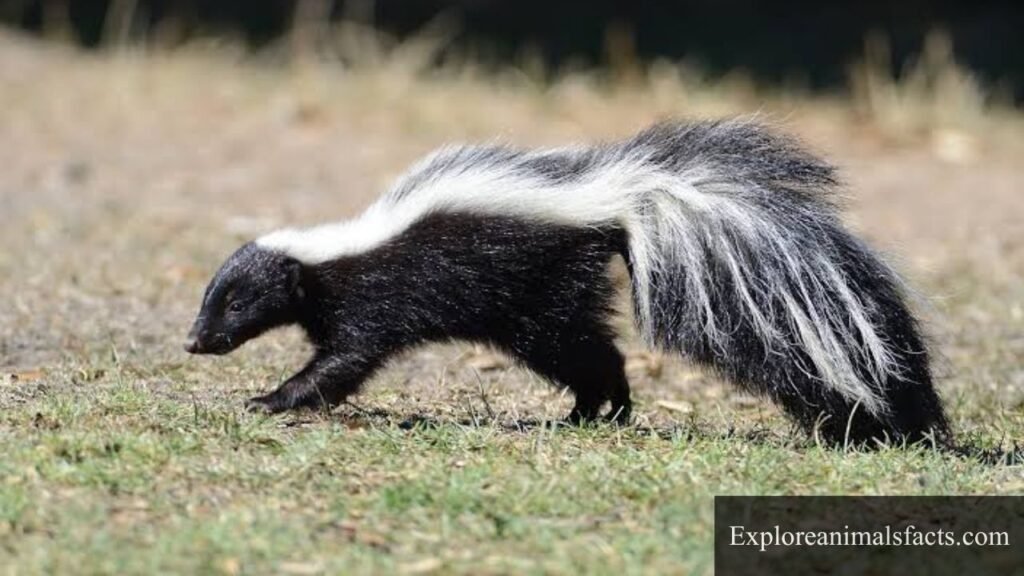
The stripes themselves may also play a role in social signaling and sexual selection among skunks. During mating season, these patterns can help individuals identify healthy mates from a distance, allowing for effective attraction and communication. The vibrancy of their stripes can indicate genetics quality, which is critical in the wild. Furthermore, these skunks use their stripes to blend into certain environments; the dark and light contrast can break up their outline, enhancing their camouflage amidst tall grasses or shadowed underbrush. Thus, the striped skunk exemplifies how stripes go beyond simple decoration; they are a vital survival tool intricately woven into the fabric of their behavior and ecology.
African Wild Ass
Scientific Name: Equus asinus
Class: Mammalia
Diet: Herbivore
The African Wild Ass, a rare and remarkable inhabitant of Horn of Africa, boasts a unique stripe pattern that serves important functions. These stripes are believed to play a crucial role in social signaling among members of their herds, helping them recognize one another in the arid, sandy landscapes of their native habitats. The distinct dark stripes against their lighter coats can help convey individuality and convey social bonds, vital for a species often under stress from habitat loss and competition.
In addition to their social functions, the stripes may also assist in thermoregulation. By creating unique color patterns, they could potentially aid in diffusing heat more effectively, allowing these resilient animals to survive in extreme conditions. Each stripe pattern is unique to the individual, which may help them navigate social hierarchies and maintain group cohesion during foraging or migration. As the African Wild Ass inches toward the brink of extinction, understanding the multifaceted role of their stripes becomes increasingly important — not only for appreciating their beauty but for the conservation efforts aimed at preserving this incredible species.
Zorse
Scientific Name: Equus zebra x Equus caballus
Class: Mammalia
Diet: Herbivore
The zorse , a striking hybrid resulting from the mating of a zebra and a horse, boasts the iconic stripes of its zebra parent that serve multiple functions in the animal kingdom. These stripes are not merely a fashion statement; they play a crucial role in social interaction, camouflage, and even thermoregulation. For instance, zebras use their stripes to confuse predators through a visual illusion, making it harder for them to target a single animal within a herd. In the case of zorses, their stripes might help them integrate into environments that need both camouflage and the charming appearance of a domesticated horse.
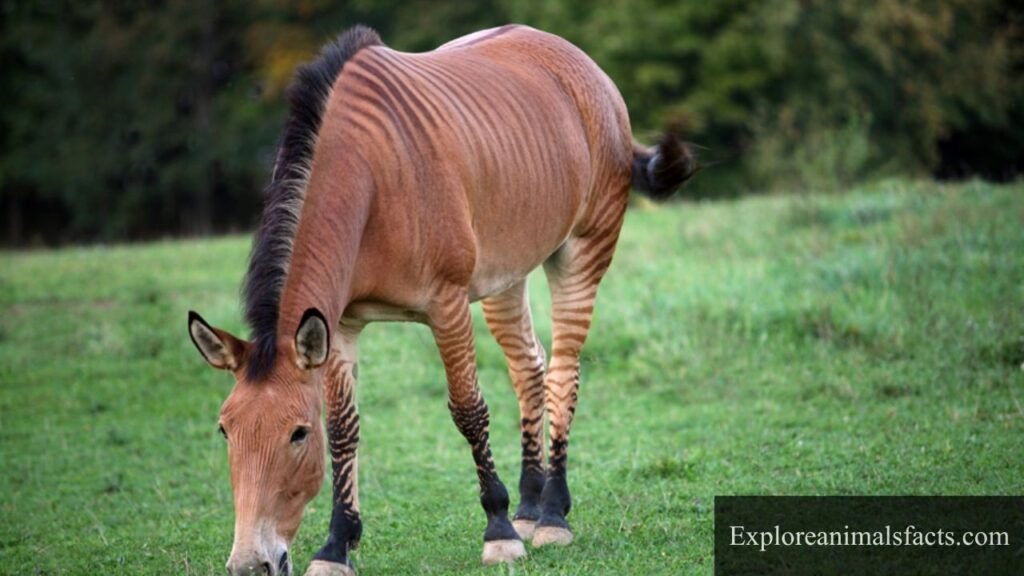
Zorses embody the unique blend of traits from both species, making them resilient and adaptable. The stripes could also signify genetic diversity, reflecting the hybrid vigor that comes from the combination of two distinct lineages. Interestingly, while zorses are not common, they do serve as fascinating subjects in discussions about conservation and genetics, highlighting the complexities of interspecies relationships and the need for biodiversity. As a canvas of nature’s creativity, zorses remind us of the unexpected intersections in the animal kingdom, where daily survival tactics intertwine with beauty.
Striped Hyena
Scientific Name: Hyaena hyaena
Class: Mammalia
Diet: Carnivore
The striped hyena, with its distinctive banded coat, is an intriguing creature that stands out in its native habitats of North Africa, the Middle East, and parts of South Asia. Unlike its more famous spotted relatives, the striped hyena sports a unique pattern of dark stripes on its sandy fur, which plays a crucial role in its survival. These stripes not only provide effective camouflage in their rocky and arid environments but also serve as a visual signal during social interactions, helping to communicate with others of their kind.
The stripes of the striped hyena are an evolutionary marvel. They allow these scavengers to blend seamlessly into the dappled shadows of their surroundings, aiding their stealth as they hunt for carrion and forage during the cooler twilight hours. Furthermore, their striking appearance has intrigued researchers, shedding light on how these patterns might influence behaviors and social hierarchies within packs. The striped hyena’s unique adaptations highlight the delicate balance of form and function in nature, reminding us that even the simplest features can have profound impacts on an animal’s life and ecological role.
Ring-Tailed Lemur
Scientific Name: Lemur catta
Class: Mammalia
Diet: Herbivore
The ring-tailed lemur is known for striking black-and-white striped tai, that plays a crucial role in its social interactions and survival. These distinctive stripes serve more than just aesthetic appeal; they are vital for communication within the troop. When lemurs leap through the trees, their tails act as signaling flags, helping to maintain group cohesion and prevent isolation in the dense forests of Madagascar.
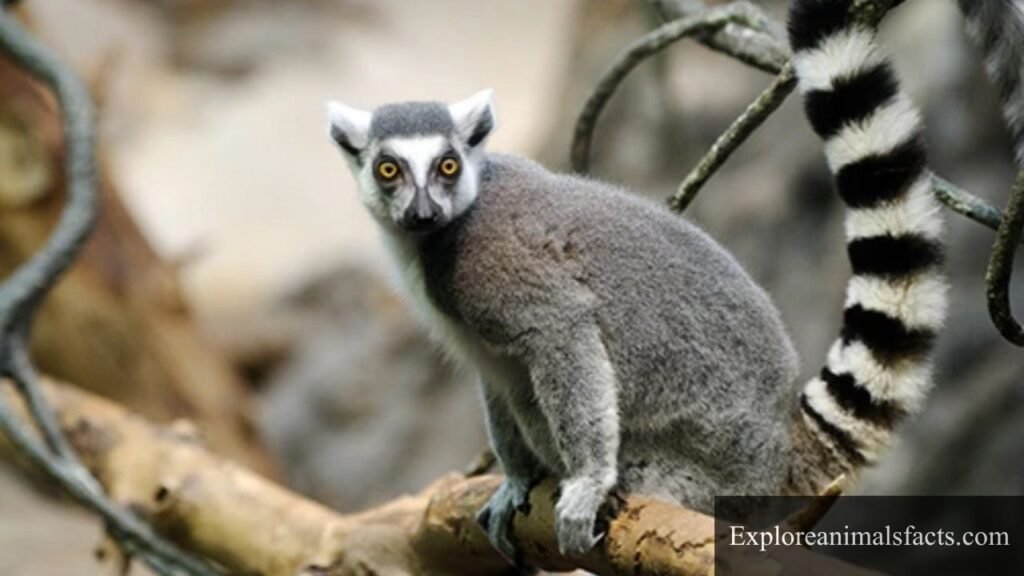
Stripes in the animal kingdom often serve as camouflage or a warning, but for ring-tailed lemurs, they enhance social bonds. The contrasting patterns are thought to make individuals more recognizable to one another, strengthening their relationships and ensuring better coordination during foraging or escape from predators. In a world where environment and connection dictate survival, these striped appendages are indispensable, reinforcing the importance of community among these fascinating primates. Through their unique markings, ring-tailed lemurs remind us of the intricate ties between appearance, behavior, and ecological adaptation.
Readmore: Explore Top 15 Animals That Whistle.
Final Thoughts
The captivating beauty of striped animals serves as a reminder of nature’s creativity and adaptability. From the majestic tiger prowling through the dense jungles to the playful zebra grazing on the savannah, these creatures have evolved remarkable patterns that not only dazzle the eye but also serve crucial survival functions. Their stripes can provide camouflage, aid in communication, and even help regulate body temperature. As we continue to explore and understand the roles these animals play within their ecosystems, we must also do our part to protect their habitats and ensure their survival. Let us admire and advocate for these extraordinary striped beings, preserving the biodiversity that enriches our planet.
FAQs
What animals have stripes?
Zebras are perhaps the most famous, known for their bold black and white stripes that can vary in pattern from one individual to another. Tigers also sport striking stripes, which help them blend into their natural habitats and are essential for their hunting strategy. Certain types of fish, like the clownfish, feature vibrant stripes for communication and camouflage. Even some species of snakes and insects have distinctive stripe patterns that serve various purposes, such as warning predators or attracting mates.
Which animal has black and white stripes?
The animal most commonly associated with black and white stripes is the zebra. Zebras are known for their distinctive coat patterns, which vary among species but typically feature bold stripes that can be vertical or horizontal.