Explore Top 19 Animals That Eat Monkeys (With Images)
This article will uncover the surprising world of animals that eat monkeys, highlighting their unique hunting strategies and the ecological significance of these interactions. Prepare to be intrigued as you discover the often-overlooked dynamics of nature’s most compelling predator-prey relationships.
List of Animals That Eat Monkeys
Below is the list of animals that eat monkeys:
- Reticulated Python
- Harpy Eagles
- Ocelots
- Chimpanzee
- Crocodiles
- Martial Eagles
- Jaguars
- Lions
- Crowned Eagle
- Tigers
- Green Anaconda
- Dhole
- Philippine Eagle
- Leopards
- Alligators
- Wild Dog
- Hawks
- Cheetahs
- Komodo Dragons
Reticulated Python
Scientific Name: Malayopython reticulatus
Class: Reptilia
Diet: Carnivore
The reticulated python, known for its impressive length, is a master of stealth in the lush habitats where monkeys thrive. Capable of reaching over 20 feet, this constrictor employs a blend of patience and power, allowing it to ambush unsuspecting primates as they navigate through trees. More than just a predator, the python’s hunting strategy reflects a deep understanding of its environment, leveraging shadows and foliage to remain unseen.
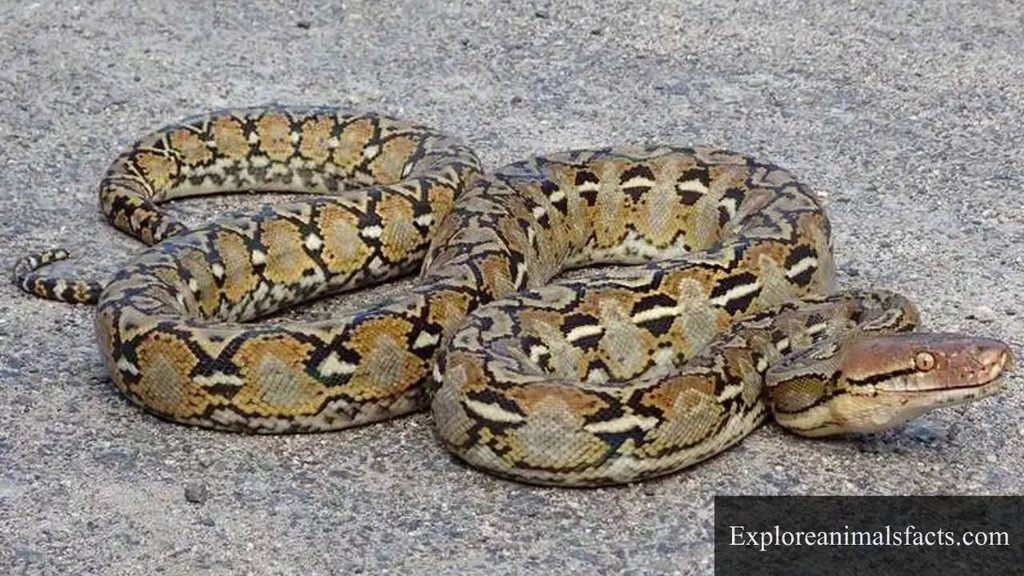
What makes this predator particularly fascinating is its ability to adapt its hunting style depending on the species of monkey and the terrain. In dense forests, it might lie in wait on branches, striking with stunning speed, while in more open areas, it may utilize a slow crawl to approach its prey. This versatility not only showcases the python’s prowess but also highlights the delicate balance in the ecosystem where each species plays a vital role. As concerns about habitat loss and deforestation mount, understanding these dynamics becomes crucial — reticulated pythons and monkeys must coexist, navigating a world increasingly dominated by human encroachment.
Harpy Eagles
Scientific Name: Harpia harpyja
Class: Aves
Diet: Carnivore
The harpy eagle, one of the largest and most formidable birds of prey, reigns supreme in the canopy of tropical rainforests, where its diet often includes monkeys. With a wingspan that can extend over seven feet and powerful talons akin to a bear’s claws, this apex predator is perfectly adapted for its arboreal hunting grounds. The harpy eagle’s keen eyesight enables it to spot movement from high above, allowing it to dive at incredible speeds to seize its unsuspecting prey, often targeting sloths and various species of monkeys.
What sets the harpy eagle apart in the food chain isn’t just its size, but its remarkable hunting strategy. Unlike many predators that rely on stamina to chase down their food, the harpy eagle utilizes stealth and surprise, often striking from a hidden perch. Its ability to navigate the dense foliage with agility is a testament to its evolutionary adaptations, allowing it to ambush potential meals that are often twice its size. This hunting behavior not only showcases the harpy eagle’s prowess but also highlights the delicate balance of the rainforest ecosystem, where every predator plays a vital role in controlling prey populations and fostering biodiversity.
Ocelots
Scientific Name: Leopardus pardalis
Class: Mammalia
Diet: Carnivore
Ocelots, with their striking spots and agile bodies, are surprisingly versatile hunters in the dense jungles of South America. While these feline predators are often celebrated for targeting small mammals and birds, their diet can unexpectedly extend to include young monkeys in certain regions. This behavior highlights a fascinating aspect of food webs — predators adapt their hunting strategies based on the availability of prey. In forested habitats, where competition can be fierce, ocelots have been observed stalking smaller primate species, demonstrating their opportunistic nature and ability to exploit varied ecological niches.
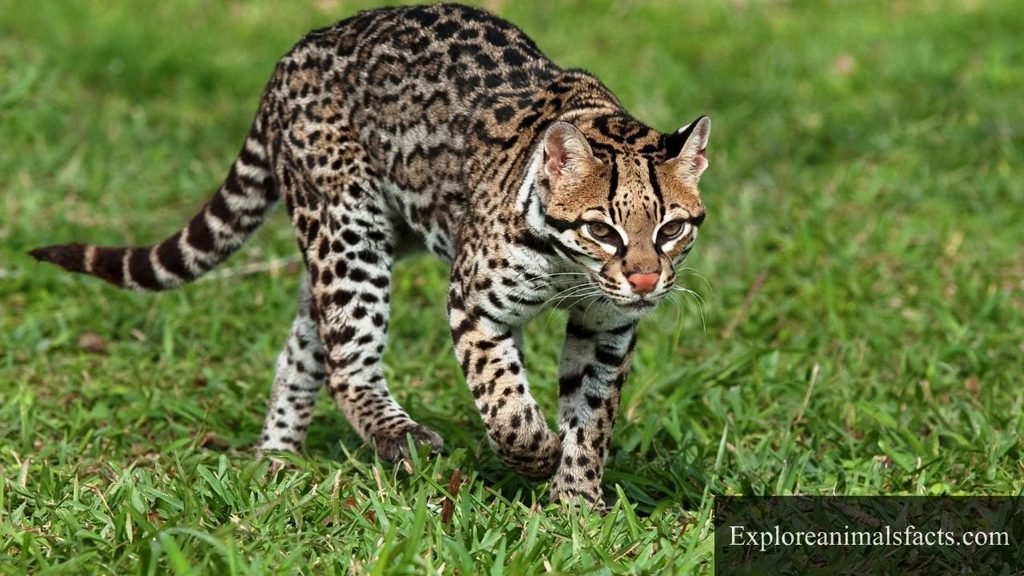
What makes ocelots particularly captivating is their stealthy hunting technique. Unlike larger predators that may rely on brute strength, ocelots leverage their keen senses and agility to launch surprise attacks. They are solitary hunters, often utilizing the element of surprise combined with their ability to climb trees — an effective advantage when hunting arboreal primates. This predatory relationship underscores a complex ecological balance and reminds us of the intricate connections that bind predator and prey within their ecosystems, weaving a rich tapestry of survival strategies.
Readmore: Explore Top 19 Animals That Have Spots.
Chimpanzee
Scientific Name: Pan troglodytes
Class: Mammalia
Diet: Omnivore
Chimpanzees, often celebrated for their intelligence and social structures, have a more primal side when it comes to their diet. Although primarily frugivorous, they are known to engage in opportunistic hunting, which sometimes includes monkeys. This behavior is not merely an act of survival; it’s a complex interplay of social dynamics and cultural transmission within chimpanzee communities. When hunting in groups, they showcase remarkable coordination, employing strategies that reflect their cognitive abilities.
The consumption of monkey species varies depending on geographic location and available prey. In some regions, chimpanzees target red colobus monkeys, which are a favored snack due to their abundance and accessibility. This predation also serves as a means of reinforcing social bonds among members of the troupe, as sharing a successful hunt can elevate social status and strengthen alliances. Thus, while the act might seem brutal, it is deeply woven into the fabric of chimpanzee society, highlighting the intricate balance between their survival instincts and social behaviors.
Crocodiles
Scientific Name: Crocodylus
Class: Reptilia
Diet: Carnivore
Crocodiles, often viewed as apex predators in their aquatic domains, possess a surprising and opportunistic diet that can include monkeys. In regions where both crocodiles and monkeys inhabit riverbanks, these reptiles have developed a methodical approach to hunting. Using their natural camouflage, they lie in wait near the water’s edge, remaining nearly invisible until a primate descends to drink or bathe — a moment of vulnerability that rarely ends well for the unsuspecting monkey.
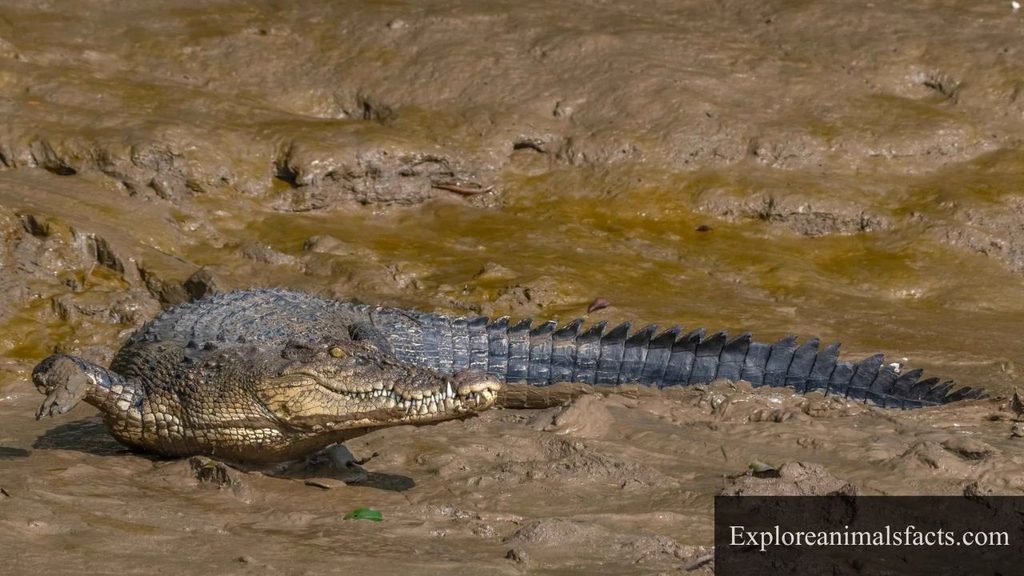
The behavior of crocodiles during these hunts highlights their adaptability. While they are primarily carnivorous, their ability to capitalize on various food sources reflects a broader ecological strategy. This opportunism showcases the delicate balance within ecosystems, where the presence of one species, like crocodiles, can significantly impact local wildlife, including social primates. Such interactions remind us of the intricate web of life where predator and prey dynamics are constantly in flux, driven by necessity and survival.
Martial Eagles
Scientific Name: Polemaetus bellicosus
Class: Aves
Diet: Carnivore
Martial eagles, the largest of the eagle species in Africa, are formidable hunters known for their impressive size and power. With wingspans that can reach over eight feet, these majestic birds are equipped not only for soaring at high altitudes but also for executing grand swoops to snatch prey from the treetops. Their keen eyesight allows them to spot monkeys from great distances, making them apex predators in their ecosystems. But what sets martial eagles apart is their distinct hunting technique; rather than relying solely on speed, they often employ stealth, carefully navigating the branches to ambush their unsuspecting monkey targets.
What is particularly fascinating about the martial eagle’s predation on monkeys is the impact it has on the dynamics of their environment. By culling weaker individuals from monkey populations, these raptors play a crucial role in maintaining the health and vitality of the ecosystem. Moreover, their vast hunting territory, spanning savannas and forests, illustrates the interconnectedness of wildlife and the delicate balance between predator and prey. Observing these eagles in action not only showcases their prowess but also serves as a reminder of nature’s complexity, where each creature, no matter how fearsome or fragile, contributes to the intricate web of life.
Jaguars
Scientific Name: Panthera onca
Class: Mammalia
Diet: Carnivore
Jaguars, the fierce predators of the Central and South American jungles, are uniquely adapted to pursue a diverse diet, including monkeys. Their powerfully muscled bodies and impressive bite strength allow them to take down prey much larger than themselves. This incredible feline excels not only in sheer strength but also in stealth, making it a skilled ambush hunter. Using their keen eyesight and acute hearing, jaguars can spot monkeys swinging from tree branches, often targeting howler monkeys or spider monkeys, which tend to inhabit their dense forest territories.
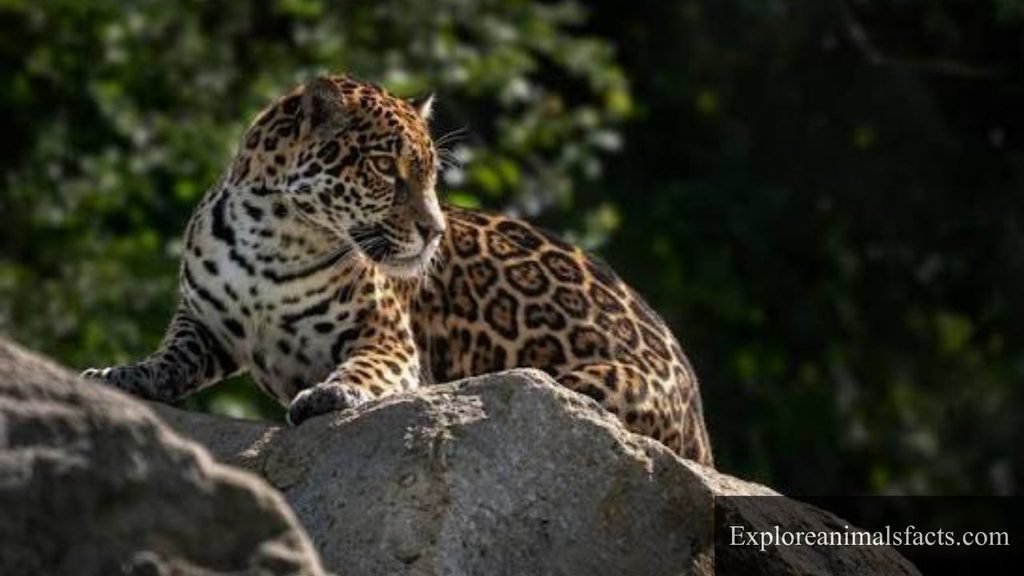
What sets the jaguar apart from other big cats is its distinctive hunting method: instead of chasing down prey, it ambushes, using the element of surprise. This strategy is particularly effective in the treetops, where it can swiftly climb and navigate through canopies. Jaguars also exhibit remarkable intelligence, adapting their tactics based on the specific species of monkey they are pursuing. Interestingly, they often consume the monkeys’ bones along with their meat, a rare behavior that showcases their powerful jaws and unique role in the ecosystem as a top predator. By preying on monkeys, jaguars play an essential role in maintaining the balance of their habitats, ensuring that monkey populations remain in check and ecosystem health thrives.
Lions
Scientific Name: Panthera leo
Class: Mammalia
Diet: Carnivore
Lions, often regarded as the apex predators of the savannas, display surprising versatility in their diets. While primarily carnivorous hunters of large ungulates, their opportunistic nature means they sometimes prey on primates, including monkeys. This predation isn’t driven by necessity but rather by the sheer abundance of prey around them. When competition for food runs high or a group of monkeys inadvertently strays too close, lions can capitalize on this opportunity, showcasing their adaptability as hunters.
The dynamics of such encounters are fascinating. Monkeys, known for their agility and intelligence, often employ various tactics to evade predators. Yet, when cornered, they can fall victim to the raw power of a lion’s charge. It’s a stark reminder of the complex web of life where every species plays a role; monkeys, with their agile movements, inadvertently contribute to the lion’s sustenance when circumstances align. This relationship illustrates the harsh realities of survival in the wild, challenging our perception of predators and their prey while highlighting the intricate balance of ecosystems.
Crowned Eagle
Scientific Name: Stephanoaetus coronatus
Class: Aves
Diet: Carnivore
The crowned eagle, a majestic bird of prey found in the tropical forests of Africa, stands as one of the most formidable hunters in the animal kingdom. With a wingspan that can reach nearly seven feet, this powerhouse isn’t just a spectacular sight; it’s also a master predator capable of taking down monkeys, its primary prey. Its hunting strategy is nothing short of fascinating; the eagle typically employs stealth and surprise, swooping down from above to catch monkeys who may be blissfully unaware of their impending doom.
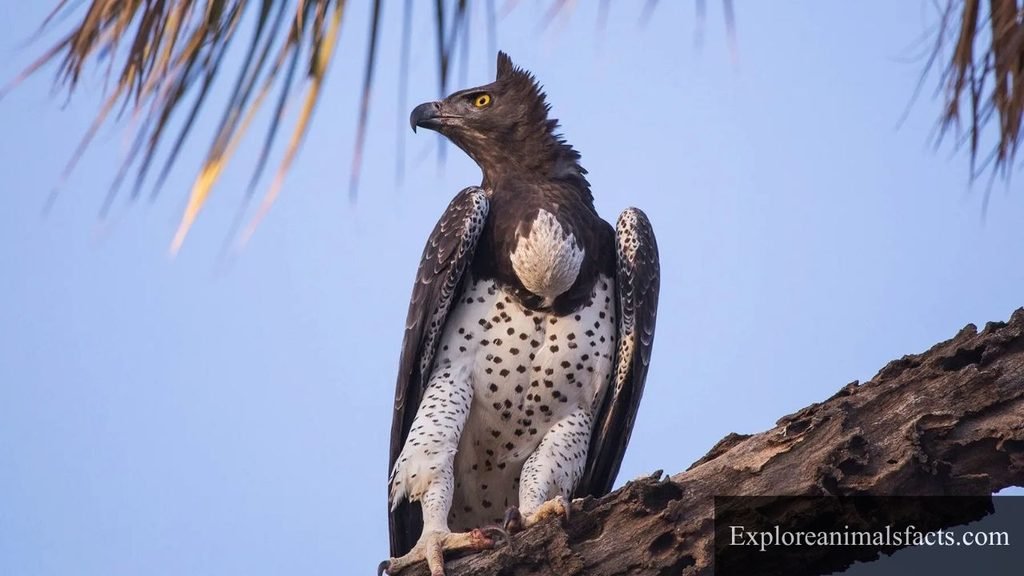
What sets the crowned eagle apart is its unparalleled adaptation to its arboreal environment. Unlike other raptors, it has powerful legs equipped with formidable talons, designed specifically to grasp and immobilize arboreal mammals. This unique adaptation allows it to tackle prey that often lives high in the trees, making it a specialized hunter of primates. The crowned eagle’s keen eyesight can spot monkeys from great heights, allowing it to assess the best time to launch its calculated attack, turning the quiet canopy into an arena of survival.
Tigers
Scientific Name: Panthera tigris
Class: Mammalia
Diet: Carnivore
Tigers, the majestic apex predators of the jungle, often find themselves at the top of the food chain, with a diet that can include a surprising range of animals. While their primary prey typically consists of ungulates such as deer and wild boar, the opportunistic nature of tigers means they won’t hesitate to consume smaller mammals, including monkeys. In certain regions, particularly in the forests of Southeast Asia, monkeys such as macaques become vulnerable to these powerful cats, especially when they wander too close to the ground or engage in activities that draw attention.
The hunting strategy of a tiger is a blend of stealth and strength, allowing it to pounce on unsuspecting prey with remarkable agility. When targeting monkeys, tigers may exploit their environment, using cover provided by dense foliage to stalk their quarry. Interestingly, the social structures and behaviors of monkey species can also play into the hands of tigers. Groups may scatter in panic when faced with the predator, isolating individuals and making them easier targets. This dynamic between predator and prey highlights the complex web of wildlife interactions in the ecosystem, reminding us that survival often hinges on both instinct and circumstance.
Green Anaconda
Scientific Name: Eunectes murinus
Class: Reptilia
Diet: Carnivore
The green anaconda, one of the largest snakes in the world, exemplifies nature’s stark and dramatic food chain. While its typical diet consists of fish, birds, and mammals, its surprising predilection for consuming monkeys adds a thrilling twist to its predatory behavior. Found primarily in the swamps and rivers of the Amazon and Orinoco basins, the anaconda often uses its powerful body to stealthily navigate the murky waters. When a monkey ventures close to the edge for a sip or a leap, it can become an unsuspecting target.
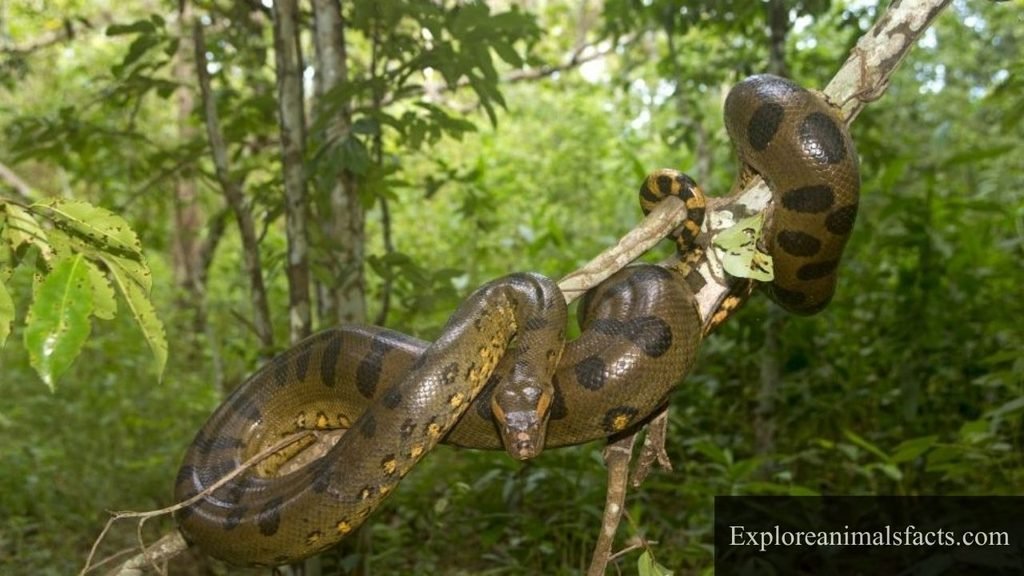
In a unique display of ambush hunting, the green anaconda relies on patience and brute strength. It can coil around its prey with incredible force, constricting until the animal suffocates, then gradually swallowing it whole — a feat of jaw flexibility that often astounds onlookers. This remarkable adaptability not only highlights the balance of ecosystems but underscores the role of apex predators in controlling monkey populations, allowing for a dynamic interplay between species. The fascinating predatory prowess of the green anaconda ultimately serves as a reminder of nature’s unvarnished reality, where survival often hangs by a thread — or a vine.
Dhole
Scientific Name: Cuon alpinus
Class: Mammalia
Diet: Carnivore
The dhole, or Indian wild dog, is an often-overlooked apex predator in the forests and grasslands of Asia. Renowned for their social structure, dholes hunt in packs, displaying remarkable teamwork that enhances their chances of bringing down larger prey, including monkeys. Unlike solitary hunters, dholes leverage their numbers to surround and confuse their targets, showcasing a level of strategy that rivals their more famous counterparts, like wolves.
What makes dholes particularly fascinating is their adaptability. While they primarily target ungulates, they won’t hesitate to pursue smaller primates, especially in regions where monkey populations are abundant. This behavior not only demonstrates their versatility but also highlights the interconnectedness of ecosystems; the presence of dholes can influence monkey behavior, forcing them to remain vigilant and altering their feeding patterns. As such, the dhole’s role as both predator and participant in the ecological balance serves as a reminder of nature’s intricate web, where every creature plays a vital part, however small it may seem.
Philippine Eagle
Scientific Name: Pithecophaga jefferyi
Class: Aves
Diet: Carnivore
The Philippine Eagle stands as one of the most formidable avian predators, with a diet that surprisingly includes monkeys. These majestic birds, known for their striking wingspan of up to seven feet, are perfectly adapted to hunt in the dense rainforests of the Philippines. Monkeys, often seen as agile and elusive, find themselves vulnerable to the keen eyesight and powerful talons of this apex predator. The Philippine Eagle employs a mix of stealth and strength, swooping down from towering heights to catch unsuspecting primates — an encounter that illustrates nature’s brutal efficiency.
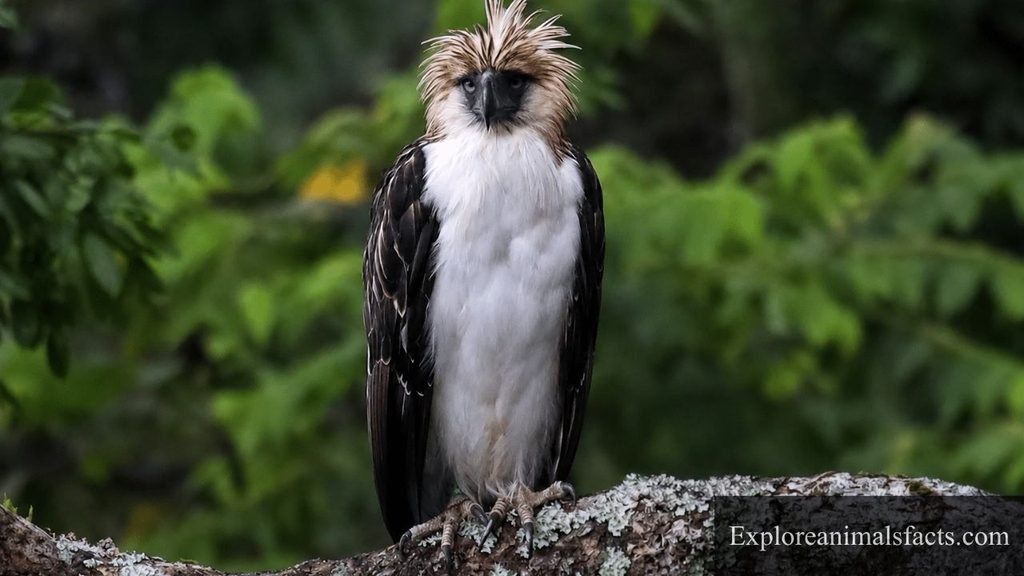
The hunting habits of the Philippine Eagle also reveal deeper ecological dynamics. By preying on monkeys, they help regulate primate populations, which in turn influences forest health and biodiversity. This predator-prey relationship highlights the interconnectedness of ecosystems, showcasing the eagle not just as a hunter but as a crucial player in maintaining the balance of its habitat. As deforestation threatens these majestic birds and their prey, understanding their role in the ecosystem becomes increasingly vital — a reminder of how every creature, even a hunter of monkeys, contributes to the intricate web of life.
Leopards
Scientific Name: Panthera pardus
Class: Mammalia
Diet: Carnivore
Leopards, often lauded for their solitary and stealthy hunting methods, rank among the top predators that occasionally prey on monkeys. Their keen senses and impressive agility allow them to stalk through dense foliage, utilizing their spotted camouflage to blend seamlessly into their surroundings. When a monkey is unsuspectingly within reach, the leopard’s calculated ambush can result in a swift and silent strike, showcasing nature’s brutal yet fascinating dynamics.
Leopards are opportunistic eaters, which means their menu is far from fixed. When monkeys are available, especially in areas where forests overlap with grasslands, leopards often capitalize on this abundant resource. Predatory encounters reveal the delicate balance of ecosystems, illustrating how even powerful mammals can play diverse roles within their environments. This adaptability not only speaks to the leopard’s resilience but also underscores the intricate web of life where different species interact in ways that maintain the health of their habitats.
Alligators
Scientific Name: Alligator
Class: Reptilia
Diet: Carnivore
Alligators, formidable predators of the wetlands, have a diverse diet that occasionally includes monkeys. While these reptiles are primarily known for their aquatic prey, such as fish and birds, the adaptability of their hunting skills allows them to extend their menu to terrestrial animals when the opportunity arises. In regions where alligators coexist with monkey populations, such as parts of the Everglades or tropical wetlands, their sheer stealth and powerful jaws make them capable of ambushing primates that venture too close to the water’s edge.
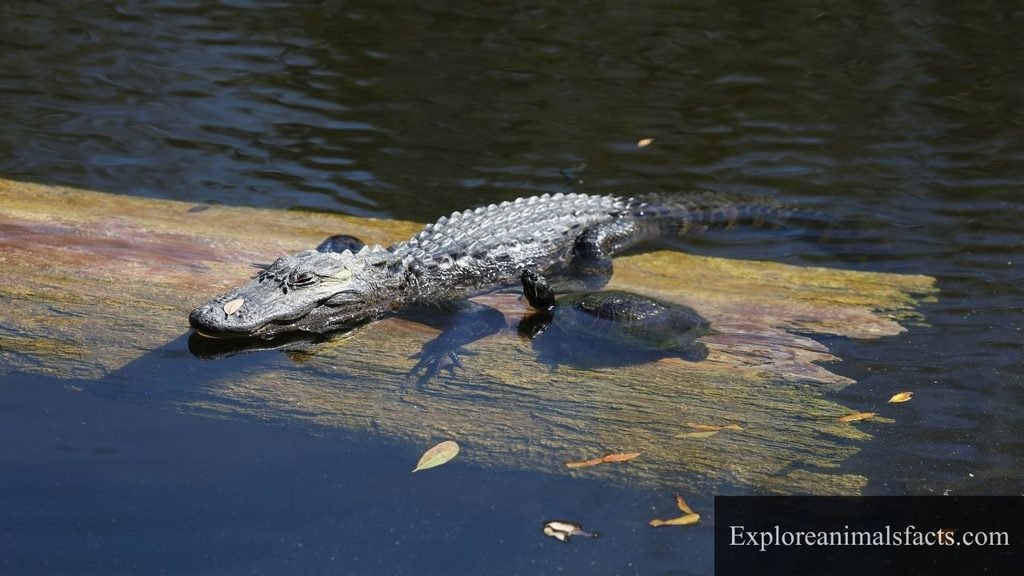
The dynamic is fascinating: monkeys, often agile and highly aware of their surroundings, are usually skilled at avoiding ground-level predators. Yet, an unsuspecting troop might linger near water sources, unwittingly placing themselves in the alligator’s line of sight. This predator-prey interaction showcases the delicate balance of ecosystems, illustrating how each species adapts to its environment in unexpected ways. Observing the delicate interplay between alligators and their occasionally primate prey provides a stark reminder of the raw, untamed aspects of nature where survival instincts reign supreme.
Wild Dog
Scientific Name: Lycaon pictus
Class: Mammalia
Diet: Carnivore
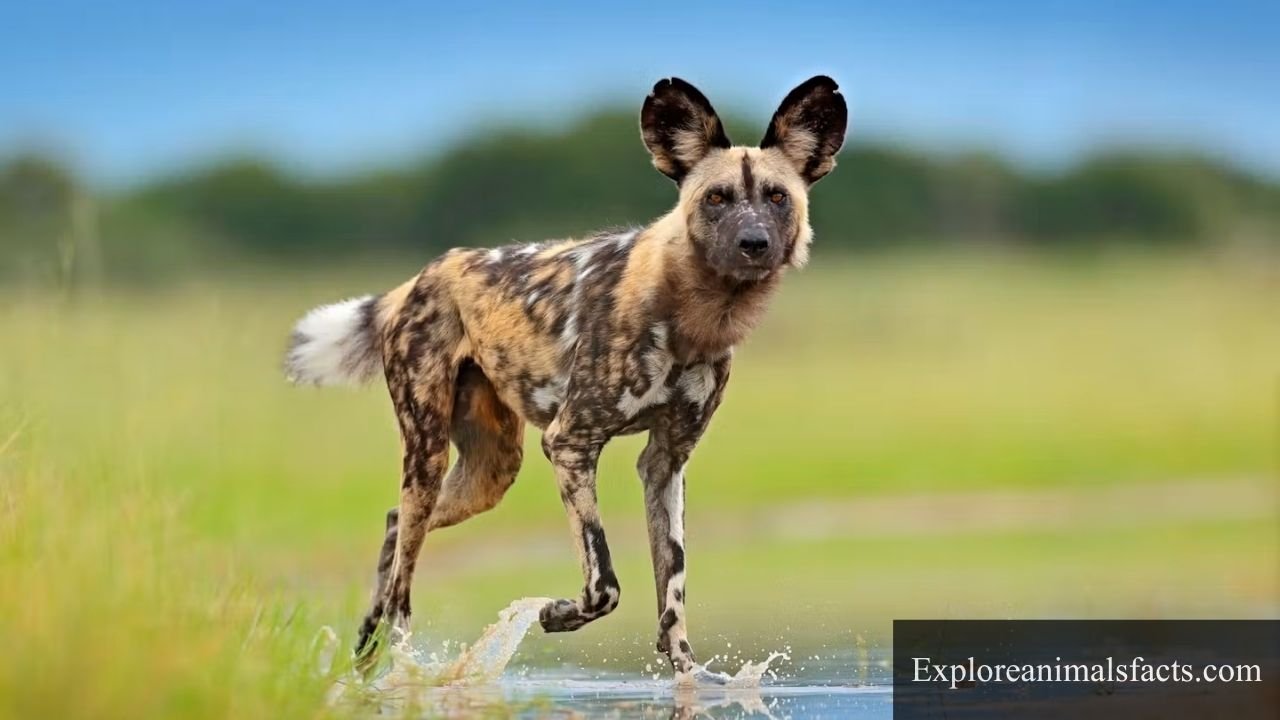
Wild dogs, particularly the African wild dog, are formidable predators with a unique hunting strategy that makes them effective hunters of various prey, including monkeys. Their cooperative hunting techniques allow them to work in unison, often surrounding and exhausting their targets. This social structure is not only fascinating but essential for capturing nimble creatures like monkeys that rely on agility and speed to evade predators.
What sets wild dogs apart is their high stamina and relentless pursuit. Unlike solitary hunters, they rely on a team approach, where some members will flush prey out of cover while others wait in ambush. This method can be incredibly effective against monkeys, which often congregate in trees, allowing wild dogs to exploit their surroundings and chase their quarry onto the ground, where the odds shift in favor of the hunters.
Hawks
Scientific Name: Accipitridae
Class: Aves
Diet: Carnivore
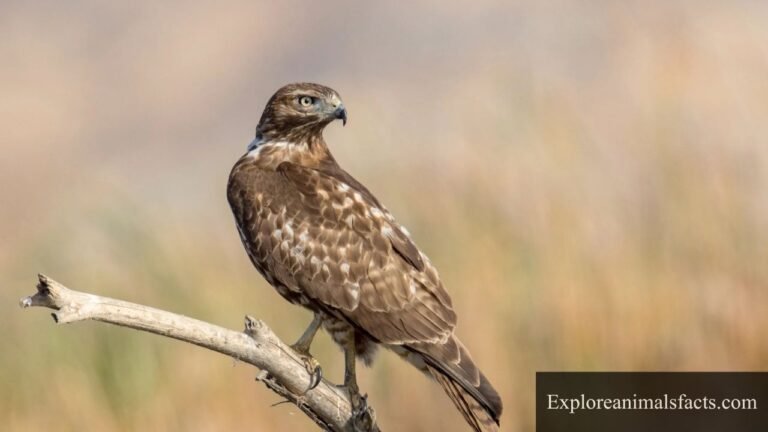
Hawks, with their keen eyesight and remarkable hunting skills, are among the apex predators that have a surprising dietary flexibility, occasionally including monkeys in their repertoire. While their primary diet consists of smaller mammals, birds, and reptiles, certain species of hawks are known to target young or vulnerable monkeys, taking advantage of their agility and speed to swoop down from above. This predation offers a fascinating glimpse into the complex food web that exists in many ecosystems, where even the most agile primates are not immune to nature’s harsh realities.
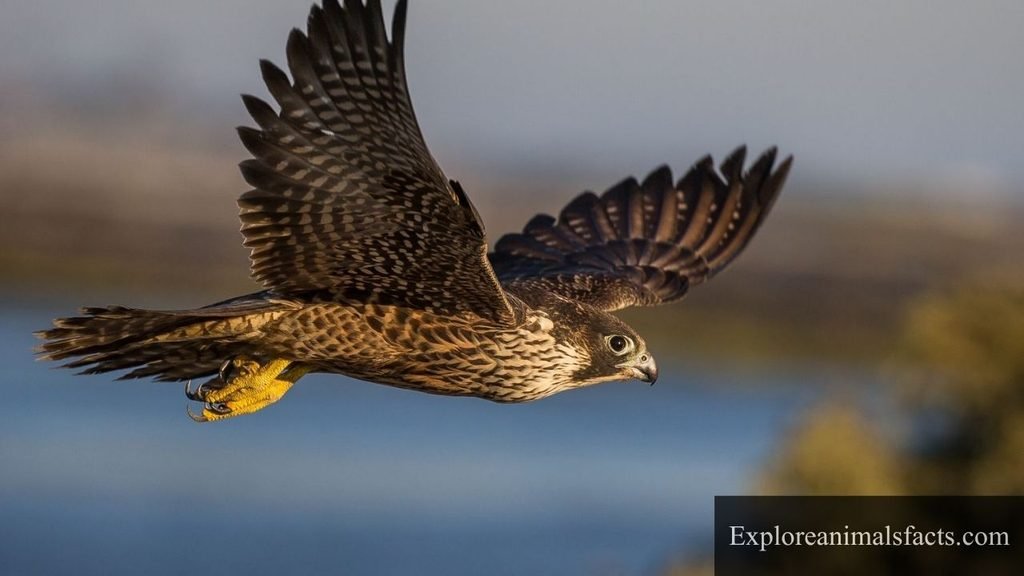
This predatory behavior can have a cascading effect on monkey populations and their habitats. By keeping the numbers of young or weaker monkeys in check, hawks play a role in maintaining ecological balance. The presence of these raptors can influence how monkey troops structure their behavior and movement; aware of their aerial foes, monkeys may adopt more cautious strategies to avoid becoming prey. This dynamic interaction not only enhances our understanding of the interplay between species but also highlights the adaptability of both hawks and monkeys in response to their environments.
Cheetahs
Scientific Name: Acinonyx jubatus
Class: Mammalia
Diet: Carnivore
Cheetahs, renowned for their unparalleled speed, also have a selective diet that occasionally includes small primates, including monkeys. While they primarily hunt smaller ungulates like gazelles, the agility and quick reflexes of a young or smaller monkey can make them an appealing target in their natural habitat. The unique hunting strategy of a cheetah — utilizing bursts of acceleration over short distances — allows them to capitalize on open terrains where monkeys may be less vigilant.
The dynamics between cheetahs and monkeys highlight the broader interactions within ecosystems. When cheetahs prey on monkeys, they not only influence the local monkey population but also affect the behavior of other species. For instance, monkeys often inhabit trees where they can stay safe from ground predators. When a cheetah is in the area, these primates may exhibit heightened vigilance, affecting their feeding and social behaviors. This intricate web of predator-prey relationships emphasizes the delicate balance in ecosystems, reminding us that every species plays a crucial role in maintaining the health of their environment.
Komodo Dragons
Scientific Name: Varanus komodoensis
Class: Reptilia
Diet: Carnivore
Komodo dragons, the formidable giants of the lizard world, have a surprisingly diverse diet that occasionally includes the occasional monkey. While these iconic reptiles are primarily scavengers, their opportunistic nature allows them to capitalize on vulnerable prey. Monkeys, often residing in the trees that surround Komodo’s arid habitat, may find themselves at risk when foraging on the ground or venturing too close to the dragons’ lairs.
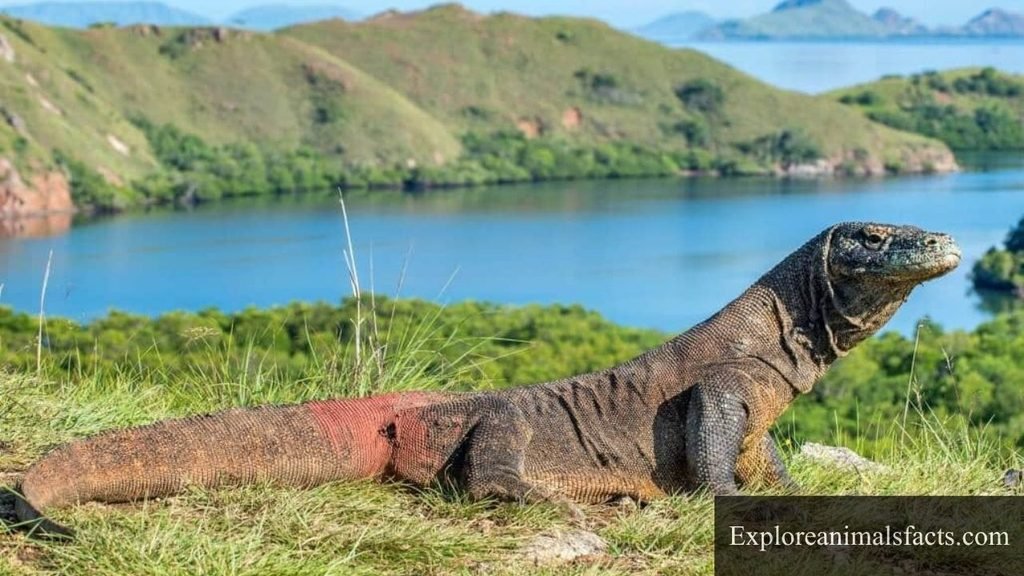
What makes this predation particularly fascinating is the dragon’s impressive hunting strategy, which combines patience and stealth. A Komodo dragon can remain perfectly still for extended periods, blending seamlessly into its environment, waiting for the right moment to strike. With a powerful bite and a mouth filled with bacteria-rich saliva, the dragon’s attack can leave its prey weakened and disoriented, allowing the lizard to track its scent for hours. The unexpected involvement of monkeys in the food chain not only highlights the incredible adaptability of the Komodo dragon but also serves as a reminder of the intricate balances in nature — where even the nimble primates must be vigilant in the face of such primal predators.
Readmore: Explore Top 15 Animals That Walk Slowly
Final Thoughts
The predatory behavior of animals that eat monkeys highlights the complex and often harsh realities of nature. From large felines like leopards to powerful reptiles like crocodiles, these predators play a crucial role in maintaining the balance within their ecosystems. By understanding these dynamics, we can better appreciate the intricate relationships between species. It’s a reminder that survival often comes at the cost of others. Let us continue to learn from these natural behaviors and advocate for wildlife conservation efforts that protect all species, including both predator and prey.
FAQs
What are the predators of monkeys?
Monkeys face threats from various predators depending on their habitat. Large birds of prey, such as eagles and hawks, are known to target smaller monkeys, especially infants. In some regions, snakes can also pose a danger, ambushing monkeys when they least expect it. On the ground, carnivorous mammals like big cats, including leopards and jaguars, will hunt monkeys if they get the chance.
Do tigers eat monkeys?
Yes, tigers do eat monkeys, but it’s not their primary prey. In their natural habitat, tigers typically hunt larger animals like deer or wild boar. However, if the opportunity arises, they may take advantage of smaller prey, including monkeys.
What eats monkeys in the rainforest?
In the rainforest, monkeys face threats from various predators. Large snakes, such as the boa constrictor, can ambush them, especially when they are near the ground. Birds of prey, like the harpy eagle, are also known to swoop down and capture monkeys, particularly the young ones. Larger carnivores, including jaguars and ocelots, hunt monkeys when they venture into their territory.