Top 15 Flexible Animals in The World (With Images)
This article, “Flexible Animals in The World,” will take you on a journey through the animal kingdom to reveal the astonishing ways species have adapted to thrive. Whether for escaping predators or finding food, the agility of these creatures opens a window into the marvels of evolution that can inspire us all.
List of Flexible Animals in The World
Here is the list of flexible animals in the world:
- Centipedes
- Octopus
- Sea Lions
- Snakes
- Squirrel
- Cat
- Squid
- Weasels
- Chameleon
- Seal
- Eel
- Spider Monkey
- Earthworms
- Rats
- Cheetah
Centipedes
Scientific Name: Chilopoda
Class: Chilopoda
Diet: Carnivore
Centipedes, with their myriad of legs and sinuous bodies, exhibit a remarkable flexibility that sets them apart in the animal kingdom. Their segmented bodies allow them to navigate through narrow crevices and dense foliage with astonishing agility. This adaptability not only aids in predation but also in evasion from predators, showcasing nature’s elegant design for survival.
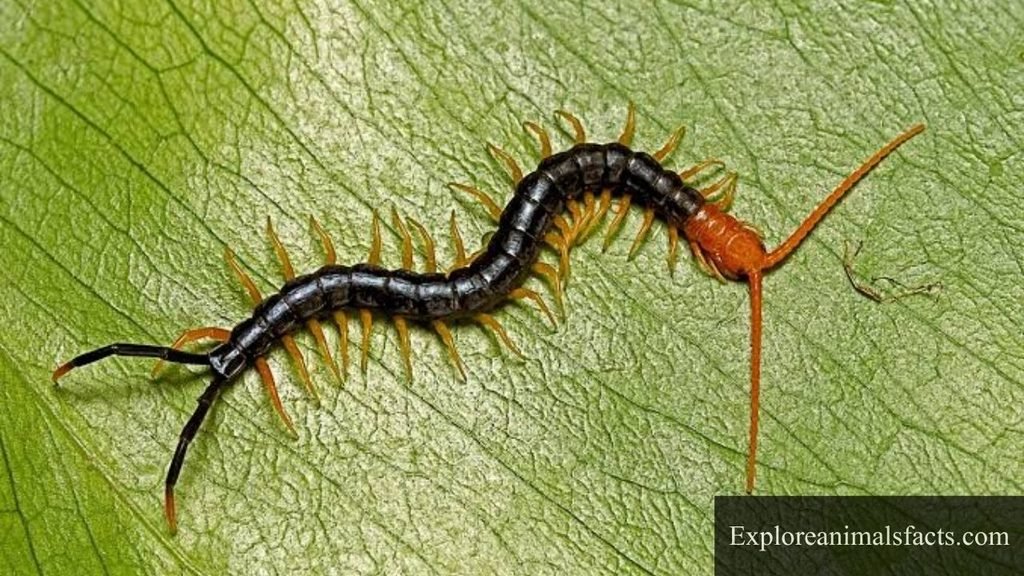
Moreover, these creatures possess a unique method of locomotion. Unlike many arthropods that walk in a straightforward manner, centipedes dance across terrain, alternating their legs in a fluid motion reminiscent of a well-rehearsed choreography. This flexibility extends beyond mere movement; it connects to their predatory strategy, where they can coil and strike with precision, capturing prey with their venomous claws.
Octopus
Scientific Name: Octopus Vulgaris
Class: Cephalopoda
Diet: Carnivore
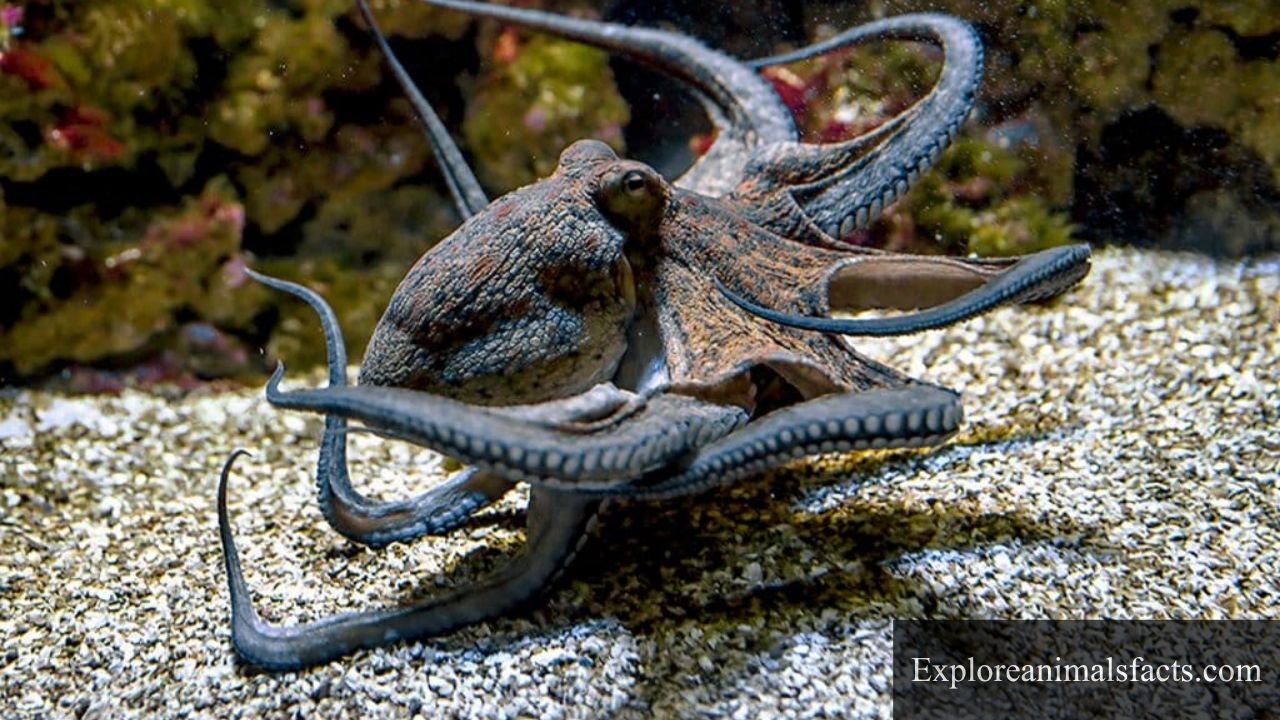
The octopus, a marvel of the ocean’s depths, showcases a remarkable blend of intelligence, adaptability, and physical flexibility. Not only can these cephalopods squeeze through openings that seem impossibly small — thanks to their lack of a rigid skeleton — but they can also alter their color and texture in a flash. This camouflage capability serves as both a defense mechanism and a strategic tool for ambush hunting, allowing them to blend seamlessly with their surroundings and evade predators.
Beyond their incredible physical attributes, octopuses exhibit cognitive complexities that challenge our understanding of animal intelligence. Their problem-solving skills have been documented in settings ranging from aquarium enclosures to elaborate puzzles in the wild. This ability to learn and adapt makes them not just survivors, but innovators in their environments. Observing an octopus navigate its space reminds us that flexibility is not merely a physical trait but also a vital cognitive attribute in the fight for survival. In the vibrant tapestry of ocean life, the octopus stands out as a true icon of versatility, constantly redefining the limits of adaptability.
Sea Lions
Scientific Name: Otariidae
Class: Mammalia
Diet: Carnivore
Sea lions are the embodiment of agility in the marine world, effortlessly transitioning between land and water with a grace that captivates observers. Their unique skeletal structure allows them to extend their limbs into flippers, enabling remarkable speed and maneuverability in the ocean, where they can reach up to 25 miles per hour. On land, these animals showcase their extraordinary flexibility and dexterity, capable of performing acrobatic leaps and spins that rival the best circus performers.
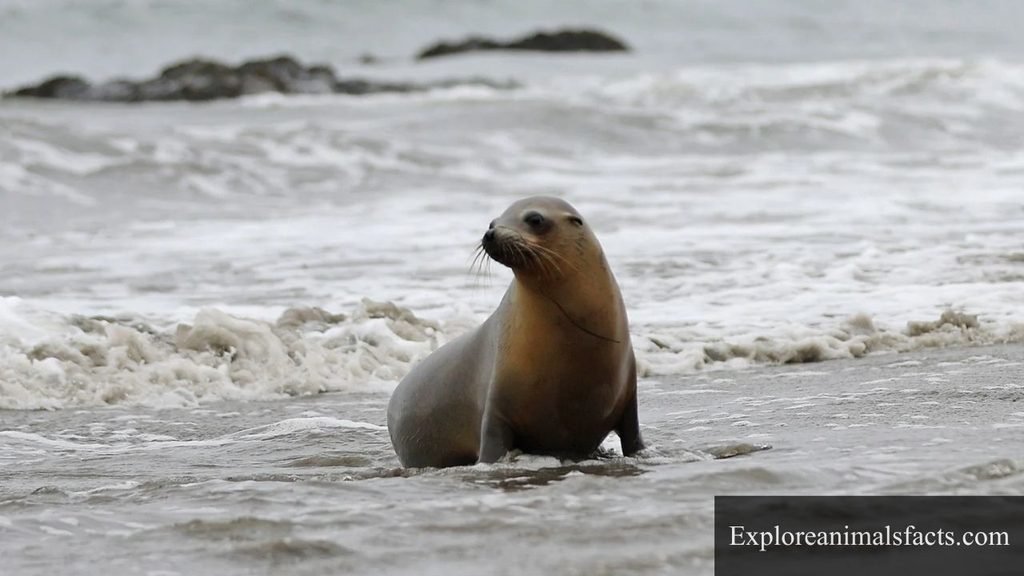
Their social nature further adds to their dynamic lifestyle. Sea lions often gather in large colonies, engaging in complex vocalizations and interactions that underscore their intelligence and adaptability. These adaptable creatures thrive in diverse environments, from bustling coastlines to secluded islands, proving that flexibility is not just physical — it’s also about thriving in varying ecosystems and forming deep social bonds. With their playful antics and robust social structures, sea lions remind us of the vibrant, interconnected life beneath the waves.
Readmore: Explore Top 11 Animals That Eat Squirrels.
Snakes
Scientific Name: Serpentes
Class: Reptilia
Diet: Carnivore
Snakes epitomize flexibility in both body and behavior, showcasing an extraordinary range of adaptability across diverse environments. With no limbs, they utilize their highly mobile vertebrae, allowing them to slither into tight spots or scale vertical surfaces effortlessly. This adaptability not only aids in hunting prey but also provides a means of evasion from predators, making them masters of survival in some of the harshest habitats on Earth.
What’s fascinating is their ability to modulate flexibility through their skin and musculature. By expanding their jaws to consume prey larger than their head, snakes demonstrate a remarkable biological capability that speaks to evolutionary ingenuity. Many species exhibit behaviors like constriction or venomous strikes, highlighting their versatility as both predator and prey. This multifaceted nature of flexibility allows snakes to thrive in varied ecosystems, from arid deserts to lush rainforests, solidifying their role as a cornerstone of biodiversity.
Squirrel
Scientific Name: Sciuridae
Class: Mammalia
Diet: Omnivore
Squirrels are often celebrated for their remarkable agility, deftly navigating urban landscapes and woodlands alike with grace and speed. Their ability to leap distances up to ten times their body length showcases not just physical flexibility but also an extraordinary knack for problem-solving. A seemingly simple task of foraging becomes a game of strategy as they determine the best routes, utilizing tree branches, fences, and even power lines to evade predators and reach their treasure troves of acorns and nuts.
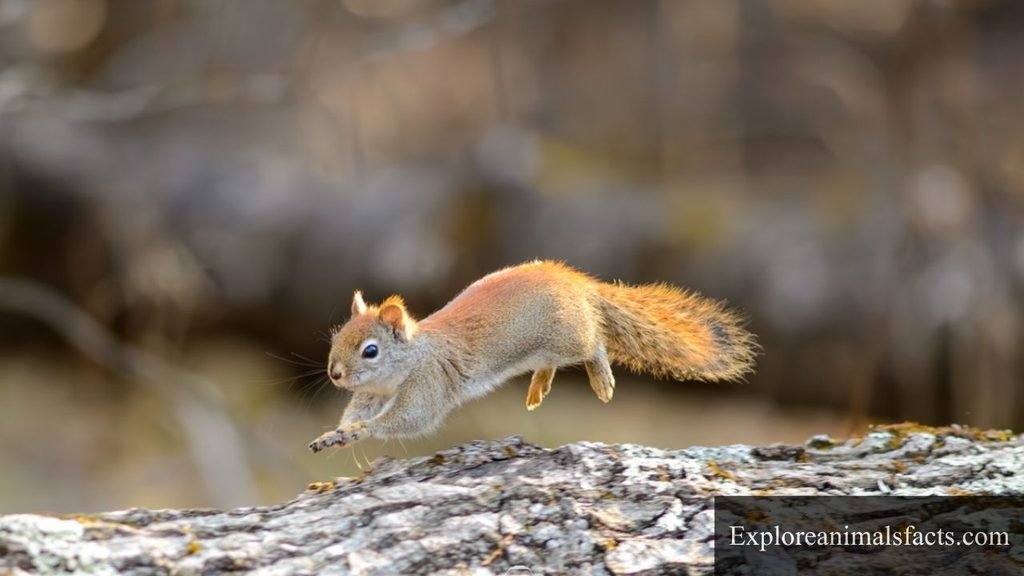
What’s particularly fascinating is their adaptability to various environments. Squirrels have thrived in diverse climates, from the forests of the northeastern United States to the bustling parks of cities like New York. Their diet adjusts with the seasons; in winter, they rely on cached food, while in spring, they feast on buds and flowers. This resourcefulness highlights not only their physical flexibility but also their cognitive agility — qualities that serve as a reminder of nature’s resilience and the intricate balance of ecosystems. Observing these creatures challenges us to consider how adaptability is essential not just for survival, but also for flourishing in ever-changing environments.
Cat
Scientific Name: Felis Catus
Class: Mammalia
Diet: Carnivore
Cats are renowned for their extraordinary flexibility, a trait that has evolved to aid both their hunting prowess and their ability to escape danger. Their unique skeletal structure features an exceptionally flexible spine and lack of a collarbone, allowing them to twist and turn with remarkable agility. This anatomical arrangement enables cats to navigate tight spaces, leap impressive heights, and land deftly on their feet — a behavior known as the righting reflex.
Moreover, this flexibility extends beyond physical capabilities; it can also be seen in their behavior. Felines exhibit a remarkable ability to adapt to different environments, whether it’s squeezing into a sunlit nook or maneuvering around household obstacles. Their flexible nature is not just a survival tactic; it also enriches their playfulness, allowing them to engage in acrobatic feats that bring delight to their human companions. Observing a cat in action is nothing short of mesmerizing, as they embody the perfect blend of grace and instinct, turning every room into a playground of possibilities.
Squid
Scientific Name: Teuthida
Class: Cephalopoda
Diet: Carnivore
Squids are remarkable exemplars of flexibility, not only in their physical form but also in their adaptability to diverse marine environments. Possessing a unique mantle and a series of specialized muscles, squids can change shape and size rapidly, allowing them to squeeze into tight spaces or expand their bodies when threatened. This incredible flexibility is complemented by their ability to employ chromatophores — pigment-containing cells that enable them to alter their skin color and texture in the blink of an eye. This ability not only aids in camouflage but also serves as a form of communication with other squids, showcasing an intricate social dynamic beneath the waves.
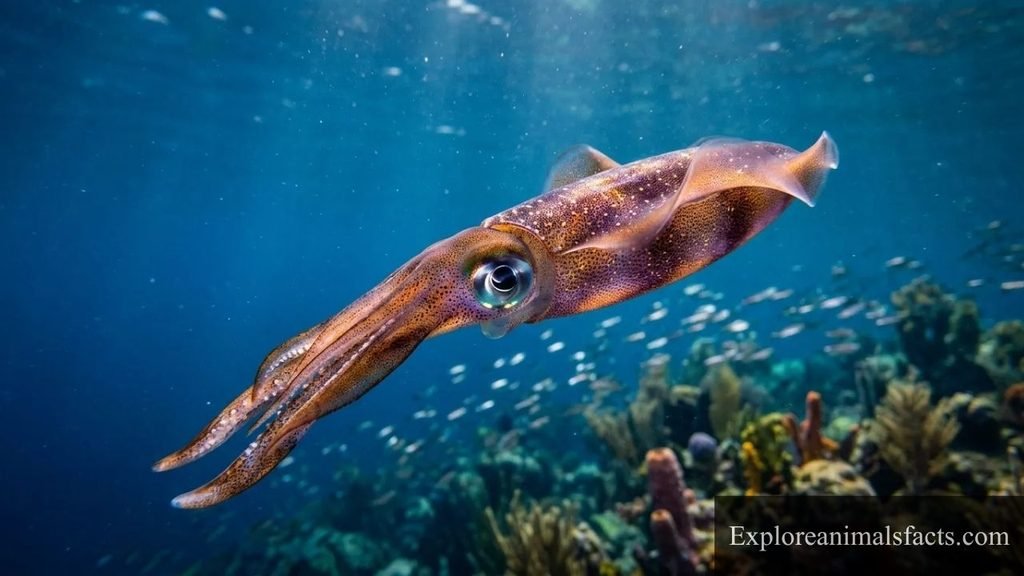
Squids exhibit a remarkable level of intelligence, rivaling that of many vertebrates. Their problem-solving abilities have been documented in various studies, where squids have been observed navigating mazes or opening jars to obtain food. This cognitive flexibility allows them to adapt their hunting strategies based on their environment and the availability of prey. As these fascinating creatures continue to captivate researchers and marine enthusiasts alike, their role in underwater ecosystems becomes increasingly vital, reminding us of the intricate connections within our oceans and the importance of preserving their habitats.
Weasels
Scientific Name: Mustela
Class: Mammalia
Diet: Carnivore
Weasels are nature’s embodiment of agility and cunning, showcasing an extraordinary versatility that fascinates wildlife enthusiasts. With their slender bodies and long limbs, these animals can easily navigate tight spaces, allowing them to hunt and evade predators with incredible efficiency. Their flexible spines enable them to twist and turn in ways that few other mammals can, making them exceptional at both pursuing prey and escaping danger.
A lesser-known but intriguing aspect of weasel behavior is their playful curiosity. Often seen darting across open fields or frolicking in snow, they engage in complex social interactions and play antics that highlight their intelligence. This high-energy behavior is not merely for amusement; it serves as vital practice for their hunting skills, honing their reflexes and strategic thinking. In the grand tapestry of ecosystems, weasels play a crucial role — keeping rodent populations in check and contributing to the health of their habitats. Their adaptability, paired with an unabashedly bold nature, reminds us of the intricate balance between survival and the joys of spirited exploration in the animal kingdom.
Chameleon
Scientific Name: Chamaeleonidae
Class: Reptilia
Diet: Carnivore
The chameleon, often celebrated for its stunning ability to change colors, is a master of adaptation in more ways than one. This remarkable creature employs its color-changing ability not just for camouflage, but also for communication and temperature regulation. When faced with intense sunlight, a chameleon may shift to lighter shades to reflect heat, while darker hues absorb more warmth during cooler weather. This dual role of color change showcases a level of environmental responsiveness that few animals can rival.
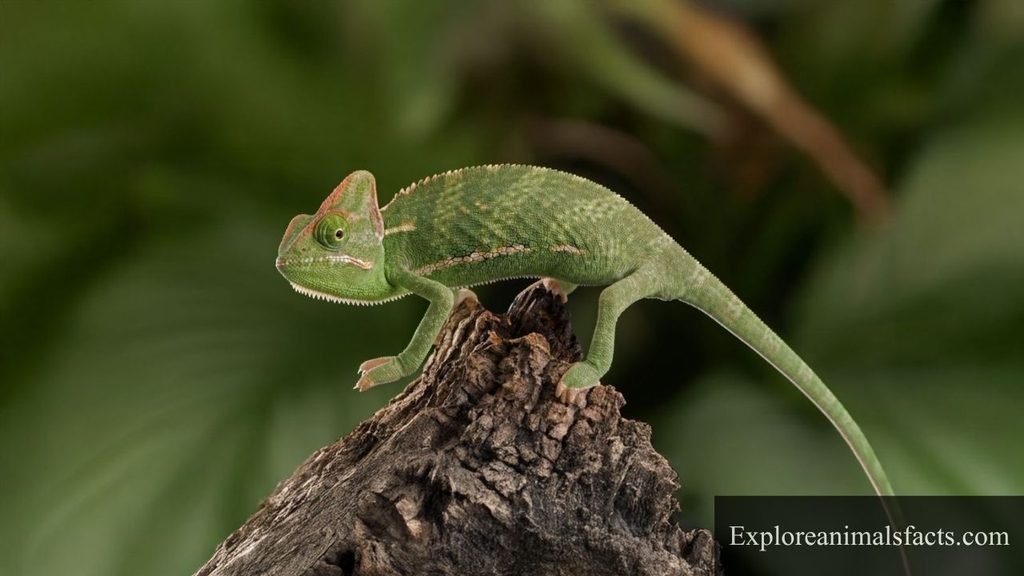
Chameleons possess an incredible range of movement, thanks to their distinctive, zygodactylous feet and independently rotating eyes. This allows them to survey their surroundings without having to move their bodies, providing a strategic advantage when hunting insects or avoiding predators. The interplay of these physical adaptations creates a fascinating dynamic, underscoring how flexibility is not merely a physical characteristic but a critical survival strategy in their diverse ecosystems. By understanding these traits, we gain deeper insight into the complex relationships between species and their habitats, highlighting the chameleon’s role as a symbol of life’s adaptability.
Seal
Scientific Name: Phocidae
Class: Mammalia
Diet: Carnivore
Seals are remarkable animals that exemplify flexibility, both physically and behaviorally. With their streamlined bodies and powerful flippers, these marine mammals are designed for agility in the water, allowing them to dive deep and swim at impressive speeds. Their unique ability to navigate through icy waters and haul out onto rocky shores showcases not only their physical prowess but also their adaptability to varying environments.
Beyond their physical attributes, seals exhibit intriguing social behaviors. Many species engage in complex vocalizations, using sounds to communicate with one another, whether to warn of danger or to strengthen social bonds. This adaptability extends to their habitats as well; some seals thrive in frigid polar regions, while others are found in temperate zones, demonstrating their remarkable capacity to acclimate to different climates and ecosystems. Observing these dynamic creatures offers a window into the resilience of life in our oceans, revealing how flexibility is key to survival in an ever-changing world.
Eel
Scientific Name: Anguilliformes
Class: Actinopterygii
Diet: Carnivore
Eels are masterful contortionists of the aquatic world, possessing an extraordinary flexibility that allows them to navigate through tight spaces and complex environments. Their elongated bodies, which can reach impressive lengths, are not just for show — they enable eels to slip through crevices in rocky seabeds or hide in the roots of mangrove trees. This adaptability is crucial for evading predators and seeking shelter, but it also plays a pivotal role in their hunting strategy. Eels can coil their bodies to strike with precision, capturing prey with lightning speed.
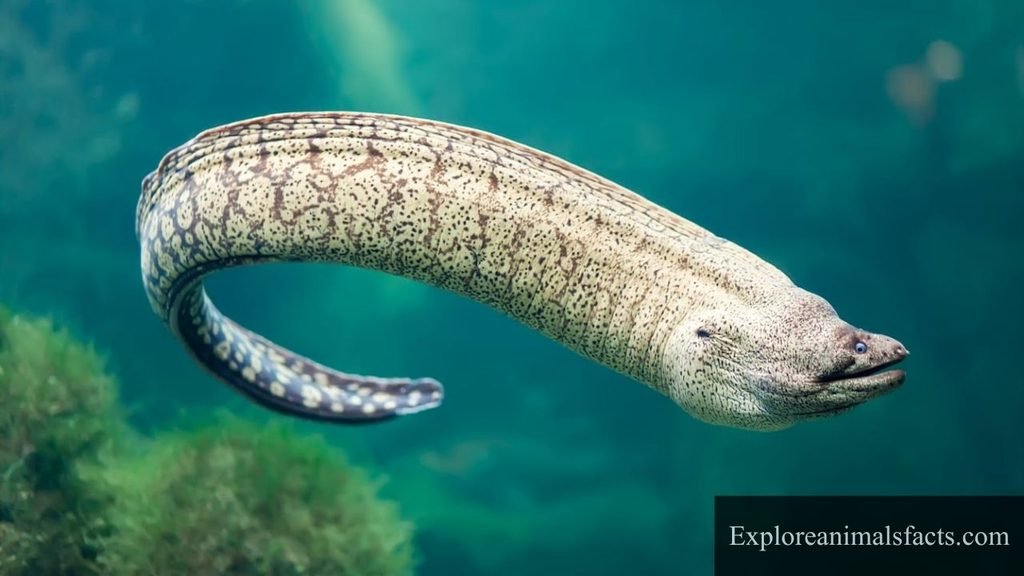
The flexibility of eels extends beyond their physical form; it’s a reflection of their evolutionary journey. They can thrive in diverse habitats, from the salty depths of the ocean to freshwater rivers and lakes, showcasing an incredible resilience. Eels also have a unique reproductive cycle, with many species migrating thousands of miles to spawn in the Sargasso Sea, a journey that underscores their adaptable nature. This ability to traverse such varied environments speaks to a remarkable evolutionary strategy that underscores flexibility as not just a physical trait, but a critical survival skill.
Spider Monkey
Scientific Name: Ateles
Class: Mammalia
Diet: Herbivore
Spider monkeys are a fascinating example of flexibility in the animal kingdom, not just in their physical form, but also in their social structures and habits. With long limbs and prehensile tails, these primates are master acrobats, often found swinging gracefully from branch to branch in the rainforest canopies of Central and South America. Their unique adaptations allow them to reach food sources that other animals might miss, showcasing a brilliant example of how physical flexibility can translate into survival advantages in their densely populated habitats.
Beyond their remarkable agility, spider monkeys exhibit complex social behaviors that highlight their adaptability. Living in fission-fusion communities, they navigate intricate relationships that shift with the availability of resources. This dynamic social structure allows them to respond to environmental changes and potential threats swiftly, further demonstrating their versatility. Interestingly, studies have shown that their vocalizations play a critical role in maintaining group cohesion and coordinating movements, offering a deeper look at how flexibility permeates not just their bodies, but also their interactions with one another.
Earthworms
Scientific Name: Lumbricina
Class: Clitellata
Diet: Detritivore
Earthworms, the unsung heroes of our ecosystem, epitomize flexibility in both form and function. These segmented marvels possess the unique ability to regenerate lost segments, a survival tactic that not only safeguards them from predators but also ensures their continuity within the soil biome. This regenerative prowess challenges our understanding of resilience, prompting us to reevaluate the fragility of life — while we may think of complexity as a strength, the earthworm reveals that simplicity can be equally powerful.
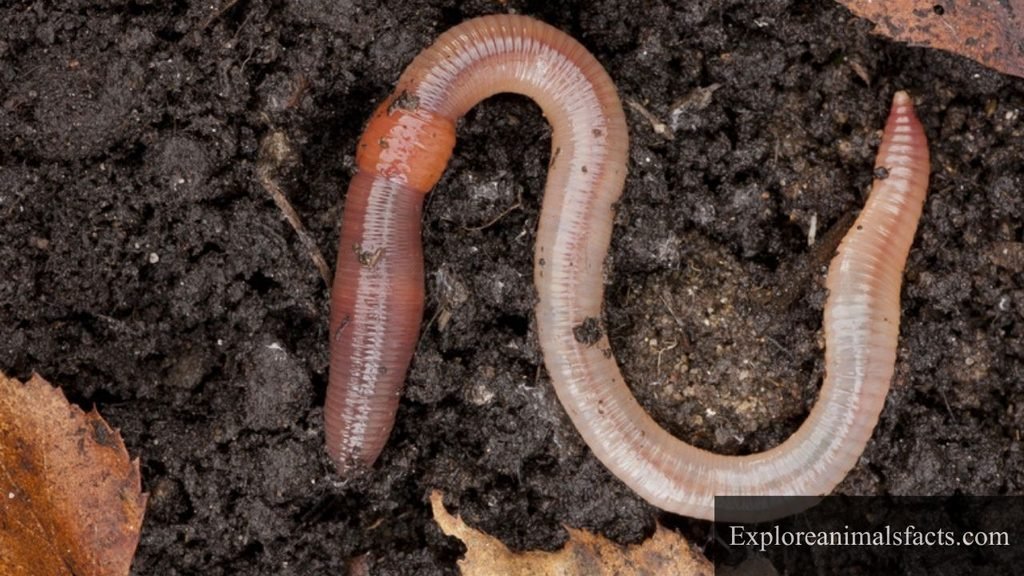
Beyond their regenerative abilities, earthworms are masters of habitat flexibility. They thrive in various environments, transforming organic matter into nutrient-rich soil through their natural composting process. This facilitates plant growth, making them indispensable for agricultural sustainability. Furthermore, their burrowing habits aerate the soil, allowing water and nutrients to permeate deeper, highlighting their role as nature’s tillers. In a world increasingly impacted by climate change, these humble creatures might hold the key to healthier ecosystems, reminding us that sometimes the most profound solutions lie beneath the surface.
Rats
Scientific Name: Rattus
Class: Mammalia
Diet: Omnivore
Rats showcase remarkable adaptability that highlights their survival prowess. Found in diverse environments — from bustling urban areas to remote forests — these creatures illustrate a unique flexibility in behavior and habitat. Their ability to squeeze through tiny crevices is a testament to their adaptability, allowing them to thrive in challenging situations that many other animals would find inhospitable.
Rats possess advanced problem-solving skills that rival those of some primates. Studies have shown that they can navigate complex mazes and exhibit long-term memory, enabling them to learn from their experiences and adjust their strategies accordingly. This cognitive flexibility not only aids their survival but also underscores their significance in scientific research, particularly in fields such as neurology and psychology. As we explore the world of these seemingly simple creatures, it’s clear that their adaptability is a reflection of nature’s ingenuity, urging us to reconsider how we define resilience in the animal kingdom.
Cheetah
Scientific Name: Acinonyx Jubatus
Class: Mammalia
Diet: Carnivore
The cheetah, renowned for its unparalleled speed, is an astonishing example of nature’s engineering marvels. While most think of their rapid sprints, its body is a testament to flexibility. The cheetah’s spine is exceptionally elastic, allowing it to stretch and contract with each stride, effectively converting energy during high-speed chases. This flexibility not only enhances their speed, reaching up to 75 miles per hour, but also aids in sharp turns, enabling them to outmaneuver prey in a heartbeat.
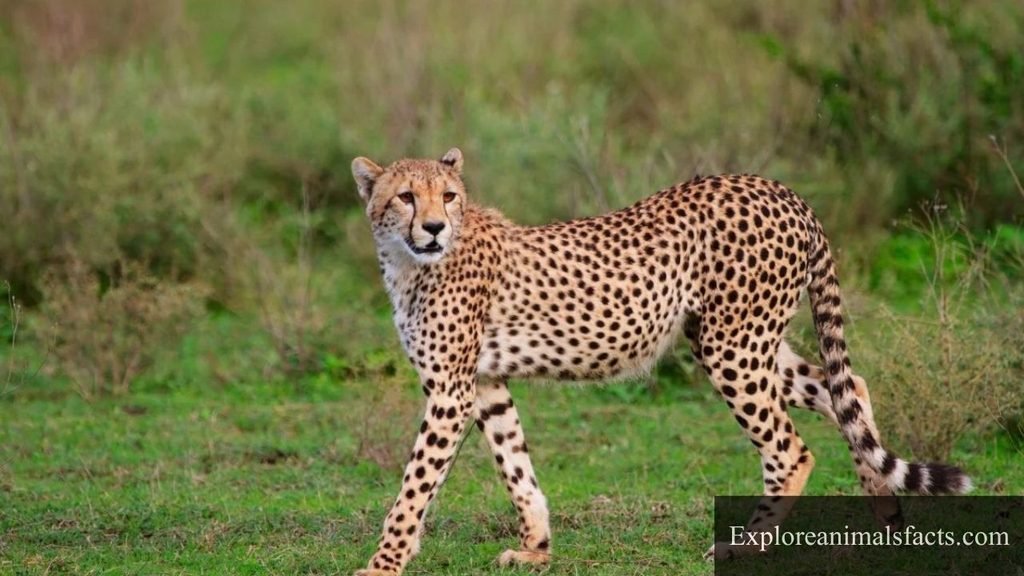
What’s intriguing is how this exquisite agility is complemented by their unique vocalizations. Unlike most big cats, cheetahs can produce a range of sounds from purring to chirping, which can convey excitement or distress to fellow cheetahs and even their cubs. This social flexibility enhances their ability to communicate, forming strong bonds within their groups. Together, their physical and vocal adaptability showcases a remarkable evolutionary strategy, perfectly tailored to thrive in their environments while engaging with each other in fascinating ways.
Readmore: Explore Top 17 Animals With Whiskers.
Final Thoughts
The diversity of flexible animals reveals the intricate web of life on our planet. Creatures such as the nimble chameleon and the adaptable seal showcase how flexibility can be a powerful asset in both natural and human-altered habitats. These animals remind us of the countless adaptations that have evolved over millions of years, shaping our ecosystems in ways we are only beginning to understand. As we strive to protect the biodiversity around us, it becomes increasingly crucial to educate ourselves about these remarkable beings. Join the effort to celebrate and conserve the flexible animals of our world for future generations to admire and learn from.
FAQs
Which animal has the most flexibility?
The animal known for its incredible flexibility is the octopus. Their bodies can contort and squeeze through tight spaces, thanks to the absence of a rigid skeleton. With eight versatile arms lined with sensitive suckers, octopuses can maneuver in ways that seem almost otherworldly.
What is the most flexible mammal in the world?
The most flexible mammal in the world is often considered to be the weasel. These small creatures have incredibly agile bodies that allow them to twist, turn, and squeeze through tight spaces with ease. Their elongated shape and flexible spines enable them to navigate dense underbrush and burrow into narrow crevices as they hunt for prey like rodents and birds.