Top 15 Dirtiest Animals in The World (Pictures Included)
Did you know that some of the planet’s filthiest creatures are also its most vital? The dirtiest animals may seem unappealing, yet they possess unique traits that make them essential to our environment. In this article, we’ll uncover a list of these surprisingly important animals, helping you appreciate their often-overlooked contributions to biodiversity. Prepare to be shocked and informed as we delve into the murky depths of nature’s unlikeliest heroes.
List of Dirtiest Animals in The World:
Below is the list of dirtiest animals in the world:
- Sloths
- Cockroaches
- Cape Buffalo
- Rats
- Wild Boars
- Pigeons
- Raccoons
- Dung Beetles
- Hyenas
- Flies
- Crows
- Pigs
- Hippos
- American Bison
- Vultures
Sloths
Scientific Name: Bradypus variegatus
Class: Mammalia
Diet: Herbivore
Sloths are often seen as the embodiment of cuteness, but their hygiene tells a different story. These languid creatures spend most of their lives hanging upside down in the canopies of Central and South America, with little incentive to groom themselves. In fact, their fur can become a thriving ecosystem for algae, which not only gives them a greenish tint but also serves as camouflage from predators. This unique partnership is a remarkable example of symbiosis, allowing sloths to blend seamlessly into their leafy surroundings.
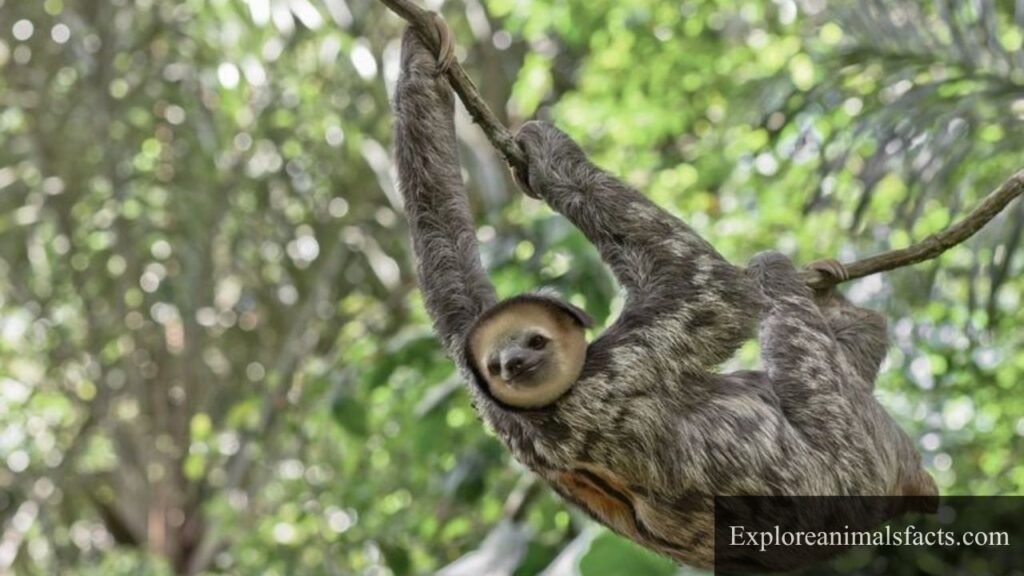
Interestingly, the algae that flourish in sloth fur may also attract insects, creating a secondary host of life that further complicates this sloth’s “cleanliness” debate. While these engaging animals might not fit the traditional mold of cleanliness, their lifestyle reveals a complex web of interactions. In a world obsessed with hygiene, sloths challenge our perceptions: perhaps being a little dirty is just another way to adapt and survive in the wild. This unassuming approach to cleanliness offers us a fresh perspective on nature’s ingenuity, highlighting that even the “dirtiest” animals can play vital roles in their ecosystems.
Cockroaches
Scientific Name: Periplaneta americana
Class: Insecta
Diet: Omnivore
Cockroaches often evoke feelings of disgust, yet they are remarkable survivors in the animal kingdom. These resilient insects thrive in environments where few organisms can endure, thanks to their ability to consume a diverse range of organic matter. From decaying food to human waste, cockroaches play a hidden role in the ecosystem by breaking down materials that would otherwise lead to the accumulation of waste. This unique diet inadvertently makes them carriers of various pathogens, linking them to potential health risks for humans.
However, their presence goes beyond just their role as scavengers. Cockroaches are equipped with a highly adaptable physiology, allowing them to withstand extreme conditions, including radiation and starvation. Their remarkable resilience raises fascinating questions about survival strategies in nature. In urban settings, they’ve developed an alarming tolerance to many common pesticides, challenging our methods for pest control and forcing us to reconsider our relationship with these misunderstood creatures. Far from being mere symbols of filth, cockroaches exemplify the complexity and interconnectivity of the natural world.
Cape Buffalo
Scientific Name: Syncerus caffer
Class: Mammalia
Diet: Herbivore
Among the dirtiest animals in the world, the Cape Buffalo stands out not just for its formidable presence but for its surprising role in the ecosystem. Often found in dense wetlands and savannahs, these massive creatures revel in mud baths that serve multiple purposes. While they might appear grimy, this behavior is more than just a casual indulgence; it effectively protects their skin from sunburn and pesky parasites. The thick mud acts as a natural sunscreen, shielding them from the harsh African sun while also providing a barrier against irritating insects.
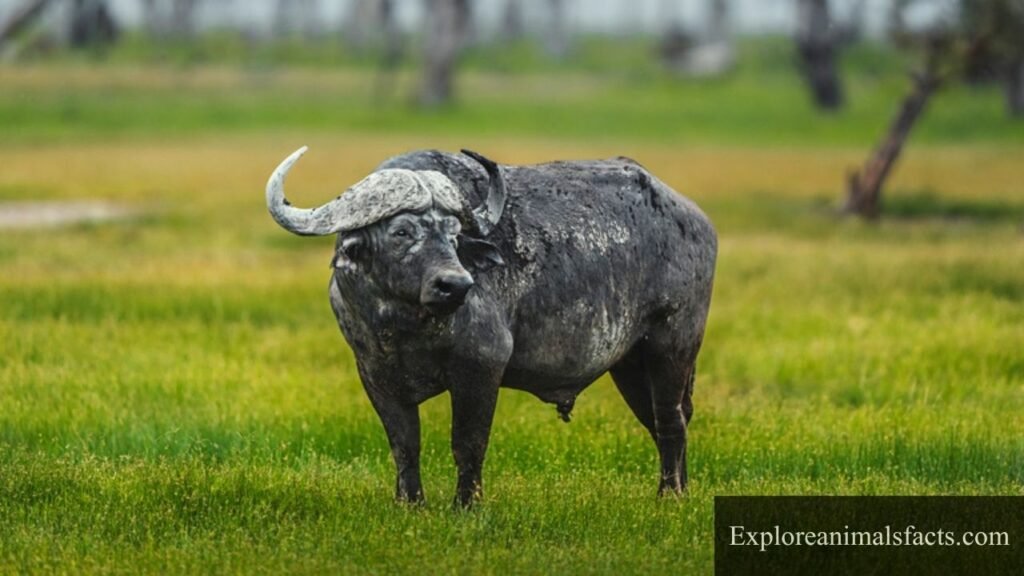
Interestingly, the Cape Buffalo’s interactions with its environment extend beyond mere survival tactics. Their penchant for wallowing creates microhabitats that benefit numerous other species. As they churn up the earth, they inadvertently aerate the soil, allowing for the growth of vegetation that supports various herbivores. This symbiotic relationship highlights the interconnectedness of nature, where even the dirtiest animals play a pivotal role in maintaining ecological balance. Thus, the Cape Buffalo is not just a symbol of the wild; it represents the intricate dance of life where dirtiness fosters vitality and diversity.
Readmore: Explore Top 15 Weakest Animals in The World.
Rats
Scientific Name: Rattus norvegicus
Class: Mammalia
Diet: Omnivore
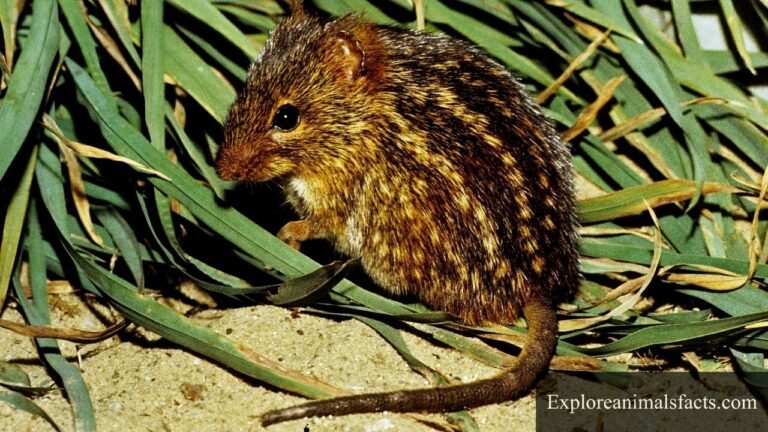
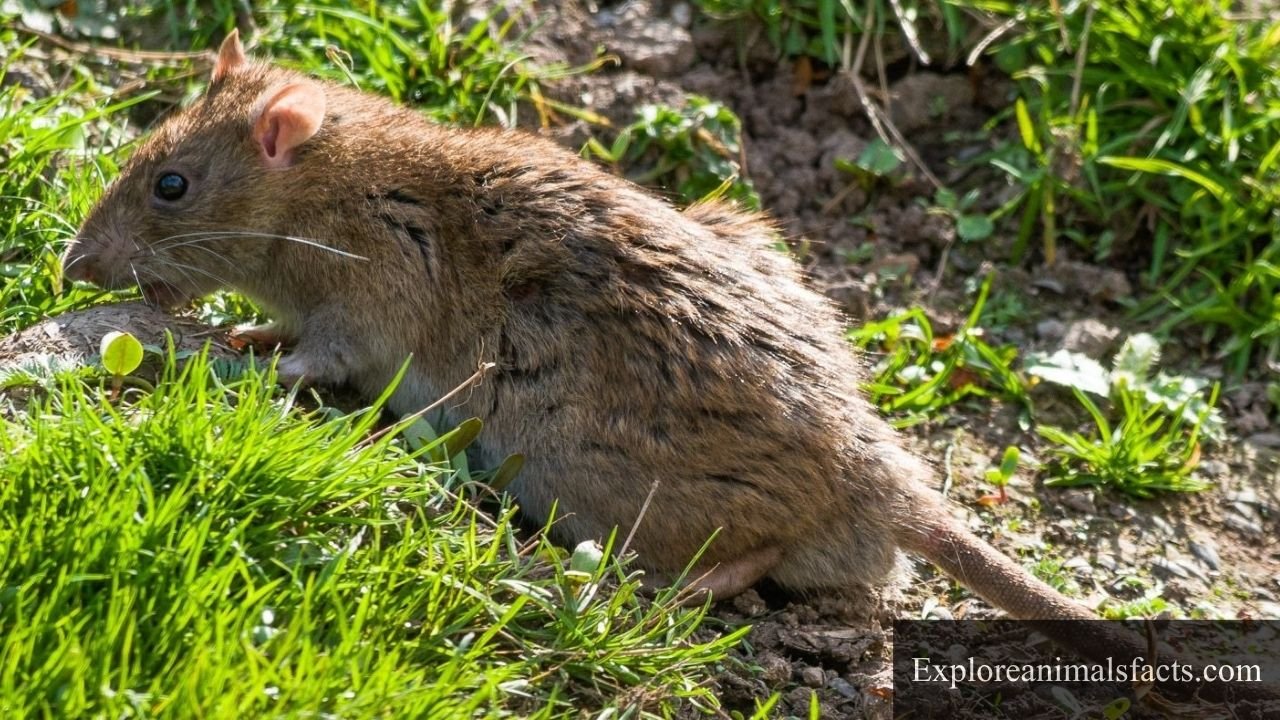
Rats, often vilified as the epitome of filth, are surprisingly misunderstood creatures. While their reputation as disease carriers is well-earned, many people overlook their remarkable adaptability and resilience. These social animals have thrived in urban environments, forming complex communities and utilizing human structures to their advantage. In fact, their ability to squeeze through tiny openings and navigate sewers showcases not just survival instincts but also an extraordinary level of intelligence.
Moreover, rats play a crucial role in the ecosystem. They serve as prey for various predators and their foraging habits can help aerate soil, promoting plant growth. Yet, it’s their connection to human health that often defines their narrative. Careful research continues to unveil the complexity of their biology, revealing that some species possess a surprising resistance to certain diseases, challenging our preconceived notions of ‘dirtiness.’ Understanding these creatures in a broader ecological context prompts us to reconsider not just their role in our lives, but also the lessons they impart about survival, adaptability, and the essential balance of nature.
Wild Boars
Scientific Name: Sus scrofa
Class: Mammalia
Diet: Omnivore
Wild boars are often labeled as the messy movers of the animal kingdom, but their dirtiness serves a greater purpose in the ecosystem. These remarkable creatures are adept at foraging, using their snouts to root through soil and leaf litter in search of roots, tubers, and fallen fruits. This behavior not only sustains them but also aerates the ground and facilitates new plant growth. Thus, in their relentless pursuit of food, wild boars inadvertently contribute to the health of their habitats.
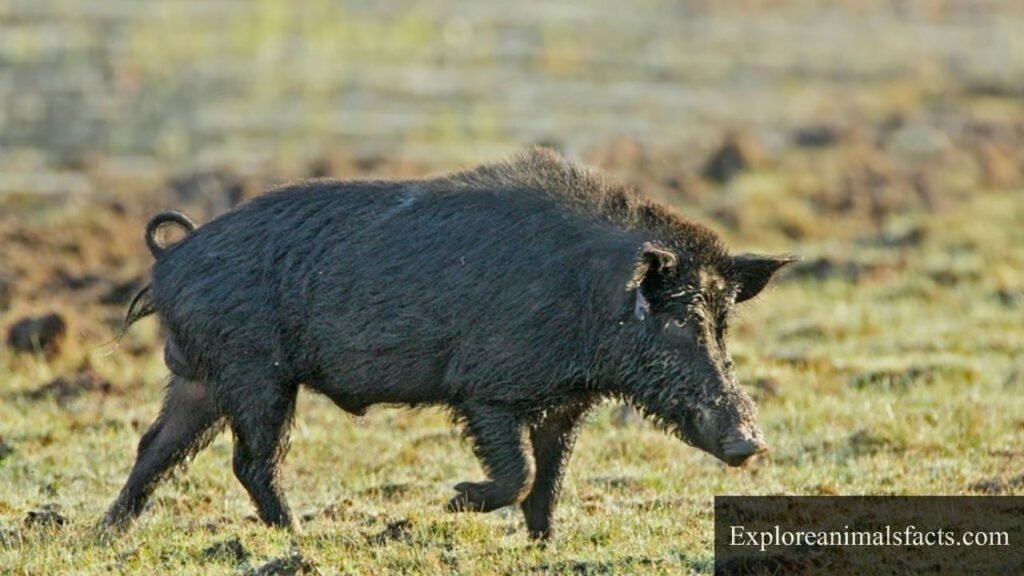
Moreover, their penchant for wallowing in mud might appear unsightly, but it’s a clever survival tactic. The mud acts as a natural sunscreen and insect repellent, helping to protect their skin from harsh sunlight and pests. This behavior highlights an intricate balance between survival and adaptation, allowing them to thrive in diverse environments. While wild boars can be seen as the “dirty” image of the animal world, they are, in fact, nature’s remarkable recyclers, reminding us that what we perceive as messy often plays a vital role in the grand tapestry of life.
Pigeons
Scientific Name: Columba livia
Class: Aves
Diet: Omnivore
Pigeons, often dubbed “sky rats,” inhabit urban landscapes and are notorious for their unsanitary habits. Despite their charming cooing and vibrant plumage, these birds are carriers of various pathogens, including bacteria and parasites. They thrive in city environments, where they feast on human leftovers and nest in the crevices of buildings — creating a unique but unsavory symbiotic relationship with urban dwellers. This close proximity to humans can lead to contamination, as their droppings accumulate on sidewalks, monuments, and vehicles, becoming both a nuisance and a health hazard.
But there’s more than meets the eye with these feathered fiends. Studies suggest that pigeons possess an incredible natural GPS, allowing them to navigate through complex urban jungles while foraging for food. This adaptability showcases a different aspect of their existence, revealing a resilience that not many animals possess. While we may view them as dirty nuisances, their remarkable survival skills and intelligence merit a deeper appreciation. Understanding the duality of their role — not only as messengers of disease but also as resilient city dwellers — changes our perspective on these misunderstood creatures.
Raccoons
Scientific Name: Procyon lotor
Class: Mammalia
Diet: Omnivore
Raccoons, often dubbed the “bandits of the night,” have earned a notorious reputation for their scavenging habits. These clever creatures are not just your average trash raiders; they possess a unique set of dexterous front paws that allow them to manipulate objects with remarkable skill. This dexterity is often compared to that of human hands, making them adept at prying open containers and exploring hidden spaces. Their ability to remember solutions to tasks for up to three years adds an intriguing layer to their intelligence, illustrating that their “dirtiness” is not merely instinctual but a testament to their adaptability in urban environments.
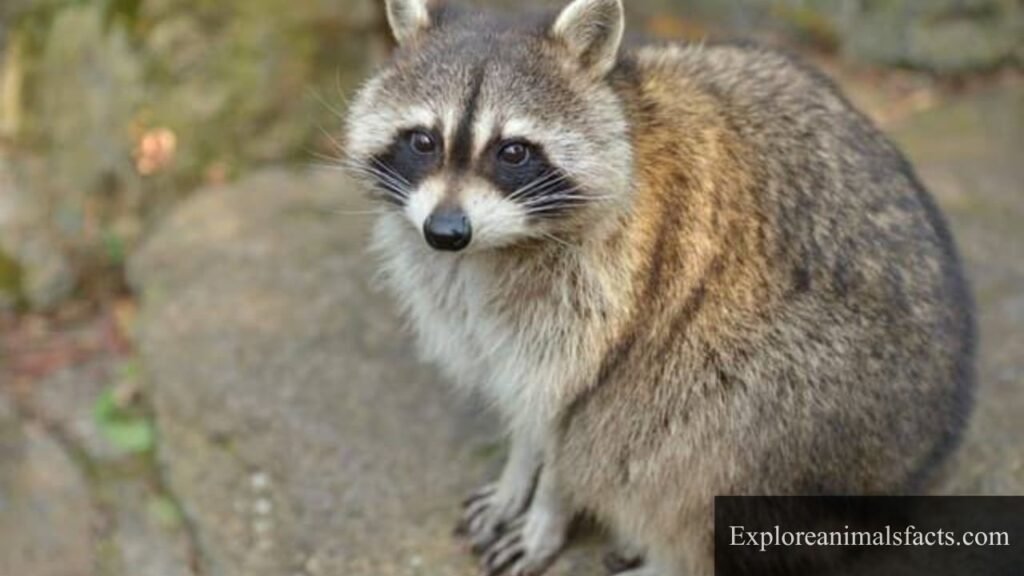
Moreover, raccoons can be found carrying a plethora of parasites and diseases, making them true unwitting carriers of chaos. The infamous raccoon roundworm, for example, presents a significant health risk; its eggs can survive in the environment for years, posing dangers to pets and humans alike. Yet, despite their unclean associations, these animals play a vital role in the ecosystem, helping to control insect populations and assisting in seed dispersal. This duality invites a fascinating reflection on how wildlife adapts to human encroachment, blending survival instincts with an undeniable charm that captivates onlookers, even as they rummage through our refuse.
Dung Beetles
Scientific Name: Scarabaeidae
Class: Insecta
Diet: Herbivore
Dung beetles, often dubbed nature’s unsung sanitation workers, thrive in their unique ecosystem by transforming waste into a resource. With over 8,000 species exhibiting remarkable adaptations, these tiny creatures play a crucial role in nutrient recycling. They roll, bury, and consume animal feces, which not only aids in soil aeration but also fosters nutrient-rich environments for plants and other organisms.
What’s fascinating is their extraordinary navigation skills; some species can even orient themselves using the Milky Way. This celestial guidance allows them to efficiently transport dung over long distances, showcasing their impressive survival strategies. Moreover, through their tireless work, dung beetles help control pest populations, as their actions can significantly reduce parasites found in feces. In a world where we’re often quick to judge the “dirty,” these industrious beetles remind us that nature’s clean-up crew is essential for maintaining ecological balance and promoting biodiversity. Their role might be unglamorous, but it is pivotal to the health of our planet.
Hyenas
Scientific Name: Hyaenidae
Class: Mammalia
Diet: Carnivore
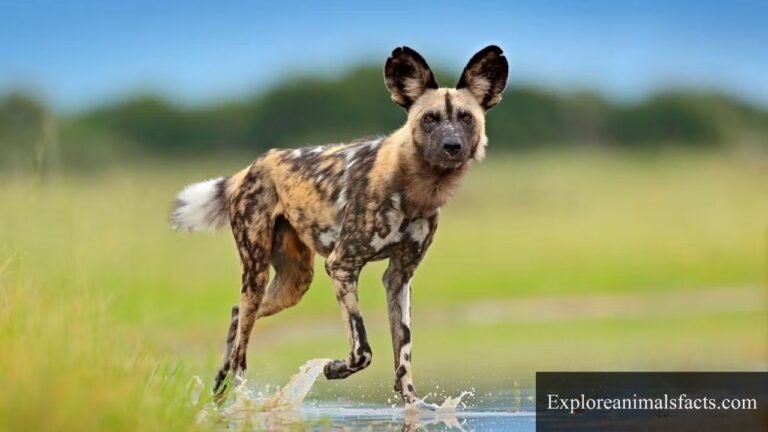
Hyenas often get a bad rap for their scavenging habits, but they are fascinating creatures that challenge our perceptions of filth and hygiene. Contrary to popular belief, these animals are not just lowly scavengers; they play a crucial role in their ecosystems by cleaning up carcasses and controlling population sizes of herbivores. Their fearless nature enables them to take on larger prey, showcasing their adaptability and cunning intelligence. In fact, hyenas boast one of the most complex social structures in the animal kingdom, with a matriarchal society that emphasizes cooperation and problem-solving.
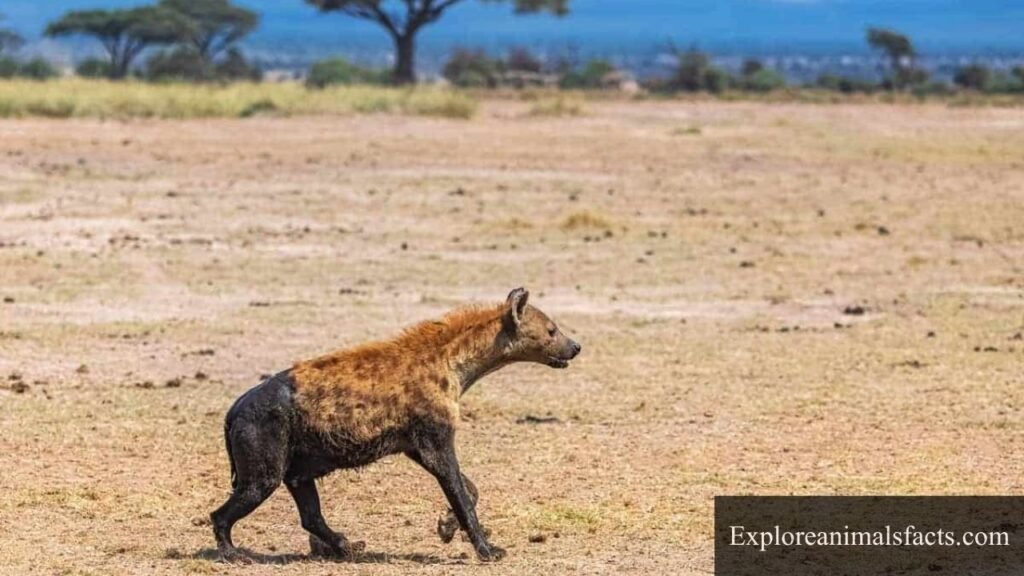
While it’s easy to label hyenas as “dirty” for their diet and scavenging behavior, their grooming habits tell a different story. They spend considerable time cleaning themselves and socializing through mutual grooming, reinforcing bonds within their enigmatic clans. This not only keeps them healthy but also highlights the intricate social dynamics that define their interactions.
Flies
Scientific Name: Musca domestica
Class: Insecta
Diet: Omnivore
Flies have earned a notoriously grim reputation as some of the dirtiest animals on the planet, and for good reason. They are often seen buzzing around decaying matter, where they feast on organic waste, dead animals, and even excrement. This diet makes them excellent decomposers, but it also turns them into unwitting vectors of disease. With their ability to carry pathogens on their bodies and in their saliva, flies become notorious carriers of germs, capable of contaminating food and surfaces in mere moments.
More fascinating is the remarkable adaptability of flies, particularly houseflies, who can thrive in almost any environment. Their life cycle of just a week can see them reproduce exponentially, making them a constant presence in urban and rural áreas alike. The way they taste food with their feet and regurgitate saliva to digest it before consumption not only reveals their unique biology but also underscores their role in the broader ecosystem. In understanding flies, one can appreciate their value beyond the filth they embody — acting as nature’s clean-up crew, they play a critical role in nutrient cycling, even if they do so in an unsettling way.
Crows
Scientific Name: Corvus brachyrhynchos
Class: Aves
Diet: Omnivore
Crows, often labeled as the “garbage birds” of the avian world, possess a keen adaptability that enables them to thrive in urban environments. Known for their intelligence, these birds find inventive ways to scavenge food, sometimes resulting in a messy dining experience. Their penchant for rummaging through trash bins and leftovers highlights not only their resourcefulness but also the stark realities of urbanization, where nature often intersects with human waste.
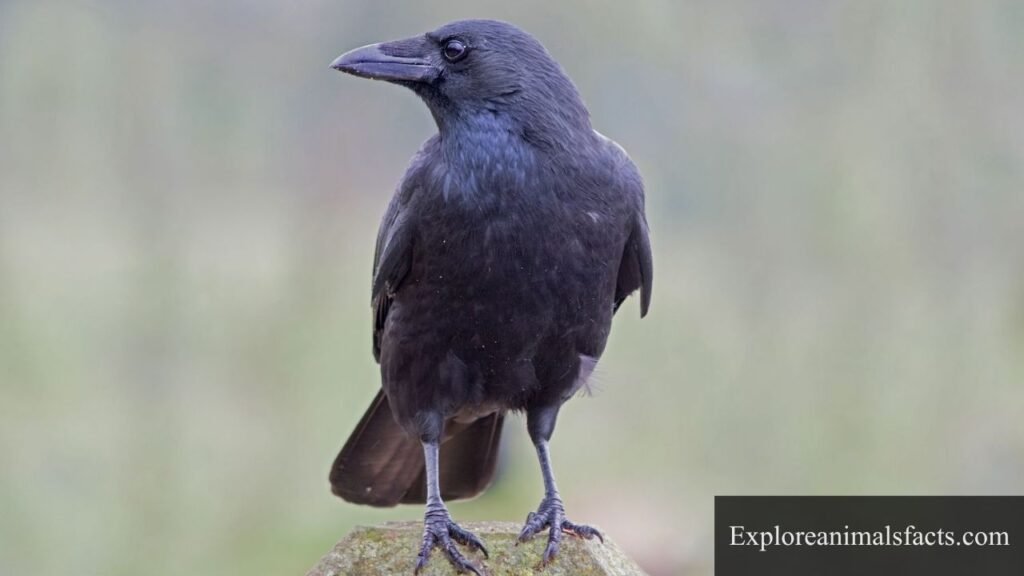
However, crows are not just dirty scavengers; they play a vital ecological role. By consuming carrion and organic waste, they help to keep our environments cleaner and more balanced. Their ability to process decaying matter shows that while they may appear unkempt, crows contribute significantly to the ecosystem’s health. This duality of being considered both a nuisance and a necessary element of urban wildlife presents an intriguing perspective on how we perceive cleanliness in nature. Rather than merely viewing crows through a lens of dirtiness, we might also see them as symbols of resilience, embodying nature’s ability to adapt and thrive amidst the mess we create.
Pigs
Scientific Name: Sus scrofa domesticus
Class: Mammalia
Diet: Omnivore
Pigs often get a bad rap for being dirty animals, but this reputation belies their extraordinary intelligence and adaptability. In the wild, these creatures engage in behaviors that enhance their survival, including wallowing in mud to regulate body temperature and protect their skin from sunburn and parasites. This act, often misconstrued as sheer filthiness, is actually a sophisticated adaptation to their environment, showcasing a remarkable blend of instinct and necessity.
Moreover, pigs are incredibly social animals, exhibiting complex social structures and even forming lasting bonds with other animals. Their keen sense of smell aids in foraging, making them effective scavengers. This innate ability to search for food can lead to an appearance of dirtiness, as they dig and root through soil and debris. Yet, beneath this façade of grime lies a creature that is not only resourceful but also capable of remarkable emotional depth and cognitive function, challenging our perceptions of what it means to be “clean” or “dirty” in the animal kingdom.
Hippos
Scientific Name: Hippopotamus amphibius
Class: Mammalia
Diet: Herbivore
Hippos, often viewed as adorable giants, are some of the dirtiest animals on the planet, but their filthiness serves a crucial purpose. Living in murky waters, they spend most of their days submerged, which inherently contributes to their unclean reputation. However, this mud not only cools their massive bodies but also acts as a protective layer against harmful UV rays and skin infections. Instead of bathing in fresh water, hippos prefer to wallow in muddy pools that turn brackish, gathering bacteria that further cement their unsanitary image.
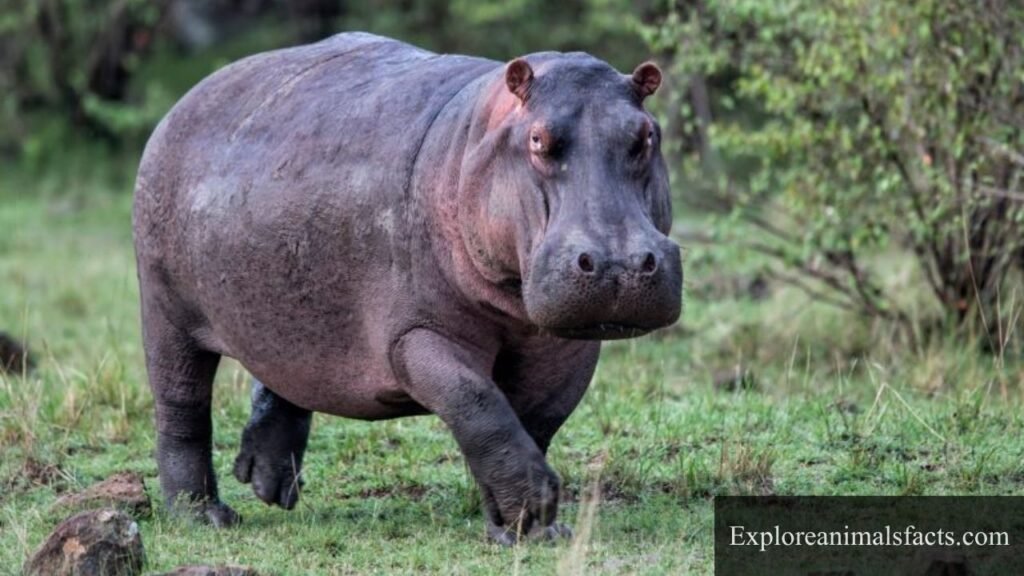
This “dirtiest” attribute of Hippos actually highlights the intricate balance of their ecosystem. By stirring up and agitating sediment while wallowing, hippos play a pivotal role in nutrient cycling within their habitats. Their movements promote the growth of aquatic plants that serve as food for various species, showcasing how even the largest and seemingly dirtiest animals can foster biodiversity. From a conservation standpoint, understanding the importance of these creatures helps us appreciate the intricate tapestry of life where even the messiest of animals holds a vital role.
American Bison
Scientific Name: Bison bison
Class: Mammalia
Diet: Herbivore
The American bison, often celebrated as a symbol of the American West, holds a less glamorous title as one of the world’s dirtiest animals. While their majestic stature and thick fur make them a standout in the wild, their living conditions often tell a different tale. In the vast plains where they roam, bison are known to wallow in mud and dust, an instinctive behavior that serves a dual purpose: cooling down during hot summer months and keeping pests at bay. These mud baths can create a sticky mess, but they are vital for the bison’s health, acting as a natural sunscreen and insect repellent.
Interestingly, the bison’s unclean habits contribute to the ecosystem’s vitality. Their wallows create unique microhabitats for various plant species, promoting biodiversity in the grasslands. By churning up the soil and allowing rainwater to pool, bison inadvertently help sustain other wildlife, fostering a thriving community that relies on the very mess they create. Thus, the American bison exemplifies how nature intertwines beauty and chaos, reminding us that sometimes, the “dirtiest” animals can be the most essential to their environments.
Vultures
Scientific Name: Cathartidae
Class: Aves
Diet: Carnivore
Vultures, often dubbed nature’s clean-up crew, have a reputation that belies their crucial ecological role. Despite their unsightly scavenging habits, these birds are unsung heroes in maintaining the balance of their ecosystems. Their diets primarily consist of carrion, which allows them to prevent the spread of disease by consuming rotting flesh that would otherwise attract more troublesome pests, like rats or flies. Remarkably, their highly acidic stomachs are a defense mechanism against pathogens, enabling them to eat decaying meat without falling ill themselves.
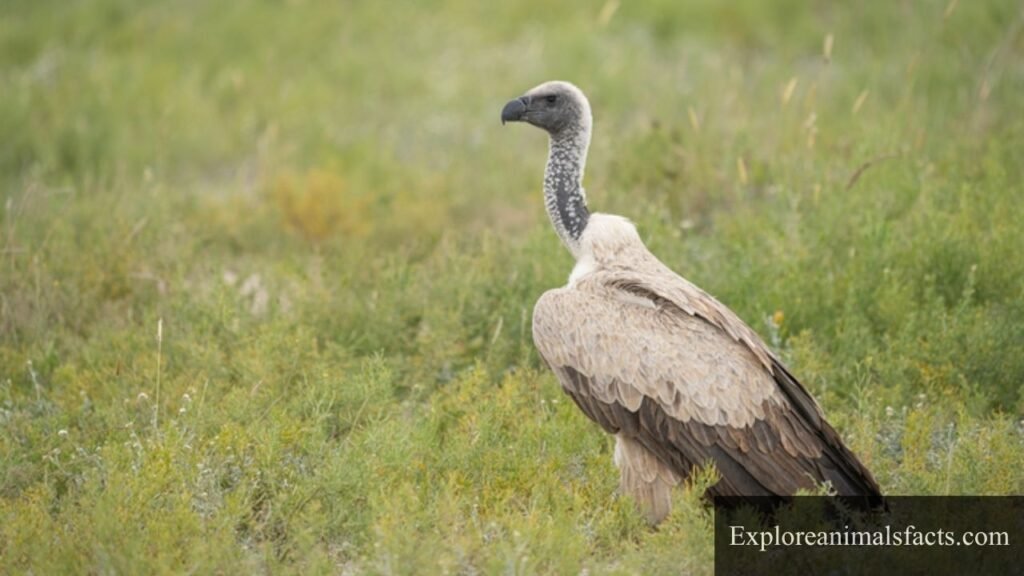
Interestingly, vultures have evolved unique social structures that reflect their role in the environment. They often work in groups, displaying impressive aerial acrobatics to locate food from great heights. The distinct bald heads, often seen as unappealing, serve a practical purpose; lacking feathers helps them stay clean while feeding in unsanitary conditions. Their ability to thrive in harsh environments underscores their resilience and adaptability, reminding us that beauty and utility often come in unconventional forms. In a world where many species compete for limited resources, vultures’ specialized niche reveals the complexity and interconnectedness of life on Earth.
Readmore: Explore Top 19 Clumsy Animals in The World.
Final Thoughts
The dirtiest animals in the world remind us of the complex relationships between wildlife and hygiene. While we may find them unappealing, creatures like the common housefly, hyena, and certain rodents play vital roles in their ecosystems. Their habits may seem unpleasant, but they are essential to nutrient recycling and maintaining balance in nature. Understanding these animals helps us appreciate the intricate web of life that exists around us.
FAQs
What is the dirtiest animal in the world?
The dirtiest animal in the world is often considered to be the pig. While they love to roll in mud, it actually serves a purpose: cooling down and protecting their skin from sunburn and parasites.
What is the most gross animal?
Vultures often top the list of gross animals, mainly because of their scavenging habits. They play a crucial role in the ecosystem by consuming carrion — dead animals that could otherwise spread disease.