Top 17 Animals That Can See in The Dark (Images Included)
Certain animals have evolved exceptional abilities to see in the dark, allowing them to hunt, mate, and avoid predators when the sun sets. This article delves into the adaptations of these fascinating creatures, highlighting their unique skills and the significance of their nocturnal vision in maintaining ecological balance. By the end, you’ll gain a deeper appreciation for the animals that can see in the dark and their roles in our ecosystems.
List of Animals That Can See In The Dark
Below is the list of animals that can see in the dark:
- Dung Beetles
- Leopard
- Owls
- Cuttlefish
- Domestic cats
- Frogs
- Mountain Lions
- Cockroach
- Sharks
- Raccoons
- Alligators
- Bats
- Foxes
- Crocodile
- Tarsiers
- Moths
- Wolf
Dung Beetles
Scientific Name: Scarabaeinae
Class: Insecta
Diet: Coprophagous
Dung beetles possess a remarkable ability to navigate their world through the darkness of night. These small yet fascinating creatures have evolved to thrive in low-light environments, where their exceptional vision plays a crucial role in their survival. Utilizing specialized eyes, some species of dung beetles can detect ultraviolet light, allowing them to find dung — essential for their reproductive and feeding needs — more efficiently than many other nocturnal insects.
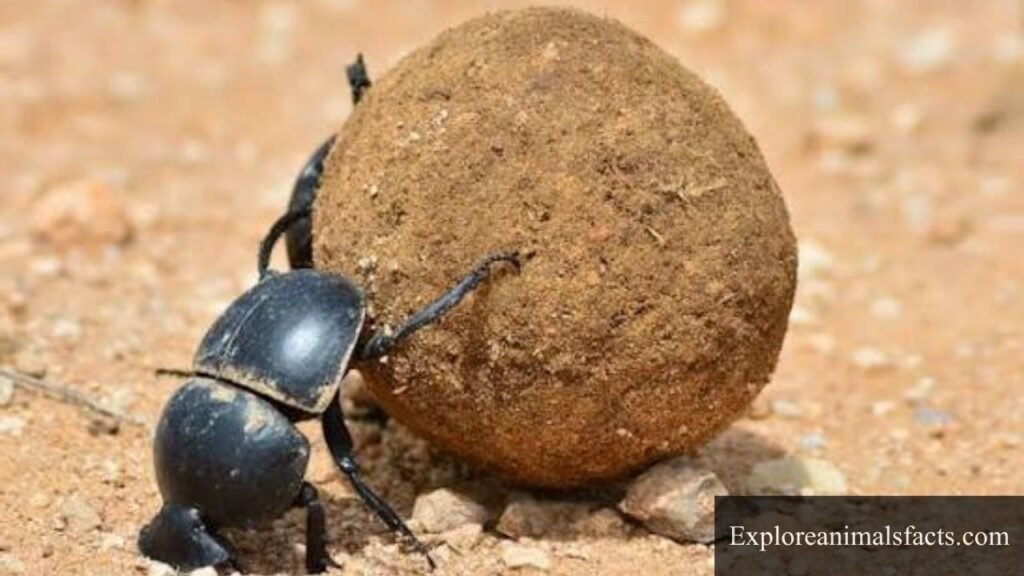
Their unique adaptations extend beyond mere vision; dung beetles demonstrate incredible navigational skills. By aligning themselves with the Milky Way or using moonlight, they can travel in straight lines across vast distances, even in the darkest conditions. This sophisticated navigation is not just a testament to their eyesight but also showcases their innate understanding of celestial cues. As unsung heroes of the ecosystem, dung beetles contribute significantly to nutrient cycling and soil health, proving that even the smallest creatures can have profound impacts on our world — all while deftly maneuvering through the night.
Leopard
Scientific Name: Panthera pardus
Class: Mammalia
Diet: Carnivore
Leopards are true masters of the night, possessing remarkable adaptations that allow them to navigate their dimly lit environments with astonishing precision. Their eyes contain a high concentration of rod cells, which are specialized photoreceptors that enhance their ability to see in low light. This adaptation, coupled with a reflective layer behind their retinas known as the tapetum lucidum, amplifies even the faintest glimmers of light, making them formidable nocturnal hunters.
What sets leopards apart is not just their biological prowess but also their keen understanding of their habitat. Unlike other big cats that may rely solely on their eyesight, leopards utilize a blend of sight, sound, and smell when hunting in the dark. Their stealthy approach is complemented by their exceptional physicality; the powerful limbs and flexible bodies allow them to stalk prey silently through dense underbrush, all while remaining nearly invisible under the cloak of night. This perfect synergy of sensory perception and keen instincts turns the twilight hours into a veritable playground for these enigmatic felines, as they reign supreme in the shadows.
Owls
Scientific Name: Strigiformes
Class: Aves
Diet: Carnivore
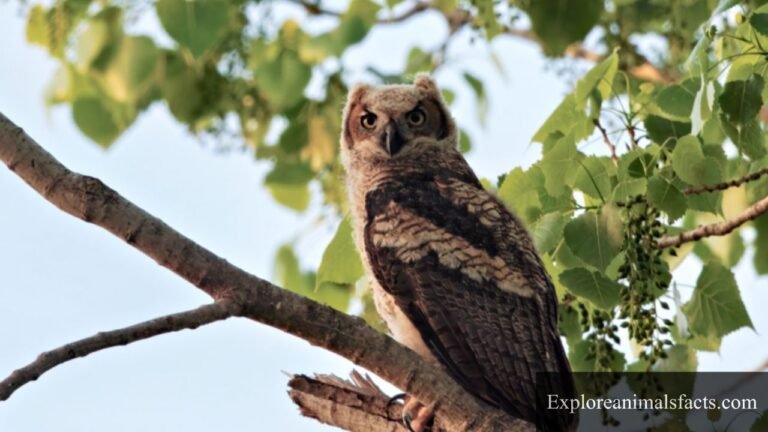
Owls are often the poster birds of the night, their exceptional vision allowing them to thrive in darkness where many other animals falter. Their large, forward-facing eyes are not just for show; they are equipped with a high number of rod cells that enhance their ability to detect light. Interestingly, owls benefit from a unique adaptation — although their eyes are fixed in their sockets, allowing for minimal movement, their incredible neck flexibility lets them rotate their heads nearly 270 degrees. This remarkable trait compensates for their inability to turn their eyes, enabling them to scan their surroundings efficiently under the moonlight.
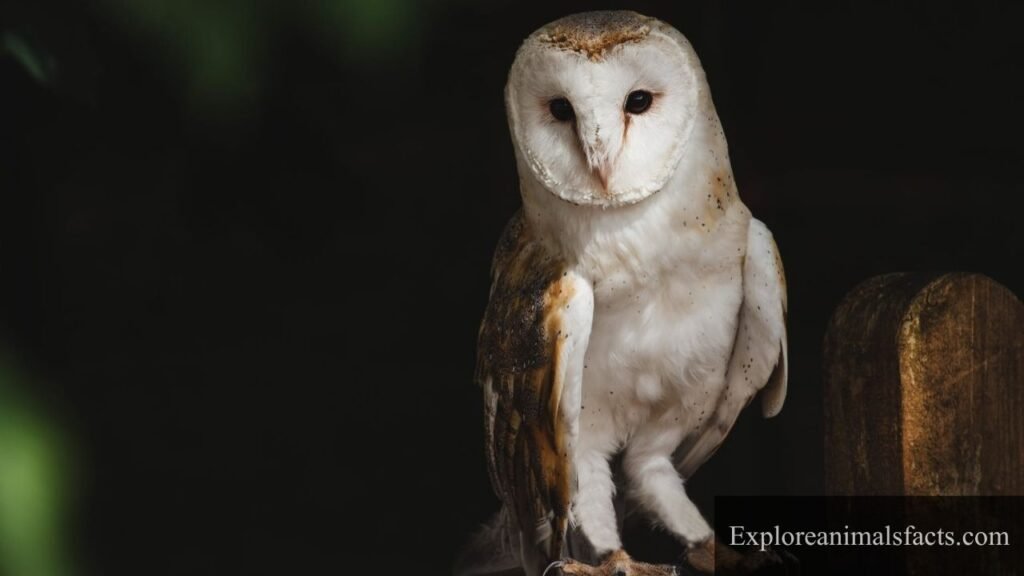
Beyond their visual prowess, owls possess a keen sense of hearing that sets them apart as exceptional nocturnal hunters. Their asymmetrical ear placement allows them to triangulate sound sources with remarkable precision, enabling them to pinpoint the rustle of a mouse hiding in the underbrush even in total darkness. This combination of acute vision and hearing makes owls masterful predators, capable of swooping silently down on their unsuspecting prey. By understanding the mechanics behind their sensory abilities, we gain a deeper appreciation for these enigmatic creatures and their role in maintaining the delicate balance of their ecosystems.
Readmore: Explore Top 12 Animals With Big Feet.
Cuttlefish
Scientific Name: Sepiida
Class: Cephalopoda
Diet: Carnivore
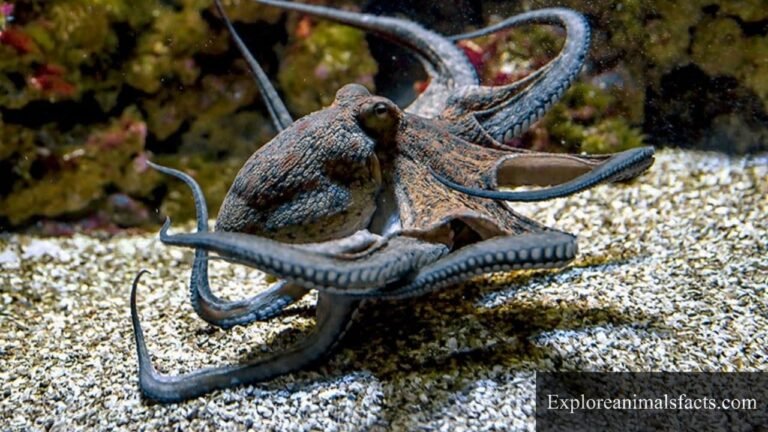
Cuttlefish are remarkable nocturnal hunters, navigating the dark ocean depths with an avant-garde adaptability that few species can match. Unlike many creatures that rely solely on light-sensitive retinas, cuttlefish possess intricate eyes equipped with both a multifaceted structure and advanced polarization sensitivity, allowing them to detect contrasts and shapes even in near-complete darkness. This unique capability not only aids in avoiding predators, but also enhances their skill in ambushing prey, making them stealthy and efficient hunters in the dark.
Moreover, these cephalopods exhibit a fascinating form of color vision that goes beyond human perception. While they can see a broader spectrum of colors, their ability to interpret polarized light gives them an edge in communication and mating rituals. As they thrive in shadowy underwater environments, their mastery of light allows them to blend seamlessly with their surroundings, showcasing a form of camouflage that is crucial for both survival and predatory success. Such evolutionary adaptations reveal just how essential these capabilities are for thriving in the depths, where darkness reigns supreme.
Domestic Cats
Scientific Name: Felis catus
Class: Mammalia
Diet: Carnivore
Domestic cats possess an extraordinary ability to navigate low-light environments, primarily due to their unique eye structure. Their large corneas and pupils allow more light to enter, while a layer of reflective cells called the tapetum lucidum enhances their night vision. This biological advantage not only helps them hunt during twilight hours but also deepens their connection with instinctual behaviors that echo their wild ancestors.
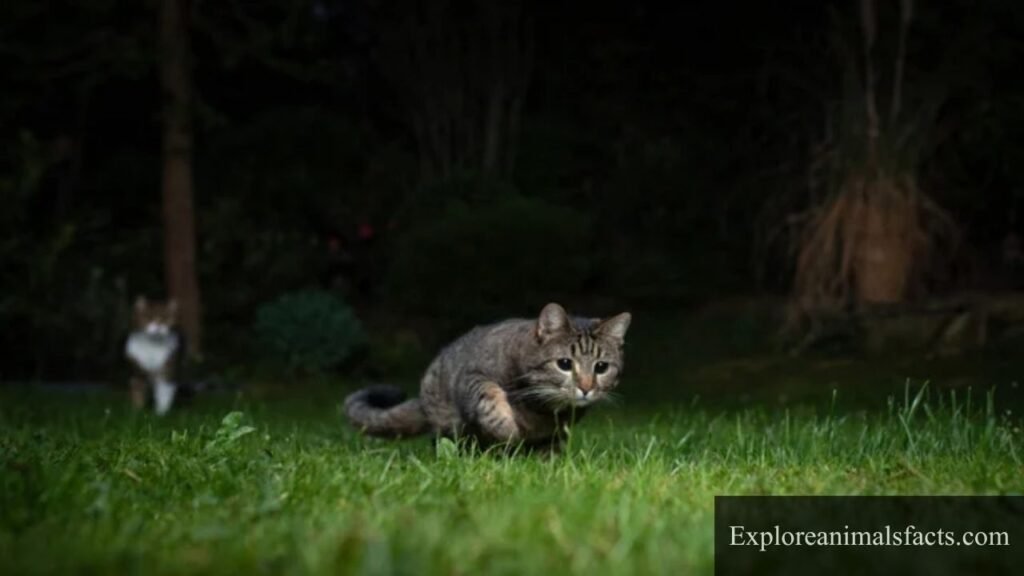
Interestingly, a cat’s vision goes beyond mere night navigation; they perceive the world differently than humans. While we rely on color and depth perception, cats excel in detecting movement and shapes in dim light. Even more fascinating is how their eyes can discern subtle movements, a trait that aids both hunters and those just enjoying a nighttime exploration around the house. This incredible adaptation not only elevates their predatory prowess but also challenges our understanding of visual perception across species, inviting us to consider how different creatures interact with their environments in ways we might never fully grasp.
Frogs
Scientific Name: Anura
Class: Amphibia
Diet: Carnivore
Frogs possess an extraordinary ability to thrive in nocturnal conditions, thanks to their uniquely adapted eyes. Unlike many animals, their eyes are equipped with a high density of rod cells, the photoreceptors that excel in low-light environments. This adaptation allows frogs to perceive a broader spectrum of light, making them adept hunters during the twilight hours. Their night vision not only facilitates their search for elusive prey but also aids in avoiding predators, creating a delicate balance in their ecosystem.
Interestingly, various frog species have evolved different methods to enhance their nocturnal capabilities. For instance, the Surinam toad has developed a transparent skin that allows light to penetrate directly to its eyes, amplifying visual clarity in dim settings. In contrast, the tree frog’s larger, round pupils can widen dramatically, drawing in as much light as possible — perfect for capturing insects that dart about at night. This remarkable adaptability underscores not only their evolutionary resilience but also the intricate relationships they maintain within their habitats, illuminating the dark corners of the natural world.
Mountain Lions
Scientific Name: Puma concolor
Class: Mammalia
Diet: Carnivore
Mountain lions, also known as cougars, are masterful nocturnal hunters, equipped with an extraordinary ability to see in low light conditions. Their eyes are packed with rod cells, which enhance their night vision significantly, allowing them to detect movement in the dark 6 to 8 times better than humans. This adaptation not only aids in hunting but also helps them navigate their vast territories during twilight, the prime time for both predation and evasion.
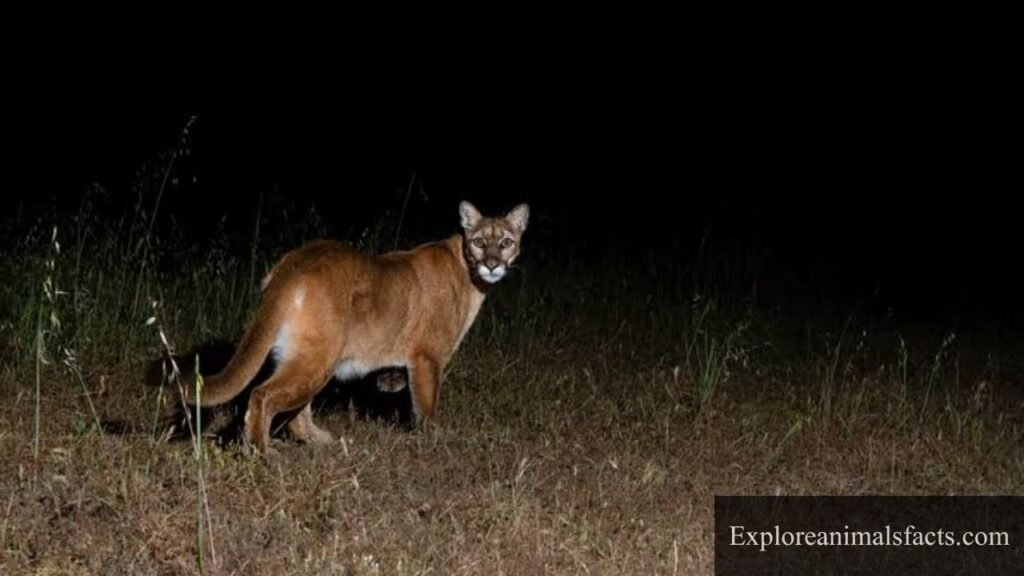
While their powerful sight is impressive, it’s their unique hunting strategies that further amplify their nocturnal prowess. Mountain lions rely on stealth and acute hearing, blending seamlessly into their surroundings as they stalk prey. Their keen sense of smell further complements their vision, allowing them to pick up the faintest of scents, making them formidable predators even under the veil of night. Observing a mountain lion in action is a reminder that nature’s adaptations are intricately designed for survival, and it’s this exquisite blend of senses that makes them one of the apex predators of North America.
Cockroach
Scientific Name: Blattodea
Class: Insecta
Diet: Omnivore
The cockroach, often reviled as a house pest, possesses an incredible ability to navigate in low-light conditions. Equipped with large compound eyes, these nocturnal insects can detect light and movement far beyond what humans can perceive. Their eyes are tailored for night vision, allowing them to see in the dark much like an artist using shadows to bring depth to their work. This adaptation not only aids them in evading predators but also in finding food in the dead of night, when many of their human counterparts are peacefully asleep.
What sets cockroaches apart in the dark is their remarkable response to stimuli. They can sense even the faintest vibrations and changes in air currents, allowing them to react swiftly to danger. This heightened sensory capability means they often rely less on sight than on a combination of touch and sound, making them formidable survivors in a wide array of environments. In essence, their keen perception transforms what many view as a simple pest into a marvel of evolutionary design, thriving in the shadows and darkness of our world.
Sharks
Scientific Name: Selachimorpha
Class: Chondrichthyes
Diet: Carnivore
Sharks are often revered as the apex predators of the ocean, but their remarkable adaptation to low-light environments sets them apart in the animal kingdom. Their extraordinary vision is primarily due to a layer of reflective cells behind the retina called the tapetum lucidum, which enhances their ability to see in dim light. This adaptation allows them to hunt effectively in the deep, murky waters where sunlight struggles to reach. As a result, they can detect even the faintest movements of prey, making them not just formidable hunters but also fascinating examples of evolutionary design.
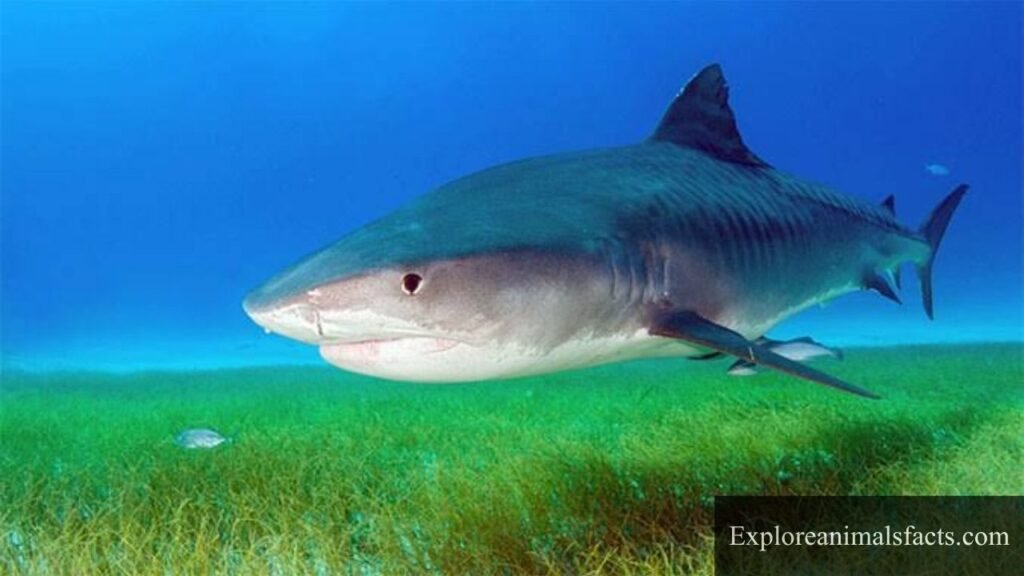
Interestingly, the hunting strategy of sharks doesn’t solely rely on their keen eyesight. They possess an acute sense of electroreception, allowing them to detect the electrical signals emitted by other marine creatures. This combination of enhanced vision and sensitivity to electric fields enables sharks to navigate their dark underwater world with astonishing precision. Moreover, their evolutionary journey has fine-tuned these abilities over millions of years, positioning them as masters of their environment, perfectly suited for life in the dark depths of the sea.
Raccoons
Scientific Name: Procyon lotor
Class: Mammalia
Diet: Omnivore
Raccoons are often called the nocturnal bandits of the animal kingdom, and for good reason. Equipped with remarkable night vision, they possess a high concentration of rod cells in their retinas, allowing them to see in dim light far better than humans. This adaptation is not merely a survival tactic; it offers them an advantage in their quest for food during twilight hours when competition is lower, and their keen sight reveals hidden textures and movements in the darkness.
Interestingly, raccoons also display an uncanny level of dexterity that complements their night vision. Their paws are incredibly sensitive, endowed with over 100 sensory receptors in their fingers, enabling them to explore and manipulate their environment with finesse. This dexterity, paired with night vision, transforms them into master foragers. They can identify food sources in the dark — whether it’s fish in a stream or an overturned garbage can — making them an ecological bridge between urban and rural environments. Watching them navigate with such confidence under the moonlight adds a layer of intrigue to their already enigmatic nature.
Alligators
Scientific Name: Alligator
Class: Reptilia
Diet: Carnivore
Alligators possess a remarkable adaptation that enhances their nocturnal hunting prowess, their eyes have a special reflective layer known as the tapetum lucidum. This layer significantly amplifies light in low-light conditions, allowing these reptiles to be active hunters after sunset. In the moonlight or under dim waters, their eyes glimmer like emerald lights, giving them a unique advantage against prey that may scurry or swim into the shadows.
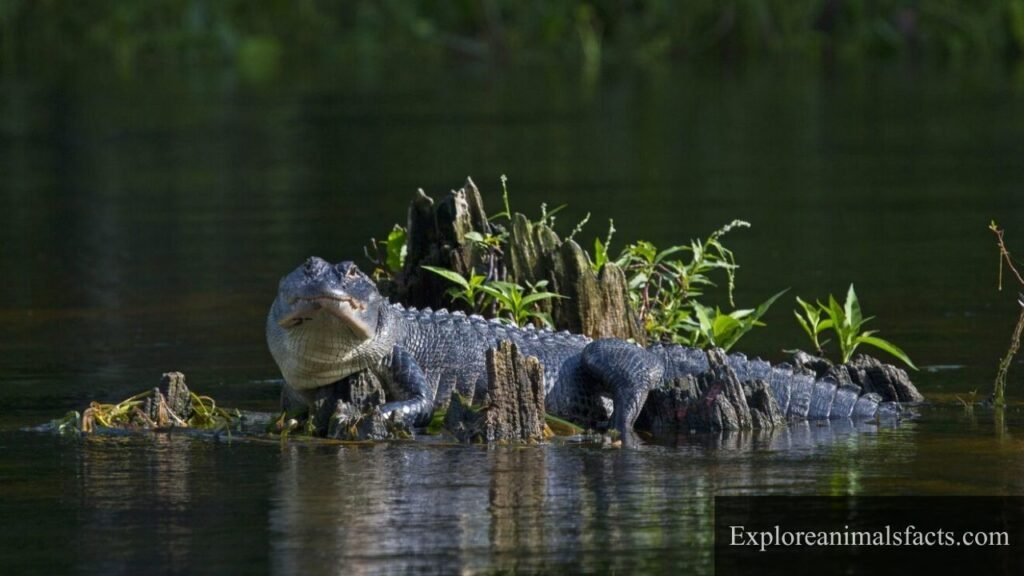
Moreover, the structure of an alligator’s eye is specifically designed for dim light, with a larger pupil that can open wide to let in as much light as possible. Interestingly, this adaptation implies that while their vision is superb in the dark, it may not be as sharp in bright daylight. This duality creates a fascinating balance between light and dark, enabling alligators to navigate and thrive in murky, twilight environments. Their ability to seamlessly transition between night vision and daylight functionality showcases the evolutionary ingenuity of these ancient creatures, making them one of nature’s most formidable predators.
Bats
Scientific Name: Chiroptera
Class: Mammalia
Diet: Insectivore
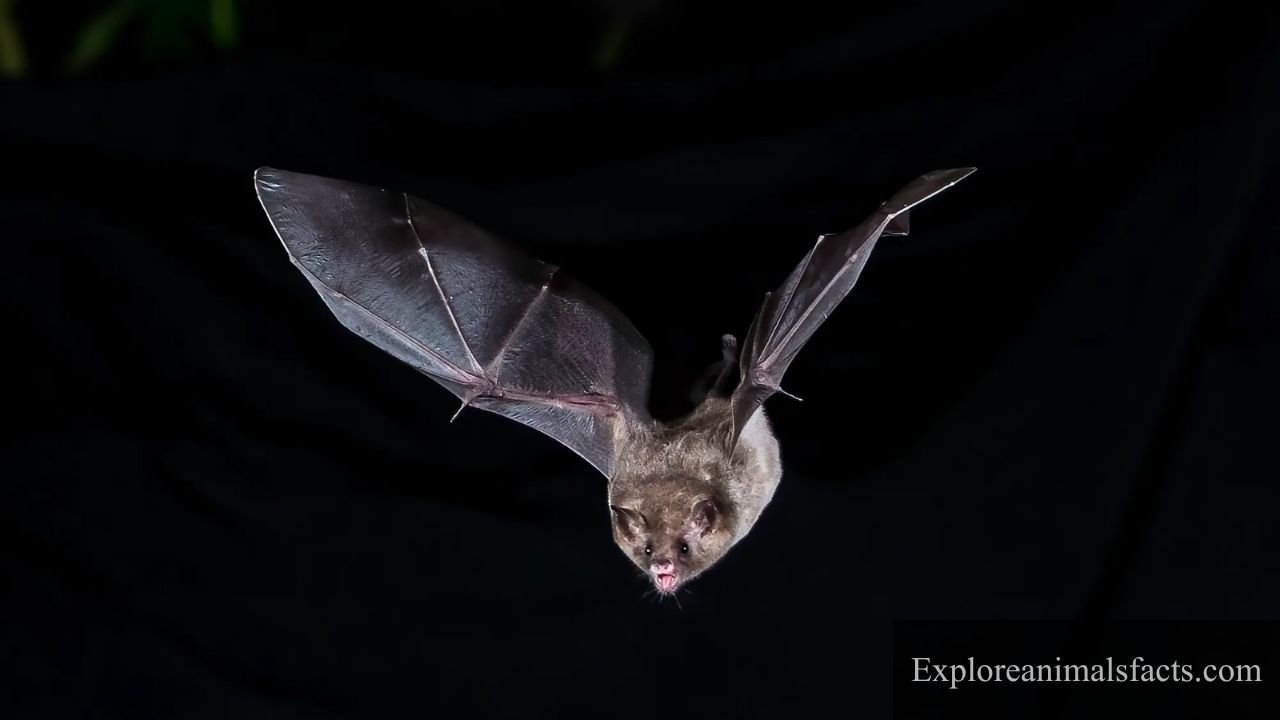
Bats are popular for their ability to navigate through complete darkness, and this incredible adaptation is primarily due to their sophisticated echolocation abilities. Unlike the common myth that bats are blind, these nocturnal creatures use sound waves to create a vivid auditory map of their surroundings. By emitting high-frequency sounds that bounce off objects, they can interpret the environment with remarkable precision, identifying obstacles, prey, and even potential predators — all while flying at dizzying speeds.
What’s particularly fascinating is the diverse range of echolocation techniques employed by different bat species. For instance, some bats emit sounds that can vary in frequency and duration, allowing them to fine-tune their hunting strategies based on the type of prey or the environment they are navigating. This dynamic adaptability emphasizes not only their impressive physical capabilities but also their evolutionary sophistication, showcasing how these creatures thrive in ecosystems that would otherwise be inhospitable to visual predators. Through this lens, bats become not just symbols of the dark, but masters of survival and ingenuity within it.
Foxes
Scientific Name: Vulpes
Class: Mammalia
Diet: Omnivore
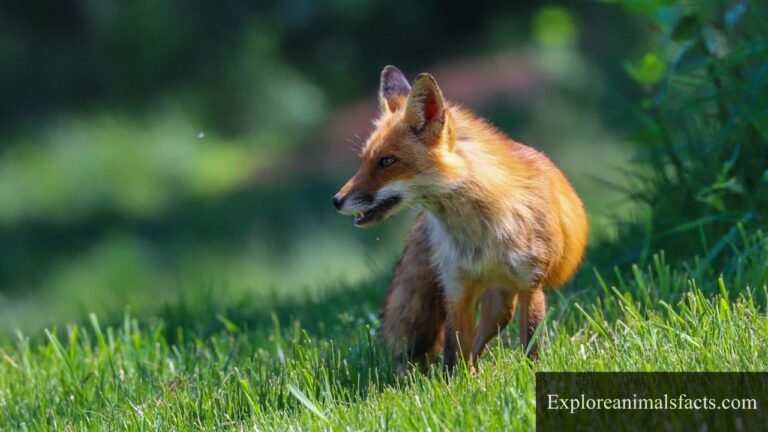
Foxes are impressive nocturnal hunters, with adaptations that allow them to thrive in low light conditions. Their large, reflective tapetum lucidum — a layer of cells behind the retina — enhances their night vision, granting them the ability to detect movement even in near darkness. This biological adaptation not only aids in hunting but also offers protection from predators while they navigate their territories after sunset.
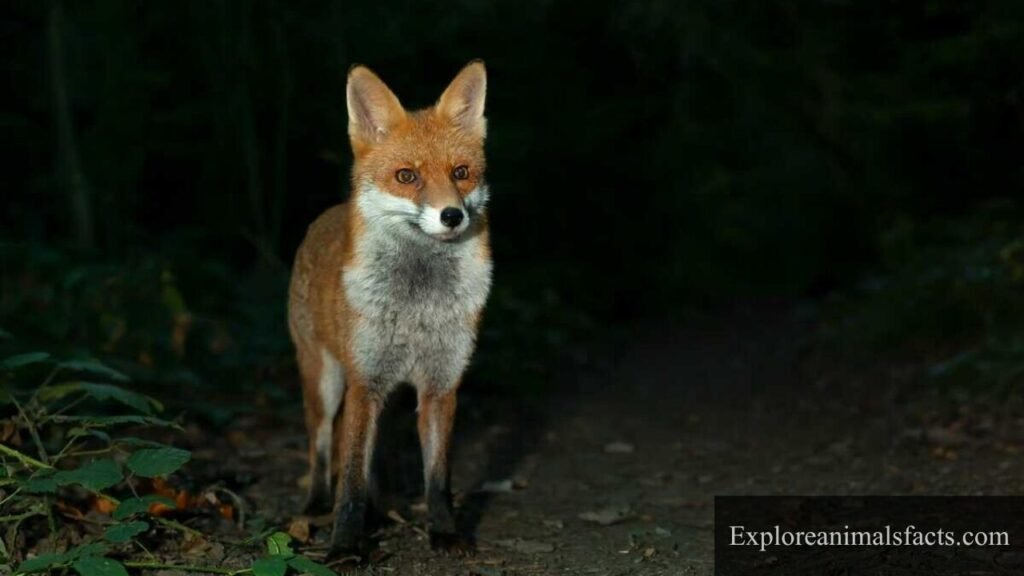
Interestingly, foxes don’t just rely on their vision; their acute sense of hearing plays a critical role in their nocturnal prowess. They can pinpoint the faintest sounds of rustling leaves or the subtle movements of prey from great distances. This combination of visual and auditory acuity allows foxes to hunt with precision, often pouncing on small rodents hidden beneath the snow or brush. Their ability to operate under the cover of darkness reinforces their role as cunning and adaptable survivors in a variety of habitats, from urban environments to rural landscapes.
Crocodile
Scientific Name: Crocodylus
Class: Reptilia
Diet: Carnivore
Crocodiles are among nature’s most skilled night hunters, equipped with skills that allow them to excel in low-light conditions. Their eyes contain a high concentration of rod cells, which are specialized for detecting light and movement, giving them superior night vision that outshines many other predators. This ability is further enhanced by a reflective layer behind the retina called the tapetum lucidum, which amplifies any available light, making their eyes glow eerily in the dark.
But it’s not just their vision that makes them formidable; these ancient reptiles also possess an acute sensitivity to vibrations in the water. As they silently glide through their environments, they can detect even the slightest disturbances caused by prey, allowing them to position themselves strategically for the hunt. This combination of keen eyesight and sophisticated sensory perception renders them a predator to be reckoned with during the nocturnal hours when many creatures are most vulnerable.
Tarsiers
Scientific Name: Tarsiidae
Class: Mammalia
Diet: Carnivore
Tarsiers, the pint-sized primates found in the forests of Southeast Asia, are nature’s extraordinary nocturnal hunters. With enormous eyes that can take up almost half the size of their heads, these creatures have evolved to perceive even the faintest glimmers of light in the dark. Unlike many other nocturnal animals, tarsiers possess a unique adaptation in their retinas — high concentrations of rod cells enhance their vision in low light, allowing them to navigate their arboreal environments with incredible agility.
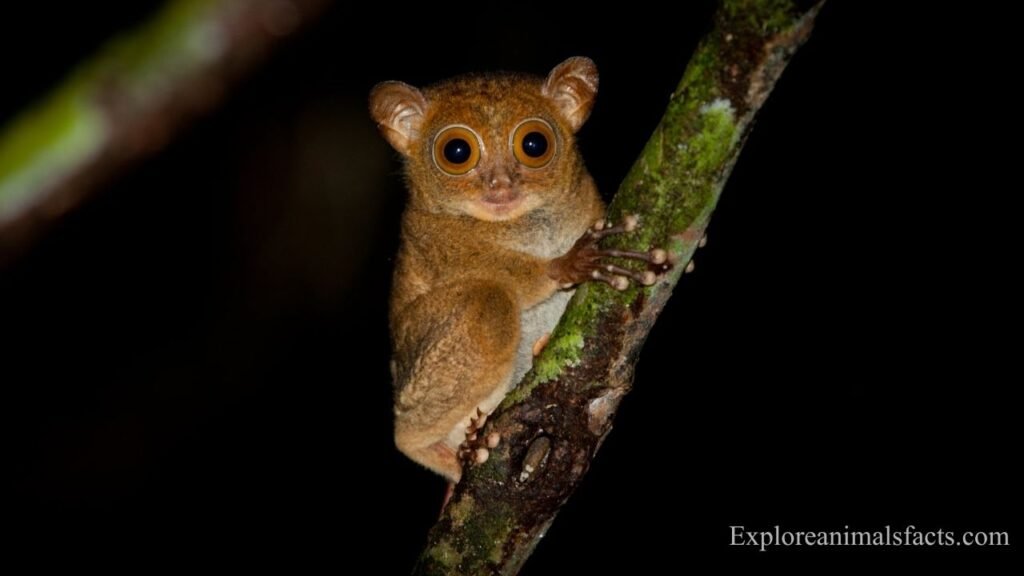
What makes tarsiers particularly fascinating is their behavior during twilight hours. Their eyes not only grant them superb night vision but also give them an edge through heightened spatial awareness, which aids in tracking and catching elusive prey, such as insects and small vertebrates. Moreover, the tarsier’s ability to rotate its head nearly 180 degrees adds a level of stealth that few can rival, turning these tiny primates into remarkable hunters of the night. Observing tarsiers in their natural habitat reveals a captivating glimpse into an evolutionary story where form meets function, underscoring the wonders of adaptation in the animal kingdom.
Moths
Scientific Name: Lepidoptera
Class: Insecta
Diet: Herbivore
Moths are not just any nocturnal creatures; they are masters of navigation in the dark. Equipped with highly specialized compound eyes that are sensitive to low light levels, moths can detect even the faintest glimmers, enabling them to flutter gracefully through moonlit nights. Interestingly, their eyes contain thousands of ommatidia, each acting as a mini-eye, allowing for a broad field of vision and enhancing their ability to evade predators under the cloak of darkness.
Furthermore, moths have evolved remarkable adaptations for night-time survival. For instance, many species use a unique navigation technique called transverse orientation, which helps them maintain a steady flight path by using the moon or stars as guiding lights. This innate ability to discern polarized light patterns not only aids in their journey but also highlights the sophisticated ways in which these often-overlooked insects interact with their environment. Observing moths in their natural habitat reveals a world teeming with life and complexity, reminding us that even the faintest creatures have extraordinary skills to thrive in the nighttime realm.
Wolf
Scientific Name: Canis lupus
Class: Mammalia
Diet: Carnivore
Wolves, known for their keen hunting prowess and social structure, possess exceptional night vision that allows them to thrive in low-light environments. This ability is primarily due to a high number of rod cells in their retinas, which are sensitive to dim light. In addition to their rod cells, wolves have a unique layer of reflective cells behind the retina called the tapetum lucidum. This layer not only enhances their night vision but also amplifies their ability to detect movement, making them formidable nocturnal hunters.
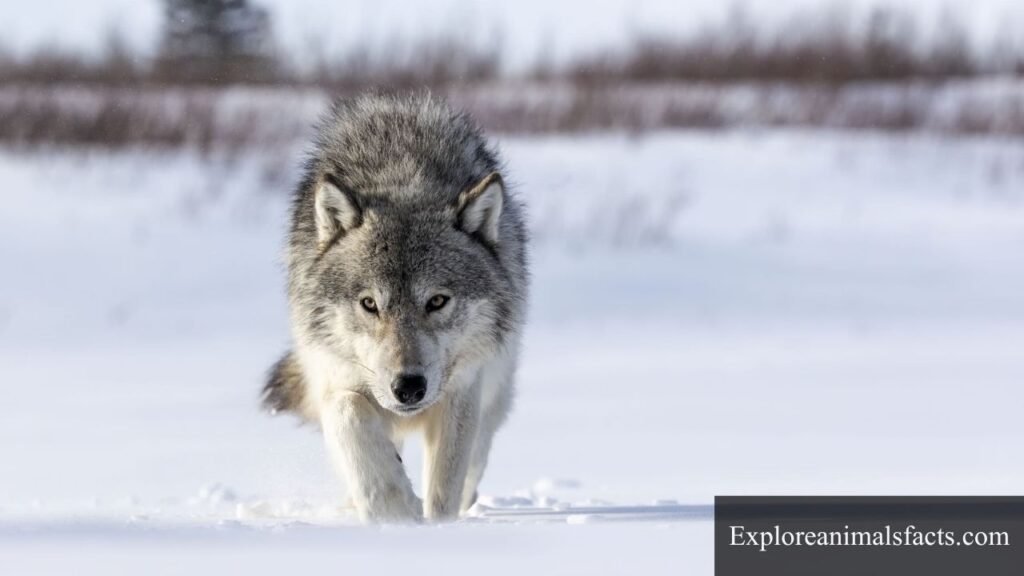
But it’s not just about seeing in the dark; this adaptation is intricately tied to their pack dynamics and hunting strategies. Wolves often rely on teamwork during nighttime hunts, where their acute vision provides an advantage over prey that may be less adept at navigating through darkness. Their haunting howls resonate through the night, marking territories and facilitating communication among pack members, showcasing their reliance on both sight and sound in the dense shadows of the wilderness. This harmonious blend of sensory abilities highlights the wolf’s evolution as a skilled hunter and a pivotal player in maintaining the balance of their ecosystem.
Readmore: Explore Top 25 Animals With Lowest IQ.
Final Thoughts
The incredible adaptations of animals that can see in the dark illuminate the diverse strategies life has developed to thrive in challenging environments. From the nocturnal hunting prowess of owls to the bioluminescent marvels of deep-sea creatures, these adaptations not only enhance their survival but also provide fascinating insights into the complexity of the animal kingdom.
Understanding how these animals navigate and interact with their surroundings can inspire further research into vision and sensory biology. As we continue to explore the natural world, we are reminded of the myriad ways life evolves to meet its needs. Let’s take time to appreciate and protect these remarkable creatures and their habitats.
FAQs
What animals can see at night?
Many animals have evolved to see well in low-light conditions. Notably, nocturnal creatures like owls have large eyes and a high number of rod cells, allowing them to detect even minimal light. Their ability to swivel their heads also helps them maximize their field of vision at night.
Other animals, like cats, possess a reflective layer behind their retinas called the tapetum lucidum. This enhances their night vision by reflecting light that passes through the retina back into their eyes. Many species of rodents and bats rely on advanced night vision and echolocation, respectively, to navigate and hunt in darkness.
Which animal has the best night vision?
The animal with the best night vision is often considered to be the owl. Owls have large eyes that are specialized to capture low levels of light, allowing them to see clearly in near darkness. Their eyes contain a high number of rod cells, which are more sensitive to light than cone cells, enhancing their night vision abilities.