Top 19 Clumsy Animals in The World (Pictures Included)
Clumsy animals, often dismissed as simply uncoordinated, actually reveal fascinating aspects of evolution and adaptation. In this article, we’ll explore the endearing antics of these creatures, highlighting their unique quirks and the ecological roles they play. Get ready to see the animal kingdom in a whole new light!
List of Clumsy Animals
Here is the list of clumsy animals:
- Walrus
- Ostrich
- Koala
- Harbor Seal
- Flamingo
- Cat
- Giant Panda
- Capybara
- Red Panda
- Camel
- Sloth
- Hippopotamus
- Sea Lion
- Penguin
- Moose
- Giraffe
- Manatee
- Baby Elephant
- Mudskipper
Walrus
Scientific Name: Odobenus rosmarus
Class: Mammalia
Diet: Carnivore
The walrus, with its impressive tusks and blubbery form, might seem like a clumsy creature at first glance. However, there’s a fascinating layer to their perceived awkwardness. Beneath their bulk lies a surprising agility when it comes to swimming. These marine mammals can glide gracefully through icy waters, using their tusks not just for defense, but also as tools to help them maneuver through their environment and pull themselves onto ice floes. It’s a reminder that what appears clumsy above the surface often belies hidden strengths.
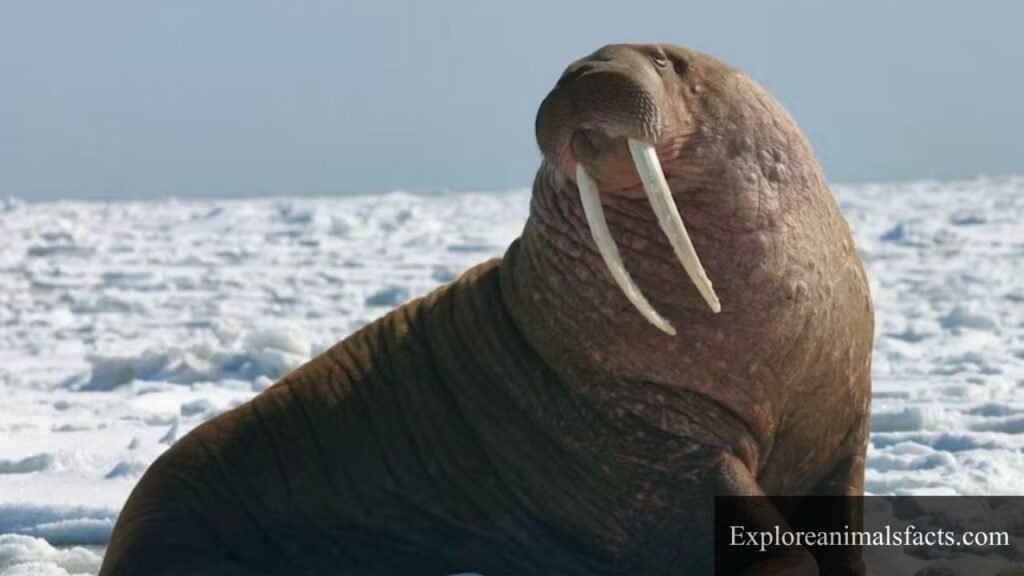
Walruses lumber with a unique charm, their movements reminiscent of an oversized puppy. They often display playful behavior, engaging in social interactions that reveal their intelligence. Contrary to their hefty size, these animals exhibit a strong sense of community, often congregating in large numbers. Observing a group of walruses can be both amusing and awe-inspiring, as they jostle for space and demonstrate their surprisingly acute social dynamics. It’s in these moments that we learn to appreciate that being “clumsy” can also signify a playfulness and resilience that enriches their life in the harsh Arctic environment.
Ostrich
Scientific Name: Struthio camelus
Class: Aves
Diet: Omnivore
Ostriches, often known for their towering height and impressive speed, carry an unexpected charm in their clumsiness. Despite being the fastest-running bird on land, their ungainly movements on the ground can lead to a series of humorous misadventures. Picture an ostrich trying to navigate an obstacle course of rocks or branches — while their long legs propel them forward at remarkable speeds, a sudden misstep can send them flailing comically. This juxtaposition of grace and goofiness invites both laughter and admiration from observers, reminding us of the delightful unpredictability of the animal kingdom.
The ostrich’s clumsy demeanor isn’t just for laughs; it reflects an evolutionary adaptation. Their large bodies and long limbs were designed for speed rather than agility, allowing them to outrun predators in their natural habitat. Yet, when faced with unexpected situations, their awkwardness becomes a fascinating survival tactic. Ostriches will sometimes feign distress by falling over or rolling to the ground, a strategy that can confuse potential threats. This blend of brawn and blunder highlights the complexity of survival strategies in the wild, showcasing how beauty often lies in imperfection.
Koala
Scientific Name: Phascolarctos cinereus
Class: Mammalia
Diet: Herbivore
Koalas, often perceived as cuddly and graceful, reveal an endearing clumsiness that’s equally charming. Their arboreal lifestyle requires them to navigate a treetop world, yet their heavy bodies and soft, rounded paws can lead to some comical tumbles. Watching a koala inching along a branch, occasionally wobbling precariously, showcases a delightful juxtaposition of their serene demeanor and occasional awkwardness. This clumsiness isn’t just cute; it also highlights the physical challenges faced by these marsupials in their natural habitat.
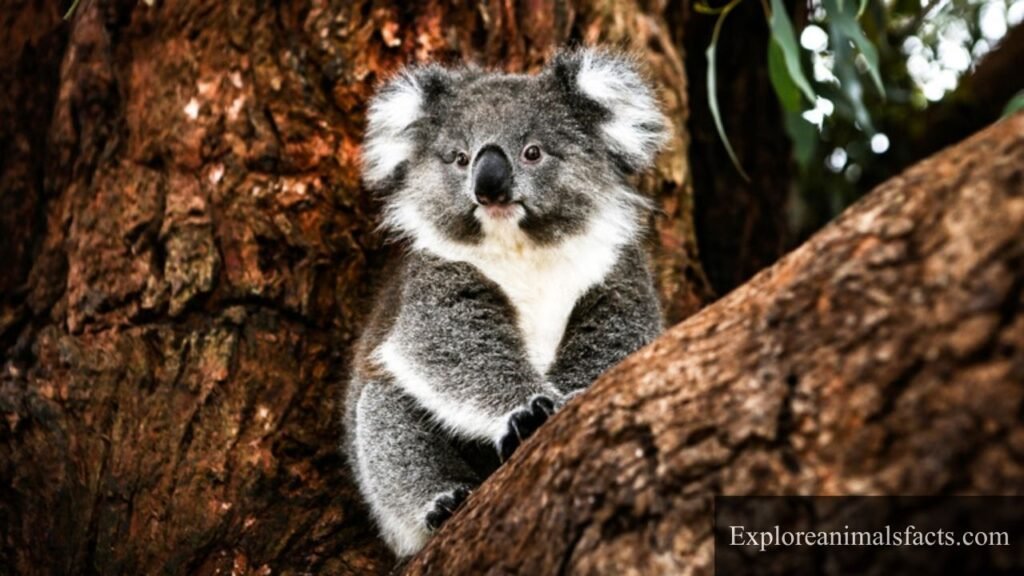
Koalas have a unique approach to life that invites admiration. With a diet consisting mainly of eucalyptus leaves, they must consume massive quantities to extract enough energy, leading to lengthy resting periods. This lazy lifestyle may make them seem uncoordinated, but it emphasizes their fascinating adaptations, including specialized digestive systems that can detoxify poisonous leaves. This balance of dependence on their environment and the vulnerabilities it brings adds an intriguing layer to their existence. Each awkward shuffle or missed branch becomes a testament to their resilience in an ever-changing ecosystem.
Readmore: Explore Top 11 Animals With Big Noses.
Harbor Seal
Scientific Name: Phoca vitulina
Class: Mammalia
Diet: Carnivore
Harbor seals, with their round bodies and adorable whiskered faces, often evoke a sense of endearment, but their movements on land reveal a clumsiness that is both humorous and fascinating. When these marine mammals haul out onto rocky shores or sandy beaches, their awkward waddling becomes a delightful dance of determination. Their flippers, perfectly designed for graceful swimming, are ill-equipped for traversing dry land. Observing a harbor seal flip onto its belly to bask in the sun, or roll clumsily over a rock, showcases the charming dichotomy between their elegant prowess in water and the comedic struggle onshore.
This apparent clumsiness serves a functional purpose. When young harbor seals first make the transition to land, their cumbersome movements help them develop the necessary muscles for swimming. Each awkward roll reinforces their strength and buoyancy, preparing them for the aquatic adventures that define their lives. Their relentless determination in overcoming such challenges mirrors the resilience found in nature, reminding us that even the most graceful creatures have their moments of ungracefulness. Observing these seals not only entertains but also offers a deeper appreciation for the adaptive strategies that wildlife employs to thrive in diverse environments.
Flamingo
Scientific Name: Phoenicopterus roseus
Class: Aves
Diet: Omnivore
Flamingos are often celebrated for their vibrant pink feathers and graceful stance, but beneath this elegance lies a surprisingly clumsy charm. Clambering onto one leg, these birds may appear poised, yet their wobbly balancing act can evoke chuckles. When they gather in large flocks, their awkward movements become even more pronounced — awkward flaps of their wings comically contrast with their otherwise graceful demeanor. It’s a delightful reminder that even the most seemingly polished creatures have their off-moments.
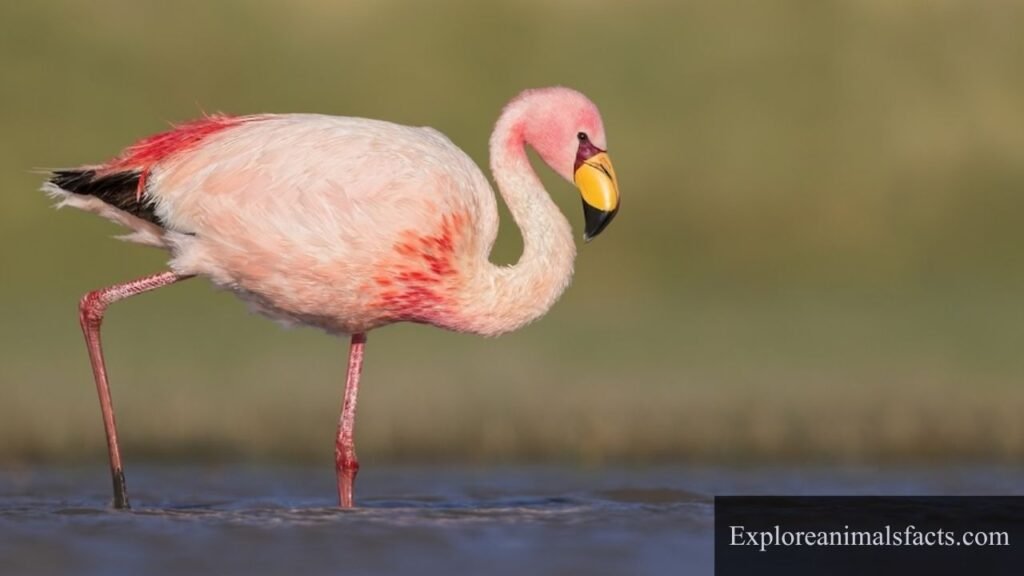
Flamingos exhibit social behaviors that can be unintentionally amusing. Their elaborate courtship displays involve synchronized movements that can turn chaotic, as mismatched partners stumble through their routines, leading to humorous mishaps. Watching a group of flamingos attempt to sync their long-legged march offers a spectacle of both beauty and hilarity, encouraging us to laugh at the unpredictability of nature. In a world obsessed with perfection, these endearing quirks in flamingos showcase the joy of embracing imperfections, serving as a reminder that charm often resides in our clumsiness.
Cat
Scientific Name: Felis catus
Class: Mammalia
Diet: Carnivore
Cats are often celebrated for their grace and agility, but behind that sleek exterior lies a surprisingly clumsy nature that can be both endearing and hilarious. For example a cat attempting to leap onto a high shelf, only to misjudge the distance and perform an awkward somersault instead. These moments not only showcase their playful spirits but also remind us of their humility, revealing that even the most poised creatures can have their off days.
This clumsiness can serve a purpose: each misstep becomes a learning experience that hones their athleticism over time. A kitten’s tumble while chasing a laser pointer could be a pivotal moment in mastering coordination. Observing these little blunders is a reminder that vulnerability often accompanies growth.
Giant Panda
Scientific Name: Ailuropoda melanoleuca
Class: Mammalia
Diet: Herbivore
Giant pandas, often seen lounging on tree branches or ambling through bamboo forests, have a charming clumsiness that makes them irresistibly endearing. With their oversized bodies and distinctive black-and-white markings, these gentle giants appear almost comical as they tumble and roll in play. Their remarkably dexterous paws, designed for gripping bamboo, sometimes struggle when it comes to other activities, leading to awkward moments that delight wildlife watchers. Imagine a panda attempting to climb a tree only to slip and end up with a face full of leaves — it’s a sight that brings laughter and warmth.
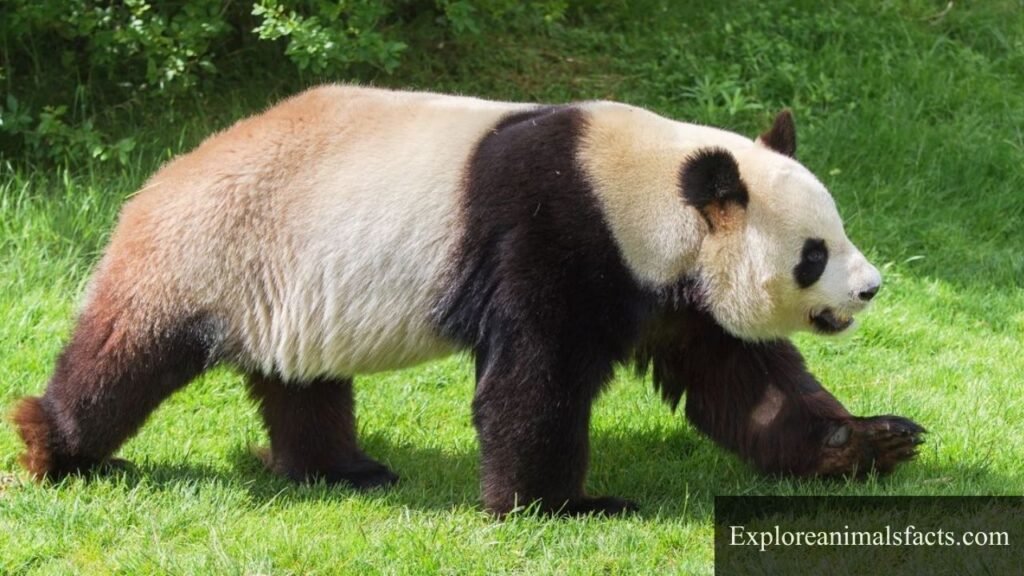
Beyond their physical antics, giant pandas embody a deeper narrative of survival and adaptability. Their clumsiness mirrors the challenges they face in a world where their habitat is disappearing. Yet, their playful nature offers a glimpse of resilience; in moments of play, they showcase a carefree spirit that resonates with us all. Observing these creatures invites us to reflect on the value of embracing our own quirks and imperfections, reminding us that there is beauty in being a little clumsy.
Capybara
Scientific Name: Hydrochoerus hydrochaeris
Class: Mammalia
Diet: Herbivore
The capybara, often hailed as the world’s largest rodent, embodies the essence of clumsy charm. With their stout bodies and slightly wobbly legs, these gentle giants seem almost cartoonish in their approach to the world. While they may not be renowned for their grace, capybaras exhibit a captivating blend of curiosity and serenity, often lounging in the sun or splashing around in water. This leisurely lifestyle contributes to their endearing clumsiness, as they navigate both land and water with a delightful awkwardness.
Capybaras are social creatures, often found in groups that create a lively symphony of squeaks and purrs. Their interactions reveal a surprisingly nuanced social structure, underscoring that clumsiness can be an asset in connections. Whether it’s playfully stumbling over one another or awkwardly diving into a river for a quick swim, their antics remind us that vulnerability can foster community. Observing a capybara’s effortlessly clumsy demeanor offers a refreshing perspective on the beauty of imperfection, inviting us to embrace our own quirks and celebrate the joy found in the less-than-perfect moments of life.
Red Panda
Scientific Name: Ailurus fulgens
Class: Mammalia
Diet: Herbivore
Red pandas, with their large, expressive eyes and round faces, seem to bounce clumsily from branch to branch, often appearing as though they might take a tumble at any moment. Their unique anatomy contributes to this charm: unlike some of their more agile relatives, red pandas have a shorter, stockier build and a bushy tail that they often use as a counterbalance. Watching one navigate the treetops is a delightful reminder that grace doesn’t always define beauty in the animal kingdom.
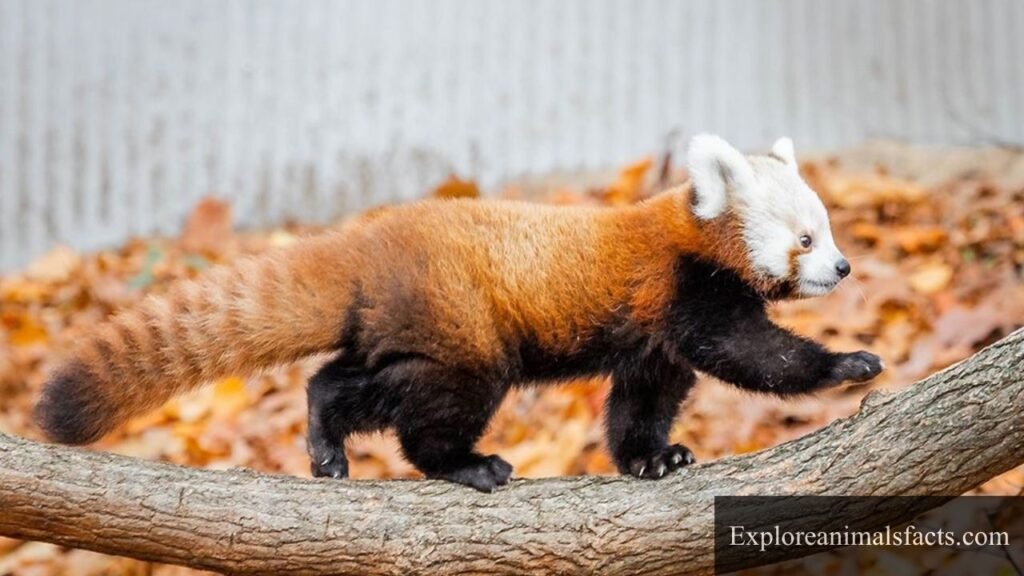
What sets red pandas apart from other clumsy critters is their playful demeanor. Their playful antics often include unsuccessful attempts to climb slippery slopes or chase after their own tails, which can lead to a series of comical missteps. This endearing lack of finesse not only captures the hearts of animal lovers but also serves an important ecological role. By engaging with their environment in such ungainly ways, red pandas contribute to seed dispersal and forest health, showcasing that sometimes, the most comical behavior can lead to profound ecological benefits.
Camel
Scientific Name: Camelus dromedarius
Class: Mammalia
Diet: Herbivore
Camels, often dubbed the “ships of the desert,” have an unexpected clumsiness that can be both amusing and endearing. Standing tall at over seven feet, they might seem graceful, but watch closely as they navigate uneven terrain. With their long, gangly legs, camels sometimes trip over the very dunes that they are expertly adapted to traverse. It’s as if they’re perpetually caught in a comedy skit, where their cumbersome gait transforms a majestic stride into a wobbly parade.
This clumsiness serves a purpose beyond mere aesthetics. Their large, padded feet are designed to distribute their weight over soft sand, but they can also slip on rocky surfaces, causing a humorous tumble. In a way, this awkwardness highlights their remarkable adaptability and resilience. After all, in the vastness of the desert, every misstep might lead to a moment of survival, revealing that even the most seemingly clumsy creatures carry the wisdom of their environment — balancing humor with strength in the face of adversity.
Sloth
Scientific Name: Bradypus variegatus
Class: Mammalia
Diet: Herbivore
Sloths with their slow movements that might seem awkward, there’s an elegance in their clumsiness, shaped by eons of evolutionary adaptation. These tree-dwelling creatures have mastered the art of moving deliberately to conserve energy; their low metabolic rate means they can survive on a diet of leaves that many other animals would struggle to digest. This unique lifestyle allows sloths to navigate their lush arboreal homes with a kind of slow-motion grace, making every movement a meditative journey through the canopy.
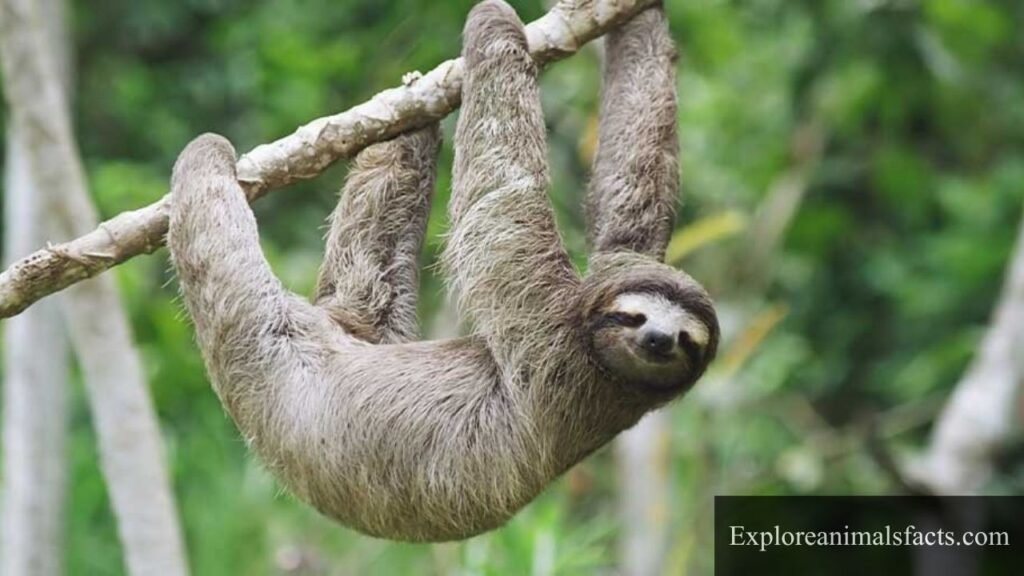
Their seemingly clumsy nature comes with hidden advantages. For instance, sloths have developed a remarkable defense mechanism: their fur is home to a vibrant ecosystem of algae, which not only provides camouflage among the leaves but also serves as a nutrient source. This unassuming partnership highlights how clumsiness can lead to unexpected innovation, creating a habitat that’s beneficial for both sloths and their microscopic cohabitants. So, while they may not win any races, sloths demonstrate that sometimes, slow and steady is not just a strategy; it’s a way of thriving in a world that often rewards speed.
Hippopotamus
Scientific Name: Hippopotamus amphibius
Class: Mammalia
Diet: Herbivore
The hippopotamus, often perceived as a lumbering giant, is a striking blend of grace and clumsiness. On land, their hefty bodies can seem ungainly, especially as they navigate rocky terrain or shuffle through mud. Yet, when these massive mammals hit the water, an entirely different side emerges. They are buoyant and surprisingly agile, swiftly gliding through rivers and lakes with a poise that belies their bulk.
One captivating aspect of hippos is their social nature, often found basking in groups called pods. While they may appear awkward as they jostle for space on sunny riverbanks, their communal behavior fosters intricate social structures. When not submerged, these colossal creatures engage in playful behaviors, showcasing a surprising sense of curiosity and intelligence. It’s this intriguing contrast between their land-bound clumsiness and aquatic grace that highlights the remarkable adaptability of the hippopotamus, reminding us that true beauty often lies beneath the surface of first impressions.
Sea Lion
Scientific Name: Otariidae
Class: Mammalia
Diet: Carnivore
Sea lions are wonderfully animated creatures, often seen flopping around on rocky shores with a grace that belies their size. While they might not win any awards for elegance, their clumsy waddle on land is part of their unique charm. These pinnipeds boast a comically awkward gait, their flippers making them appear almost comical as they maneuver to sunbathe or socialize. Yet, this clumsiness is a small price to pay for their astonishing agility in the water.
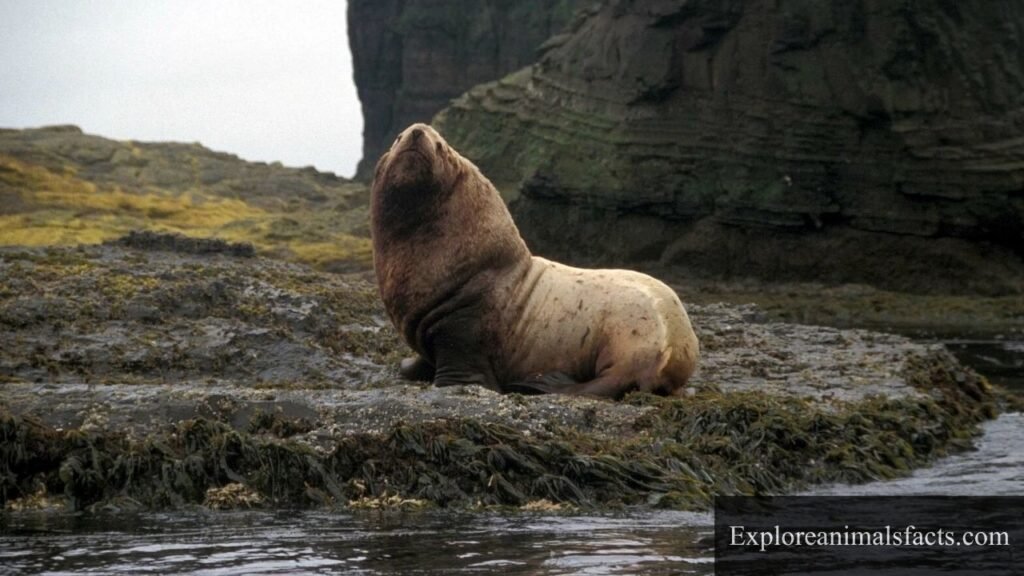
Underneath the waves, sea lions transform into acrobatic marvels, executing impressive flips and dives. Their bodies, though seemingly awkward on land, are perfectly adapted for swift movements in the ocean. This contrast between their clumsy terrestrial antics and their graceful aquatic display offers a fascinating insight into the adaptability of nature. It reminds us that even those who may appear less-than-coordinated can possess remarkable skills in their element, making sea lions an embodiment of duality in the animal kingdom.
Penguin
Scientific Name: Aptenodytes forsteri
Class: Aves
Diet: Carnivore
Penguins are the quintessential clumsy animals, masterfully showcasing the beauty of awkwardness. With their shortened wings and waddling gait, these flightless birds often appear comical as they navigate both land and ice. On solid ground, they appear endearingly uncoordinated, tumbling over themselves as if their own flippers are conspiring against them. Yet, this clumsiness on land contrasts sharply with their graceful aquatic prowess, where they become agile swimmers, darting through water with an elegance that belies their terrestrial missteps.
Their clumsiness serves a purpose in the harsh realities of their environment. Penguins rely on their waddling antics to keep warm, huddling together to conserve heat during brutal Antarctic winters. By shifting their weight and adjusting their postures, they demonstrate a unique adaptability, turning what many perceive as awkwardness into a vital survival strategy. This juxtaposition invites us to appreciate the charm in imperfection and reminds us that clumsiness can hide remarkable resilience and ingenuity beneath its surface.
Moose
Scientific Name: Alces alces
Class: Mammalia
Diet: Herbivore
Moose are often seen as the gentle giants of the Northwoods, but their clumsiness can be both entertaining and endearing. Standing at up to six and a half feet tall at the shoulder, these massive mammals often wobble awkwardly on their long, spindly legs. Despite their impressive size, they’re surprisingly agile in water, yet on land, their bulk can lead to comically awkward moments — like tripping over their own hooves or miscalculating a jump over small obstacles.
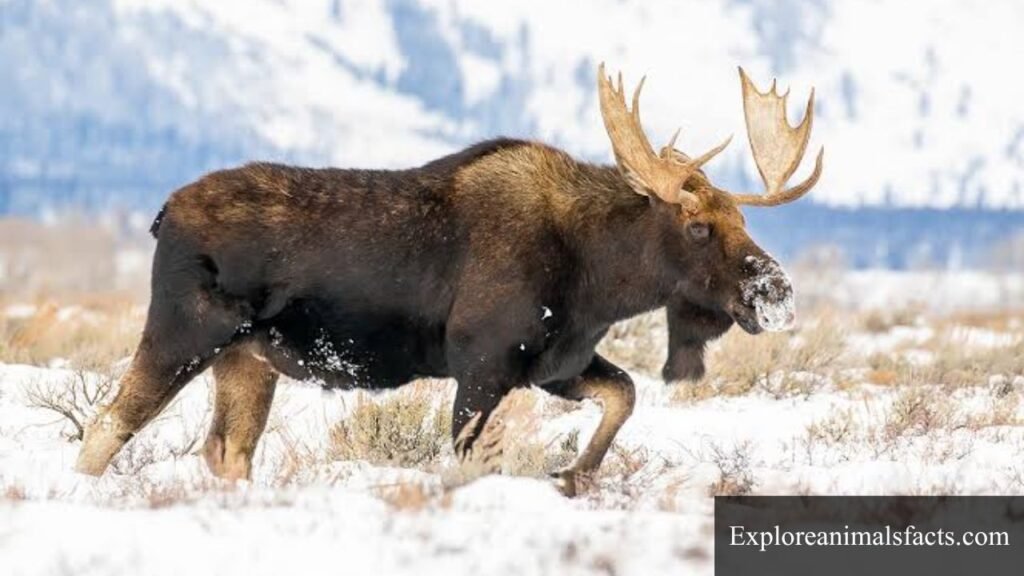
Their penchant for stumbling can be attributed to a unique mix of anatomy and behavior. Those long legs are designed for traversing snowy terrains, but they can become a hindrance in dense forests where rapid movement is needed. Picture a moose attempting to weave through trees; their impressive antlers clattering against branches create a cacophony that’s both chaotic and charming. Observing a moose navigate a busy pathway or awkwardly attempt to shimmy through a narrow gap provides a reminder that even the most majestic creatures can have their off days.
Giraffe
Scientific Name: Giraffa camelopardalis
Class: Mammalia
Diet: Herbivore
Giraffes, with their towering necks and long legs, display clumsiness that is as captivating as their elegance. These gentle giants face unique challenges in their social and physical environments. For instance, while reaching for the tender leaves at the tops of acacia trees, their lengthy necks can become awkwardly entangled in branches, leading to some surprisingly comedic moments. This unexpected struggle highlights the delicate balance between their majestic height and the limitations that come with it.
When it comes to movement, giraffes can appear almost ungainly. Their distinct gait — moving both legs on one side of their body before alternating with the other — might seem efficient for their size, but it often results in a wobbly, loping run that can leave observers chuckling. Their large, floppy tongues, which can extend up to 20 inches, are another source of endearing clumsiness as they sometimes struggle to pull off precise grabs of foliage. Each mishap serves as a reminder that even the most graceful creatures have their off moments, providing a sense of connection and humor to their otherwise regal demeanor.
Manatee
Scientific Name: Trichechus manatus
Class: Mammalia
Diet: Herbivore
Manatees, often affectionately dubbed “sea cows,” embody a unique charm with their gentle demeanor and surprisingly clumsy movements. These large marine mammals, gliding through warmer waters, may appear awkward as they navigate the ocean floor, often bumping into boats or splaying their bodies against seagrass beds in their quest for food. Their sheer size, reaching up to 1,300 pounds, adds to this perceived clumsiness, yet it belies an unexpected grace in their aquatic world.
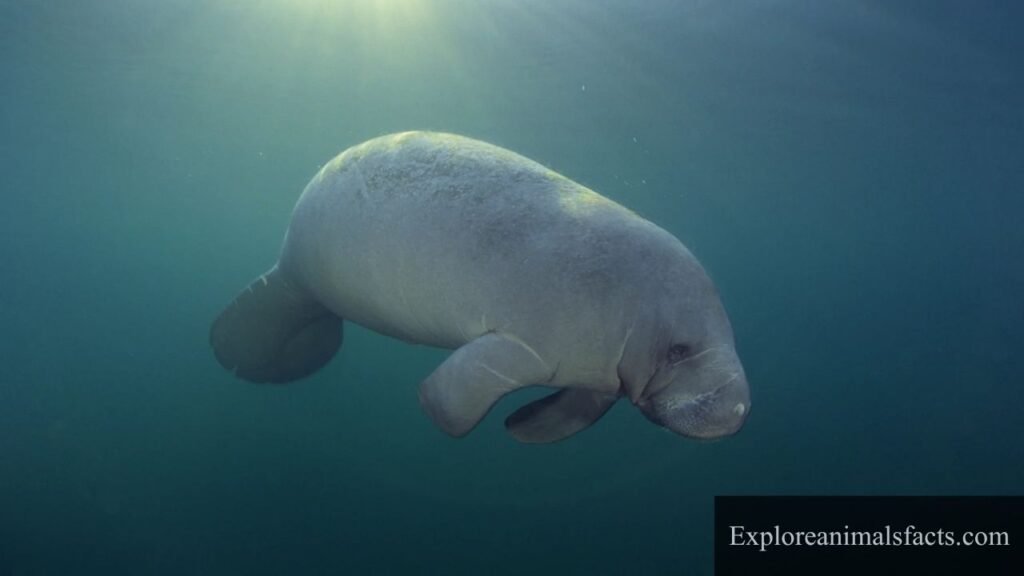
What truly endears manatees to enthusiasts is their curious nature. Often seen peeking up through the water’s surface, they engage in an almost playful manner, occasionally rolling over and showcasing their whiskered snouts. Despite their slow-paced lifestyle, these gentle giants exhibit a sense of joy, playing and socializing in small pods. As they thrive in warm coastal regions, their vulnerability to human activity — like boat strikes and habitat loss — reminds us of the delicate balance between their clumsy charm and the consequences of our actions, urging conservation efforts to protect these magnificent creatures for generations to come.
Baby Elephant
Scientific Name: Elephas maximus
Class: Mammalia
Diet: Herbivore
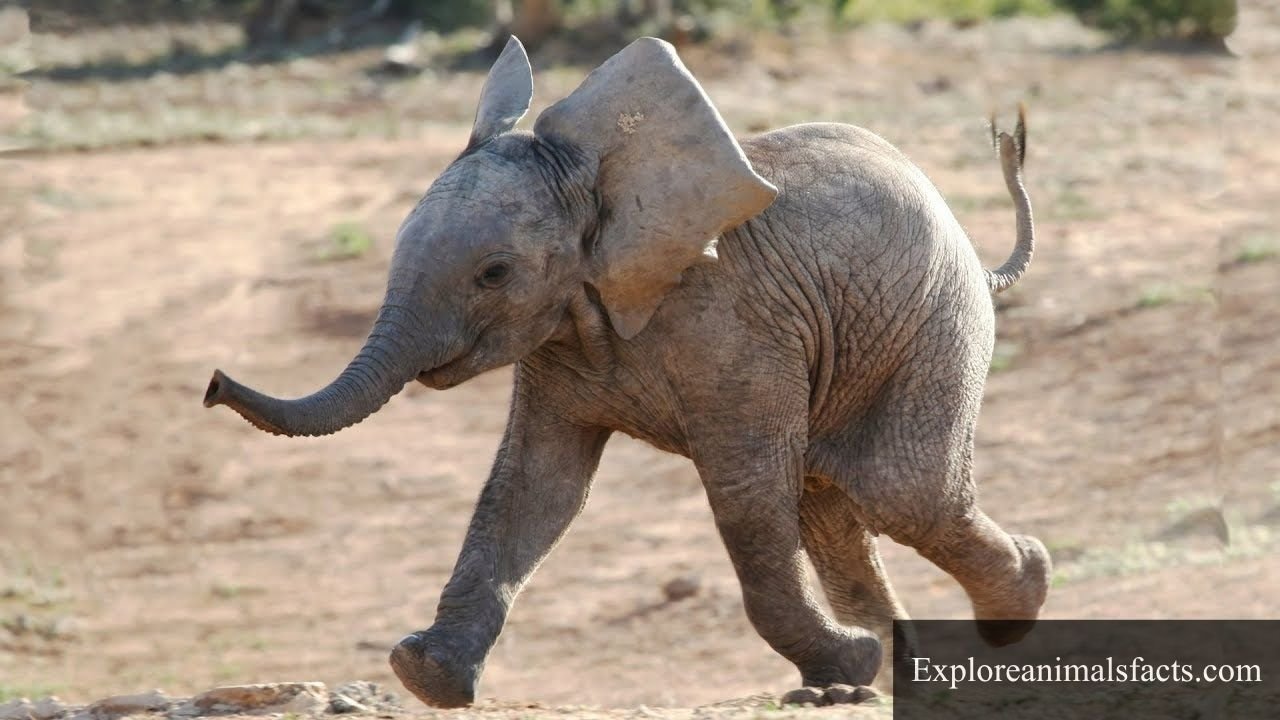
The baby elephant embodies a delightful blend of clumsiness and charm that evokes smiles from onlookers. With their oversized ears and trunks that seem to have a mind of their own, these young giants often stumble as they navigate their environment. Each time they go to embrace a sibling or reach for a leafy snack, their delicate coordination turns into a series of endearing mishaps. They may trip over their own modest feet or accidentally knock over a bush while exuberantly playing, a reminder that even the mightiest creatures start off as awkward little beings.
this clumsiness serves a purpose in the grand tapestry of their growth. As these babies engage in playful wrestling and climbing, they develop critical social skills and physical strength. Their awkward antics are a form of practice for the challenges of adulthood, where the graceful giant they will become must master the balance of size and serenity. Observing a baby elephant fumble and tumble presents a beautiful insight into the nature of learning — showing us that vulnerability and laughter can forge bonds and lay the groundwork for future elegance. Sure, they might be clumsy now, but every stumble adds to their story, paving the way for a majestic stride in the years to come.
Mudskipper
Scientific Name: Periophthalmus
Class: Actinopterygii
Diet: Carnivore
The mudskipper is a marvel of evolution. With its bulbous eyes perched high on its head, it possesses an almost comical yet endearing appearance that captures the curiosity of observers. These amphibious creatures have developed strong pectoral fins, allowing them to ‘walk’ on land, reminiscent of a toddler trying to find their balance. Watching a mudskipper shimmy across the muddy banks of its brackish habitat can feel like witnessing an underwater comedy, as it awkwardly flips and flops, often finding itself stuck in the gooey terrain.
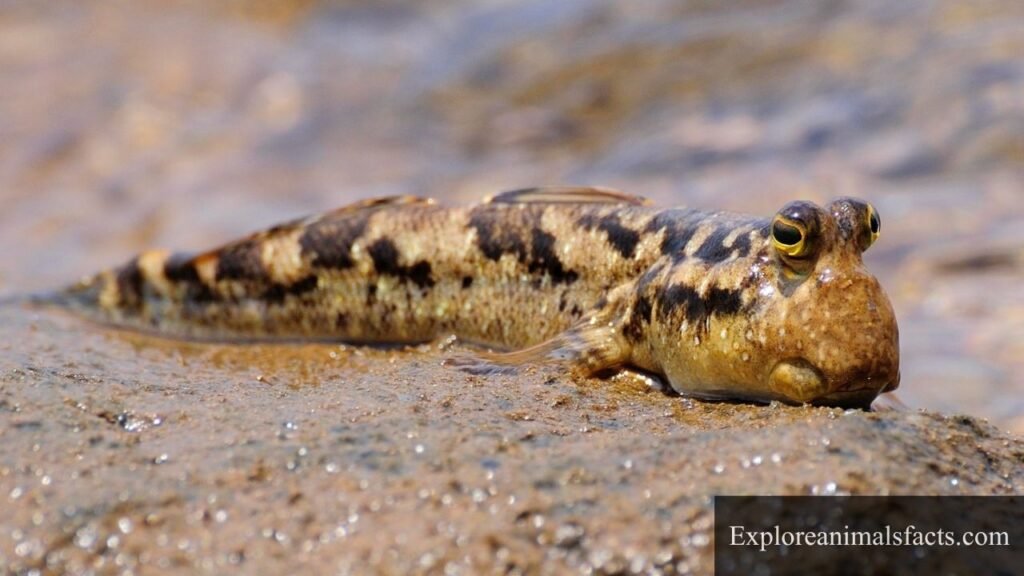
What makes the mudskipper particularly fascinating is its unique method of communication. They engage in elaborate displays, flaring their gills and leaping in an impressive show of athleticism to attract mates or ward off rivals. While their clumsiness might make them seem vulnerable, this behavior highlights their strategic mastery of their habitat. The mudskipper not only thrives in a challenging environment but also showcases resilience, embodying a quirky blend of adaptability and charm that challenges our perceptions of what it means to be graceful in nature.
Readmore: Explore Top 19 Annoying Animals in the World.
Final Thoughts
The world is home to a delightful array of clumsy animals that remind us of the beauty and unpredictability of nature. Their endearing missteps and amusing antics bring joy to our lives and offer a unique perspective on survival in the wild. From the wobbly walrus to the awkward penguin, each creature showcases how charm can thrive alongside clumsiness. As we marvel at their clumsiness, let us also remember to advocate for their protection and habitat preservation. Let’s celebrate the charm of clumsy animals by promoting awareness and conservation efforts that ensure they thrive for generations to come.
FAQs
What is the most clumsy animal in the world?
The giant panda is often considered one of the clumsiest animals in the world. With their hefty bodies and unique gait, they can be surprisingly awkward, especially when climbing trees or maneuvering on rocky terrain. Their large paws and somewhat ungainly movements make them look a bit silly, especially when they tumble while playing.
What animals are known for being clumsy?
Several animals are known for their clumsy antics, often leading to amusing behavior. For example, the koala is notoriously ungraceful on the ground, often stumbling as it moves. Their strong grip is perfect for climbing eucalyptus trees, but once they hit solid ground, they can look a bit awkward. Baby giraffes can be quite unsteady after birth. Their long legs are hard to control, leading to some comedic tumbles. Similarly, sea otters, while adorable, can be a little clumsy on land, often rolling around as they try to balance on their backs while floating.