Top 17 Animals That Look Like Squirrels (With Pictures)
It’s astonishing how many animals look remarkably similar to our beloved rodents. This article will highlight various animals that look like squirrels, shedding light on their behaviors and ecological roles. Prepare to discover the intriguing similarities and differences that make these creatures captivating in their own right.
List of Animals That Look Like Squirrels
Below is the list of animals that look like squirrels:
- Agouti
- Gundi
- Laotian Rock Rat
- Hutia
- Anomalure
- Chipmunk
- Beaver
- Bushy-Tailed Woodrat
- Chinchilla
- Groundhog
- Nutria
- Jerboa
- Sugar Glider
- Gopher
- Cameroon Scaly-Tail
- Muskrat
- Dormouse
Agouti
Scientific Name: Dasyprocta
Class: Mammalia
Diet: Herbivore
The agouti, often overshadowed by its more familiar rodent relatives, boasts an intriguing blend of squirrel-like features and unique traits. Found primarily in Central and South America, these small, agile mammals share a few resemblances with squirrels, particularly in their size and bushy tails. However, what sets agoutis apart is their striking coat, which is typically a mosaic of browns and grays, allowing them to blend seamlessly into their forest habitats. This camouflage not only protects them from predators but also reflects the intricate relationship between their appearance and the ecosystems they inhabit.
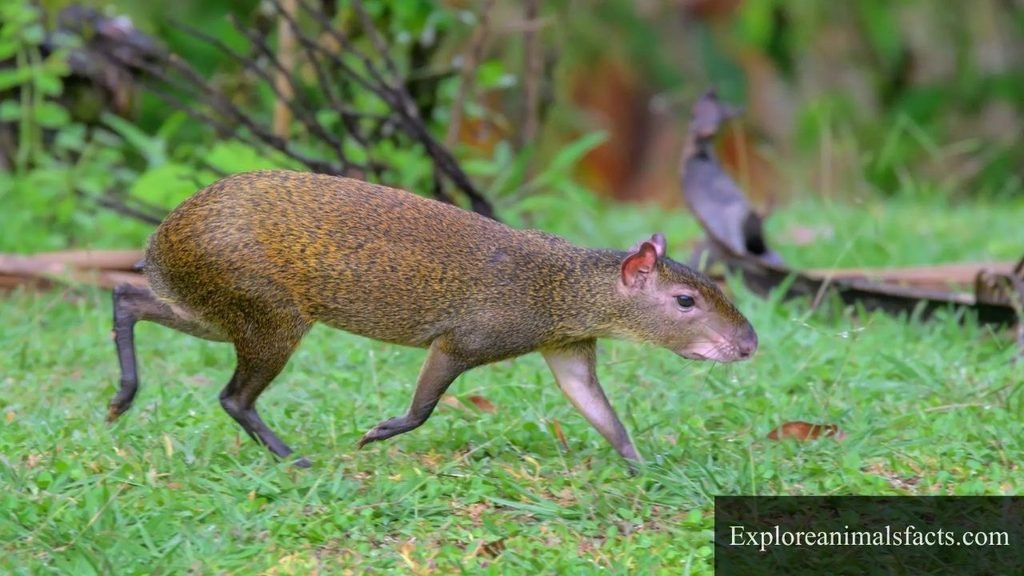
What’s truly fascinating about agoutis is their behavior. Unlike squirrels, which are often seen darting about in trees, agoutis are primarily terrestrial, foraging on the forest floor for fruits, seeds, and nuts. Their role as seed dispersers is critical; they often bury seeds to hoard food, inadvertently planting trees that sustain their ecosystem. This symbiotic relationship highlights how an animal that resembles a squirrel can play such a pivotal role in maintaining biodiversity. Observing agoutis in their natural habitat invites a deeper appreciation for how evolution has crafted distinctive yet functional adaptations in different species, showcasing the beauty of nature’s diversity.
Gundi
Scientific Name: Ctenodactylus gundi
Class: Mammalia
Diet: Herbivore
At first glance, the gundi might remind you of a small, plump squirrel, but this African rodent has a charm all its own. Native to the rocky terrains of North Africa, especially in places like the Sahara, these creatures boast an unmistakable appearance with their rounded bodies and short, fluffy tails. What sets them apart from their bushy-tailed cousins is their unique vocalizations; gundis are known for their whistling calls, which echo through the rocky outcrops where they thrive, creating a symphony of sounds that fills their arid environment.
Gundis are not just adorable; their evolutionary adaptations are equally fascinating. Unlike squirrels that scamper about trees, gundis have specialized feet that allow them to navigate their rocky habitats with ease. Their ability to leap impressively across stone crevices reflects a lifestyle honed by necessity, showcasing their agility and confidence in precarious terrains. Observing them in the wild offers a glimpse into a different kind of rodent life, where survival hinges on agility, not just cleverness. Thus, while they may visually resonate with squirrels, gundis carve out a distinct niche in the animal kingdom, reminding us how diverse and captivating nature truly is.
Laotian Rock Rat
Scientific Name: Laonastes aenigmamus
Class: Mammalia
Diet: Herbivore
The Laotian rock rat defies conventional appearances associated with its rodent relatives. Hailing from the limestone caves and rugged terrains of Laos, this elusive creature has often been mistaken for a distant cousin of the squirrel family due to its bushy tail and agile movements. However, its unique fusion of traits poses an intriguing conundrum in the evolutionary tree, challenging scientists to reconsider classifications within the rodent lineage.
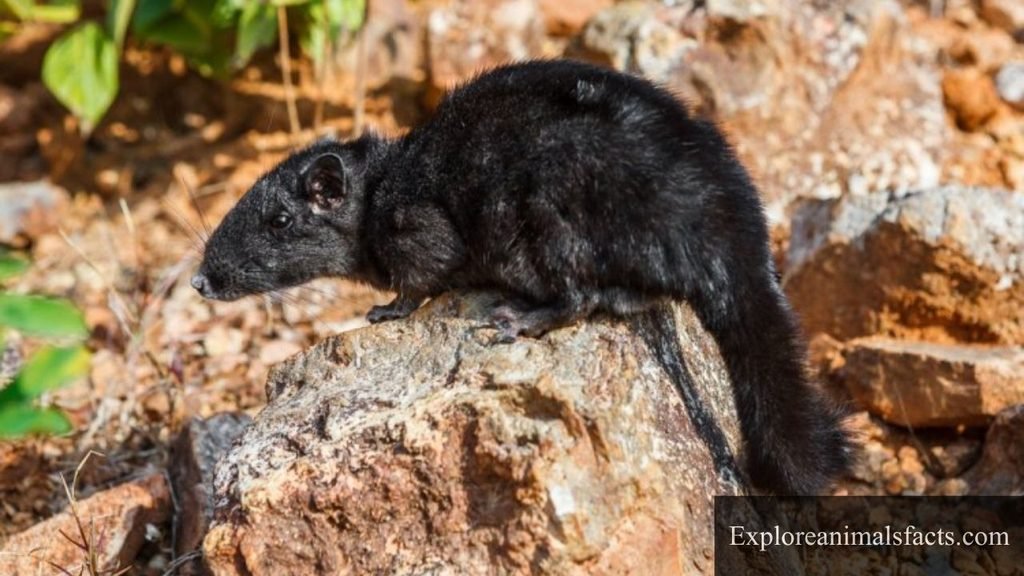
While the Laotian rock rat shares some superficial physical characteristics with squirrels, its fascinating lifestyle sets it apart. Adapted to a semi-arboreal existence, this critter is a forager, seeking out a diet rich in plants, fruits, and even insects. Observing its behaviors sheds light on the adaptive strategies of rodents in varying habitats, illustrating nature’s creativity in evolutionary design. Moreover, its status as a “living fossil” showcases how certain species can survive significant environmental shifts, emphasizing the importance of conservation efforts to protect these remarkable creatures that bear witness to history.
Readmore: Explore Top 11 Animals That Eat Squirrels.
Hutia
Scientific Name: Capromyidae
Class: Mammalia
Diet: Herbivore
Hutia, a curious creature native to the Caribbean islands, often gets compared to squirrels due to its bushy tail and nimble movements. However, these fascinating rodents belong to a distinct family known as Capromyidae, which diverged from their squirrel-like appearance long ago. With their robust bodies and soft fur, hutias bring an unexpected charm to the forest landscapes they inhabit, often residing in both dense forests and coastal areas.
What truly sets hutias apart from their squirrel cousins is their social behavior; they are known to live in small family groups, displaying a level of camaraderie that can be quite heartwarming. Unlike the solitary nature of most squirrels, these rodents share their nesting spaces and forage together, showcasing a cooperative spirit that enriches their communal living. As herbivores, hutias play a vital role in their ecosystems, aiding in seed dispersal and plant growth. Their adaptability to different habitats reveals not just a survival strategy but also an intriguing parallel to the resilience found in their squirrel-like relatives.
Anomalure
Scientific Name: Anomalurus
Class: Mammalia
Diet: Herbivore
Anomalures are fascinating creatures that blur the lines between known and unknown in the animal kingdom. Found in the dense forests of Africa, these nocturnal mammals have an intriguing appearance, showcasing both the bushy tails reminiscent of traditional squirrels and an extraordinary adaptation: a flattened, scaly tail that aids in gliding. This unique feature allows them to soar between treetops, providing a glimpse into the evolutionary wonders of flight and maneuverability.
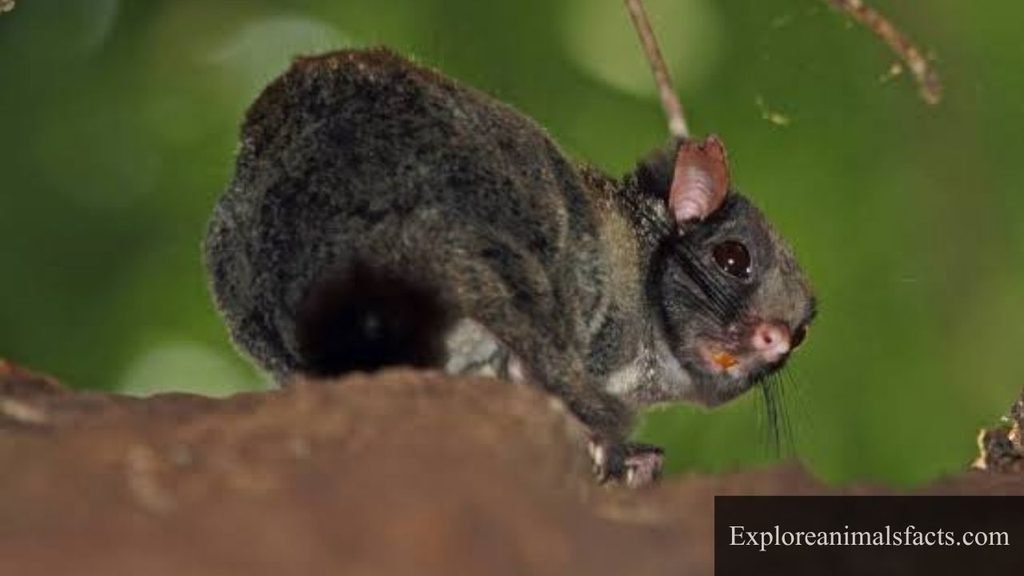
The anatomy of the Anomalure is not just a visual marvel but also a testament to their lifestyle. With large, expressive eyes, they navigate the darkness with ease, foraging for fruits, insects, and even fungi in their arboreal habitat. Their social structures are equally compelling; Anomalures often communicate through a symphony of high-pitched calls, establishing complex relationships within their groups. Observing them in their natural habitat offers an opportunity to witness not just a striking resemblance to squirrels but a glimpse into an ecosystem teeming with life. The Anomalure reminds us that nature is full of surprises, blending traits from different families while thriving in its own unique niche.
Chipmunk
Scientific Name: Tamias
Class: Mammalia
Diet: Omnivore
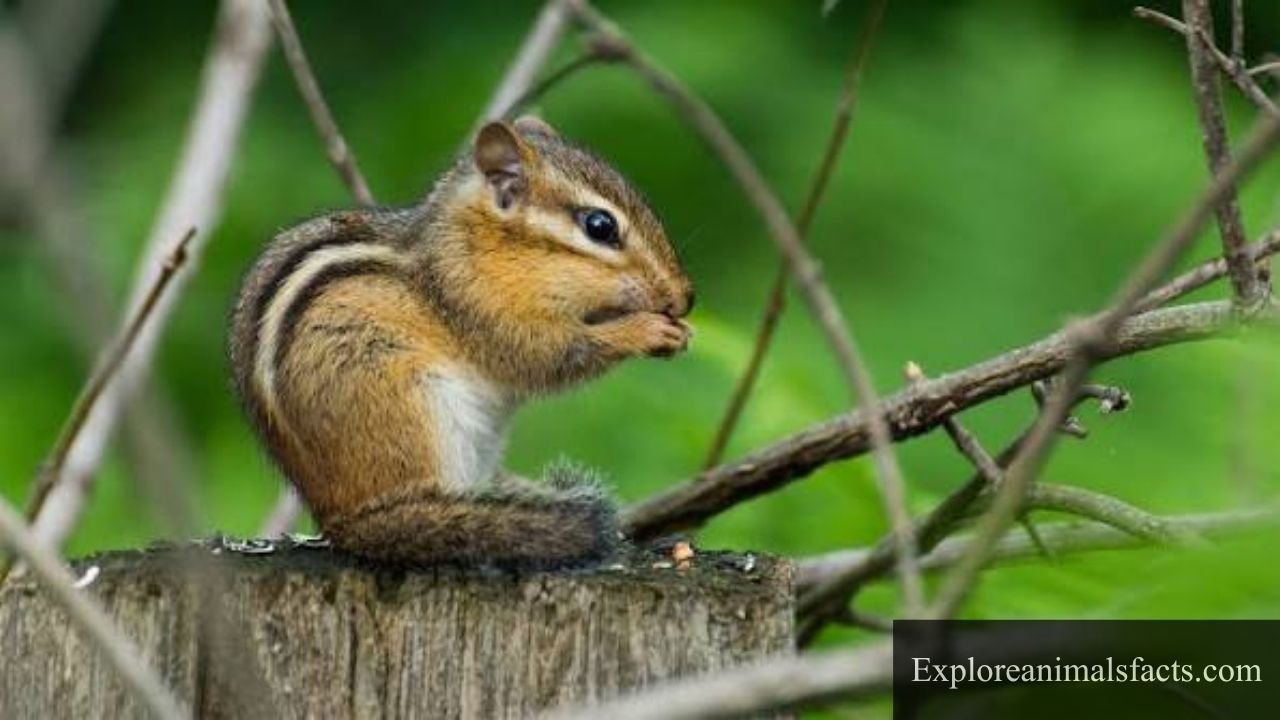
Chipmunks, often overshadowed by their larger squirrel relatives, exude a charm all their own. With their distinctive stripes and smaller stature, these tiny creatures move with an energetic grace, darting across the forest floor. Unlike the more solitary gray or red squirrels, chipmunks are known for their social behavior, often seen foraging in small groups or engaging in playful chases with one another. This social dynamic adds an intriguing layer to their character, making them not just adorable but also fascinating observers of wildlife interaction.
Beyond their endearing looks, chipmunks play a crucial role in their ecosystems. Their penchant for hoarding food — stashing nuts, seeds, and fruits in hidden burrows — helps facilitate plant growth, as forgotten seeds sprout into new plants. Furthermore, their presence draws in predators, creating a harmonious interplay within the food chain. Unbeknownst to many, these little critters are performing vital ecological tasks while captivating our hearts with their acrobatic antics. Their ability to adapt to both wilderness and urban settings showcases their resilience and resourcefulness, reminding us of the profound connection between nature and urban life.
Beaver
Scientific Name: Castor canadensis / Castor fiber
Class: Mammalia
Diet: Herbivore
Beavers, often overshadowed by their more agile squirrel cousins, are fascinating creatures that share some striking similarities despite their larger size. Both animals possess powerful front teeth designed for gnawing, a necessity that stems from their diets. While squirrels nibble on nuts and seeds, beavers are known for their impressive ability to fell entire trees, showcasing their strength and determination. This shared feature of perpetual tooth growth serves as a crucial adaptation for both, highlighting the remarkable ways evolution tailors species to their environments.
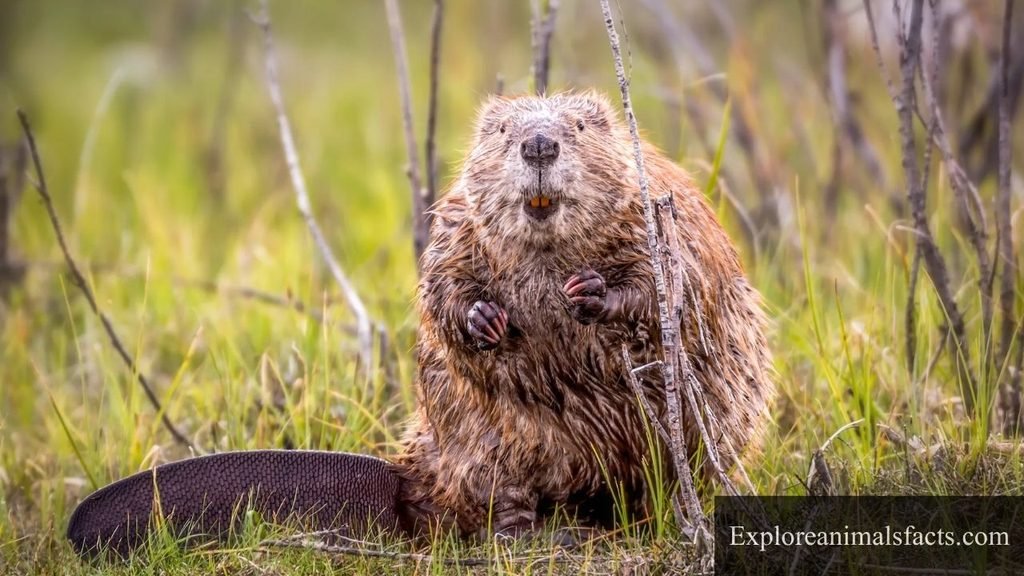
In addition to their gnawing prowess, beavers and squirrels can often be found engaging in similar social behaviors, albeit at different scales. Beavers thrive in family units within their lodges, performing tasks together that maintain their aquatic habitats, much like squirrels forage in groups during nut-gathering seasons. Their playful interactions and territorial markings share a depth of social complexity that underscores their need to communicate and bond with one another. Observing these behaviors invites a deeper appreciation for the connections animals form, revealing a hidden tapestry of life that often goes unnoticed.
Bushy-Tailed Woodrat
Scientific Name: Neotoma cinerea
Class: Mammalia
Diet: Herbivore
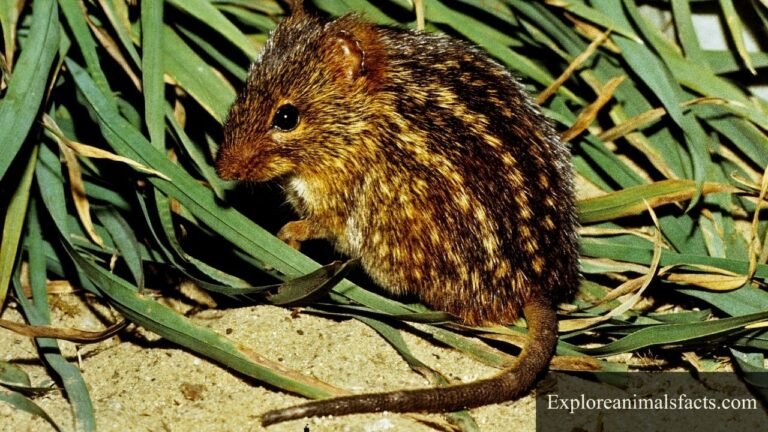
The Bushy-Tailed Woodrat often gets overshadowed by its more famous counterpart, the squirrel. However, this charming rodent holds its own with distinctive features, including a voluminous, bushy tail that would make any squirrel envious. Found primarily in the rugged terrains of North America, these woodrats are expert climbers, showcasing agility and a knack for navigating rocky landscapes — a skill that rivals even the most nimble squirrels.
What truly sets the Bushy-Tailed Woodrat apart is its intriguing nesting behavior. Unlike squirrels that typically build nests high in trees, woodrats are known for creating elaborate homes adorned with collected treasures, including shiny objects and vegetation. This behavior not only provides protection but also reflects an impressive level of foraging intelligence. Just imagine stumbling upon a woodrat’s nest filled with trinkets, a testament to its resourcefulness and personality; it’s a delightful peek into the life of this lesser-known relative of the squirrel family.
Chinchilla
Scientific Name: Chinchilla lanigera
Class: Mammalia
Diet: Herbivore
Chinchillas, with their plush, velvety fur and expressive faces, offer a charming resemblance to squirrels that goes beyond mere appearance. Both animals share a lively spirit and a penchant for jumping, making them intriguing subjects for comparison. While squirrels are often seen darting through trees, chinchillas thrive in their native Andes Mountains, showcasing a unique adaptation to their environment by being nocturnal and exceptionally agile.
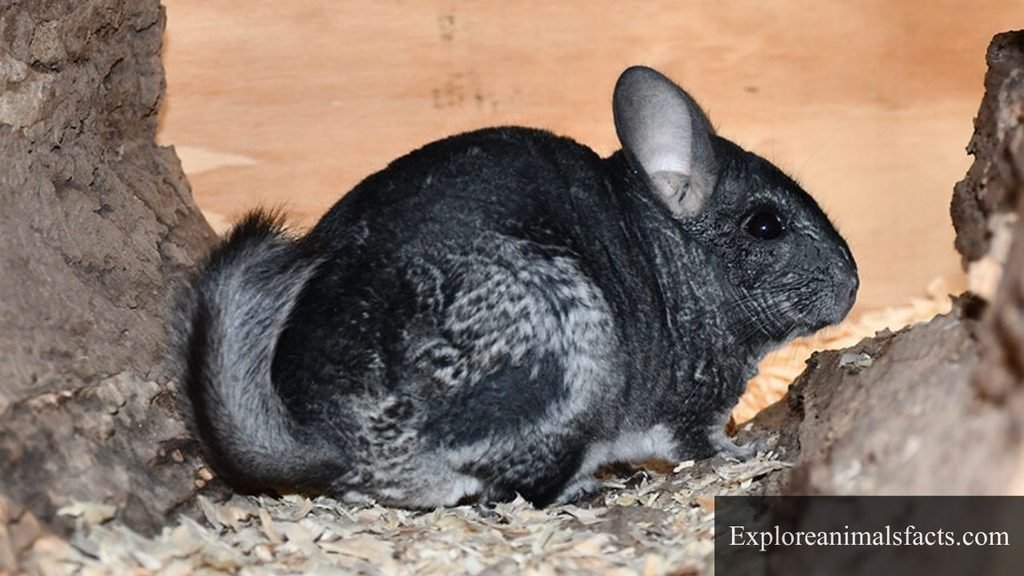
What truly sets chinchillas apart is their social structure and grooming habits. Living in large colonies, these creatures exhibit communal behaviors reminiscent of squirrels gathering in family units. Their fur, one of the densest in the animal kingdom, necessitates regular dust baths for upkeep, a ritual that highlights their playful nature. Observing a chinchilla frolic in its enclosure, one can’t help but be reminded of a squirrel’s acrobatics, yet the chinchilla’s softer demeanor adds a layer of endearment to this captivating creature. An exploration of their personalities reveals not only their squirrel-like antics but also a gentler side that endears them to animal lovers worldwide.
Groundhog
Scientific Name: Marmota monax
Class: Mammalia
Diet: Herbivore
Groundhogs, often mistaken for overgrown squirrels, offer a fascinating glimpse into the world of rodent diversity. While they share a similar size and bushy tail, groundhogs, or woodchucks, are primarily herbivorous and spend their days munching on grasses and wildflowers. Their burrowing behavior sets them apart, as they create extensive underground homes that serve as safe havens, play areas, and even hibernation chambers. Observing a groundhog painstakingly digging and rearranging dirt can be a mesmerizing sight, revealing a surprisingly industrious side to these “squirrel-like” creatures.
In addition to their remarkable digging skills, groundhogs exhibit social behaviors that can captivate the curious observer. They are known to communicate with a series of whistles, warning other groundhogs of impending danger, reminiscent of the alert calls made by their tree-dwelling cousins. Interestingly, these little architects can also have a significant impact on their ecosystems, as their burrowing aerates the soil and helps promote healthy plant growth. So, the next time you spot a groundhog sunbathing or bustling about, take a moment to appreciate its squirrel-like charm while recognizing the unique traits that make it a distinct and vital member of the animal kingdom.
Nutria
Scientific Name: Myocastor coypus
Class: Mammalia
Diet: Herbivore
Nutria, often mistaken for oversized squirrels, introduce a fascinating twist to the rodent family. These semi-aquatic mammals sport a similar bushy tail and rounded faces that can easily trigger a double-take. However, upon closer inspection, you’ll notice their distinctive webbed feet and long, orange incisors, which set them apart from more familiar tree dwellers.
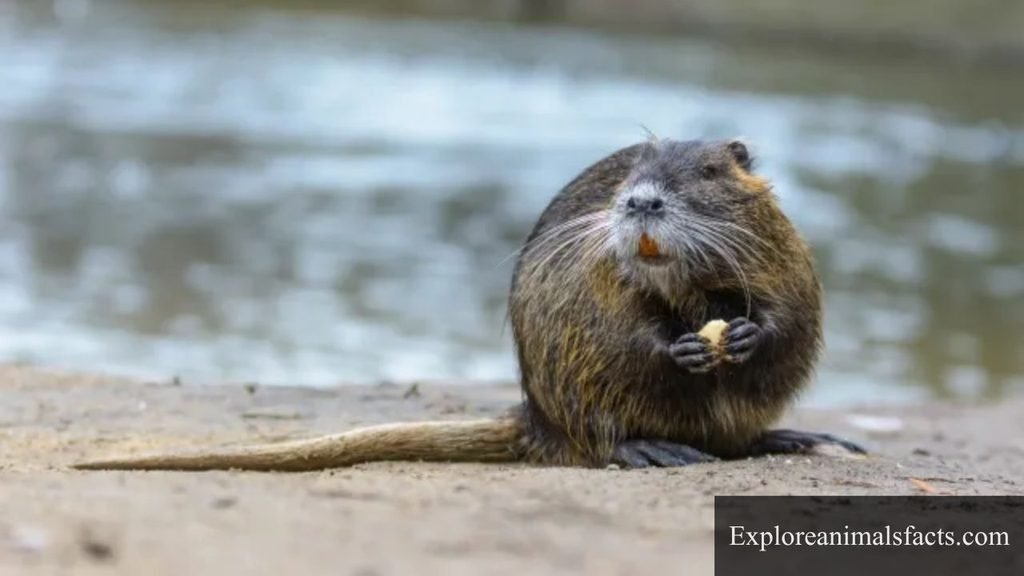
Originally from South America, nutria have made their way into wetlands across North America and Europe, where they play a controversial role in local ecosystems. Their rooting behavior can significantly alter habitats, leading to both praise and criticism from environmentalists. While their fur is often misunderstood as undesirable, the sleek, water-repellent coat serves an essential purpose, helping them thrive in marshy environments. Observing these creatures can shine a light on the intricate connections within our ecosystems, reminding us of the diverse forms that survival can take.
Jerboa
Scientific Name: Dipodidae
Class: Mammalia
Diet: Omnivore
The jerboa, a fascinating rodent native to the deserts of northern Africa and Asia, often evokes thoughts of the familiar squirrel. With its elongated body, large ears, and tufted tail, the jerboa shares a striking resemblance to these tree-dwelling critters, yet it has adapted to a wholly different environment. While squirrels are known for their acrobatic feats in trees, jerboas are agile hoppers, resembling miniature kangaroos as they leap gracefully across arid landscapes. This unique mode of locomotion allows them to navigate their sandy habitats swiftly, avoiding predators and searching for nourishment.
What truly sets the jerboa apart is its extraordinary ability to thrive in some of the harshest conditions on Earth. With the ability to go without water for long periods, these ingenious rodents extract moisture from the seeds and insects they consume. Their large, expressive ears not only enhance their hearing but also help in dissipating heat, a vital adaptation for survival in scorching temperatures. Just like squirrels bury nuts for the winter, jerboas also exhibit a remarkable memory for their food caches, showcasing a surprising level of intelligence. Encountering a jerboa might just redefine your understanding of what it means to be a rodent, challenging the notion that size and appearance dictate lifestyle and adaptability.
Sugar Glider
Scientific Name: Petaurus breviceps
Class: Mammalia
Diet: Omnivore
The sugar glider, a small marsupial native to Australia and New Guinea, often captures the imagination of those who stumble upon its charming resemblance to a squirrel. With its large, expressive eyes and soft fur, the sugar glider is a creature of remarkable agility, gliding through the canopy with the same grace and ease that squirrels exhibit in trees. However, while squirrels are strictly terrestrial rodents, sugar gliders boast a unique adaptation: a membrane that stretches from their wrists to their ankles, allowing them to soar up to 150 feet in a single leap.
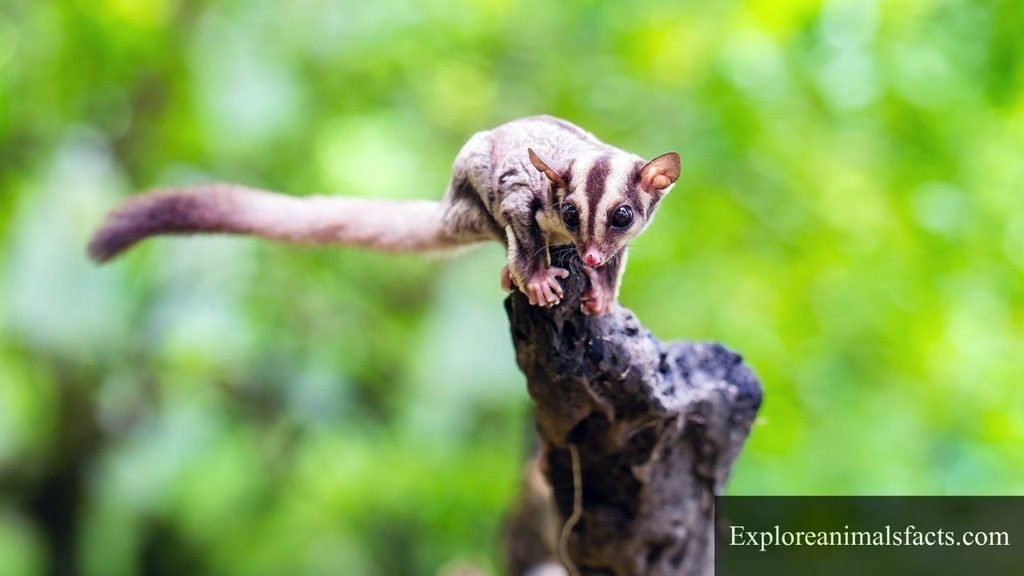
This remarkable ability isn’t just about showmanship; it plays a crucial role in their survival. By gliding from tree to tree, sugar gliders evade predators and access difficult-to-reach food sources, such as nectar and fruits. Their social nature mirrors that of squirrels; they thrive in groups and communicate through a variety of vocalizations, enhancing their bonds with one another. As you observe these enchanting creatures, you can’t help but marvel at how evolution has molded similar traits in vastly different animals, showcasing the endless adaptability of life.
Gopher
Scientific Name: Geomyidae
Class: Mammalia
Diet: Herbivore
Gophers bring a unique twist to the world of small mammals. While they may not share the bushy tail or agile antics of squirrels, gophers possess an impressive adaptability that allows them to thrive in various environments. Their small, stocky bodies and large, cheeky cheeks filled with food give them an endearing quality that can easily remind one of a squirrel’s playful demeanor. However, unlike squirrels, which are adept climbers, gophers primarily navigate their underground burrows, making them the undisputed architects of their habitat.
What truly sets gophers apart is their role in the ecosystem. As relentless diggers, they aerate the soil, promoting healthier plant growth and aiding the overall health of the ecosystem. This behavior not only benefits their immediate environment but also establishes them as vital players in the chain of life, fostering a rich and diverse habitat for many species.
Cameroon Scaly-Tail
Scientific Name: Idiurus zenkeri
Class: Mammalia
Diet: Omnivore
The Cameroon scaly-tail, a lesser-known rodent found in the lush rainforests of Central Africa, captivates with its unique appearance and fascinating adaptations. Unlike traditional squirrels, these small creatures boast a striking scaled tail that serves both as a thermal regulator and a rudder for agile navigation through their arboreal habitat. This remarkable feature stands in stark contrast to the soft, fluffy tails of familiar squirrels, showcasing nature’s diverse strategies for survival.
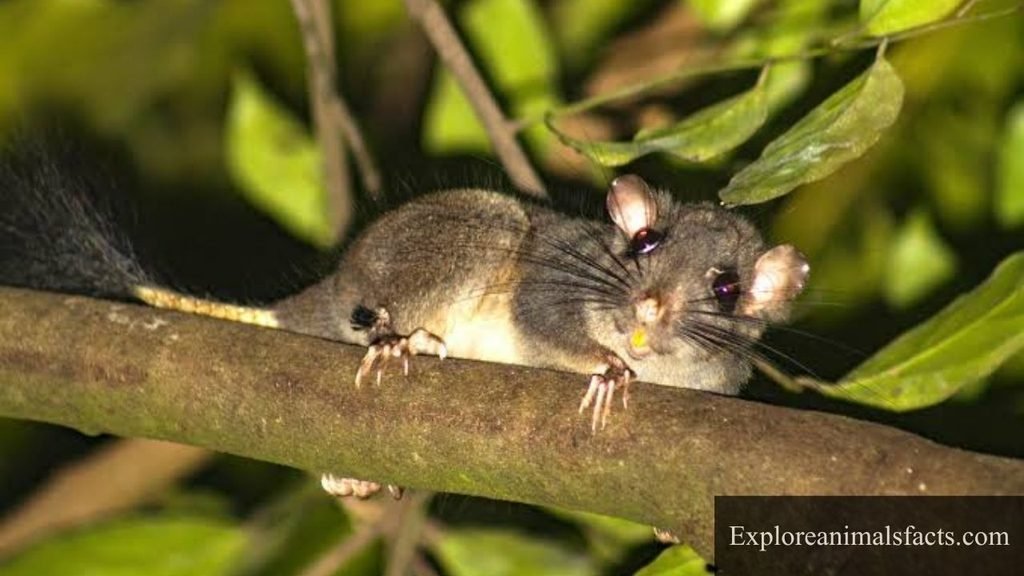
In addition to their unusual tails, Cameroon scaly-tails have a distinct lifestyle that sets them apart from their more common cousins. They are primarily nocturnal, emerging under the cover of twilight to forage for fruits, insects, and leaves. Their powerful limbs and sharp claws allow them to deftly climb, making them proficient at evading predators in the dense canopy. This adaptability not only reveals the intricacies of their ecological niche but also highlights the importance of biodiversity, as each species, no matter how obscure, plays a vital role in maintaining the balance of its environment.
Muskrat
Scientific Name: Ondatra zibethicus
Class: Mammalia
Diet: Omnivore
The muskrat, often mistaken for a large, water-loving squirrel, boasts a unique blend of charm and utility in its habitat. While squirrels are typically associated with trees and forests, muskrats thrive in marshy areas and freshwater environments, constructing intricate burrows and lodges that highlight their engineering skills. With their streamlined bodies and long, flattened tails, muskrats embody a different kind of agility, adapting to both land and water as they forage for aquatic plants.
While both animals share a keen foraging instinct and a penchant for social behavior, muskrats exhibit fascinating adaptations that set them apart. Their dense fur acts as insulation, allowing them to thrive in chilly waters, while their webbed hind feet propel them expertly through aquatic landscapes — an ability that squirrels can’t match. Observing muskrats in their natural environment reveals their playful side; they engage in social grooming and even communicate through vocalizations, adding layers to their social structure that often go unnoticed. This unique lifestyle offers a mesmerizing glimpse into the diverse strategies life has evolved to thrive in different ecosystems, reminding us of the intricate interconnections within nature.
Dormouse
Scientific Name: Gliridae
Class: Mammalia
Diet: Omnivore
Dormice embody a charming, squirrel-like essence while displaying their unique attributes. With their large, expressive eyes and round, fluffy bodies, these nocturnal creatures offer a delightful blend of endearing features. Dormice have a distinct fur pattern ranging from a sandy brown to a soft gray, reminiscent of the subtle hues found in nature, making them particularly well-camouflaged in their woodland habitats.
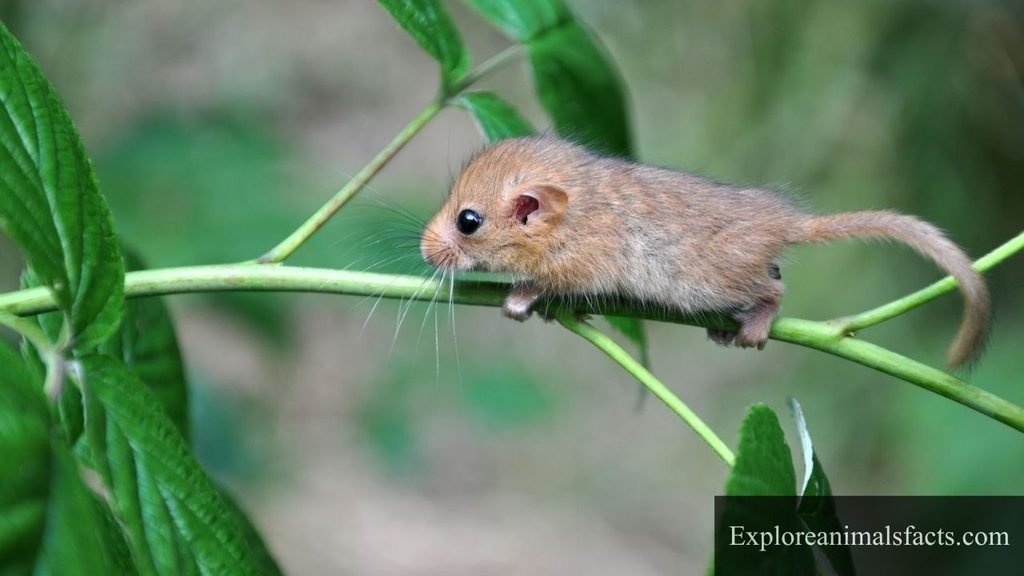
While both dormice and squirrels are adept climbers, dormice take their agility to another level. They possess a remarkable prehensile tail that aids in balancing as they navigate the branches of trees in search of fruit, nuts, and, sometimes, insects. Unlike squirrels, dormice enter a state of hibernation during colder months, allowing them to conserve energy and survive on the fat reserves they have accumulated. This fascinating duality of being both agile and lethargic offers a captivating glimpse into their adaptation strategies, appealing to nature enthusiasts and casual observers alike.
Readmore: Explore Top 15 Flexible Animals in The World.
Final Thoughts
The world is home to an array of animals that miraculously resemble squirrels, each contributing its charm to our planet’s biological tapestry. From the charming Sugar Glider to the nimble dormouse, these creatures not only captivate our attention but also remind us of nature’s creativity in form and function. Their similarities highlight evolutionary adaptations that allow them to thrive in varying environments.
As we continue to study and protect wildlife, it’s essential to recognize these fascinating animals in our midst. Let’s commit to learning about and preserving the rich diversity of life around us — every little bit helps in fostering a stronger bond with nature!
FAQs
What animal resembles a squirrel?
Several animals resemble squirrels in appearance and behavior. One of the closest relatives is the chipmunk. Chipmunks have similar body shapes, bushy tails, and are often found in similar habitats. They’re smaller, commonly featuring stripes down their backs, distinguishing them from their squirrel cousins. Another similar animal is the prairie dog. While they have a more robust build, their playful antics and burrowing habits mirror those of squirrels.
What is an animal similar to a squirrel but bigger?
A good animal that’s similar to a squirrel but bigger is the marmot. These rodents share similar features, such as bushy tails and a penchant for climbing, but they can weigh up to 30 pounds. Marmots are often found in mountainous regions, where they live in colonies and are known for their loud whistles.