Top 15 Animals That Eat Coconuts (Images Included)
In this article, we’ll explore the diverse group of Animals That Eat Coconuts, delving into their unique behaviors and dietary habits. Understanding these creatures not only highlights the interconnectedness of ecosystems but also showcases the remarkable adaptability of nature.
List of Animals That Eat Coconuts
Below is the list of animals that eat coconuts:
- Common Myna
- Coconut Crabs
- Gorillas
- Rhinoceros Beetles
- Squirrel
- Fruit Bats
- Wild Boars
- Elephants
- Sun Bears
- Humans
- Aye-aye
- Rats
- Palm Cockatoo
- Monkeys
- Pigs
Common Myna
Scientific Name: Acridotheres Tristis
Class: Aves
Diet: Omnivore
The common myna, often found in tropical and subtropical regions, has developed a remarkable affinity for coconuts, adapting its diet to include this challenging food source. These resourceful birds are not just opportunistic feeders; they showcase intricate problem-solving skills. When faced with the hard shell of a coconut, the myna employs a clever technique: dropping the fruit from heights to crack it open, allowing access to the sweet, nutrient-rich flesh inside. This behavior highlights their ingenuity and adaptability, traits that are essential for survival in their varied habitats.
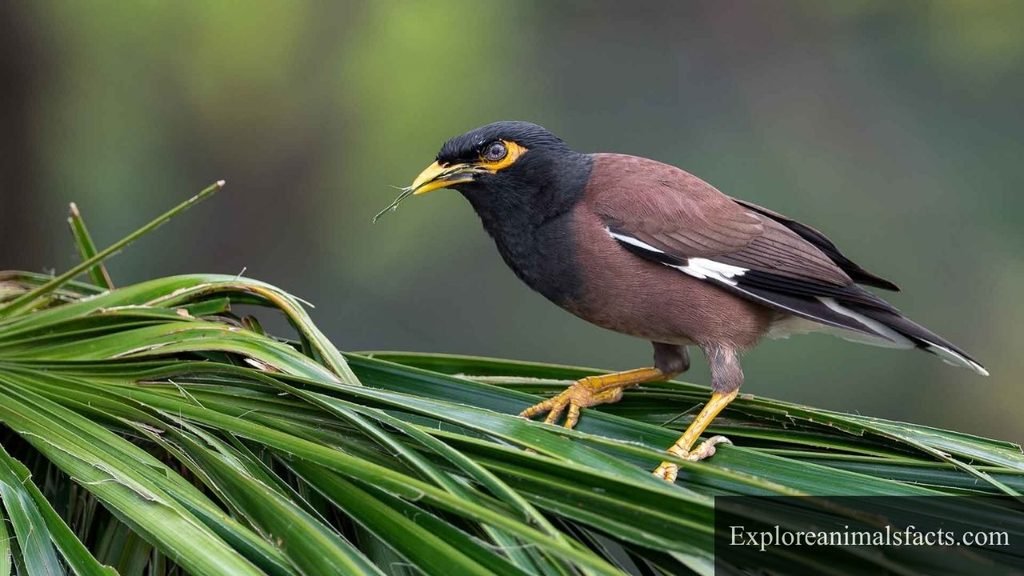
Mynas also play a vital role in the ecosystem as they contribute to seed dispersal. After feasting on coconut flesh, they often fly away, inadvertently transporting coconut seeds to new locations. This not only helps in propagating coconut palms but also promotes biodiversity in their native environments. By engaging with coconuts, these birds become unintentional agents of ecological balance, emphasizing the interconnectedness of species and the environments they thrive in. The common myna serves as a fascinating example of nature’s adaptability, where even a seemingly simple dietary choice reveals complex ecological relationships.
Coconut Crabs
Scientific Name: Birgus Latro
Class: Malacostraca
Diet: Omnivore
Coconut crabs, the largest terrestrial arthropods, wield an impressive set of pincers that can easily crack open coconuts — one of their favorite snacks. These clever crustaceans showcase remarkable strength and dexterity, enabling them to climb trees in search of the elusive fruit. Their diet is quite diverse, but coconuts hold a special allure, providing not just nourishment but hydration as well, thanks to the refreshing water found within.
What’s truly fascinating about coconut crabs is their crucial role in island ecosystems. By consuming coconuts and dispersing seeds, they contribute to the propagation of coconut palms, which are vital for coastal habitats. This unique relationship emphasizes the interdependence of species, showcasing how a seemingly simple act of eating has broader ecological implications. Whether scuttling along the sandy shores or hanging from branches, these remarkable creatures remind us of the intricate tapestry of life that thrives around us, intertwined with the humble coconut.
Gorillas
Scientific Name: Gorilla Gorilla
Class: Mammalia
Diet: Herbivore
Gorillas, often associated with dense jungles and verdant foliage, have a surprisingly diverse diet that includes the occasional coconut. These intelligent primates, primarily frugivorous, demonstrate remarkable adaptability in their feeding habits. While they typically favor leaves, stems, and fruits, their ability to crack open coconuts showcases their resourcefulness and strength. With powerful jaws and robust teeth, gorillas can skillfully break through the hard shell to access the nutrient-rich meat and refreshing water inside.
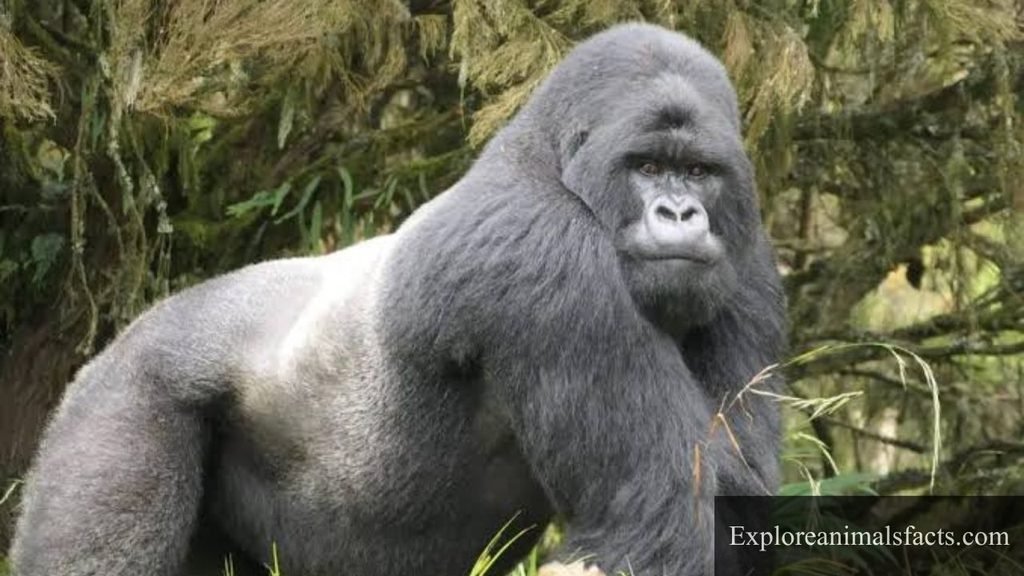
The consumption of coconuts can also play a vital role in their social dynamics. As they gather around shared food sources, these moments provide opportunities for bonding and communication, reinforcing social hierarchies within the troop. Observing gorillas interact with coconuts not only highlights their dietary flexibility but also underscores the importance of such connections in their survival and well-being. It’s a poignant reminder that even the mighty coconut can influence the intricate social tapestry of the animal kingdom.
Readmore: Explore Top 19 Animals That Have Spots.
Rhinoceros Beetles
Scientific Name: Oryctes Rhinoceros
Class: Insecta
Diet: Herbivore
Rhinoceros beetles, with their impressive horns and robust bodies, are not just visual wonders but ecological powerhouses when it comes to consuming coconuts. These beetles thrive in tropical climates where coconuts flourish, transforming what many see as a hard, inedible shell into a nutrient-rich feast. Their larvae, often referred to as “coconut grubs,” play a pivotal role in decomposing fallen coconuts, thereby recycling nutrients back into the soil. This process supports a vibrant ecosystem, making rhino beetles unsung heroes in their environments.
What’s fascinating is the sheer strength of these small creatures — some species can lift weights up to 850 times their own body mass, a feat that astounds both scientists and insect enthusiasts alike. This strength is not just for show; it enables them to break through the tough outer layers of coconuts, allowing access to the tender meat inside. As they hollow out these hard shells, they create habitats for other organisms, facilitating biodiversity. Therefore, the rhinoceros beetle is not merely a coconut consumer; it is a vital contributor to the health and sustainability of its ecosystem.
Squirrel
Scientific Name: Sciuridae
Class: Mammalia
Diet: Omnivore
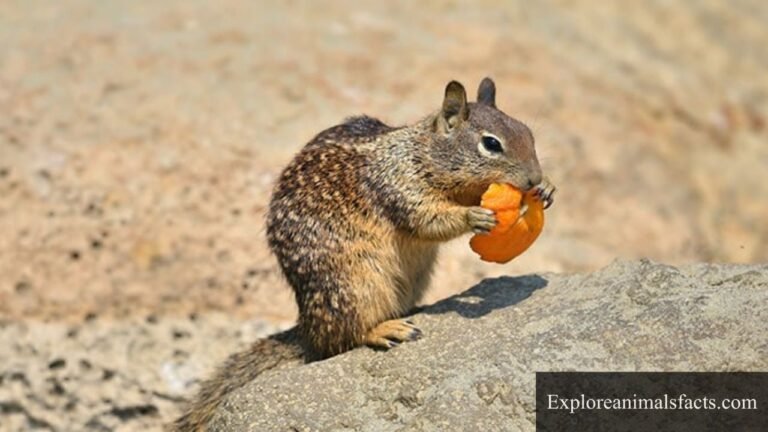
Squirrels are often associated with a diet rich in nuts and seeds, but many may be surprised to learn that these agile rodents have developed a taste for coconuts as well. Their strong front teeth allow them to chisel through the hard outer shell, exposing the delicious, creamy flesh inside. This unique feeding behavior highlights the adaptability of squirrels in seeking out diverse food sources, especially in tropical environments where coconuts are abundant.
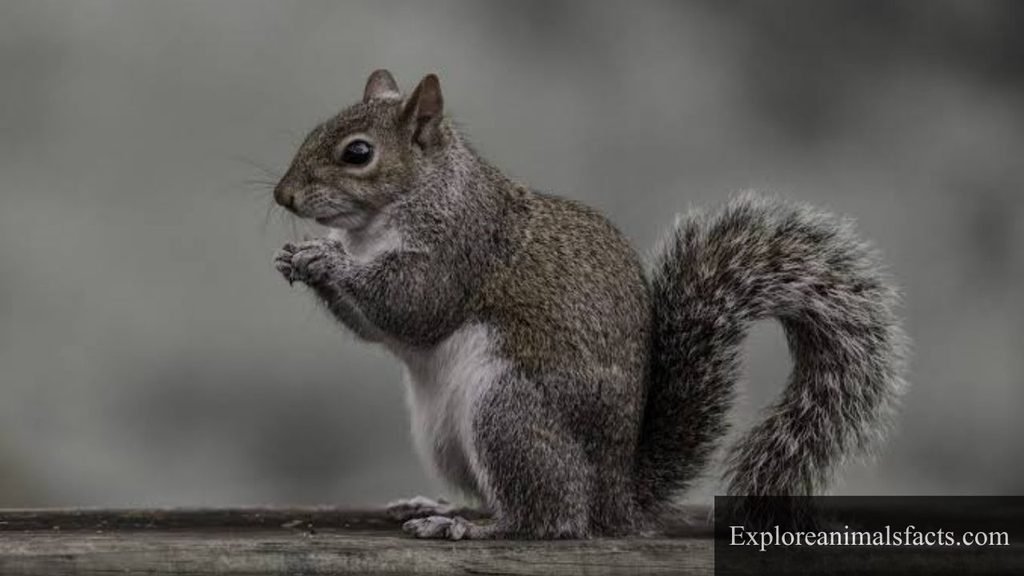
The process of a squirrel tackling a coconut can be quite a spectacle. Observers may notice these little acrobats climbing deftly to higher branches to access fallen coconuts, often working in teams to crack open the tough shells. This communal approach not only enhances their chances of success but also showcases their social and problem-solving skills. By expanding their diet to include coconuts, squirrels contribute to the ecosystem by aiding in seed dispersal, furthering the growth of palm trees and maintaining the health of their habitats.
Fruit Bats
Scientific Name: Pteropodidae
Class: Mammalia
Diet: Herbivore
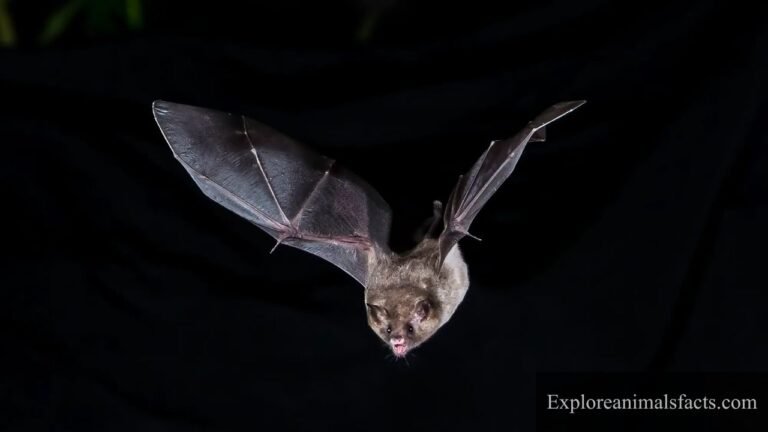
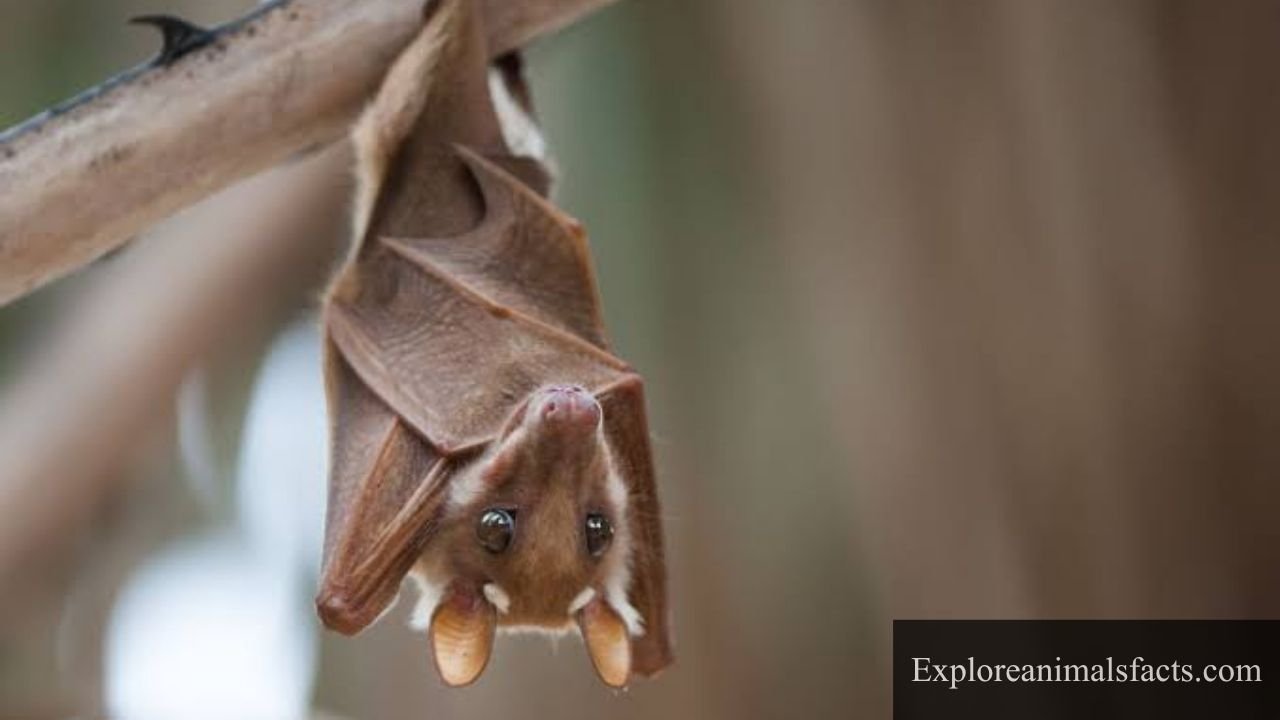
Fruit bats, also known as flying foxes, have captivated researchers with their unique dietary habits, particularly their love for coconuts. Unlike many other animals, these bats utilize their keen sense of smell and sight to identify ripe coconuts high in the palms. Their impressive wingspan allows them to travel considerable distances in search of this nutritious fruit, making them vital for seed dispersal in tropical ecosystems. By consuming coconuts, they inadvertently support the growth of coconut palms, creating a symbiotic relationship that benefits both species.
What’s particularly fascinating is how fruit bats employ a sophisticated technique to access the meat and water within a coconut. They’ve been observed using their strong teeth to nibble through the tough outer husk, demonstrating their remarkable adaptability. This skill not only showcases their intelligence but also highlights the importance of these creatures in maintaining the delicate balance of their habitats. As they feast, they also facilitate pollination, further intertwining their roles within the environment. Thus, fruit bats are not merely coconut consumers; they are essential players in the health of their ecosystems, weaving a complex tapestry of life around them.
Wild Boars
Scientific Name: Sus Scrofa
Class: Mammalia
Diet: Omnivore
In the wild, few sights are as intriguing as a wild boar gnawing on a coconut. These formidable foragers possess an incredible adaptability that enables them to thrive in diverse environments, from coastal regions to dense forests. Their strong jaws and teeth make quick work of the tough outer shell, allowing them to access the nutrient-rich flesh and refreshing water inside. This unconventional diet not only highlights their resourcefulness but also serves a crucial ecological role, dispersing coconut seeds through their droppings, facilitating forest regeneration.
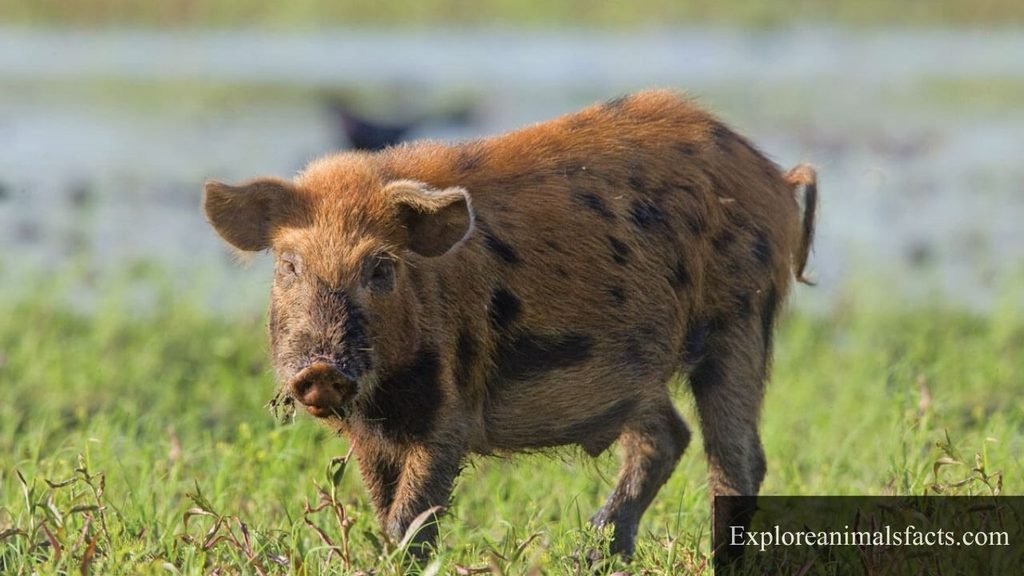
Wild boars are known for their intelligence and social structures, often foraging in groups. This communal behavior provides them with a kind of safety as they tackle larger or harder-to-reach coconuts together. Observing these creatures reveals a dance of cooperation and strategy that helps ensure a steady supply of food; they share knowledge about food sources and protect each other from potential predators. Thus, the act of consuming coconuts transcends mere survival — it becomes a testament to their social dynamics and environmental resilience.
Elephants
Scientific Name: Elephas Maximus / Loxodonta Africana
Class: Mammalia
Diet: Herbivore
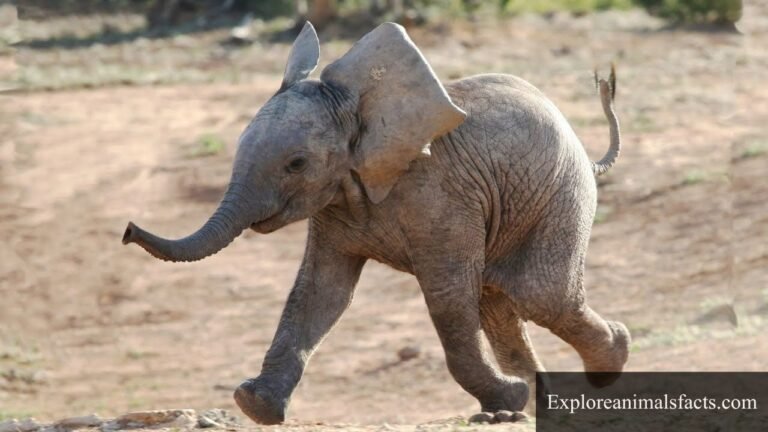
Elephants exhibit remarkable adaptability in their diets, which often leads them to the tropical allure of coconuts. With their powerful trunks and strong jaws, these gentle giants can effortlessly crack open the hard shells, exposing the sweet, nutrient-rich flesh inside. In regions like Sri Lanka and parts of India, elephants have been observed foraging for coconuts, showcasing their resourcefulness in utilizing available food sources, especially in habitats where vegetation may be scarce.
What’s fascinating is the role of these coconut-eating elephants in their ecosystems. By consuming and dispersing coconut seeds as they roam, they inadvertently contribute to the growth of new coconut palms, promoting biodiversity. This mutualistic relationship illustrates that elephants are not merely passive foragers; they are active participants in their environments, shaping plant communities and ensuring the continuity of vital resources. As we deepen our understanding of these majestic creatures, it becomes clear that their snack of choice holds more ecological significance than one might initially assume.
Sun Bears
Scientific Name: Helarctos Malayanus
Class: Mammalia
Diet: Omnivore
Sun bears, the world’s smallest bear species, have an unusual affinity for coconuts, showcasing their remarkable adaptability and resourcefulness. These fascinating creatures, native to the tropical forests of Southeast Asia, utilize their long, curved claws to scale trees, allowing them to access coconut palms that tower above the forest floor. Their dexterous paws are not just for climbing; they are adept at prying open hard shells, revealing the sweet, hydrating flesh inside — a crucial dietary supplement in their humid, forested habitats.
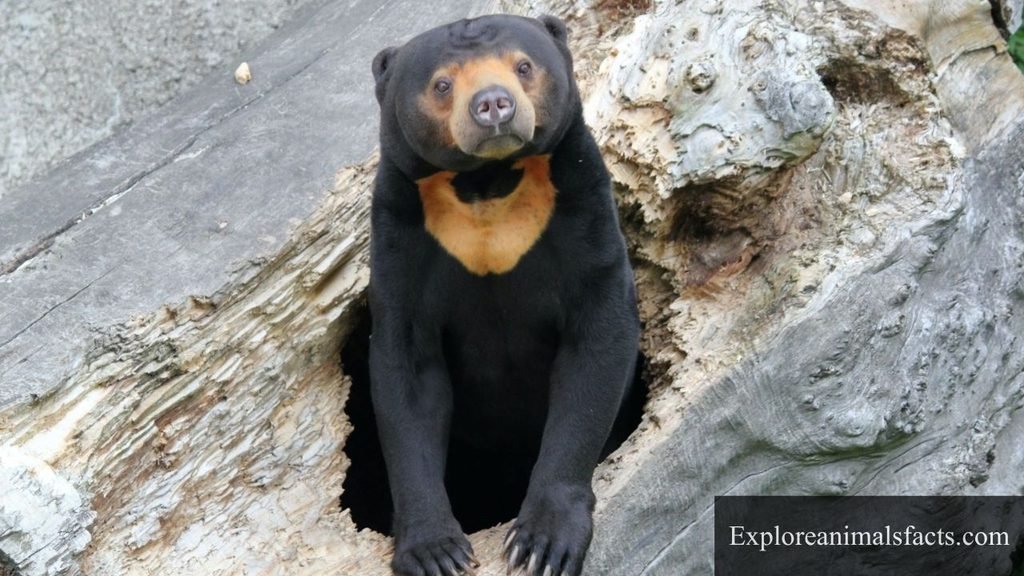
In addition to their impressive physical adaptations, sun bears play an integral role in their ecosystem. As they consume coconuts, they inadvertently aid in seed dispersal, ensuring the continued growth of coconut palms and other flora. This symbiotic relationship exemplifies the interconnectedness of nature, where the actions of one species can have far-reaching effects on the environment. While their coconut-cracking skills may seem charming, they also highlight the sun bear’s survival tactics in a rapidly changing world, adapting to both natural and human-altered landscapes.
Humans
Scientific Name: Homo Sapiens
Class: Mammalia
Diet: Omnivore
Humans have ingeniously integrated coconuts into their diets, not just for hydration and flavor, but also as a source of nutrition and versatility. From coconut water to flaky coconut meat, the various forms of this tropical fruit offer an array of health benefits, including electrolytes and healthy fats. Beyond culinary uses, humans have turned coconut-based products into a billion-dollar industry, innovating everything from skincare to textiles, driven by the fruit’s sustainability.
The ancient practice of using coconuts extends beyond mere sustenance. In some cultures, they are considered symbols of fertility and prosperity, showcasing the deep connection between humans and this tropical treasure. Coconuts are often celebrated in traditional rituals, reinforcing their significance beyond the plate. As we increasingly seek eco-friendly alternatives, the coconut tree’s multifunctionality presents an opportunity for a greener future, highlighting our evolving relationship with this remarkable fruit.
Aye-Aye
Scientific Name: Daubentonia Madagascariensis
Class: Mammalia
Diet: Omnivore
The aye-aye, a unique lemur native to Madagascar, employs a rather unconventional approach when it comes to dining on coconuts. With its elongated middle finger, the aye-aye taps on the hard shell of a coconut, listening intently for hollow sounds that indicate potential edible matter within. This auditory technique, known as percussive foraging, showcases the lemur’s remarkable adaptation to its environment, allowing it to exploit resources that many other animals cannot access.
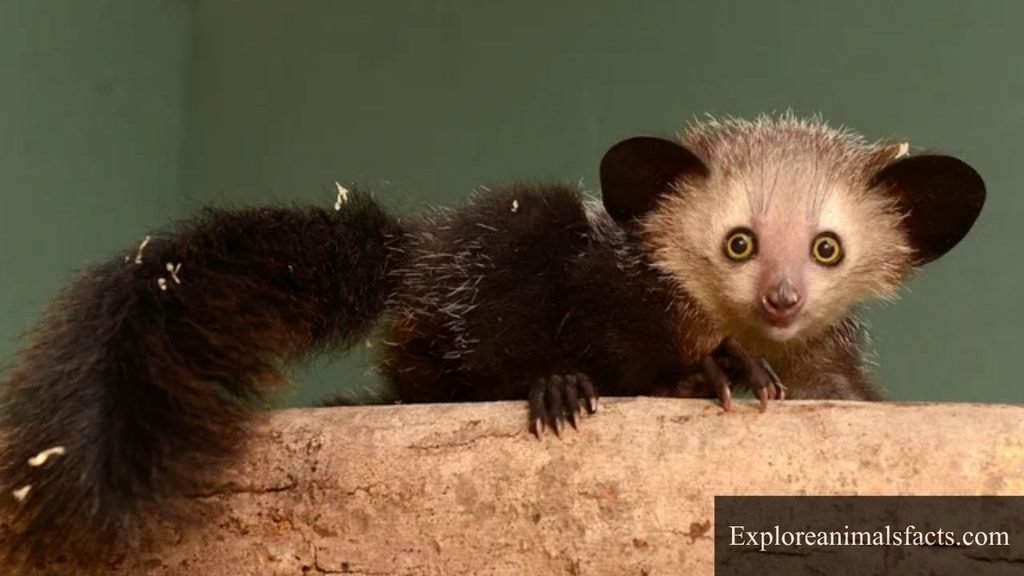
Once the aye-aye identifies a promising spot, it uses its specialized finger to pry open the coconut. Not just a feast for the palate, this behavior reflects an intricate relationship with its habitat, demonstrating how the aye-aye navigates the challenges of survival. The consumption of coconuts, along with other hard-shelled fruits, underscores the importance of adaptability in evolution, highlighting the diverse diets that allow species like the aye-aye to thrive in Madagascar’s unique ecosystems. Observing this fascinating animal not only enriches our understanding of biodiversity but also emphasizes the often overlooked connections between species and their environments.
Rats
Scientific Name: Rattus Rattus / Rattus Norvegicus
Class: Mammalia
Diet: Omnivore
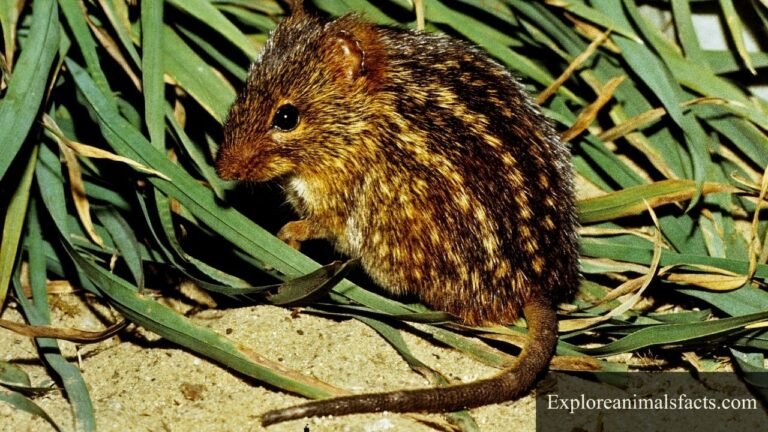
Rats are often underestimated in discussions about coconut-consuming animals, yet their resourcefulness knows no bounds. These curious critters have a knack for climbing and gnawing, which makes them adept at accessing the hard outer shell of coconuts. In tropical environments, where these palms thrive, rats have adapted to this unique food source, leveraging their strong teeth to break through the tough rind. Not only do they benefit from the nutrient-rich flesh and water inside, but they also play an unwitting role in the plant’s dispersion; as they scurry away with bits of coconut, they help in spreading seeds across the landscape.
The rat’s affinity for coconuts can shift the dynamics of local ecosystems. Their presence can lead to phenomena like overforaging, particularly in areas where they thrive without natural predators. This can give rise to competition with other species that also rely on coconuts for sustenance. Furthermore, studies have shown that populations of rats are more likely to flourish in regions with abundant coconut palms, illustrating the impact of this tropical treasure on their behavior and survival strategies. So, while rats might not be the first animals that come to mind when discussing coconut enthusiasts, they are a fascinating example of adaptation in nature’s ever-evolving tapestry.
Palm Cockatoo
Scientific Name: Probosciger Aterrimus
Class: Aves
Diet: Herbivore
The Palm Cockatoo, known for its striking black feathers and bold red cheek patches, has an unusual culinary affinity for coconuts. In the lush rainforests of Australia and New Guinea, these intelligent birds have evolved a distinctive technique to access the nutrient-rich meat inside. Using their powerful beaks, the Palm Cockatoo will crack open tough coconut shells with impressive precision, demonstrating not just strength but remarkable problem-solving skills. Observations have shown that they often adapt their methods based on the size and type of coconut, showcasing their ability to learn and innovate in their foraging strategies.
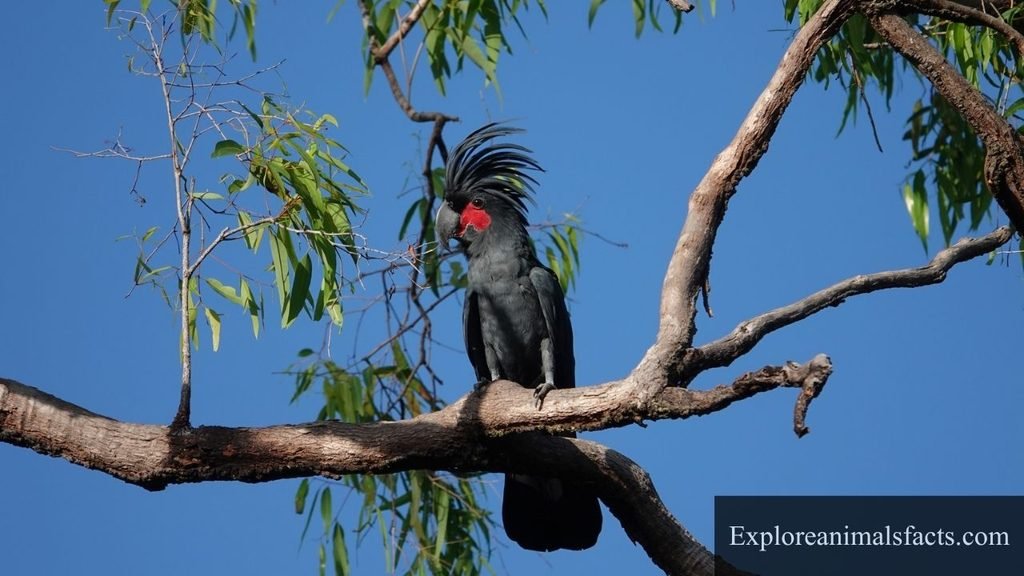
What makes their coconut-cracking prowess even more fascinating is the social aspect of this behavior. Palm Cockatoos are known to engage in this activity as a communal effort, sharing the bounty with their mates or young ones. This cooperation not only strengthens social bonds but also ensures that the next generation inherits vital survival skills. In a world where many species struggle with habitat loss, understanding such unique dietary habits illuminates the resilience and adaptability of the Palm Cockatoo in their natural habitat, reinforcing the importance of conservation efforts aimed at protecting both the species and their coconut-rich ecosystems.
Monkeys
Scientific Name: Simiiformes
Class: Mammalia
Diet: Omnivore
Monkeys are often seen swinging from branch to branch in tropical forests, but one of their lesser-known talents is their ability to crack open coconuts. These nimble primates leverage their intelligence and dexterity, using rocks or other hard objects to break the tough outer shell. This skill not only showcases their adaptability but also highlights their instinctual understanding of food sources. Coconuts provide a rich source of hydration and calories, particularly important in their humid habitats where energy expenditure can be high.
Beyond their physical prowess, monkeys’ coconut-eating habits also play a role in their ecosystems. By cracking open and consuming coconuts, they inadvertently assist in seed dispersal. As they move through their territories, they often leave behind remnants of the fruit, enabling new coconut palms to sprout in diverse locations. This symbiotic relationship illustrates the interconnectedness of nature and underscores the importance of preserving such environments, where even the simplest actions can sustain entire ecosystems.
Pigs
Scientific Name: Sus Scrofa Domesticus
Class: Mammalia
Diet: Omnivore
Pigs, often seen as opportunistic foragers, have a peculiar fondness for coconuts. In tropical areas, these intelligent animals showcase their resourcefulness by using their powerful snouts to unearth fallen coconuts. With remarkable tenacity, they will tear away the fibrous husk, revealing the hard shell beneath. Once they’ve conquered the outer layer, their curiosity and determination lead them to crack open this nutrient-packed treasure.
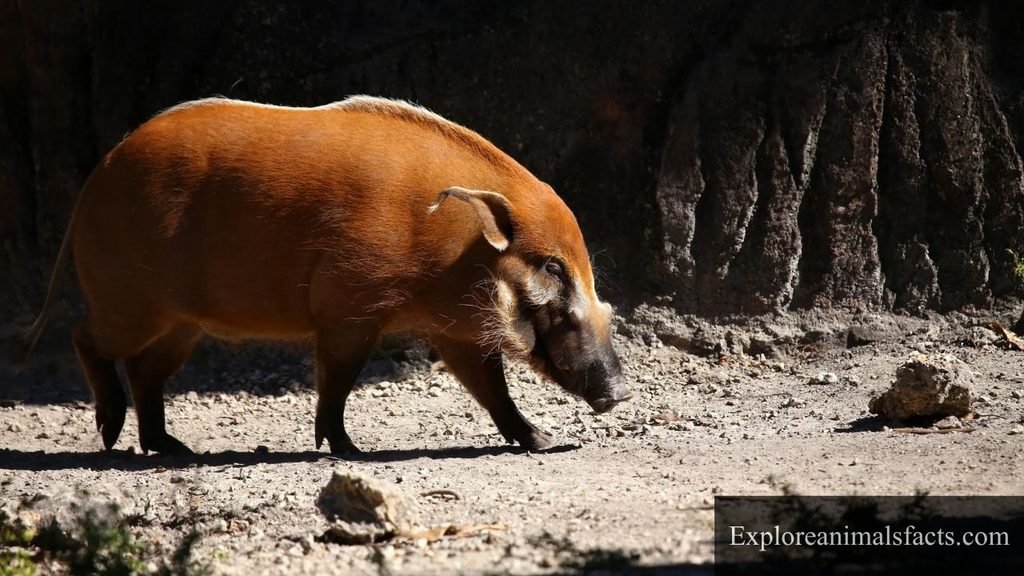
It’s not just the meat that piques their interest; mature pigs also relish the coconut water, which serves as a tasty and hydrating treat in the sweltering heat. This behavior not only highlights their adaptability but also their ability to process different food sources, contributing to their role in local ecosystems. By breaking down coconuts, pigs help disperse seeds, promoting new coconut palm growth — a beautiful symbiosis in nature that reminds us of the interconnectedness of all living things.
Readmore: Explore Top 15 Animals That Eat Ants.
Final Thoughts
Animals that eat coconuts showcase the fascinating adaptability of wildlife in diverse ecosystems. From clever primates to industrious rodents, these creatures have developed unique techniques to access the nutrient-rich insides of this tropical fruit. Their behaviors not only highlight the importance of coconuts in their diets but also emphasize the ecological roles these animals play in their habitats. By understanding these relationships, we gain a deeper appreciation for biodiversity and the interconnectedness of life. Let’s continue to explore and protect the environments where these remarkable animals thrive.
FAQs
Do pigs eat coconuts?
Yes, pigs can eat coconuts, and they often enjoy them! Coconuts are a good source of fat, which can be beneficial for pigs in moderation. When feeding pigs coconuts, it’s best to offer them fresh or dried coconut meat, as well as the water inside.
Which animals eat coconut?
Various animals enjoy eating coconuts. Birds, such as parrots and cockatoos, can crack open the hard shells to get at the sweet meat inside. Monkeys are also known for their love of coconuts; they often climb trees to reach them and use their strong hands to break them open. On the ground, creatures like squirrels and rats may nibble on fallen coconuts. Even crabs are known to munch on coconut flesh.
Do elephants eat coconuts?
Yes, elephants can eat coconuts, but it’s not their primary food source. In the wild, they primarily graze on grasses, leaves, and bark. However, if coconuts are available, they may crack them open and enjoy the flesh inside. Their strong trunks and tusks help them break through the tough outer shell.