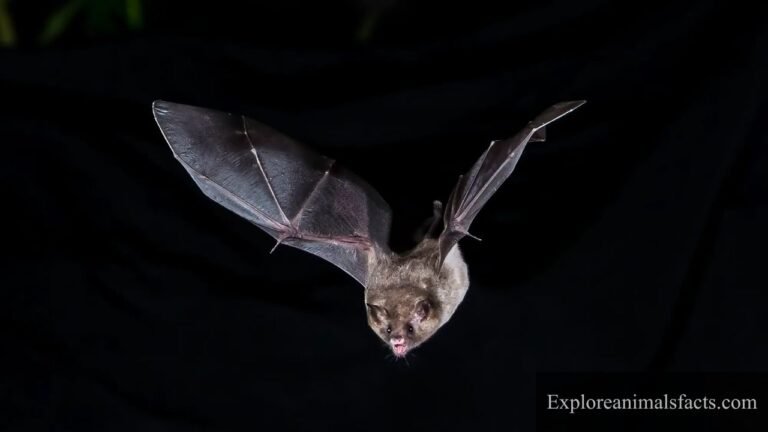

Top 13 Animals With Pointy Ears (With Pictures)
In this article, we’ll explore various animals with pointy ears, uncovering fascinating traits and behaviors that make them unique. From playful foxes to alert rabbits, these creatures are more than just cute; they play vital roles in their ecosystems. By the end, you’ll understand the significance of their adaptations and how they navigate their environments.
List of Animals With Pointy Ears
Here is the list of animals with pointy ears:
- Caracal
- Fennec Fox
- Serval
- Red Fox
- Lynx
- Bat-eared Fox
- German Shepherd
- Siamese Cat
- Aardvark
- Kangaroo
- Aye-Aye
- Greater Galago
- Chinchilla
Caracal
Scientific Name: Caracal caracal
Class: Mammalia
Diet: Carnivore
Caracals are easily distinguished by their striking tufted ears in the wild. These medium-sized felines, native to Africa, the Middle East, and Central Asia, rely on their keen hearing for survival, able to detect the faintest rustle of prey even in dense bushland. The black tufts serve not only as a form of communication but enhance their auditory range, making them exceptional hunters, capable of pouncing on birds mid-flight with astonishing accuracy.
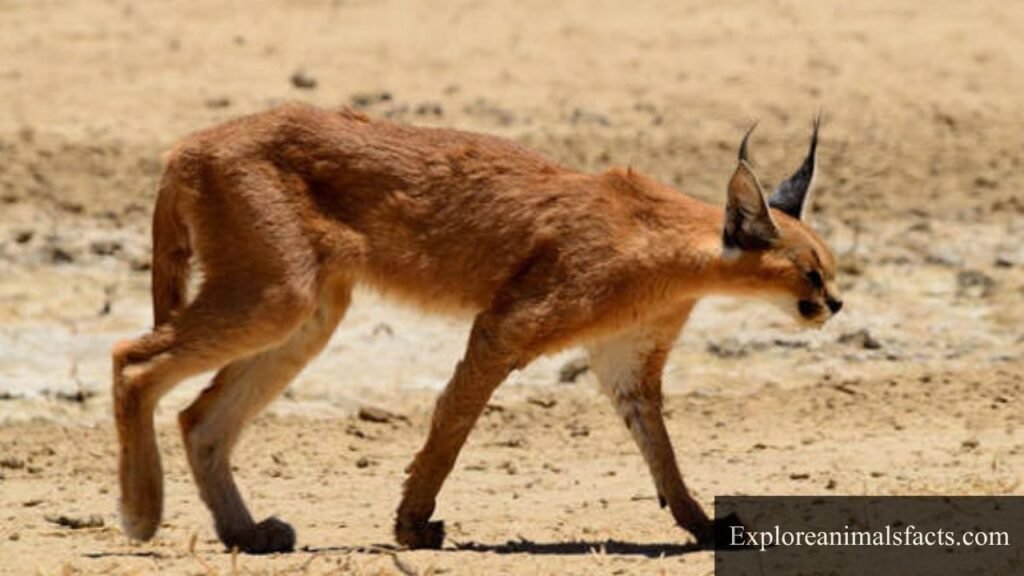
Caracals also exhibit a fascinating behavioral repertoire. Unlike their solitary cousins, they often form temporary bonds during mating, showcasing a different side of feline social dynamics. Their adaptability to various habitats — from arid deserts to scrubs — illustrates their resilience and versatility, traits that are increasingly relevant as climate change challenges wildlife in their native ranges. As conservation efforts continue, understanding the unique roles these captivating cats play in their ecosystems can inspire renewed commitment to protect their dwindling habitats.
Fennec Fox
Scientific Name: Vulpes zerda
Class: Mammalia
Diet: Omnivore
The fennec fox, with its oversized pointy ears, is a remarkable adaptation to the harsh desert environment of North Africa. These ears are not just for show; they serve multiple purposes. Primarily, they dissipate heat, helping the fennec stay cool during sweltering days. Their acute hearing allows this nocturnal creature to detect prey underground, transforming the vast dunes into a treasure trove of food.
Beyond their physical attributes, fennec foxes exhibit fascinating social structures. Living in small family groups, they communicate through a range of vocalizations, from barks to whines, enhancing their collective hunting efficiency. Their playful demeanor and agility make them seem almost like living teddy bears of the desert — charming yet expertly adapted to survive in one of the planet’s most unforgiving landscapes. Observing their interactions in the wild provides a compelling reminder of nature’s intricate balance, where even the smallest ears can make an impressive impact.
Serval
Scientific Name: Leptailurus serval
Class: Mammalia
Diet: Carnivore
The serval, with its strikingly tall and pointy ears, is a marvel of evolutionary adaptation. These captivating felines utilize their acute hearing to detect the faintest rustling of prey in the tall grasses of sub-Saharan Africa. This auditory prowess allows them to hunt efficiently, primarily targeting rodents, birds, and insects — an impressive feat given their ability to leap up to six feet high to catch airborne meals.

Their slender bodies and long legs possessed by serval enable agile movements while maintaining an air of grace. Interestingly, servals also participate in social behaviors rarely seen in solitary cats; they communicate through a series of vocalizations, including purrs and chirps, which can be observed during playful interactions or when establishing territory. This intriguing mix of behavior enhances our understanding of feline social dynamics, suggesting that even solitary hunters can possess a vibrant social life when the circumstances arise.
Readmore: Explore Top 15 Grumpy Animals in The World.
Red Fox
Scientific Name: Vulpes vulpes
Class: Mammalia
Diet: Omnivore
The red fox, with its striking pointy ears, embodies a fascinating blend of adaptability and cunning. These distinctive ears are not merely for show; they play a crucial role in the fox’s survival. The heightened sensitivity of their ears allows them to detect the faintest of sounds, whether it’s the rustle of a mouse in the underbrush or the distant footfalls of a potential predator. This acute hearing is vital in their diverse habitats, from urban areas to dense forests, where they thrive.
Red foxes are masters of communication, utilizing their ears to convey emotions and intentions. When socializing, the positioning of their ears can indicate curiosity, aggression, or submission, turning an everyday encounter into a subtle dance of signals. Their playful nature, highlighted by their agile movements and clever antics, showcases their intelligence and adaptability, making them a delight to observe. In a world where many species are struggling to survive, the red fox thrives, serving as a reminder of nature’s resilience and the intricate relationships between animals and their environments.
Lynx
Scientific Name: Lynx lynx
Class: Mammalia
Diet: Carnivore
The lynx, a captivating member of the wild cat family, is instantly recognizable by its tufted, pointy ears that not only enhance its striking appearance but also play a crucial role in its survival. Those iconic ear tufts serve a dual purpose: they amplify sound, allowing the lynx to detect even the faintest rustle of prey in dense forests, and convey social signals to others of their kind. This auditory advantage positions the lynx as a stealthy predator, relying on acute hearing to navigate its snowy habitat during harsh winters.

Beyond their superb hearing, the lynx’s striking appearance is matched by its exquisite adaptability. With their large, padded paws acting like snowshoes, they glide effortlessly over deep snow, stalking their quarry with stealth and precision. This combination of unique physical adaptations and keen hunting skills makes them a fascinating subject of study. As apex predators, lynxes play a vital role in maintaining the balance of their ecosystem, illustrating the intricate interplay of species that sustain the natural world.
Bat-eared Fox
Scientific Name: Otocyon megalotis
Class: Mammalia
Diet: Insectivore
The bat-eared fox, with its distinctively large, pointy ears, is a stunning example of nature’s adaptation and design. These extraordinary ears serve a dual purpose: not only do they provide an exceptional sense of hearing, allowing the fox to detect prey underground, but they also act as radiators, helping to dissipate heat in the arid African climates it inhabits. Imagine a creature so in tune with its environment that its very anatomy is sculpted by the demands of survival and comfort.
Social creatures by nature, bat-eared foxes are often spotted in small family groups, demonstrating fascinating caring behaviors. They engage in playful antics that not only strengthen their bonds but also hone their hunting and survival skills. Their diet, primarily consisting of insects such as termites and beetles, showcases their adaptability, allowing them to thrive even when food sources fluctuate. Observing these foxes in their natural habitat reveals a vibrant social dynamic, as they communicate with a variety of barks and growls, each sound infused with meaning that reflects their intricate social structure.
German Shepherd
Scientific Name: Canis lupus familiaris
Class: Mammalia
Diet: Carnivore
German Shepherds are renowned not only for their intelligence and loyalty but also for their distinctively pointy ears, which serve both aesthetic and functional purposes. These ears act as powerful sensory tools, enhancing their ability to perceive sounds in their environment — a trait that makes them exceptional working dogs in roles such as search and rescue. The upright nature of their ears allows for better sound localization, giving them a tactical advantage in the field.

Moreover, the shape of their ears is a distinctive hallmark of the breed, creating a striking silhouette that exudes both strength and alertness. When excited or curious, these ears perk up, showcasing their expressive personalities. Interestingly, the genetic variety within the breed means that not all Germans Shepherds will have perfectly upright ears; some may exhibit a charming mix of floppy and pointed features, adding to their unique character. This variability not only enhances their allure but also sparks conversations among enthusiasts about breeding practices and the evolutionary history of the breed.
Siamese Cat
Scientific Name: Felis catus
Class: Mammalia
Diet: Carnivore
The Siamese cat stands out not just for its striking appearance but also for its personality, making it a captivating choice for cat enthusiasts. With their sharp, pointy ears perched elegantly on their sleek, slender heads, these cats are the epitome of grace. The ears serve not only as a stunning visual feature but also demonstrate their keen sense of hearing, making them incredibly responsive to their surroundings.
Siamese cats are known for their vocal nature, often engaging in what feels like spirited conversations with their human companions. This penchant for communication reflects their social instincts; they thrive on interaction, forming deep bonds with their families.
Aardvark
Scientific Name: Orycteropus afer
Class: Mammalia
Diet: Insectivore
The aardvark boasts a pair of pointy ears that are as functional as they are distinctive. These features serve a vital role in the aardvark’s survival, allowing it to detect the subtle sounds of both predators and prey in its nocturnal habitat. With the ability to swivel its ears independently, this curious creature can pinpoint the slightest rustle in the underbrush, fine-tuning its senses as it scours the African savanna for ants and termites.
Delving deeper into the aardvark’s unique physiology reveals an intriguing adaptability. While its ears are undeniably outlandish, they’re not just fashion statements; they help regulate body temperature in the heat of the day. By dissipating excess warmth, those remarkable appendages act like radiators, allowing the aardvark to efficiently manage its environment. This dual utility of pointy ears encapsulates nature’s genius, where every trait serves multiple purposes, enhancing not just survival but the beauty of biodiversity.
Kangaroo
Scientific Name: Macropus giganteus
Class: Mammalia
Diet: Herbivore
Kangaroos, often recognized for their powerful hind legs and iconic pouches, also boast a unique set of pointy ears that serve more than just a charming appearance. These ears are finely tuned auditory instruments, allowing kangaroos to pick up the slightest rustle in the grass or a distant predator’s movement. This acute sense of hearing is vital not only for survival but also for social interactions within their groups.
A kangaroo’s ears can rotate independently, granting them 360-degree awareness of their surroundings. This remarkable adaptability is essential for detecting both threats and potential mates. Kangaroos also communicate with their ears, using subtle movements to signal alertness or relaxation to other kangaroos nearby. In a world where every sound can mean safety or danger, these pointy ears are integral to their daily lives, showcasing the hidden complexities of their social structures and survival strategies in the wild.
Aye-Aye
Scientific Name: Daubentonia madagascariensis
Class: Mammalia
Diet: Omnivore
The aye-aye, a fascinating lemur native to Madagascar, stands out not just for its nocturnal behavior but also for its strikingly large, pointy ears. These distinctive ears are more than just a quirky feature; they play a crucial role in the animal’s unique method of foraging. The aye-aye taps on tree bark to locate grubs hidden within, using its sensitive ears to detect vibrations that reveal the presence of its next meal. This remarkable adaptation showcases nature’s ingenuity, as sound becomes a vital tool in the quest for sustenance.
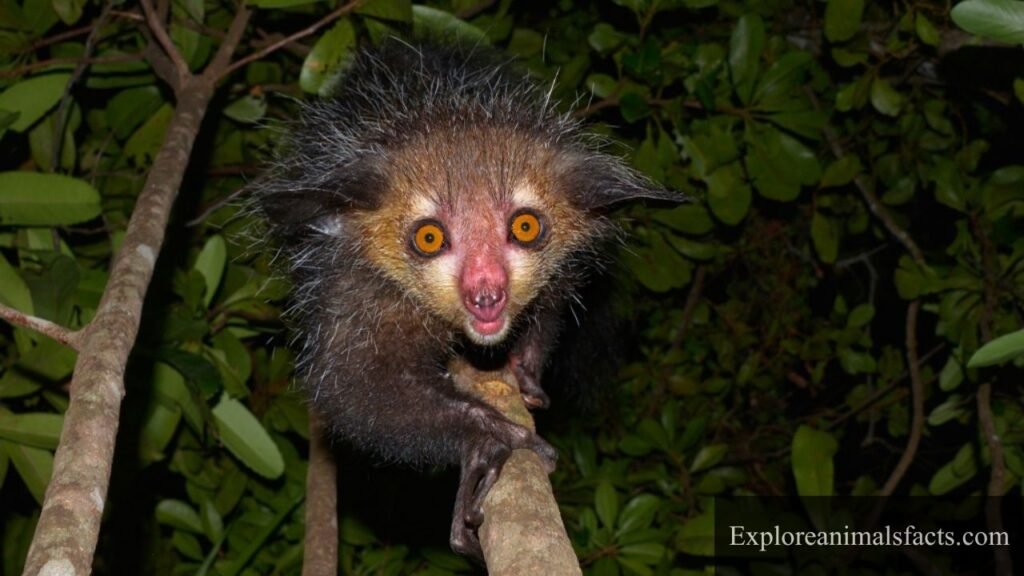
The aye-aye’s role within its environment is crucial yet subtly overlooked. By excavating wood to reach larvae, it not only feeds itself but also plays a vital role in the health of the forest ecosystem, promoting decay and nutrient cycling. Unfortunately, its eerie appearance has led to superstitions that threaten its survival, as locals often view it as an omen of misfortune. As we delve deeper into the lives of these enchanting creatures, we unveil the complex tapestry of behavior and ecology that challenges our perception of beauty and worth in the animal kingdom.
Greater Galago
Scientific Name: Otolemur crassicaudatus
Class: Mammalia
Diet: Omnivore
The greater galago, also known as the bushbaby, boasts strikingly large, pointy ears that serve a dual purpose: enhancing its hearing and beautifully complementing its adorable face. These adaptations allow it to detect even the faintest sounds in its dense woodland habitat. With the ability to locate predators or prey in the dark of night, the galago exemplifies the marvels of evolution, where form meets functionality in the most charming ways.
Beyond their extraordinary auditory capabilities, these creatures are also social beings. They communicate through a series of fascinating vocalizations that resonate in the moonlit forests of Africa. These calls not only signify territory but also strengthen family bonds — a reminder of the intricate social networks that exist in the animal kingdom. Observing a greater galago in its natural habitat, bounding gracefully from branch to branch, one cannot help but appreciate how their pointy ears are more than just a distinguishing feature; they are symbols of adaptability and connection in a complex ecosystem.
Chinchilla
Scientific Name: Chinchilla lanigera
Class: Mammalia
Diet: Herbivore
Chinchillas, with their soft, dense fur and pointy ears, are often underestimated in terms of their intelligence and social behavior. Native to the Andes Mountains, these creatures are built for agility, using their large ears not just for hearing, but as essential tools in regulating their body temperature in the cooler high-altitude climates. Their keen sense of hearing allows them to detect potential predators, making those alert ears as much a survival tool as a cute feature.

These nocturnal mammals thrive on social interaction, often forming tight-knit colonies. Their expressive ears communicate a range of emotions, from curiosity to alarm. When observing a chinchilla, you might notice how often they perk up their ears at the slightest sound, showcasing their heightened awareness of their surroundings. Understanding this behavior opens up a world of appreciation for their intricate social dynamics and lively personalities, revealing just how much depth lies beneath that fuzzy exterior.
Readmore: Explore Top 17 Animals With Bushy Tails.
Final Thoughts
Animals with pointy ears showcase a remarkable diversity of species, each adapted to their environments in unique ways. From the playful foxes in the wild to the loyal cats in our homes, these creatures captivate our imaginations with their distinct features and behaviors. Their pointy ears not only enhance their hearing capabilities but also contribute to their overall aesthetic appeal. As we continue to appreciate and study these fascinating animals, we gain a deeper understanding of the vital roles they play in their ecosystems.
FAQs
What animals have pointy ears?
Several animals are known for their distinctive pointy ears. Domestic cats and dogs come to mind first, with breeds like the German Shepherd and the Siamese cat showcasing this feature prominently. Pointy ears often enhance their ability to hear, making them highly alert hunters. Creatures such as foxes and bats also exhibit pointy ears. Foxes, with their sharp ears, can detect the faintest sounds, aiding them in locating prey. Certain bat species rely on their pointed ears for echolocation, helping them navigate and hunt in the dark.