Top 13 Animals That Look Like Otters (Pictures Included)
Did you know that not all creatures with sleek bodies and playful personalities are otters? In fact, there are several animals that look like otters but belong to entirely different species! This article will take you on a fascinating journey to discover these otter-like animals, shedding light on their unique characteristics and habitats. Whether you’re an animal enthusiast or simply curious, you’ll gain a newfound appreciation for the diverse animal kingdom.
List of Animals That Look Like Otters
Below is the list of animals that look like otters:
- Stoat
- Mongooses
- Tayras
- European Polecat
- Fishers
- Ferrets
- Wolverines
- Badgers
- Nutria
- Martens
- Civet
- Mink
- Weasels
Stoat
Scientific Name: Mustela erminea
Class: Mammalia
Diet: Carnivore
The stoat showcases an intriguing mix of charm and cunning. With its sleek, elongated body and short limbs, it can easily be mistaken for a miniature otter in a rush. This member of the weasel family is fascinating not just for its appearance, but for its remarkable adaptability. During winter, stoats don a striking white coat, enabling them to blend seamlessly into snowy landscapes, making their hunting techniques even more effective.
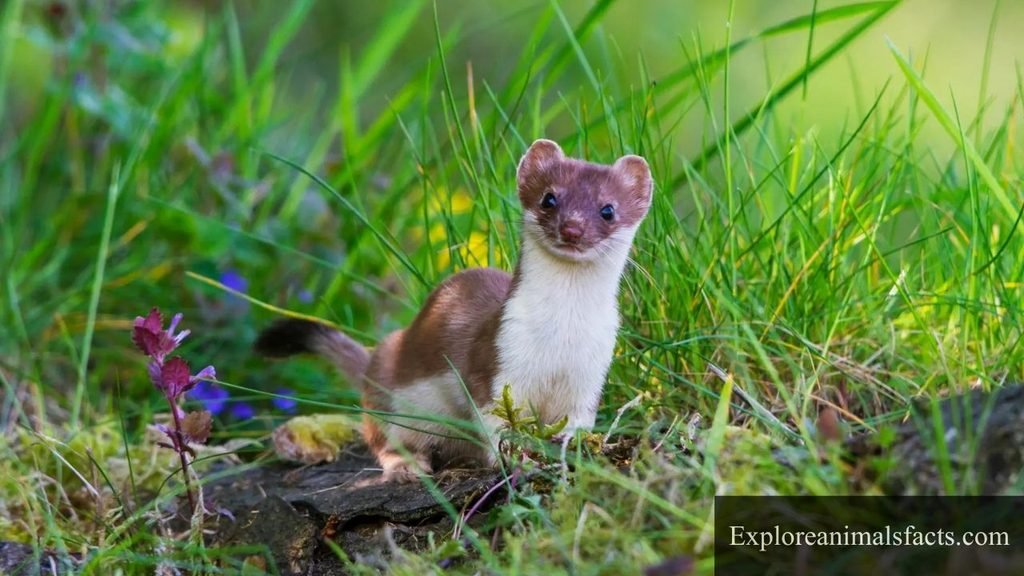
While otters are primarily aquatic, stoats are expert land dwellers with exceptional agility. Their ability to chase down prey through dense underbrush distinguishes them from their semi-aquatic counterparts. What’s more surprising is their boldness; stoats are known to tackle prey much larger than themselves, showcasing an audacious spirit that’s both fascinating and somewhat fearless. Observing a stoat in action provides a lens into the intricate dynamics of nature, where size often matters less than skill and strategy. These small but powerful creatures remind us that the wild is full of surprises, each with a story of resilience and adaptation.
Mongooses
Scientific Name: Herpestidae
Class: Mammalia
Diet: Omnivore
Mongooses, with their sleek bodies and playful antics, often evoke thoughts of otters, particularly due to their social structures and engaging behaviors. These small carnivores are masters of adaptability, thriving in various habitats from savannas to forests, and even urban areas. While otters are primarily aquatic, mongooses are versatile, showcasing impressive agility both in trees and on the ground. Their elongated forms and bushy tails contribute to a similar silhouette, making for an endearing visual comparison.
Moreover, these creatures share a penchant for teamwork. Mongooses often hunt in packs, employing strategic communication and cooperation to take down prey, much like otters that work together to catch fish. Their lively playfulness, marked by tumbling and mock fighting, adds to their charming resemblance. Observing them in their natural habitat reveals not only their cunning survival skills but also a relatable, almost otter-like spirit of camaraderie that echoes through the animal kingdom.
Tayras
Scientific Name: Eira barbara
Class: Mammalia
Diet: Omnivore
Tayras, often overlooked in the animal kingdom, share an undeniable resemblance to otters. These agile creatures, native to Central and South America, boast sleek bodies and playful dispositions, echoing the charm of their aquatic cousins. While otters thrive in rivers and lagoons, tayras prefer forested areas, showcasing a duality in habitat that underscores the incredible adaptability of mammals.
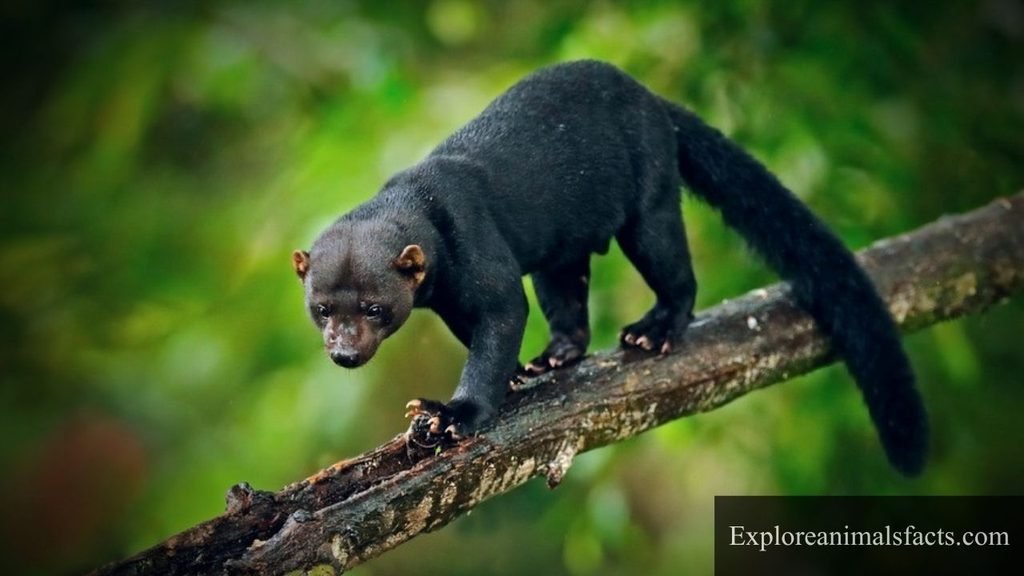
Their vibrant fur ranges from dark brown to rich chestnut, allowing tayras to blend seamlessly into their rainforest surroundings. Despite their seemingly whimsical nature, they are formidable hunters, preying on a variety of small animals, fruits, and even insects. This omnivorous diet highlights their ecological versatility, drawing parallels to otters that also display opportunistic feeding behaviors. Observing a tayra in the wild can evoke a sense of playful curiosity, as these creatures demonstrate remarkable agility, climbing trees with ease and even displaying social behaviors akin to those seen in otter families.
Readmore: Explore Top 15 Animals That Drink a Lot of Water.
European Polecat
Scientific Name: Mustela putorius
Class: Mammalia
Diet: Carnivore
The European polecat, often mistaken for a small otter, showcases a strikingly similar body shape but possesses unique traits that set it apart. With a sleek, elongated form and a coat of rich brown fur, these creatures embody an effortless grace, reminiscent of their aquatic cousins. However, unlike the playful nature of otters, polecats tend to be more solitary and elusive, spending much of their time in dens or foraging for food in the underbrush.
What truly captivates the European polecat is its remarkable adaptability. Found in varied environments from woodlands to agricultural fields, these animals display an intriguing survival strategy that includes a diverse diet ranging from small mammals to birds and even fruits. Their whiskers, finely tuned for sensing the world around them, give them the dexterity needed to move through tight spaces — a skill that complements their mischievous reputation. It’s this blend of characteristics that highlights not only their physical resemblance to otters but also their own distinct lifestyle, reminding us that nature often crafts fascinating parallels in form and function.
Fishers
Scientific Name: Pekania pennanti
Class: Mammalia
Diet: Carnivore
Fishers are fascinating creatures that inhabit North America’s forests. These weasel relatives boast long, agile frames that allow them to navigate through dense underbrush with grace, reminiscent of an otter’s fluid movements in water. Unlike their aquatic counterparts, fishers are primarily terrestrial and thrive in wooded areas, making them expert climbers who skillfully navigate trees in search of prey.
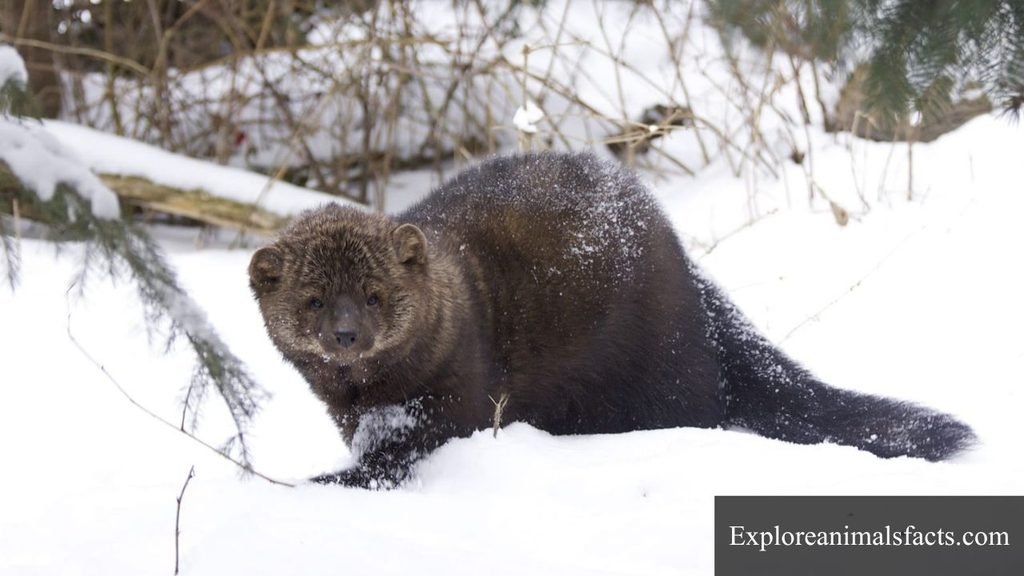
One of the most striking aspects of fishers is their unique diet; they are one of the few predators known to hunt porcupines. This daring culinary choice sets them apart in the animal kingdom and underscores their adaptability. Their fur is often a rich, dark brown, which can further evoke the appearance of an otter, but their rounded faces and smaller eyes add a distinct character. Watching a fisher in action reveals a playful spirit, as they engage in acrobatics while tumbling and leaping, blurring the lines between predator and playful companion. The contrast of ferocity and whimsy makes them a compelling subject, drawing parallels to the charming yet cunning otters, thus establishing a bridge of intrigue in the realm of animal behavior.
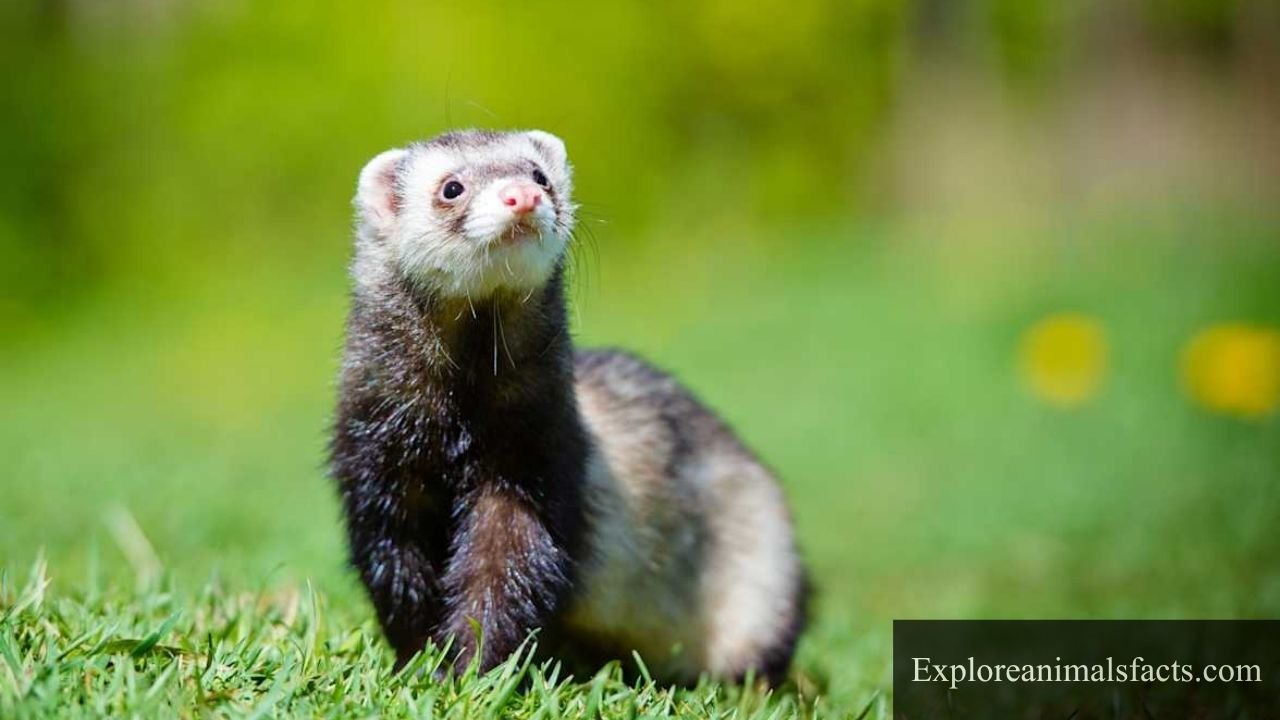
Ferrets
Scientific Name: Mustela furo
Class: Mammalia
Diet: Carnivore
Ferrets share an undeniable resemblance to otters, showcasing sleek bodies and playful dispositions that make them equally charming. Both species possess elongated, agile forms, allowing for graceful movements in their environments — whether that’s gliding through water or darting through tunnels. Ferrets are often misidentified as mere house pets, but their inquisitive nature and high-energy antics parallel the frolicsome behavior of otters in the wild.
These creatures also exhibit a rich social dynamic, often seen in playful groups. In both species, social interactions are filled with chasing, tumbling, and exploring their surroundings, creating a captivating spectacle for observers. Ferrets, with their deep-set eyes and expressive faces, convey a sense of curiosity akin to otters, drawing people in with their endearing antics. Their thick fur, while less aquatic than an otter’s, nonetheless serves a protective role, allowing them to adapt comfortably to various environments. The similarities remind us that nature often crafts its own architectural marvels — each species with unique adaptations, yet beautifully interconnected in their playful spirit.
Wolverines
Scientific Name: Gulo gulo
Class: Mammalia
Diet: Carnivore
Wolverines share a curious resemblance to otters, particularly in their stout bodies and playful demeanor. While otters embody a more aquatic lifestyle, wolverines thrive in harsh, often frigid environments, showcasing their incredible adaptability. With stocky builds and thick fur, these creatures navigate snowy terrains with surprising agility, blending strength and stealth. Their small, rounded ears and wide, expressive faces could easily remind one of a playful otter frolicking in the water, but wolverines possess an inherently rugged spirit that speaks to their role as fierce scavengers and predators.
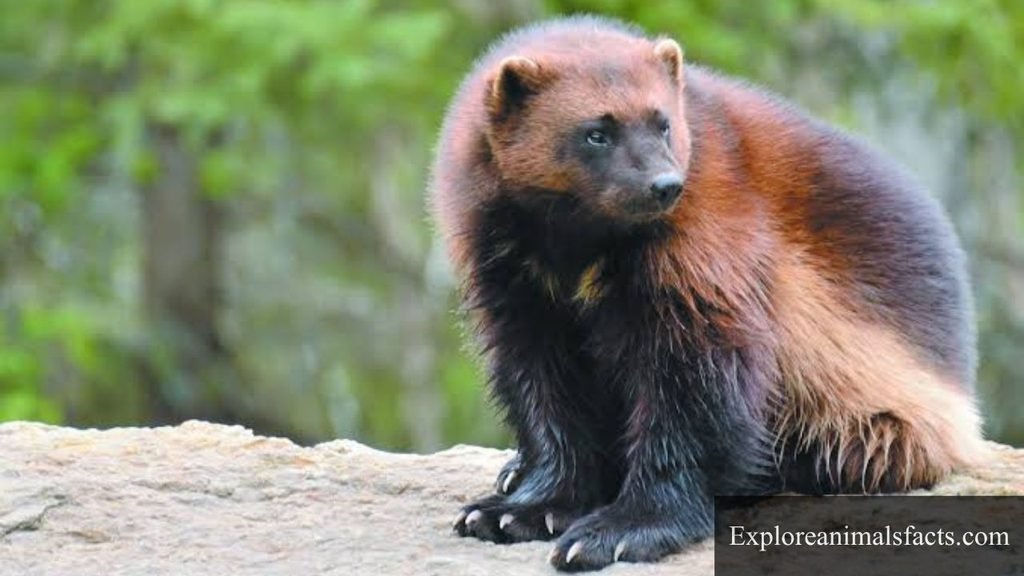
Beyond their physical likeness, both animals exhibit a fascinating social dynamic. Otters are known for their tight-knit family groups and cooperative hunting, while wolverines, often solitary, demonstrate remarkable resourcefulness as they traverse vast territories in search of food. This solitary nature, however, isn’t without its moments of whimsy; wolverines display play behaviors reminiscent of otters, building snow tunnels and engaging in spirited movements that highlight their playful side. Observing wolverines in their natural habitat can unveil a stunning juxtaposition, revealing how two seemingly similar animals have forged distinct lives shaped by their environments.
Badgers
Scientific Name: Meles meles
Class: Mammalia
Diet: Omnivore
Badgers share striking similarities with otters that can easily escape the casual observer. Both animals boast a stout body shape and a playful demeanor, making them endearing to wildlife enthusiasts. While otters are primarily aquatic creatures, badgers thrive in a terrestrial environment, yet both exhibit a keen intelligence and a penchant for burrowing — badgers expertly dig extensive tunnel systems that can rival the intricate dens of otters.
What truly sets badgers apart, though, is their unique social structure. Unlike the predominantly solitary otter, badgers often live in family groups, engaging in social grooming and cooperative raising of the young. This communal aspect adds an interesting layer to their behavior, resembling otters’ playful interactions within their groups. Badgers’ striking facial markings and bristly fur have a raw, rustic charm that complements their rugged lifestyle, embodying a sense of untamed wilderness that can captivate any nature lover. Just as otters glide through water with grace, badgers command the earth with a sturdy confidence that makes them equally fascinating in the realm of wildlife observation.
Nutria
Scientific Name: Myocastor coypus
Class: Mammalia
Diet: Herbivore
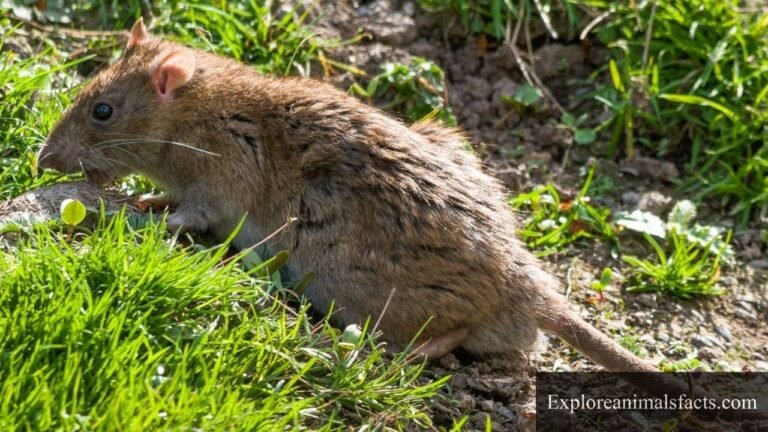
Nutria, often mistaken for otters due to their sleek bodies and webbed feet, inhabit wetlands across North America. These large, semi-aquatic rodents boast a distinctive set of orange incisors that sets them apart, adding a splash of color to their otherwise earthy tones. While otters are playful and social creatures known for their acrobatics, nutria have a more reserved demeanor, often gliding silently through water as they forage for aquatic plants.
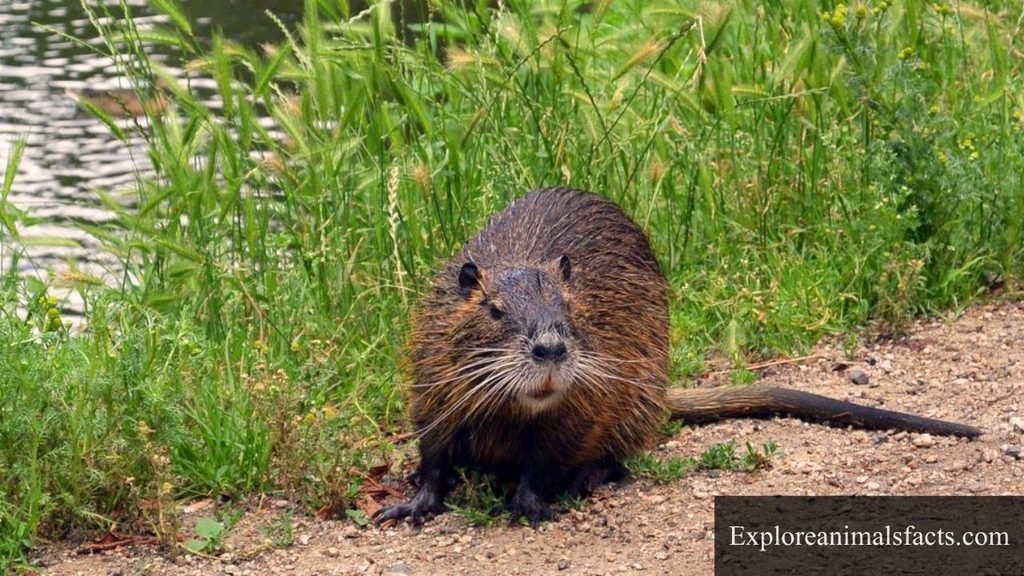
What makes nutria particularly fascinating is their impact on the ecosystems they inhabit. Grazing on marshlands can lead to significant alterations in wetland vegetative patterns, sometimes resulting in erosion and loss of habitat for other species. However, nutria also serve as an important food source for predators, illustrating the complex web of interactions in their environments. Their resilience in adapting to various habitats demonstrates the tenacity of nature, reminding us that every creature, regardless of its appearance, plays a vital role in the ecosystem’s balance.
Martens
Scientific Name: Martes
Class: Mammalia
Diet: Omnivore
Martens, often overshadowed by their more aquatic cousins, share a surprising resemblance to otters in both appearance and behavior. With their sleek, elongated bodies, vibrant fur, and playful disposition, it’s no wonder these agile mammals capture the hearts of those who encounter them. Found predominantly in forested regions of Europe, Asia, and North America, martens thrive in diverse habitats, showcasing their adaptability much like otters navigating between water and land.
Beyond their looks, martens are skilled climbers and hunters, leveraging their dexterous limbs to scurry up trees in search of food. Their diet primarily consists of small mammals, birds, and fruits, echoing the opportunistic feeding habits of otters. Both species exhibit a social side; martens are known to engage in playful antics, often seen darting through the underbrush or playfully chasing one another, adding to their otter-like charm. This playful behavior is not just for fun — it’s essential for developing the skills needed for hunting and survival in the wild.
Civet
Scientific Name: Viverridae
Class: Mammalia
Diet: Omnivore
With their sleek bodies and playful demeanor, civets often evoke images of otters, though they belong to entirely different families. These intriguing creatures boast a unique blend of feline and weasel traits, showcasing a coat that ranges from grey to brown with striking spotted patterns. Their expressive eyes and long tails further enhance their resemblance to the aquatic tricksters we know and love. However, civets are primarily terrestrial, traversing the rainforests and grasslands of Southeast Asia and Africa, rather than frolicking in water.
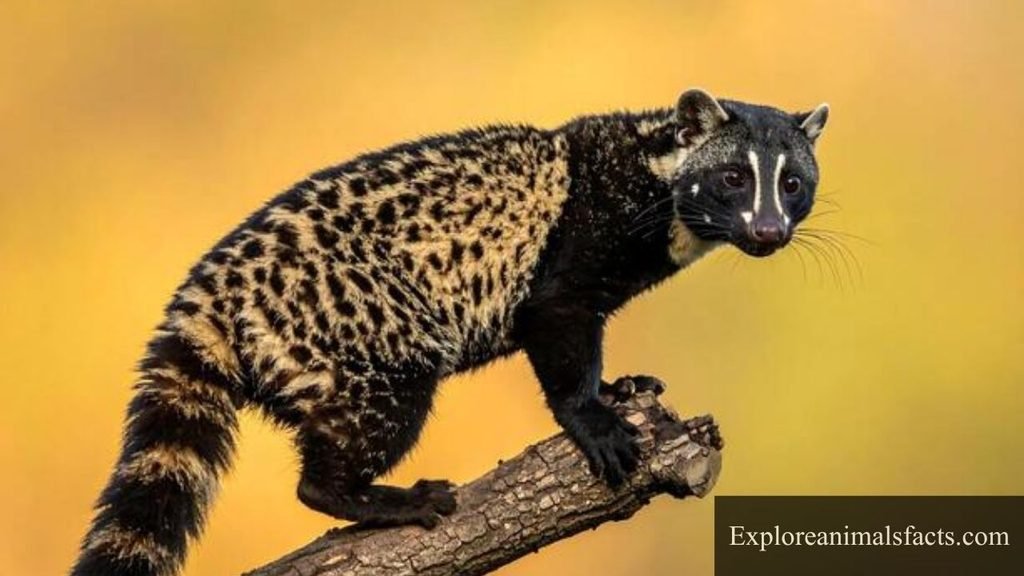
Civets are also known for their fascinating role in the ecosystem. As omnivores, they play a crucial part in seed dispersal, aiding in the regeneration of fruit trees while indulging in a diverse diet that includes fruits, insects, and small animals. Unlike otters, which are celebrated for their social structures, civets are more solitary, often roaming alone at night. This nocturnal lifestyle adds an air of mystery to their existence, making them elusive yet captivating animals in their own right. Understanding civets not only enriches our appreciation for these unique mammals but also highlights the boundless diversity of life that shares our planet.
Mink
Scientific Name: Neovison vison
Class: Mammalia
Diet: Carnivore
Minks often go unnoticed in discussions about otter-like animals, yet these sleek creatures share striking similarities that can easily confuse the casual observer. With their dense, water-repellent fur and elongated bodies, minks exhibit an elegance that mirrors the playful charm of otters. Both species boast remarkable swimming abilities, allowing them to navigate waterways with grace. Unlike otters, however, minks have a more solitary lifestyle, preferring to hunt for fish, crustaceans, and small mammals on their own.
One of the most fascinating aspects of minks is their adaptability to diverse environments, from wetlands to forests. This versatility not only showcases their resilience but also highlights the dynamic ecosystems in which they thrive. Furthermore, minks play a crucial role in controlling rodent populations, contributing to ecological balance. Their playful antics, particularly when engaging in social play during mating season, mimic the lively behavior of otters, inviting admiration and curiosity. Whether gliding through a stream or prowling the underbrush, minks remind us that nature is full of surprises, blurring the lines between familiar forms and intriguing variations.
Weasels
Scientific Name: Mustela
Class: Mammalia
Diet: Carnivore
Weasels share a surprising resemblance to otters that captivates both the curious and the casual observer. With their elongated bodies, short legs, and sleek fur, these small predators can almost be mistaken for miniature otters, especially when they perform their playful dashes or graceful glides across the ground. Their agile movements and inquisitive nature echo the otter’s clownish demeanor, sparking a delightful curiosity about their behaviors and habitats.
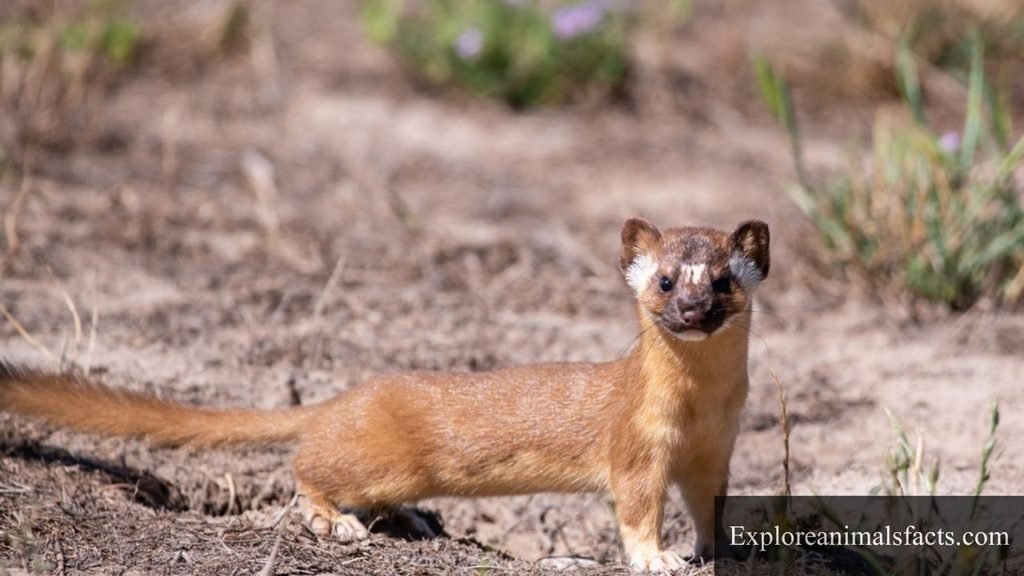
Inhabiting a variety of environments — from woodlands to wetlands — weasels exhibit a fascinating adaptability. Unlike otters, which are primarily aquatic, weasels are terrestrial hunters, showcasing a keen hunting prowess as they dart through underbrush in pursuit of prey. Their subtle coloration and streamlined form not only aid in hunting smaller animals but also serve as effective camouflage, allowing them to blend into their surroundings much like otters do in water. This duality in skill set — both as playful foragers and cunning hunters — highlights the rich tapestry of survival strategies among these charming yet often overlooked creatures.
Readmore: Explore Top 25 Animals With Lowest IQ.
Final Thoughts
The animal kingdom is full of fascinating creatures that share physical traits with otters, from the playful riverine features of the European polecat to the sleek bodies of the Ferrets. These animals not only captivate our imagination but also play vital roles in their ecosystems, reminding us of the intricate web of life. Observing their behaviors and habitats can deepen our understanding of biodiversity and conservation efforts.
As we continue to explore the wonders of nature, let us appreciate the similarities and differences that make each species unique. Take a moment to learn about these amazing animals and consider supporting wildlife conservation initiatives that protect their natural habitats.
FAQs
What animal is closest related to an otter?
Otters belong to the family Mustelidae, which includes a variety of other mammals. The closest relatives to otters are weasels, badgers, and ferrets. They all share a common ancestor and exhibit similar behaviors and physical traits.
What animal is mistaken for an otter?
One animal often mistaken for an otter is the muskrat. Muskrats have a similar sleek body shape and live in aquatic environments, which can lead to confusion. However, they are generally smaller and have a more pointed snout compared to otters.