Top 13 Animals That Eat Rabbits (Pictures Included)
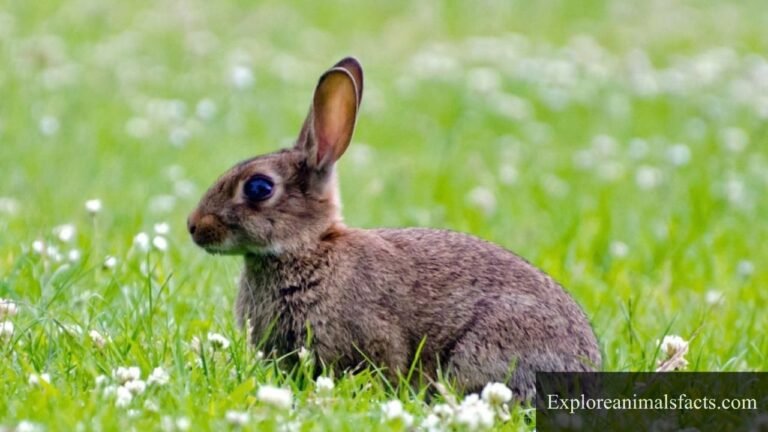
In the wild, these fluffy creatures are not just cute companions but also vital prey for a number of animals. This article will delve into the fascinating world of animals that eat rabbits, revealing their hunting strategies and the ecological balance they help maintain. By understanding these relationships, you’ll gain insight into the intricacies of nature and the roles different species play in their environments.
List of Animals That Eat Rabbits
Below is the list of animals that eat rabbits:
- Eurasian Lynx
- Red-tailed Hawk
- Badgers
- Coyotes
- Weasel
- Golden Eagle
- Snakes
- Bobcat
- Wolves
- Great Horned Owl
- Bears
- Foxes
- Ferrets
Eurasian Lynx
Scientific Name: Lynx lynx
Class: Mammalia
Diet: Carnivore
The Eurasian lynx, a master of stealth and agility, prowls the woodlands and mountainous terrains of Europe and Asia, effortlessly blending into its surroundings. With its tufted ears and elongated limbs, this magnificent cat is a skilled predator, known for its ability to hunt rabbits with exceptional precision. Unlike other predators that may rely on sheer strength, the lynx employs a combination of patience and calculated movements, often waiting for the perfect moment to pounce.
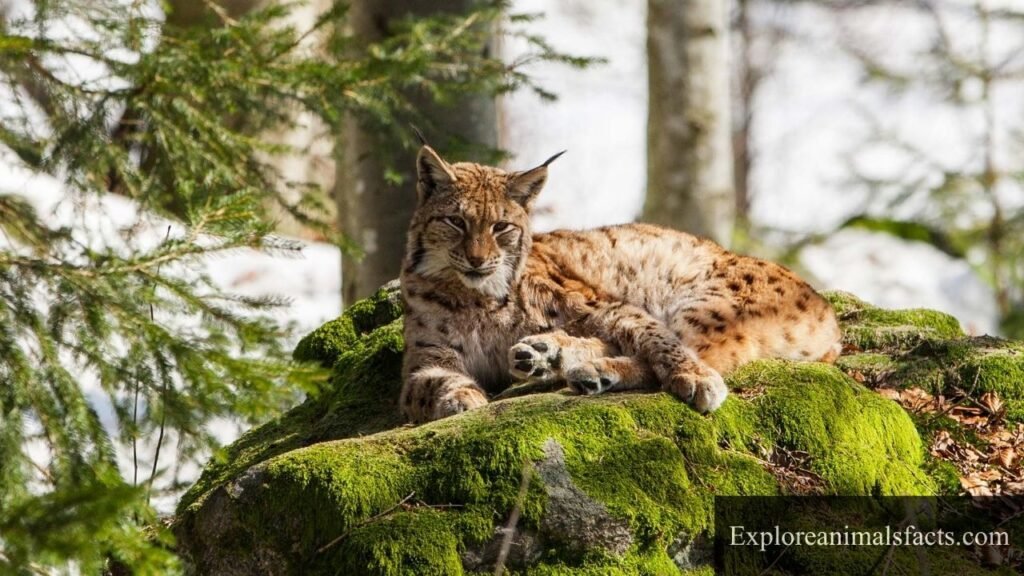
What’s fascinating about the Eurasian lynx is its hunting strategy, which involves not just speed but also an acute understanding of its prey’s behavior. Rabbits, often perceived as the classic prey, make up a substantial part of the lynx’s diet, particularly during certain seasons when they are most abundant. The lynx’s keen sense of hearing allows it to detect the subtle rustles of grasses indicating the presence of these small mammals, making it an effective hunter even in dense underbrush.
Red-Tailed Hawk
Scientific Name: Buteo jamaicensis
Class: Aves
Diet: Carnivore
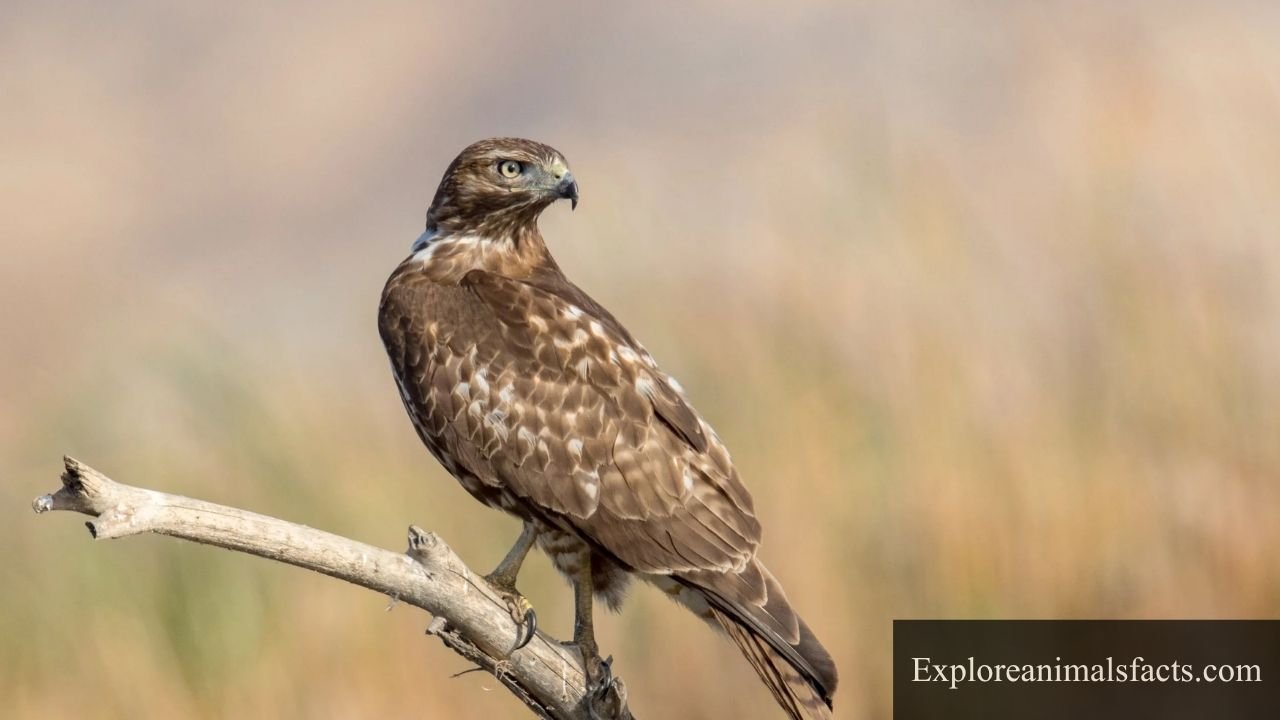
The Red-Tailed Hawk is a master of the skies, displaying a keen hunting prowess that makes it one of the most formidable predators in North American ecosystems. These majestic birds boast sharp vision, allowing them to spot a rabbit darting through the underbrush from hundreds of feet in the air. Once they locate their prey, the hawk employs a mix of stealth and speed, diving down with remarkable precision to seize its next meal. This dynamic hunting technique not only highlights the hawk’s adaptability but also plays a crucial role in maintaining the balance of the environment.
Interestingly, the Red-Tailed Hawk’s diet isn’t limited to rabbits; it will also consume hares, rodents, and even small birds. However, the abundance of rabbits in various habitats makes them a favored choice. Their presence in the hawk’s diet showcases a fascinating predator-prey relationship that supports biodiversity. By keeping rabbit populations in check, Red-Tailed Hawks inadvertently promote healthier ecosystems, ensuring that plant life doesn’t become overly grazed. Observing these hawks in action offers a unique glimpse into the intricate web of life, where every species plays a vital role in sustaining the natural world.
Badgers
Scientific Name: Meles meles
Class: Mammalia
Diet: Omnivore
Badgers are often overlooked in nature’s predator-prey dynamics, but they play a significant role as hunters of rabbits. These nocturnal foragers possess a remarkable set of adaptations that make them efficient predators. With their powerful forelimbs and strong claws, badgers can dig deep into rabbit burrows, showcasing a blend of tenacity and skill in their pursuit of prey. Their keen sense of smell allows them to track down rabbits even in the dense underbrush, proving that these creatures are more than just clumsy foragers — they are formidable hunters.
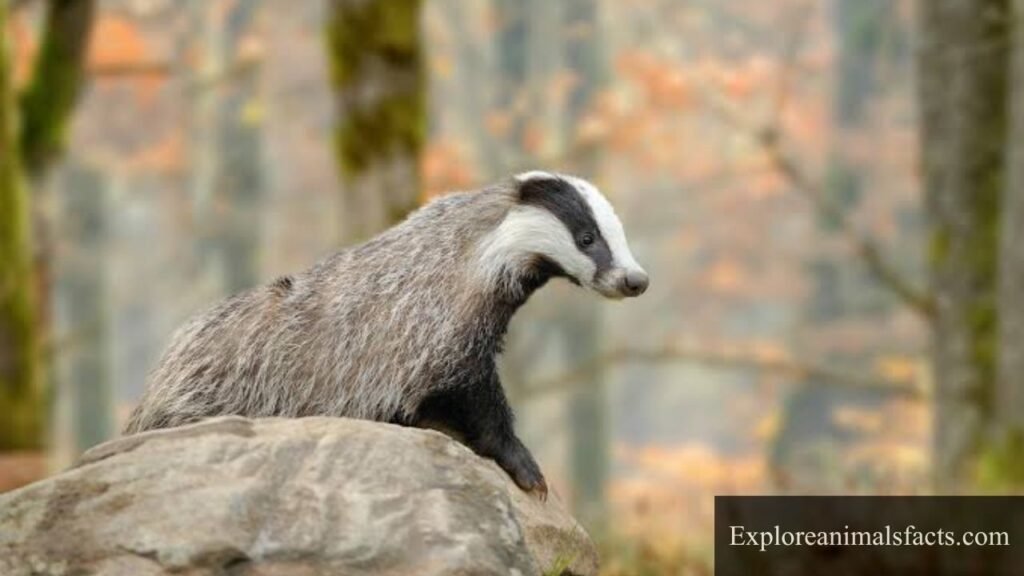
But what makes the badger’s relationship with rabbits particularly fascinating is the ecological balance it maintains. As badgers control rabbit populations, they inadvertently promote plant diversity by allowing other herbivores and vegetation to thrive. This dynamic leads to healthier ecosystems where different species can flourish. Moreover, observing badgers in action offers a glimpse into nature’s intricate web, where each predator and prey interaction ripples through the environment, illustrating the delicate interplay essential for ecological stability.
Readmore: Explore Top 19 Annoying Animals in the World.
Coyotes
Scientific Name: Canis latrans
Class: Mammalia
Diet: Omnivore
Coyotes are highly adaptable predators, thriving in diverse environments from deserts to urban areas. Their opportunistic nature allows them to exploit various food sources, but rabbits remain a staple in their diet. With their keen senses and remarkable agility, coyotes can track and hunt down these swift prey effectively. The interplay between coyotes and rabbits reflects a classic predator-prey dynamic, underscoring the balance of ecosystems.
Interestingly, coyotes often hunt in packs, which enhances their chances of success when chasing down rabbits. This social behavior not only increases their hunting efficiency but also showcases their intelligence; they can devise strategies to outmaneuver these clever creatures. Furthermore, the presence of coyotes can influence rabbit populations, which may, in turn, affect the vegetation and health of the habitats they both occupy. Observing this relationship sheds light on nature’s intricate web, reminding us that the survival of one species often hinges on the thriving of another.
Weasel
Scientific Name: Mustela nivalis
Class: Mammalia
Diet: Carnivore
The weasel, a small but formidable predator, showcases a fascinating blend of agility and cunning in its pursuit of prey, particularly rabbits. With its elongated body and sharp claws, the weasel slips effortlessly through dense underbrush, often ambushing unsuspecting rabbits during the twilight hours. This stealthy approach not only highlights the weasel’s hunting prowess but also underscores the intricate balance of its ecosystem — a reminder of nature’s relentless cycle of survival.
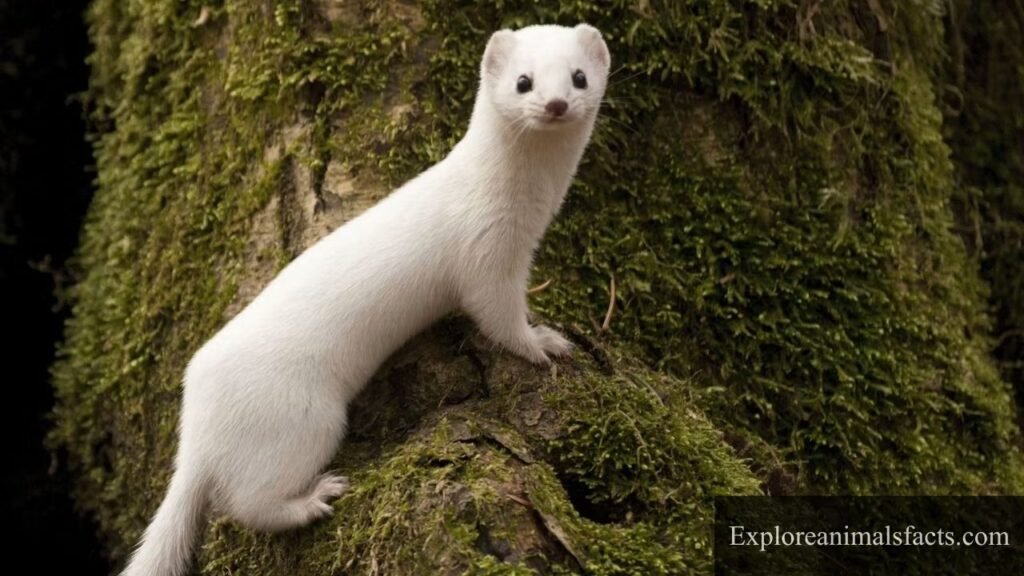
What sets the weasel apart is its ability to tackle prey significantly larger than itself, thanks in part to its powerful jaws and relentless determination. A weasel can swiftly dispatch a rabbit, using precision and swift maneuvers to target vital areas. This stark efficiency contributes to controlling rabbit populations, preventing them from overwhelming vegetation and transforming ecosystems into barren landscapes.
Golden Eagle
Scientific Name: Aquila chrysaetos
Class: Aves
Diet: Carnivore
The golden eagle, a majestic bird of prey, is one of nature’s most skilled hunters, particularly renowned for its ability to catch rabbits. With a wingspan that can exceed seven feet, these eagles command the skies and can spot potential prey from great distances. What sets them apart in the animal kingdom is not just their impressive physical attributes, but also their strategic hunting techniques. When targeting rabbits, golden eagles employ a mix of stealth and speed, diving from heights with astounding precision to catch their unsuspecting quarry.
Interestingly, golden eagles are opportunistic feeders, consuming a variety of animals depending on availability. While rabbits are a popular meal, they might also take on larger game, showing remarkable adaptability that speaks to their survival skills. This versatility allows them to thrive in diverse habitats, from mountainous regions to arid plains. Their hunting prowess is a testament to the delicate balance of nature; by regulating rabbit populations, golden eagles play a crucial role in maintaining ecological harmony. This dynamic interaction highlights the interdependence of species and the intricate web of life that surrounds us, urging us to appreciate the unseen dramas unfolding in our natural world.
Snakes
Scientific Name: Serpentes
Class: Reptilia
Diet: Carnivore
Snakes are remarkable predators, and their feeding habits can be as fascinating as they are brutal. Among their varied diets, several species have developed a particular affinity for rabbits. The ease with which snakes can overpower these small mammals makes them a staple in their diets. Take, for example, the Eastern Indigo Snake, known for its striking coloration and impressive length. This snake employs its size to ambush rabbits, often using stealthy tactics suited for dense underbrush where rabbits find refuge.
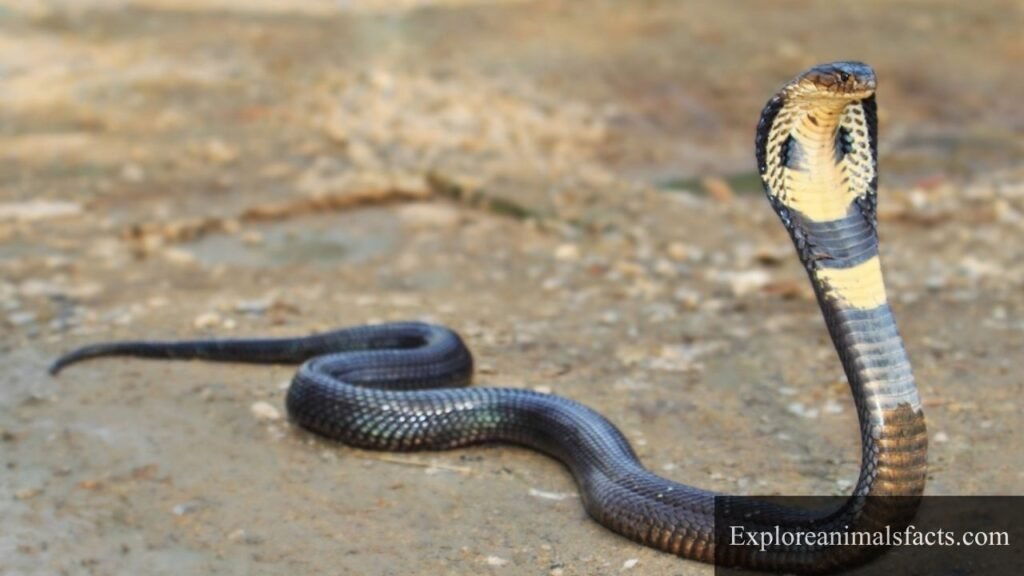
Moreover, the method of consumption adds another layer of intrigue. Snakes utilize a technique called “whole prey consumption,” where they dislocate their jaws to swallow their prey whole. This process not only highlights their physical adaptability but also plays a role in the ecosystem; it helps control rabbit populations, which can otherwise explode and lead to overgrazing in their habitats. The relationship between rabbits and their snake predators illustrates a delicate balance in nature, showcasing the interconnectedness of species and the roles they play in maintaining ecological harmony.
Bobcat
Scientific Name: Lynx rufus
Class: Mammalia
Diet: Carnivore
In North America’s forests and mountains, the bobcat emerges as one of the most adept hunters of rabbits. This agile feline, with its tufted ears and distinctive bobbed tail, employs a blend of stealth and speed to turn its primary prey into a meal. Equipped with sharp retractable claws and acute hearing, the bobcat has evolved to navigate its environment with grace, allowing it to ambush unsuspecting rabbits in the dense underbrush.
Unlike larger predators, bobcats often rely on their solitary nature, striking out alone to hunt. This independence enables them to specialize in specific habitats, where they can perfectly time their pursuits based on rabbit activity patterns. Interestingly, their hunting success is maximized during dawn and dusk, capitalizing on the rabbits’ own feeding habits during these twilight hours. By understanding these behaviors, we can appreciate the bobcat’s role not just as a predator, but as a vital regulator of rabbit populations, maintaining a delicate balance within their ecosystem.
Wolves
Scientific Name: Canis lupus
Class: Mammalia
Diet: Carnivore
Wolves, as apex predators, play a pivotal role in maintaining the ecological balance of their habitats, and their diet often includes rabbits, which serve as a vital food source. These canines possess an extraordinary hunting prowess, utilizing their pack structure to outmaneuver and exhaust their prey. Rabbits, with their swift movements and incredible agility, face a formidable challenge when encountering a coordinated group of wolves. The chase is a dramatic dance of survival, showcasing not just brute strength, but also strategic teamwork.
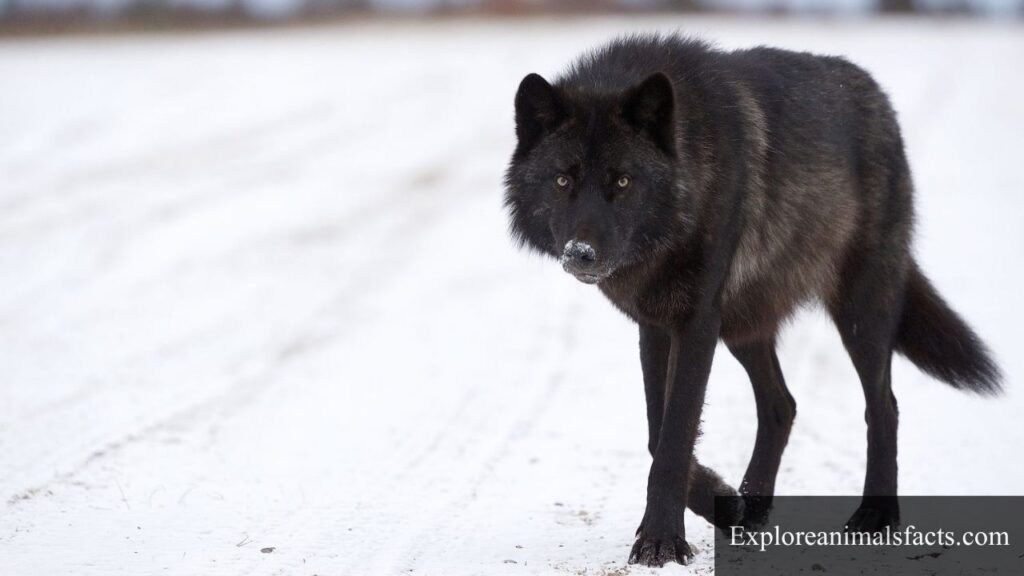
Interestingly, wolves’ predation on rabbits offers insights into their adaptability. In environments where larger prey is scarce, wolves will adjust their hunting strategies, shifting focus to smaller mammals like rabbits. This flexibility underscores the resilience of wolf populations, allowing them to thrive across diverse landscapes. Moreover, the predation of rabbits contributes to the ecosystem by preventing overpopulation, which can lead to vegetation depletion and habitat degradation. Thus, wolves do not merely consume rabbits; they also play an instrumental role in shaping the health of their environment.
Great Horned Owl
Scientific Name: Bubo virginianus
Class: Aves
Diet: Carnivore
The Great Horned Owl, a formidable predator, is a master of the night, displaying an impressive ability to hunt rabbits with stealth and precision. These owls have acute hearing and vision, allowing them to detect the slightest rustle of fur in the underbrush. With their powerful talons, they can capture and immobilize prey in a flash, making them one of the top hunters in their ecosystems. This predator-prey relationship showcases the delicate balance of nature, where rabbits serve as a crucial food source that sustains a vibrant owl population.
Interestingly, the Great Horned Owl is also known for its dietary versatility. While rabbits make up a significant portion of their diet, these owls will adapt their hunting habits based on seasonal availability and regional prey dynamics. From squirrels to birds, their adaptability highlights their survival prowess. This behavioral flexibility not only demonstrates the owl’s role as a keystone species but also underscores the resilience of natural food webs, where shifts in prey population can ripple through the ecosystem. Observing these majestic creatures in action reveals the intricate dance of predator and prey, a reminder of nature’s raw beauty and complexity.
Bears
Scientific Name: Ursidae
Class: Mammalia
Diet: Omnivore
Bears, particularly species like the grizzly and black bear, are opportunistic feeders whose diets can include a surprising variety of prey, including rabbits. While often associated with foraging for berries and fish, these omnivorous giants will seize any chance for a protein boost, especially in the leaner months of the year. The swift speed and agility of young rabbits can pose a challenge for a bear, yet when they detect scents of the small mammals in their habitat, they can become surprisingly stealthy hunters.
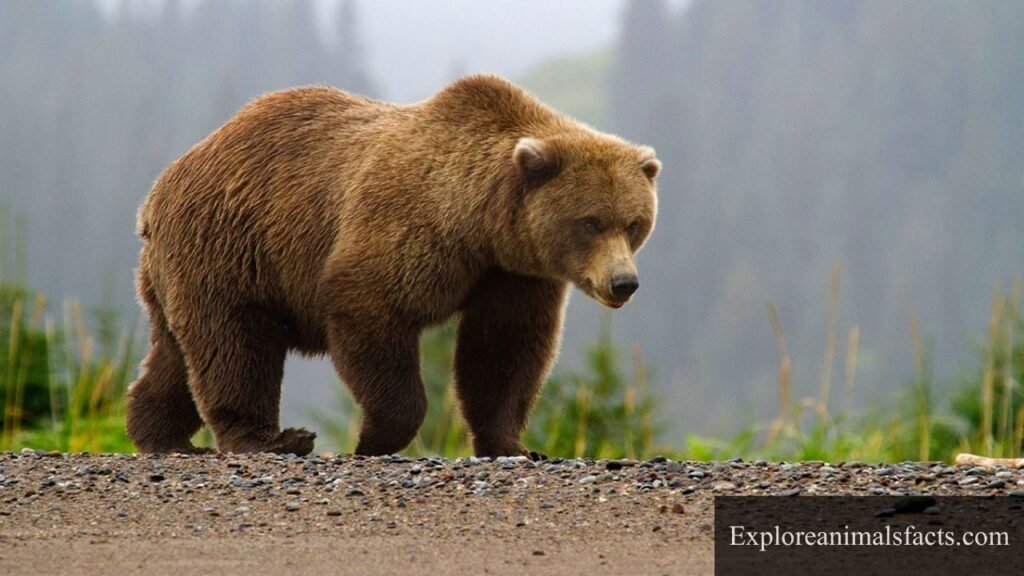
What’s fascinating is how bears utilize their keen senses and intelligence to hunt. They may employ ambush tactics, quietly stalking through the underbrush or waiting near known rabbit burrows. This behavior highlights a lesser-known aspect of bear life: their adaptability. In regions where their preferred food sources are scarce, bears demonstrate remarkable problem-solving skills, learning to hunt small mammals more effectively. By embracing such versatility in their diet, bears can thrive in an ever-changing ecosystem, underscoring their role as both predator and scavenger in the intricate web of wildlife.
Foxes
Scientific Name: Vulpes vulpes
Class: Mammalia
Diet: Omnivore
Foxes, with their remarkable adaptability, are among the primary predators of rabbits in various habitats. Their keen senses and stealthy approach allow them to master the art of ambush, often waiting patiently in the underbrush before launching a surprising attack. Interestingly, this adaptability enables foxes to thrive in diverse environments — from sprawling forests to urban areas — showcasing their resourcefulness in finding meals.
What truly sets foxes apart is their hunting techniques, which incorporate both strategy and agility. They often utilize their acute hearing to detect the slightest movements of rabbits, even beneath a blanket of snow. Foxes employ pouncing techniques, using their powerful hind legs to leap into the air and land directly on their prey. This remarkable skill not only highlights the intricate balance of predator and prey in nature but also raises questions about the ecological roles each animal plays in maintaining the health of their ecosystems. Thus, observing these cunning hunters serves as a reminder of the delicate interplay that sustains wildlife populations and the environments they inhabit.
Ferrets
Scientific Name: Mustela putorius furo
Class: Mammalia
Diet: Carnivore
Ferrets, often misunderstood as mere companions, are natural hunters with a fierce instinct for chasing down prey. In the wild, these energetic critters are opportunistic carnivores, and rabbits are a significant part of their diet. Their slender bodies and keen sense of smell make them adept at burrowing into rabbit warrens, allowing them to catch these nimble creatures off guard. This predatory behavior showcases not only their agility but also a remarkable adaptability that has allowed ferrets to thrive in diverse environments.
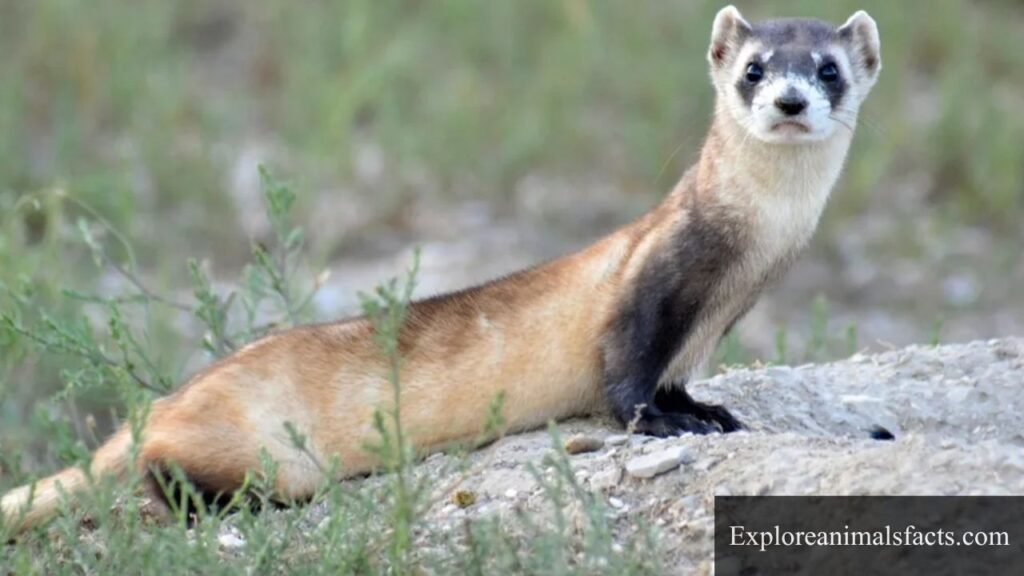
Interestingly, the hunting technique of ferrets reflects their evolutionary background. As descendants of the European polecat, they have retained many of their wild ancestors’ traits, including a penchant for stealth and strategy. Their hunting forays often reveal the delicate balance in nature, where predators like ferrets help manage rabbit populations, preventing overgrazing and promoting biodiversity. This dynamic highlights the important ecological role ferrets play, reminding us that even our beloved pets have a wild side rooted in survival.
Readmore: Explore Top 15 Animals That Whistle.
Final Thoughts
Rabbits are prey to a diverse array of predators, ranging from apex hunters like foxes and hawks to smaller but equally efficient predators such as weasels and snakes. The intricate balance of nature ensures that these relationships persist, highlighting the importance of each species in its ecosystem. Understanding these interactions not only enriches our knowledge of wildlife but also emphasizes the need for conservation efforts to protect these vulnerable rabbit populations. By safeguarding their habitats, we contribute to the overall health of biodiversity in our environment. Let’s take action to appreciate and protect the delicate web of life around us.
FAQs
What animal eats a rabbit?
Common animals that eat rabbits include foxes, hawks, and snakes. These predators rely on their speed, agility, and sharp senses to catch rabbits, which are known for their quick movements and ability to burrow. In addition to these hunters, larger mammals like coyotes and bobcats also feast on rabbits when the opportunity arises. Even domestic pets, such as dogs and cats, may instinctively chase and catch rabbits if they get the chance.
Do owls eat rabbits?
Yes, owls do eat rabbits. They are opportunistic predators and commonly hunt small mammals, including rabbits, especially species like the Eastern Cottontail. Owls have excellent night vision and silent flight, which makes them effective hunters in the dark. When hunting, owls usually rely on their keen hearing to locate prey. Once they spot a rabbit, they swoop down, using their sharp talons to catch it.
Is rabbit eaten by foxes?
Yes, rabbits are a common prey for foxes. These agile hunters primarily rely on their keen senses and quick movements to catch rabbits, which are abundant in many habitats.