Top 11 Animals That Eat Squirrels (Images Included)
Did you know that even the most adorable woodland creatures can fall prey to predators? In this article, we’ll explore the fascinating world of animals that eat squirrels, revealing the surprising dynamics of nature’s food chain. Understanding these relationships is crucial for appreciating ecosystem balance and wildlife behavior.
By the end, you’ll gain insights into which animals target these nimble rodents and why their role is more significant than you might think.
List of Animals That Eat Squirrels
Below is the list of animals that eat squirrels:
- Bobcat
- Great Horned Owl
- Weasel
- Hawk
- Coyote
- Snakes
- Domestic Cat
- Fox
- Eagle
- Raccoon
- Gray Wolf
Bobcat
Scientific Name: Lynx rufus
Class: Mammalia
Diet: Carnivore
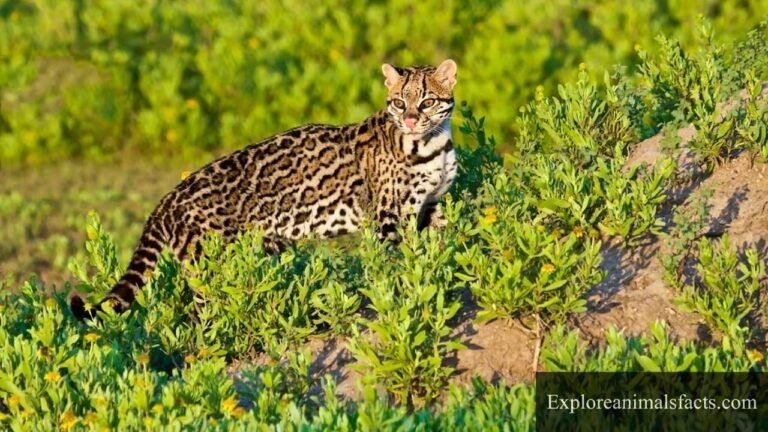
Bobcats are stealthy masters of their environment, often overshadowed by their more famous feline relatives. These adaptable predators have a diverse diet, with squirrels making up a significant portion of their meals. Equipped with keen eyesight and impressive agility, bobcats can swiftly navigate through dense underbrush and leap with astounding precision to surprise their unsuspecting prey.
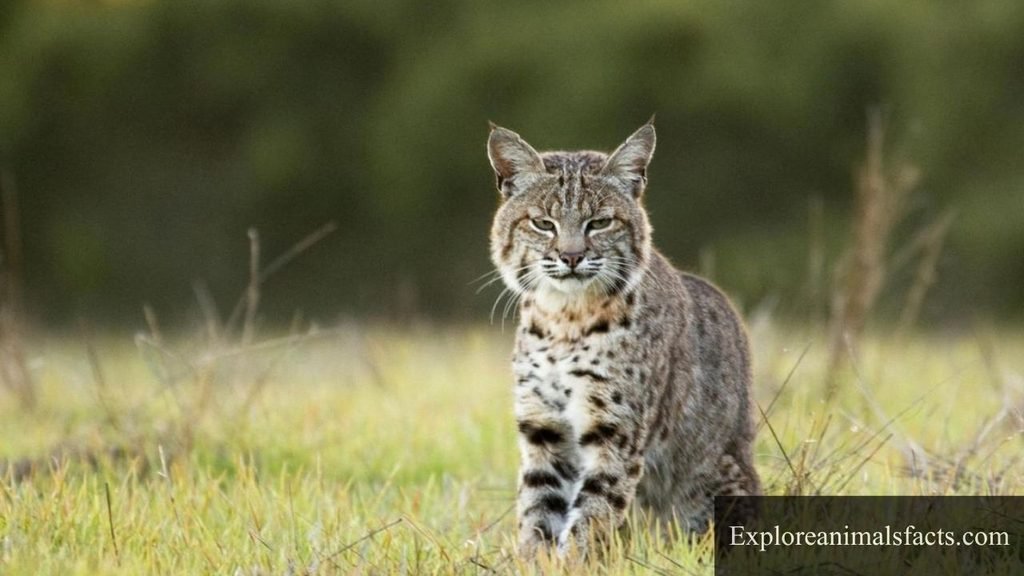
What makes the bobcat particularly fascinating is how it capitalizes on the natural behaviors of squirrels. These small rodents are drawn to open spaces, but when they venture into the bobcat’s territory, they become vulnerable. The bobcat’s hunting strategy involves patiently waiting and observing, allowing it to exploit moments of vulnerability when squirrels are distracted or feeding. This elegant dance between predator and prey highlights the intricate balance of ecosystem dynamics, revealing just how integral each species is to the other’s survival. As bobcat populations flourish with ample squirrel presence, they play a pivotal role in controlling these rodent numbers, showcasing nature’s remarkable interconnectedness.
Great Horned Owl
Scientific Name: Bubo virginianus
Class: Aves
Diet: Carnivore
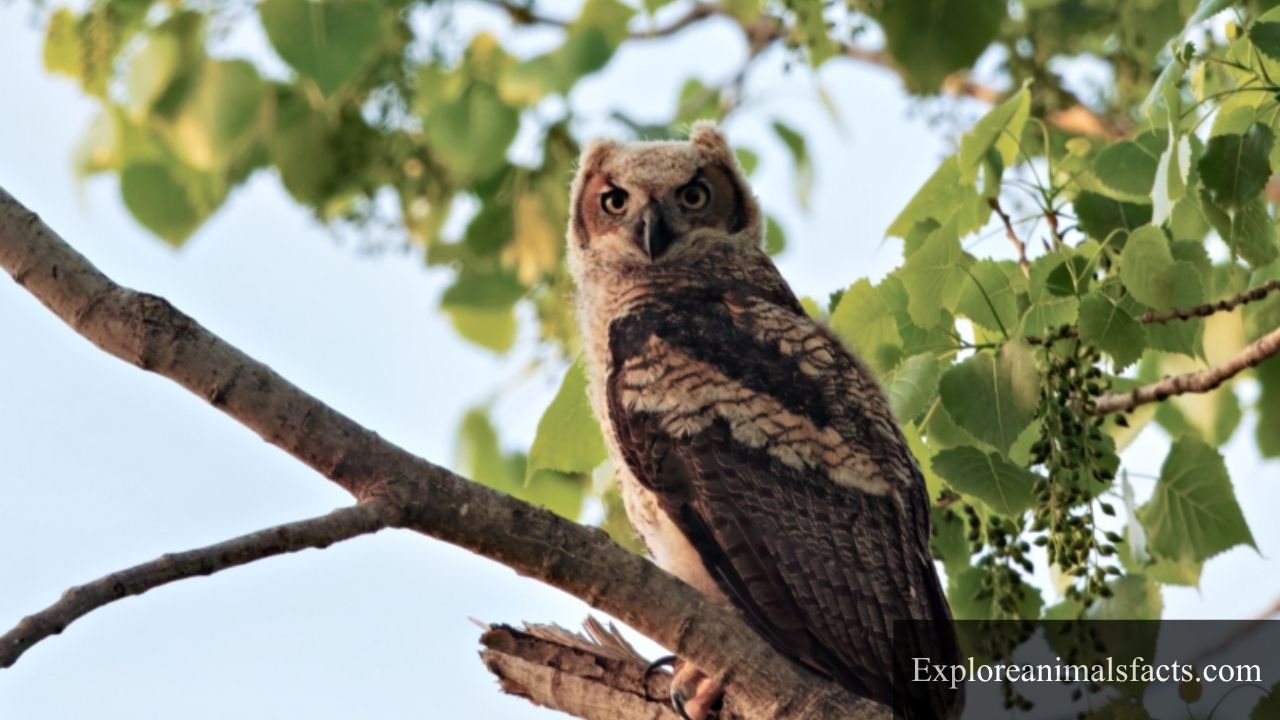
The Great Horned Owl stands as one of the most formidable predators in North American ecosystems, and its diet often includes squirrels, showcasing a fascinating aspect of its hunting prowess. With powerful talons and exceptional night vision, this owl can silently swoop down on unsuspecting prey, often in a dramatic show of agility and stealth. While many may envision the Great Horned Owl targeting typical small mammals or birds, its appetite for squirrels reveals a more complex interplay within the food web, highlighting the adaptability of its hunting techniques across different terrains.
Interestingly, these owls do not just rely on brute strength; their hunting strategy includes significant intelligence and adaptability. Research reveals that a Great Horned Owl may alter its hunting patterns based on seasonal changes, leaping at the chance to exploit abundant squirrel populations in late winter and early spring. This adaptability is a testament to the owl’s ecological role, maintaining balance in local environments by controlling rodent populations. Each encounter between predator and prey encapsulates a dynamic where survival hinges not just on physical attributes but also on the evolutionary dance of instinct and strategy within the great drama of nature.
Weasel
Scientific Name: Mustela nivalis
Class: Mammalia
Diet: Carnivore
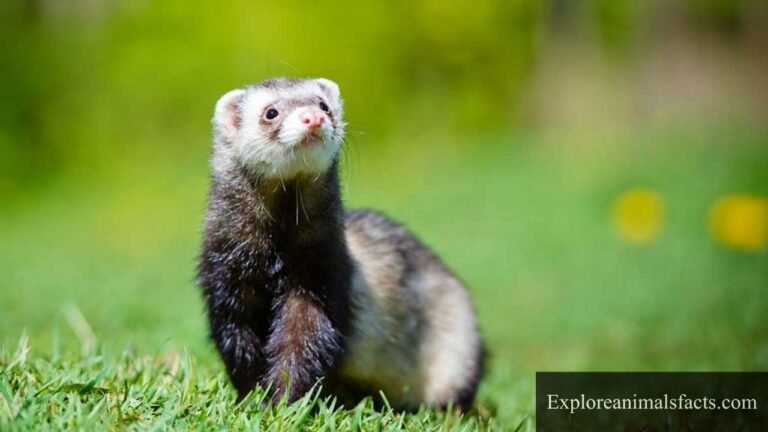
Weasels are often overlooked in the animal kingdom, yet their relationship with squirrels offers a fascinating glimpse into nature’s intricate food web. Agile and cunning, weasels have an innate ability to navigate the densely forested habitats where squirrels thrive. Their slender bodies allow them to slip into tight spaces, making them adept hunters, often surprising their prey in unexpected ways. Unlike larger predators, weasels rely on stealth and speed rather than sheer strength, showcasing a different kind of hunting artistry.
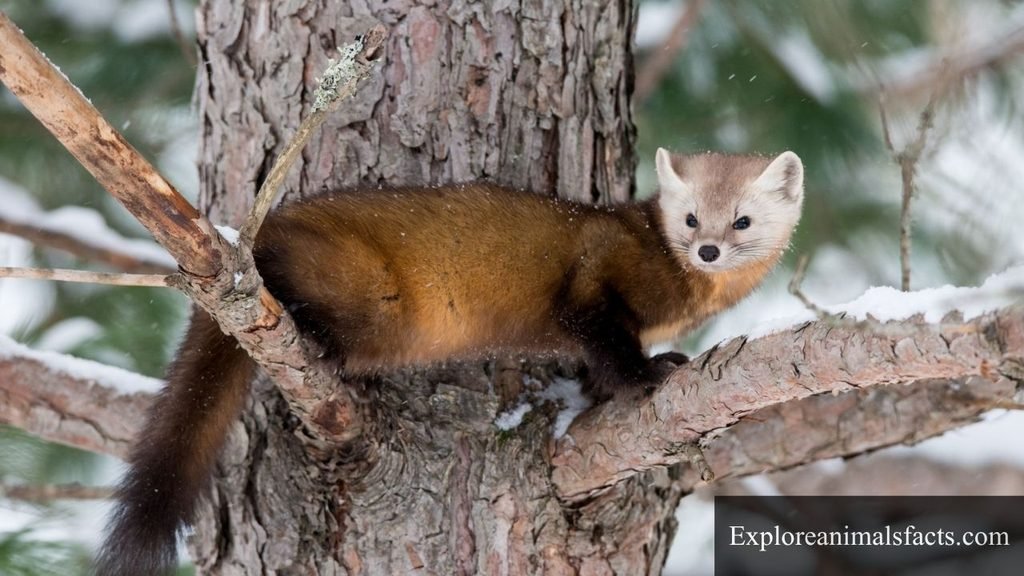
Interestingly, the weasel’s diet extends beyond just capturing adult squirrels; they often target the young and vulnerable. This predation plays a crucial role in maintaining the balance within ecosystems by controlling the squirrel population, which, if unchecked, could lead to overgrazing of tree seedlings. By predating on squirrels, weasels help ensure that forests can regenerate, highlighting the interconnectedness of species and the delicate balance of life in woodland habitats. Observing such interactions can deepen our understanding of biodiversity and the essential roles that even the smallest predators play in their environments.
Readmore: Explore Top 13 Animals That Eat Rabbits.
Hawk
Scientific Name: Buteo jamaicensis
Class: Aves
Diet: Carnivore
Hawks are remarkable aerial predators that play a critical role in controlling the populations of small mammals, including squirrels. With their keen eyesight — capable of spotting prey from over a mile away — hawks can easily track the nimble movements of squirrels, which often scurry along the ground or dart between tree branches. These raptors have evolved to be agile fliers, allowing them to swoop down with incredible precision, often surprising unsuspecting rodents.
The interaction between hawks and squirrels highlights a fascinating aspect of the ecosystem. Squirrels, with their acrobatic skills and bushy tails, may seem like they have the upper hand, but they are still vulnerable to aerial hunts. This predator-prey dynamic is not just about survival; it exemplifies nature’s balance, as hawks help maintain squirrel populations, which, if left unchecked, could lead to overgrazing of vegetation. Observing this relationship in action can remind us of the intricate web of life that sustains biodiversity in our ecosystems.
Coyote
Scientific Name: Canis latrans
Class: Mammalia
Diet: Omnivore
Coyotes are adept predators known for their remarkable adaptability, thriving in diverse environments — from urban landscapes to remote wilderness. These clever canines have an impressive hunting repertoire, which often includes the opportunistic pursuit of squirrels. Their keen senses and extraordinary agility allow them to navigate terrain with ease, facilitating stealthy ambushes that catch even the nimblest squirrels off guard.
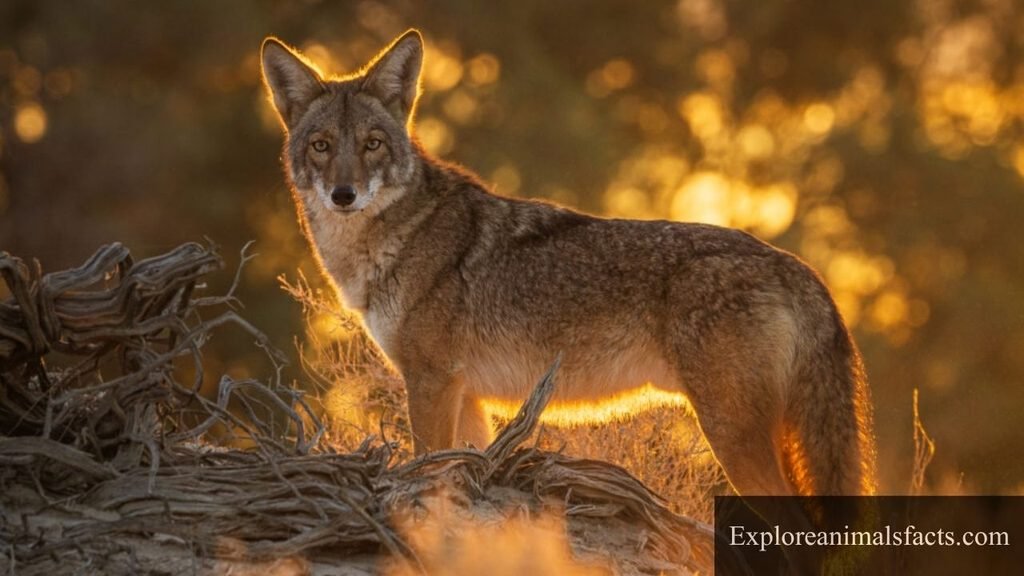
What’s particularly fascinating is the coyote’s role in shaping balance within ecosystems. By preying on rodents like squirrels, they indirectly influence vegetation dynamics and competition among other species. This natural regulation helps ensure that no single population grows too large, preserving the health of their habitats. As they adjust their diets based on food availability, coyotes exemplify how adaptable predators can foster resilience in their environments, reminding us of the intricate connections between predator and prey in the wild.
Snakes
Scientific Name: Serpentes
Class: Reptilia
Diet: Carnivore
Among the myriad creatures that prey on squirrels, snakes stand out for their unique hunting techniques and remarkable adaptations. With over 3,000 species worldwide, these cold-blooded predators employ a strategy of stealth and patience, often utilizing ambush tactics to catch unsuspecting squirrels. Some serpents, like the eastern indigo snake, have developed a formidable reputation as skilled tree climbers, allowing them to access nests and young squirrels high above ground. The sight of a snake coiling quietly on a branch brings an unsettling blend of intrigue and respect for nature’s balance.
Interestingly, the diet of certain snakes goes beyond mere opportunism; it can reveal much about their ecological role. For instance, in environments where squirrels are abundant, snake populations often thrive, highlighting a dynamic predator-prey relationship that influences local biodiversity. The presence of these snakes may also act as a natural control mechanism, preventing overpopulation of squirrels and thereby promoting a healthier ecosystem. Such interactions remind us that every creature, from the smallest rodent to the largest predator, plays a vital role in the tapestry of life, keeping nature’s delicate balance in check.
Domestic Cat
Scientific Name: Felis catus
Class: Mammalia
Diet: Carnivore
Domestic cats, with their playful nature and curiosity, often find small mammals like squirrels to be intriguing targets. Their innate hunting instincts, honed over thousands of years, can emerge even in the coziest of suburban backyards. The sight of a cat stealthily stalking a squirrel — transforming into a nimble predator within moments — is a reminder of their wild ancestry, where survival hinged on such skills.
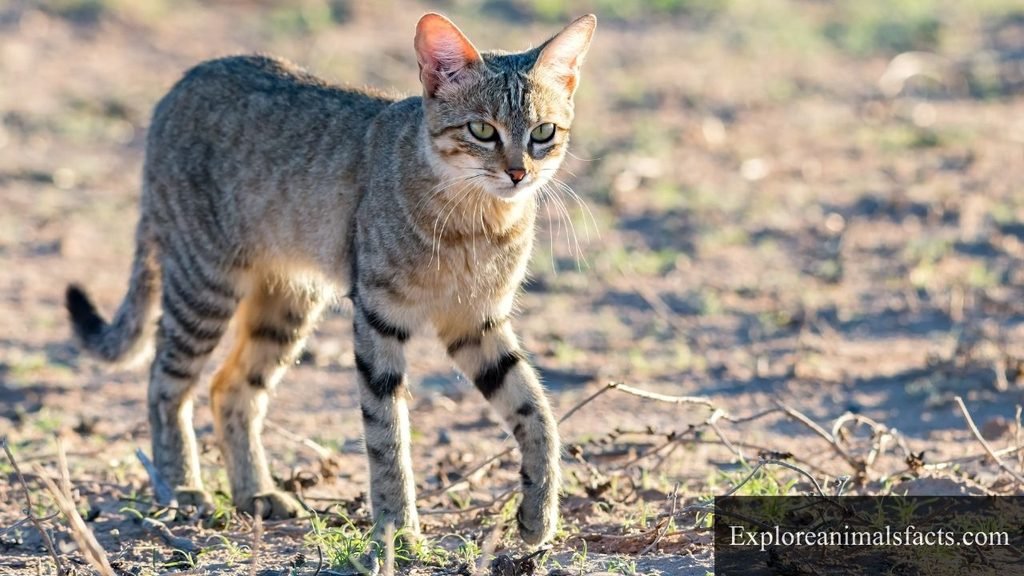
Interestingly, while many domestic cats may view squirrels as potential prey, the dynamics change dramatically based on size and environment. In urban settings, agile squirrels have adapted to evade their feline pursuers, often taking refuge in trees or high ledges. This cat-and-squirrel interplay creates a mini-drama in our neighborhoods, showcasing not just the hunting prowess of cats but also the cunning adaptability of squirrels. These encounters often serve as a charming spectacle for homeowners, blurring the line between domestication and instinctual behavior, all while providing a glimpse into nature’s ever-evolving tapestry.
Fox
Scientific Name: Vulpes vulpes
Class: Mammalia
Diet: Omnivore
Foxes are skilled hunters, employing a mix of stealth and cunning to outsmart their prey, which often includes squirrels. These small mammals are a delightful source of nutrition for foxes, especially in environments where rabbits or larger game may be sparse. The unique hunting technique of a fox, involving a calculated pounce and a keen sense of hearing, allows it to locate squirrels even amidst the rustling leaves and dense underbrush.
Unlike many predators, foxes demonstrate remarkable adaptability. In urban settings, where squirrels thrive, foxes have learned to navigate the complexities of human landscapes, exploiting their agility and sharp instincts. This interaction nuances the predator-prey dynamic, fostering a unique kind of harmony between city dwellers and wildlife. Observing a fox in pursuit of a squirrel serves as a reminder of nature’s intricacies, where survival often hinges on an animal’s ability to learn and adapt.
Eagle
Scientific Name: Haliaeetus leucocephalus
Class: Aves
Diet: Carnivore
Eagles are apex predators renowned for their exceptional hunting prowess. With their keen eyesight, capable of spotting a squirrel from over a mile away, these majestic birds effortlessly swoop down at astonishing speeds, showcasing a combination of strength and precision that leaves onlookers in awe. The sight of an eagle skillfully snatching a squirrel from the ground highlights the incredible adaptability of these raptors, as they thrive in diverse habitats from mountains to open fields.
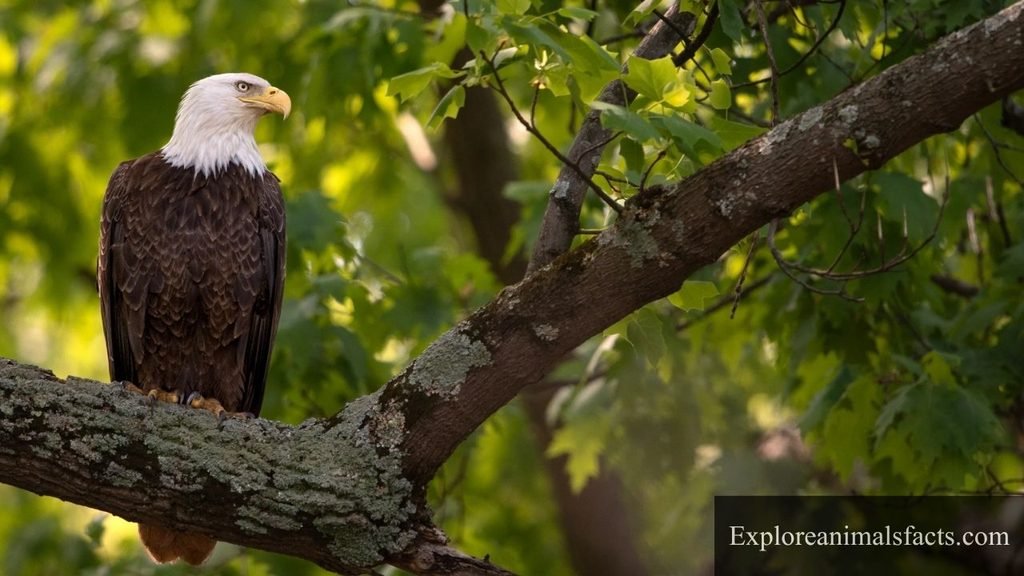
Eagles often utilize their sharp talons to grip their prey securely, allowing them to carry off their catch to a safe perch or a hidden nest. This method not only ensures a meal but also contributes to the intricate balance of the ecosystem, as the removal of small rodents like squirrels helps control their populations. Moreover, observing this dynamic predator-prey relationship can offer valuable insights into the behaviors and survival strategies of both species, reminding us of nature’s interconnected web. Such encounters enrich our understanding of wildlife, showcasing the raw power of these avian hunters and the vital roles they play in maintaining ecological harmony.
Raccoon
Scientific Name: Procyon lotor
Class: Mammalia
Diet: Omnivore
Raccoons, with their masked faces and nimble paws, are often seen rummaging through trash cans, but they are also expert hunters. These curious creatures are opportunistic feeders, and while they primarily thrive on fruits, insects, and small mammals, squirrels can sometimes find themselves on the menu. Raccoons have a dexterous grip and keen senses, enabling them to easily scale trees and adeptly navigate the intricate branches where squirrels nest. This adaptability makes them formidable predators in urban and rural landscapes alike.
Raccoons tend to hunt squirrels not just for food but also as a means of survival in competitive environments. Their cleverness and intelligence allow them to observe and learn from the behaviors of other predators, making them efficient hunters. Moreover, during seasons when food sources are scarce, a raccoon’s willingness to eat a variety of prey, including squirrels, showcases its survival instincts and the delicate balance of nature’s food chain. This dynamic reveals a fascinating interplay between species, urging us to appreciate the multifaceted roles animals play in their ecosystems.
Gray Wolf
Scientific Name: Canis lupus
Class: Mammalia
Diet: Carnivore
Gray wolves are apex predators, and their diet reflects the versatile adaptability of their hunting strategies. While they typically target larger ungulates, these cunning canines won’t hesitate to include smaller animals like squirrels when food is scarce or when they’re hunting in a pack. Watching a gray wolf zero in on a squirrel showcases their remarkable agility and speed, as they can cover ground swiftly, pouncing with impressive precision. This adaptability not only highlights their survival instincts but also sheds light on the intricate balance of ecosystem dynamics.
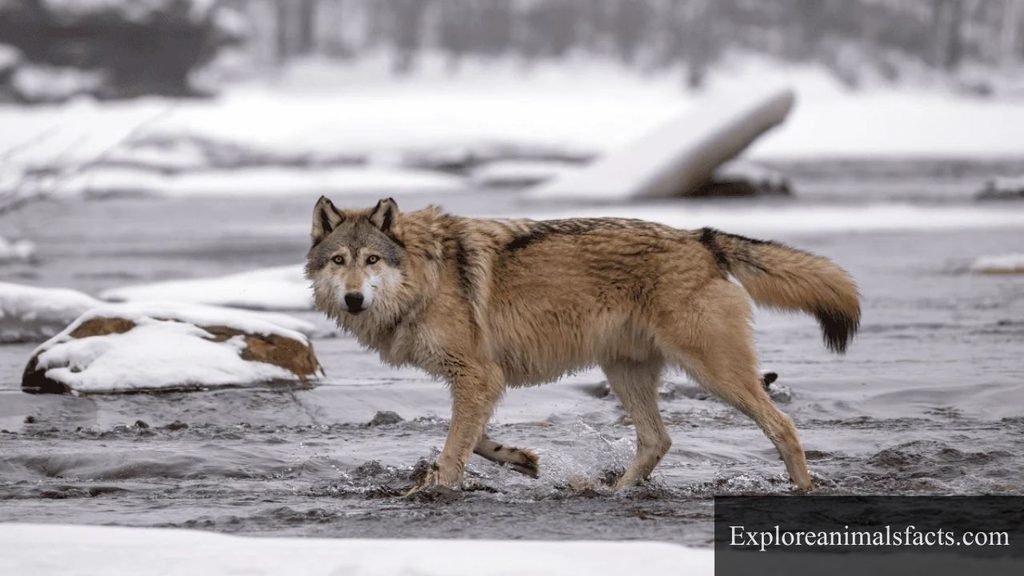
The gray wolf’s foray into small prey consumption serves a dual purpose: it helps maintain rodent populations, preventing overgrazing by herbivores, and it reveals the wolf’s opportunistic feeding behavior. In forested regions, where daylight visibility is low, gray wolves have developed keen senses, particularly their acute hearing, which allows them to detect the faintest rustle of a squirrel in the underbrush. This kind of predation underscores a fascinating ecological truth: in the animal kingdom, even the smallest creatures can play significant roles in the food web, and the gray wolf exemplifies how flexibility in diet can lead to greater ecological stability.
Readmore: Explore Top 23 Animals That Gallop.
Final Thoughts
The dietary habits of animals that consume squirrels illustrate the complex web of interactions within our ecosystems. These predators not only help control squirrel populations but also contribute to biodiversity by maintaining healthy habitats. Each species has its unique hunting strategies and adaptations that highlight the diversity of life on our planet.
As we deepen our understanding of these relationships, we must also take action to protect wildlife and their habitats from encroaching human activities. Embrace a more conscientious approach to wildlife conservation and be a steward for the animals that rely on balance in their environments.
FAQs
what animals eat squirrels in the forest?
Squirrels are food of various forest predators. Birds of prey, like hawks and owls, often swoop down on unsuspecting squirrels. These sharp-eyed hunters can spot movement from great distances. On the ground, foxes, coyotes, and even snakes don’t pass up the chance to catch a squirrel. Raccoons can also be a threat, especially to young or injured ones.
Do raccoons eat squirrels?
Yes, raccoons do eat squirrels, among other things. As omnivores, raccoons have a diverse diet that includes fruits, insects, eggs, and small animals. Squirrels can be a part of this diet, especially when food is scarce.
Do owls eat squirrels?
Yes, owls do eat squirrels. They are opportunistic hunters and incorporate various prey into their diet depending on availability. Squirrels are a common target, especially for larger owl species like the Great Horned Owl.
Do weasels eat squirrels?
Yes, weasels can eat squirrels. These small carnivores are opportunistic hunters and will go after various prey, including rodents and small mammals like squirrels. Weasels are known for their agility and quickness, which helps them catch their prey effectively.